
BIT-CCTV
As we look ahead to 2026, selecting the best CCTV camera for home security becomes increasingly important. Renowned security expert Dr. James Thompson emphasizes, “The right CCTV camera can make all the difference in protecting your home.” Today, families face heightened risks, and CCTV technology evolves to meet these challenges.
The market offers numerous options, each with unique features. High-definition video, night vision, and smart integrations are essential. However, many consumers feel overwhelmed by choices. Understanding what works best for specific needs is crucial. Expert reviews and comparisons simplify this process, but the importance of buying from trusted brands cannot be overstated.
A reliable CCTV camera should provide not just surveillance, but peace of mind. However, common mistakes often lead to poor installations and ineffective monitoring. Homeowners must consider placement, connectivity, and video storage. As we navigate through the advancements in CCTV technology, careful planning is key to effective home security in 2026.
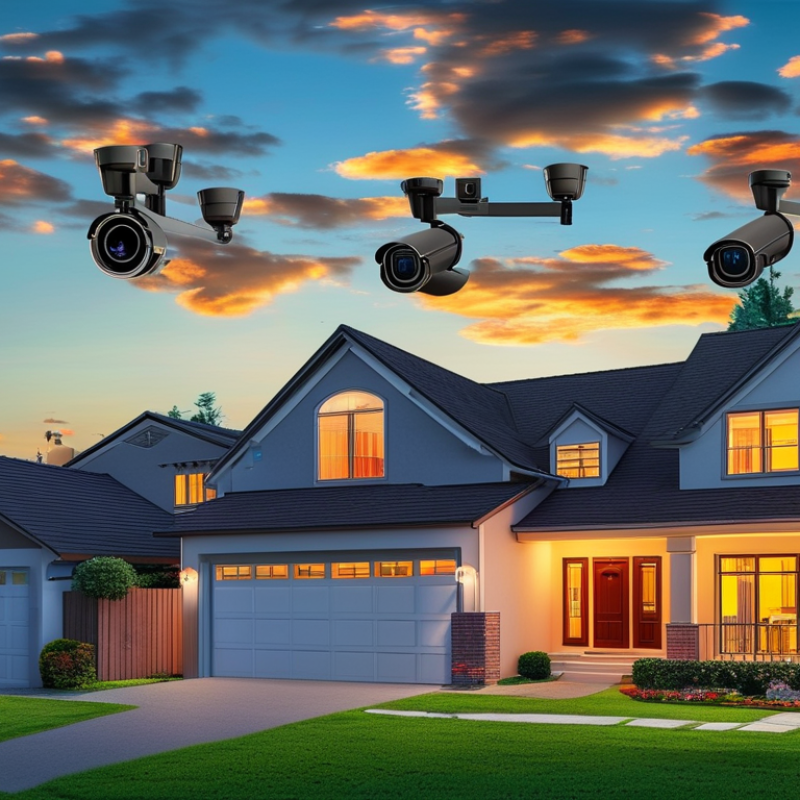
When choosing the best CCTV camera for home security in 2026, several key features stand out. First, resolution is critical. A higher resolution ensures clearer images, making it easier to identify faces or license plates. Look for cameras that offer at least 1080p HD quality. Lower quality may leave you with blurry images during crucial moments.
Night vision capability is another essential feature. Many intrusions occur in the dark, so infrared night vision is a must. Cameras with good night vision will enhance your security at all hours. Connectivity options, like Wi-Fi and Ethernet, allow for flexible installation and remote access. However, make sure your home Wi-Fi is secure to avoid hacking risks.
Consider camera placement and field of view. Wide-angle lenses can cover more area, which is beneficial for larger properties. But don't forget to think about the camera's design. Some camouflaged cameras may provide discreet monitoring, but are they reliable? It’s important to balance aesthetics with functionality. Lastly, don’t overlook the importance of cloud storage. Some services can be costly, but local storage options may not provide the accessibility you need. Ensure your choice supports your security requirements while fitting your budget constraints.
When considering the best CCTV camera for home security in 2026, several top brands stand out. These brands focus on advanced technologies and user-friendly features. They offer reliable video quality and smart connectivity options, which are crucial for modern security systems.
Tips: Always ensure the camera has high-resolution video. Look for options that include night vision. This feature is essential for 24/7 surveillance. Pay attention to user reviews. They provide insights into camera performance in real-life situations.
Additionally, consider models that offer cloud storage. This ensures footage is safely stored off-site. Some cameras may have issues such as connectivity drops. It’s wise to research common problems before making a purchase. Assess your specific needs, like whether you need indoor or outdoor cameras. Different situations require different features for optimal security.
| Camera Model | Resolution | Field of View | Night Vision | Price Range |
|---|---|---|---|---|
| Model A | 4MP | 100 degrees | Up to 30m | $150 - $200 |
| Model B | 1080p | 90 degrees | Up to 25m | $100 - $150 |
| Model C | 8MP | 120 degrees | Up to 40m | $300 - $400 |
| Model D | 2MP | 70 degrees | Up to 20m | $50 - $100 |
| Model E | 5MP | 110 degrees | Up to 35m | $200 - $300 |
When considering home security, the choice between wired and wireless CCTV cameras is crucial. Wired systems often provide stable connections and reliable performance. According to a 2023 industry report, over 68% of users preferred wired systems for their minimal interference and higher video quality. However, installation can be complex and may require professional help, making it less flexible for some homeowners.
On the other hand, wireless CCTV cameras have gained popularity for their ease of installation and mobility. A survey from 2023 revealed that 72% of users found wireless options easier to set up. These systems often come with advanced features like remote access and motion detection. Yet, they might face issues with connectivity and interference from other devices. It’s also important to consider how easily the cameras can be hacked, as data from cybersecurity reports shows increasing concerns in this area.
Both wired and wireless cameras have their pros and cons. The decision largely depends on individual needs and circumstances. Users should reflect on their specific security requirements, environment, and tech-savviness when choosing between these options.
In 2026, homeowners increasingly prioritize budget-friendly CCTV options while maintaining security. Studies show that about 67% of home break-ins can be deterred with visible security cameras. Affordability is key; many prefer systems under $200. The cost-effectiveness of these systems does not mean compromised quality.
Recent reports indicate that basic HD surveillance cameras have become widely available. A decent unit can offer night vision and motion detection for under $150. However, some consumers may struggle with installation and technical issues. This means they might overlook advanced features that are actually beneficial. For example, cloud storage options are often underutilized, leading to lost footage.
Wireless cameras provide flexibility but might lack range. Some users face connectivity issues in larger homes. Not all budget models offer reliable app functionality, which can be frustrating during critical moments. Understanding the scope of these limitations is vital. Making informed decisions is essential when choosing budget-friendly options for home security.
As the demand for home security increases, the evolution of CCTV technology plays a critical role. Recent reports show that by 2026, nearly 60% of households will invest in smart surveillance solutions. This shift is largely driven by emerging technologies that enhance security measures. For instance, AI-driven cameras are becoming more prevalent. These systems can analyze behavior patterns in real-time, significantly reducing false alarms.
Moreover, cloud storage capabilities are improving. Advanced encryption methods ensure that footage is secure and accessible anywhere. A study by industry experts indicates that cloud-based storage is expected to grow by over 30% in the next few years. This growth reflects an increasing reliance on remote monitoring. Yet, with advancements come vulnerabilities. Cybersecurity threats remain a pressing concern, as hackers target connected devices. Addressing these issues remains essential for both manufacturers and consumers.
Integration with smart home systems is also noteworthy. Cameras that sync with other devices provide a cohesive security network. However, the complexity of such systems can confuse users. Many homeowners still struggle with installation and usability. Feedback indicates a need for simpler interfaces. Despite these challenges, the potential of new technologies in CCTV can revolutionize home security, making it more effective and user-friendly.
: Higher resolution, like 1080p HD, provides clearer images. This makes identifying faces and license plates easier.
Most intrusions happen in the dark. Good night vision enhances security by allowing 24/7 monitoring.
Use a secure home Wi-Fi network. Check connectivity options like Wi-Fi and Ethernet to avoid hacking risks.
Wide-angle lenses cover larger areas. Nonetheless, balance aesthetics and functionality for effective monitoring.
Cloud storage keeps footage off-site. However, be aware that some services may be costly.
AI-driven cameras analyze behavior patterns, reducing false alarms. However, be cautious of cybersecurity threats.
Yes, they create a cohesive security network. But, users often find complex systems confusing.
Some cameras experience connectivity drops. Research these issues before purchasing to avoid inconvenience.
User reviews provide valuable insights into real-life performance. They help identify strengths and weaknesses of cameras.
Many struggle with usability and installation. Feedback indicates a need for simpler interfaces to improve user experience.
In 2026, choosing the best CCTV camera for home security involves understanding key features such as resolution, night vision, and motion detection. When selecting a CCTV camera, it’s important to compare wired and wireless options, considering factors like installation ease and reliability.
Budget-friendly CCTV cameras are widely available, making home security accessible to all homeowners. Additionally, emerging technologies—such as AI integration and smart home compatibility—are revolutionizing the effectiveness of CCTV cameras, providing enhanced security measures and peace of mind. Understanding these elements will help homeowners make informed decisions for their security needs.
