 BIT-CCTV
BIT-CCTV
BIT-CCTV
Direct from China's leading R&D factory—robust build quality, certified specifications, and custom structural designs.
Innovation, Intelligence, Excellence, and Integrity driving long-term global infrastructure supply partnerships.
BIT-CCTV Founded
China Pan Tilt Maker
Annual R&D Investment
Countries Sales Network
m² Mfg. Area
In modern industrial, commercial, and defense ecosystems, the deployment of sensors, surveillance arrays, and telecommunication hardware demands reliable height elevation solutions. Aluminum telescoping antenna masts serve as the structural backbone for these systems. Whether deployed in tactical military settings, emergency telecommunication stations (Cell-on-Wheels), or remote meteorological monitoring points, the mechanical integrity of the mast directly correlates with signal reliability and data collection accuracy.
As remote sensing, industrial IoT, and 5G communications continue to expand globally, the market has shifted from standardized steel structures to specialized, high-strength-to-weight-ratio aluminum telescoping masts. Engineering teams globally face challenges such as minimizing wind load deflections, countering salt spray in maritime operations, and ensuring structural recovery under sub-zero temperatures. Selecting the correct supplier is no longer a procurement transaction; it is a critical engineering partnership.
The manufacturing of reliable telescopic antenna masts requires strict attention to material selection and precision engineering. At Blue Icon (Tianjin) Technology Co. Ltd., our engineering teams utilize high-grade 6061-T6 and 7075-T6 aluminum alloys, manufactured through a custom hot-extrusion process to ensure consistent grain structures. Below is a structural comparison of materials commonly utilized in telescopic mast systems:
| Material Metric / Attribute | 6061-T6 Aluminum Alloy | 7075-T6 Aluminum Alloy | Standard Structural Steel (Q235) |
|---|---|---|---|
| Tensile Yield Strength | 276 MPa (40,000 psi) | 503 MPa (73,000 psi) | 235 MPa (34,000 psi) |
| Density (Weight Efficiency) | 2.70 g/cm³ | 2.81 g/cm³ | 7.85 g/cm³ |
| Corrosion Resistance | Excellent (Self-passivating oxide film) | Moderate (Requires anodized coating) | Poor (Prone to oxidation) |
| Primary Application | Standard Pneumatic / Mechanical Sections | High-Stress Joints, Extreme Load Collars | Heavy Fixed Ground Structures |
The choice of deployment mechanism affects deployment speed, payload limits, and system longevity in harsh field environments:
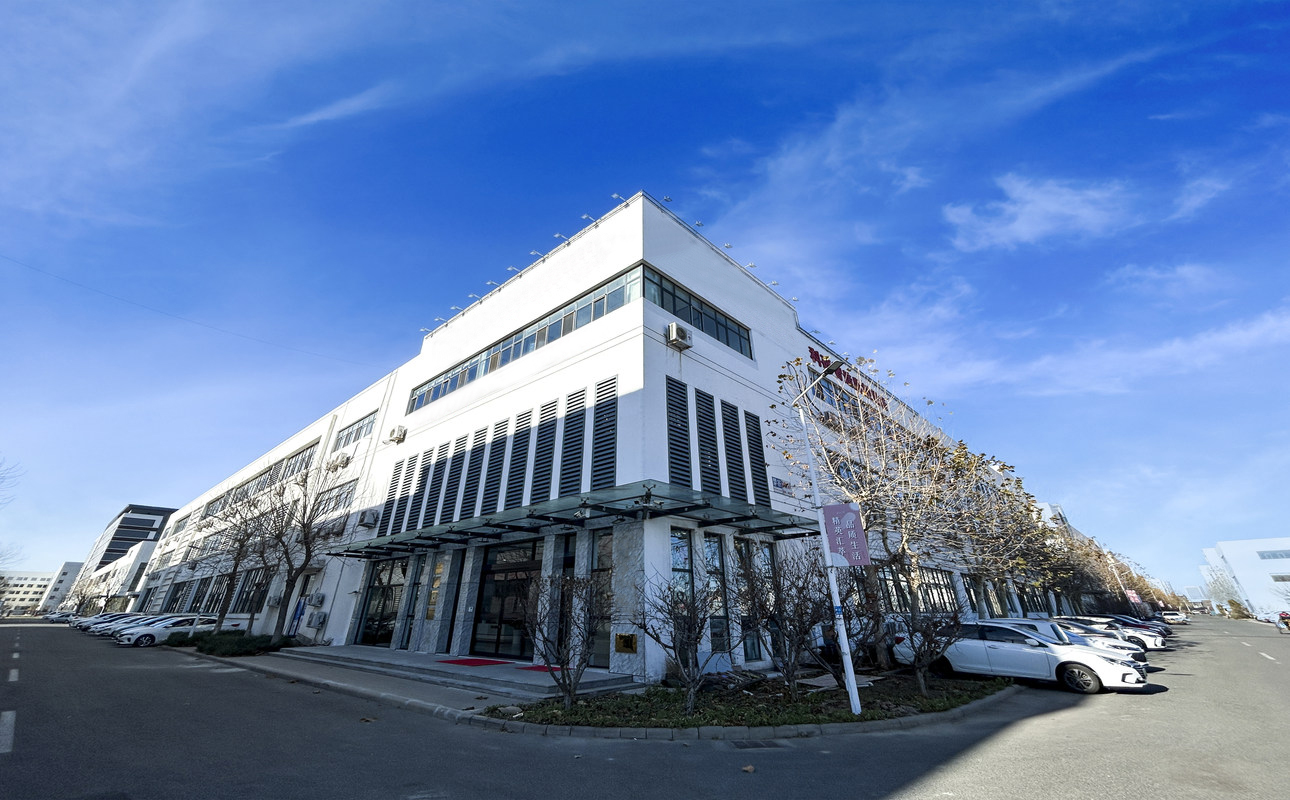
Established in 2005, Blue Icon (Tianjin) Technology Co. Ltd is a national high-tech company specializing in CCTV surveillance equipment and telescopic mast systems. Operating from our 10,000m² manufacturing facility in Tianjin, we maintain full quality control over the production cycle—from raw material extrusion and precision CNC milling to surface treatment and final load verification testing.
Our localized supply chain in North China provides access to high-quality aluminum extrusions, specialized seal components, and advanced anodizing facilities. This localized setup minimizes shipping delays and material shortages. We offer custom design (ODM) and original equipment manufacturing (OEM) services, delivering masts tailored to specific payload shapes, wind load tolerances, and transport configurations.
 18+ Years of Production Experience (Est. 2005) Fully Customized Solutions (Payload range: 3kg to 200kg) Comprehensive OEM & ODM Capabilities Certified to ISO 9001 and CE Standards
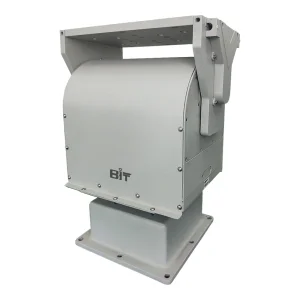
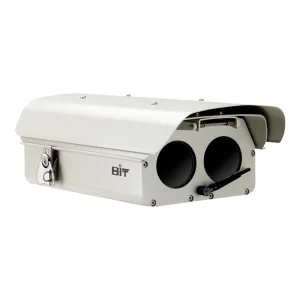
Beyond aluminum telescoping masts, our production line manufactures positioning hardware and protective enclosures.
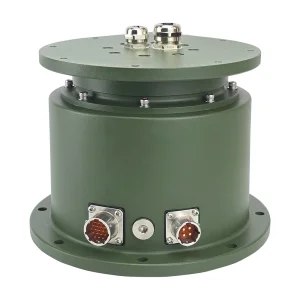
Available in Light, Medium, and Heavy Duty configurations supporting payloads from 3.5kg up to 120kg. Designed for smooth, continuous rotation and positioning.
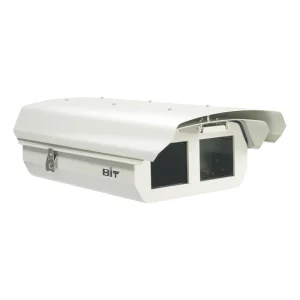
Weatherproof camera housings, including 11" and 15" dual-window enclosures, with optional wipers, heaters, and sunshields for extreme environments.
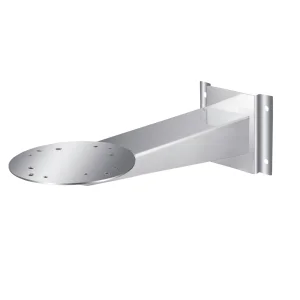
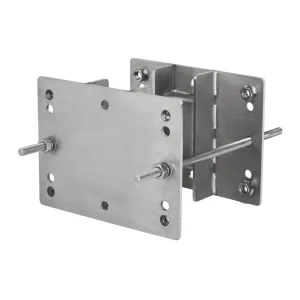
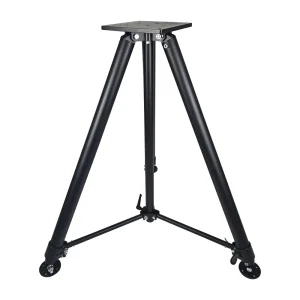
Anodized aluminum alloy masts featuring pneumatic or mechanical elevation, customizable heights, and mounting brackets for payloads and surveillance systems.
Telescopic masts are used across different climates and environments. Engineering the mast to match specific localized operating conditions is key to ensuring system uptime:
In coastal installations, salt mist and high humidity can cause galvanic corrosion, particularly where aluminum joins stainless steel fasteners. Our maritime-grade masts undergo a 50-micron hard anodization (MIL-A-8625 Type III) process and use 316-grade stainless steel hardware with Tef-Gel isolation barriers. This prevents structural degradation, allowing the mast to operate reliably in high-salinity marine environments.
At temperatures below freezing, standard nitrile seals in pneumatic masts can harden and shrink, causing air leaks and preventing extension. To address this, our masts feature low-temperature polyurethane seals rated down to -45°C, along with high-viscosity lubricants that keep mechanisms moving smoothly in Arctic or high-altitude operations.
Trailer-mounted mobile communications require stable telescoping masts that can withstand high winds without excessive sway. Our masts are designed with non-rotational locking keyways and guy-wire systems, maintaining stable performance in wind speeds up to 120 km/h. This stability is essential for thermal imaging cameras and point-to-point microwave antennas.
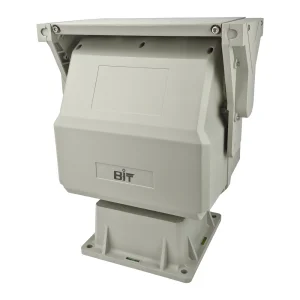
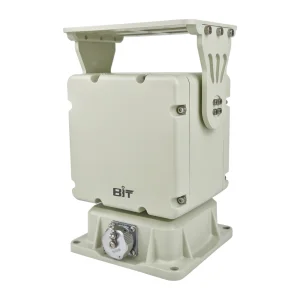
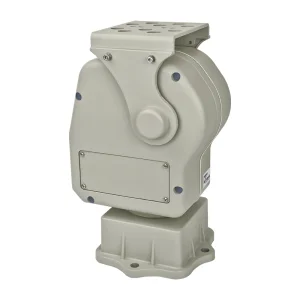
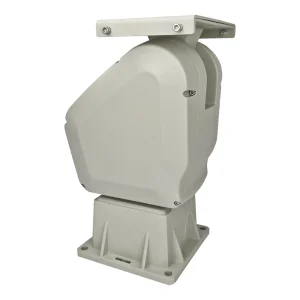
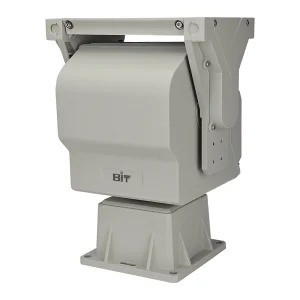
Our heavy-duty pan tilt positioners are designed to integrate seamlessly with telescoping masts, creating comprehensive elevated monitoring systems.
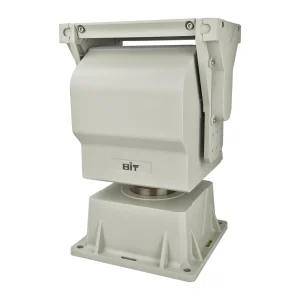
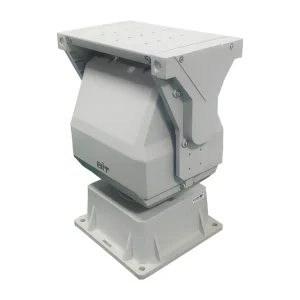
10kg/22lb Load Capacity: Features a high-precision stepper motor and worm/gear drive. Supports 360° pan rotation and ±60° tilt rotation at speeds up to 30°/S. Ideal for mounting camera housings, spotlights, and speakers for coastal monitoring and forest fire prevention.
3.5kg/7.7lb Load Capacity: Our most compact pan tilt unit, weighing only 3.5kg. Engineered for space-constrained installations and mobile surveillance setups requiring a lightweight, low-profile PTU.
50kg/110lb Load Capacity: A robust, field-tested positioning unit with a classic design. Known for low maintenance and reliability in harsh, high-wind environments over its 10-year production history.
As the demand for smarter and lighter infrastructure grows, our R&D efforts focus on introducing advanced materials and smart features to our telescopic mast systems:
By wrapping high-stress aluminum mast sections in composite carbon fiber layers, we can reduce overall mast weight by up to 30% while maintaining the necessary bending stiffness. This hybrid design allows field operators to deploy taller masts on smaller, lighter vehicles.
We are developing sensor arrays integrated directly into the mast collar assemblies. These sensors monitor real-time wind speeds, vertical load distribution, deflection angles, and gas pressure in pneumatic cylinders. The data can be routed back to control centers via Ethernet or cellular networks, enabling predictive maintenance and auto-collapse safety sequences during storm events.
For mobile setups deployed on uneven terrain, our upcoming mast designs feature automatic self-leveling bases. Integrated gyroscopic feedback systems adjust motorized leveling feet, ensuring the mast remains vertical without needing manual adjustment by field operators.
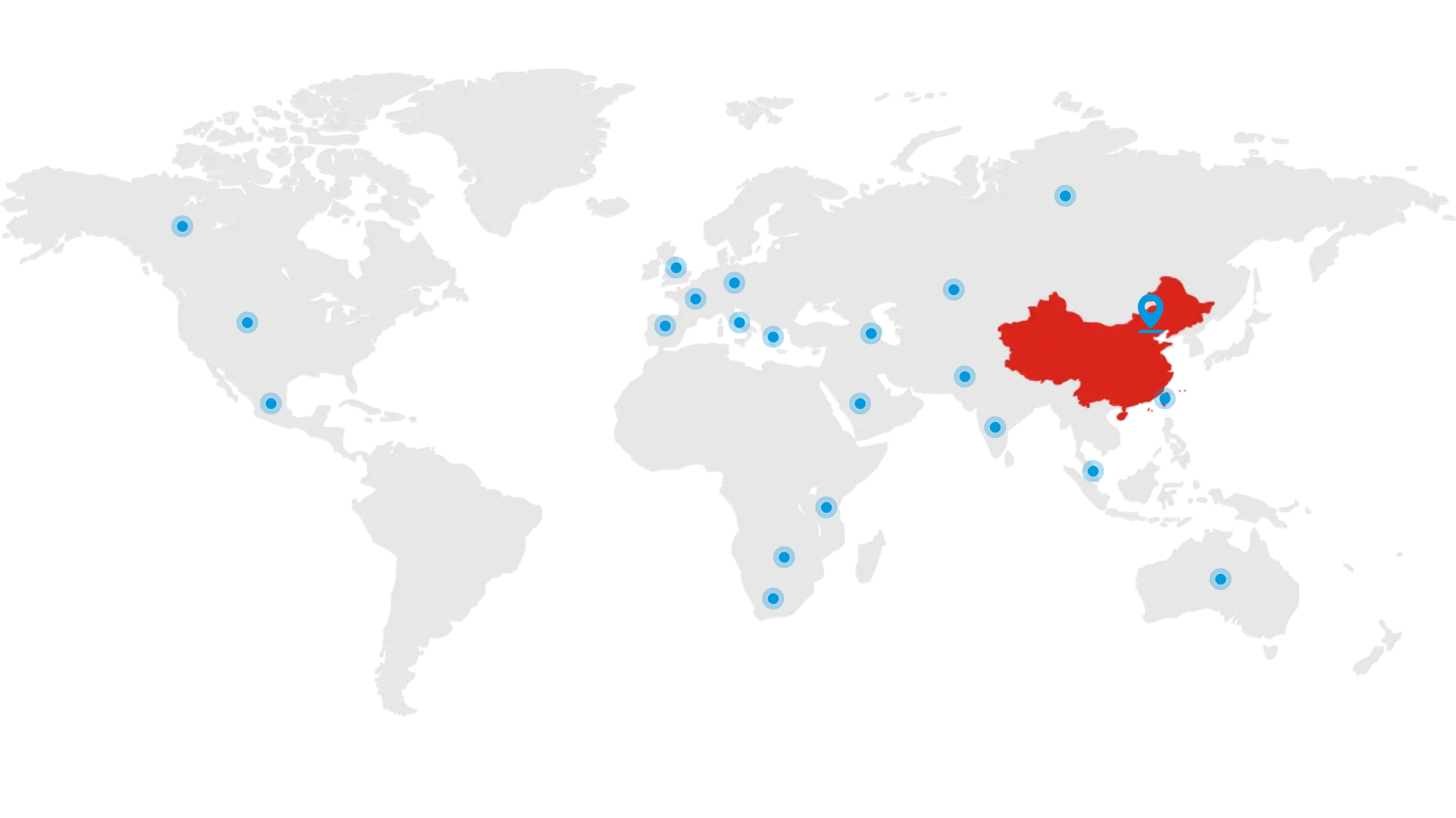
Supported by 50+ national patents and a sales network spanning over 50 countries, we maintain high standards across all product lines.
Our products undergo thorough quality control testing, including ingress protection (IP66/IP67), high/low temperature testing, vibration testing, and load-limit simulations. We invest 10% of our annual revenue back into R&D, ensuring our production processes align with current industry requirements.
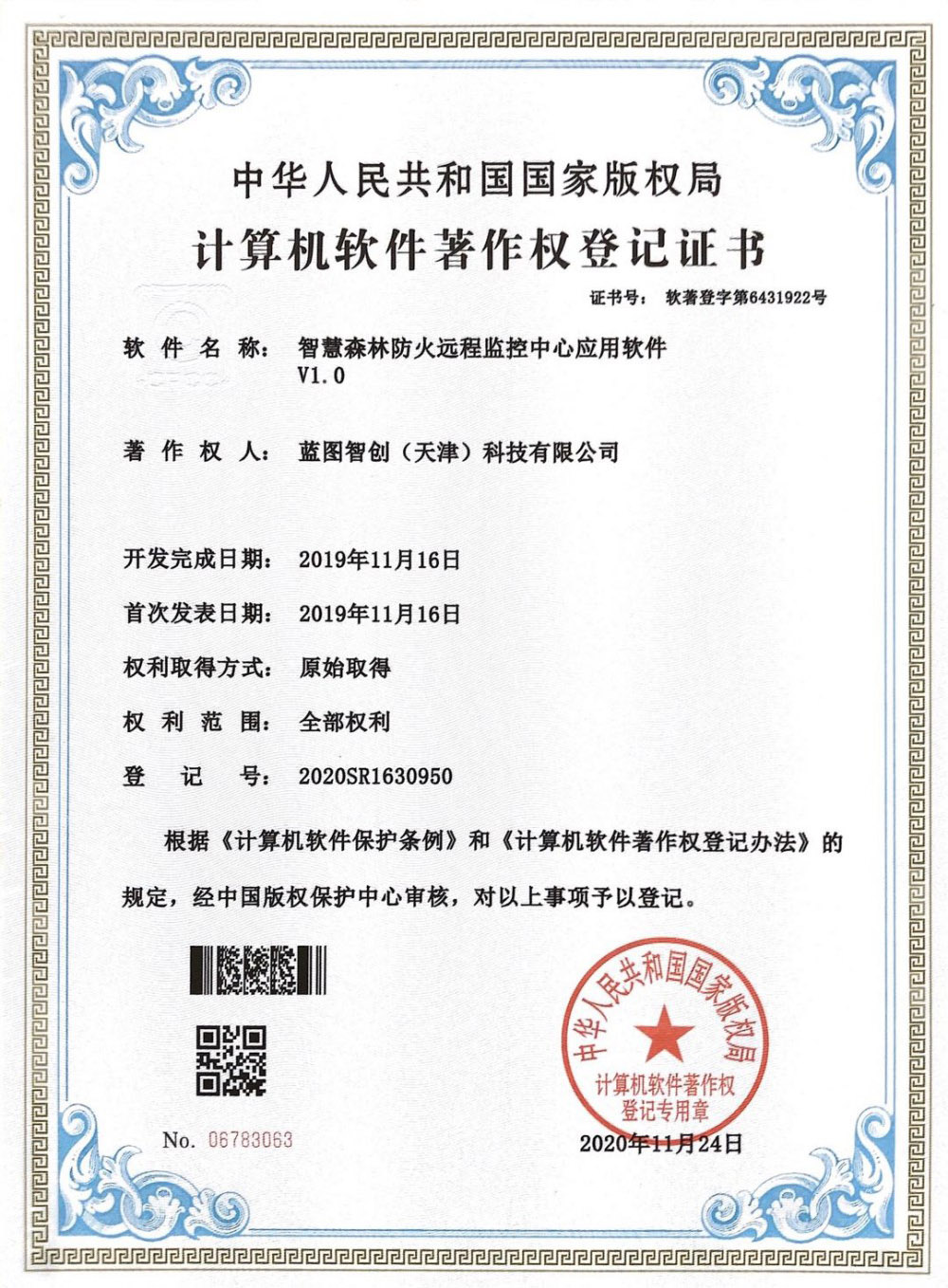
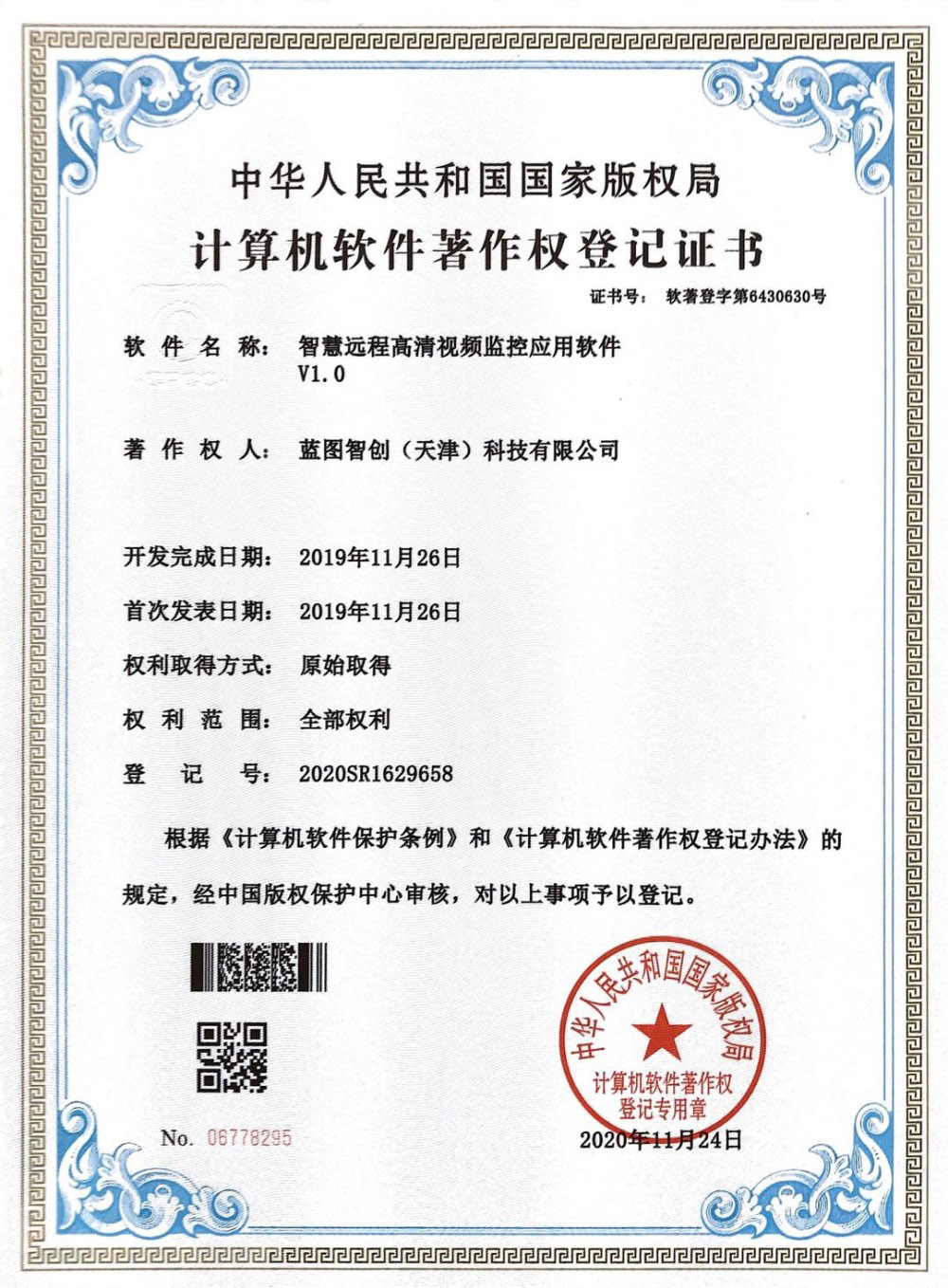
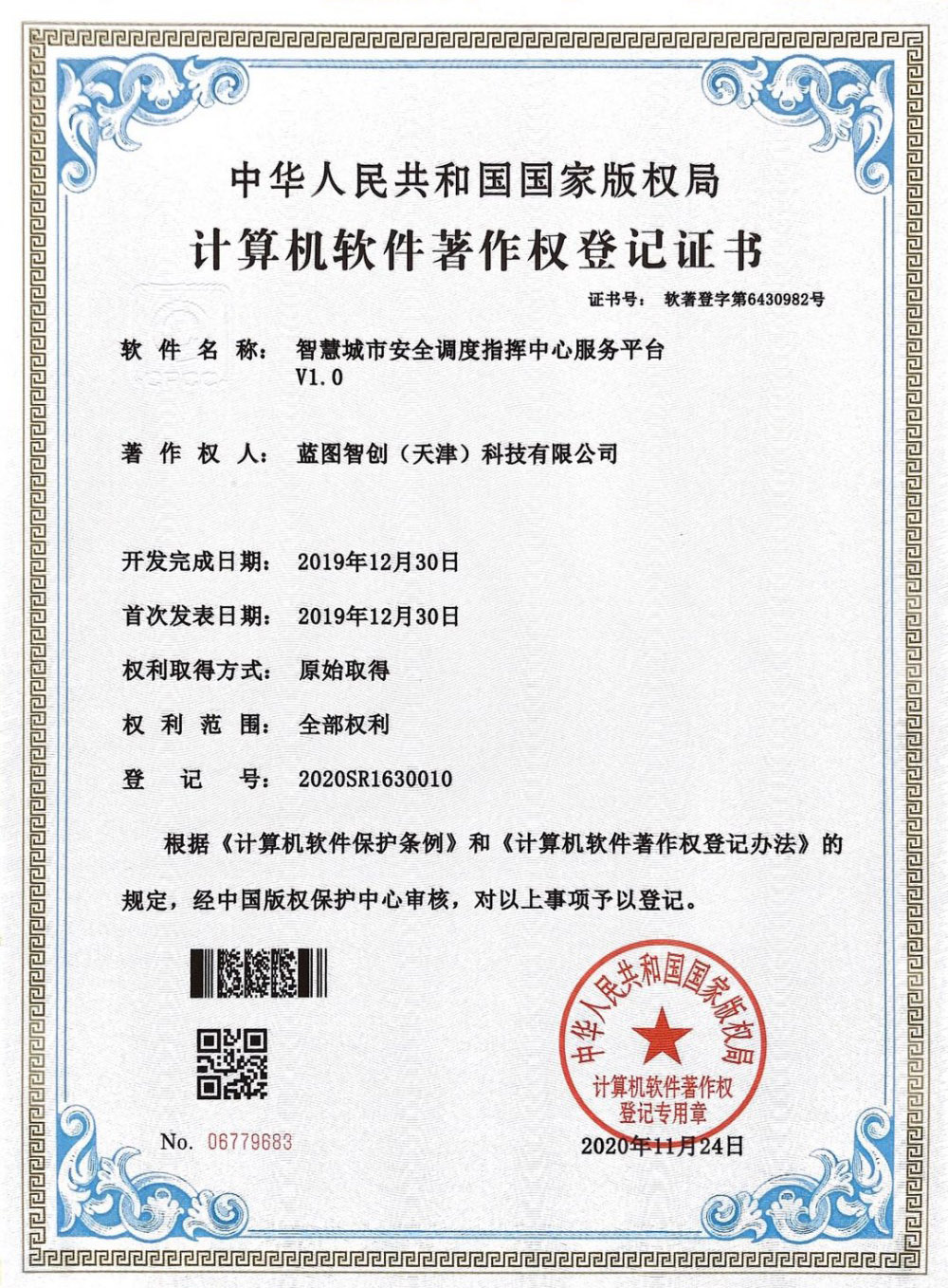
Our positioning solutions and mast hardware are deployed globally, supporting defense systems, remote weather stations, and municipal security networks. We work closely with integration partners to provide reliable, long-term performance in the field.


Find answers to common questions about selection, installation, and field operations for telescoping masts.
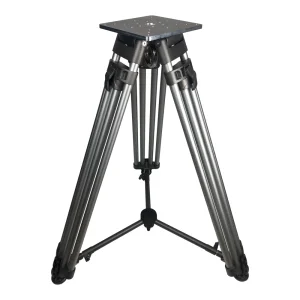
Explore our full range of heavy-duty brackets, camera housings, and high-load positioners manufactured in our Tianjin factory.