 BIT-CCTV
BIT-CCTV
BIT-CCTV
Explore our precision mechanical platforms designed to load, stabilize, and guide heavy monitoring sensors, night-vision cameras, and tracking instruments under extreme environmental conditions.
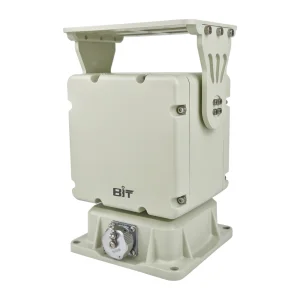
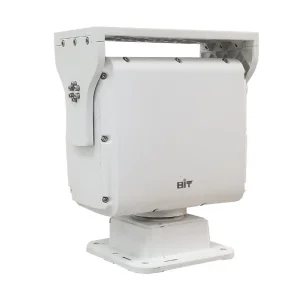
In modern critical safety and monitoring infrastructures, positioning integrity dictates the intelligence of the entire system. Raw sensor metrics—such as multi-spectral camera resolution, thermal sensor thermal sensitivity, or LIDAR point cloud fidelity—are rendered ineffective if the physical mechanical axis cannot orient rapidly, steady itself against gale-force gusts, or track dynamically across rugged landscapes. This whitepaper analyzes the engineering topologies, manufacturing capabilities, and global application architectures of professional Pan and Tilt Units (PTUs) as manufactured by Blue Icon (Tianjin) Technology Co. Ltd. (BIT-CCTV).
Information Gain Highlight: Traditional pan tilt systems relied on simple AC motors with high gear backlash, limiting precision to ±0.5°. Modern security and commercial scenarios demand mechanical backlash values near 0.05° to 0.1° and encoder resolutions down to 0.01° to prevent target drift over long-range deployments exceeding 10 kilometers.
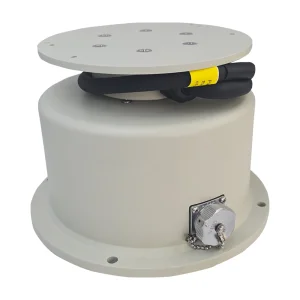
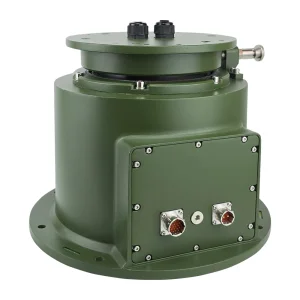
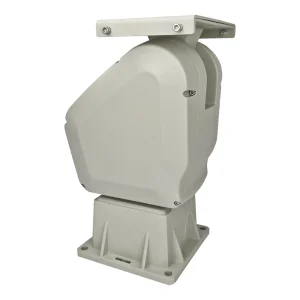
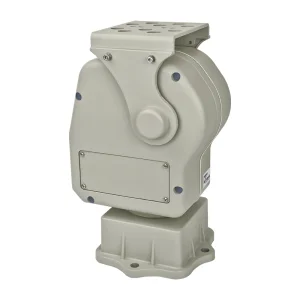
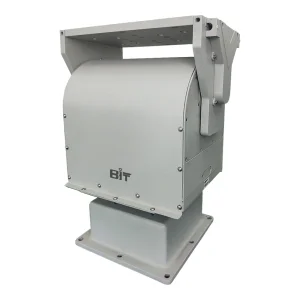
Pan-tilt positioners have evolved from standard CCTV camera housings into sophisticated electro-optical positioning systems (EOPS). Originally, standard mechanical structures served to sweep security cameras through simple 90-degree zones in warehouses. Today, critical infrastructure relies on pan-tilt heads integrated with long-range laser visual cameras, SWIR (Short-Wave Infrared) cameras, active searchlights, and acoustic devices.
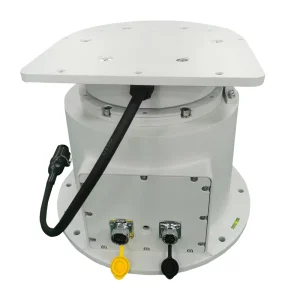
The rise of automated defense, intelligent border patrol, and autonomous drone detection systems requires positioners to maintain stable communication over continuous rotation. High-speed direct-drive units utilize brushless motors and absolute magnetic encoders to bypass mechanical wear entirely. Meanwhile, worm-gear drivetrains remain the baseline for heavy-duty setups where self-locking torque is mandatory during sudden power failures.
Since our inception, we have driven the design and production of robust positioning technology to deliver reliability under demanding field operations.
Understanding the technical trade-offs between speed, torque, and precision to fit your localized deployment scenarios.
Worm gear setups represent the mechanical choice for high stability and self-locking requirements. The primary advantage is the worm gear’s mechanical lock; if power fails, the loaded sensor stays locked in position without slipping under wind load.
For operations requiring rapid response times—such as counter-UAS tracking, radar cueing, and airport landing strip monitoring—traditional gears introduce unacceptable latency and backlash.
Established in 2005, Blue Icon (Tianjin) Technology Co. Ltd. is a national high-tech enterprise. We focus on the independent design, precision engineering, and global sales of advanced CCTV security hardware, focusing on multi-spectral PTZ camera platforms and intelligent positioning devices.
Where precision mechanical movement meets harsh real-world environments.
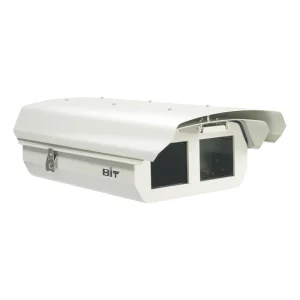
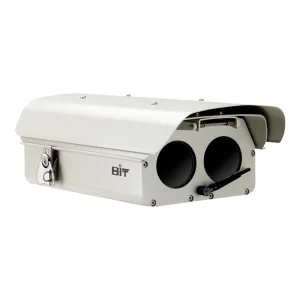
Marine environments exhibit extreme salt fog and high humidity. Our dual-window camera housings and positioners utilize C5-M anti-corrosion rated marine grade paint and high-grade stainless steel hardware. Operating under heavy mist and high salt conditions, these systems provide reliable surveillance for coastlines, ports, and naval facilities.
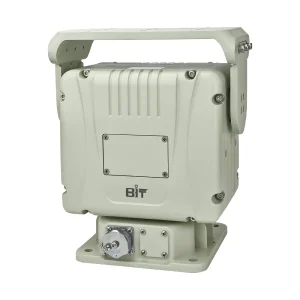
Forest fire monitoring demands continuous 24/7 horizontal scans covering 360-degree regions. Utilizing a heavy-duty pan tilt positioner (such as the BIT-PT850 50kg load) enables the system to support a visual camera alongside a thermal sensor. This configuration permits early detection of smoke and thermal hotspots from up to 15 kilometers away.
Mobile command centers require compact and rugged surveillance hardware. The BIT-PT503 mini-unit weighs only 3.5kg, yet stabilizes optical payloads during mobile operations. It can be paired with telescopic mast poles to quickly extend the operational visibility of tactical field vehicles.
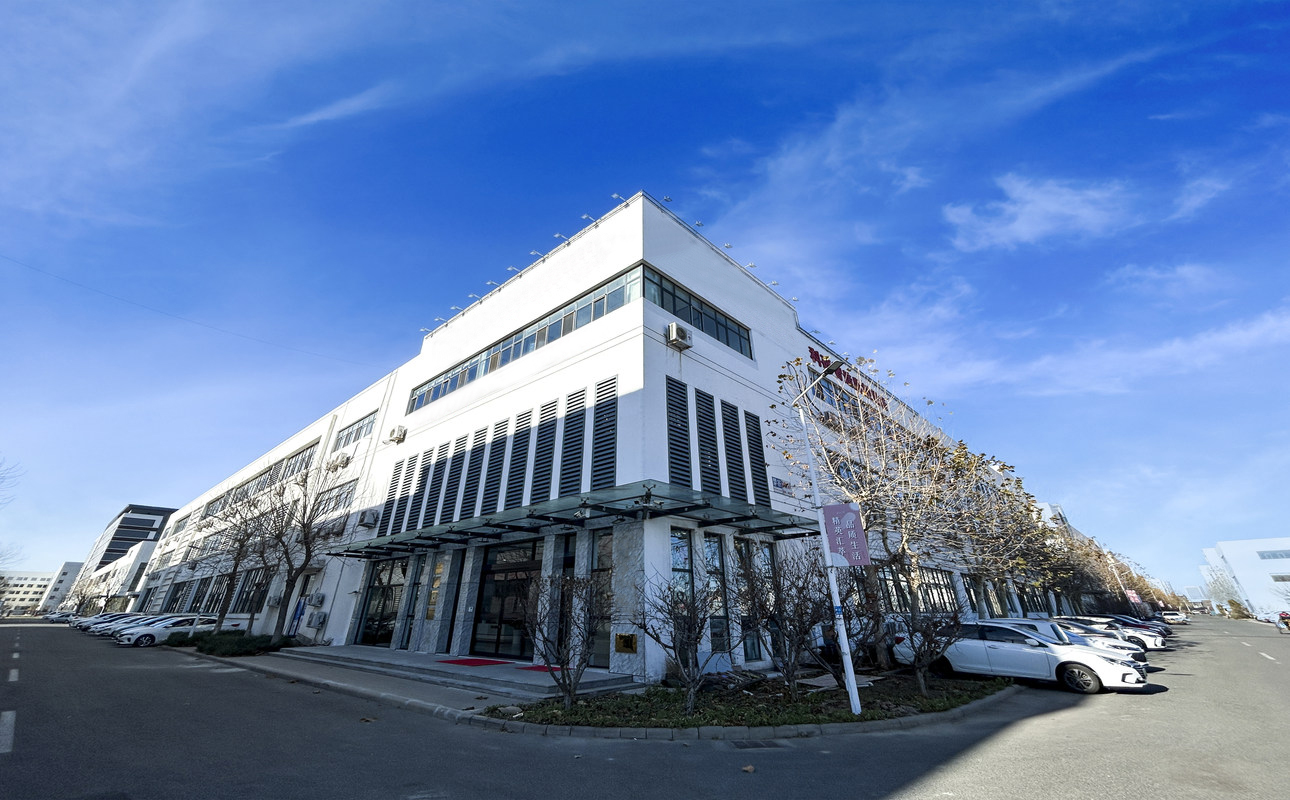
Choosing a Chinese positioning manufacturer provides advantages beyond production capacity; it integrates your projects into an established industrial ecosystem. Our factory, located in the industrial zone of Tianjin, maintains close partnerships with local casting operations, precision gear cutters, and motor manufacturers.
This localized supply chain enables rapid prototyping turnaround times. Design modifications that might take months elsewhere can be prototyped, machined, assembled, and validated in our testing labs within weeks.
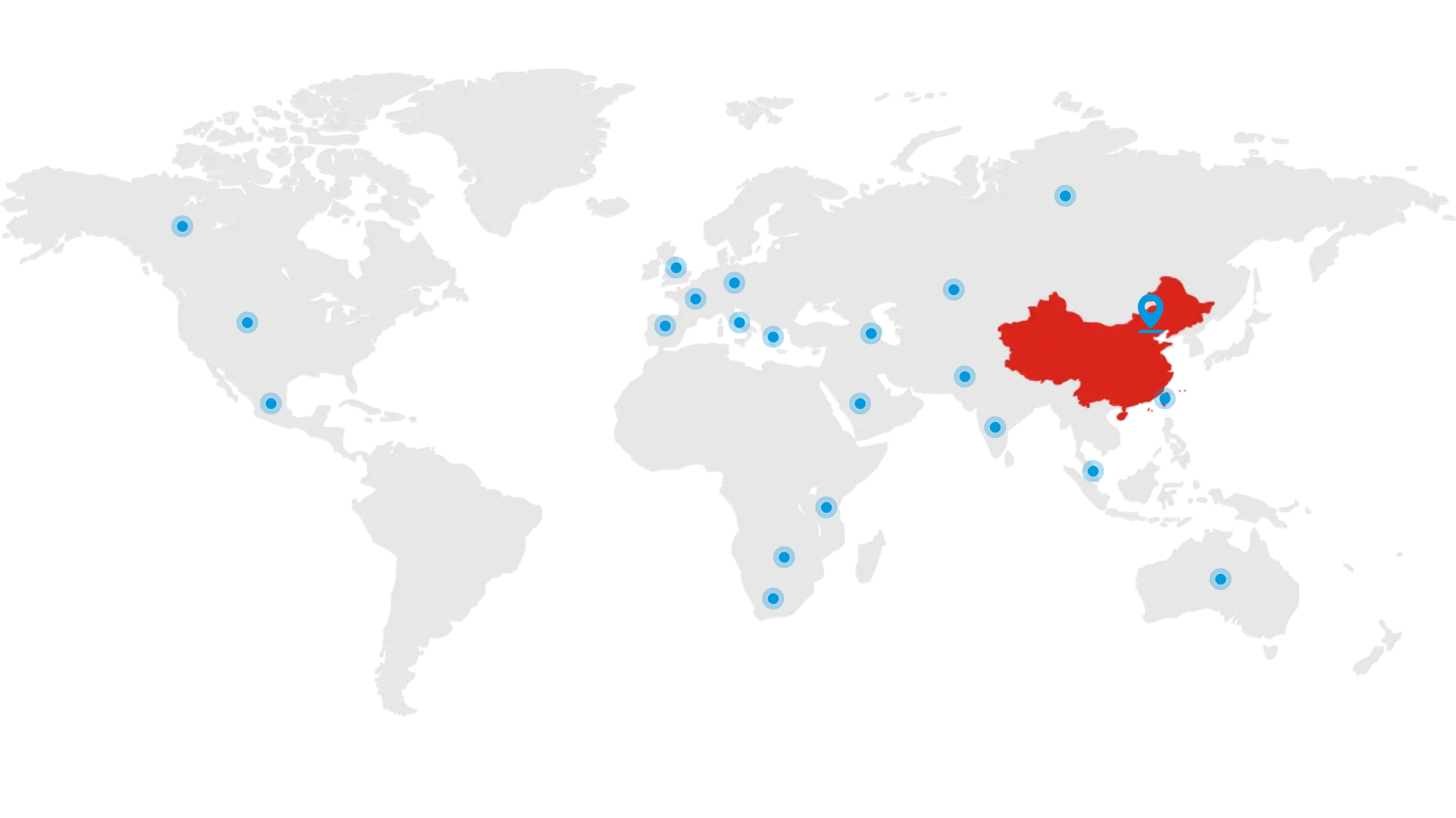
Furthermore, our streamlined logistics network handles international transport protocols, ensuring secure delivery to projects across more than 50 countries in Europe, North America, the Middle East, and Asia.
The integration of artificial intelligence into edge computing is changing the requirements for electro-optical hardware. We are developing solutions to align with these industry advancements:
Future positioning units will process object-tracking tasks directly on the integrated control board. By reducing latency between target recognition and physical movement, the system will deliver smoother tracking for fast-moving targets like UAVs.
We are expanding the data throughput of our internal slip rings. This supports the transmission of high-frequency signals, including 4K SDI, Gigabit Ethernet, and fiber optic data, allowing multiple advanced sensors to run concurrently on a single axis.
Our research continues to focus on structural thermal insulation, internal heaters, and intelligent active defrosting systems. These enhancements ensure reliable startup and operation in sub-zero locations down to -45°C.
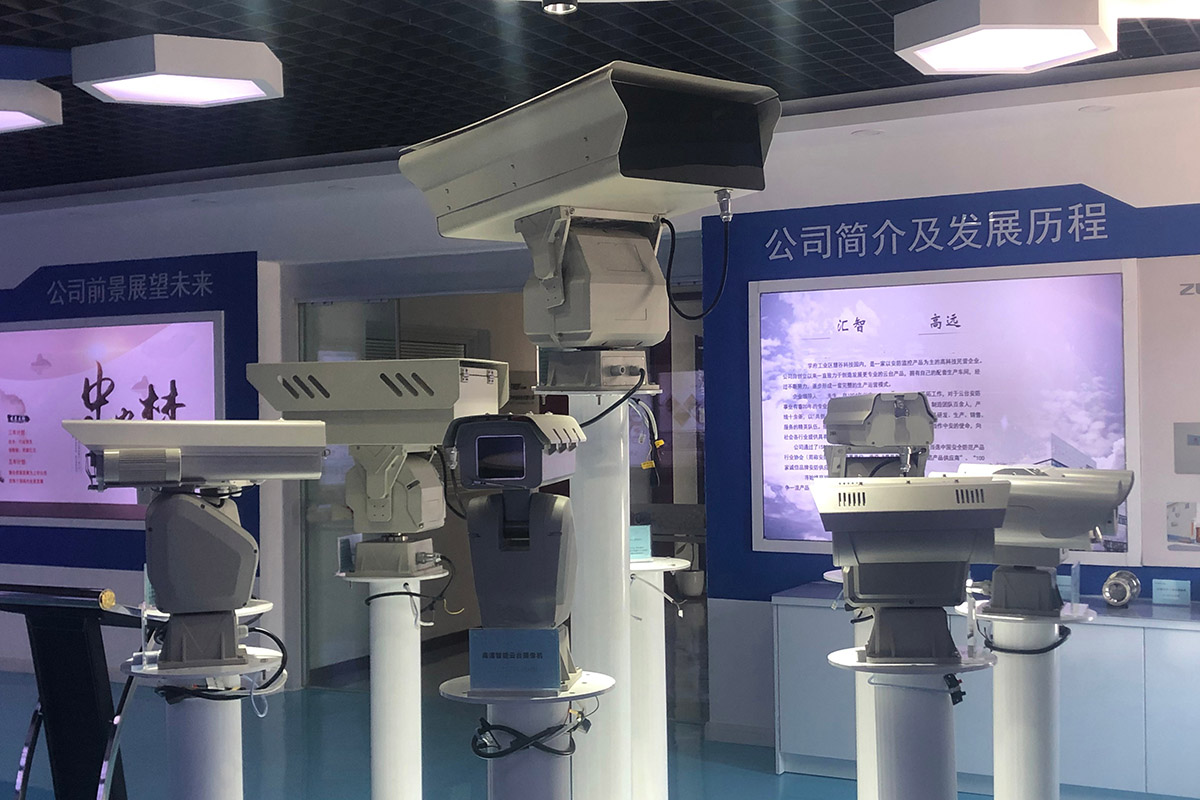
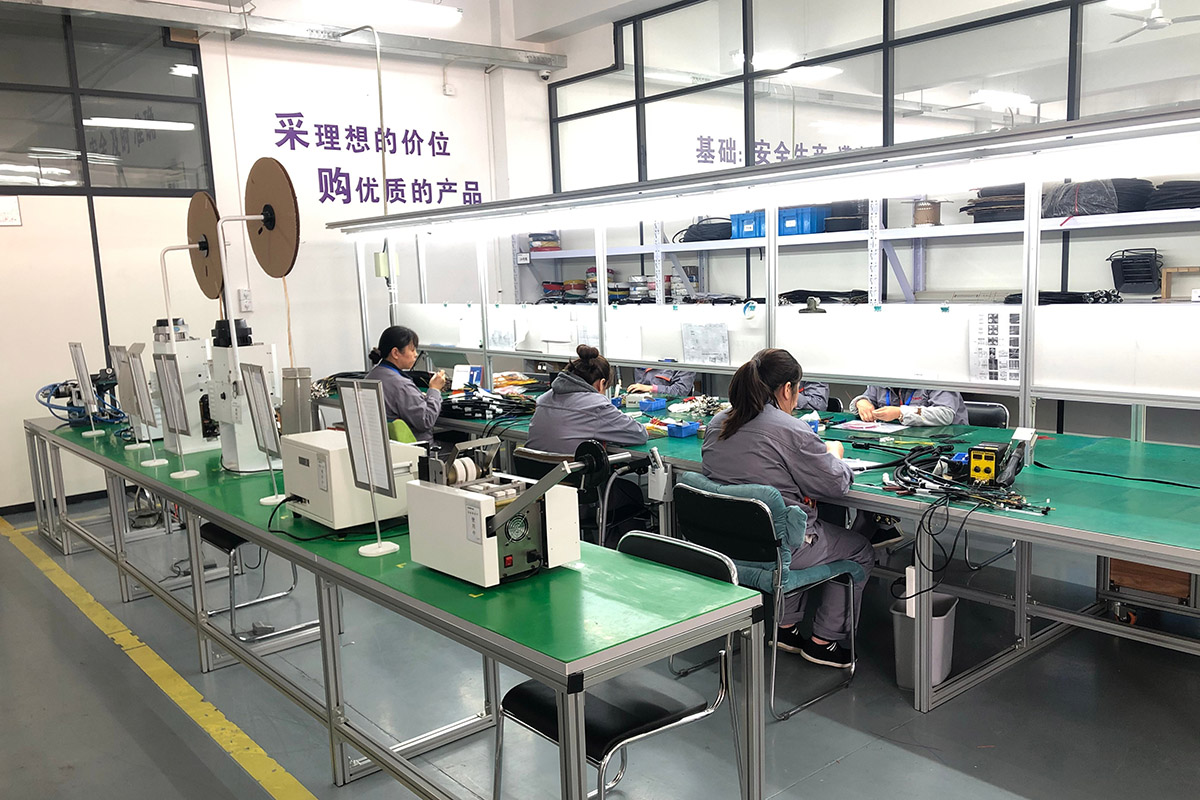
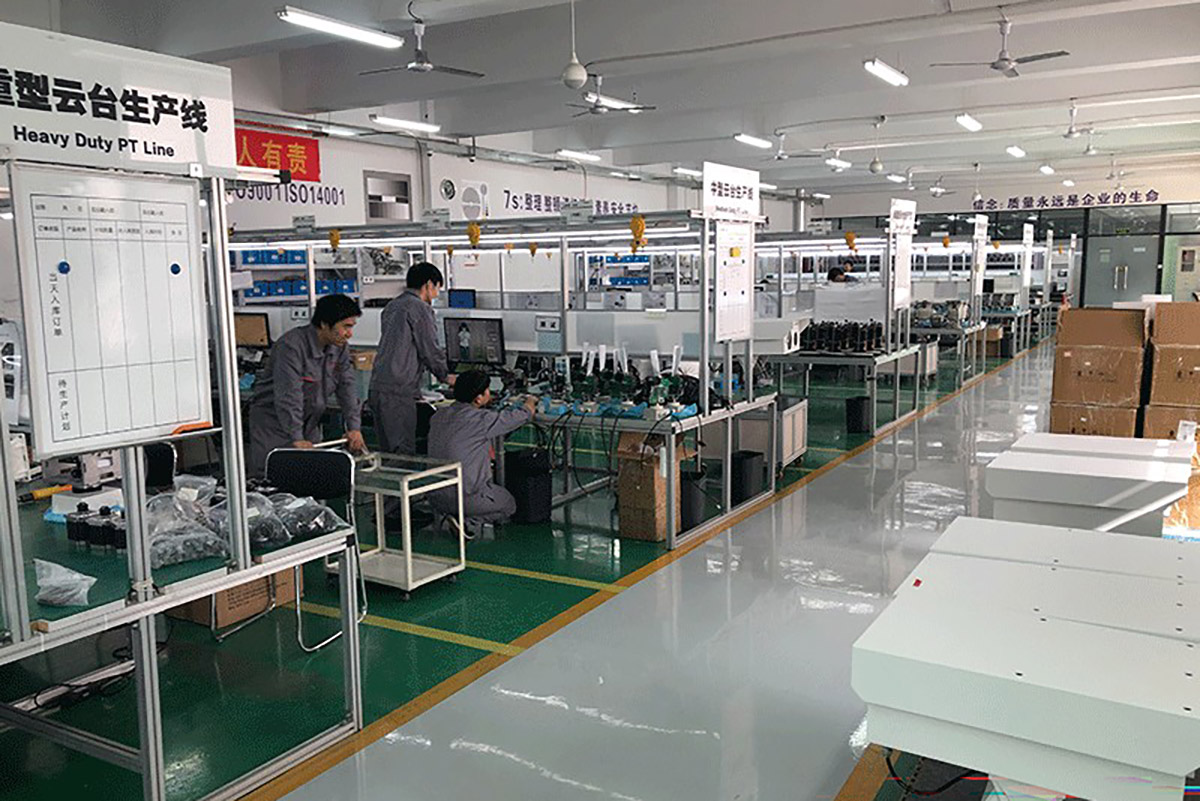
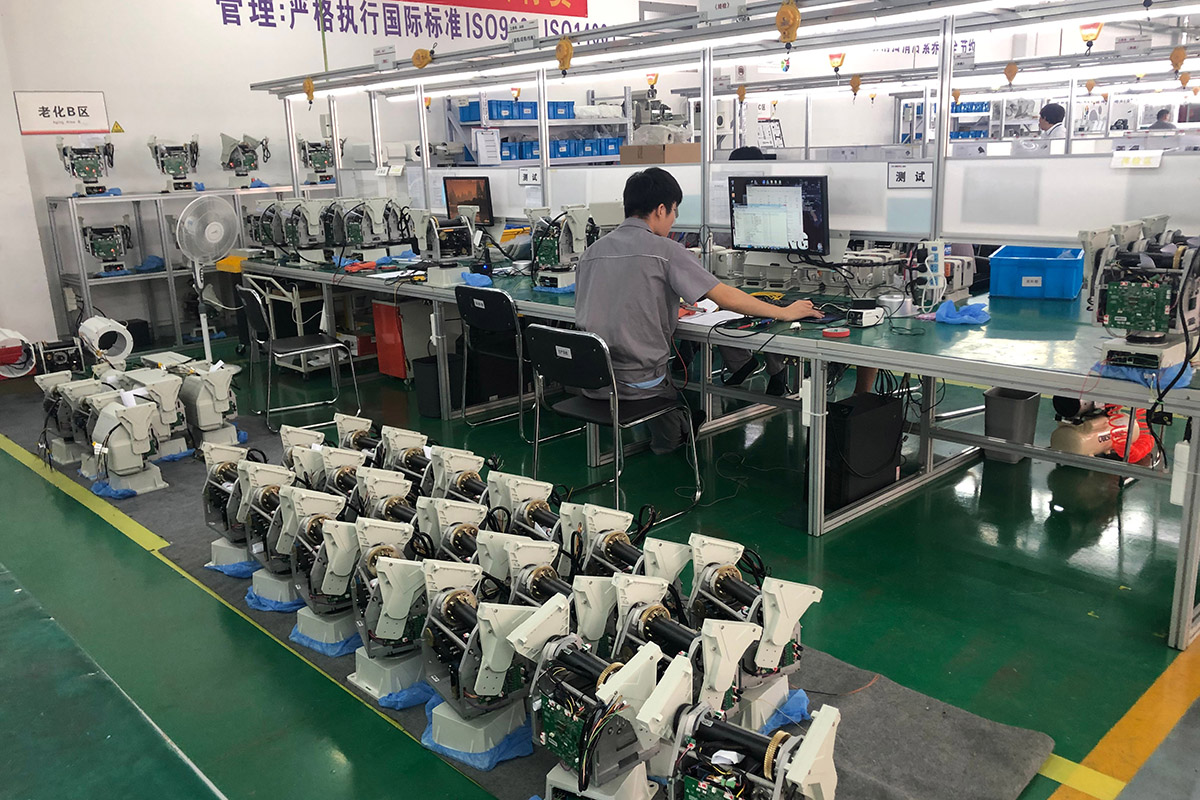
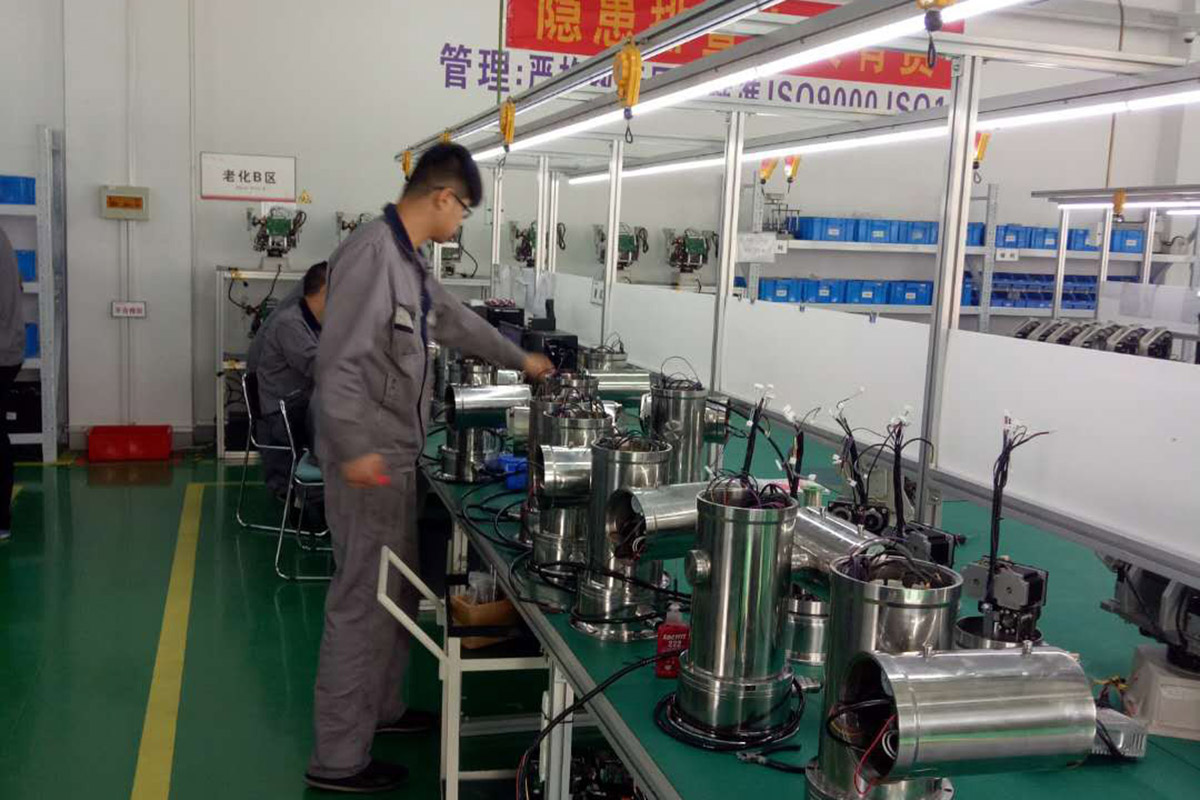
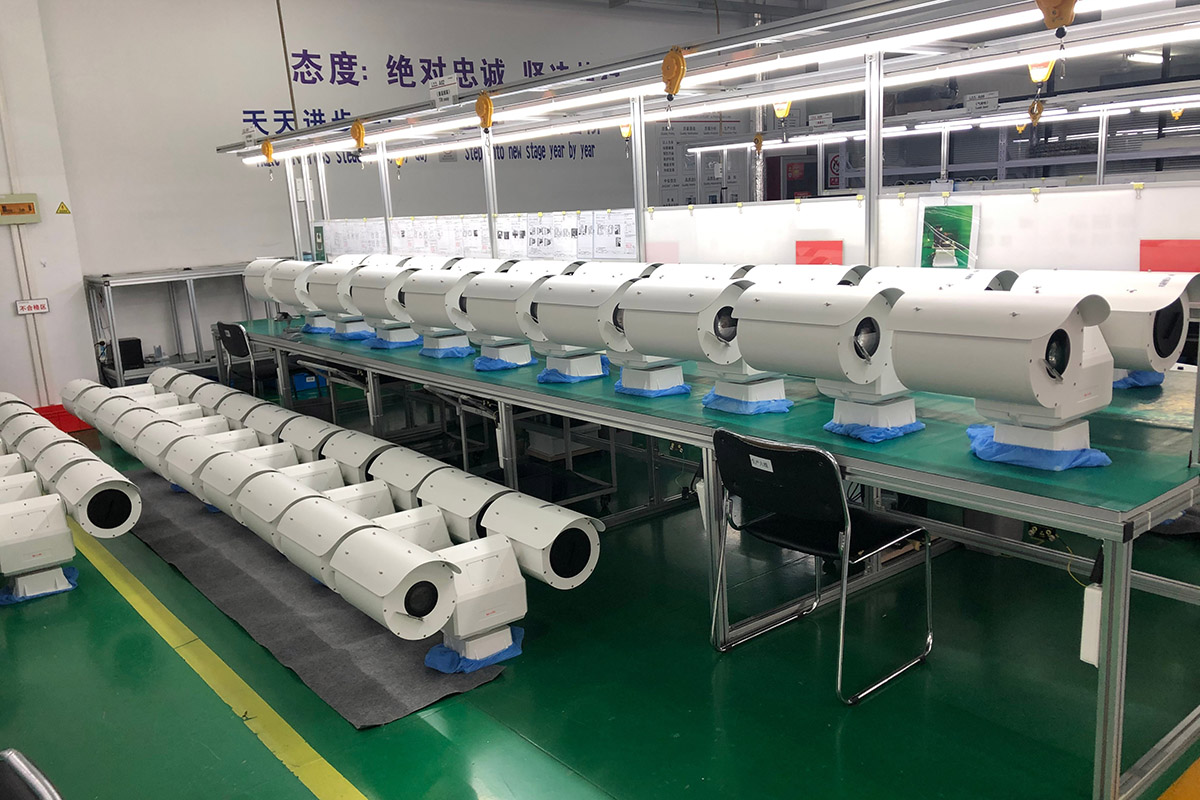
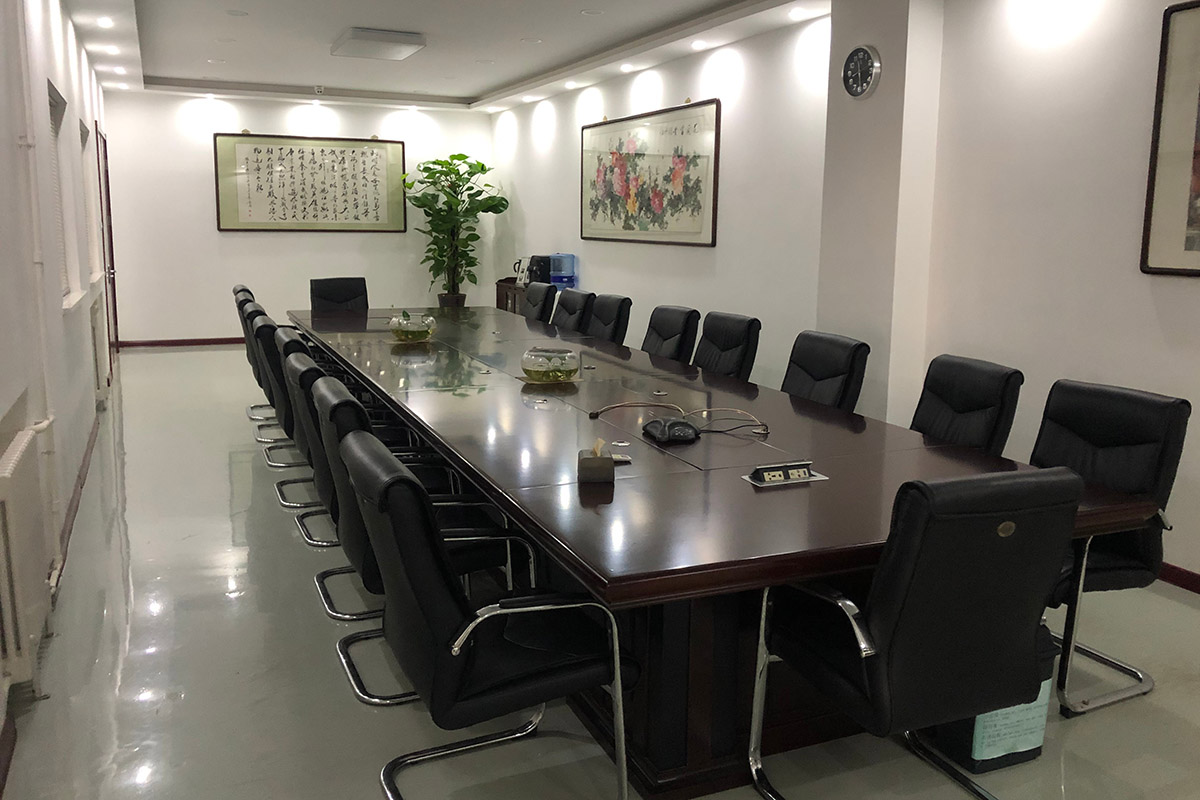
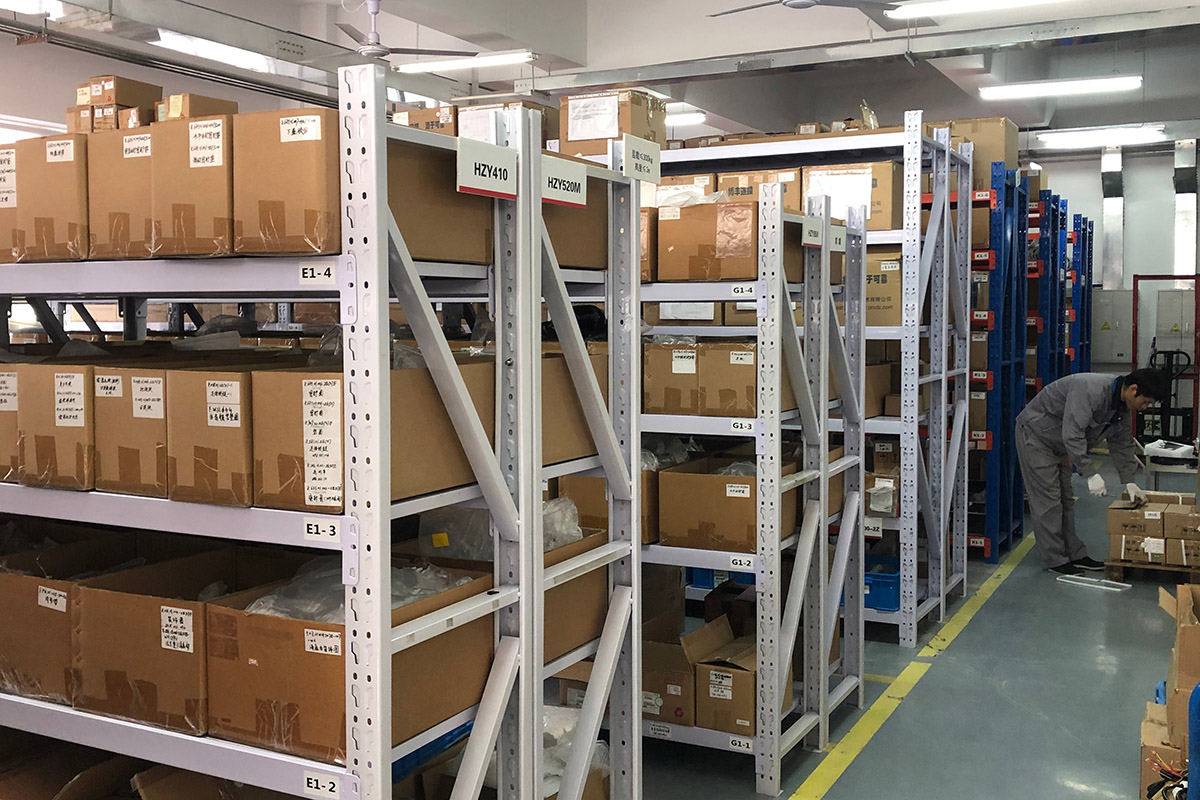
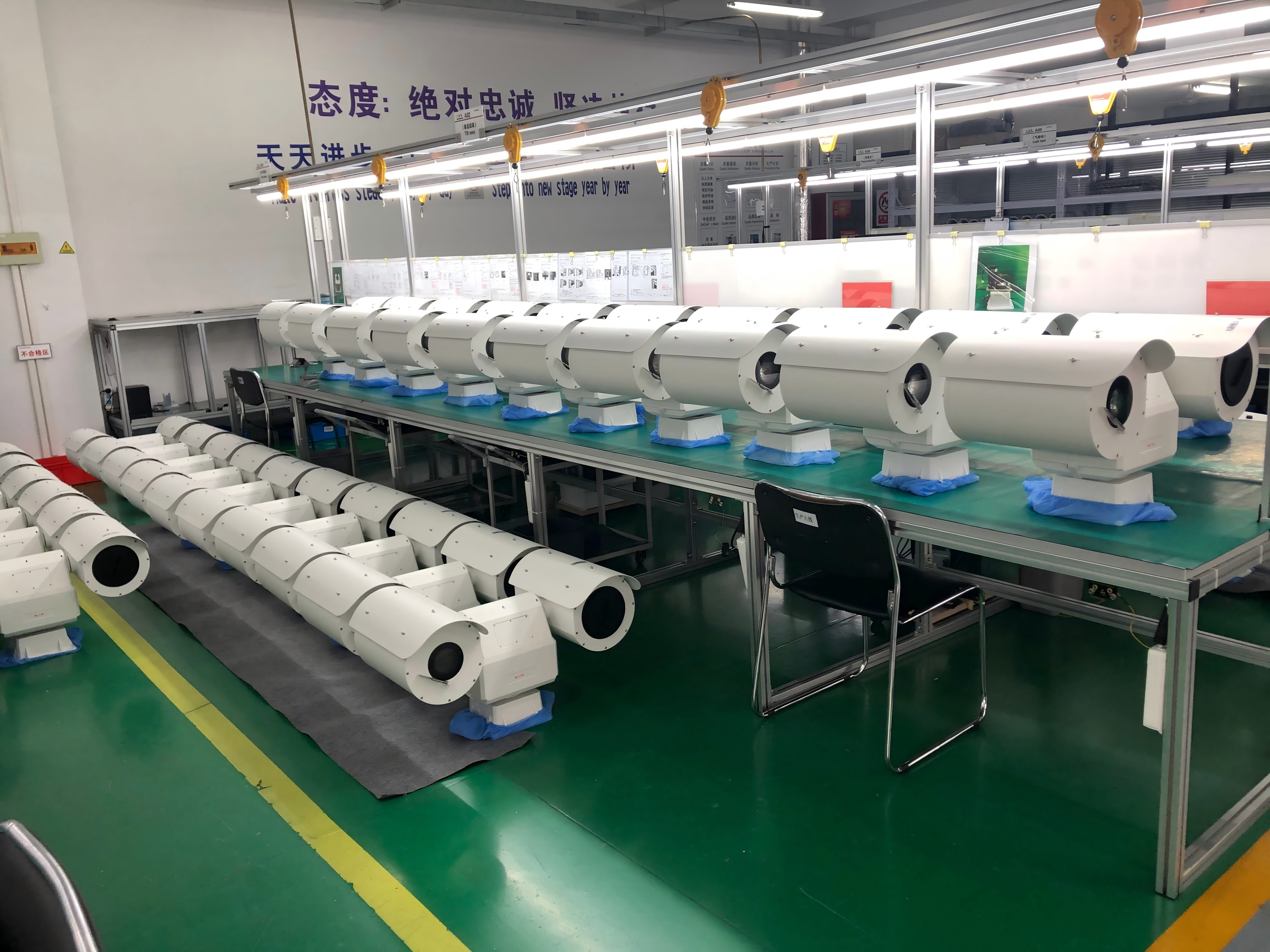
Take a look inside our ISO-certified facilities where every positioning unit is assembled, calibrated, and stress-tested.
Our systems operate reliably across five continents, supported by strategic partnerships.



Stay informed with articles from our engineering team regarding design considerations and system integrations.
Choosing the right partner involves evaluating payload capacities, positioning accuracy under wind loads, dynamic software integrations, and testing procedures.
Read Article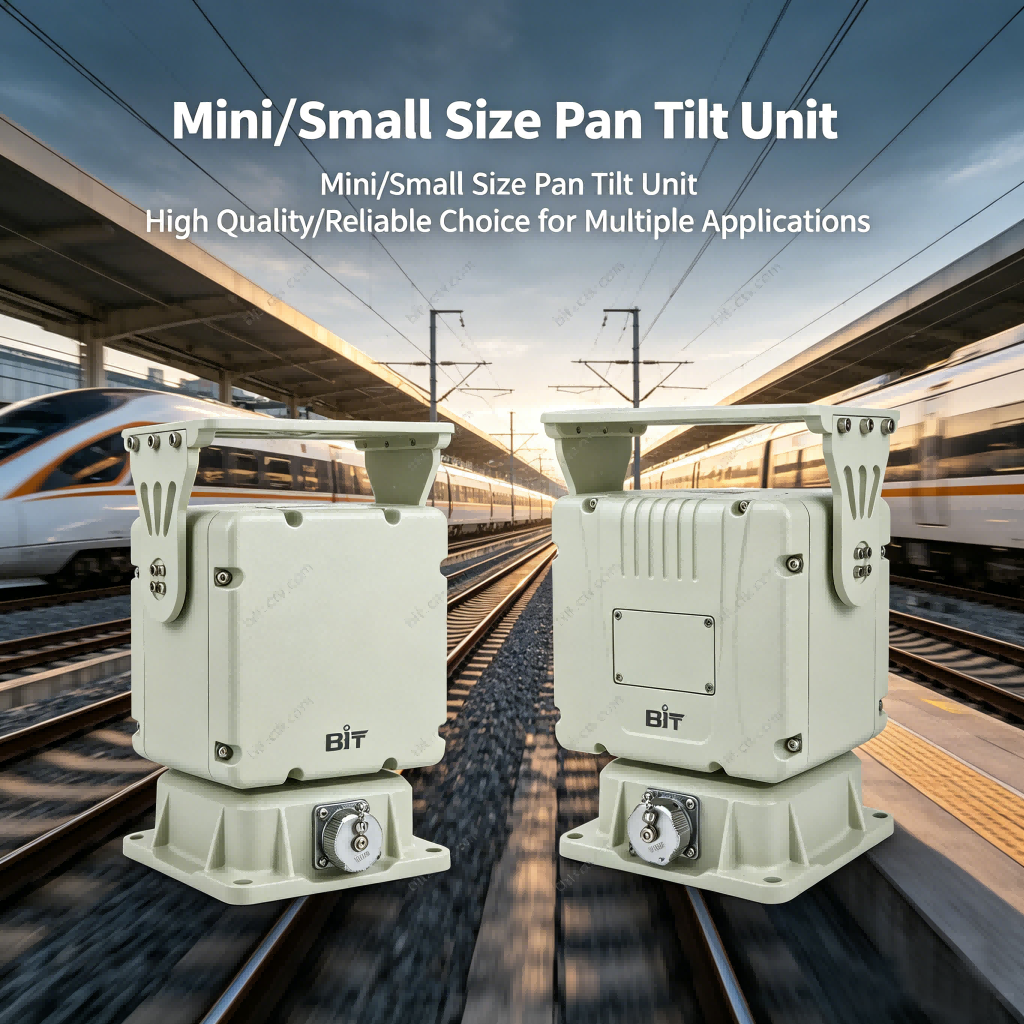
An in-depth review of our compact worm-gear drive systems, designed to balance size, weight, and torque for mobile tracking applications.
Read Article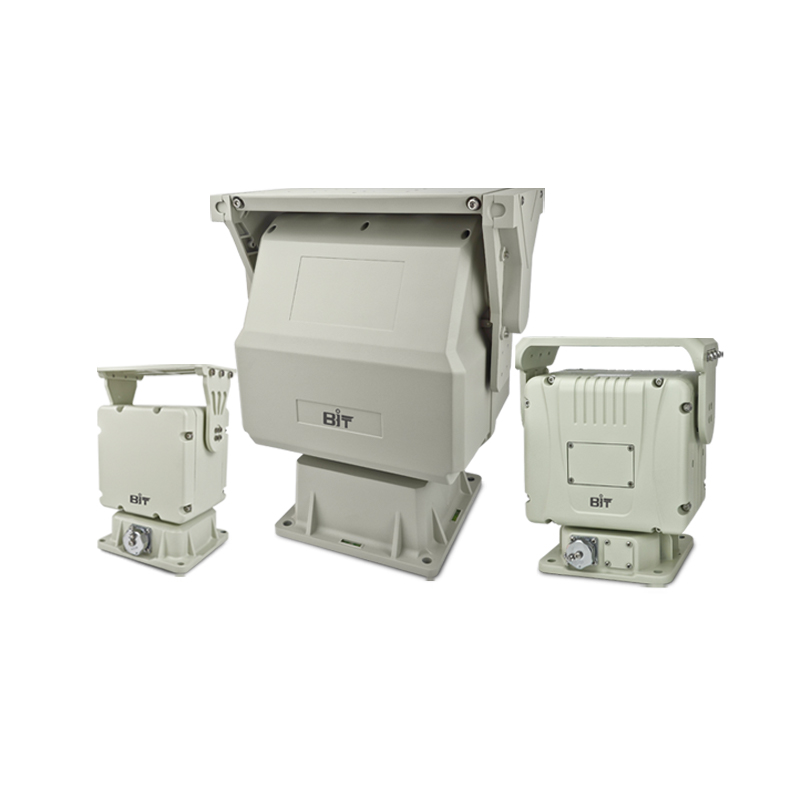
Understand how load capacity, environmental challenges, mounting configurations, and rotation parameters dictate the classification and performance of PT units.
Read ArticleWe manufacture our systems to meet international electrical, mechanical, and safety requirements.
Our camera housings and pan-tilt units are designed to prevent ingress from dust and high-pressure water jets, protecting internal electronics from environmental damage.
All aluminum alloy surfaces receive dual-layer powder coating treatments, passing salt spray tests to ensure long-term stability in coastal environments.
Internal shielding design prevents high-frequency electromagnetic interference (EMI) between motors and sensitive video processing modules, meeting CE, FCC, and RoHS standards.
Answers to technical questions concerning the integration and operation of pan-tilt systems.
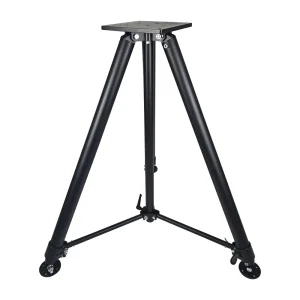
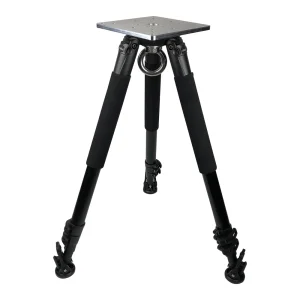
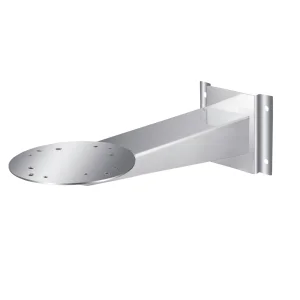
Optimize your installations with heavy-duty tripods, protective boxes, and multi-spectral housings engineered to withstand harsh outdoor conditions.