 BIT-CCTV
BIT-CCTV
BIT-CCTV
Explore our industrial-grade, heavy-duty positioners designed for multi-spectral sensor payloads, extreme weather environments, and high-precision pointing tracking operations.
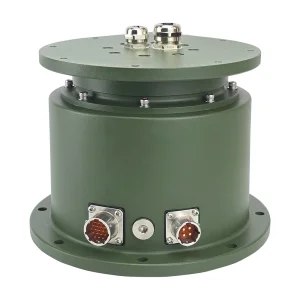
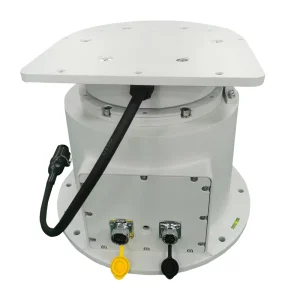
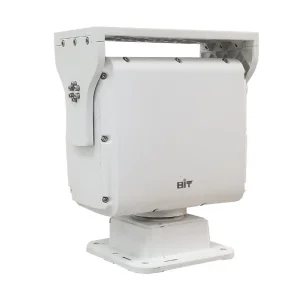
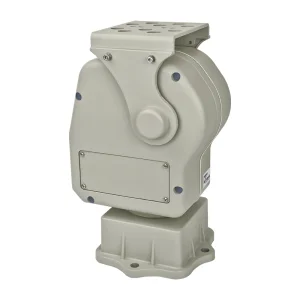
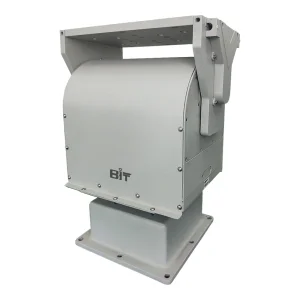
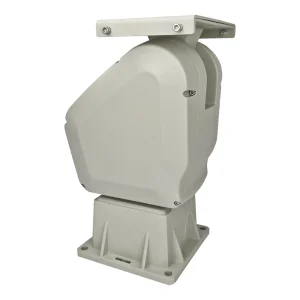
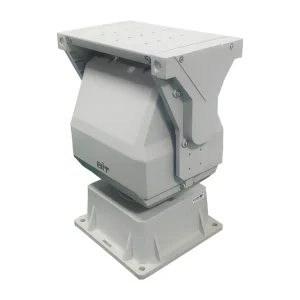
In the modern era of automated sensing and electro-optical surveillance, Pan-Tilt Units (PTUs) serve as the mechanical backbone for positioning multi-spectral camera payloads, laser rangefinders, thermal imagers, and radar arrays. As security frameworks shift from passive detection to active tracking and target acquisition, the demand for precision-engineered, high-payload PTUs has intensified globally.
Today’s industrial and military-grade pan-tilt positioners are no longer simple motorized pivots. They are highly integrated mechatronic platforms that combine absolute encoders, slip rings for continuous rotation, micro-step drive controllers, and rugged IP66/IP67 mechanical seals. These parameters enable remote detection networks to function flawlessly across extreme thermal ranges, under high wind loads, and in corrosive environments like coastal regions and active mining sites.
From monitoring national borders to ensuring safety around critical power infrastructure and detecting forest fires early, the stability and precision of a PTU determine the clarity of the sensor data acquired. Our solutions are designed to address mechanical backlash, thermal drift, and vibration issues, providing long-term reliability for security integration projects worldwide.
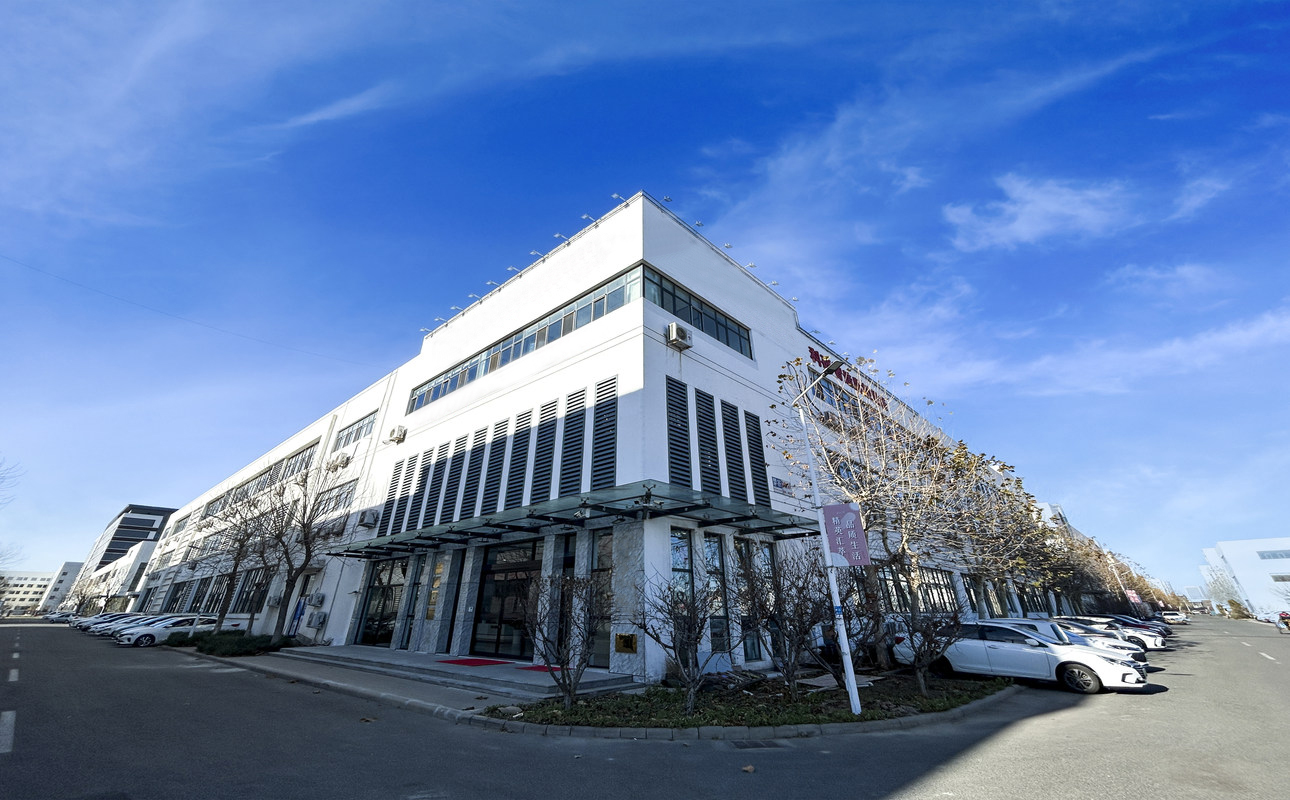
Decades of continuous R&D and engineering expertise in precision electro-optical tracking hardware.
Established
China Pan Tilt Maker
Annual R&D Investment
Countries Sales Network
m² Manufacturing Area
Providing robust tracking platforms engineered for demanding global monitoring requirements.
Deploying sensor payloads on borders requires dynamic continuous rotation and extreme payload capacities. By combining heavy-duty PTUs with long-range thermal cameras and radar systems, defense teams can secure vast frontiers. These systems support continuous pan rotation and wide tilt configurations, ensuring threat identification over distances exceeding 10 kilometers under challenging environmental conditions.
Early wildfire detection systems rely on thermal imaging cameras that scan forests 24/7. Pan-tilt units configured with worm-gear drive mechanisms provide the high torsional holding power and angular precision needed to capture stable images. This stability remains constant even when the unit is mounted on high observation towers exposed to strong crosswinds.
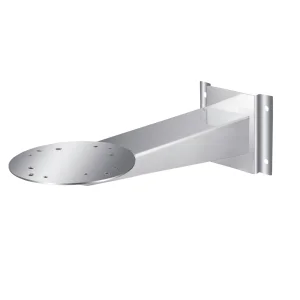
Coastal environments present harsh challenges, including saline corrosion, high humidity, and constantly shifting winds. Utilizing premium stainless steel wallmount brackets and sealed rotomolded housings helps protect internal electronic mechanisms. This ensures uninterrupted operation for port management systems, search-and-rescue teams, and shoreline defense arrays.
Understanding the design choices behind our high-performance stepper-motor and direct-drive positioners.
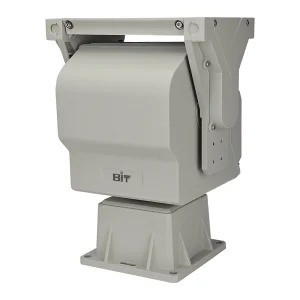
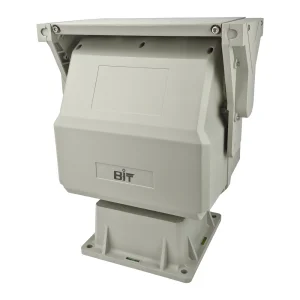
The BIT-PT510 is a compact pan-tilt unit engineered for top load capacities up to 10kg/22lb. It features high-precision stepper motors and a worm-gear drive system. Key performance metrics include:
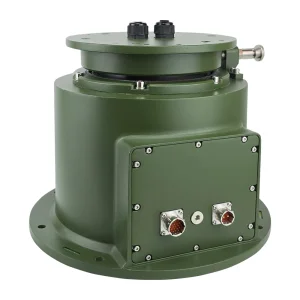
For applications requiring rapid dynamic response and tracking speeds up to 100°/S, our direct-drive models (ranging from 30kg to 80kg payloads) offer a solution. Without traditional gearbox teeth, direct-drive mechanisms eliminate mechanical backlash. This design choice minimizes wear over time, reducing long-term maintenance costs.
How the next generation of positioning mechanisms adapts to AI and modern sensor requirements.
The technology guiding electro-optical tracking is shifting toward autonomous systems. Historically, pan-tilt heads were manually operated using analog joysticks via standard RS485 communication protocols (such as Pelco-D or Pelco-P). Modern installations, however, increasingly demand intelligent Ethernet-controlled devices that communicate via ONVIF Profile S/G/T or direct IP APIs.
This shift allows pan-tilt heads to work directly with AI video analytics platforms. For instance, when a surveillance camera detects a threat at a perimeter, it can instantly send coordinate commands to the PTU. The positioner can then execute high-speed target centering and tracking, reducing the need for human intervention.
Additionally, material science advances have improved PTU durability. Using specialized protective treatments like anodized aluminum alloys, rotomolded enclosures, and marine-grade stainless steel helps the hardware withstand harsh outdoor conditions. These design choices ensure our products perform reliably in sub-zero arctic environments as well as desert conditions.
| Model Feature | Worm-Gear Technology | Direct Drive Technology |
|---|---|---|
| Typical Payload Range | 3.5kg to 150kg+ | 10kg to 80kg |
| Backlash Control | Standard (< 0.1°) | Backlash-Free (Encoder Direct) |
| Max Speed Limits | Up to 30° / 45° per second | 100° to 120° per second |
| Self-Locking Safety | Yes (inherent to worm design) | Requires electronic braking systems |
A look at our production floor, testing facilities, and international compliance standards.
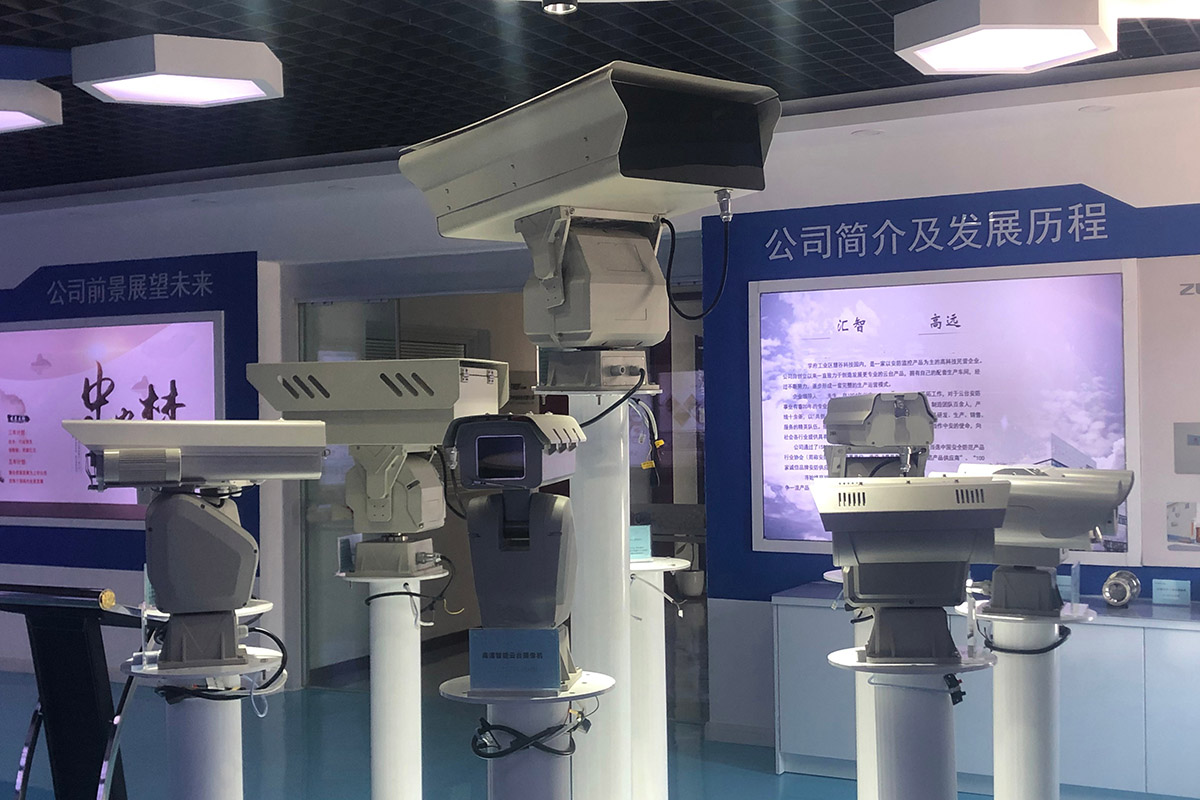
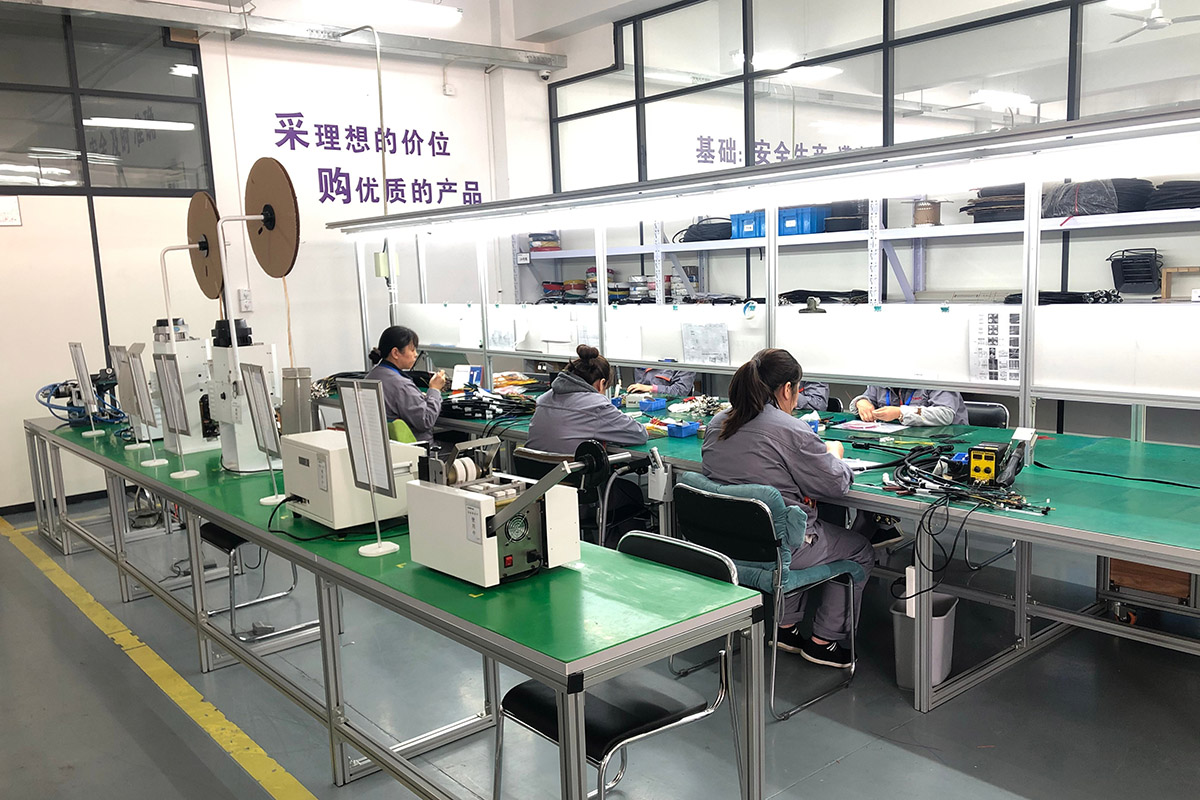
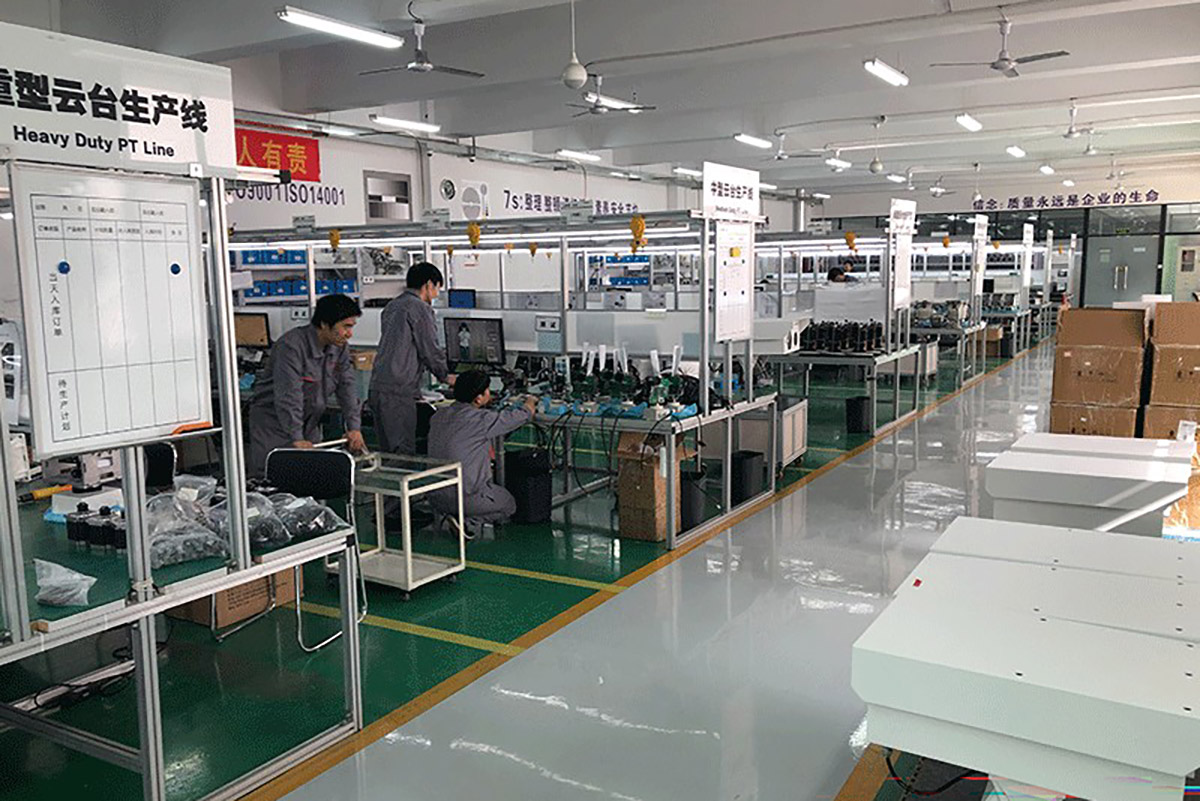
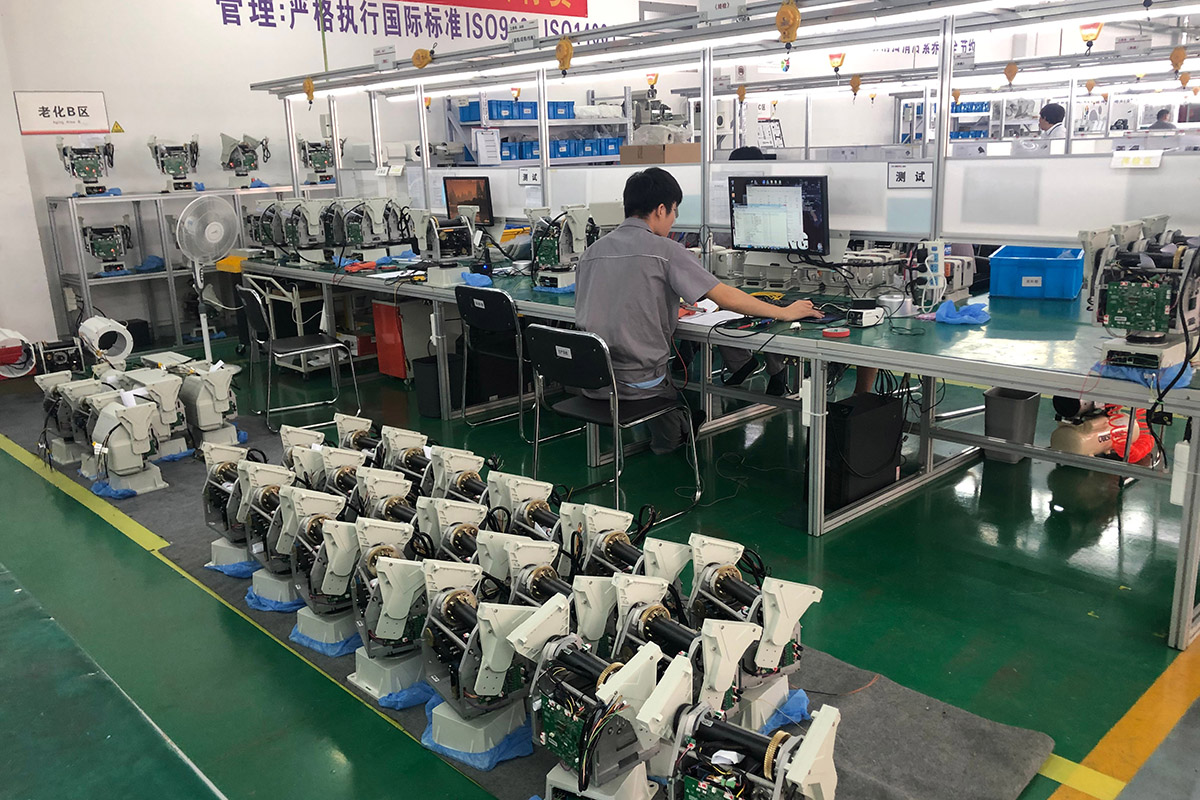
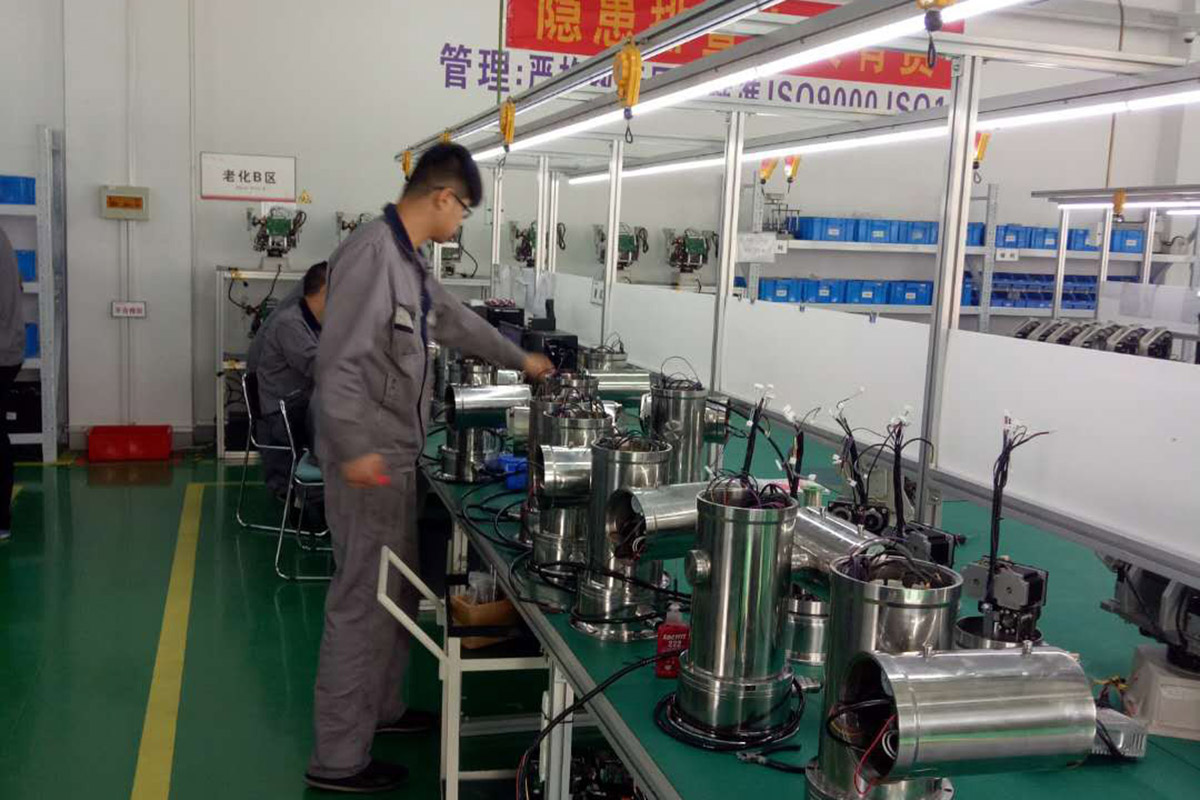
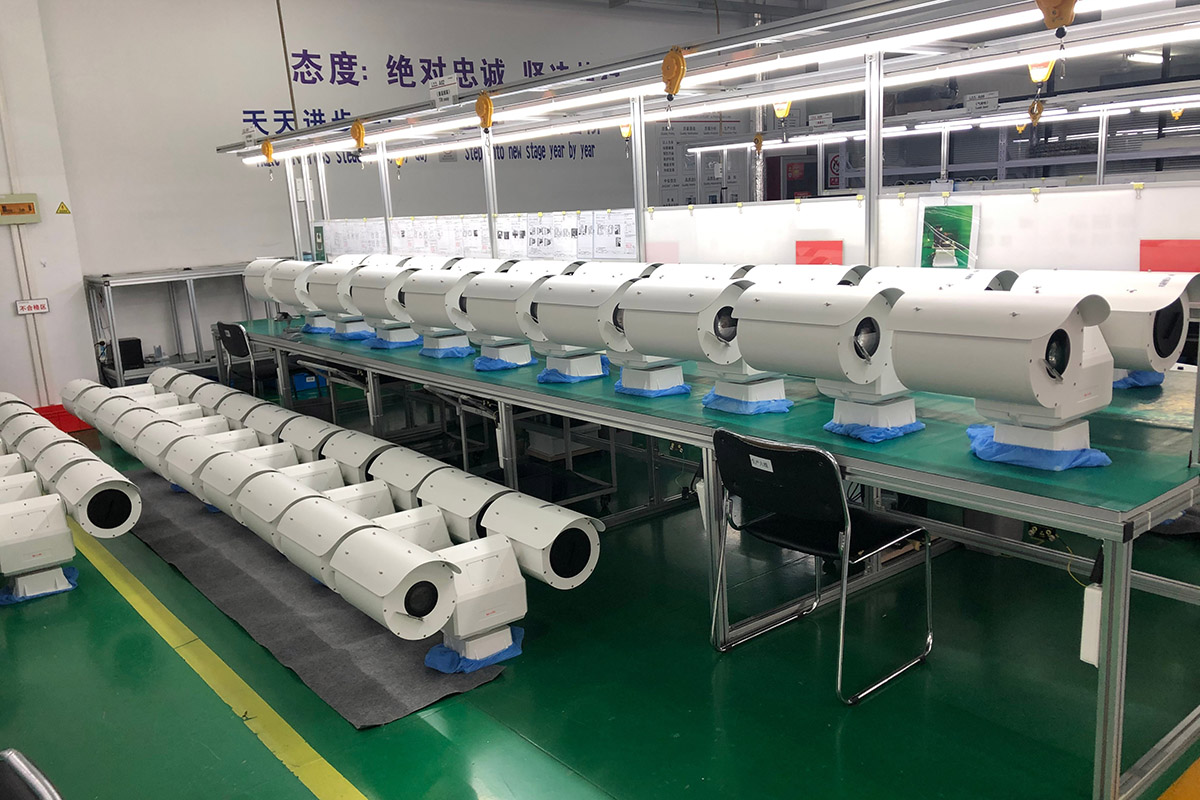
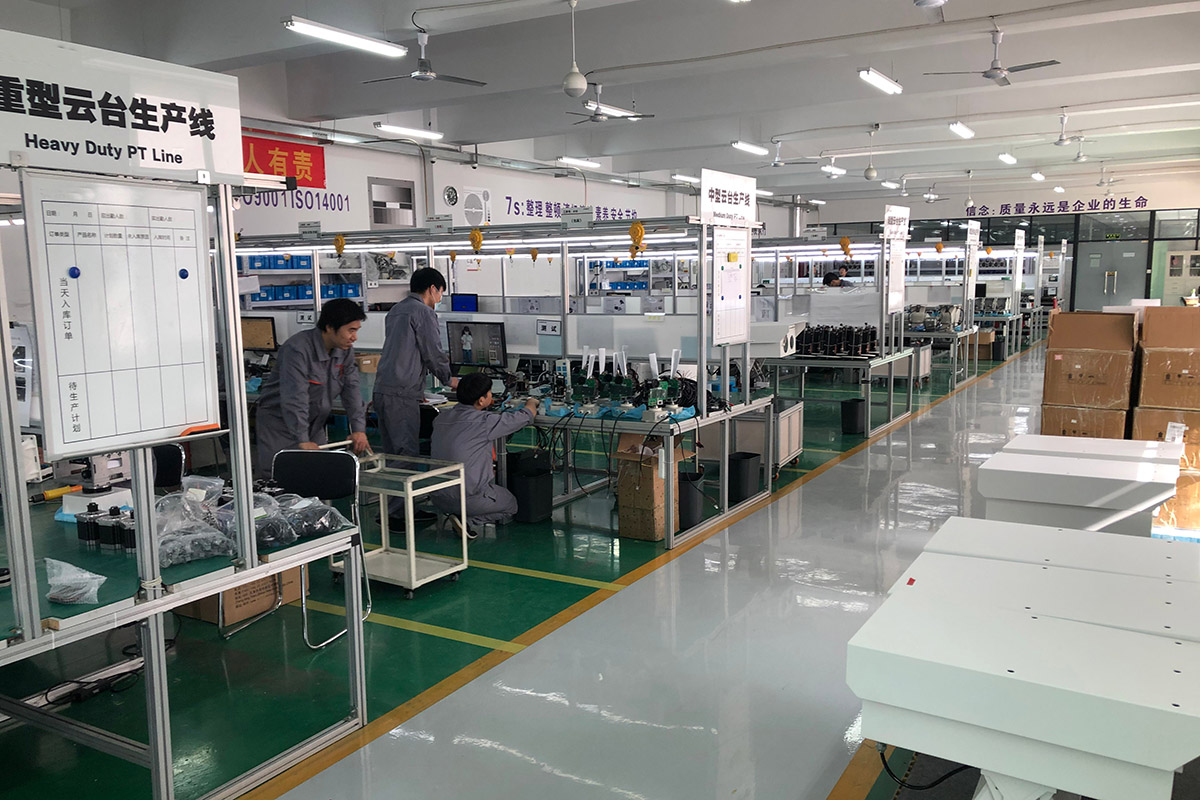
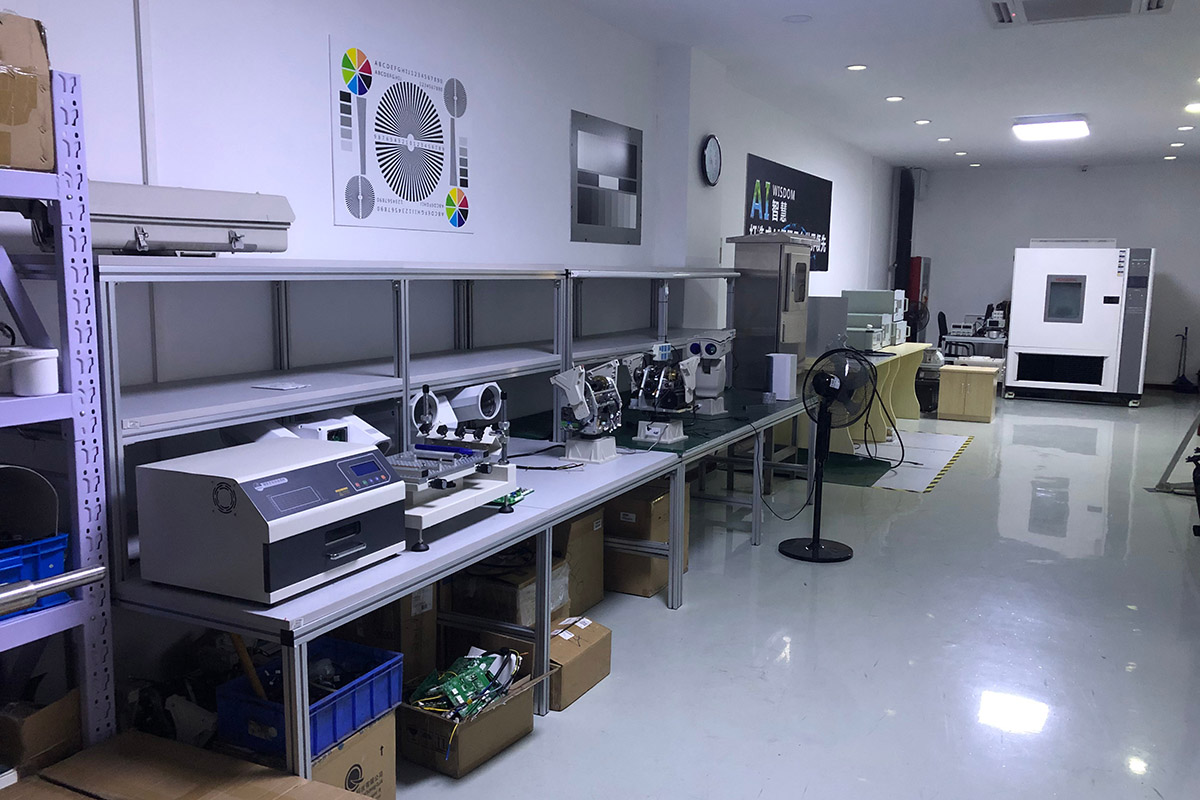
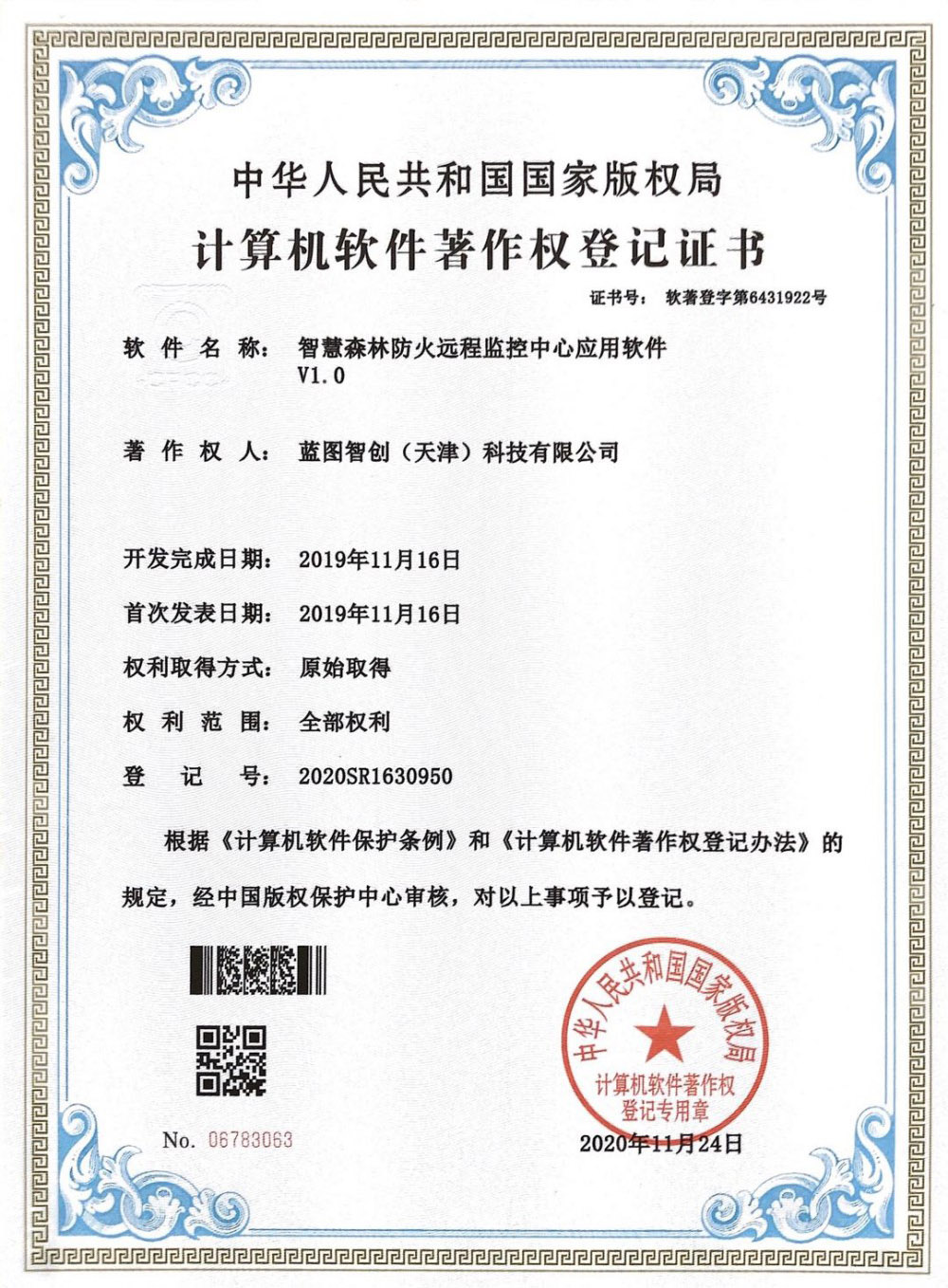
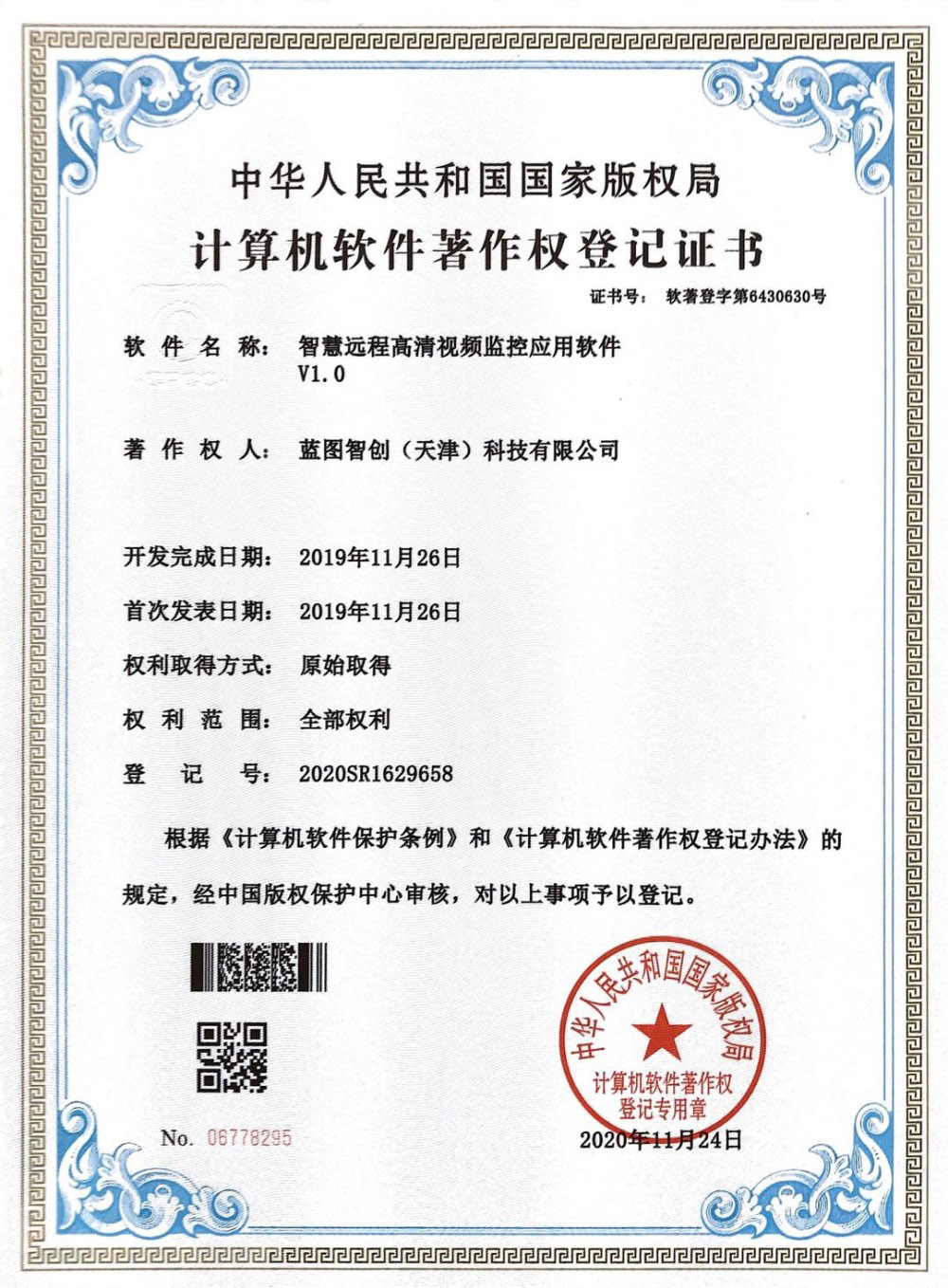
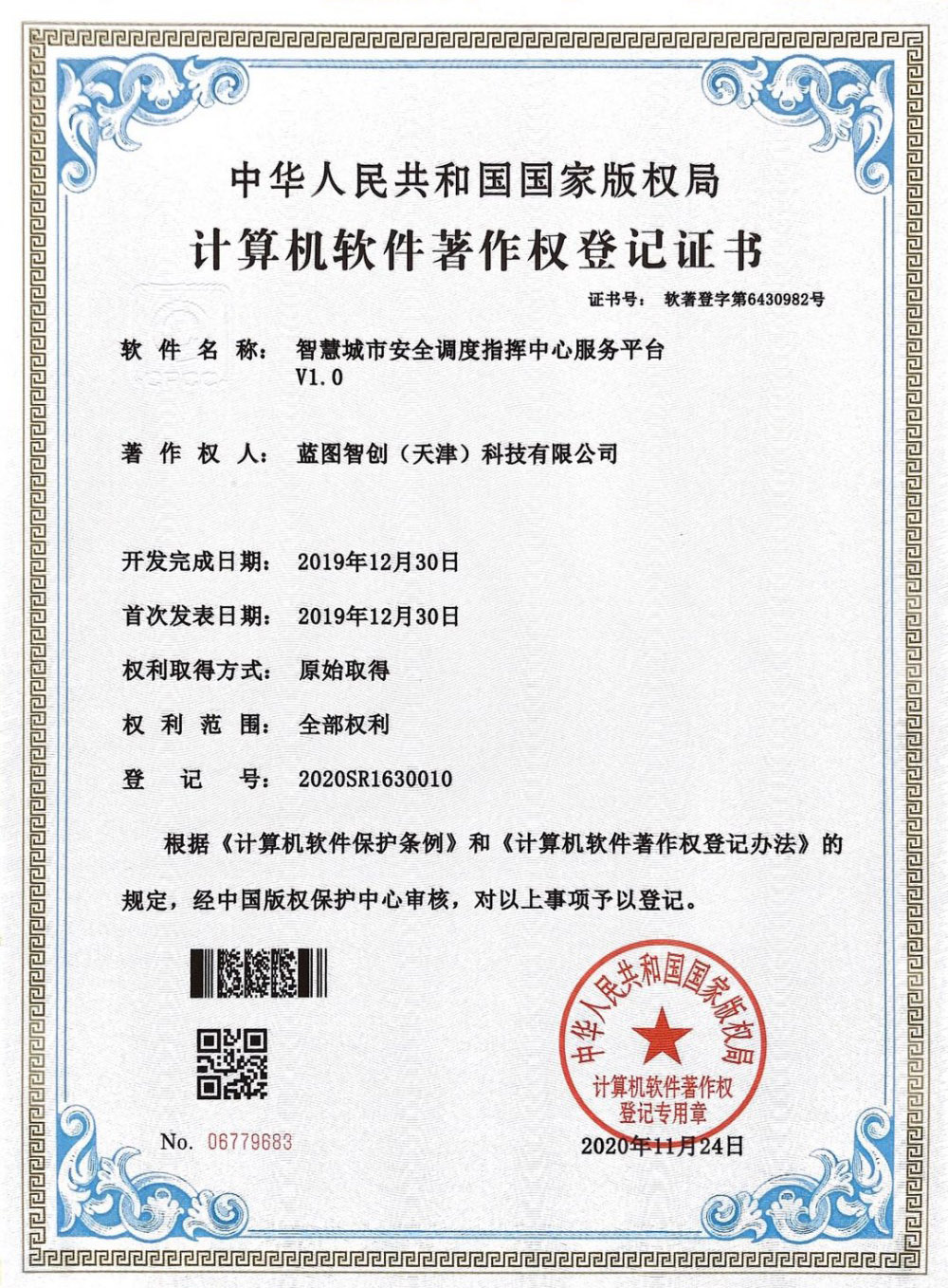
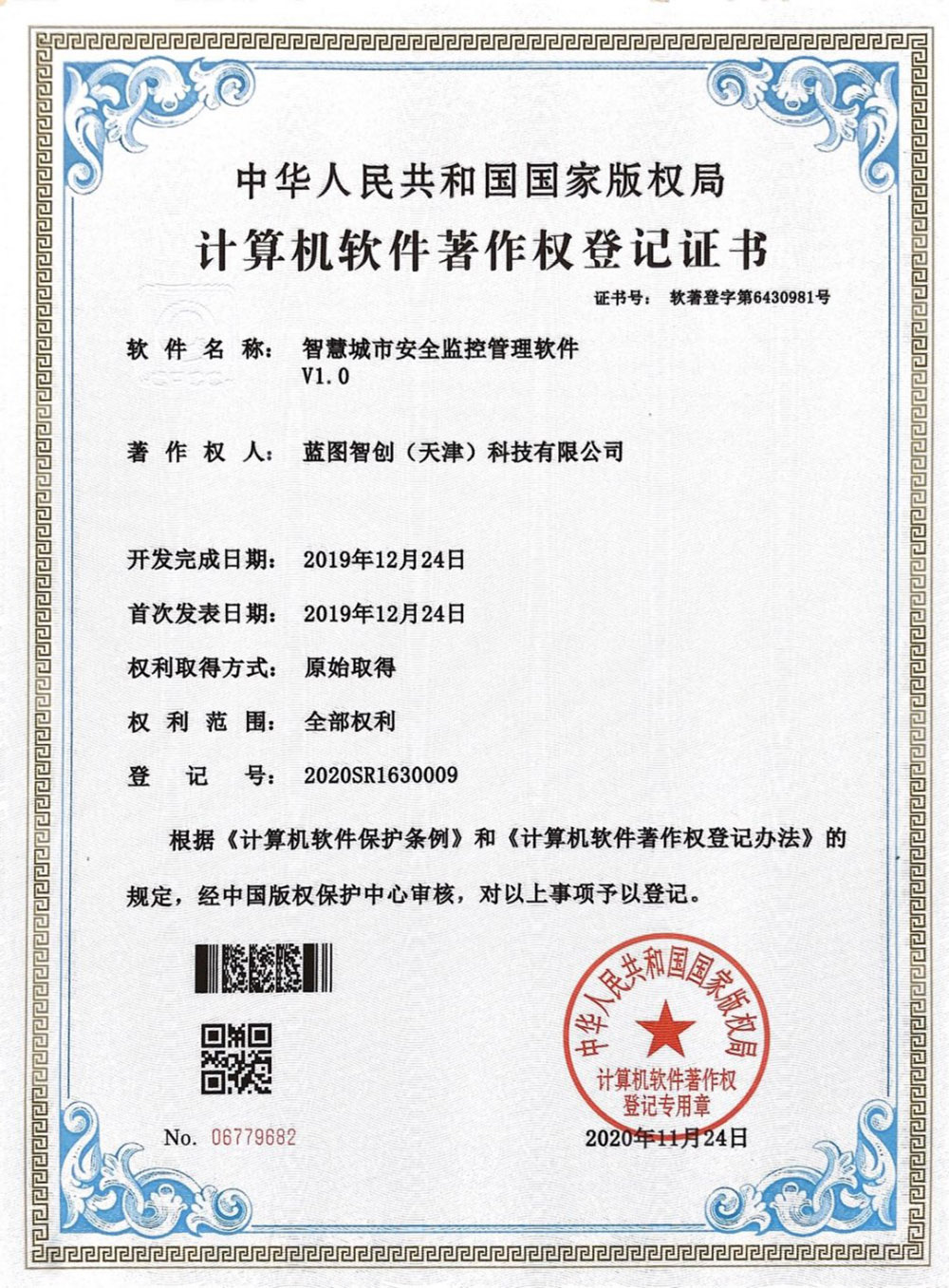
With over 50 national patents, our design process prioritizes reliability and structural integrity.
Addressing key engineering considerations, integration details, and selection criteria.
Answer: It is critical to calculate not only the dead weight of your payload but also the dynamic forces, such as wind load. For example, if you deploy a dual thermal-visible camera housing with a weight of 8kg, using a 10kg rated PTU like the BIT-PT510 is suitable for standard conditions. However, in environments with strong winds, selecting a higher-rated unit (e.g., 15kg or 30kg capacity) provides a safety margin that helps prevent motor slippage and structural strain.
Answer: Worm-gear drives (like the BIT-PT510) offer natural self-locking capability when powered down, making them suitable for long-term static monitoring. Direct-drive systems, on the other hand, eliminate traditional gear contact. This design allows for higher speeds (up to 100°/S) and eliminates backlash, which is critical for tracking fast-moving targets like drones or aircraft.
Answer: Yes. Our positioning hardware supports industry-standard command protocols, including Pelco-D and Pelco-P via RS485 serial connections. Select IP-enabled models also support ONVIF Profile S and custom SDK communication interfaces, allowing for straightforward integration into existing Video Management Systems (VMS) and security command centers.
Answer: We manufacture units designed to withstand marine corrosion. Our solutions include high-grade aluminum housings, marine paint coatings, stainless steel brackets, and IP66/IP67 seals. These features prevent salt fog and moisture from reaching the internal motors and encoder circuits, helping to reduce maintenance cycles.
Explore our complete catalog, featuring light-duty, medium-duty, and heavy-duty positioners along with matching enclosures and brackets.
Our positioning solutions support missions across five continents, in collaboration with security and engineering firms.