China PTU Accessories Manufacturers & Supplier

Premium OEM/ODM Pan-Tilt Units, Enclosures, & Heavy-Duty Surveillance Positioning Accessories for Global Critical Infrastructure & Security Projects.

BIT-CCTV Strengths: Over Two Decades of Professional Engineering

Since founding our manufacturing facility, we have specialized in the mechanical and electrical development of outdoor surveillance payloads and precision positioning gear.

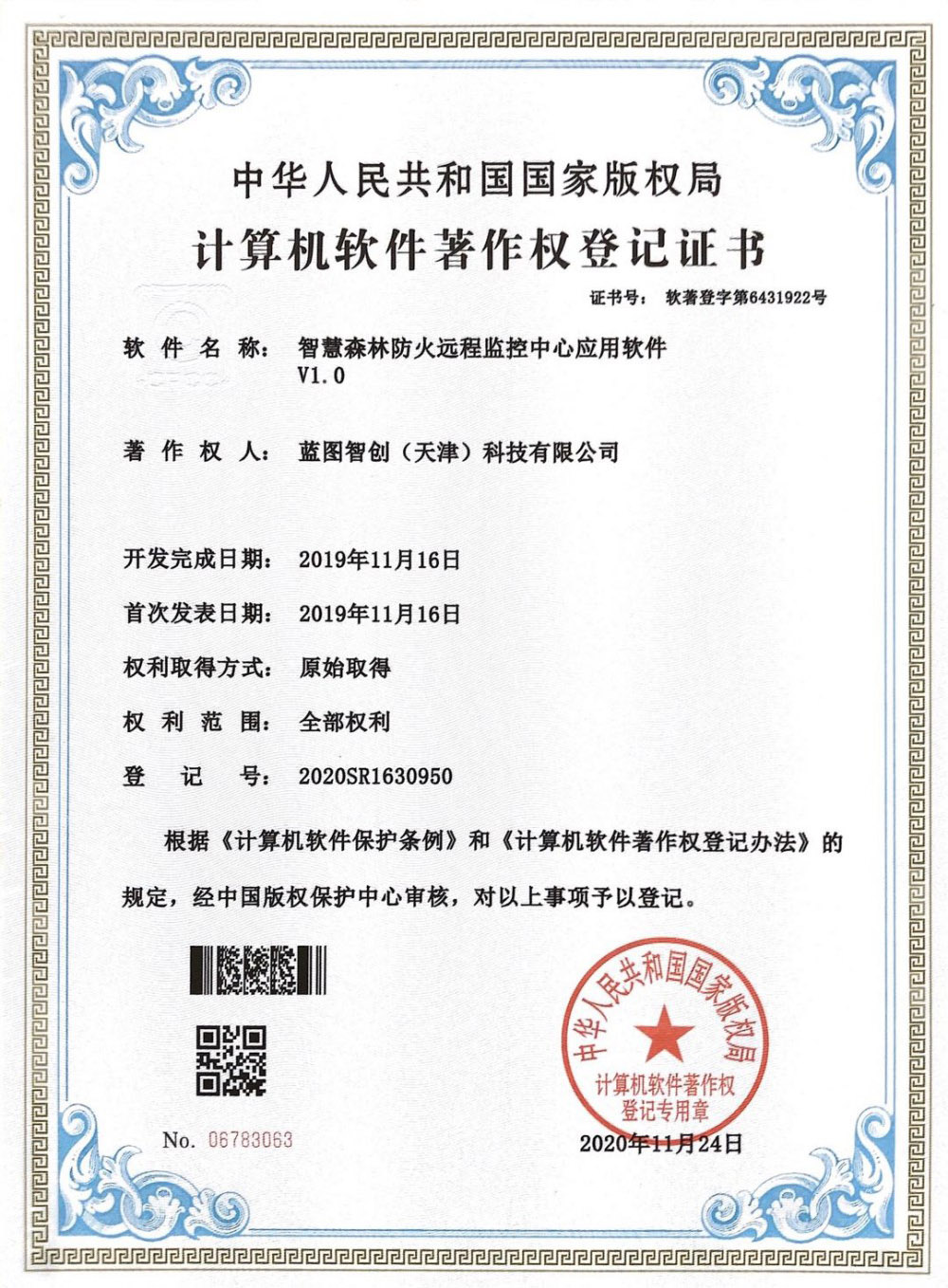
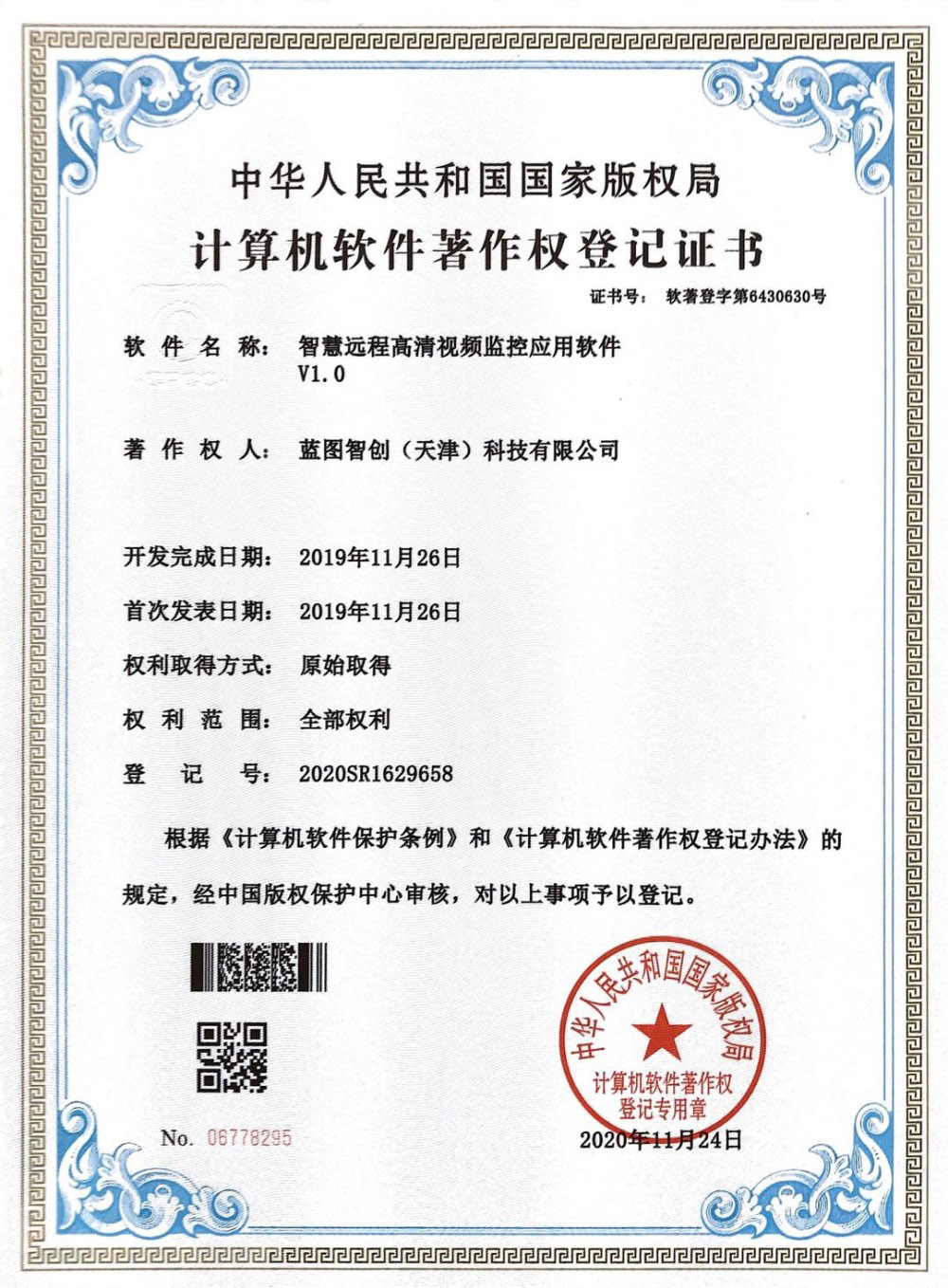
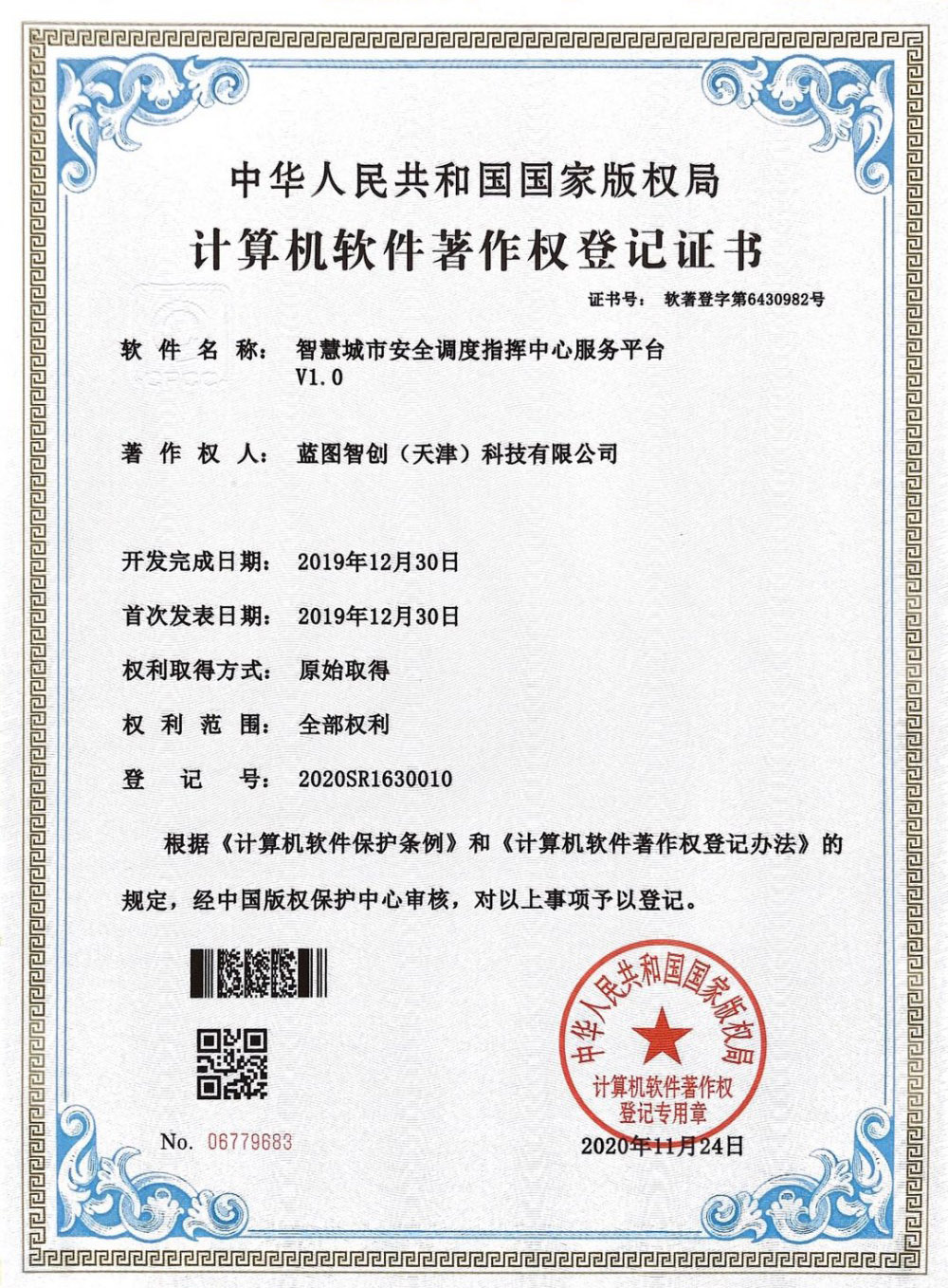
National High-Tech Certification

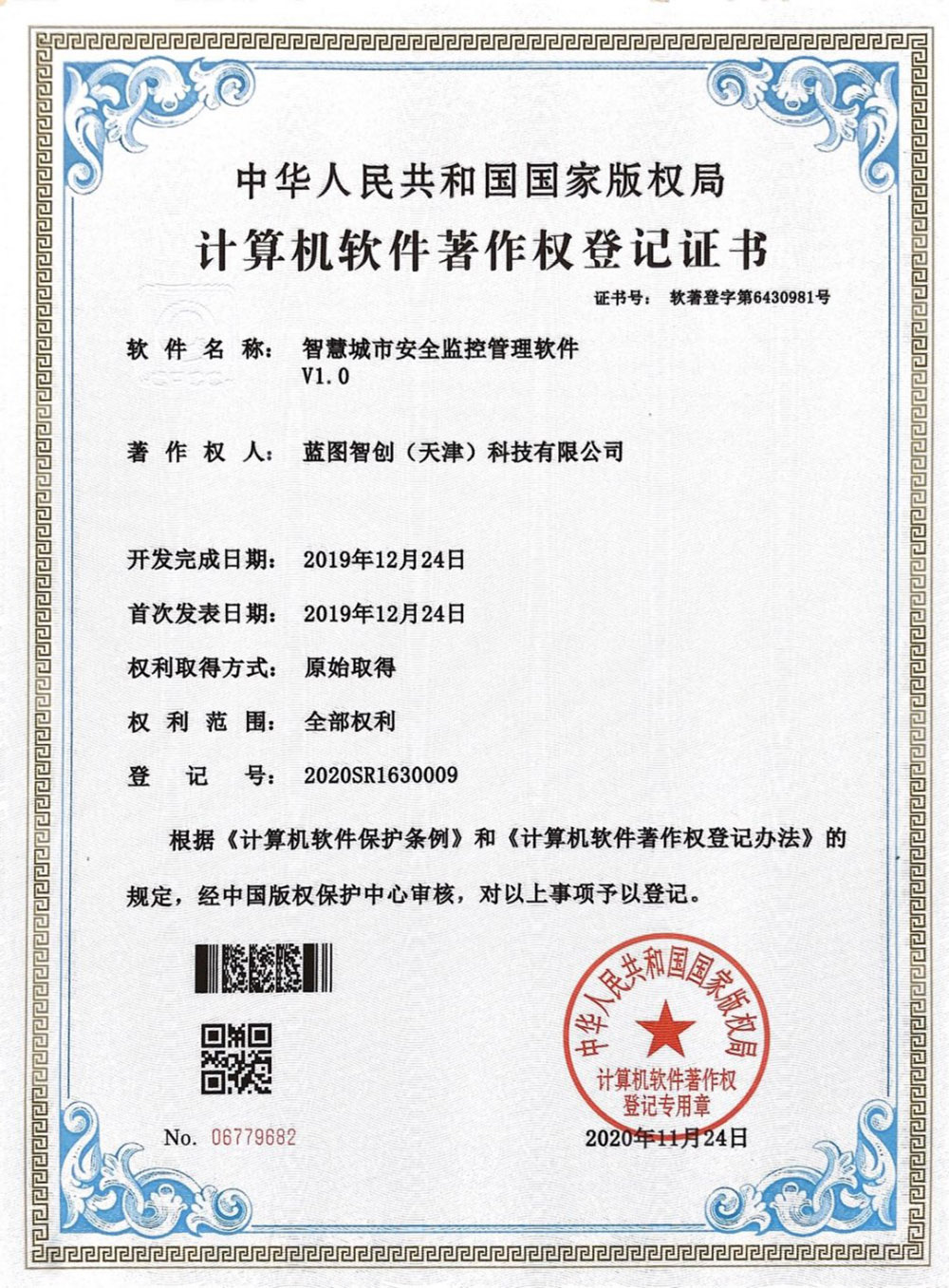
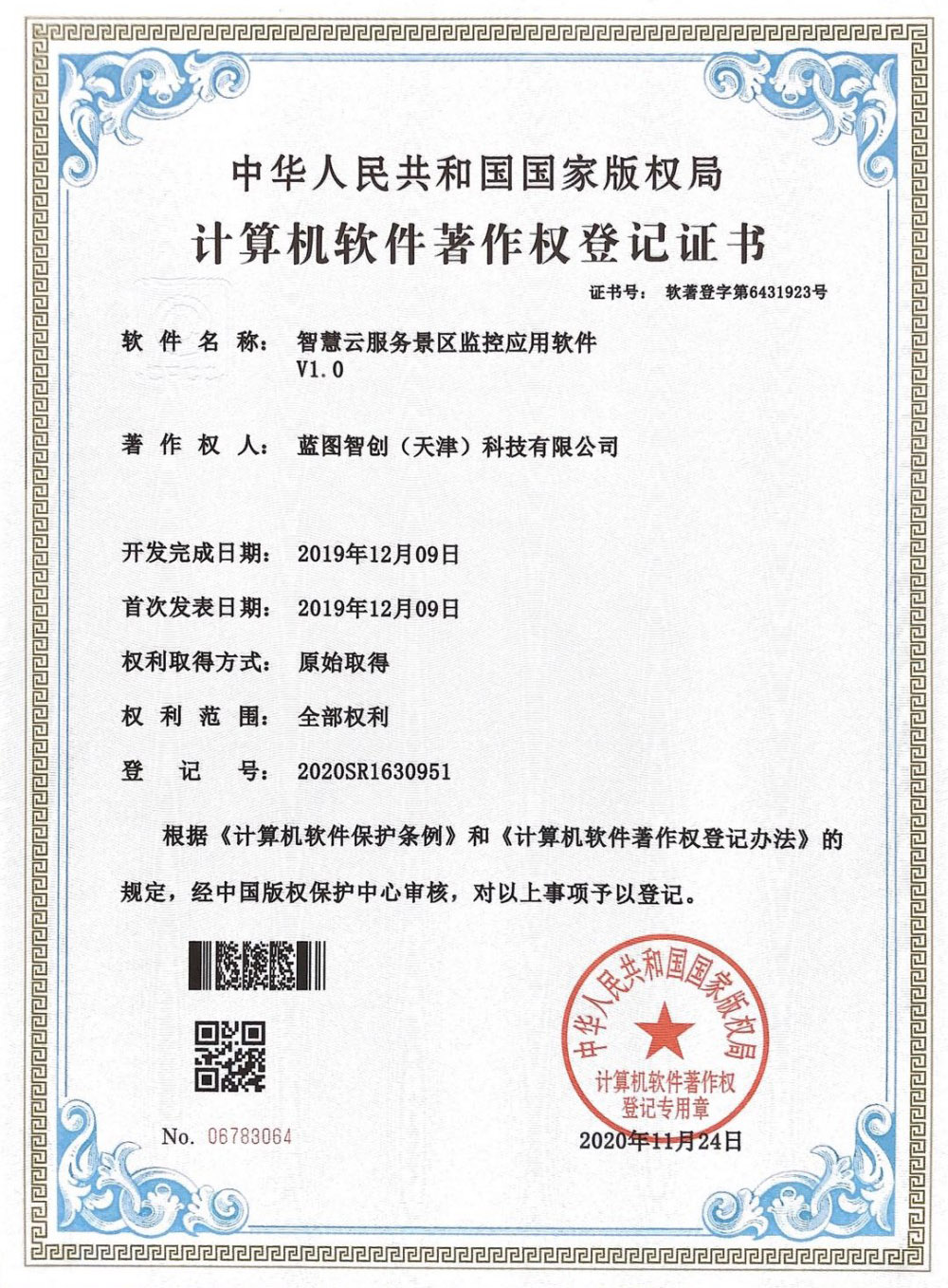
Established under Blue Icon (Tianjin) Technology Co. Ltd. (2005/2007), we hold 50+ national utility patents and operate in compliance with ISO9001 quality systems.

Broad Capacity: 3.5kg to 150kg

From mini-drones/payloads to massive 120kg long-range electro-optical system configurations, we engineer worm-gear drives and direct-drive positioners matching diverse demands.

Global Export Network

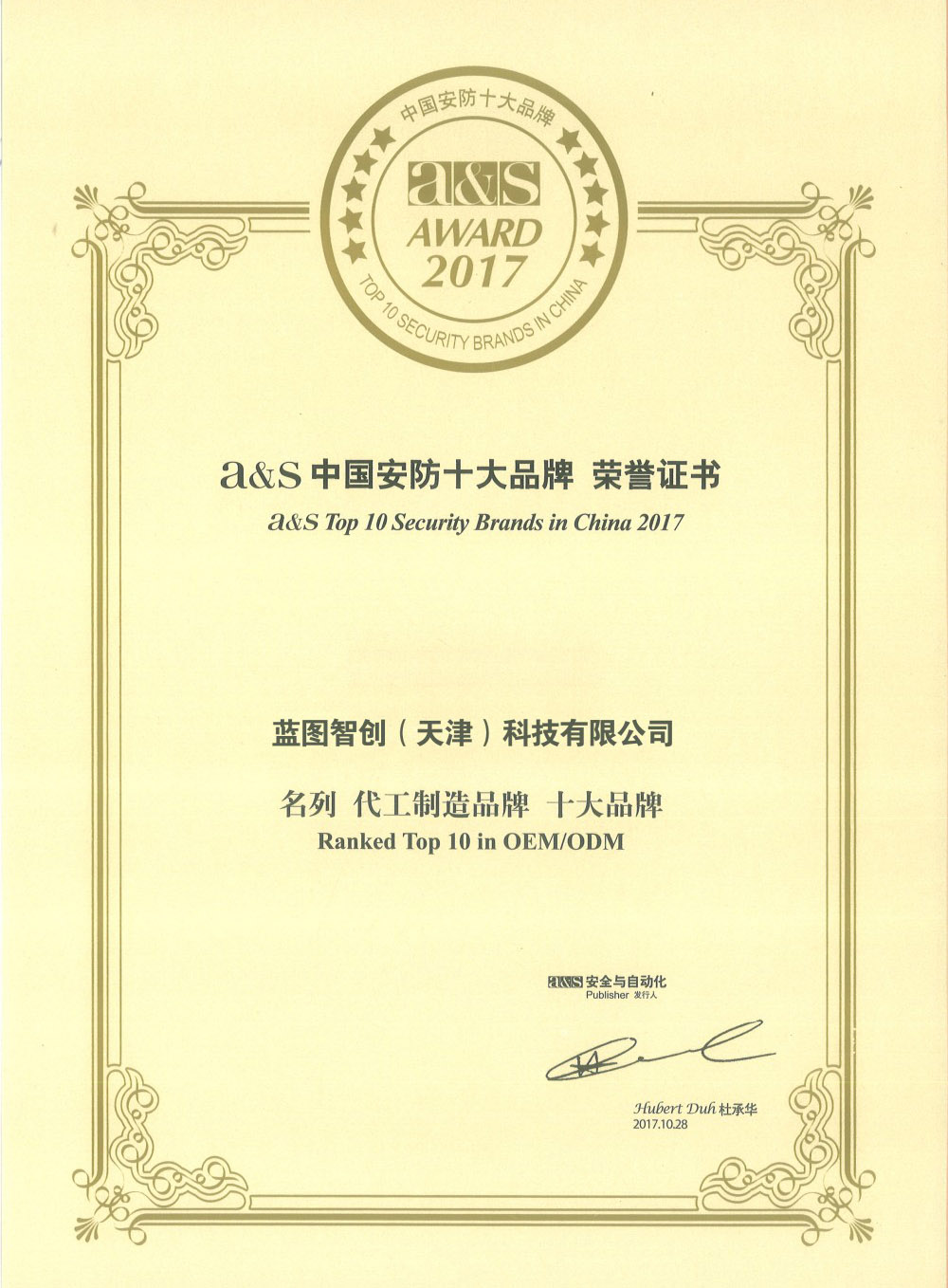
Our solutions safeguard state borders, coastlines, and industrial areas across 50 countries, proving operational durability in critical marine and desert climates.

2007

BIT-CCTV Founded

1st

Pan Tilt Maker in China

10%

Annual R&D Investment

50+

Countries Served

10K m²

Mfg. Workshop Area

High-Precision Pan-Tilt Unit Accessories & Positioning Technology in Modern Security Systems

Industrial video surveillance, defense tracking, and environmental monitoring require cameras and sensors to point at targets accurately. In these setups, the Pan-Tilt Unit (PTU) operates as the core mechanical driver. While primary PTU specifications like payload capacity and angular velocity dictate baseline operations, the long-term reliability and adaptability of the system depend on its accessories and mechanical hardware.

Information Gain Insight: Underestimating accessory integration—such as selecting basic carbon-steel brackets instead of heavy-duty stainless steel components, or choosing non-ventilated camera housings—increases structural wear, sensor misalignment, and mechanical failures. High-quality PTU setups require matched brackets, secure tripods, protective housings, and reliable rotators to protect expensive optical hardware.

1. Mechanical Foundation: Tripods and Structural Brackets

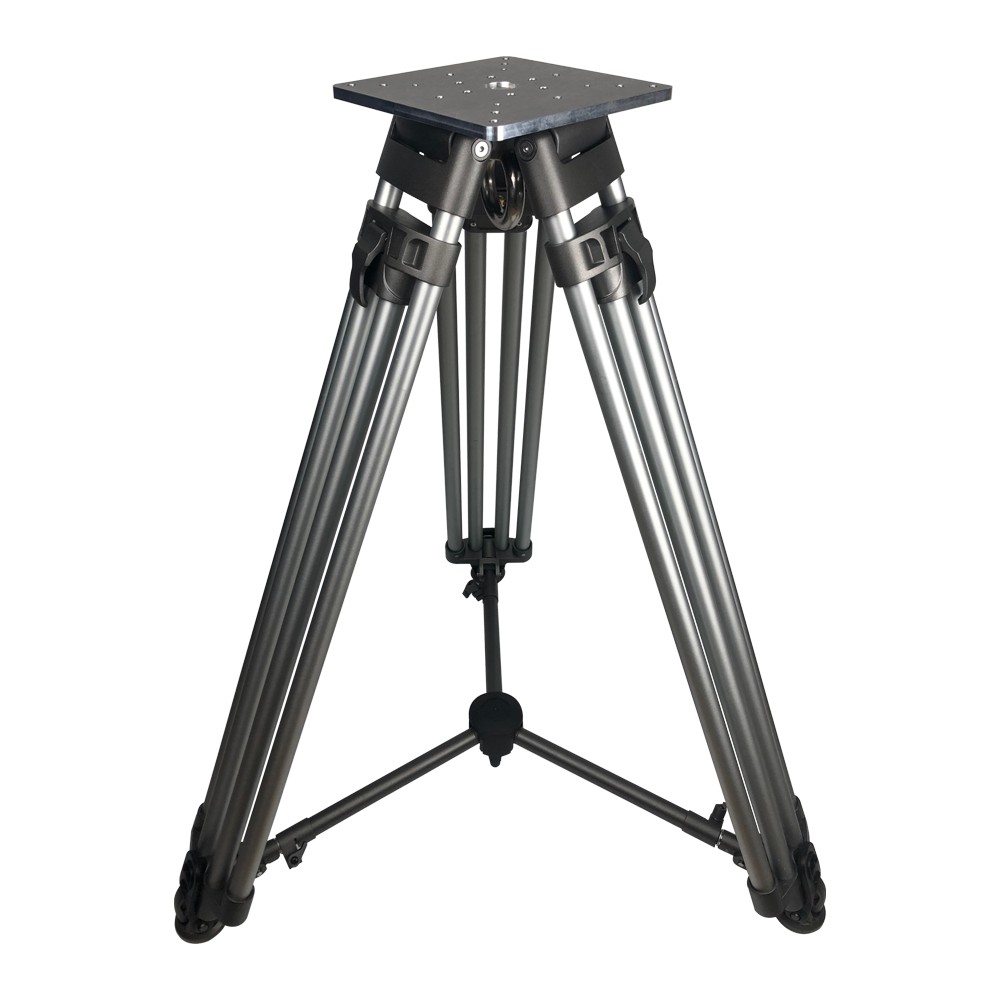
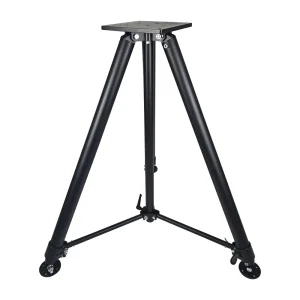
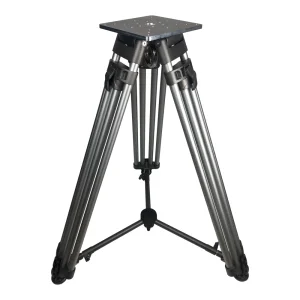
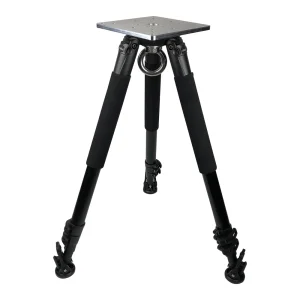
Every dynamic positioning camera setup needs a stable foundation. Outdoor environments expose assemblies to wind loads, which can cause micro-vibrations that distort images on long-range lenses (500mm to 1000mm+). Our range of heavy-duty tripods, rated for 40kg, 110kg, and up to 200kg, provides the structural rigidity required for clear imaging. Made from reinforced alloys, these mounts keep your equipment stable and properly aligned.

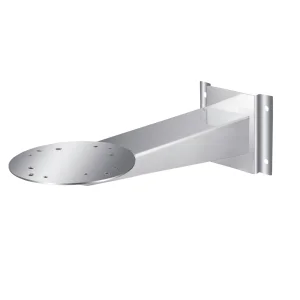
Similarly, PTU wall-mount brackets must be designed to withstand torque from high-speed movements. Brackets like our High-Quality Stainless Steel Wallmount Bracket are built from corrosion-resistant SUS316L/SUS304 steel. This construction prevents oxidation in coastal environments and withstands weather exposure, ensuring a long operational life.

2. Environmental Protection: Specialized Camera Housings

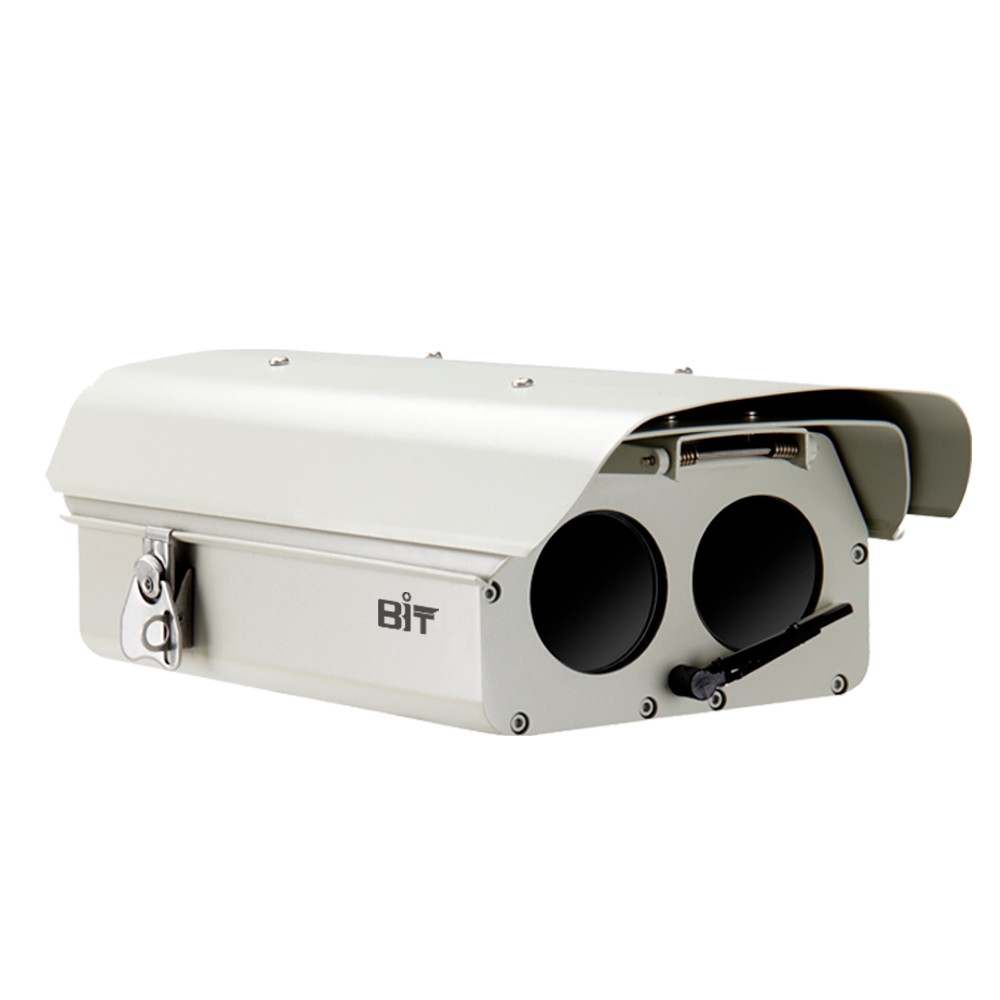
Sensors are the most expensive parts of a long-range positioning system. Thermal cameras, laser illuminators, and optical day/night sensors require rugged enclosures to perform reliably. Our dual-window camera housings (available in 15-inch and 18-inch models) isolate internal optics from the surrounding environment. These enclosures feature integrated heater/blower modules to prevent condensation, built-in window wipers to clear rain and dust, and optical glass windows designed for high light transmission.

China Factory 4.0: Modern Supply Chain and Quality Assurance

Our manufacturing facility in Tianjin, China, uses modern production workflows to ensure consistency and reliability. Through our integrated Supply Chain 4.0 processes, we manage every step from raw metal alloy selection to final calibration of the positioning gears.

  • Precision CNC Machining: All critical worm-gear drives and internal shafts are milled on high-precision CNC centers to achieve tight mechanical tolerances. This minimizes backlash and helps maintain accurate targeting over years of continuous operation.
  • Environmental Chamber Testing: Our products undergo testing in temperature-controlled chambers. This ensures they operate reliably across temperature extremes from -40°C up to +70°C.
  • Dynamic Balancing: Large units, such as the 120kg heavy-duty positioners, undergo dynamic balancing tests. This helps prevent motor overload and ensures smooth movement under offset load conditions.

Global Procurement Guidelines: A Checklist for Integration

When sourcing pan-tilt accessories, purchasing managers and system designers should check the following key specifications:

Load & Torque Safety Margins

Always specify accessories that support 1.5 to 2 times the dry weight of your sensors. This safety margin accounts for dynamic wind drag and potential ice buildup.

Ingress Protection (IP) & Corrosion Resistance

Select IP66 or IP67 ratings for outdoor hardware. For marine projects, specify stainless steel brackets and multi-layer anti-corrosion coatings.

Data & Power Signal Pass-Through

Ensure the PTU and its accessories include slip-rings or cable channels that prevent wire binding during continuous 360-degree pan rotation.

Technical Roadmap & Future Outlook (2026-2030)

The positioning technology industry is moving toward smarter, faster, and more integrated solutions. Over the next decade, we expect to see several key trends shape the market:

  • Direct-Drive Rotators: While worm gears remain popular for heavy, self-locking loads, direct-drive brushless motors are becoming more common for high-speed tracking. These systems offer fast response times and low maintenance due to fewer moving parts.
  • Smart Diagnosis: Future PTUs will feature built-in vibration and temperature sensors. This will allow operators to monitor system health and schedule maintenance before failures occur.
  • Lightweight Materials: Next-generation tripods and housings will use carbon-fiber composites and specialized magnesium alloys. This reduces overall weight while maintaining high structural strength.
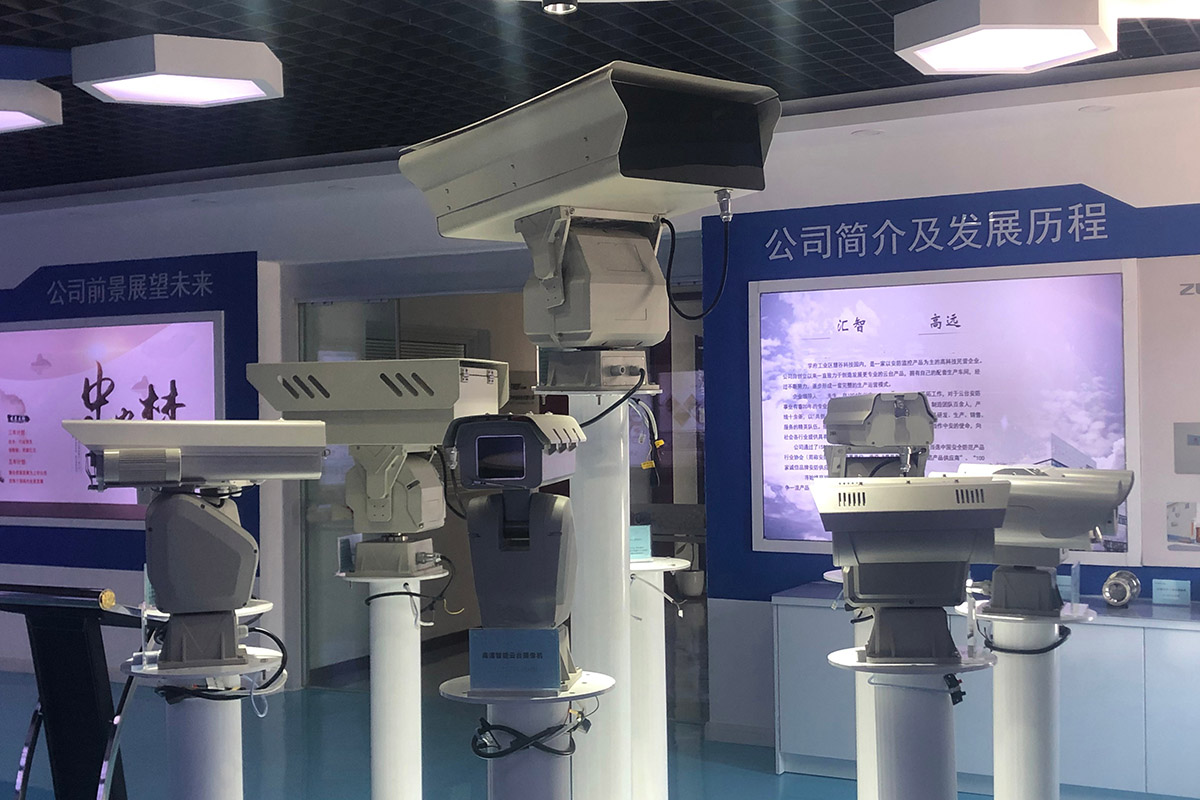
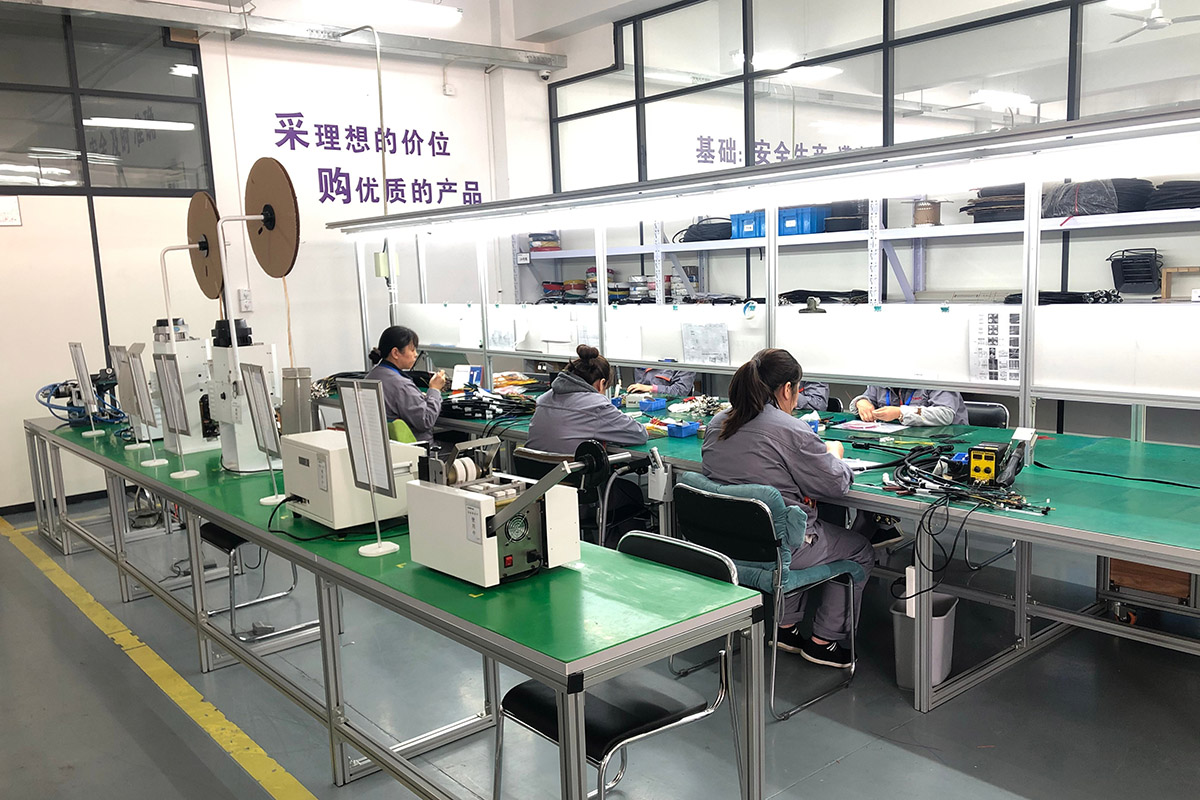
Factory Assembly Line & Engineering Center

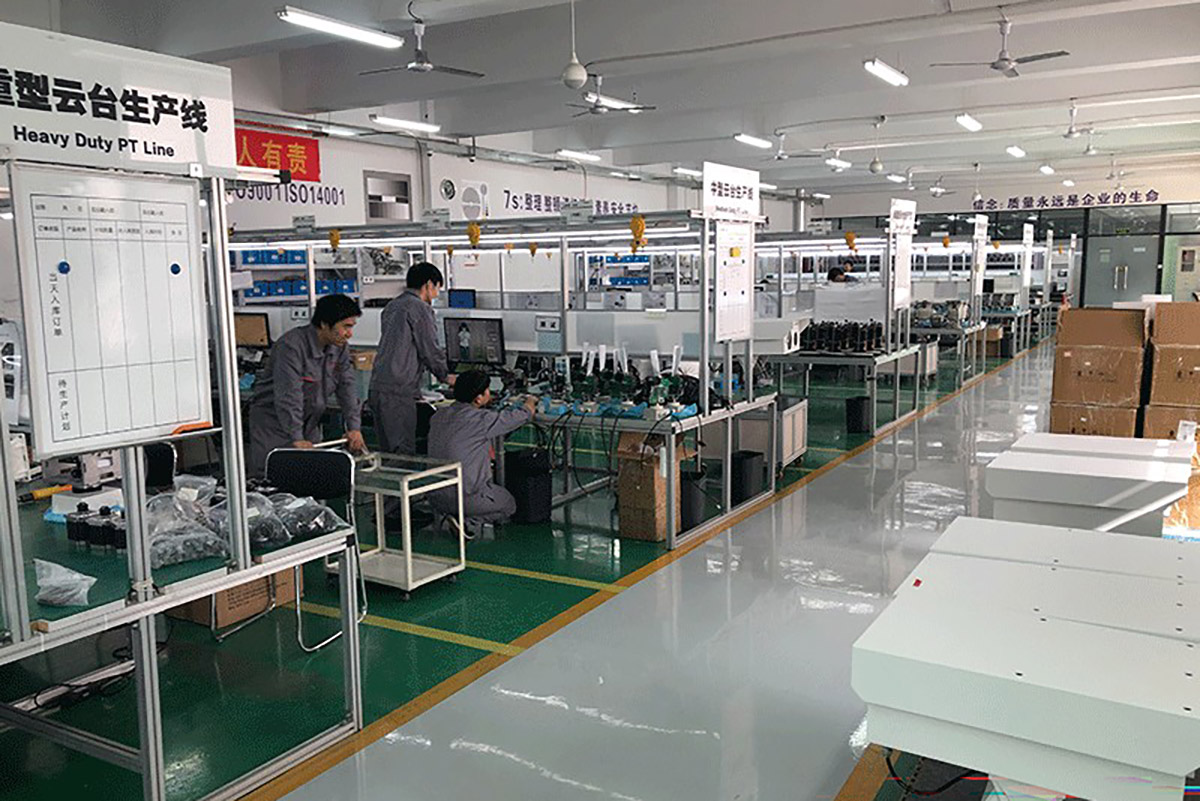
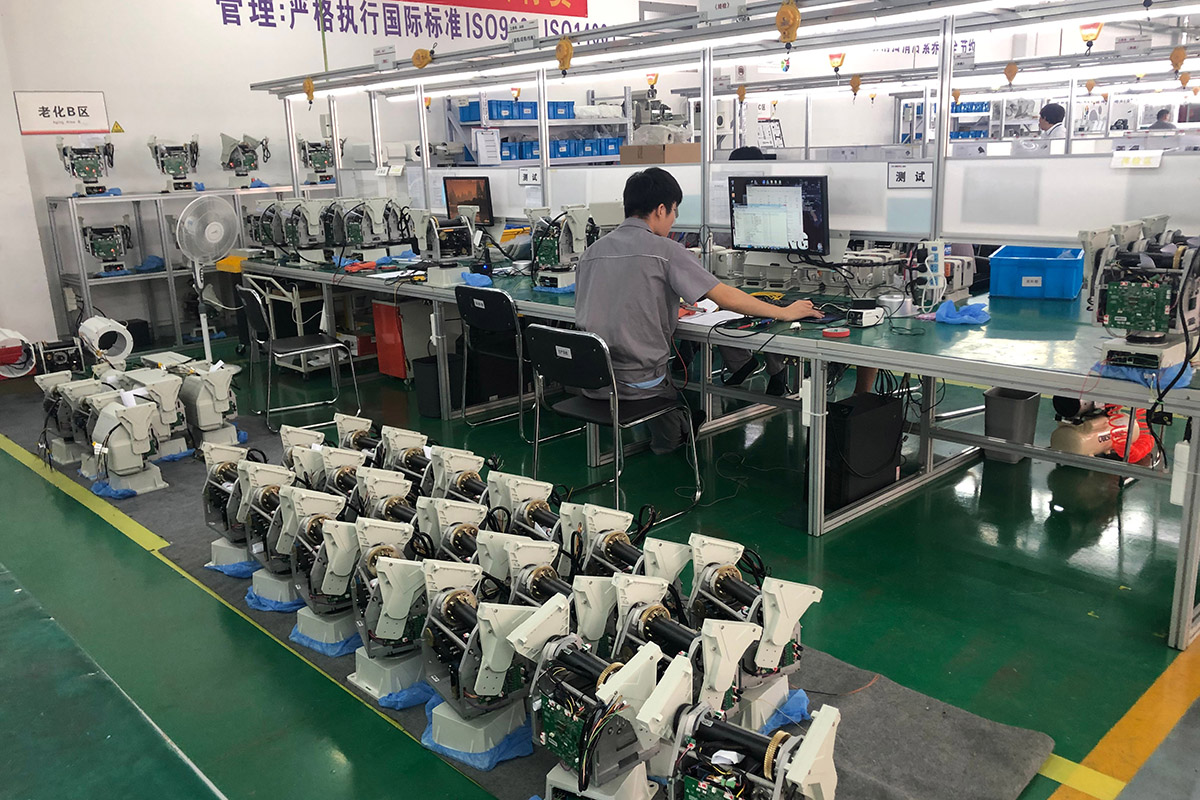
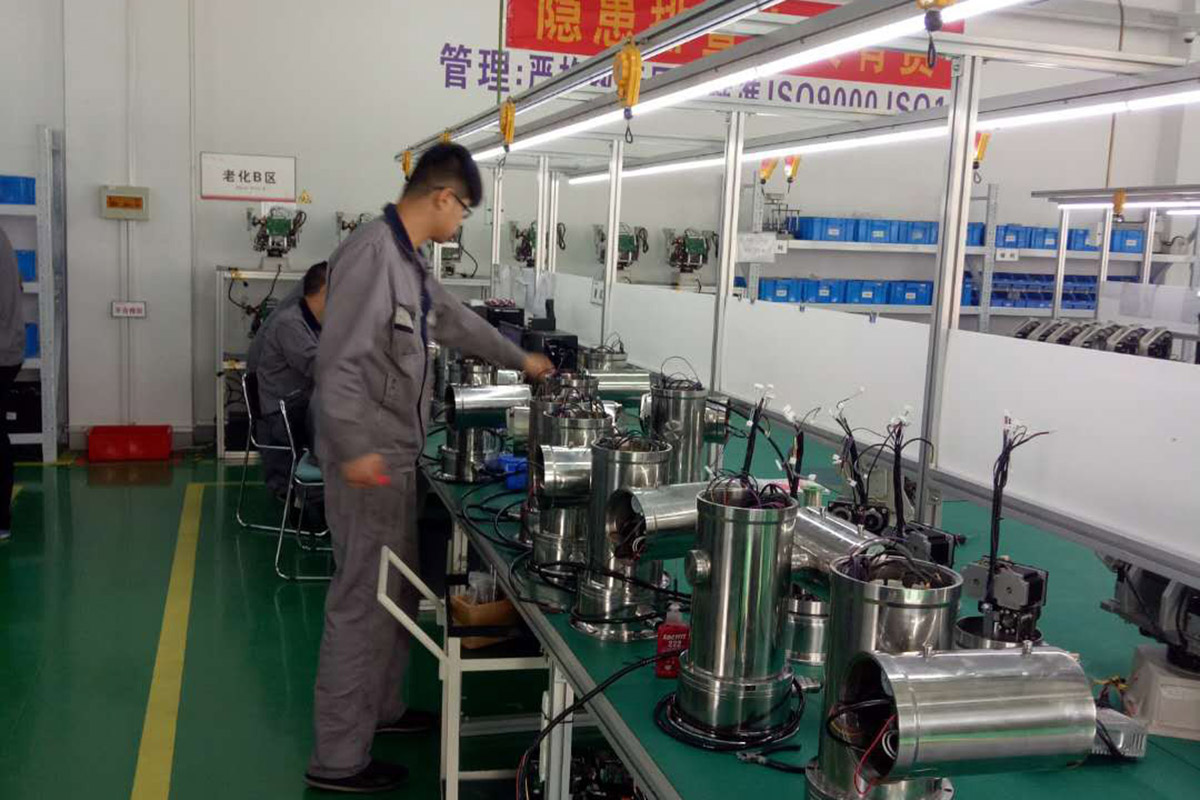
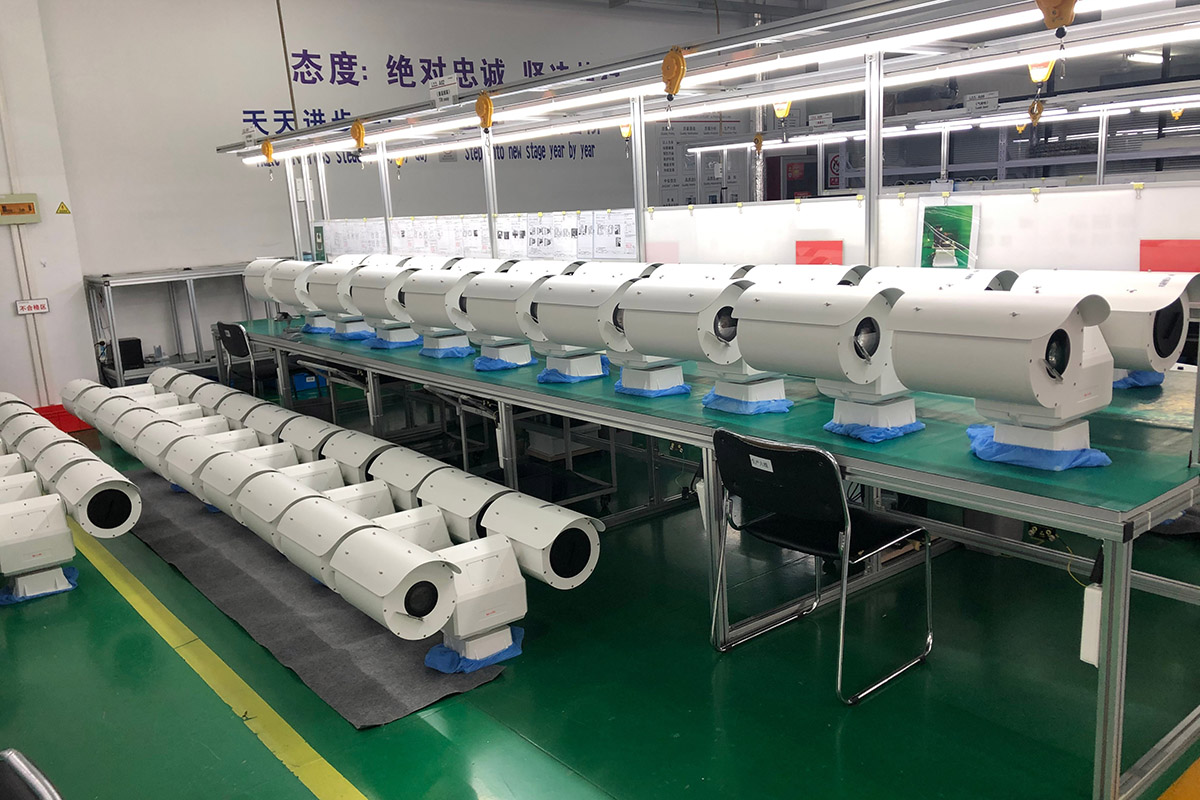
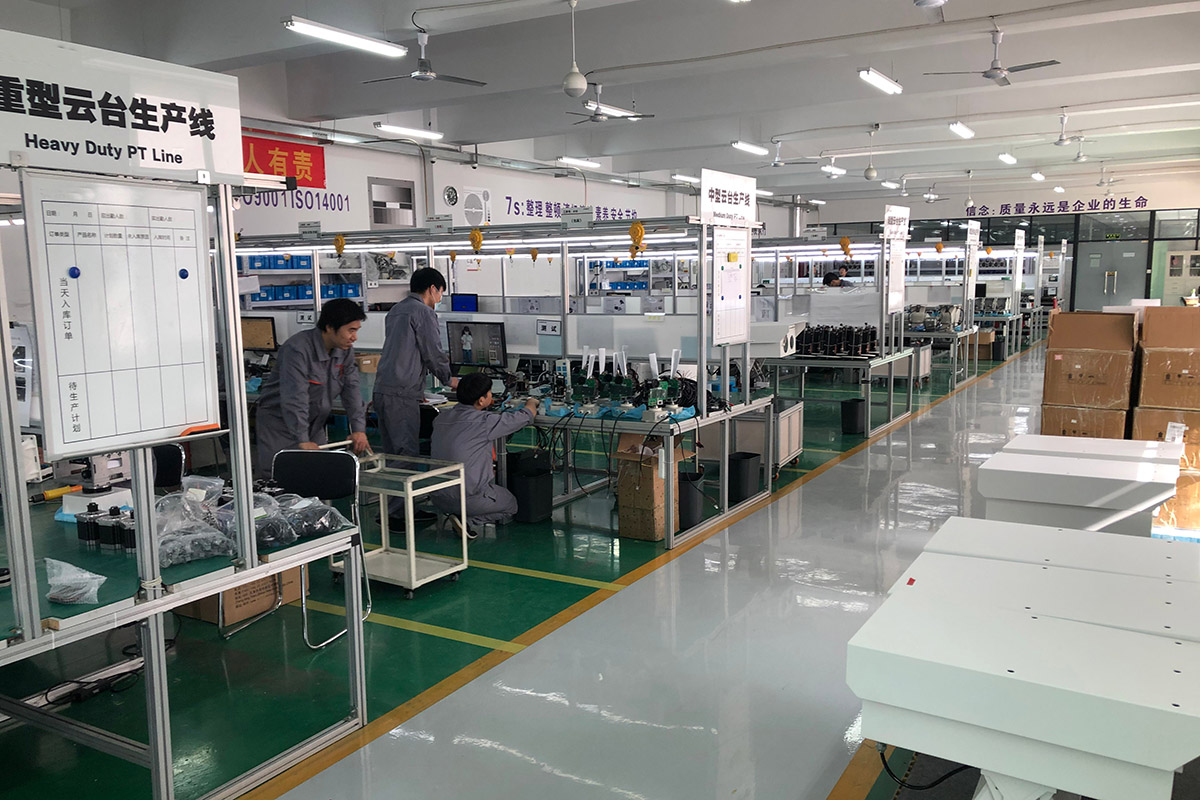
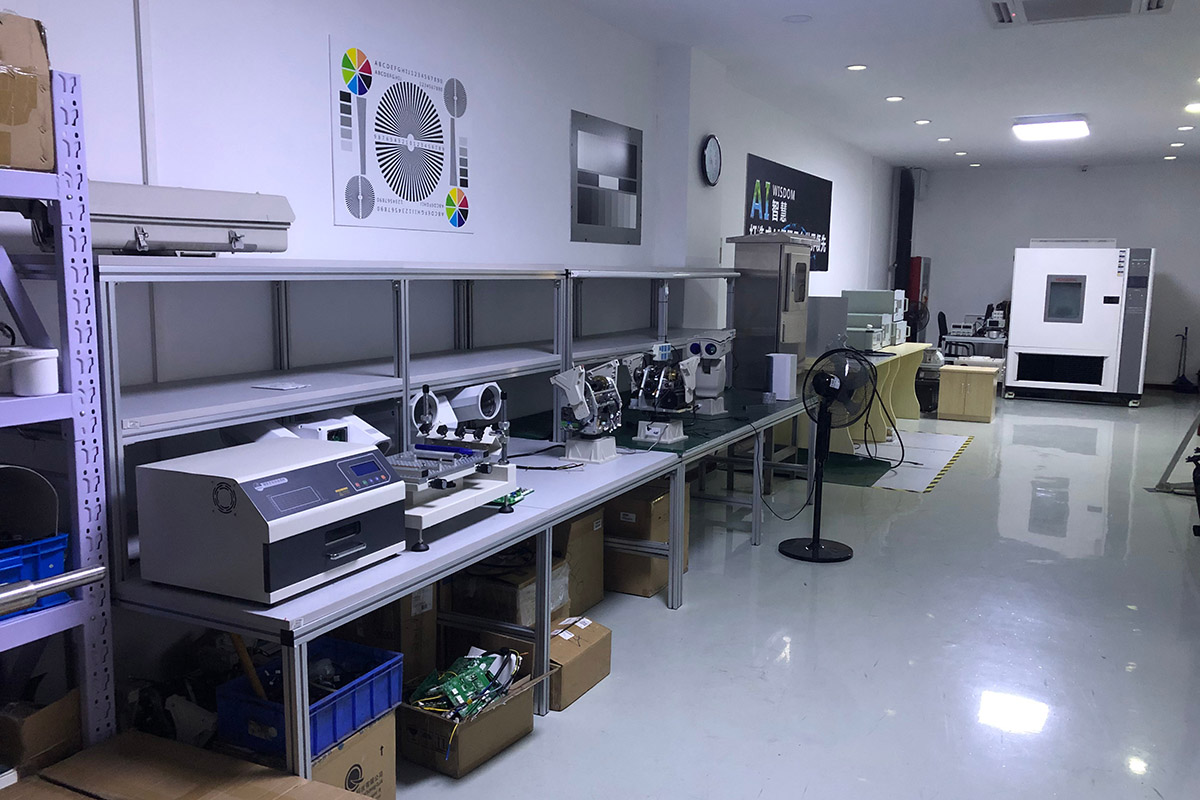
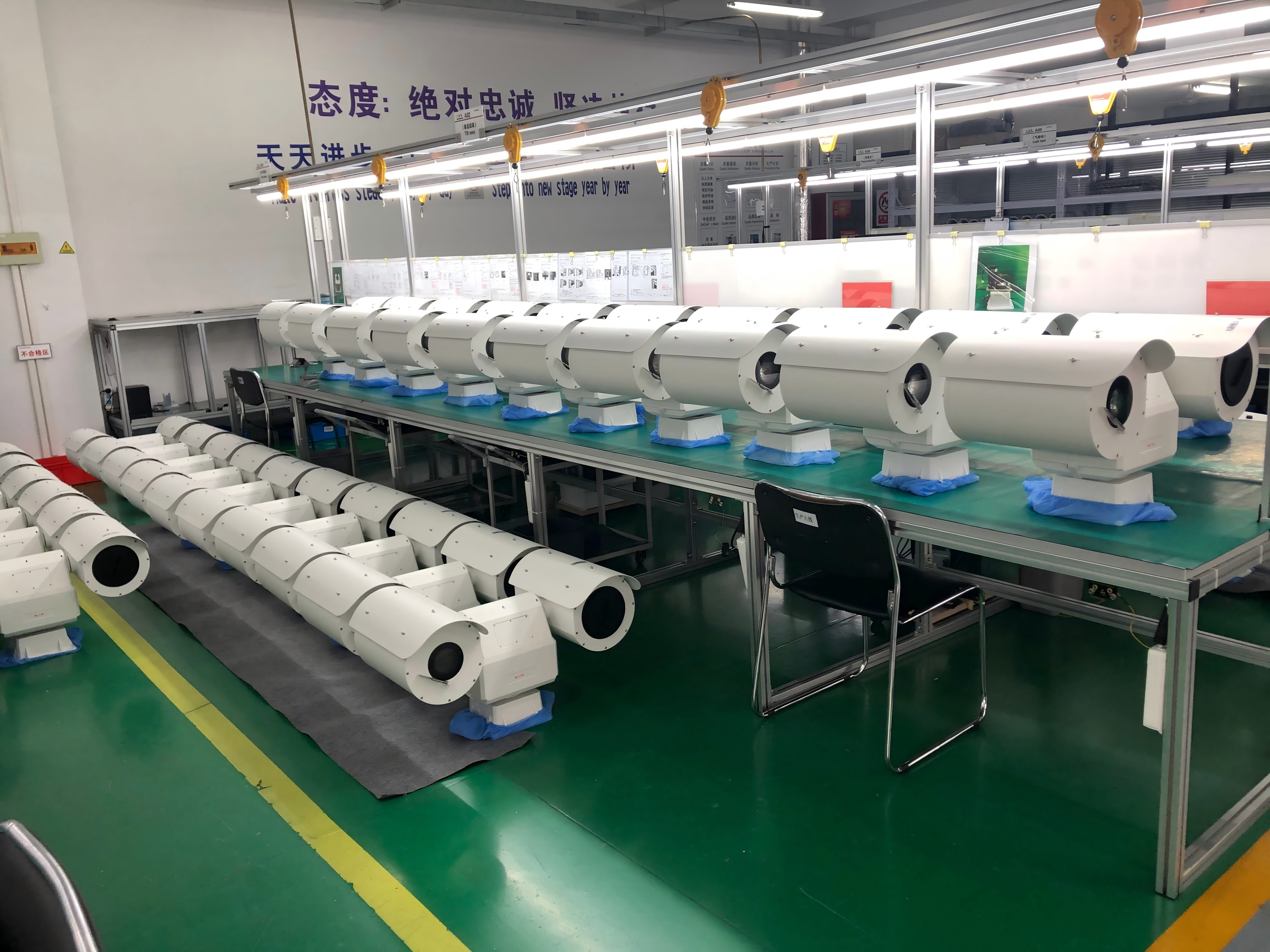
A look inside our 10,000 square meter ISO9001-certified facility in Tianjin, where our pan-tilt units and accessories are engineered, assembled, and calibrated.

Positioning System Product Classifications

We design and manufacture four main types of positioning platforms to meet varying operational demands.

Pan Tilt Positioner Series

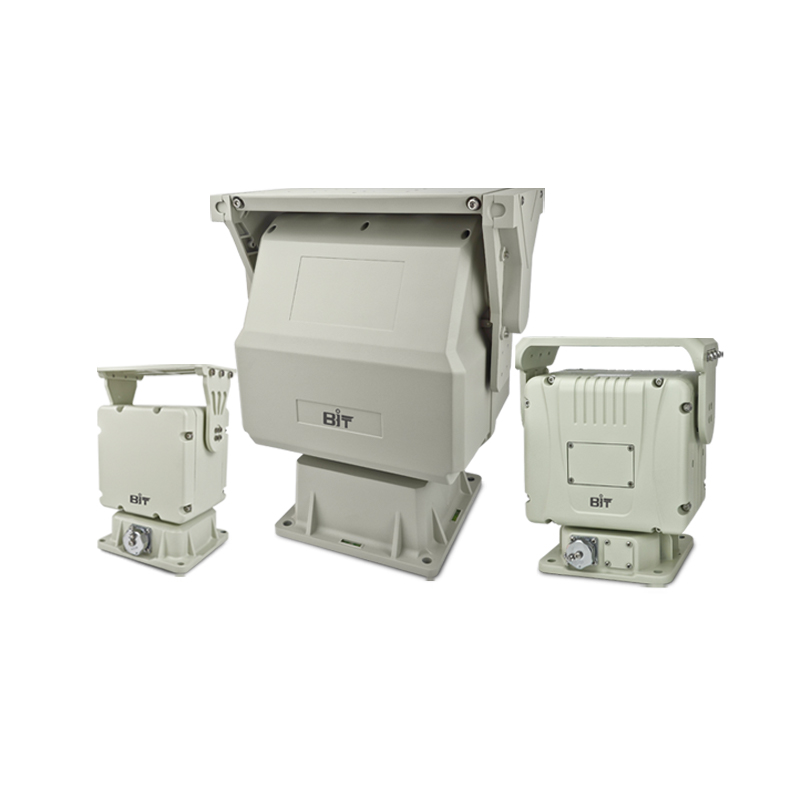
Pan Tilt Positioners

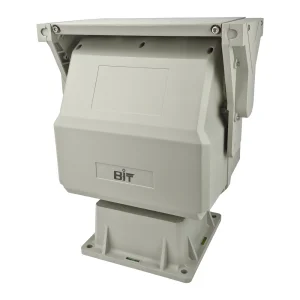
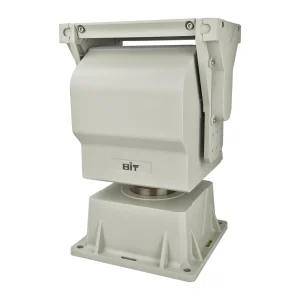
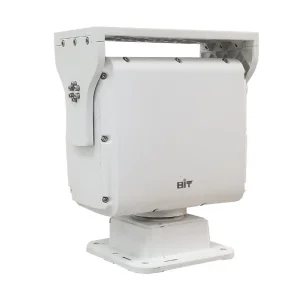
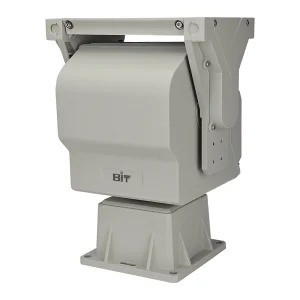
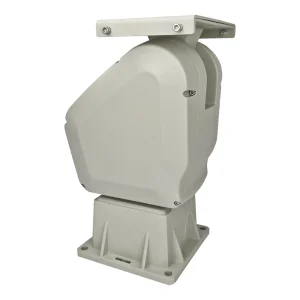
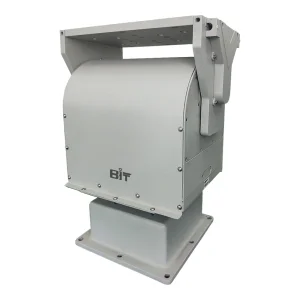
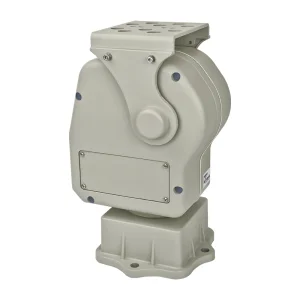
Designed for two-axis (azimuth/elevation) positioning, with payload capacities ranging from light-duty models (3.5kg) to heavy-duty platforms (120kg+).

Pan Rotator Series

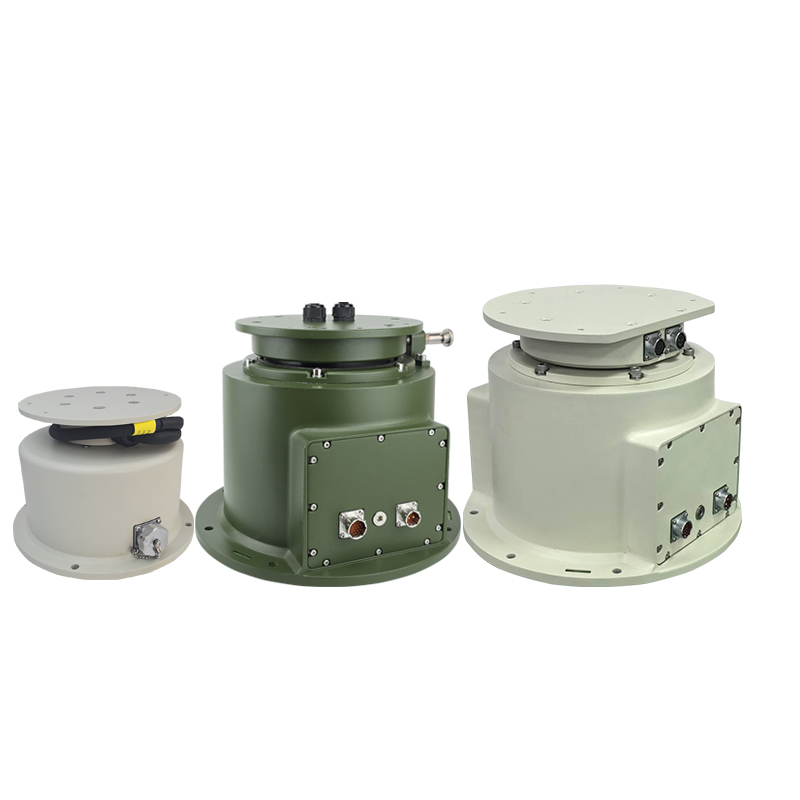
Pan Rotators

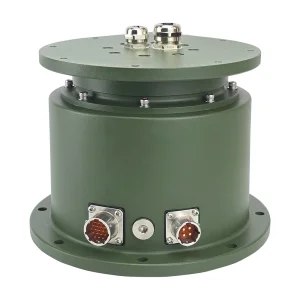
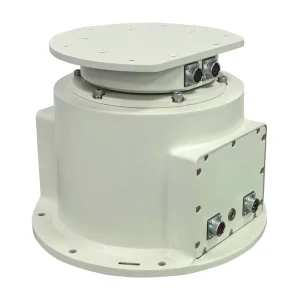
Single-axis continuous rotation systems built to position radar antennas, searchlights, and long-range sensors.

PTU Accessories Series

PTU Accessories & Mounts

High-grade stainless steel wall brackets, dynamic adapters, junction boxes, and installation aids designed for outdoor environments.

Camera Housing Series

Camera Housings

IP66/IP67 rated enclosures with window wipers, heating elements, and dual-window designs to protect optical and thermal sensors.

Patented Designs & Internationally Recognized Quality

We invest 10% of our annual revenue into R&D, holding over 50 national patents. Our processes conform to CE, FCC, RoHS, and IP66/IP67 waterproof standards.

Industry News, Selection Guides & Case Studies

Read our latest technical guides and company updates to help you choose the right positioning hardware for your project.

Production line of heavy duty pan tilt unit
Technical Guide

4 Key Factors to Choose a Pan Tilt Unit Supplier

As pan-tilt units are deployed in increasingly complex projects, customization has become an important consideration. Read our guide on evaluating supplier manufacturing capabilities, quality testing systems, customization options, and support services.

Read Full Post →
Small Size Pan Tilt Unit
Product Spotlight

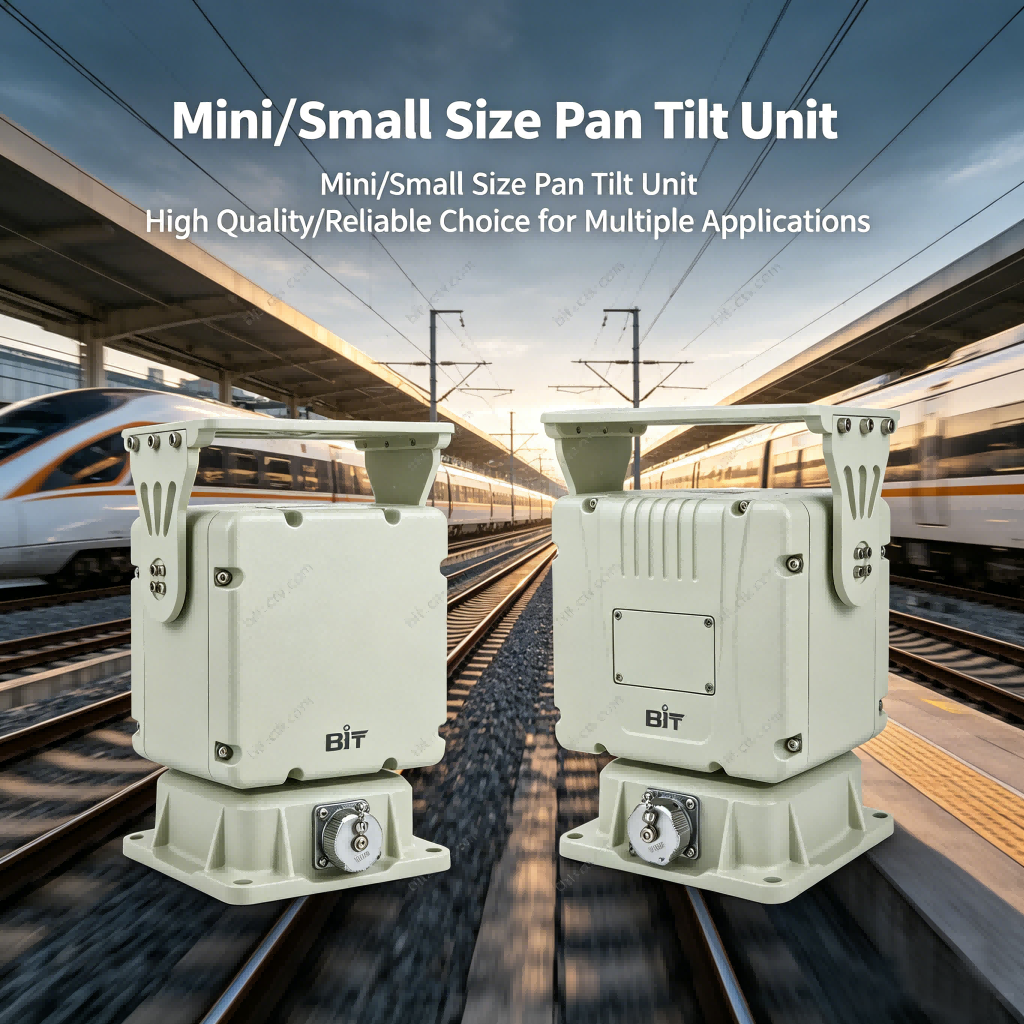
BIT-CCTV Small Size Pan Tilt Unit BIT-PT503 and BIT-PT510

For compact applications, we offer the BIT-PT503 (3.5kg capacity) and BIT-PT510 (10kg capacity). These worm-gear-driven models provide stable, precise control in a smaller footprint, making them suitable for mobile setups and light-duty installations.

Read Full Post →
How to classify pan tilt units
Classification

How to Classify Pan Tilt Units

Pan-tilt units can be categorized by load capacity (light, medium, heavy), gear design (worm-gear, direct-drive, harmonic), environmental rating (IP66, IP67, explosion-proof), and target application (fixed surveillance, marine tracking, mobile deployment).

Read Full Post →

50+ Countries Distribution Network & Integration Partners

We partner with system integrators and distributors worldwide to support border security, maritime monitoring, and critical infrastructure protection projects.

PTU Accessories: Frequently Asked Questions

Answers to common technical questions about selecting, mounting, and maintaining pan-tilt unit positioning systems.

1. What material is recommended for outdoor PTU mounting brackets in coastal zones?
For marine and coastal environments, we recommend brackets made from SUS304 or SUS316L stainless steel. These alloys offer strong resistance to salt spray and atmospheric corrosion. Carbon steel components can rust quickly without specialized coatings.
2. How do you calculate the load capacity requirements for a pan-tilt positioner?
To calculate the load requirement, sum the weights of all mounted equipment (cameras, lenses, housings, illuminators, and cabling). Ensure the total weight does not exceed the positioner's maximum load rating. For high-wind installations, select a positioner with a safety margin to handle dynamic wind loads.
3. What is the difference between a direct-drive rotator and a worm-gear drive?
Worm-gear drives use mechanical gear reduction to move the load. They are self-locking when unpowered, making them well-suited for heavy payloads that remain in fixed positions for long periods. Direct-drive rotators connect the payload directly to brushless motors, offering higher speeds and faster response times, which is useful for dynamic tracking applications.
4. Why is a dual-window camera housing configuration used?
Dual-window housings let you co-locate two different sensor types in one protective enclosure. For example, a visible-light zoom camera can be mounted alongside an infrared thermal imaging sensor. This allows for day, night, and thermal monitoring from a single, aligned platform.
5. How do slip-rings benefit continuous rotation pan-tilt systems?
Slip-rings are rotary electrical interfaces that allow power and data signals to pass from a stationary base to a continuously rotating head. This prevents cables from twisting and tangling, enabling uninterrupted 360-degree rotation.