 BIT-CCTV
BIT-CCTV
BIT-CCTV
Engineered to support extreme payload weights and deliver precision tracking accuracy under the most demanding outdoor environmental conditions.
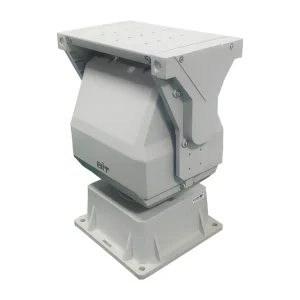
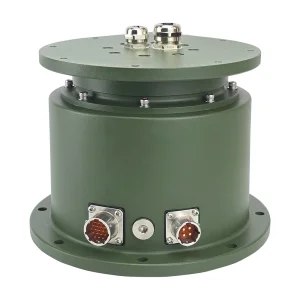
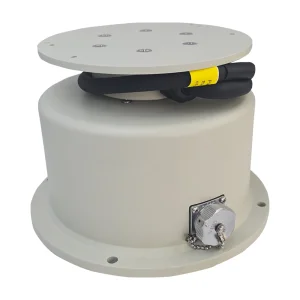
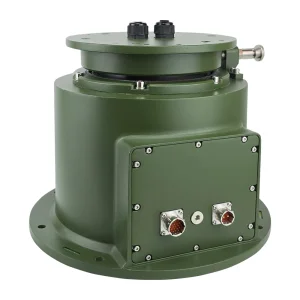
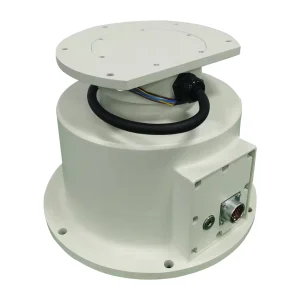
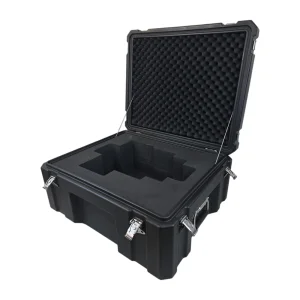
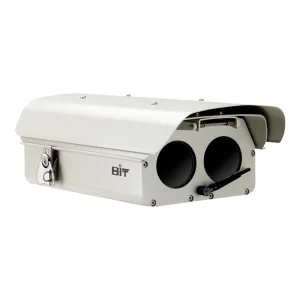
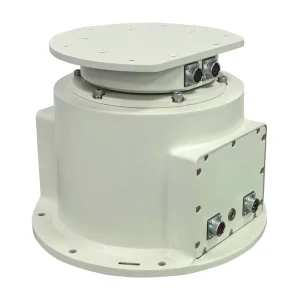
In modern global defense, aerospace, maritime, and meteorological sectors, the demand for precision directional movement has skyrocketed. A radar rotator acts as the physical and mechanical backbone of any radar detection configuration. Whether dealing with marine scanning, weather patterns tracking, or defense radars, the ability to control pan-and-tilt parameters with sub-degree accuracy determines the validity of data inputs.
Industrial intelligence relies heavily on uninterrupted operation. Environmental factors such as salt spray in maritime corridors, extreme desert thermal expansions, and high wind forces on open towers present severe structural challenges to typical surveillance gear. By upgrading standard outdoor hardware to heavy-duty pan-tilt positioning systems, security integrations achieve operational longevity, reduced downtime, and enhanced signal clarity.
As global supply chains lean toward specialized engineering, China has emerged as the premier manufacturing hub for heavy-payload positioning equipment. Integrating advanced metallurgy, precision gear-cutting, and software-defined positioning algorithms, Chinese factories supply globally compatible, cost-effective, and military-grade platforms capable of operating continuously in severe climates.
How modern mechanical and digital advancements are reshaping the capabilities of precision azimuth-elevation systems.
Worm-gear drive systems provide high gear reduction ratios and self-locking capabilities when de-energized, making them ideal for heavy security payloads (up to 150kg). Alternatively, direct-drive solutions use brushless motors to reach extreme rotation speeds (100°/sec or more) and reduce backlash to near-zero levels, perfect for real-time military tracking targets.
Heavy wind load is the primary failure cause of outdoor rotators. Professional modeling integrates structural calculations that counter horizontal torque and wind drag. Engineering options range from lightweight units (3.5kg capacity) up to robust mechanical positions handling up to 150kg without compromising structural integrity.
Modern deployment requires high-fidelity industrial interfaces. Integrating RS485 and RS422 communication serial lines allows remote operators to query precise angular positions, configure absolute coordinates, and send Pelco-D or Pelco-P commands across long distances with zero latency.
For over 18 years, Blue Icon (Tianjin) Technology has served as a cornerstone of China's high-precision pan-tilt positioner manufacturing base.
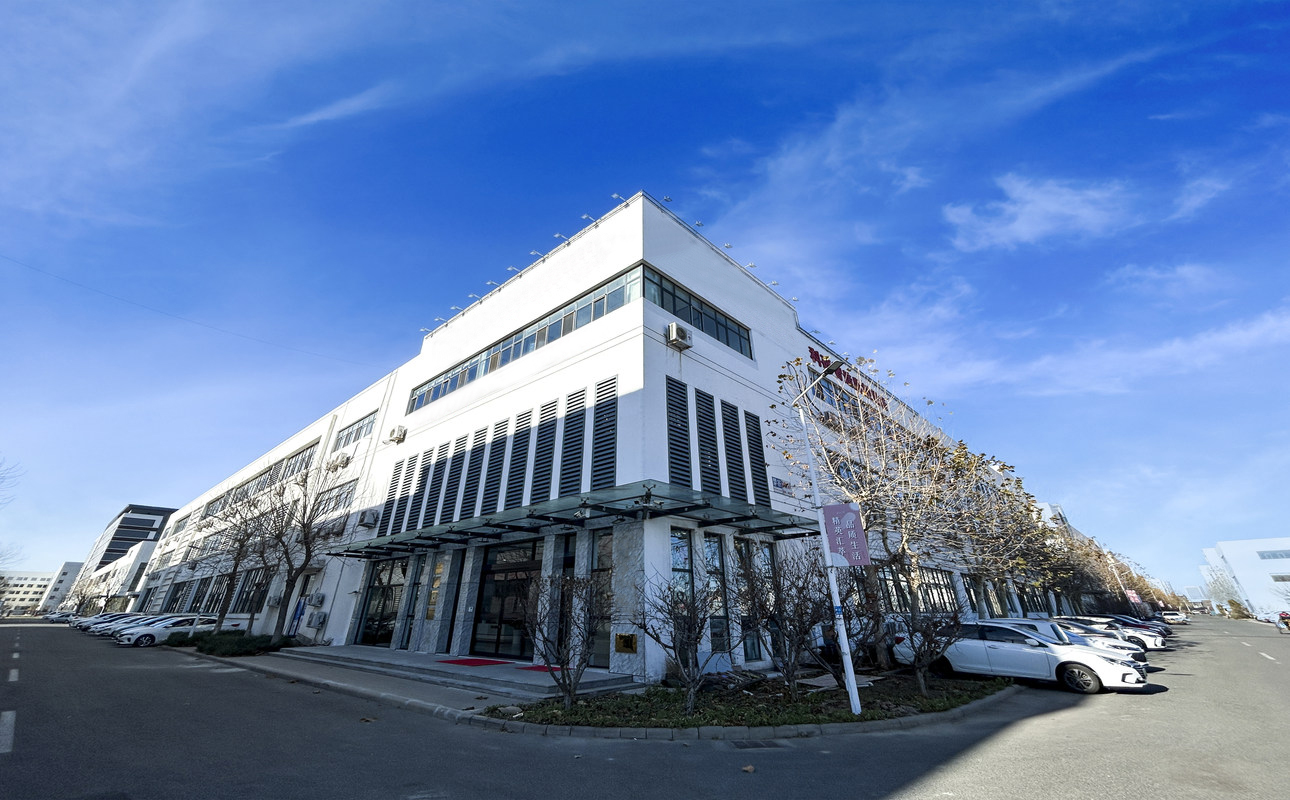
Established in 2005, Blue Icon (Tianjin) Technology Co. Ltd is a national high-tech company specializing in the design, engineering, and manufacturing of professional pan-tilt heads, radar rotators, and outdoor enclosures. With more than 50 national patents secured through a commitment to investing 10% of annual sales revenues back into research and development, Blue Icon leads the industry in manufacturing innovation.
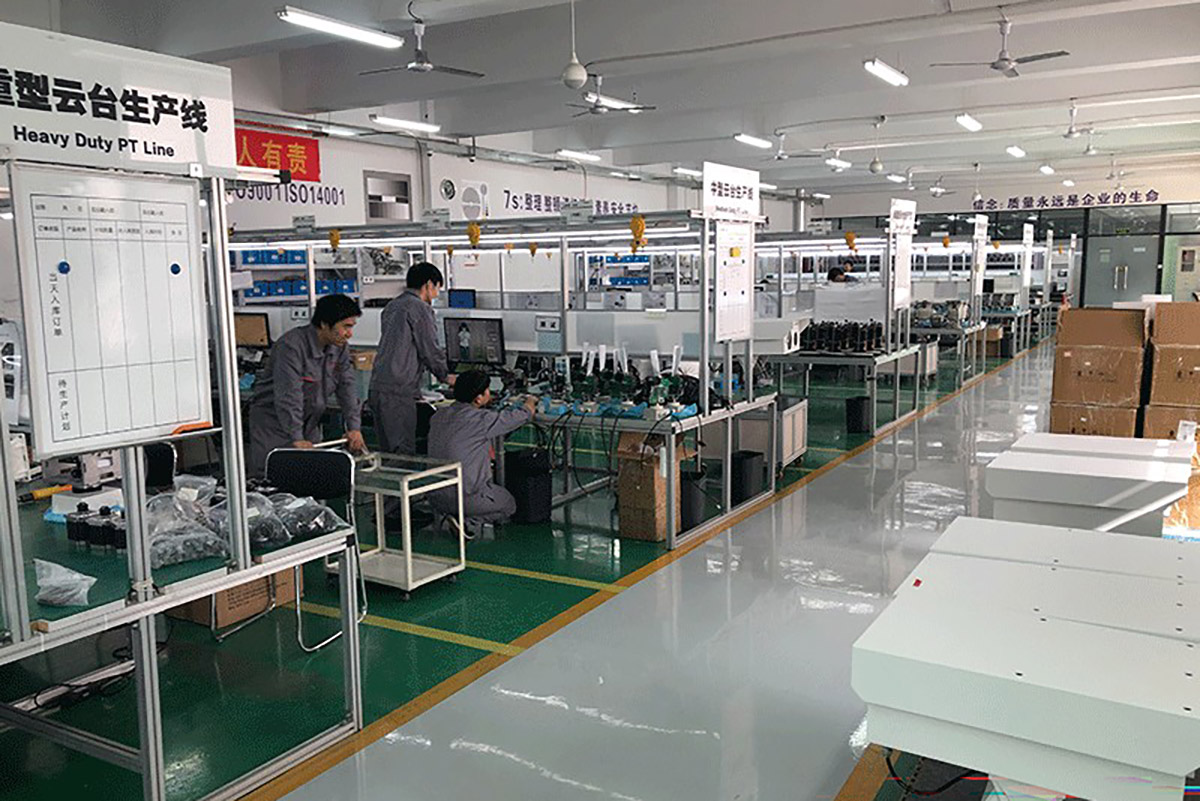
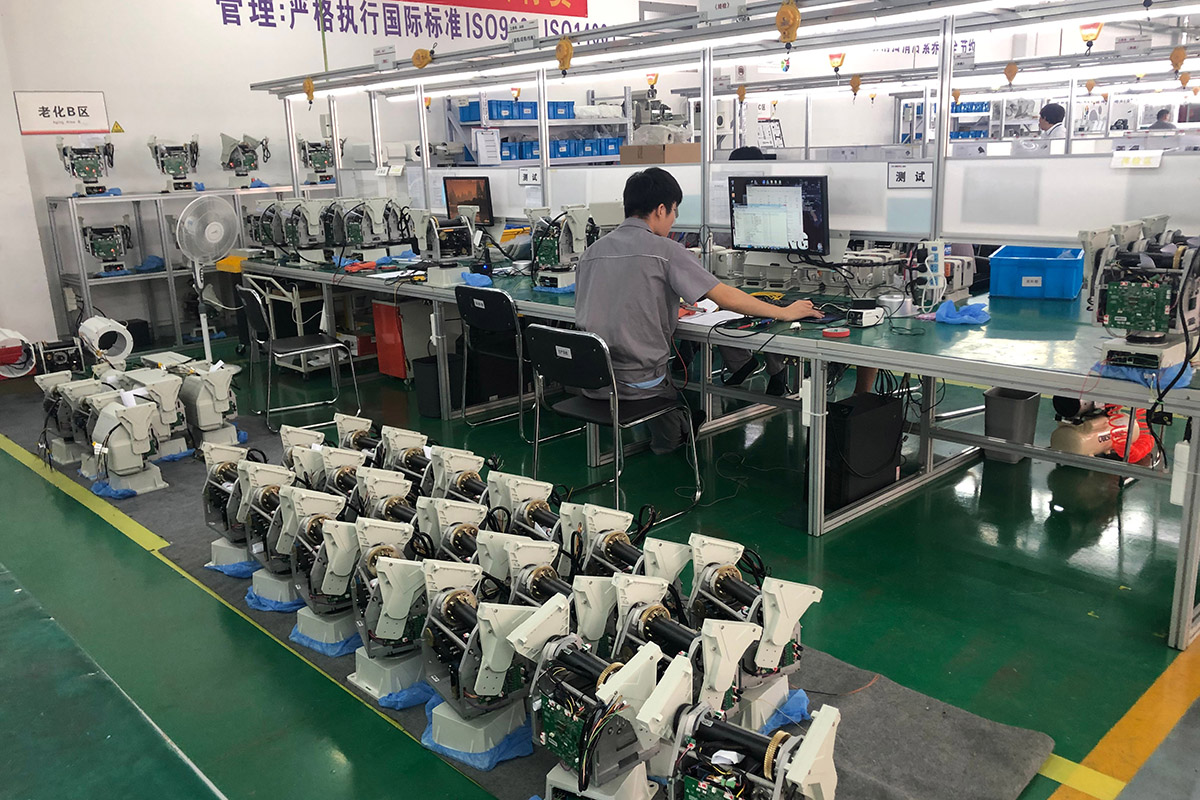
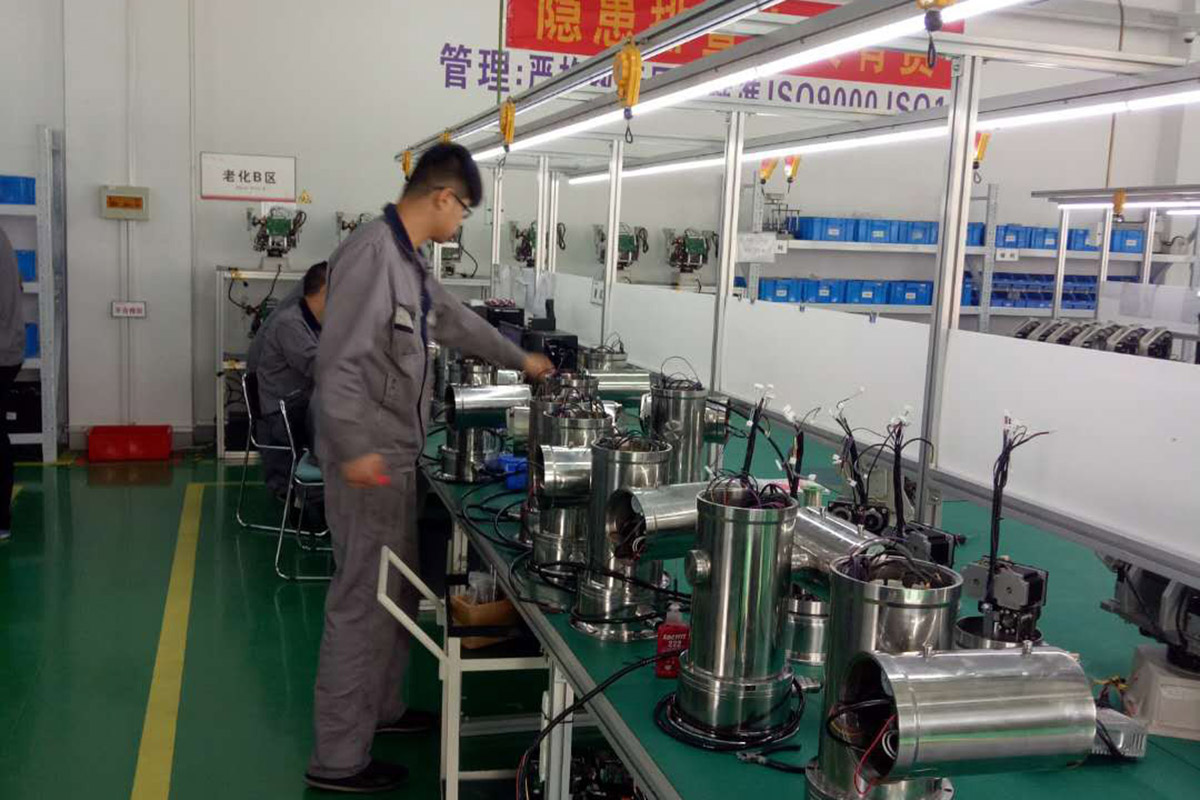
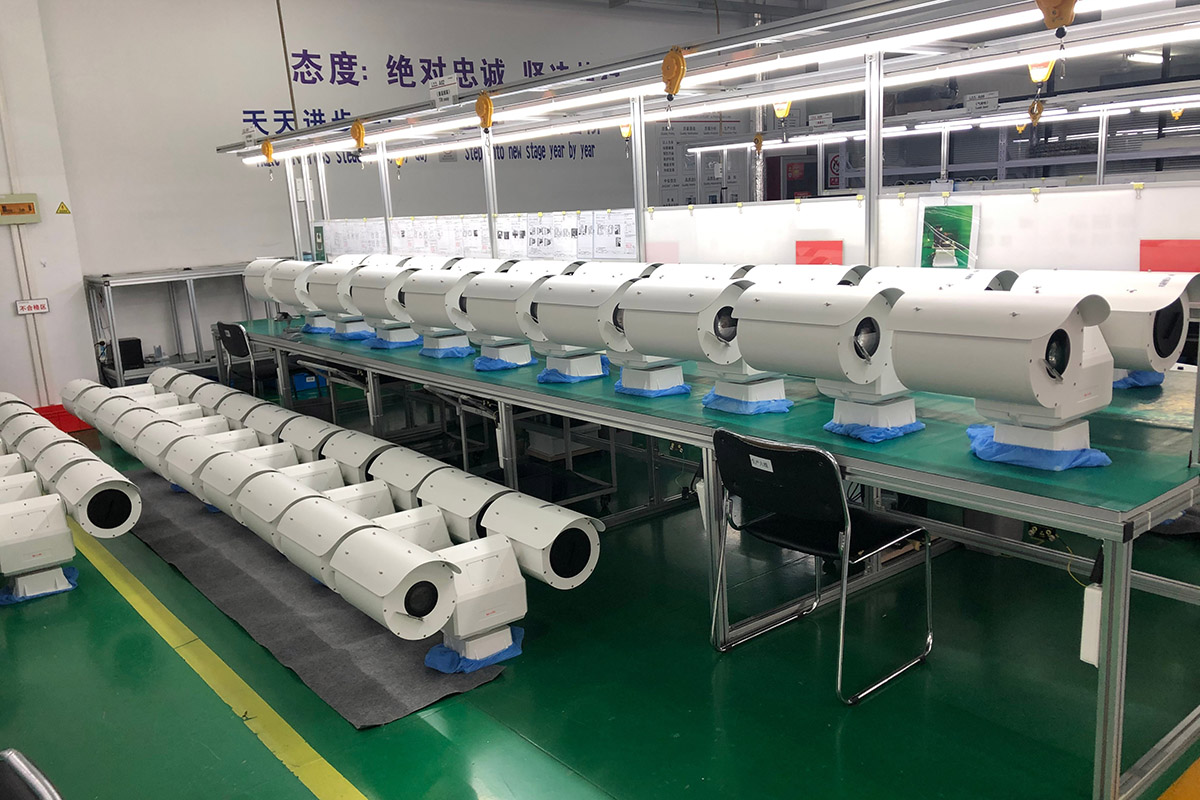
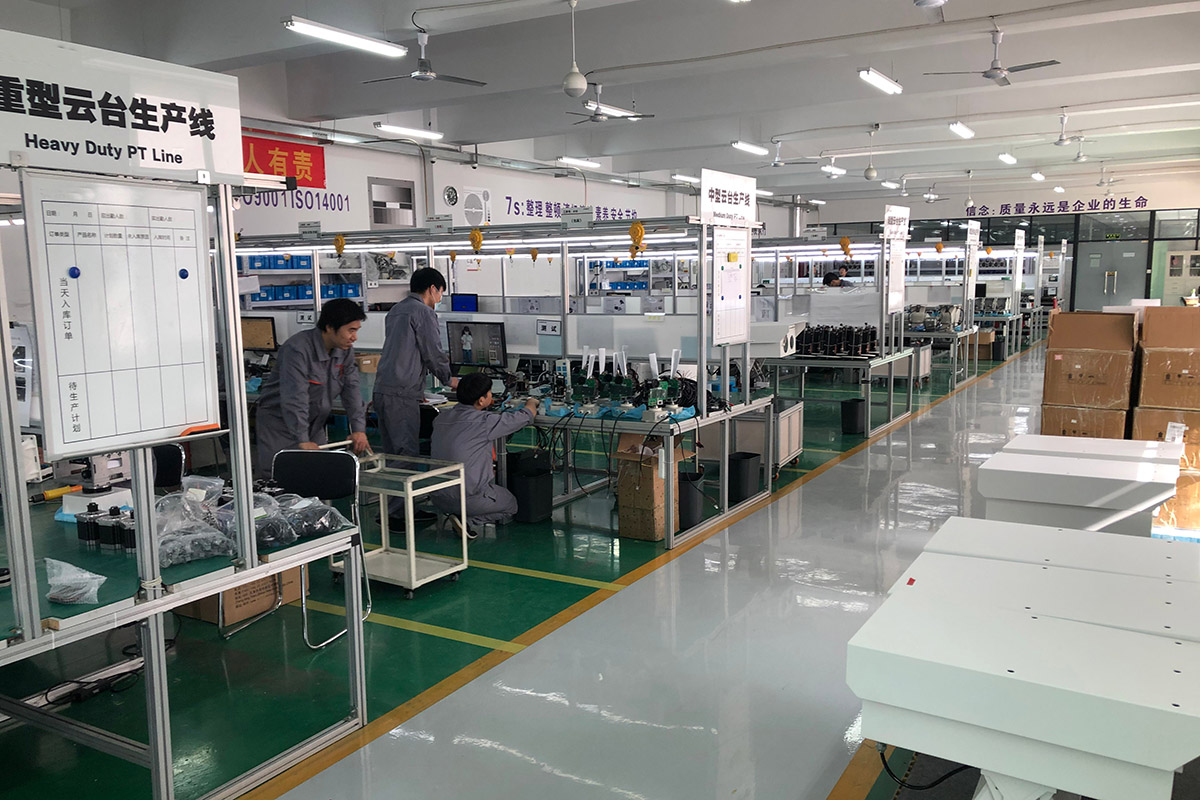
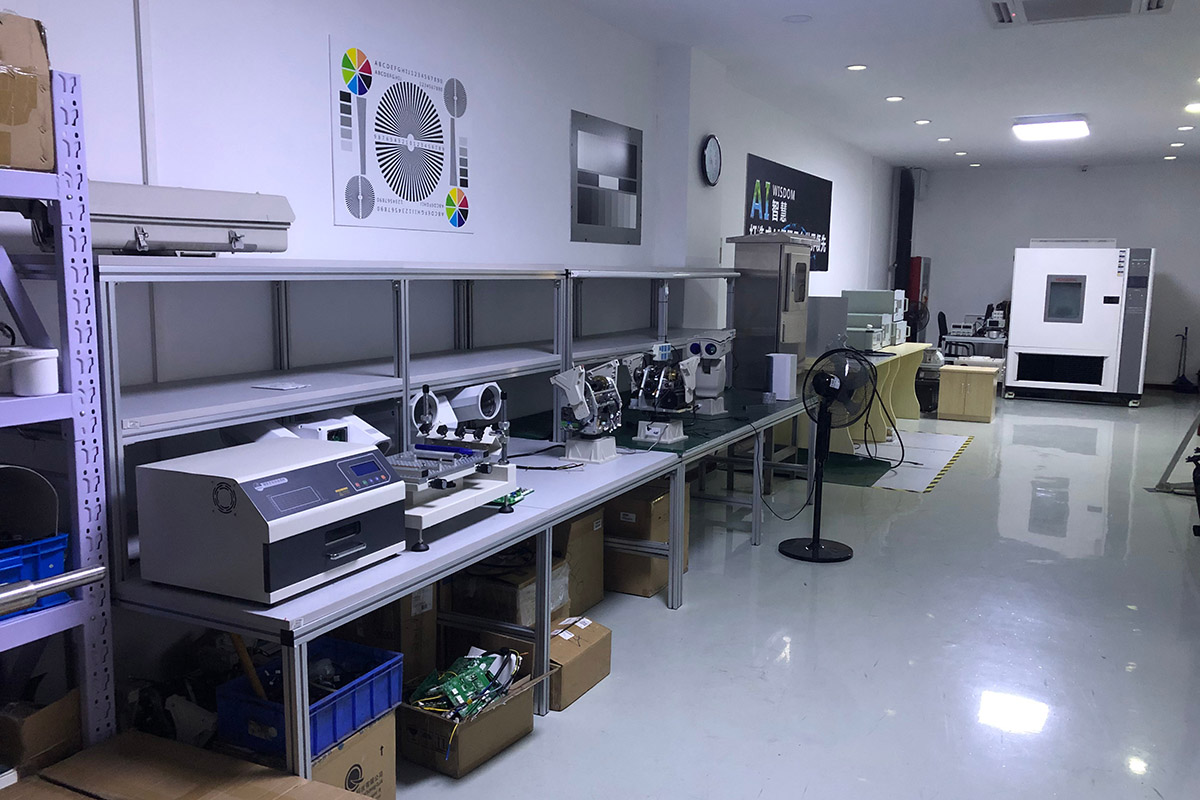
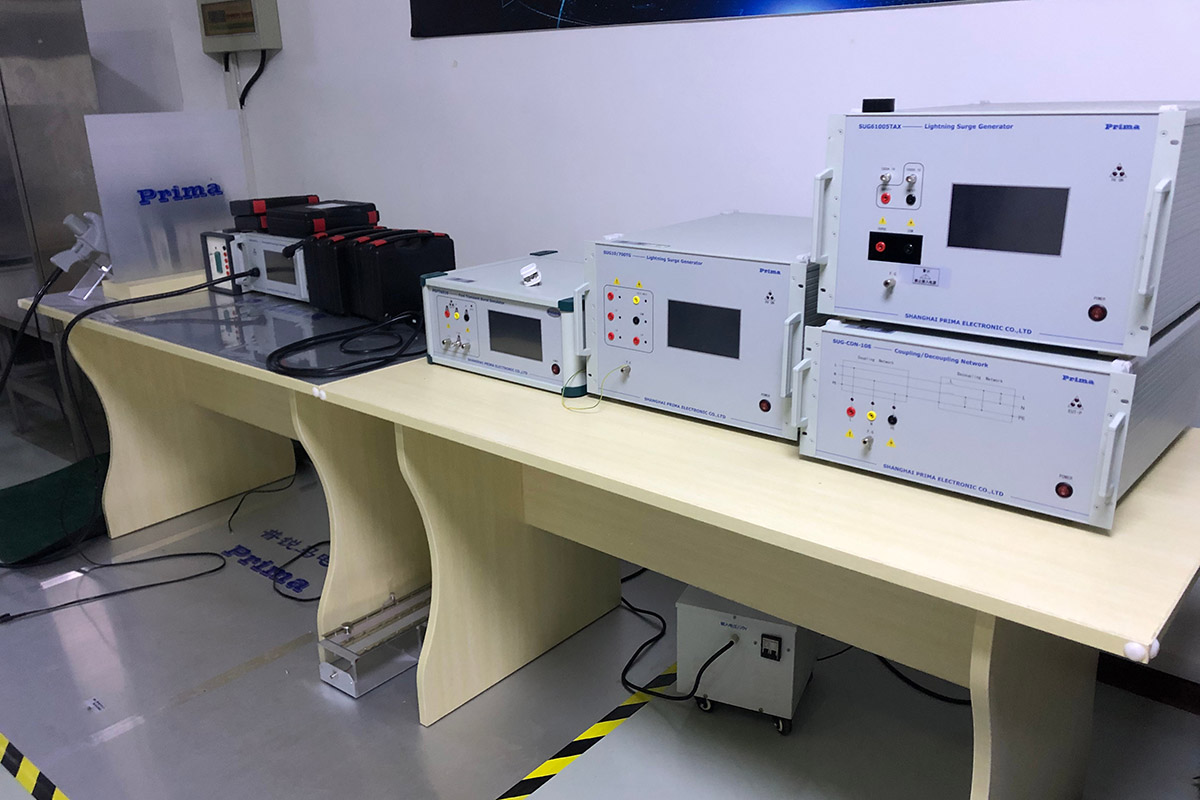
Operating from a state-of-the-art 10,000 square meter factory floor, the production line utilizes advanced machining equipment to create units ranging from 3.5kg mini systems up to massive 150kg heavy-duty positioners. Every product undergoes strict validation, including ingress protection testing, structural stress analysis, and temperature tolerance evaluations.
Our technology line-up covers every facet of precision sensor positioning:
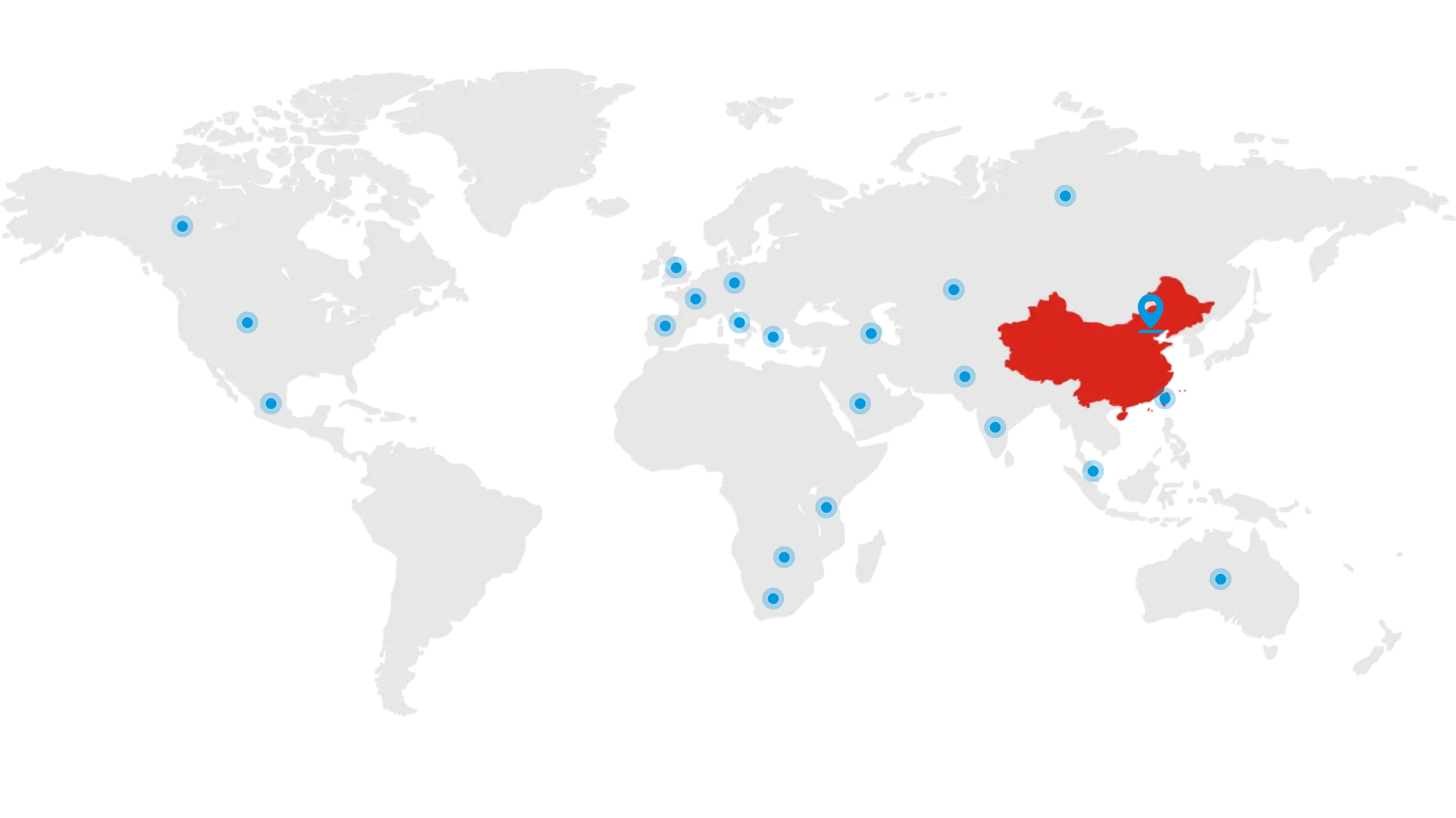
Deploying high-reliability azimuth-elevation rotators across hazardous and demanding environments worldwide.
Sentry stations require continuous, automated sweeps over long distances. Integrating radar rotators with long-range thermal camera pods allows tracking of unauthorized maritime vessels and personnel crossings under pitch-black conditions.
Weather monitoring agencies require precise angular scans of atmospheric conditions. Heavy-duty pan-tilt units hold specialized transceiver instruments stable in the face of violent storms, tracking localized wind vectors.
Thermal imaging detectors mounted on panoramic mountain towers scan miles of dry vegetation. The positioner must work 24/7/365, utilizing custom stepper motors to rotate smoothly and prevent target jitter.
Explore the design features of our core product series developed for defense and surveillance integration.
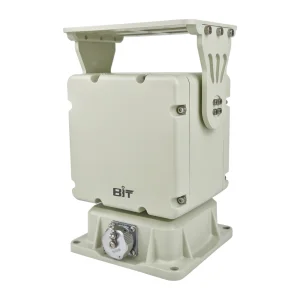
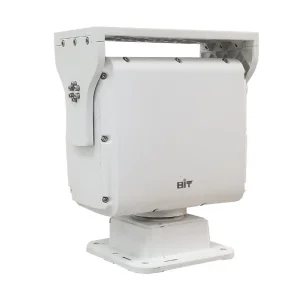
The BIT-PT510 is a medium-payload pan-tilt unit capable of supporting up to 10kg/22lb. Driven by a high-precision stepper motor paired with a worm/gear drivetrain, it guarantees self-locking stability when power is disconnected. Operating at speeds up to 30°/second with 360° continuous pan rotation and ±60° tilt capabilities, it serves as an excellent platform for multi-spectral security sensors.
Weighing only 3.5kg, the BIT-PT503 is the smallest pan-tilt positioner in our lineup. Engineered for tight spaces and weight-restricted installations, this unit supports equipment up to 3.5kg/7.7lb. It provides highly reliable angular movements for compact surveillance cameras and specialized directional antennas.
When rapid tracking is required, the BIT-PT410 steps in with a maximum rotation speed of 100°/second. Using dynamic gear profiling, it allows operators to follow fast-moving airborne or land targets. In the vertical axis, a robust worm-gear drive provides stability for 10kg/22lb payloads across a tilt angle of -90° to +40°.
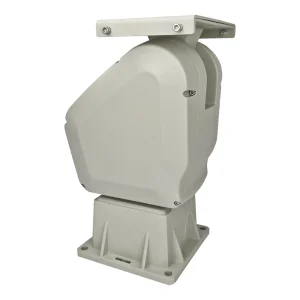
The BIT-PT850 has been a trusted workhorse in harsh industrial applications for over a decade. Built to handle heavy 50kg (110lb) payloads, it is widely utilized for long-range laser cameras and marine radar systems. Its thick aluminum alloy housing and sealed joints maintain low failure rates in corrosive, high-wind settings.
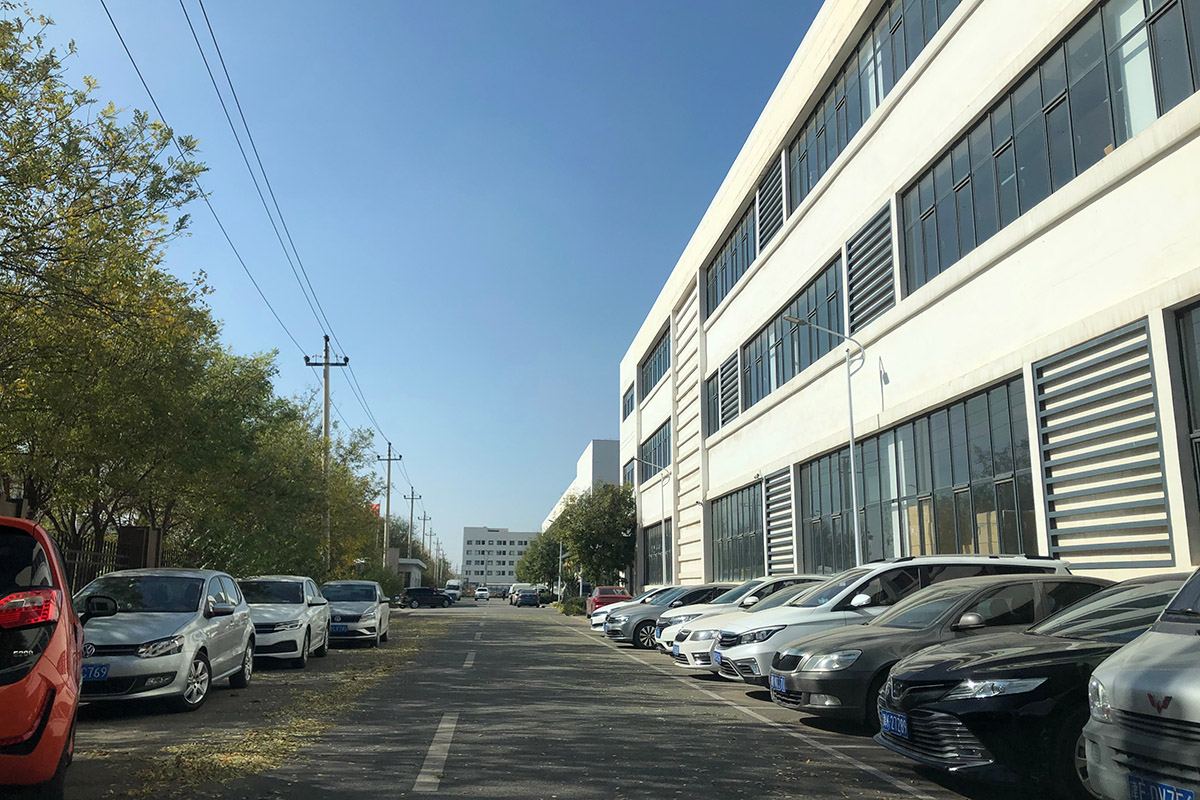
A look inside our production floor, assembly cells, and structural testing bays.
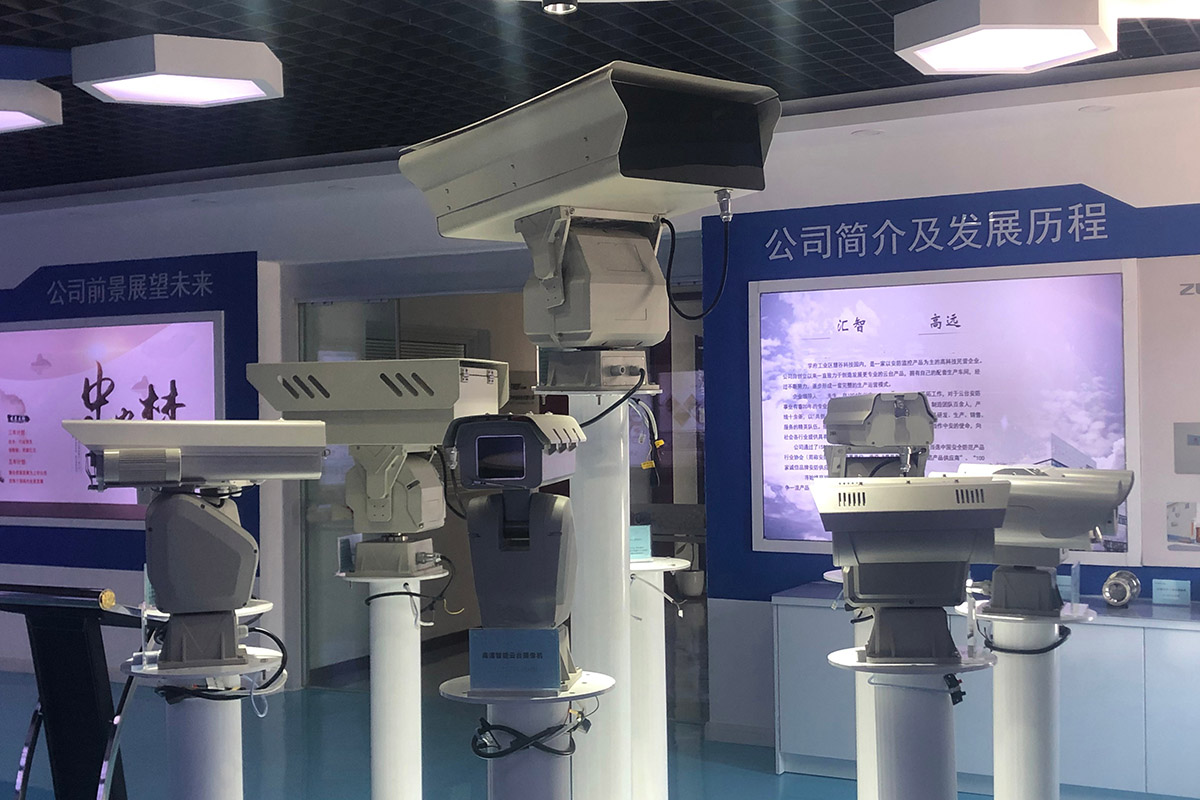
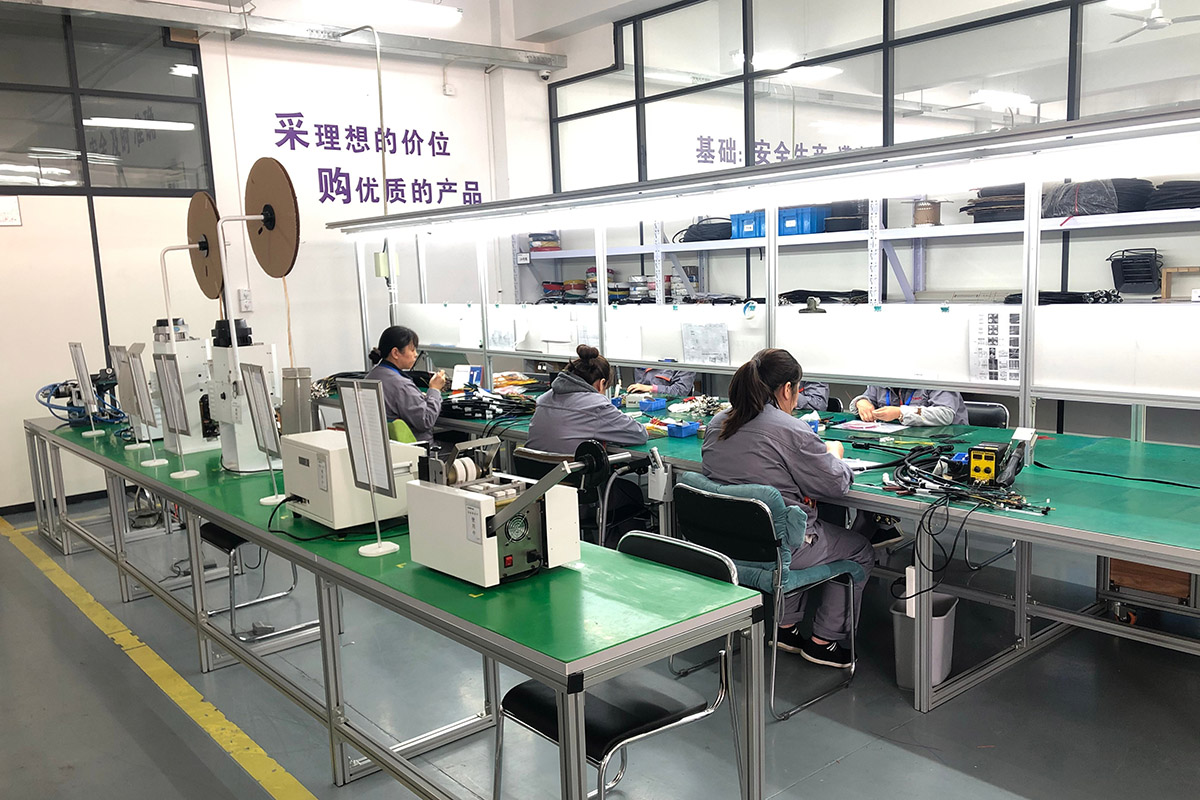

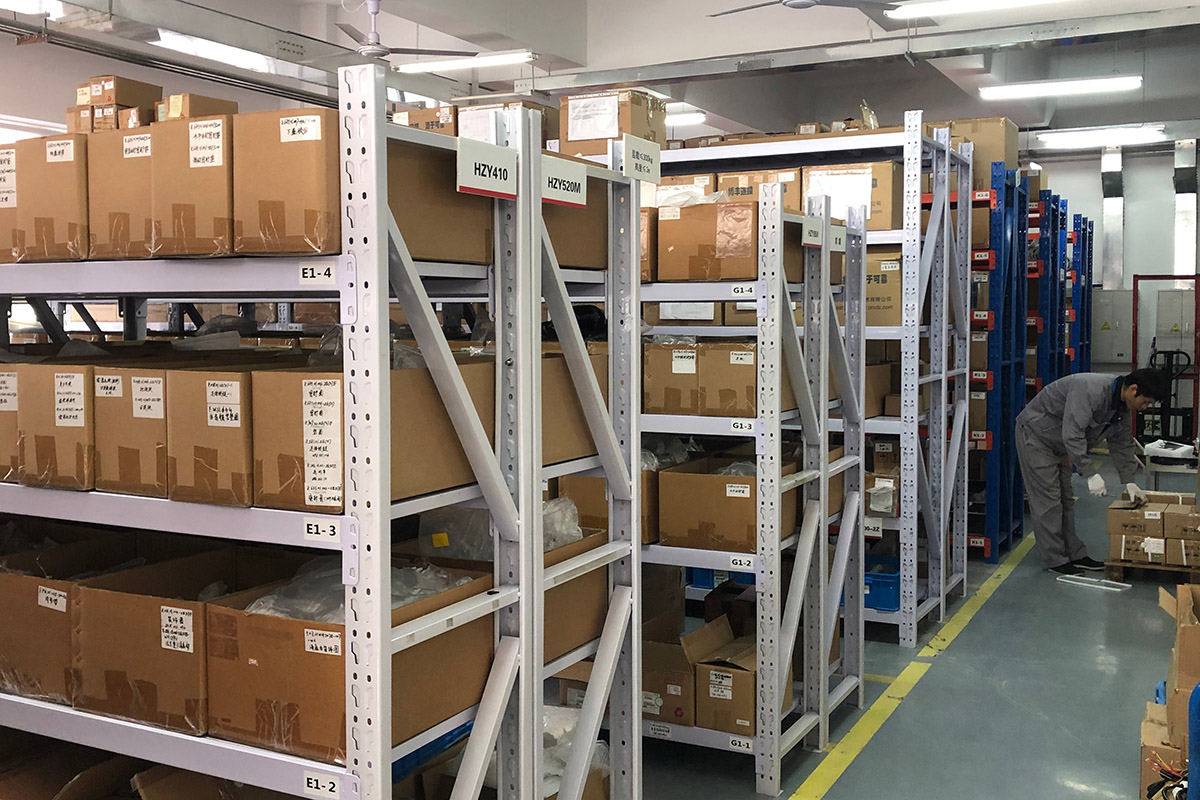
As autonomous surveillance systems evolve, radar positioning platforms are expanding beyond simple pre-set movements. Future developments focus on integrating LiDAR scanners and intelligence software directly into the rotator controller. By processing tracking algorithms at the edge, modern positioners can coordinate movement directly with radar data, adjusting velocity and elevation on the fly to keep targets centered.
Additionally, IoT connectivity allows remote diagnostic monitoring of mechanical assemblies. Real-time logging of internal humidity, motor temperatures, and gear wear helps operators schedule preventive maintenance before component failures occur. This shift from reactive repairs to predictive maintenance is essential for systems deployed in remote locations like high-altitude ridges and isolated sea towers.
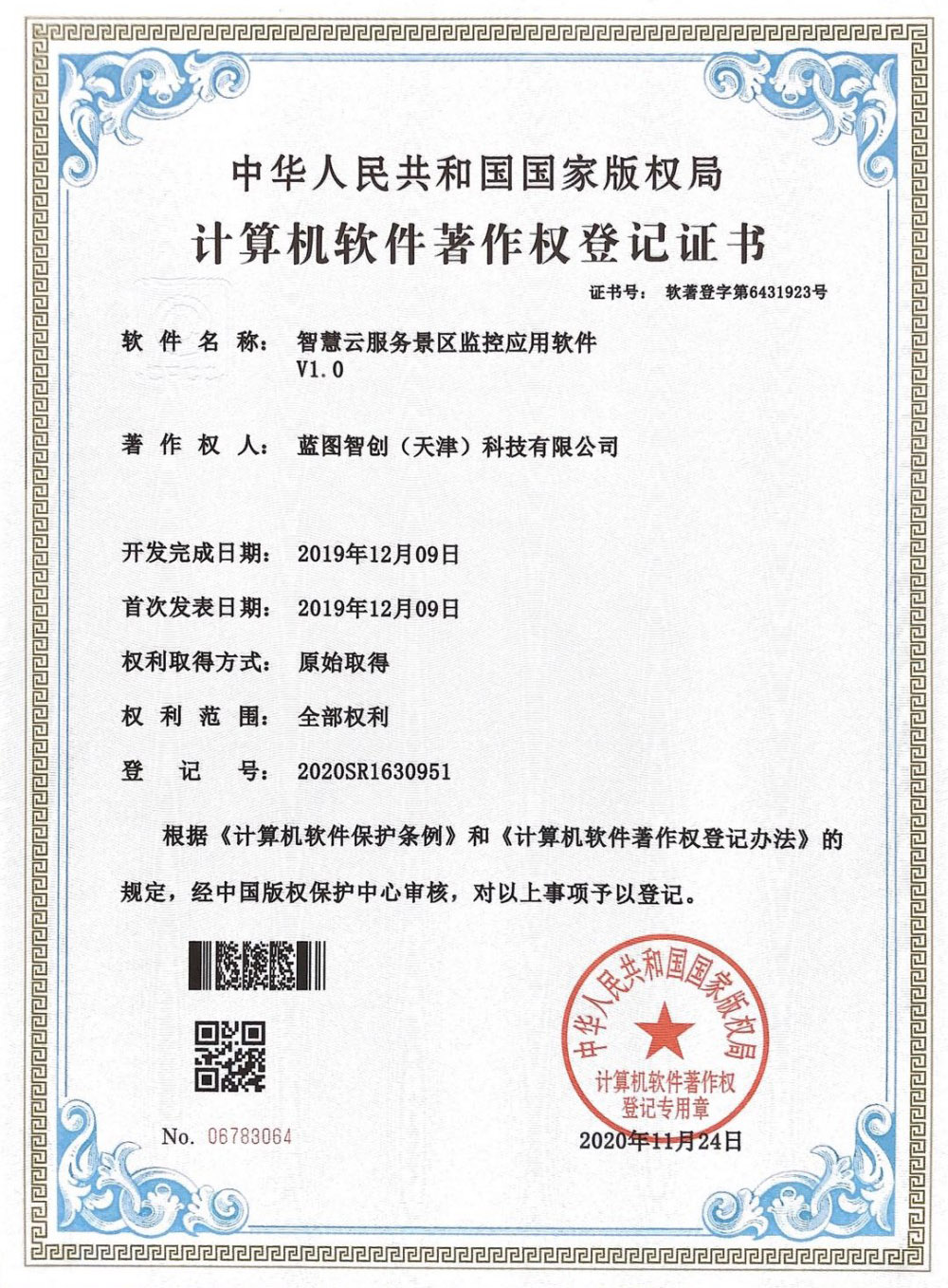
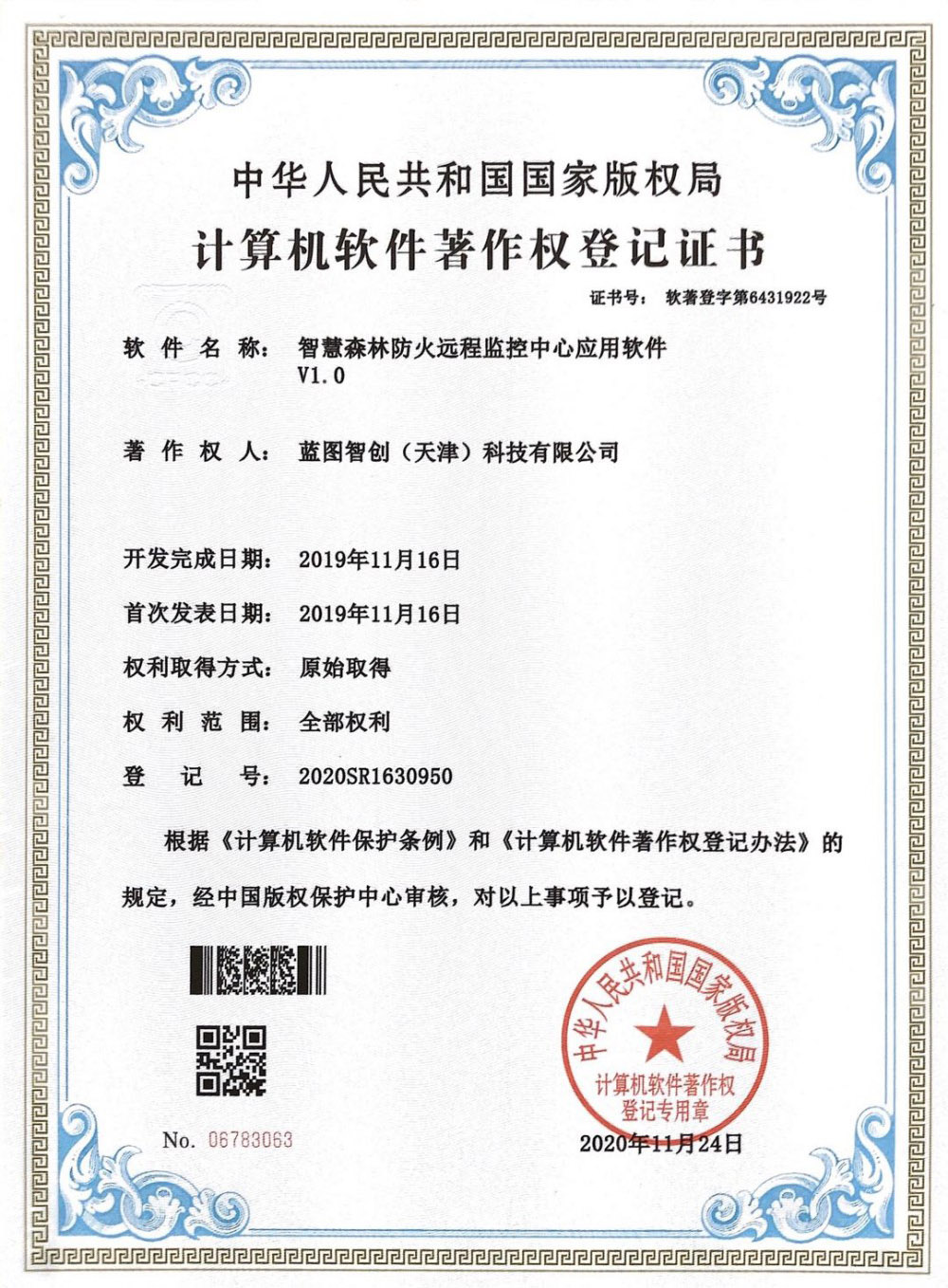
Engineered to comply with international quality, safety, and performance standards.
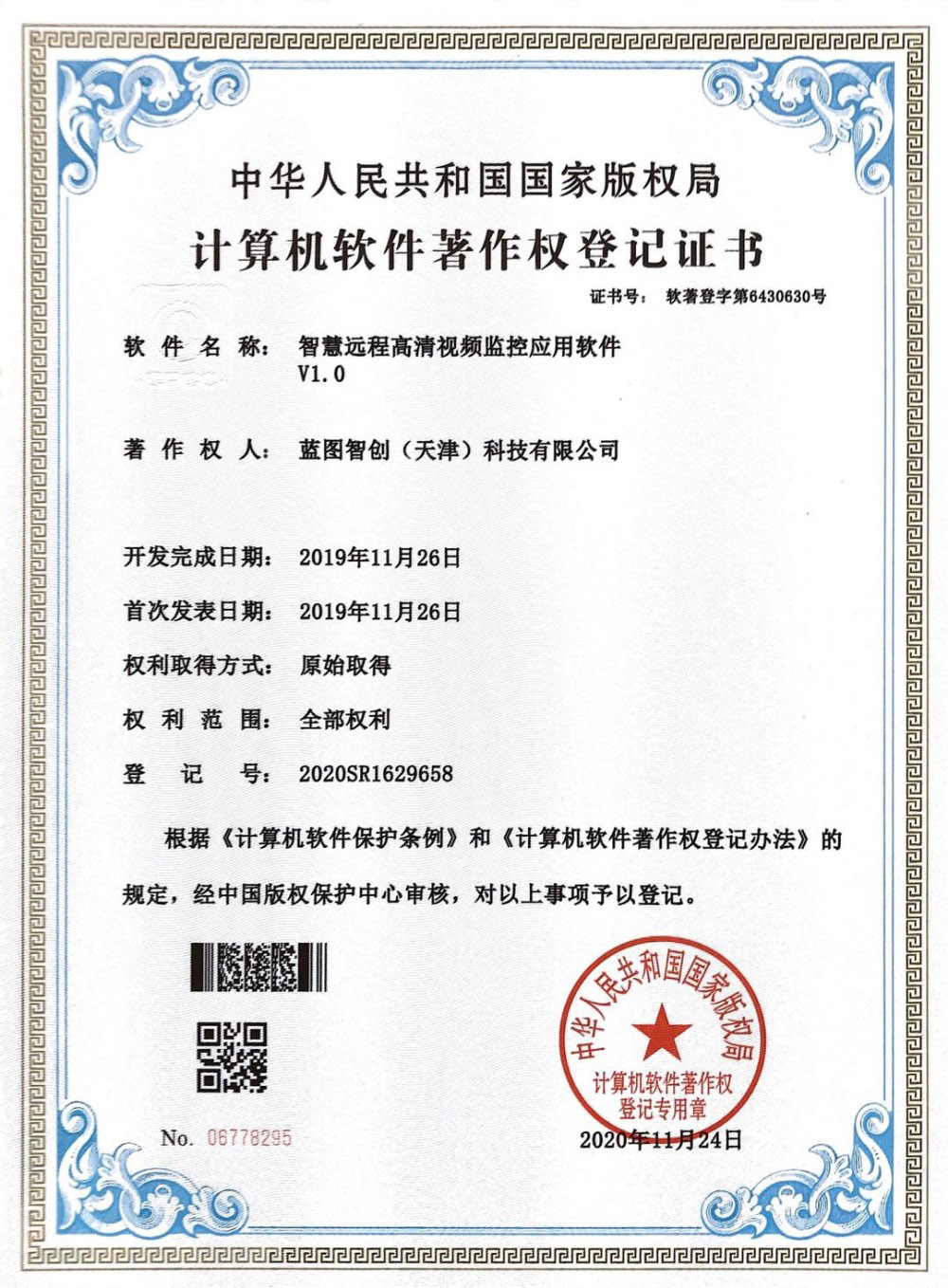
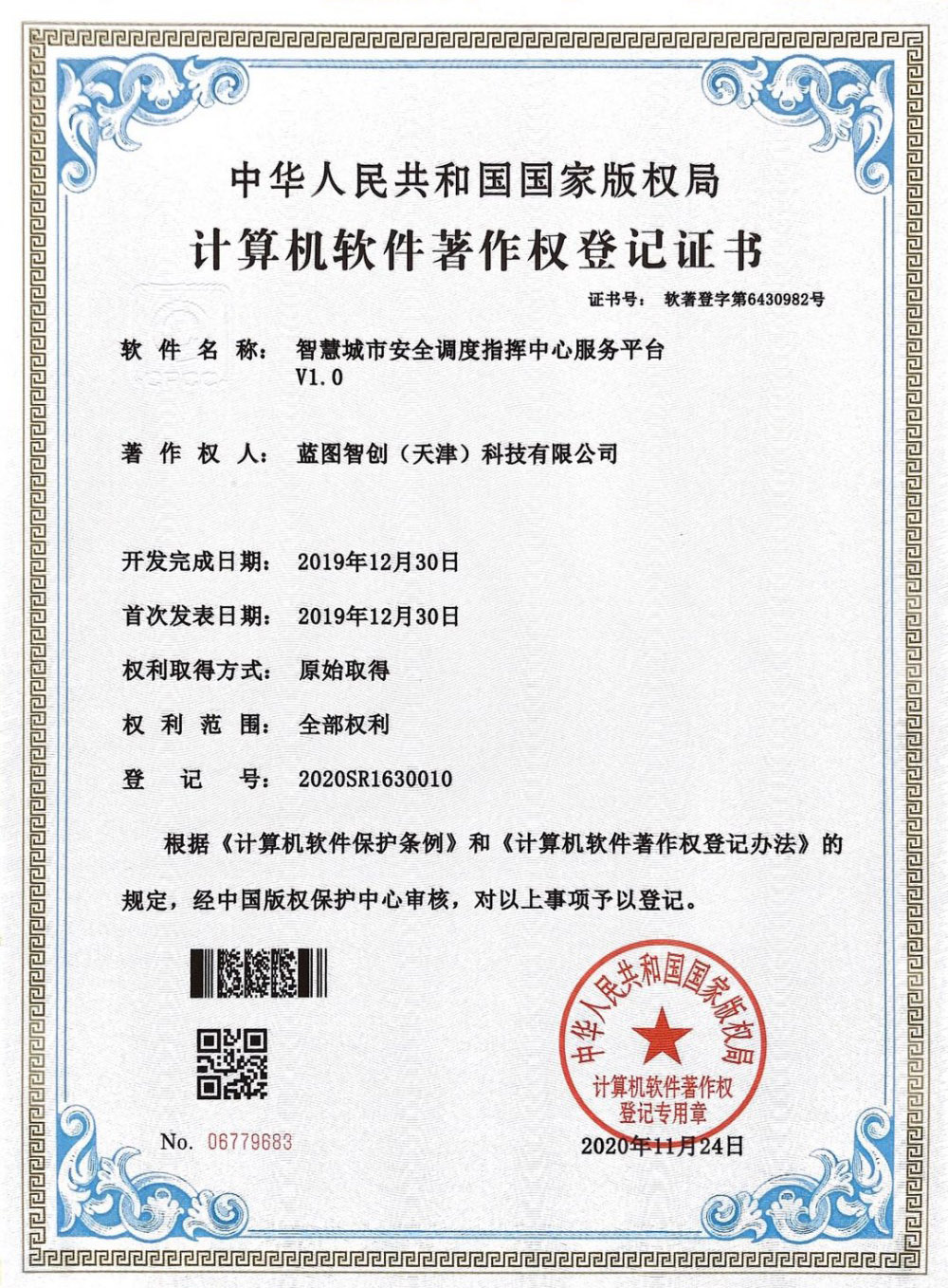
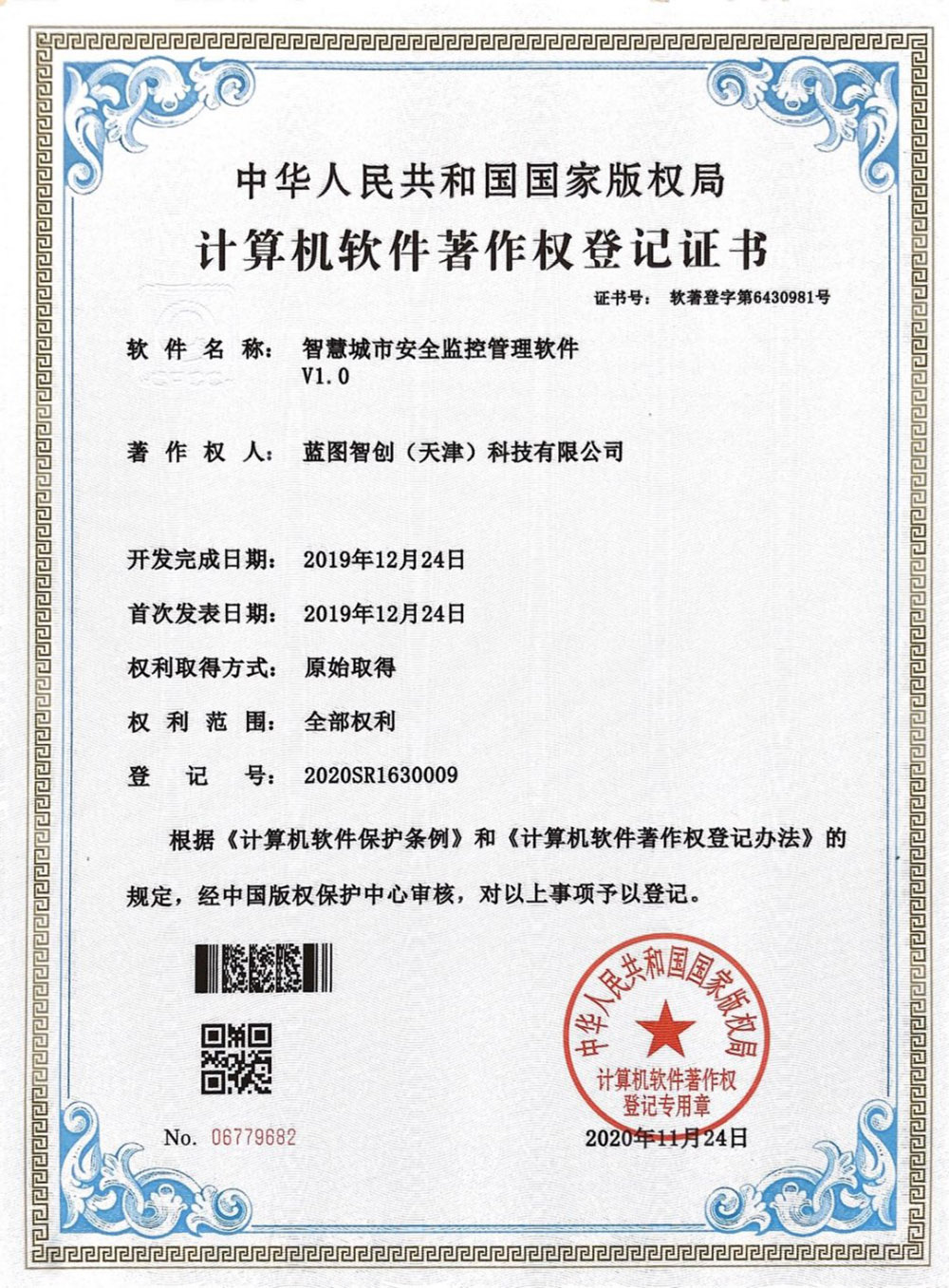









Important design considerations for matching positioning systems with specific sensor deployments.
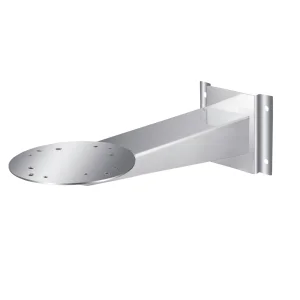
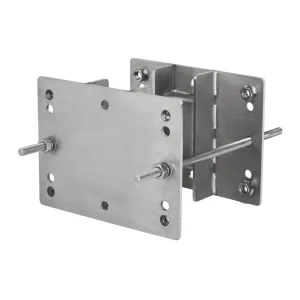
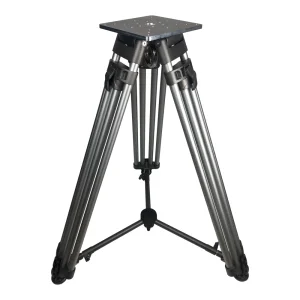
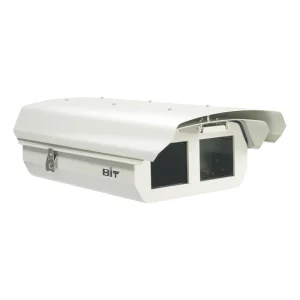
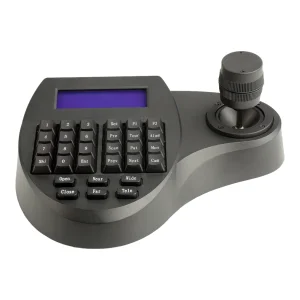
Heavy-duty tripods, brackets, camera housings, and controllers designed to complete your tracking infrastructure.