 BIT-CCTV
Industrial Whitepaper: The Evolution and Engineering of Remote Control Pan-Tilt-Zoom (PTZ) Camera Systems
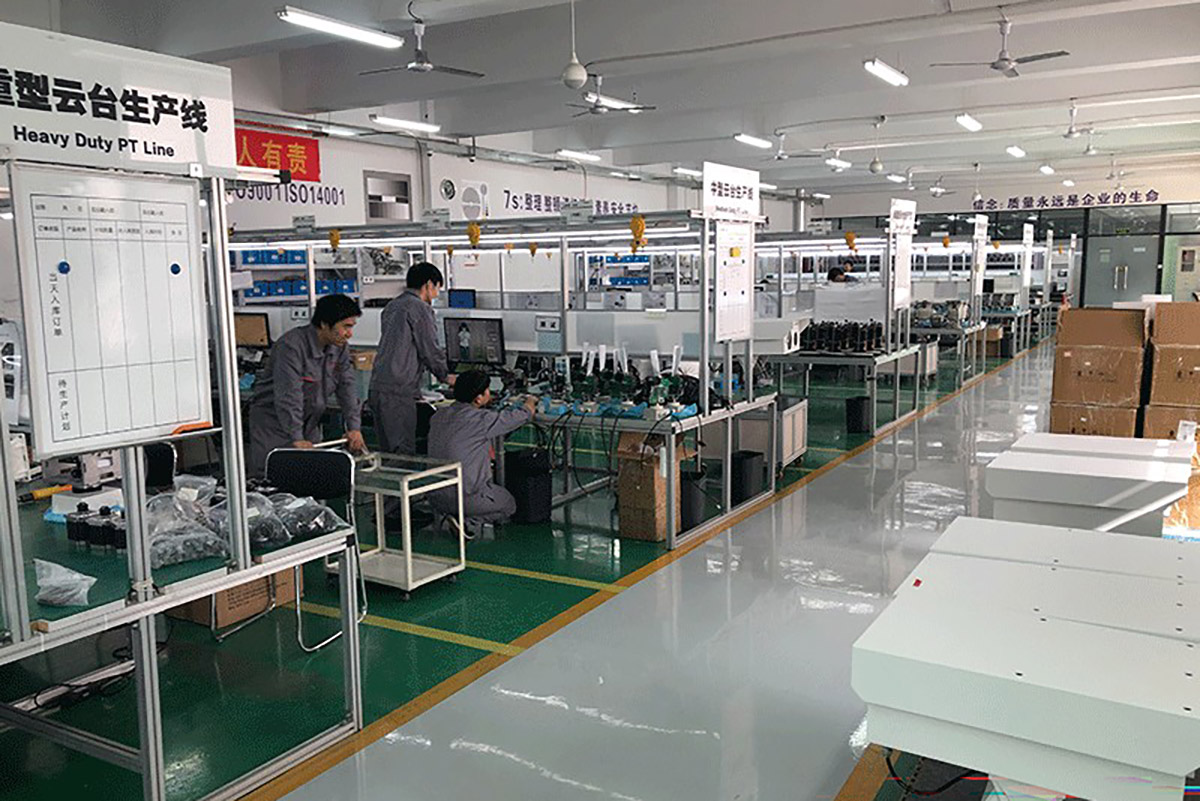
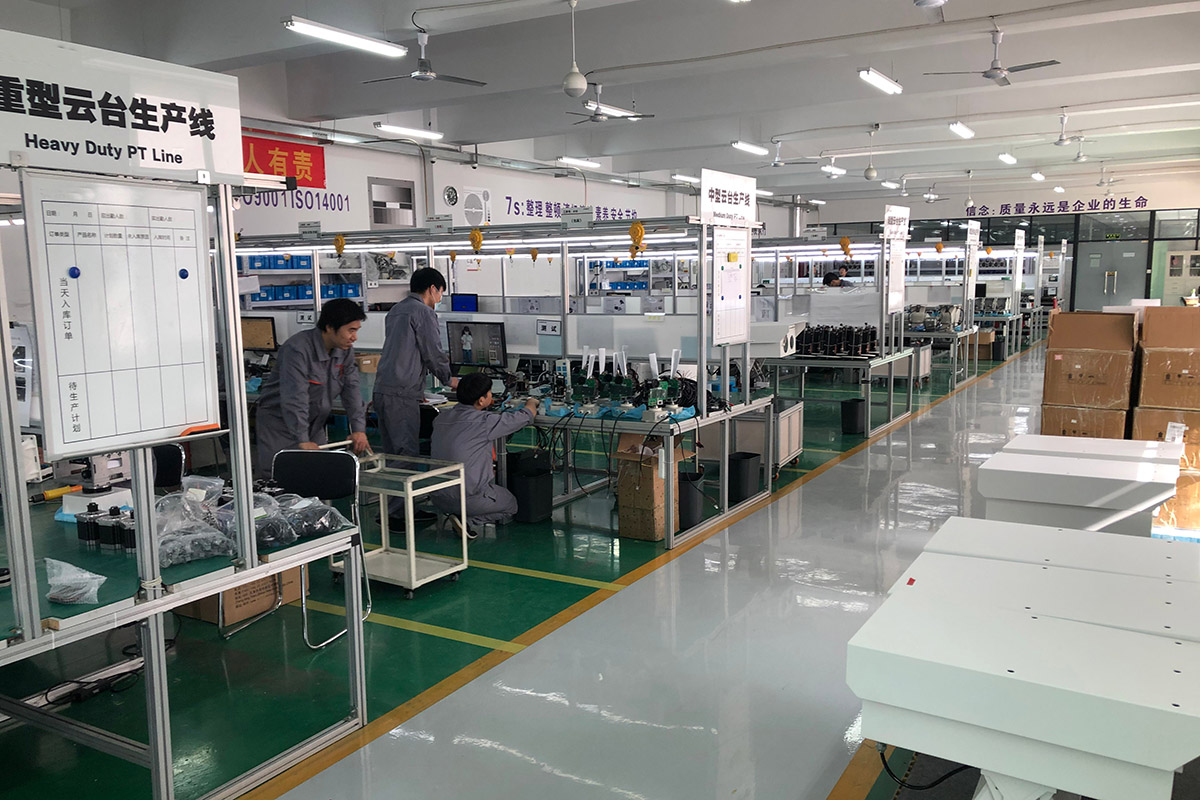
In the modern era of automated defense, critical infrastructure protection, and perimeter intelligence, the demand for precision-targeted positioning has transcended basic video security. As a leading China Remote Control Pan Tilt Zoom Camera Factory, we observe a major paradigm shift: standard security configurations are transitioning into highly integrated, multi-spectral electro-optical (EO/IR) sensor suites. These systems must execute commands with sub-degree accuracy while maintaining physical stabilization in hurricane-force winds, maritime salt spray, and extreme thermal ranges.
1. Technological Trends Shaping Remote Control PTZ Cameras
The contemporary remote control pan tilt zoom landscape is defined by several key technological advancements:
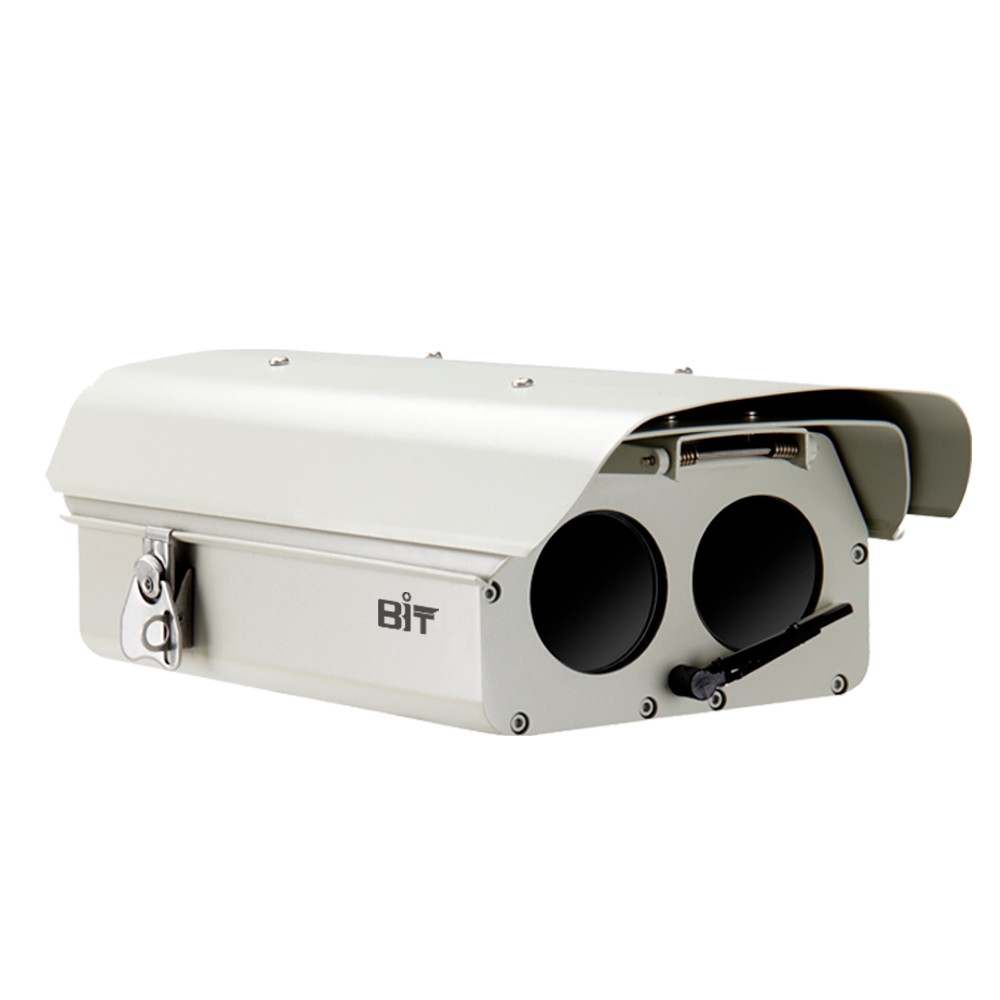
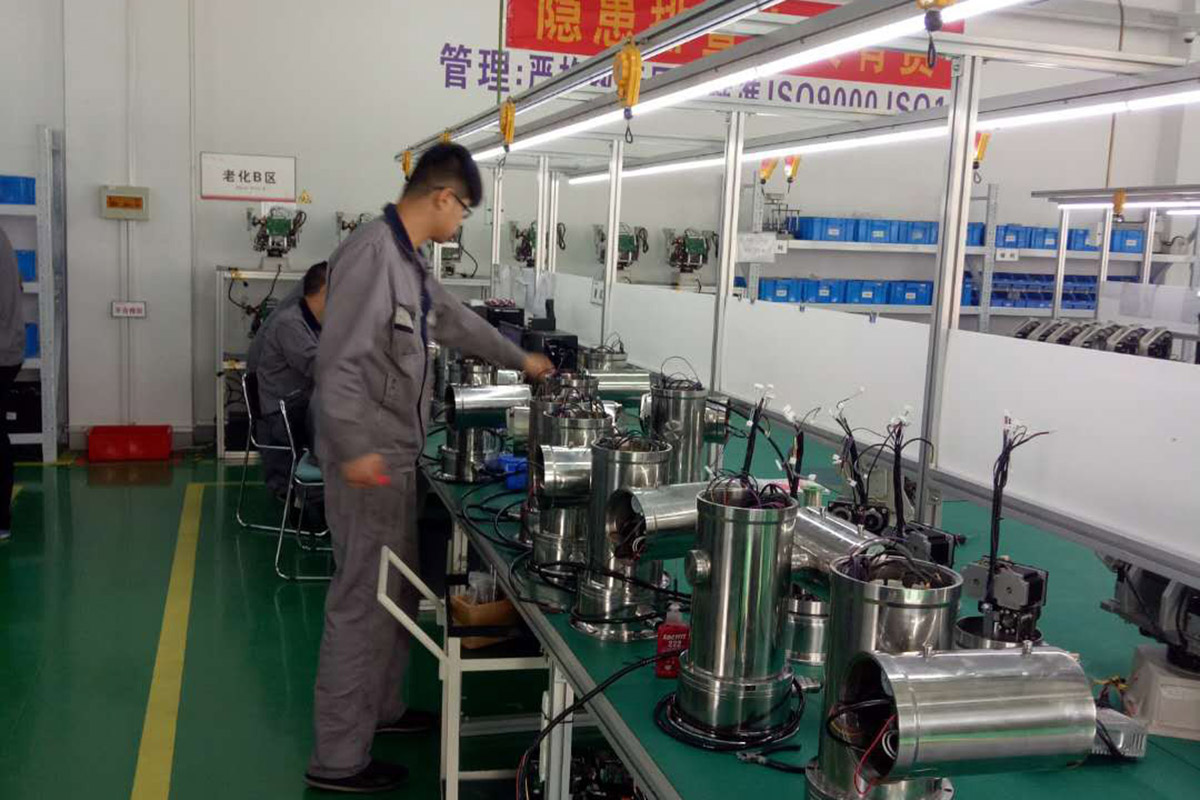
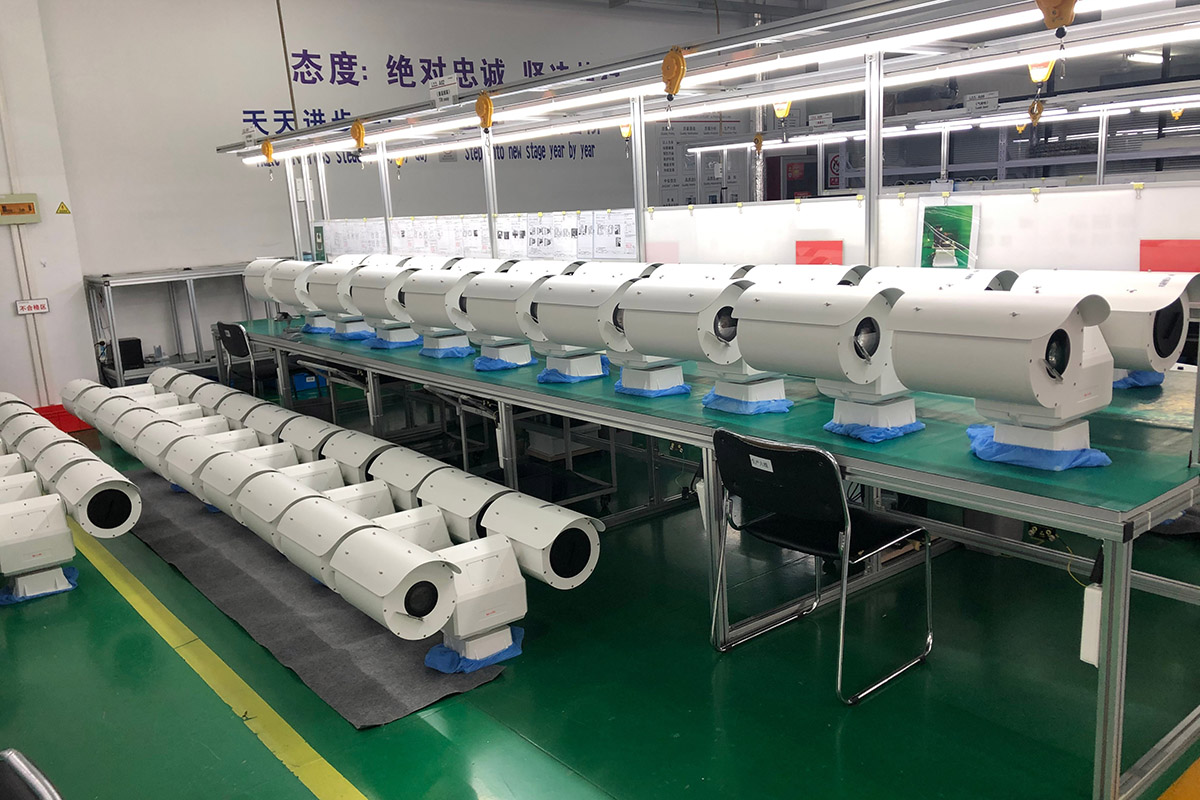
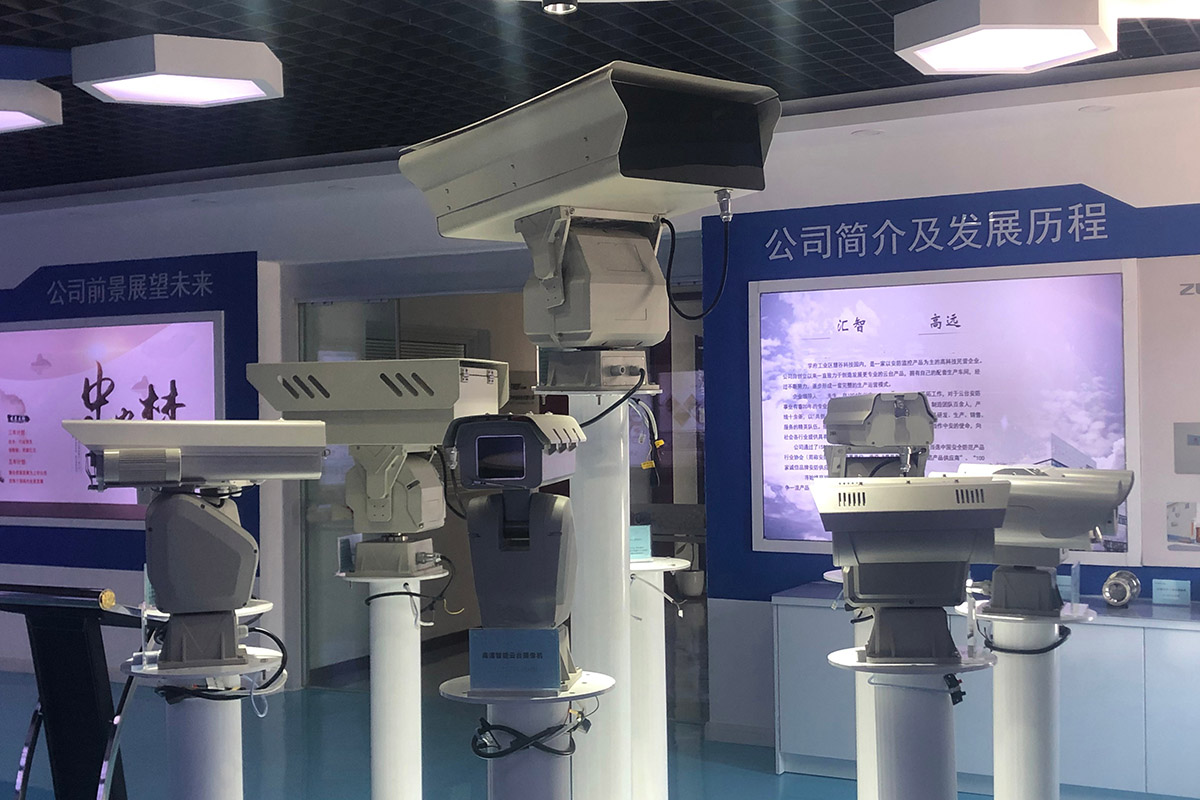
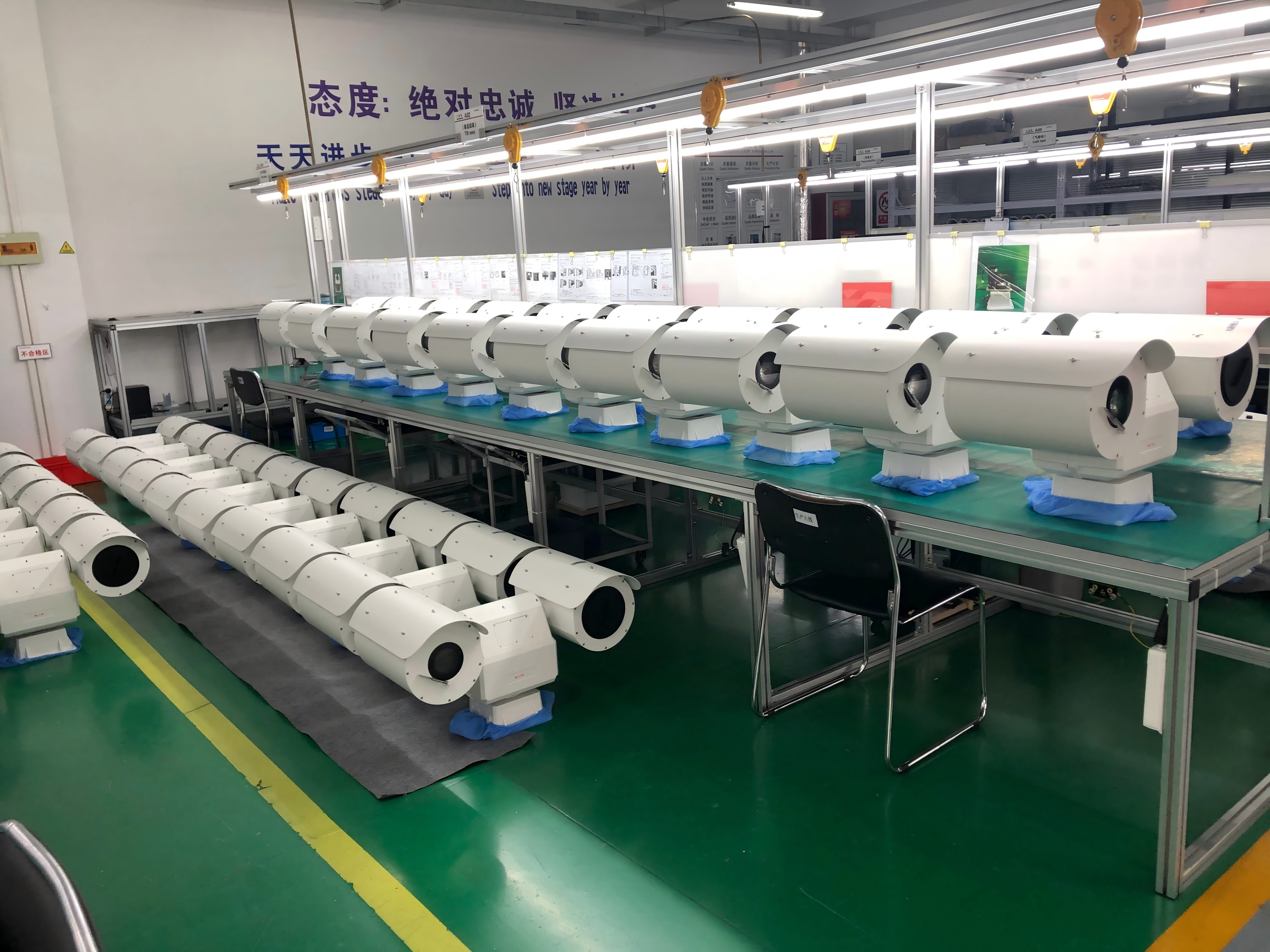
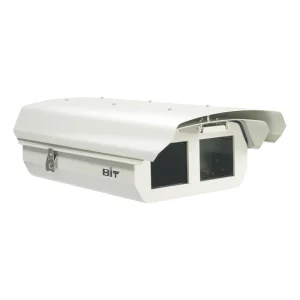
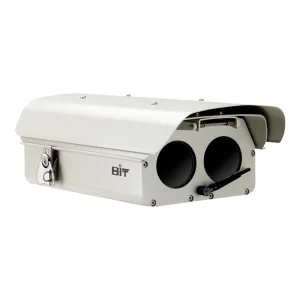
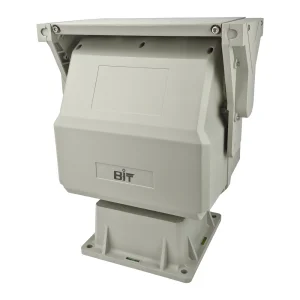
- Multi-Spectral Sensor Fusion: Modern installations require the combination of high-resolution visible sensors, continuous zoom thermal cores, and laser rangefinders (LRF). These complex optical payloads require high-capacity, dual-window camera housings and mechanical pan-tilt heads that prevent differential optical axis deflection.
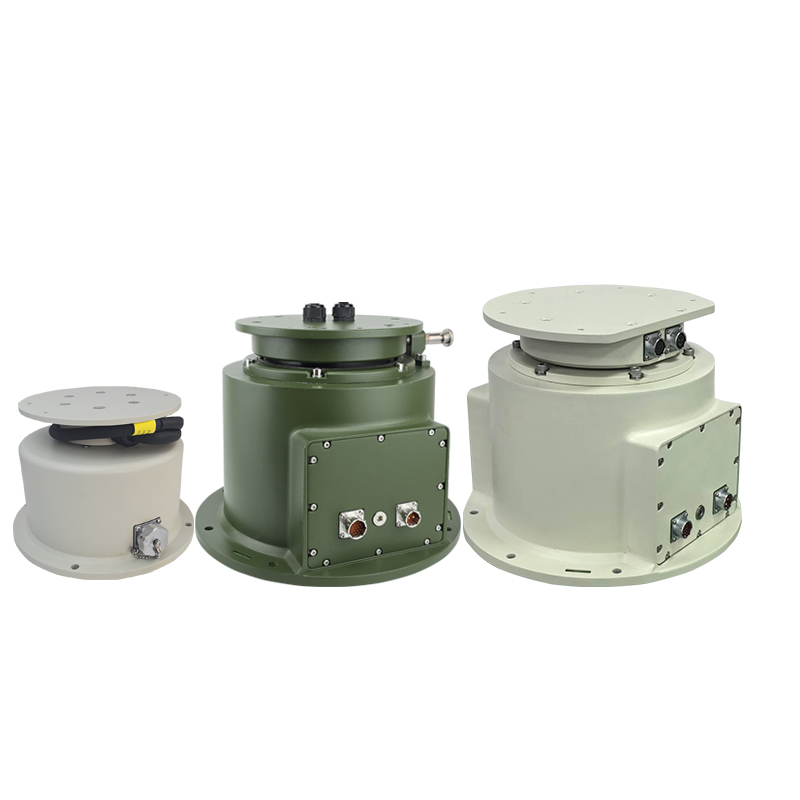
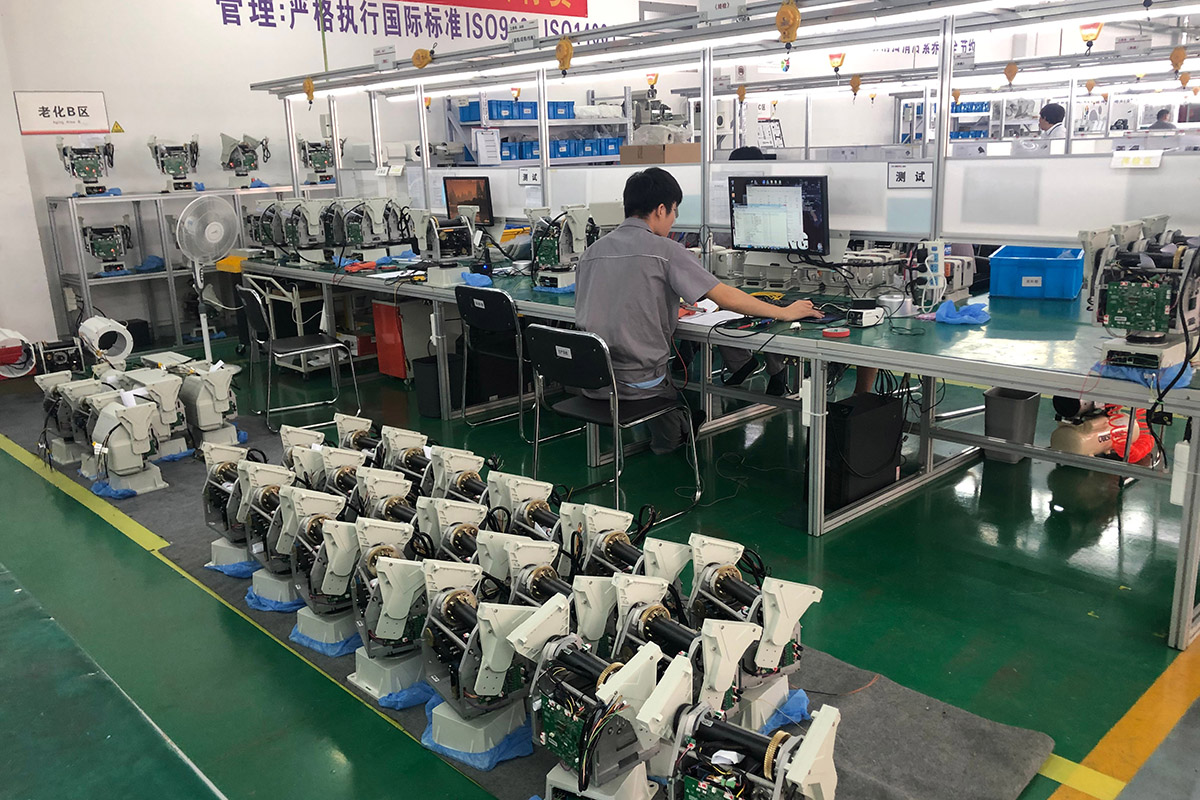
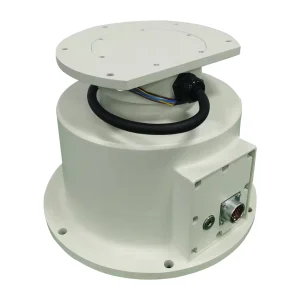
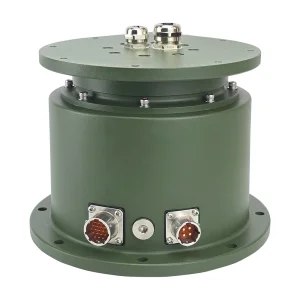
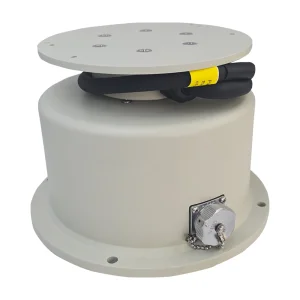
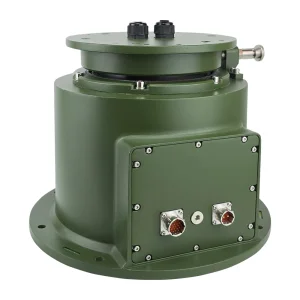
- Brushless Direct-Drive Motorization: Traditional gear systems are increasingly complemented by direct-drive high-speed pan rotators. While worm-gear designs remain ideal for retaining positions when powered off and handling extreme payloads (such as our 50kg to 200kg heavy-duty positioners), direct-drive rotators achieve rotation velocities upwards of 100°/s with virtually zero backlash, essential for rapid target acquisition and threat tracking.
- Intelligent Auto-Tracking & Edge Computing: Leveraging deep-learning object detection, next-generation PTZ cameras analyze movements at the edge. Advanced algorithms optimize tracking by dynamically adjusting motor torque and rotation speeds to follow high-speed targets.
2. Engineering Deep Dive: The Mechanics of Payload Capacity and Torque
Selecting a pan-tilt positioner requires balancing torque, inertia, and payload weight. Our product line categorizes payloads to handle diverse application requirements:
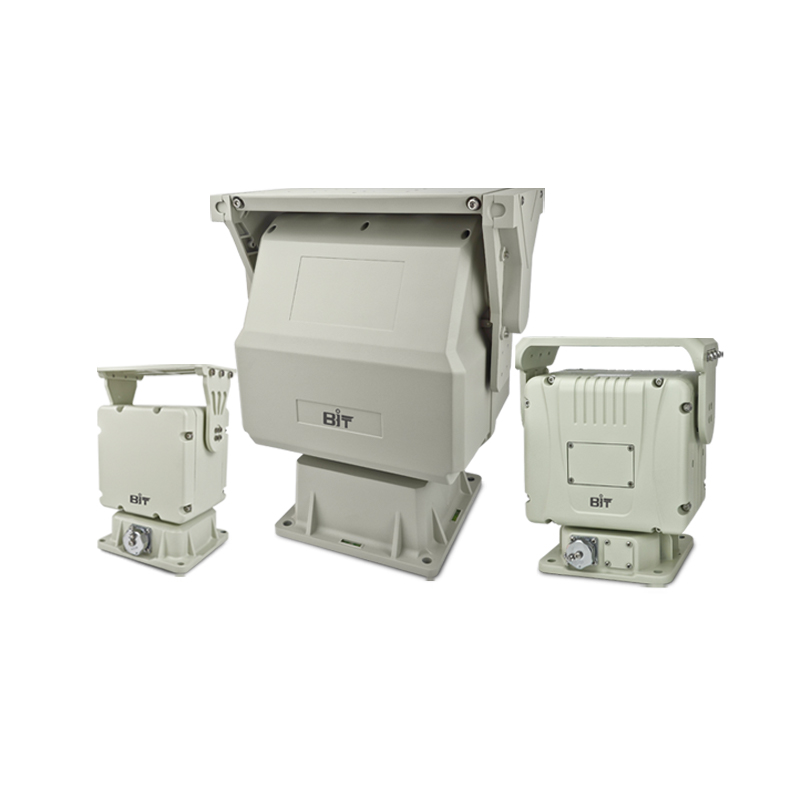
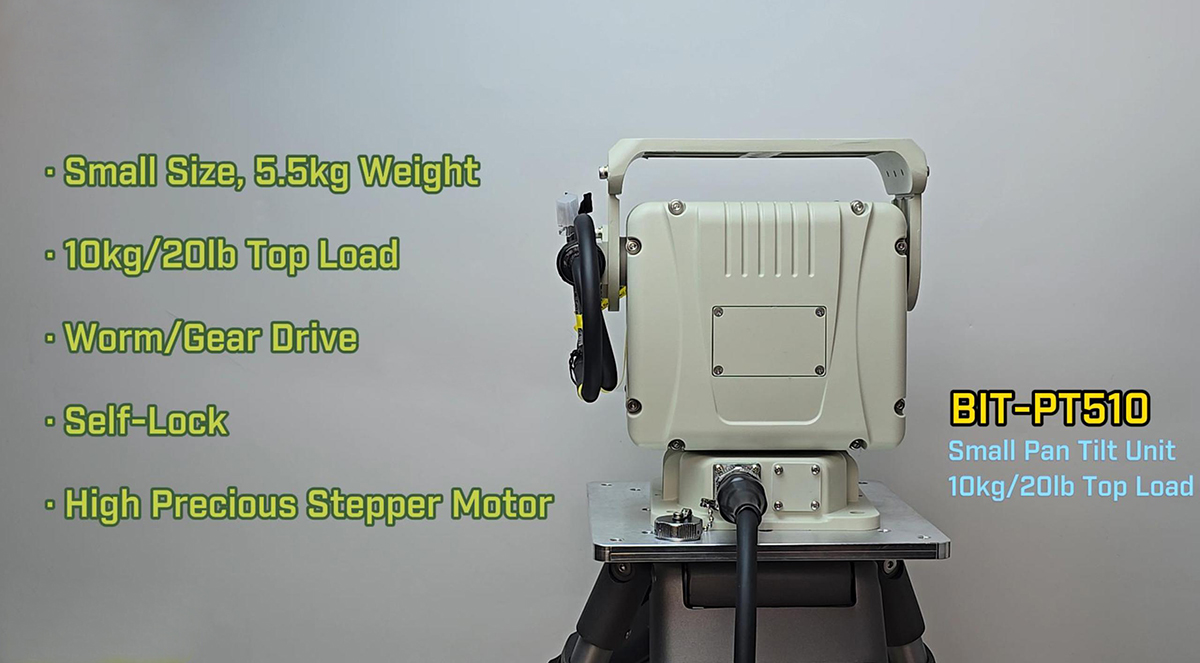
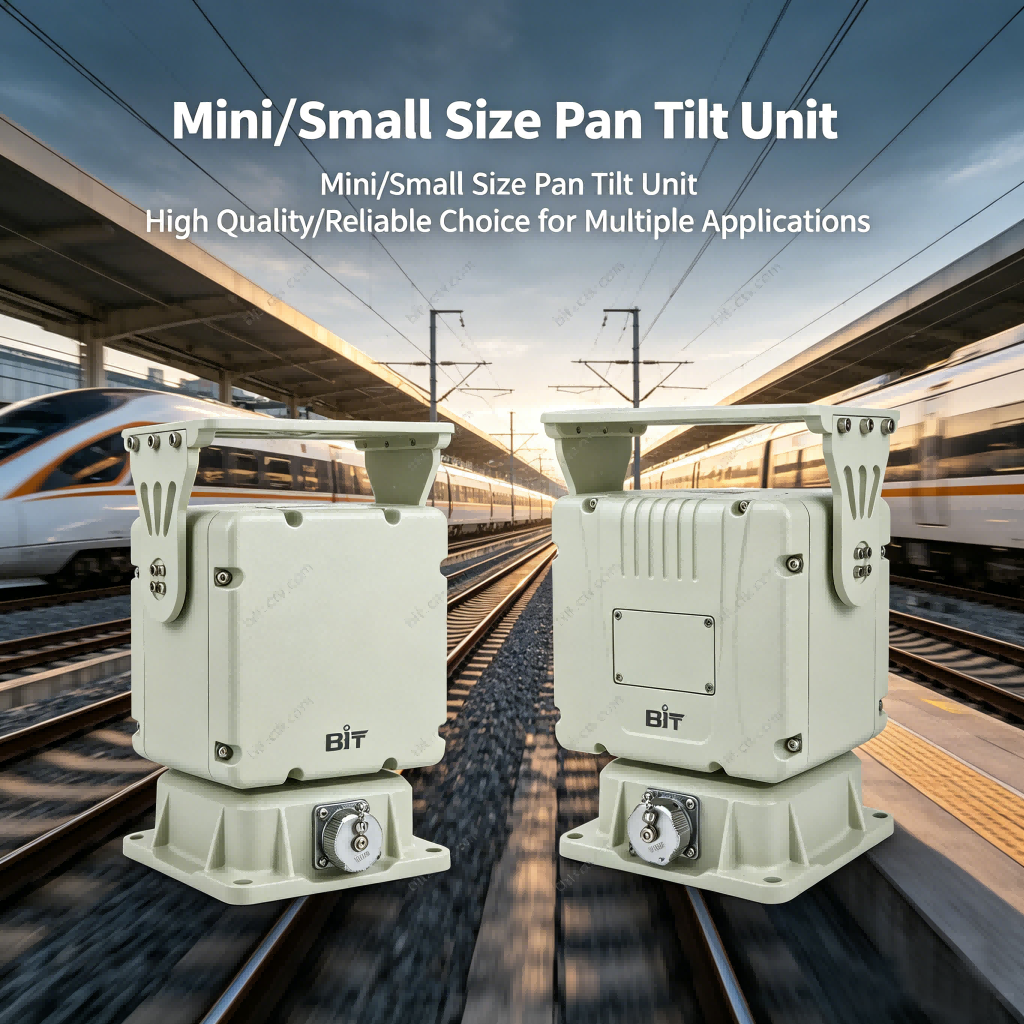
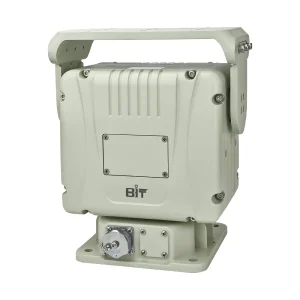
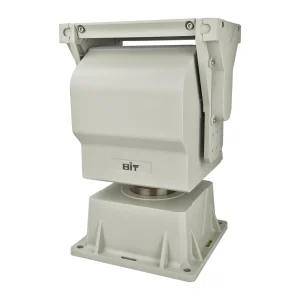
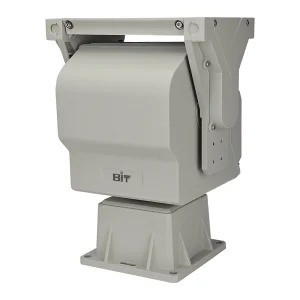
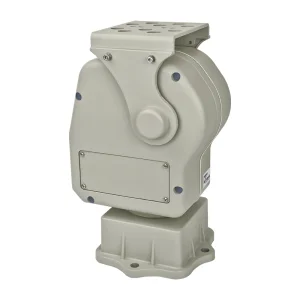
- Light Duty (3.5kg to 10kg): Typical models such as the BIT-PT503 (3.5kg payload) and BIT-PT510 (10kg payload) utilize stepper motors paired with worm-gear drives to provide compact, highly reliable units. These systems are ideal for mobile law enforcement, rapid-deployment masts, and light commercial security.
- Medium Duty (15kg to 50kg): Positioners like the BIT-PT410 (100°/sec high-speed tracking) and our 30kg–50kg direct-drive systems balance speed and payload. These units support dual-vision cameras (visible + thermal) for medium-range coastal watch and industrial pipeline monitoring.
- Heavy Duty (90kg to 200kg+): For ultra-long-range observation, models supporting 90kg, 110kg, and up to 200kg load capacities provide the structural integrity required to mount large military-grade optics, heavy thermal enclosures (like the 18-inch BIT-HS4218), radar arrays, and non-lethal acoustic deterrent devices.
3. Global Procurement Demands: What Security Integrators Seek
Global enterprise buyers require PTZ systems that minimize lifetime maintenance costs while offering simple integration:
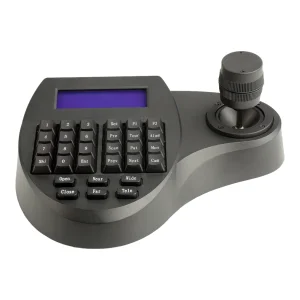
- Open Protocol Compatibility: Deep system integration requires compatibility with Pelco-D/P, ONVIF Profile S/G/T, and custom RS485/RS422 serial links. Dedicated hardware controllers, such as the Custom RS485/RS422 Keyboard Controller, enable real-time joystick control with latency under 50ms.
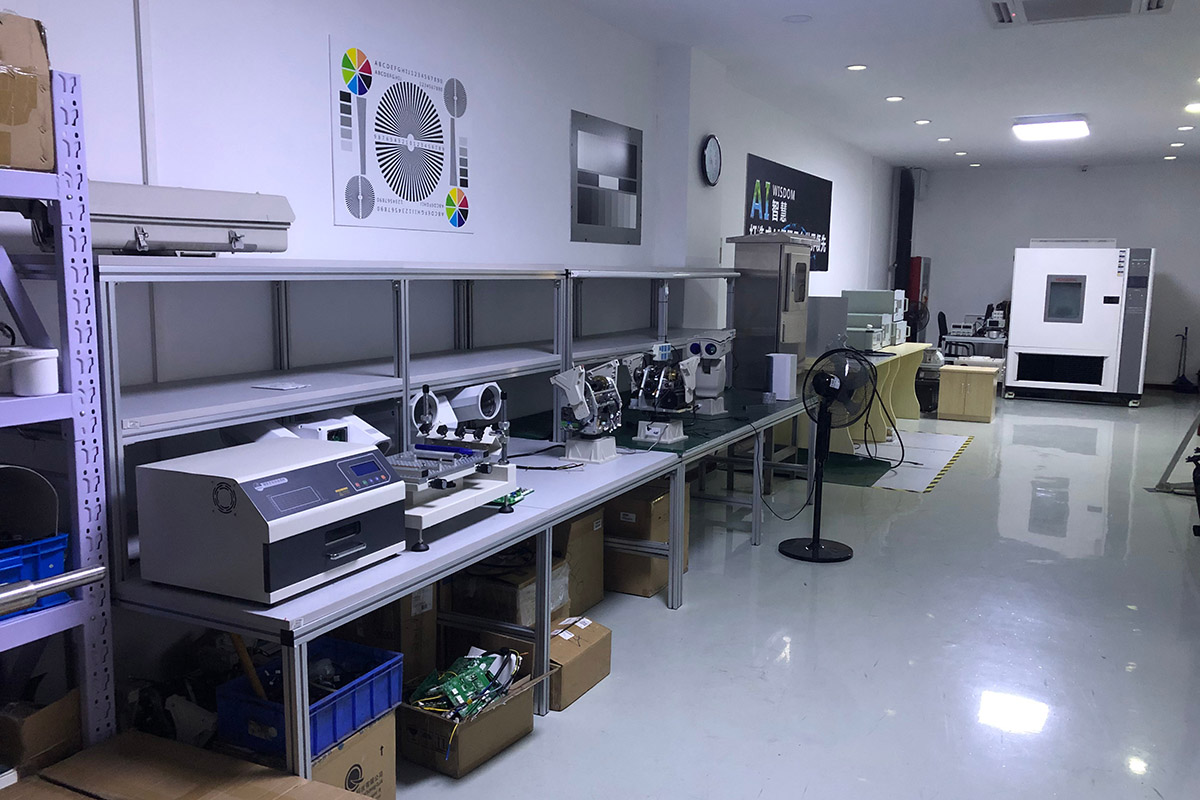
- Environmental Protections & Corrosion Resistance: Systems deployed in maritime or industrial environments must meet IP66/IP67 ingress ratings. Enclosures must feature integrated heaters, fans, and wipers to maintain optical clarity through heavy rain, snow, and condensation.
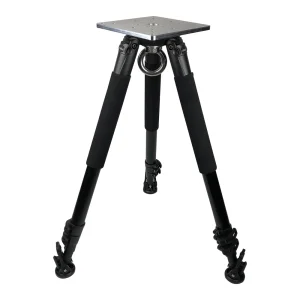
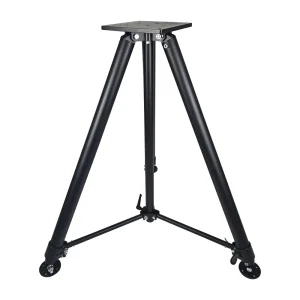
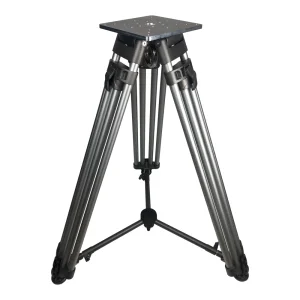
- Structural Stabilization: Heavy-duty deployment tripods and telescopic mast mounts must absorb low-frequency vibrations, which can cause image degradation at high optical magnification.
4. Macro Industry Solutions: Field Deployments
Our remote-control pan-tilt positioners are deployed in demanding environments worldwide:
- Border Security & Defense: Long-range thermal cameras mounted on our 90kg–110kg heavy-duty positioners scan borderlines over distances exceeding 10km, providing early detection of unauthorized crossings.
- Coastal & Maritime Patrol: Marine-grade coatings combined with sealed dual-window camera housings shield optics from salt-spray corrosion and high humidity, ensuring reliable continuous scanning.
- Forest Fire Prevention: Automated panning routines allow thermal sensors to monitor vast forest canopies, detecting thermal anomalies before open flames occur.
5. Future Roadmap: AI Integration & Spatial Analytics
The next generation of PTZ positioning systems will integrate spatial analytics directly into the motion controller. By combining GPS coordinates, GIS map layers, and real-time pan-tilt angles, these systems will automatically calculate target coordinates. This enables automated hand-offs between radar detection and optical confirmation, reducing operator workload and response times.