 BIT-CCTV
BIT-CCTV
BIT-CCTV
Explore our high-performance product lineup engineering high precision, structural durability, and versatile payload integration parameters.
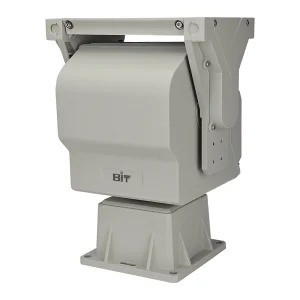
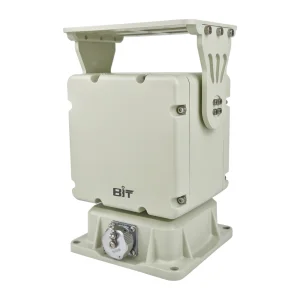
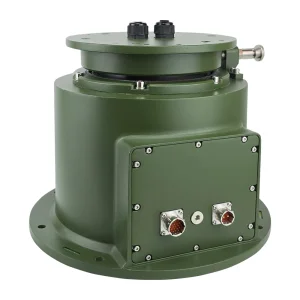
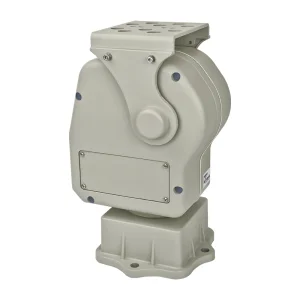
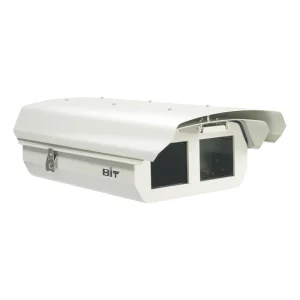
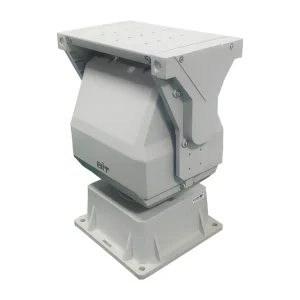
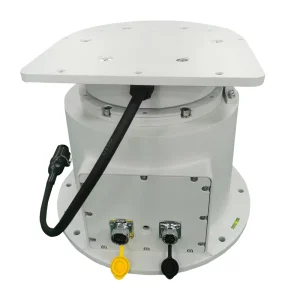
Core pillars of our structural superiority, technological investment, and global hardware support networks.
The rapid advancement in modern communication technology has precipitated a dramatic structural paradigm shift from stationary, heavy communication links to small, agile, and high-frequency positioning architectures. In the fields of satellite tracking, remote telemetry, IoT terminal optimization, and tactical UAV surveillance, selecting a precision-engineered small antenna rotator directly influences signal throughput, latency performance, and overall deployment longevity.
Whether targeting the amateur radio market, maritime satcom terminals, or long-range meteorological sensors, a modern system must satisfy multi-axial loads while maintaining sub-degree tracking precision under hostile environmental stresses. China's manufacturing sector has risen to meet this demand, optimizing component tolerances and mechanical load distribution to position itself as a core global partner.
 18 Years of Design & Engineering Experience 3kg to 150kg Flexible Payload Configurations IP66/IP67/IP68 Marine-Grade Sealing & C5-M Anti-Corrosion Integrated Slip Rings for 360° Continuous Azimuth Rotation
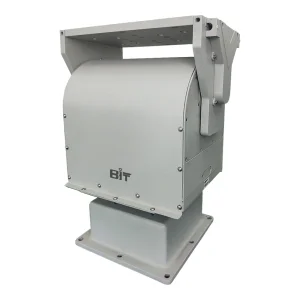
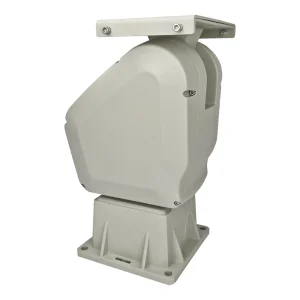
Pan-Tilt Positioner Pioneer
Underpinning the next generation of azimuth-elevation positioners with intelligent motor drives and smart telemetry feedback.
Utilizing custom copper alloy gears and hardened steel worm shafts to limit angular backlash to below 0.1 degrees, ensuring optimal target tracking even under high wind load coefficients.
By bypassing relative positioning systems, absolute encoders maintain spatial orientation knowledge throughout power losses, removing calibration cycle delays during remote installations.
Built-in processors support Pelco-D, Pelco-P, and Modbus RTU communication topologies over RS485/RS422, enabling easy integration with computer programs and automated tracking scripts.
A breakdown of the physical payload thresholds, kinematic velocities, and electrical drive designs that power our standard product models.
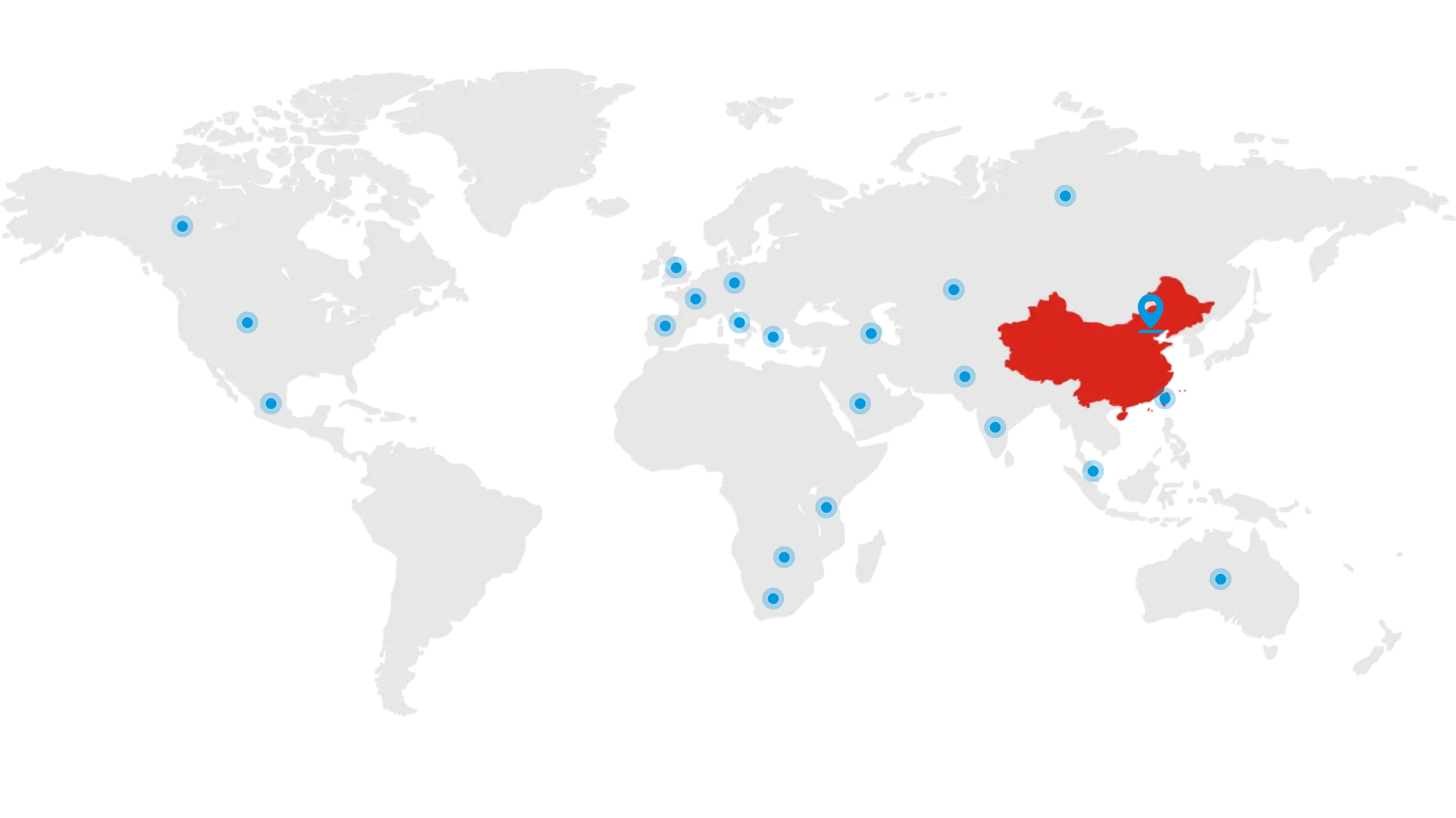
Exporting Nations Serviced
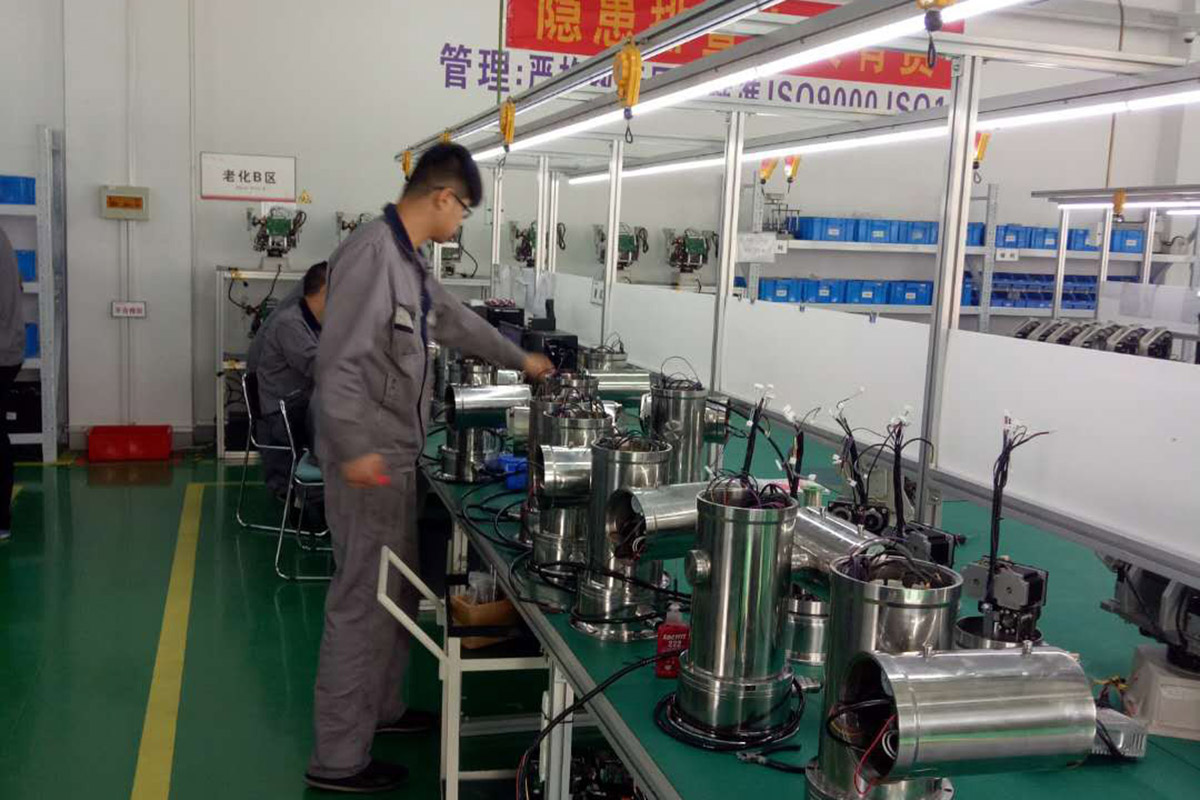
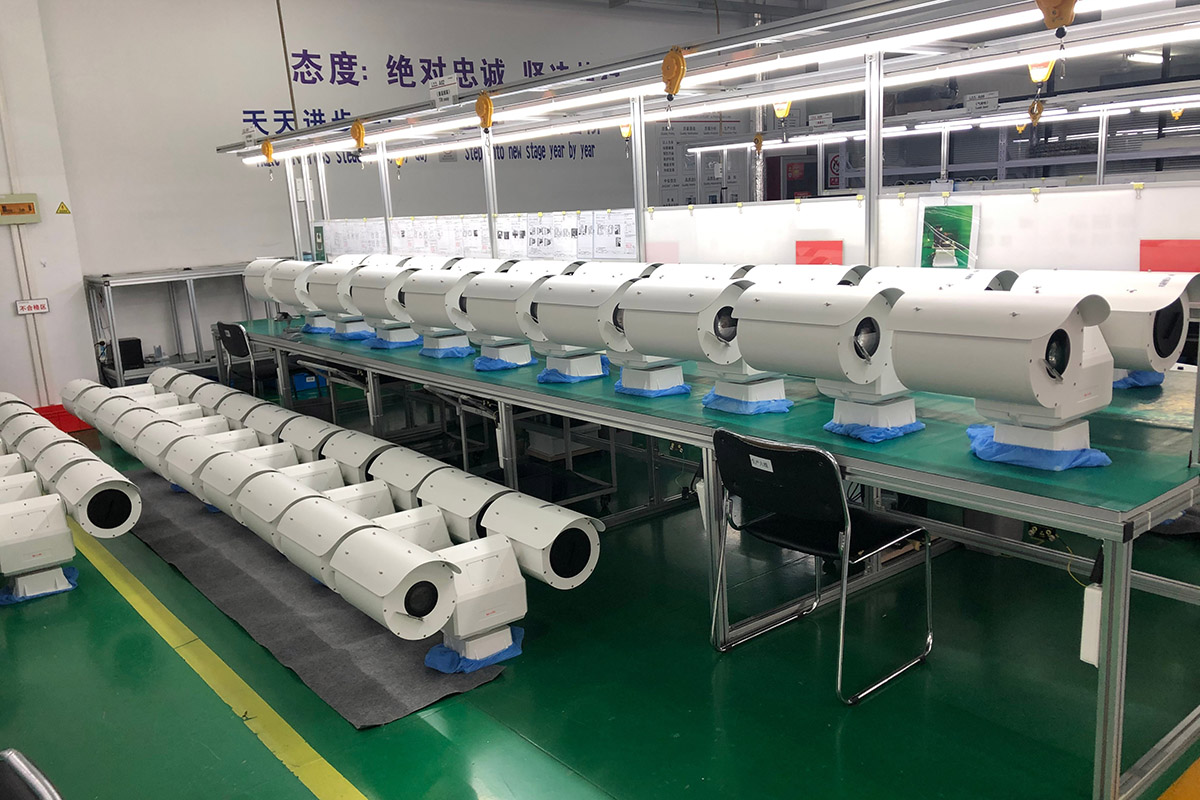
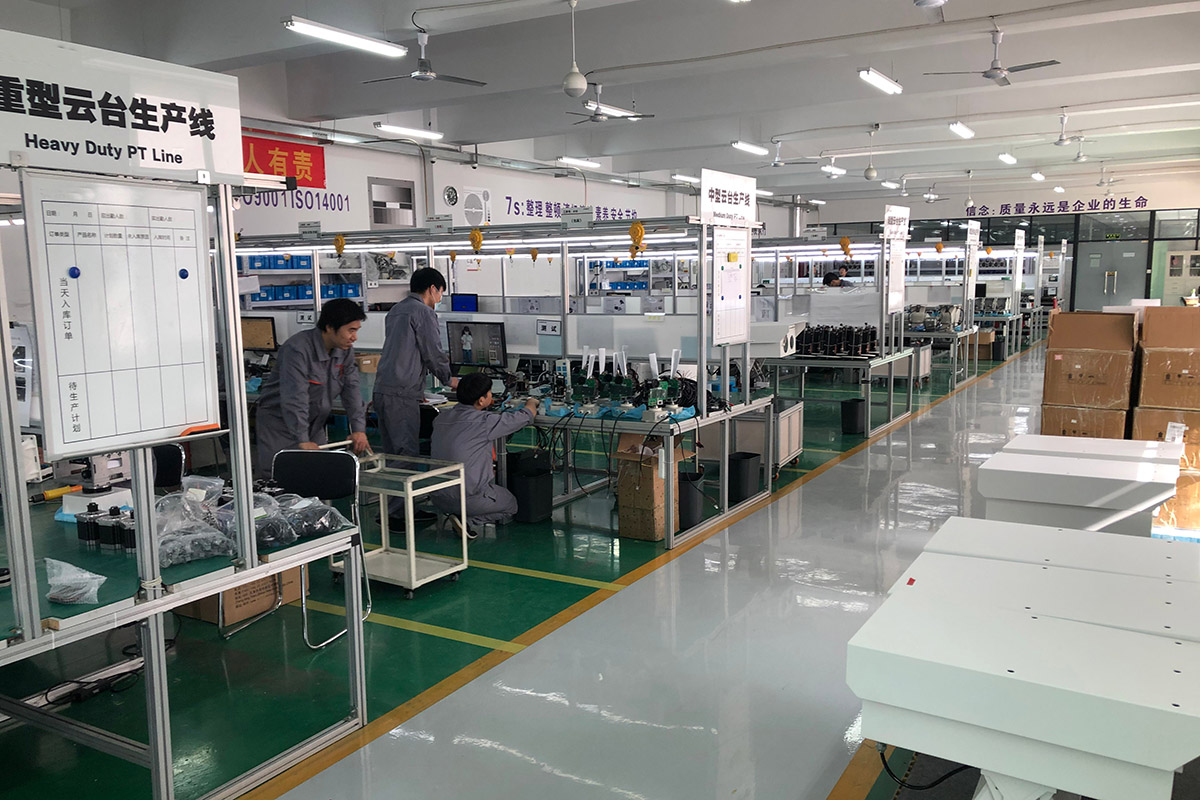
Operating out of our 10,000-square-meter modern manufacturing hub in Tianjin, Blue Icon Technology Co. Ltd has structured a highly resilient production network. In-house computer numerical control (CNC) machining centers, dedicated surface treatments, and automatic assembly lines help insulate our production from raw-material fluctuations and supply bottlenecks.
By consolidating local mechanical components, optical tracking modules, and stepper drives under one centralized quality assurance network, we maintain short production lead times (often 3 to 15 days for standard assemblies). This efficiency enables us to provide cost-effective options for custom OEM and ODM requirements compared to traditional, low-volume European or North American manufacturers.
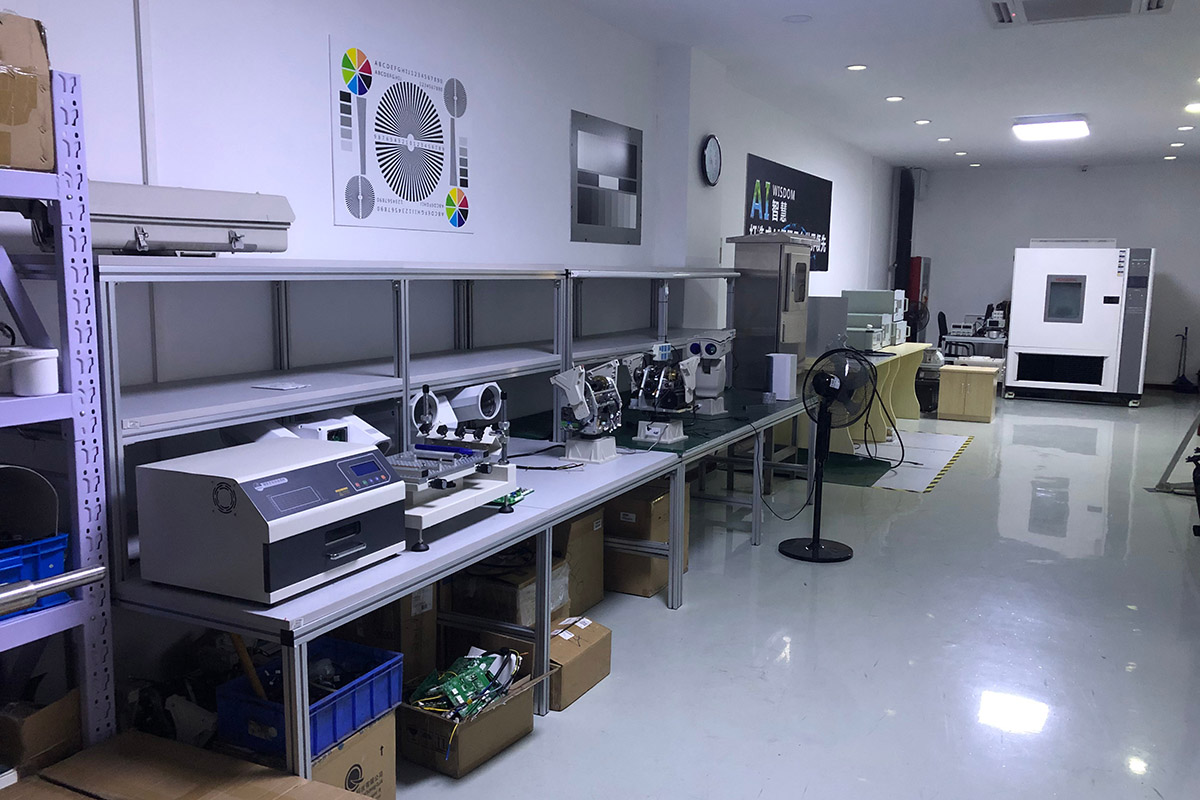
All critical components are tested to withstand environmental stresses. We perform vibration resistance profiles, salt-fog corrosion exposures, and dynamic temperature variations in specialized testing chambers. This rigorous protocol validates that every pan-tilt mechanism leaving our factory meets international standards for marine, desert, and polar deployments.
Our positioning hardware operates in a wide variety of localized industrial settings worldwide, providing reliable pointing accuracy for critical payloads.
Equipped with C5-M high-durability marine-grade paint finishes and IP68-compliant dynamic shaft seals, our rotators resist constant salt spray and high humidity on ships and offshore platforms.
Integrating radar systems, dual-sensor infrared cameras, and directional microwave arrays, our rotators track fast-moving and long-range targets along coastlines and state borders.
Designed for automated scanning programs in rugged terrain. These units operate reliably in remote, solar-powered mountaintop installations under extreme summer heat and harsh winters.
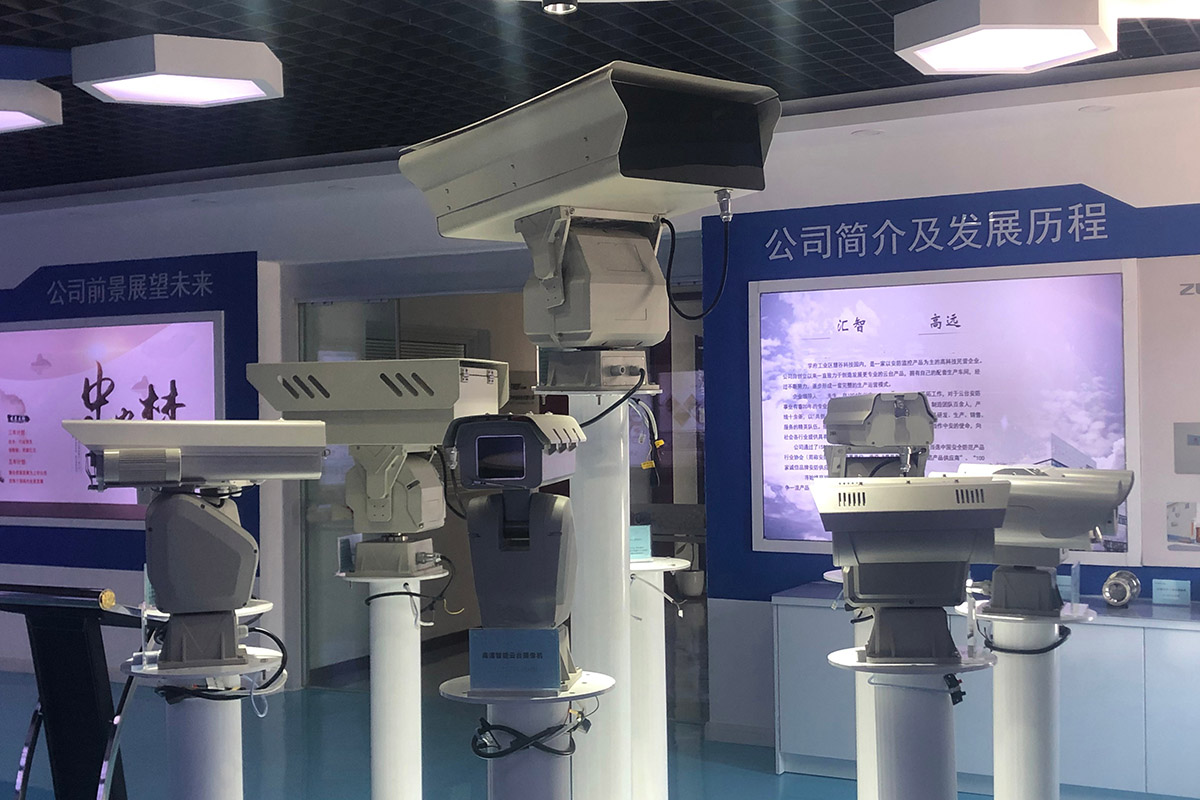
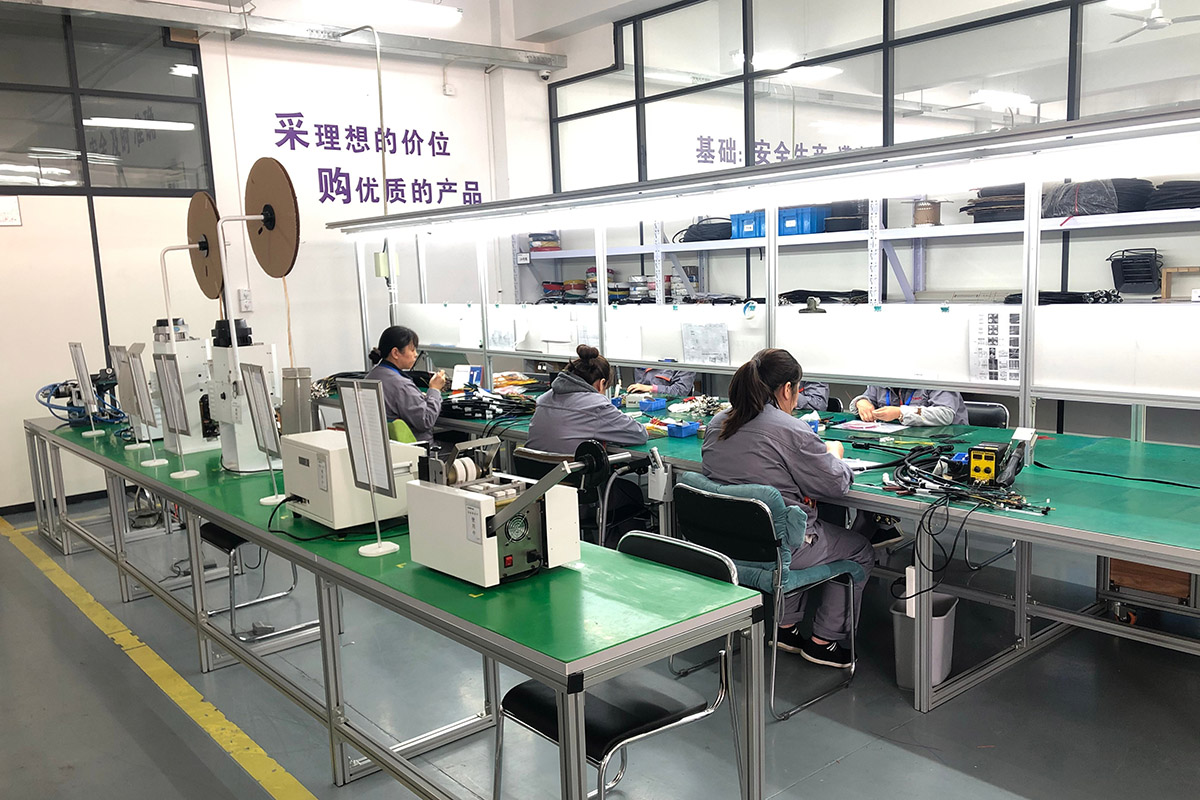
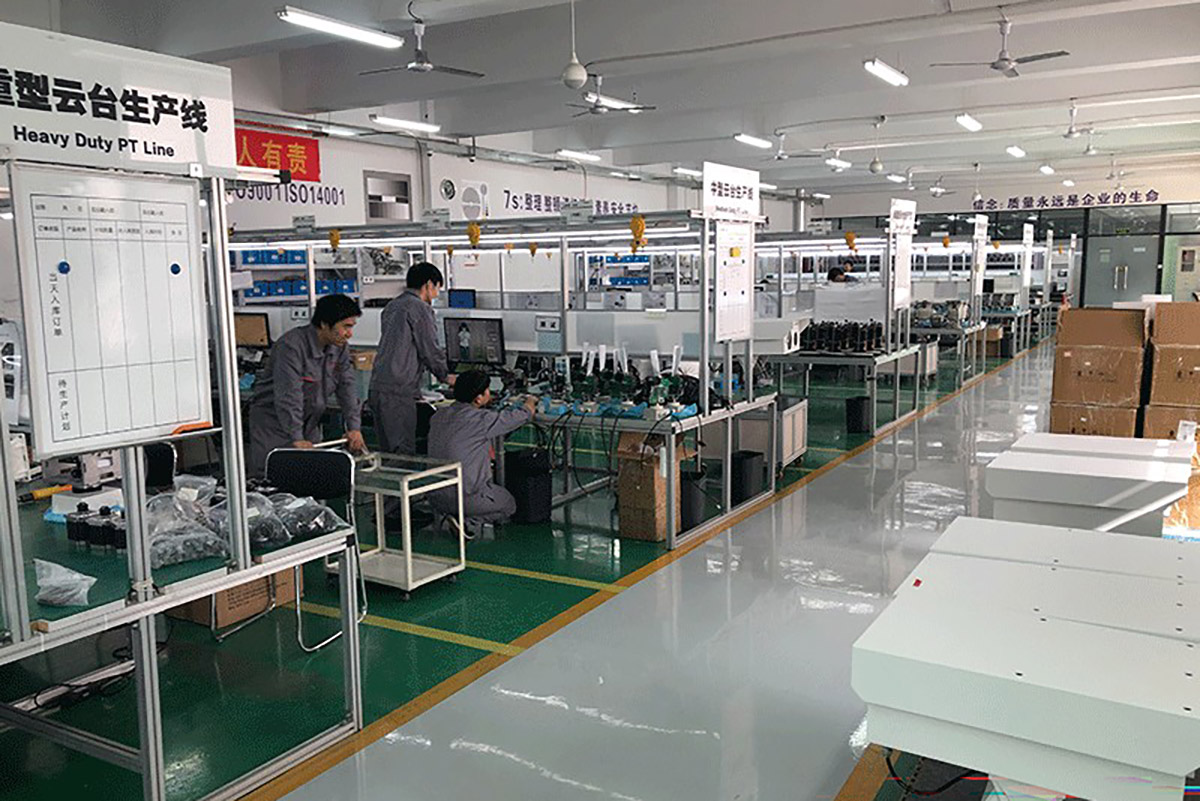
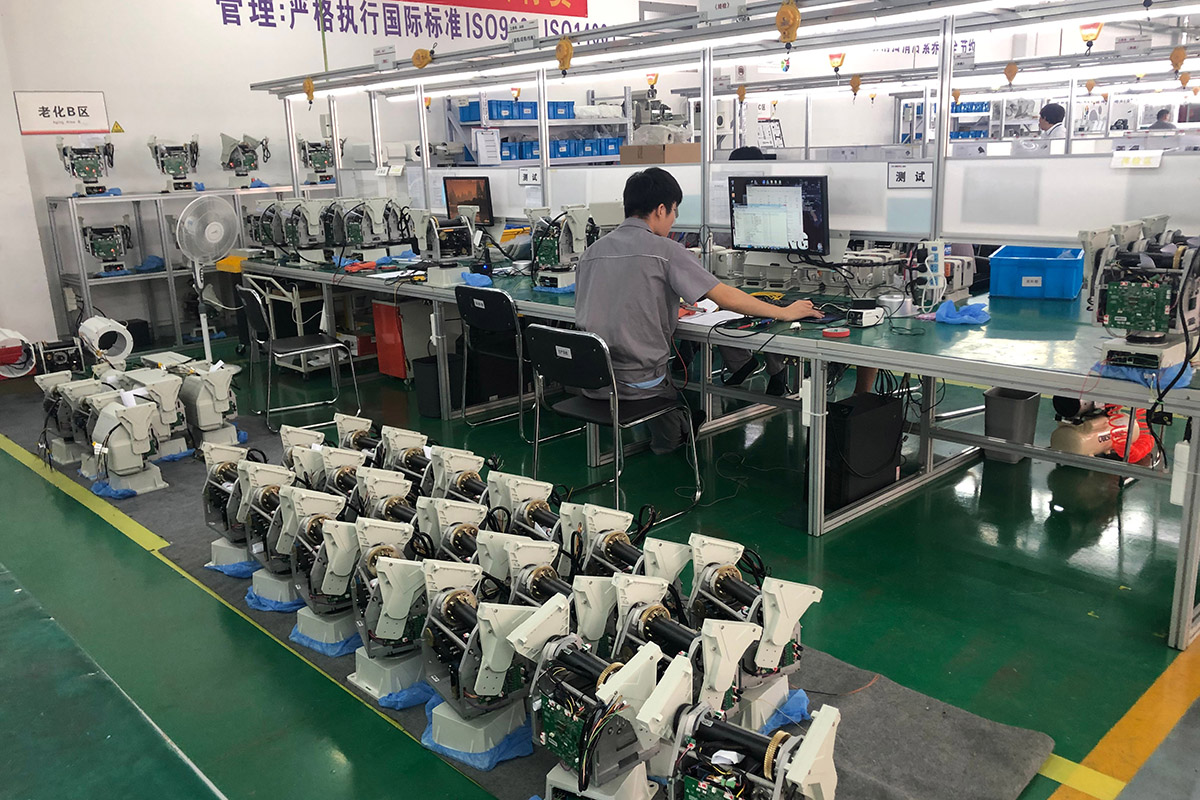
Visualizing our clean assembly benches, dynamic testing configurations, and comprehensive mechanical calibration processes.
Selecting an antenna rotator requires balancing several physical and electrical parameters to prevent early hardware wear or structural failure. System engineers must focus on three primary mechanical factors: Wind Load Torque, Dynamic Payload Momentum, and Encoder Resolution.
The pricing for small antenna rotators is structured around these design criteria. While entry-level consumer rotators use simple, low-torque brush DC motors with high backlash ratings, industrial rotators utilize high-precision stepper or brushless DC (BLDC) motors paired with zero-backlash harmonic or worm drives. In addition, integrating multi-channel slip rings to enable continuous 360-degree rotation affects the final hardware price.
Our factory offers modular pricing tiers, allowing customers to customize encoder resolution, motor drive types, slip-ring circuit counts, and connector configurations to meet specific project budgets. By eliminating middleman markups, we supply high-reliability industrial positioning systems directly from our factory floor.
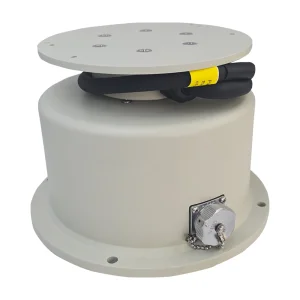
For satellite and tracking antennas, continuous rotation in the azimuth plane is essential. Without integrated electrical slip rings, coaxial feedlines and control cables wrap around the mechanical mast, limiting rotation angles and risking cable damage. Our rotators feature hollow-shaft drives that accommodate integrated slip rings for control lines and power paths, as well as specialized coaxial rotary joints for RF feeds (e.g., L-band, S-band, or Ku-band frequencies), preventing cable strain.
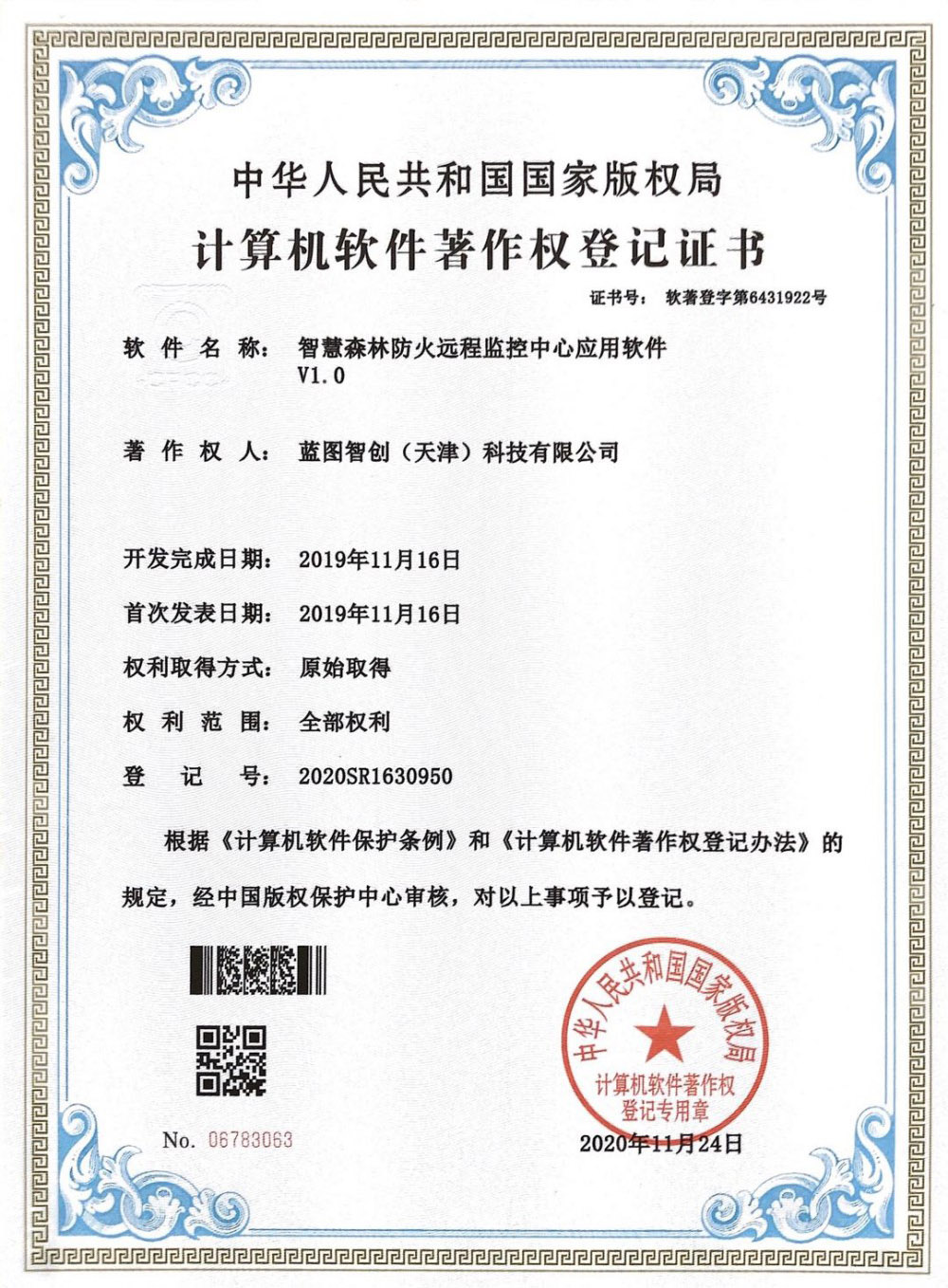
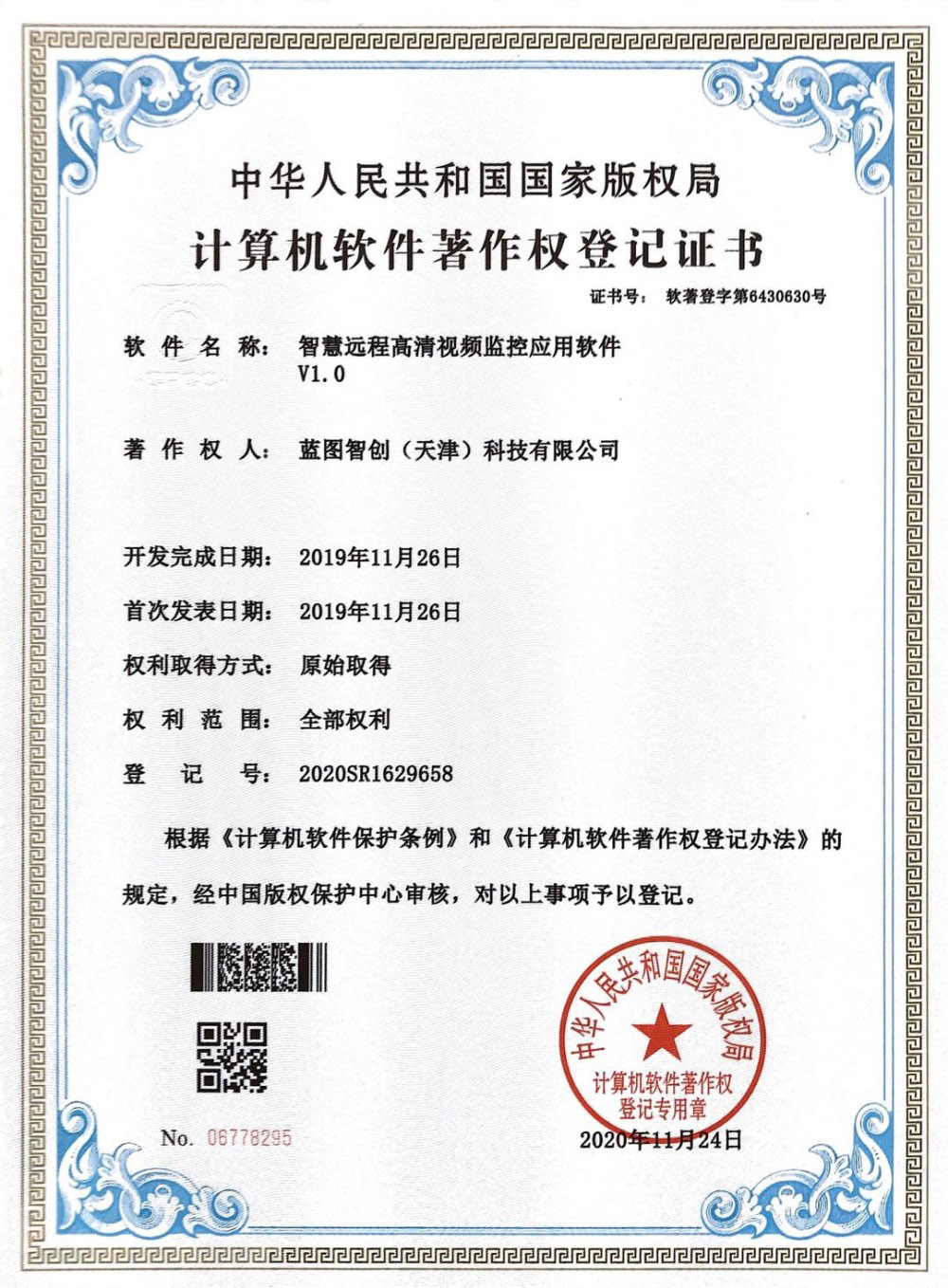
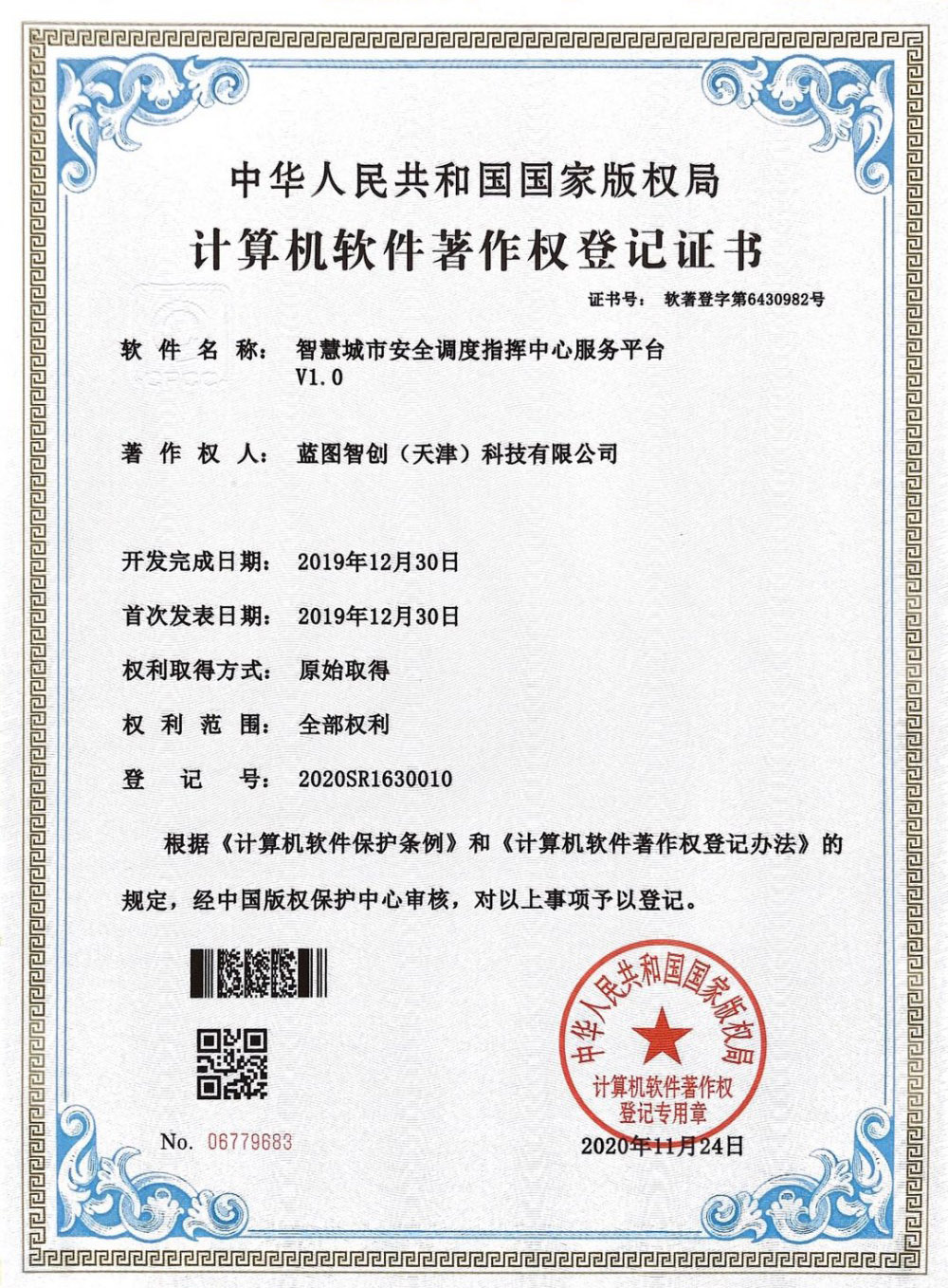
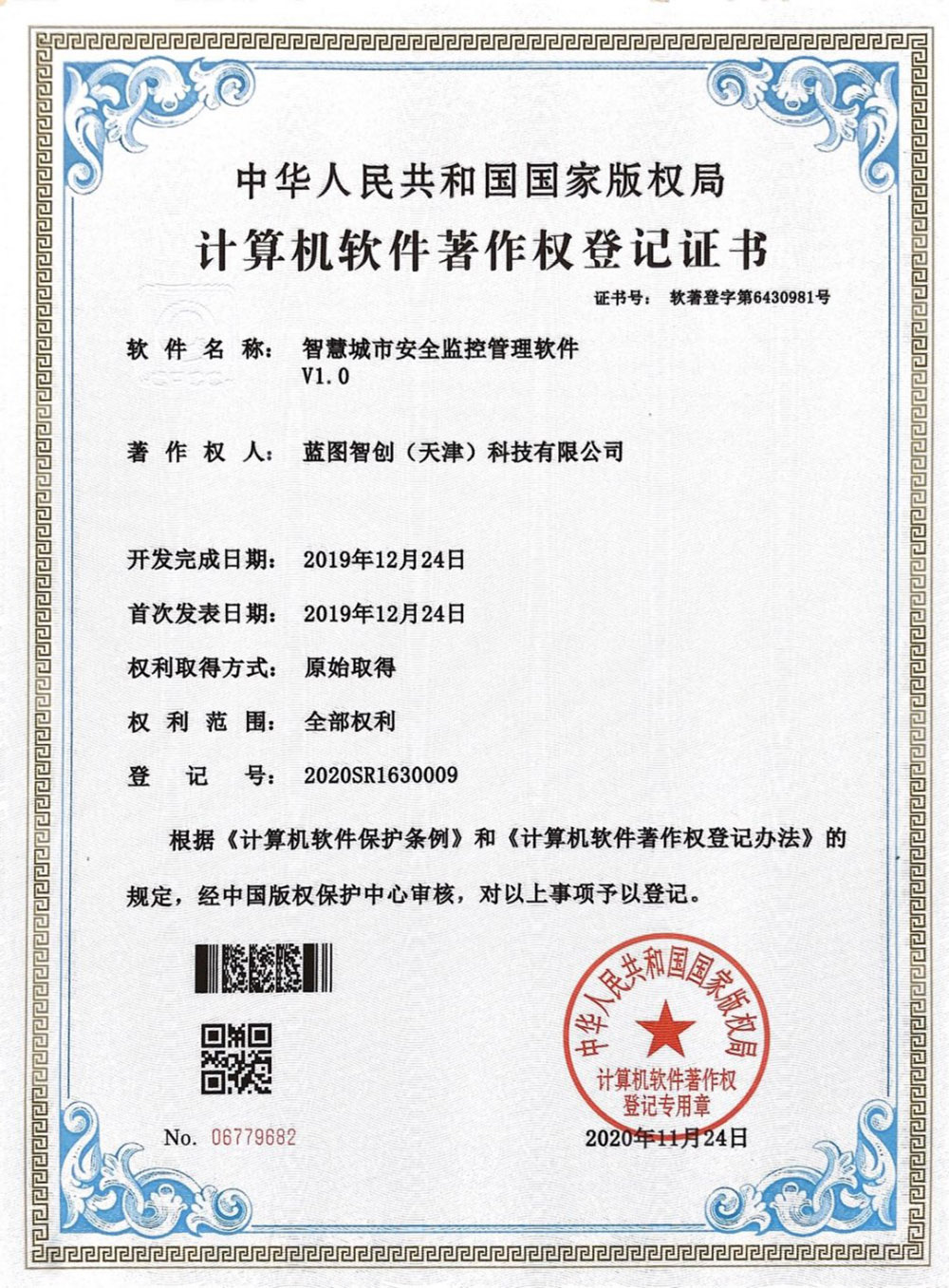
We reinvest 10% of our annual revenue into R&D, holding over 50 national patents to verify the engineering design and reliability of our products.
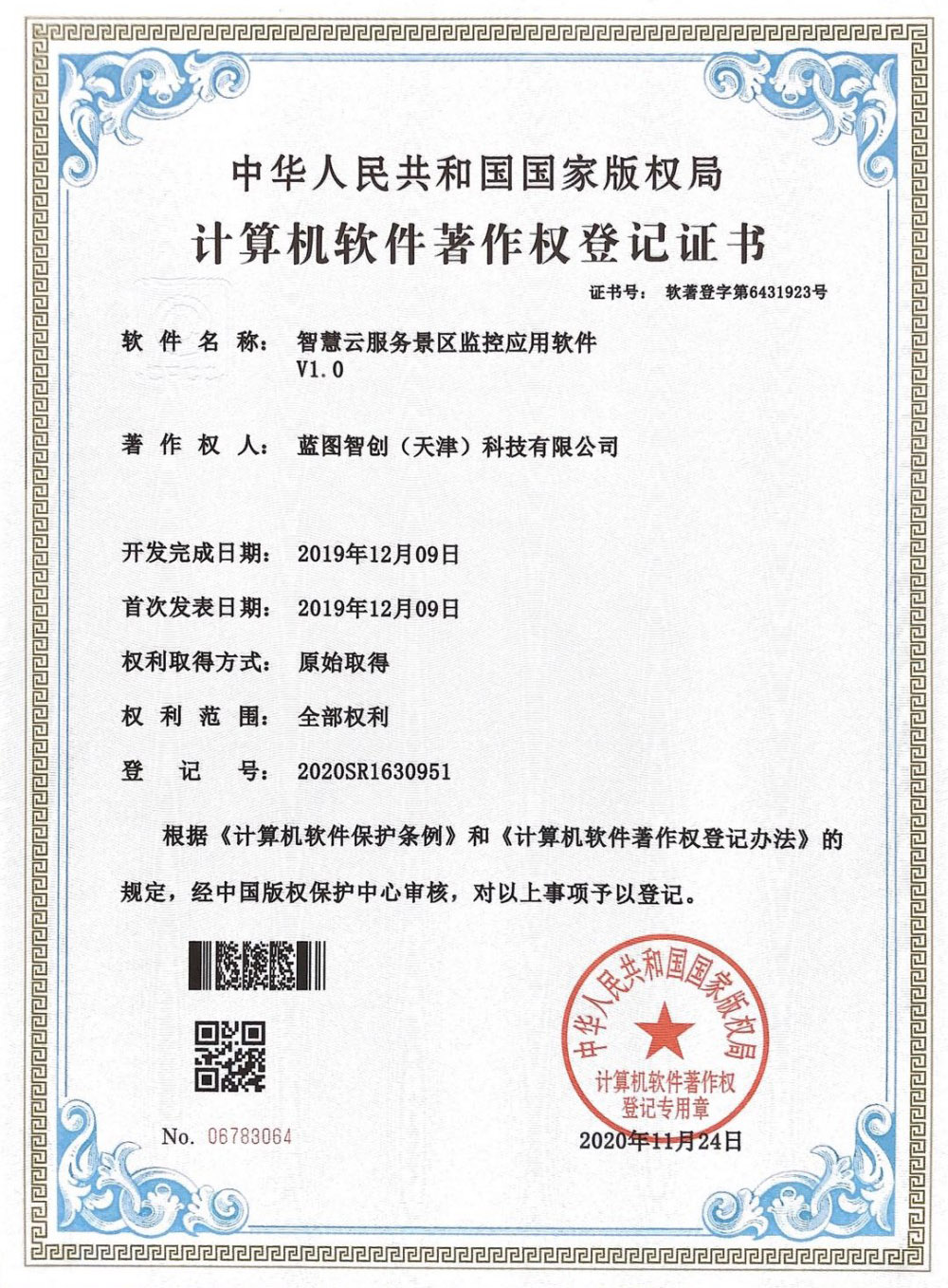






Read detailed white papers and engineering articles from our positioning specialists to optimize your rotator selection and mounting setup.
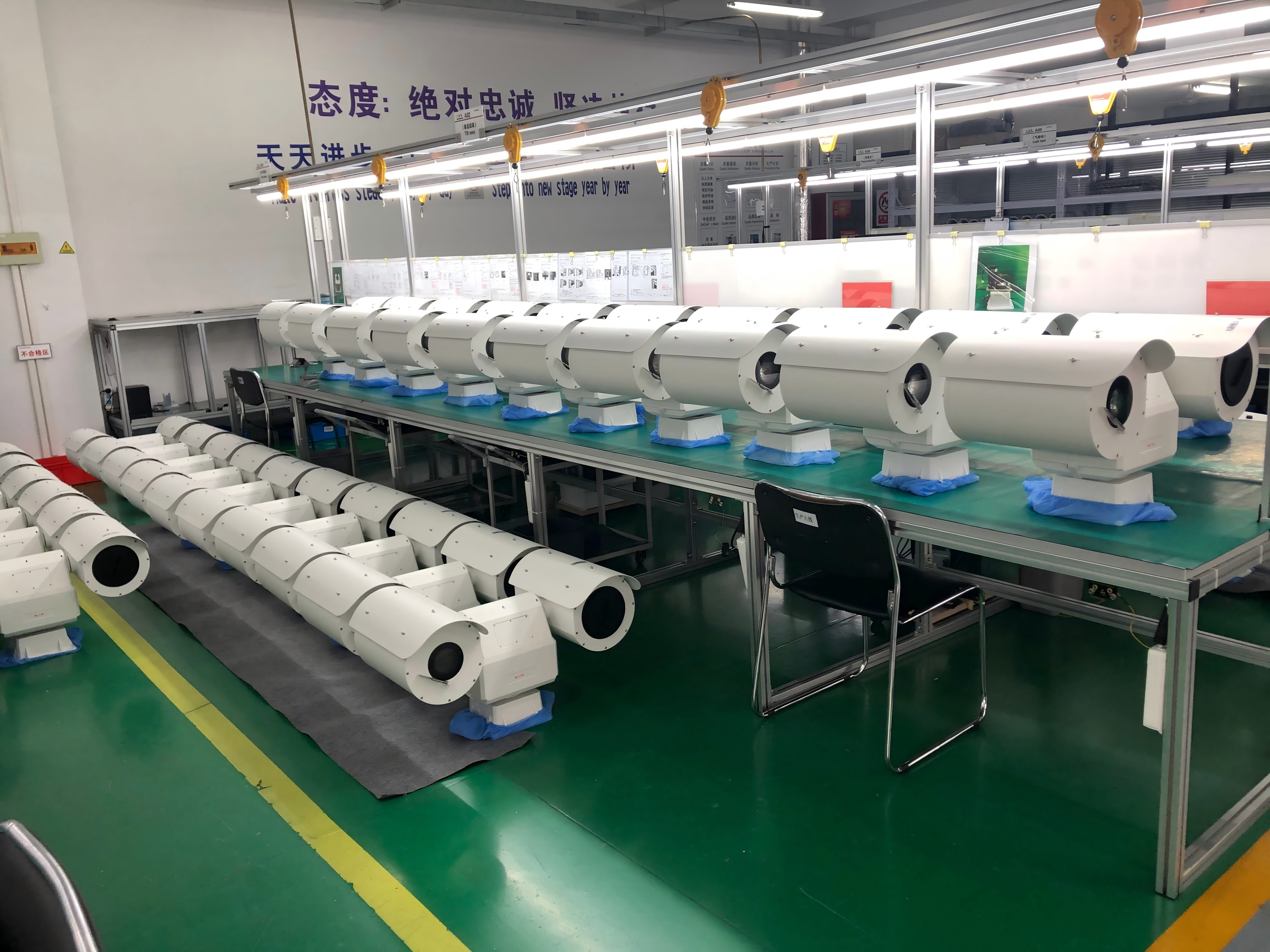
Faced with various applications, customization is increasingly important. Evaluate payload torque under wind loading, environmental sealing options, feedback loops, and protocol compatibility.
Read More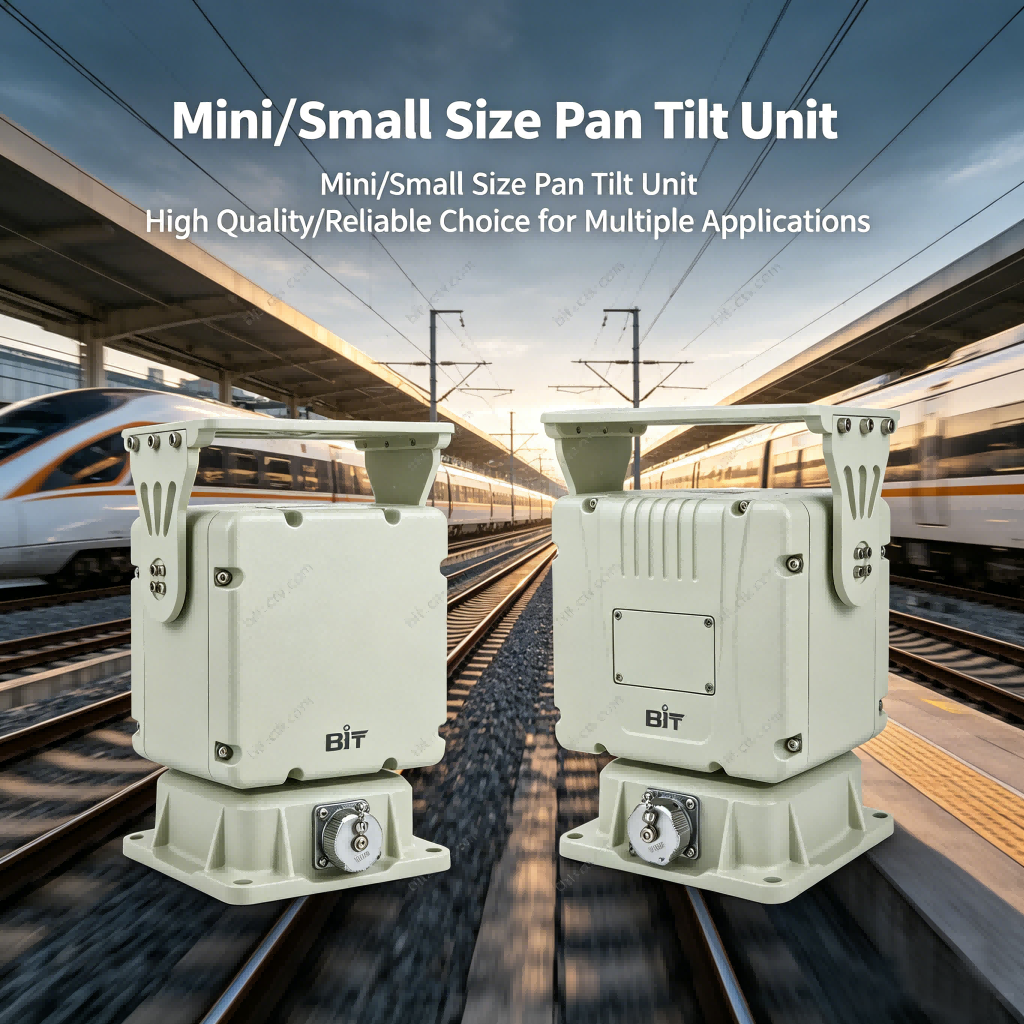
A closer look at our compact, lightweight positioners. We analyze the torque-to-weight ratios and structural configurations of the 3.5kg and 10kg models.
Read More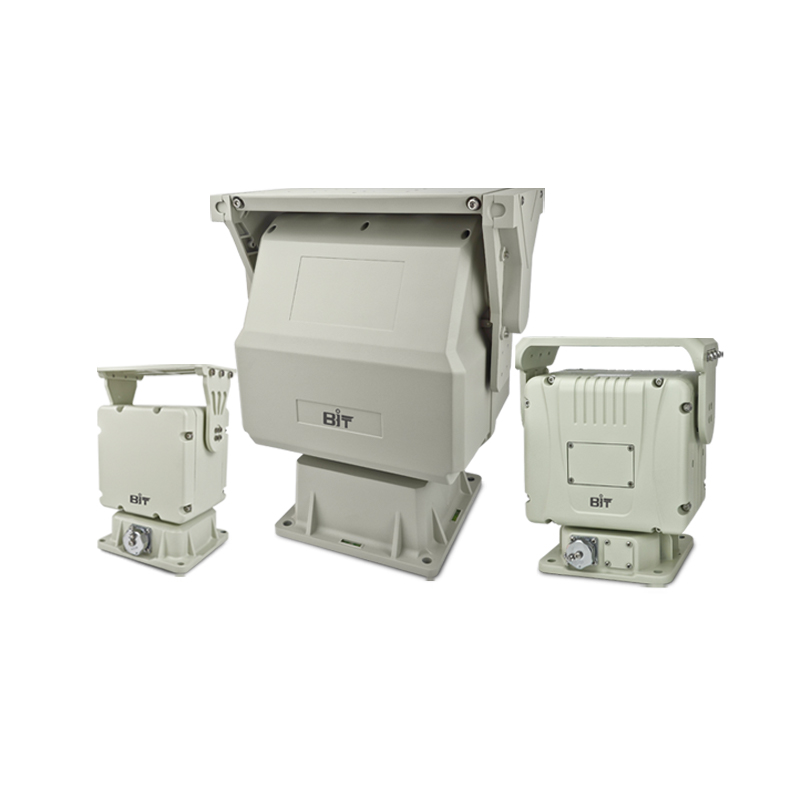
PT units can be classified according to criteria such as payload capacity, environmental design, driver interfaces, mounting configuration, and movement velocities.
Read MoreCommon questions from design engineers and procurement teams regarding our small antenna positioning hardware.
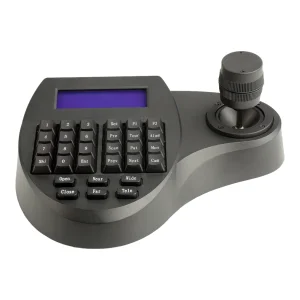
Browse our additional range of mounting structures, high-capacity positioners, protective housings, and system controllers.