 BIT-CCTV
BIT-CCTV
BIT-CCTV
Industrial protective applications begin with protecting the world's most precise tracking and optical instrumentation.
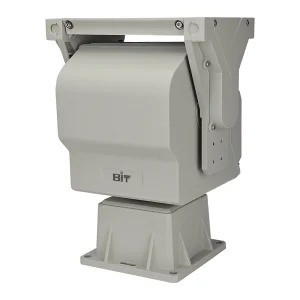
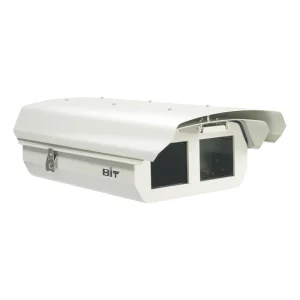
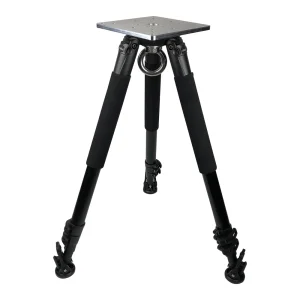
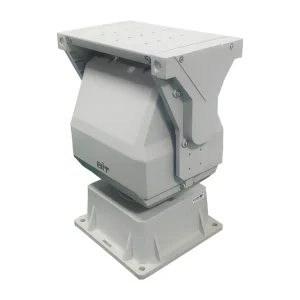
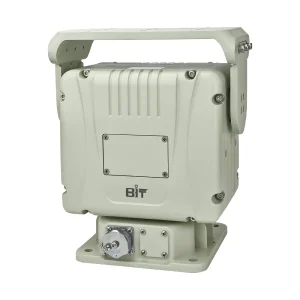
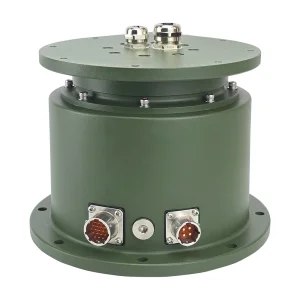
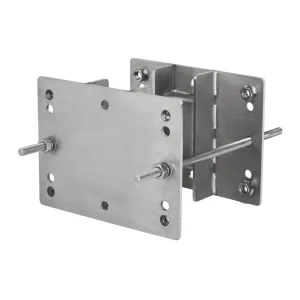
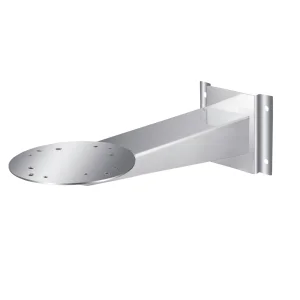
Analyzing the Industrial Demand, Standards, and Supply Chain Architecture of Storage Transport Cases.
In modern industrial sectors, the integrity of highly sensitive payloads during transportation is paramount. High-performance storage transport boxes (often designated as industrial flight cases, rotomolded transit enclosures, or high-density injection-molded protective cases) represent the frontline of defense against mechanical stresses, moisture penetration, chemical degradation, and dynamic thermal gradients. For industries utilizing precision cameras, military positioning tripods, dual-vision thermal imagers, and heavy-duty pan-tilt systems (PTUs), standard cardboard packaging or low-grade plastics are entirely insufficient.
The global market for protective packaging solutions has expanded significantly, driven by aerospace, border surveillance, oceanic research, and industrial automation networks. To satisfy the regulatory benchmarks defined by defense and marine monitoring operations, manufacturers in China have evolved from simple plastics processors into high-tech design centers. These facilities integrate engineering calculations, such as dynamic cushioning design and structural Finite Element Analysis (FEA), to deliver heavy-duty solutions configured specifically for payloads ranging from 3.5kg up to 150kg.
When procuring storage transport boxes for heavy-duty components—such as outdoor speed rotators, single-axis positioning sensors, or customized camera housings—design engineers must verify compliance with strict international testing parameters. The following standards define the engineering thresholds of high-quality protective boxes:
Utilizing high-density closed-cell polyethylene (PE) and cross-linked polyurethane (PU) foam, routed through CNC precision routers, to match the exact center of gravity of heavy-duty PTUs.
Equipped with automatic pressure equalization valves (e.g., Gore-Tex membranes) to allow continuous venting of air while completely blockading moisture and dust particles.
Modified polypropylene polymers and linear low-density polyethylene (LLDPE) provide high-impact resistance, maintaining structural toughness from -40°C up to +80°C.
18+ Years of Specialization in Heavy-Duty Positioning & Enclosure Manufacturing
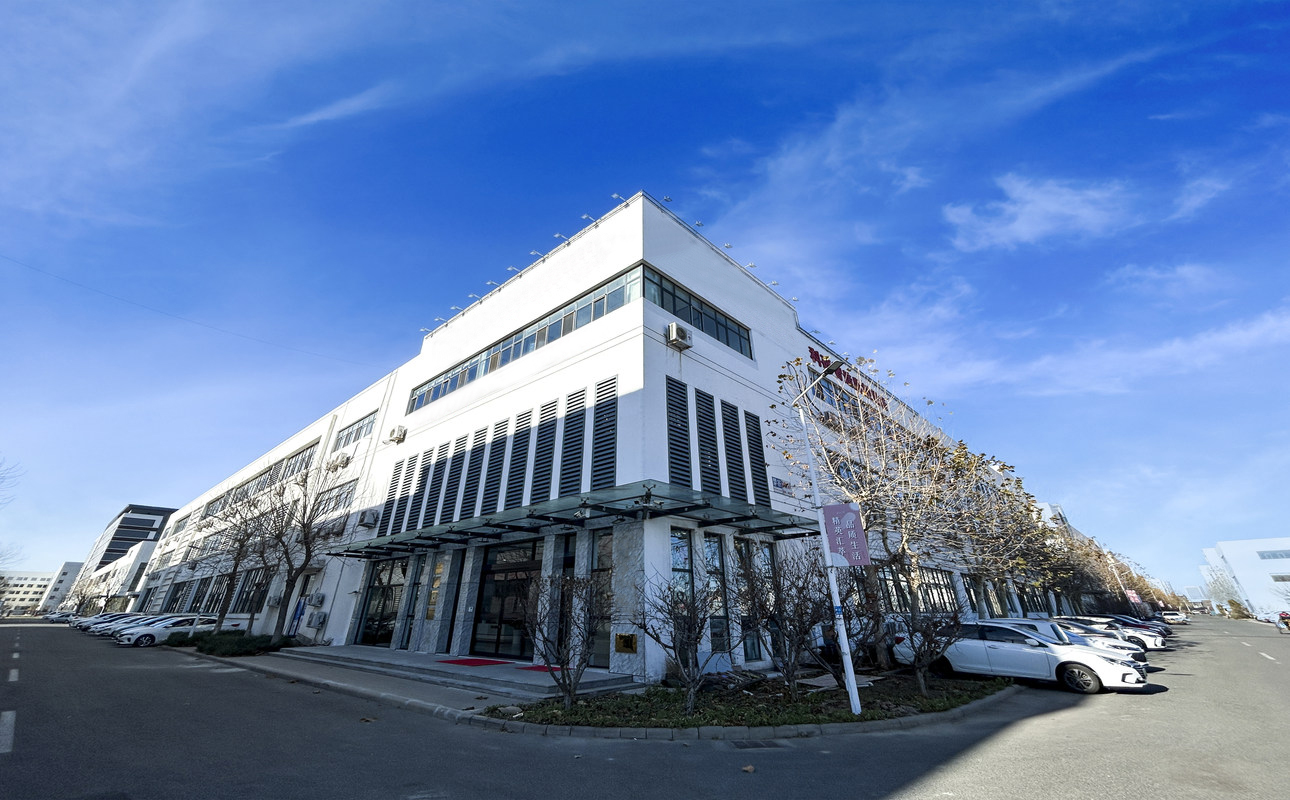
Established in 2005, Blue Icon (Tianjin) Technology Co. Ltd. (also widely known by the brand BIT-CCTV) has built a reputation as a leading international manufacturer of high-end positioning hardware, heavy-duty pan-tilt devices, and protective enclosures. Operating from a state-of-the-art 10,000 m² manufacturing plant, BIT-CCTV is recognized as a pioneer in domestic positioning systems.
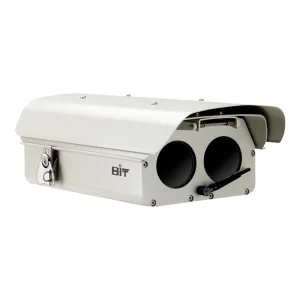
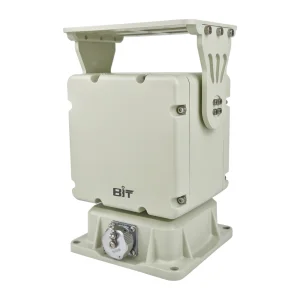
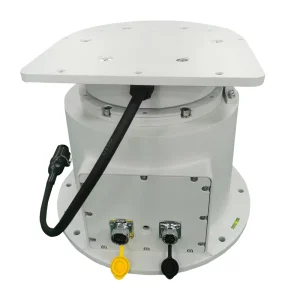
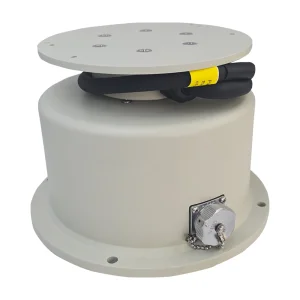
To support its extensive line of outdoor positioning units (rated from 3.5kg up to 150kg payloads) and dual-window camera housings, BIT-CCTV allocates 10% of its annual sales revenue to internal R&D. This engineering capability ensures that every pan-tilt unit, heavy-duty tripod, and mounting bracket is paired with high-performance protective transport cases that withstand extreme logistics in demanding environments.
Brand Founded
Pan Tilt Maker
Annual R&D Invest
Countries Served
Mfg. Area (m²)
How Modern Storage Transport Boxes Align with AI Integration and Environmental Demands.
Industrial transport boxes are manufactured using two primary methods: Rotational Molding (Rotomolding) and Injection Molding. Rotomolding is well-suited for heavy-duty, large-format boxes because it produces stress-free corners and thick outer walls, making it ideal for large equipment like heavy-duty tripods and mast poles. Conversely, injection molding utilizes high-pressure machinery to inject molten resins into steel molds, creating high-precision, rib-reinforced protective cases. These are typically used for handheld controller modules, sensors, and smaller pan-tilt systems (such as the 3.5kg BIT-PT503).
High-value logistics demand real-time visibility. Modern storage transport boxes are increasingly equipped with embedded IoT sensors and RFID tags. These sensors monitor structural integrity and record changes in internal humidity, temperature levels, and G-force shocks. If a container drops during transit, the exact time, location, and impact level are transmitted to the cloud, allowing operators to verify structural health before deploying the device in the field.
Different operating environments require specific configurations. The table below highlights how storage transport systems are customized for distinct deployment scenarios:
| Vertical Industry | Critical Threat Factor | Required Protective Features | Common Payloads Protected |
|---|---|---|---|
| Coastal & Offshore Patrol | Corrosive salt spray, high humidity, water ingress | IP68 rating, stainless steel hardware, pressure vent | Dual-vision marine thermal cameras, speed rotators |
| Aerospace & Defense Logistics | Severe physical impact, atmospheric pressure changes | Automatic purge valves, structural ribbing, lockable latches | Heavy-duty pan tilt heads, laser rangefinders |
| Mobile Surveying & Telecom | Field deployment drops, abrasive sand/dust | Custom foam layers, integrated wheels, dust-proof seals | Telescopic mast poles, positioning tripods |
| Industrial Mining Operations | Heavy vibration, ambient chemical exposures | Anti-static linings, chemical-resistant resins | Power supply modules, controller keyboards |
Manufacturers are advancing product development by focusing on lightweight materials, smart tracking, and circular sustainability.
Developing structural foam core technologies that reduce transport case weight by up to 25% while maintaining the drop durability required for heavy security systems.
Embedding Bluetooth-enabled shock indicators and temperature loggers within the structural ribs of custom transport boxes to simplify asset management.
Transitioning to post-consumer recycled (PCR) plastics and biodegradable internal foam packaging, ensuring complete compliance with global environmental regulations.
Precision engineering models that require specialized protective transport solutions.
Payload Capacity: 10kg (22lb)
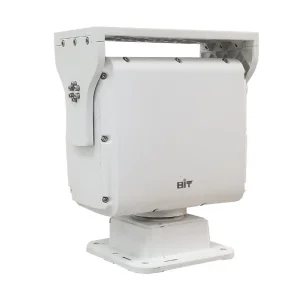
Features a small design with a high-precision stepper motor and worm/gear drive. Supports 360° pan and ±60° tilt rotation up to 30°/S. Ideal for mid-range surveillance payloads, border security, and forest fire prevention.
Payload Capacity: 3.5kg (7.7lb)
The smallest positioning unit in the product family. Weighing just 3.5kg, it is designed for rapid-deployment kits that require compact and lightweight PTU hardware.
Payload Capacity: 10kg (22lb)
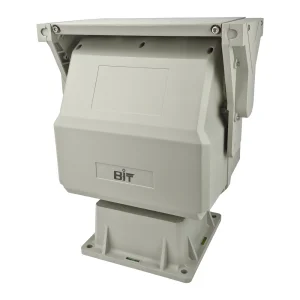
Rotates at speeds up to 100°/second to enable rapid tracking and target acquisition. Built with a worm/gear drive in the tilt axis, supporting tilt angles from -90° to +40°.
Payload Capacity: 50kg (110lb)
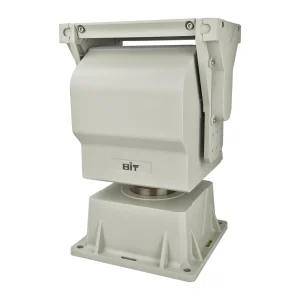
A classic design utilized across major industrial and security installations for over a decade. Built for harsh outdoor environments, it is engineered for long-term stability and low maintenance, and is typically transported in customized, heavy-duty protective transit cases.
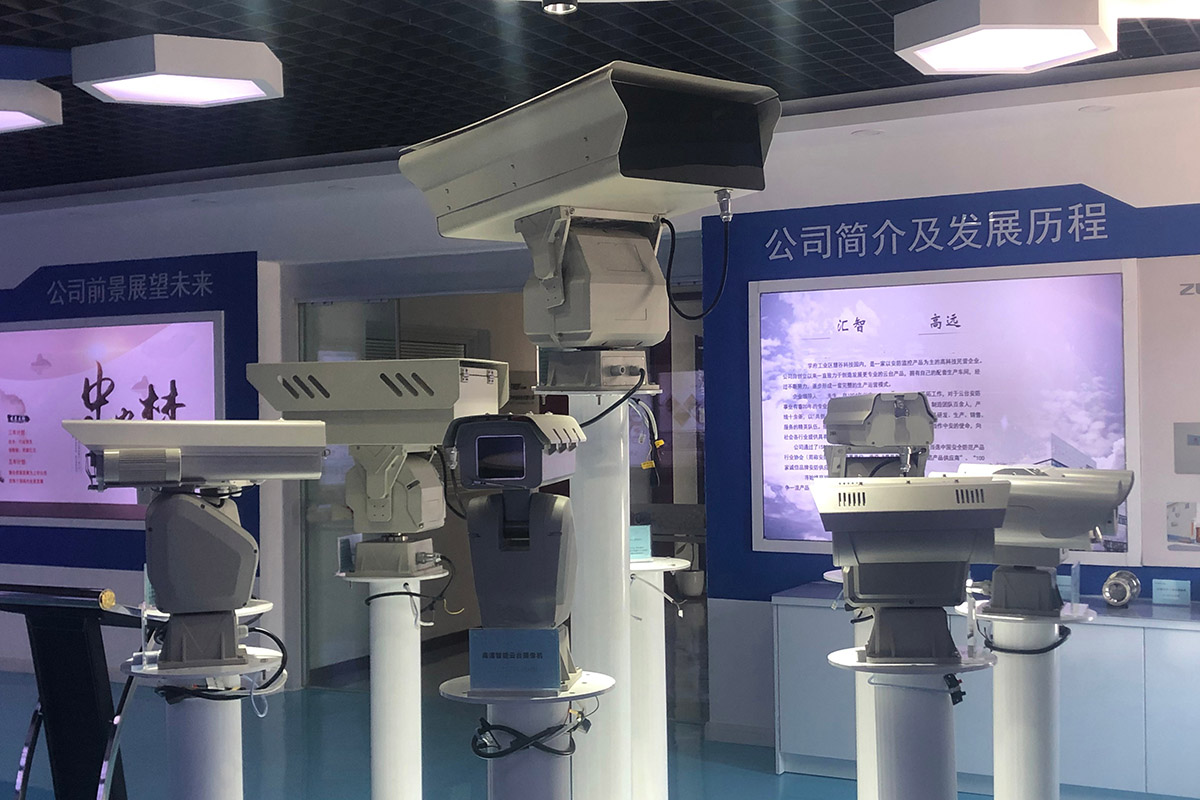
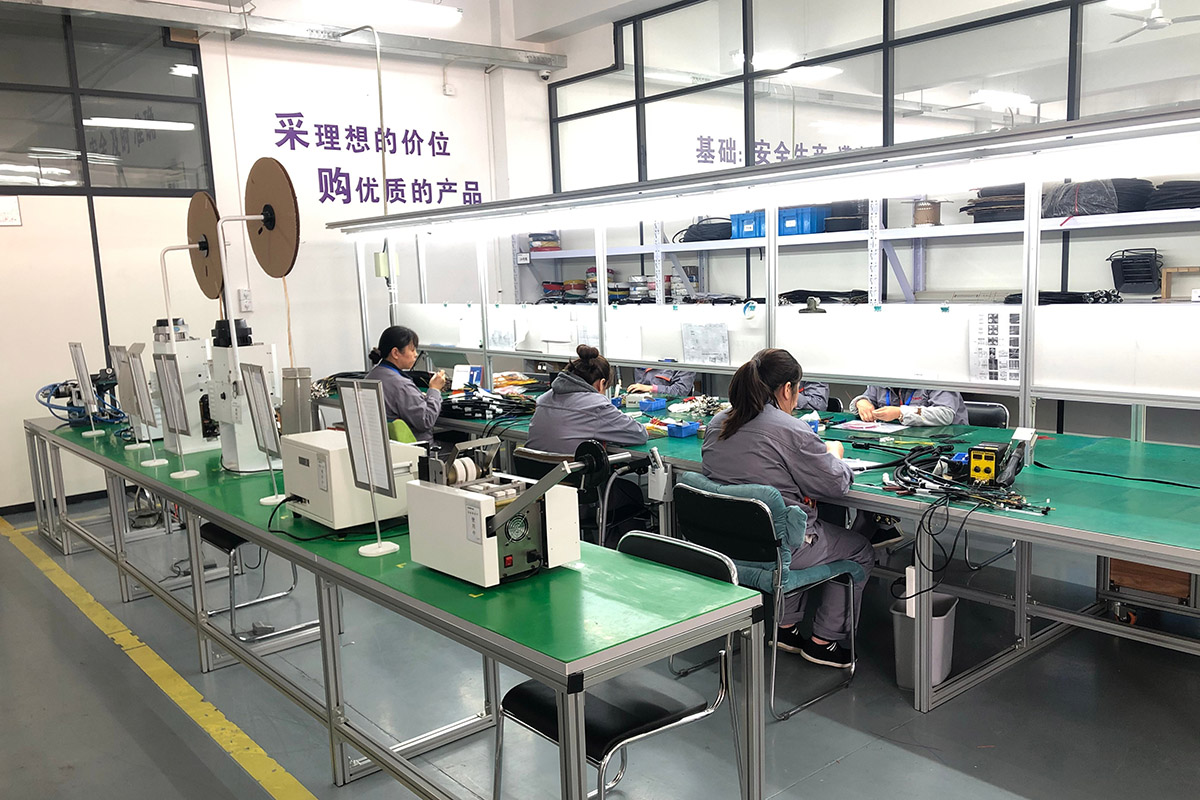
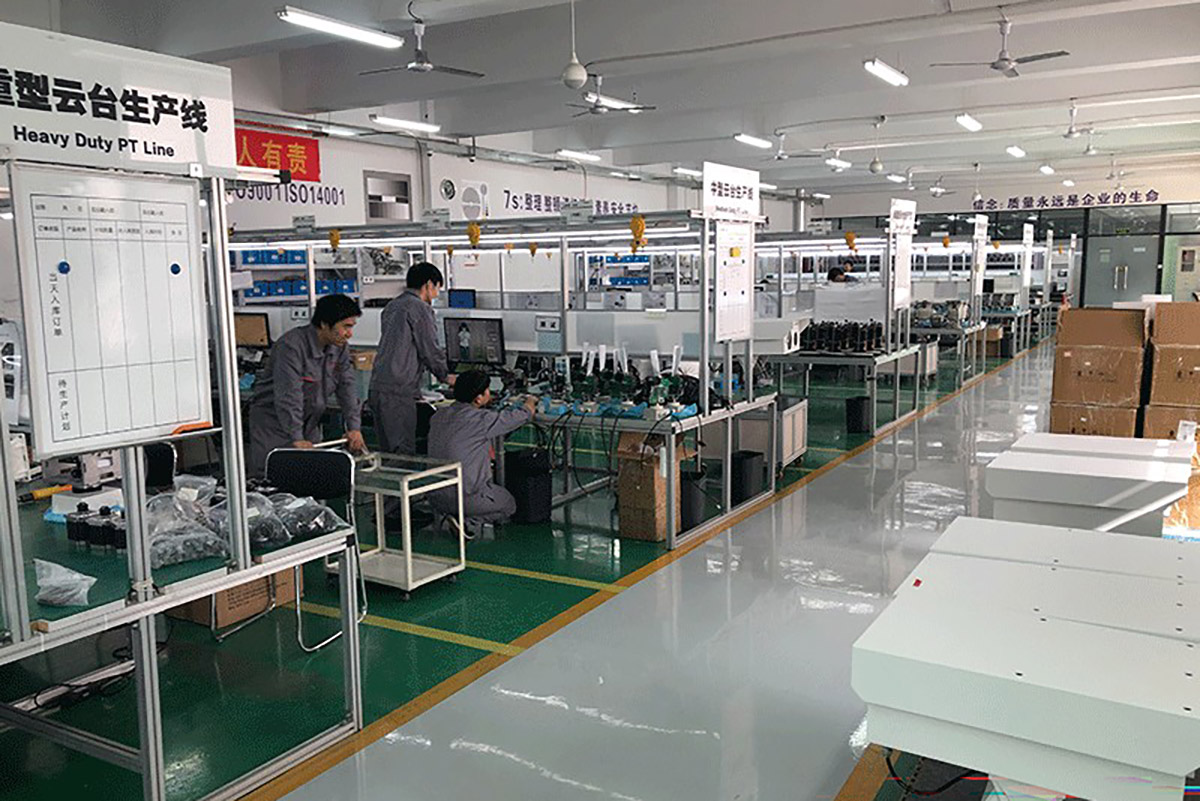
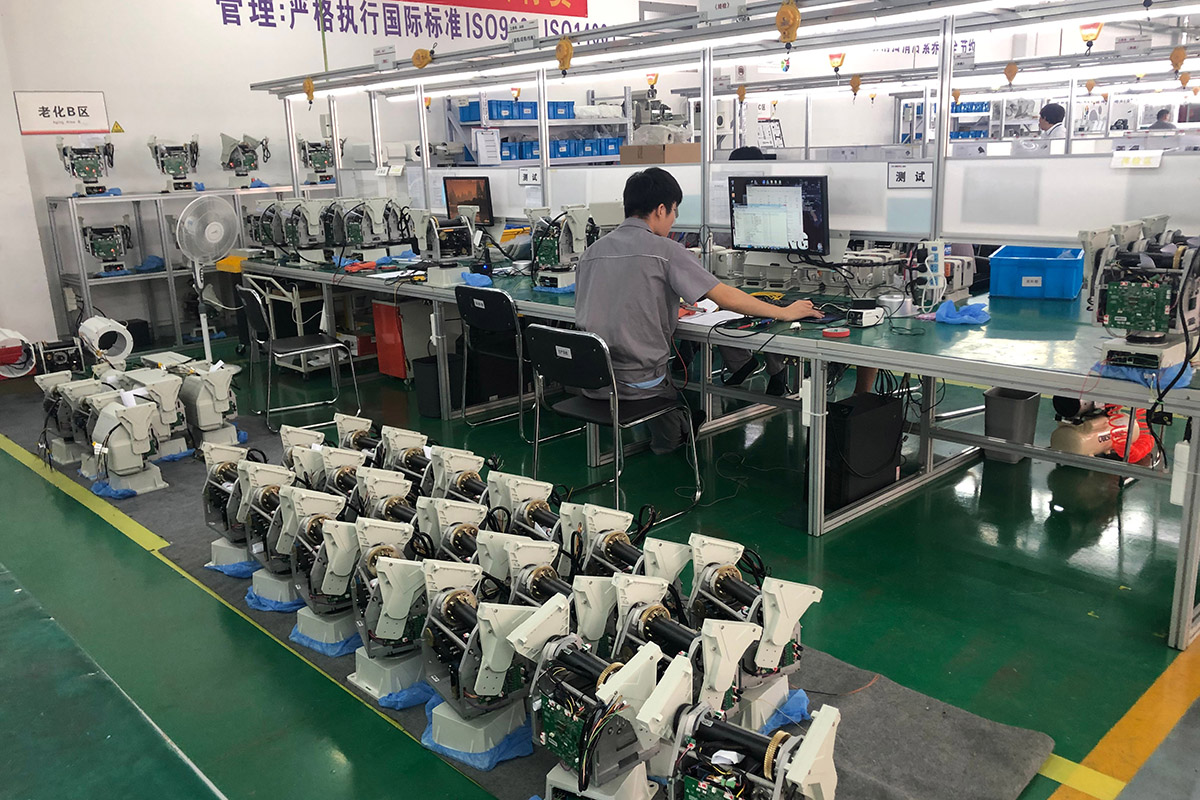
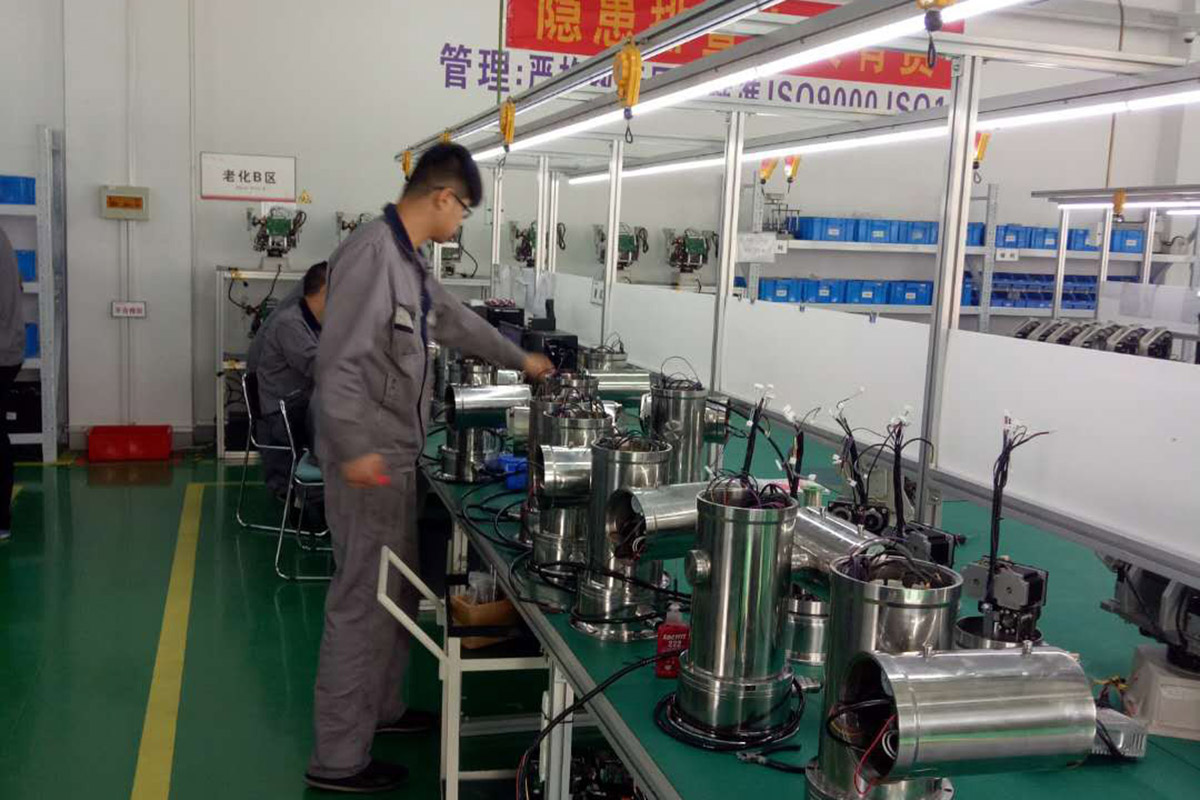
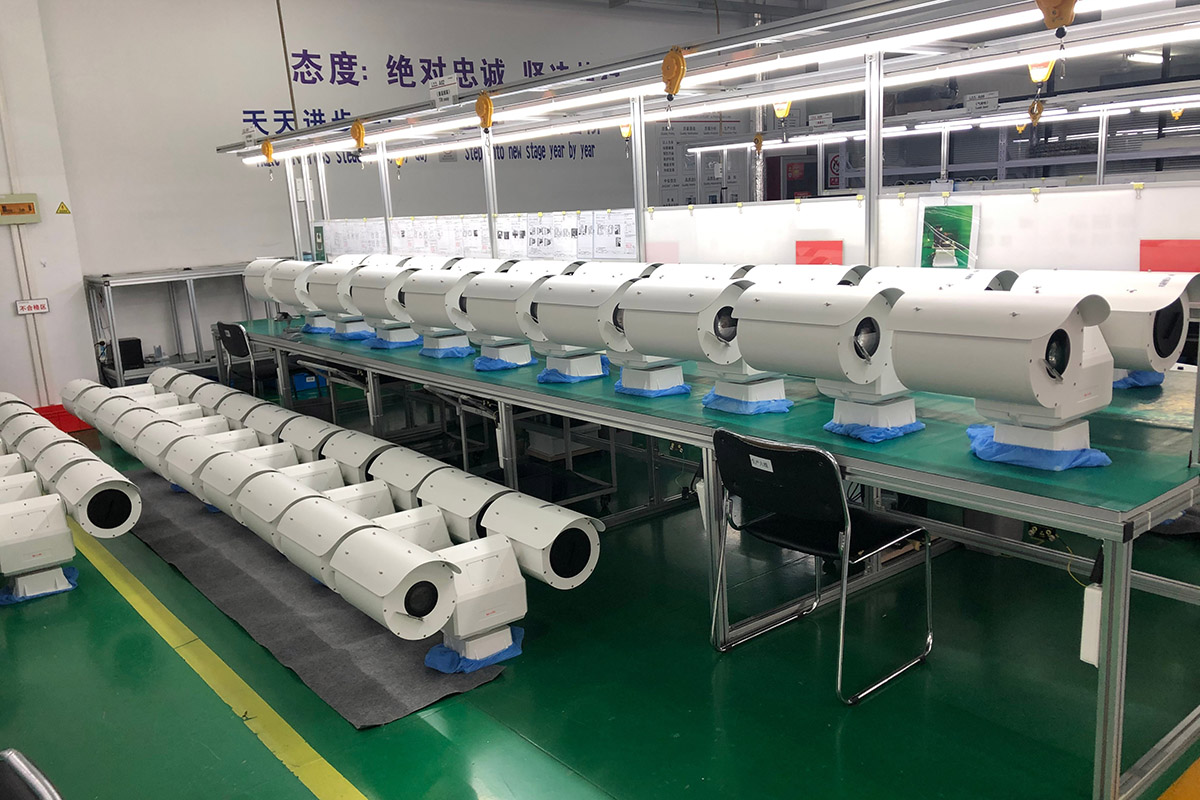
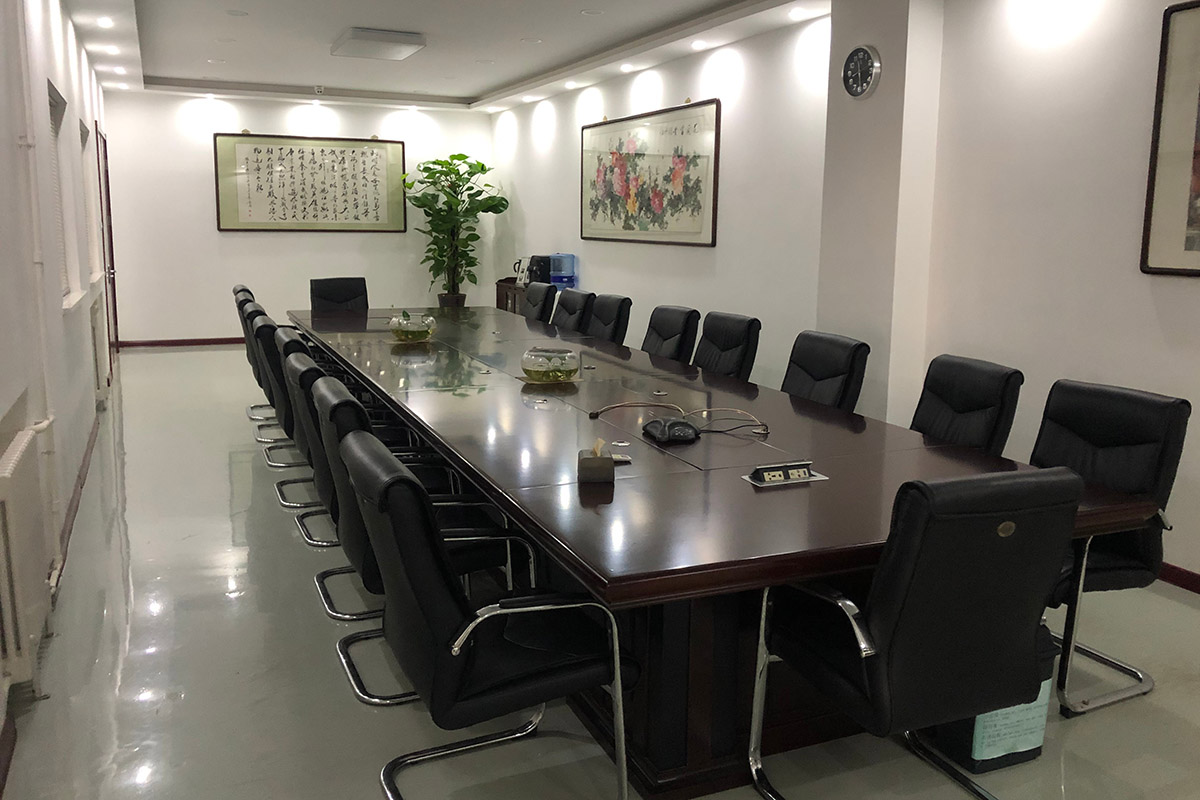
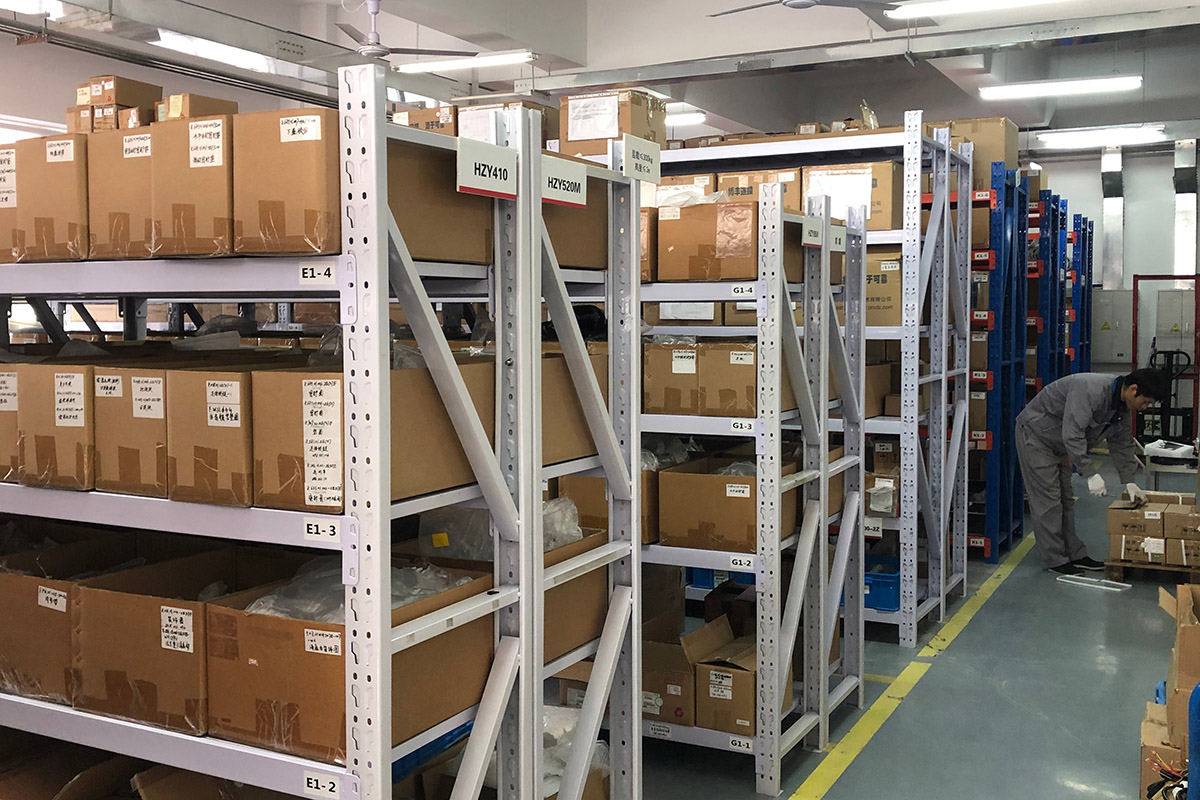
Inside our production facility in Tianjin, China.
Technical answers to common questions about industrial storage boxes and positioning hardware.
The choice depends on the size of the payload, expected production volumes, and tooling requirements. Injection molding offers high precision and is cost-effective for high-volume runs of small to mid-sized cases. Rotational molding features thicker walls and stress-free corners without high tooling costs, making it ideal for larger, heavy-duty equipment like telescopic masts and tripods.
When a transport box experiences rapid altitude changes (such as in air transit or mountain shipping), the pressure difference can warp the container walls or make them difficult to open. Integration of automated venting valves, using membranes like polytetrafluoroethylene (PTFE), allows air molecules to pass freely while blocking water molecules and dust, preserving the seal integrity.
Heavy positioning hardware requires high-density closed-cell cross-linked polyethylene foam (typically 2.2 lb/cu ft to 4.0 lb/cu ft density). Closed-cell foam resists crumbling, does not absorb water, and provides excellent load-bearing capacity under high dynamic shock loads. This ensures the precision gears of the positioner do not experience excessive force during transit.
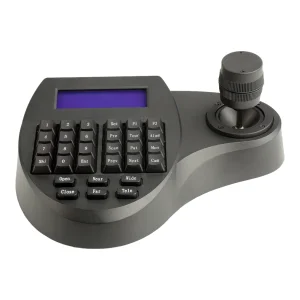
Yes. Through OEM and ODM design processes, we create custom layouts that package the pan-tilt head, wall brackets, keyboard controllers (such as RS485/RS422 controllers), cabling, and camera housings in a single transport box, streamlining field operations.
Explore our complete range of heavy-duty positioners, camera housings, and system controllers.