 BIT-CCTV
BIT-CCTV
BIT-CCTV
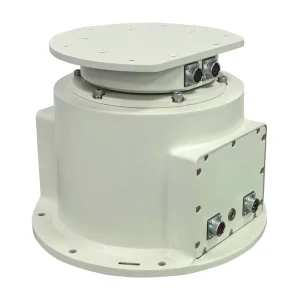
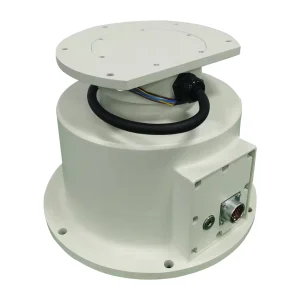
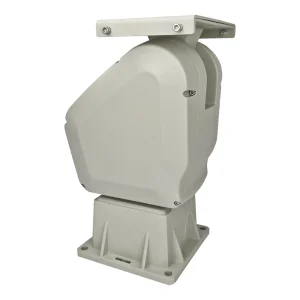
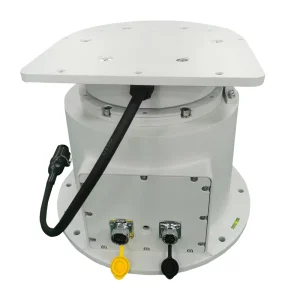
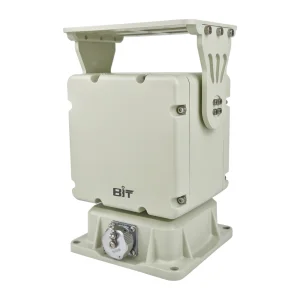
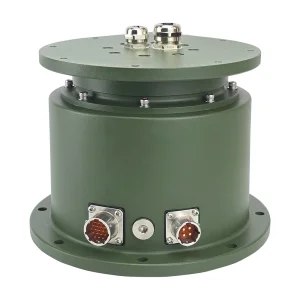
Heavy-duty rotators, precision pan-tilts, and ruggedized support structures engineered for rapid deployable antenna masts.
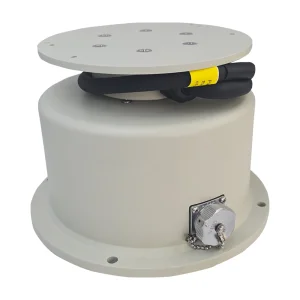
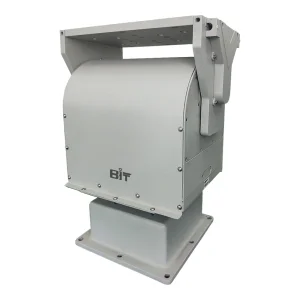
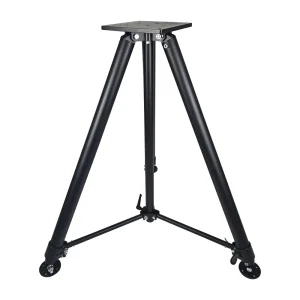
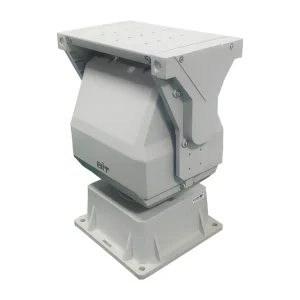
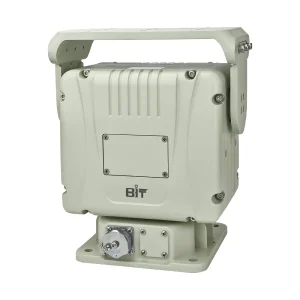
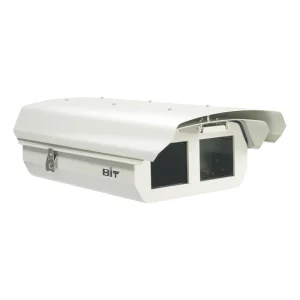
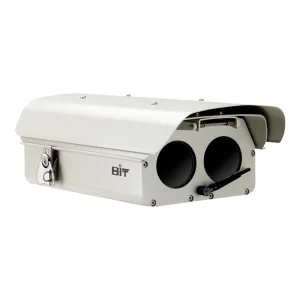
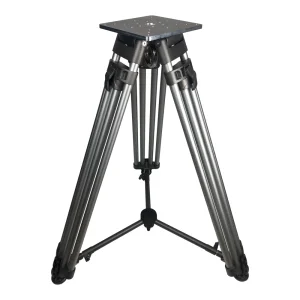
In modern telecommunications, surveillance, and emergency operations, deploying equipment at elevation with high structural stability is crucial. A portable telescoping antenna mast is a deployable vertical support system designed to raise antennas, cameras, sensors, and lighting systems to desired heights. These masts collapse into compact transport states, making them essential for dynamic operations.
Ensuring stability at heights up to 30 meters requires advanced material selection and structural engineering. The interaction between mechanical linkages, locking mechanisms, and dynamic wind loading dictates the mast's operational envelope. Modern telescoping masts must balance light weight for portability with high torsional stiffness to prevent sensor alignment drift. This is critical for directional microwave links and long-range optical PTZ surveillance cameras.
China's industrial landscape, particularly within specialized manufacturing hubs like Tianjin, provides a unique ecosystem for high-precision engineering. As the home of leading pan-tilt and mechanical positioning innovators like Blue Icon (Tianjin) Technology Co. Ltd., the region integrates the entire production cycle. This spans from raw material extrusion to high-precision CNC machining and surface treatment.
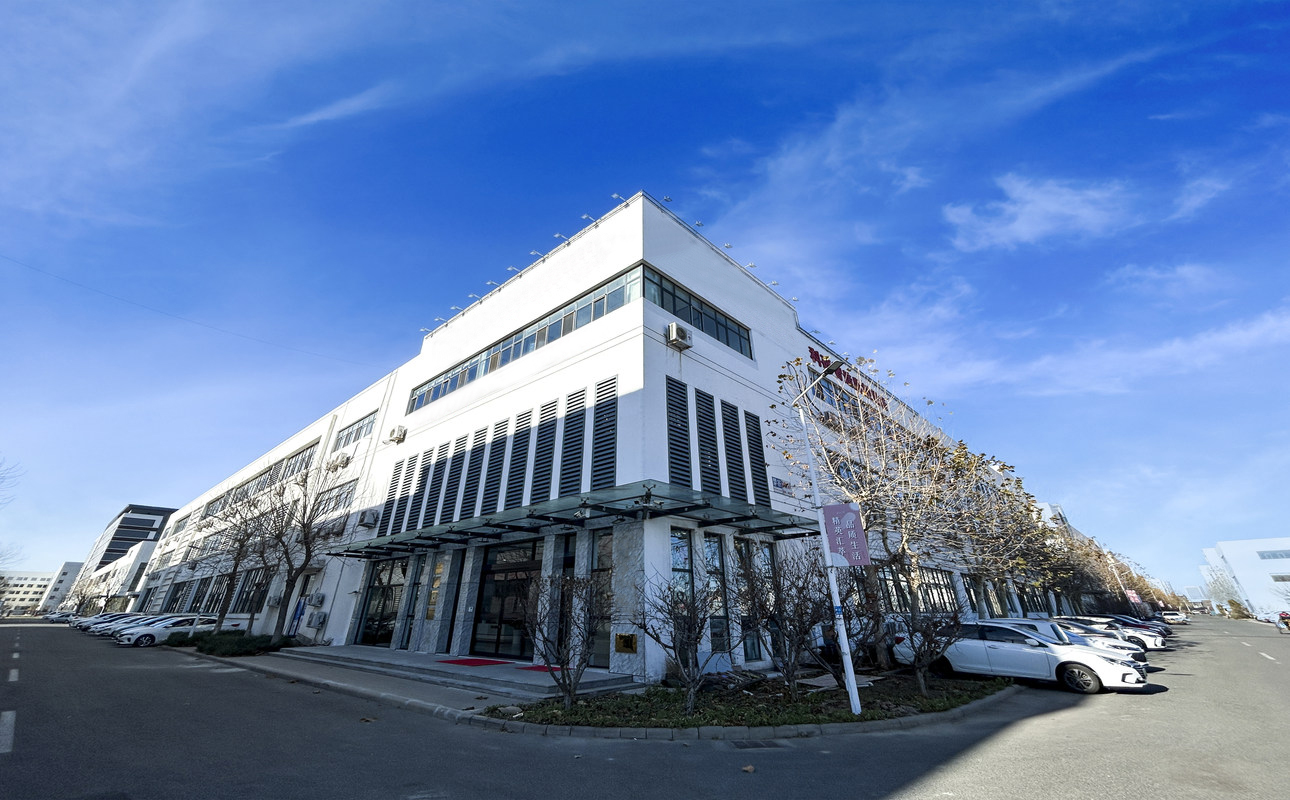
Established in 2005, Blue Icon is a national high-tech enterprise specializing in heavy-duty CCTV surveillance accessories, pan-tilts, and deployable mast accessories.
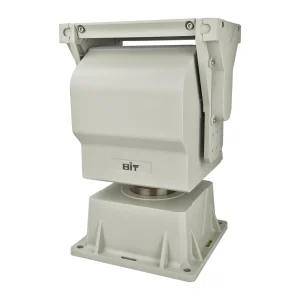
Blue Icon (Tianjin) Technology Co. Ltd. design, engineer, and manufacture customized CCTV surveillance equipment. Their portfolio features heavy-duty pan-tilt heads/positioners with capacities from 3kg to 150kg, long-range laser PTZ systems, IR thermal cameras, dual-vision systems, camera housings, and high-strength mounting brackets.
The global deployable structures market is undergoing a transition driven by modernization in tactical communication and civil defense infrastructure. Key developments reshaping the industry include:
Carbon fiber masts are replacing traditional aluminum due to their high strength-to-weight ratio and low thermal expansion. This ensures antenna pointing accuracy under extreme temperature swings.
Pneumatic and motorized masts are integrating smart controllers. These systems feature automated level sensing, remote height adjustment, and automatic nesting sequences triggered by wind sensors.
Masts are evolving into self-sustaining platforms by integrating micro solar panels and small wind turbines at the mast head to power remote telemetry equipment.
As 5G rollouts and low-Earth-orbit (LEO) satellite communications expand, there is growing demand for rapid-deploy base stations. Masts must deploy within minutes, survive harsh environments, and support complex RF cables.
Field applications demonstrating our pan-tilt systems and telescopic support structures globally.
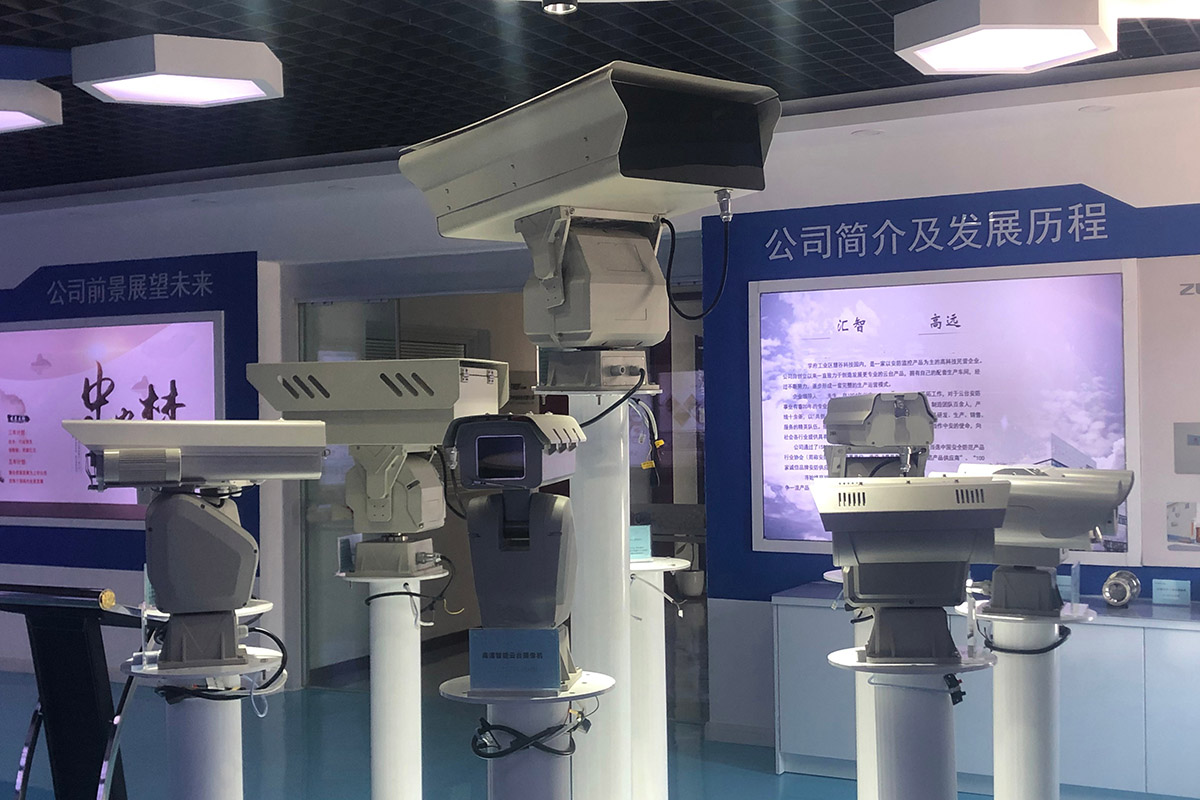
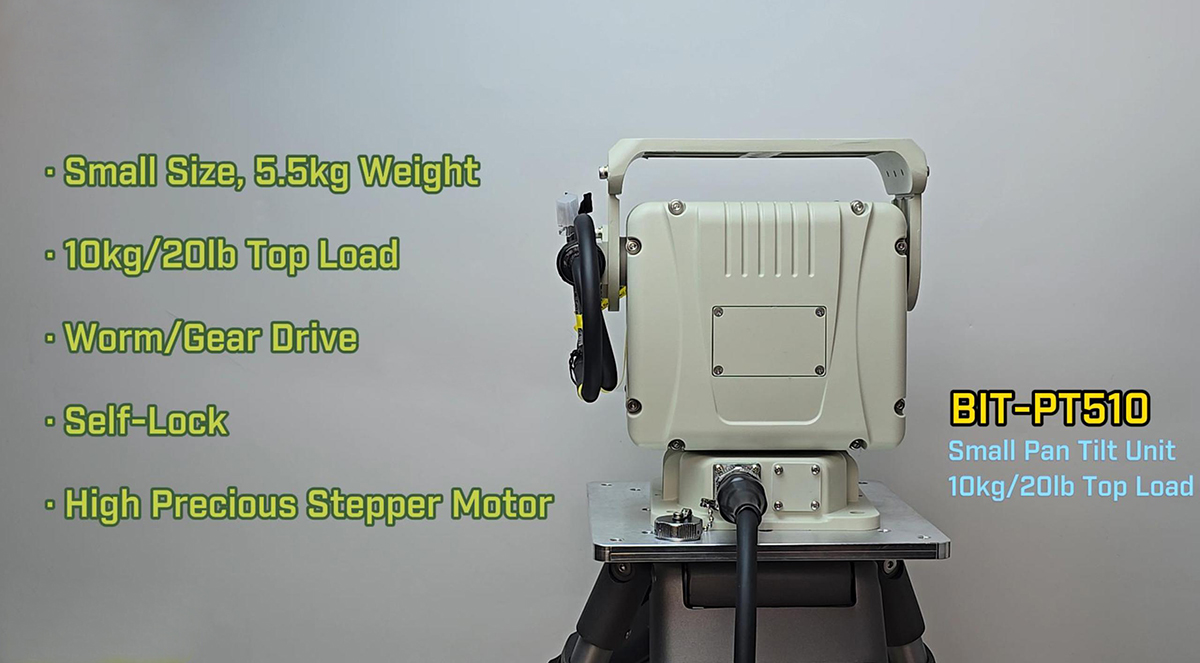
Features 360° pan rotation and ±60° tilt rotation with speeds up to 30°/S. Capable of loading devices like camera housings, spotlights, and loudspeakers on deployable poles for coastal defense and wildfire monitoring.
All units feature weatherproofing, corrosion resistance, and work with mast cable management systems.
Deploying high-frequency telemetry devices requires integrating the mast, the mechanical positioner, and the payload. Global defense, municipal, and telecom buyers focus on structural integrity and system interoperability.
Masts act as vertical cantilevers subject to aerodynamic drag. Engineers use Finite Element Analysis (FEA) to calculate the mast's deflection curve under load. For directional point-to-point microwave systems, angular deflection must remain within <0.5°. This stability requires custom guy-wire systems, hydraulic tensioners, or high-tensile locking collars.
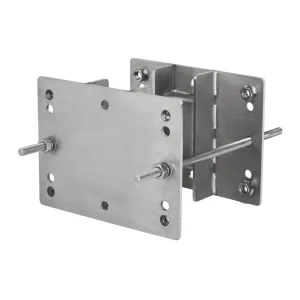
Masts must survive dust storms, salt fog, and sub-zero temperatures. Anodization to MIL-A-8625 Type III (Hard Anodizing) provides a corrosion-resistant barrier. Masts deployed in marine or coastal zones use custom stainless steel brackets (Grade 316) to prevent galvanic corrosion between dissimilar metals.
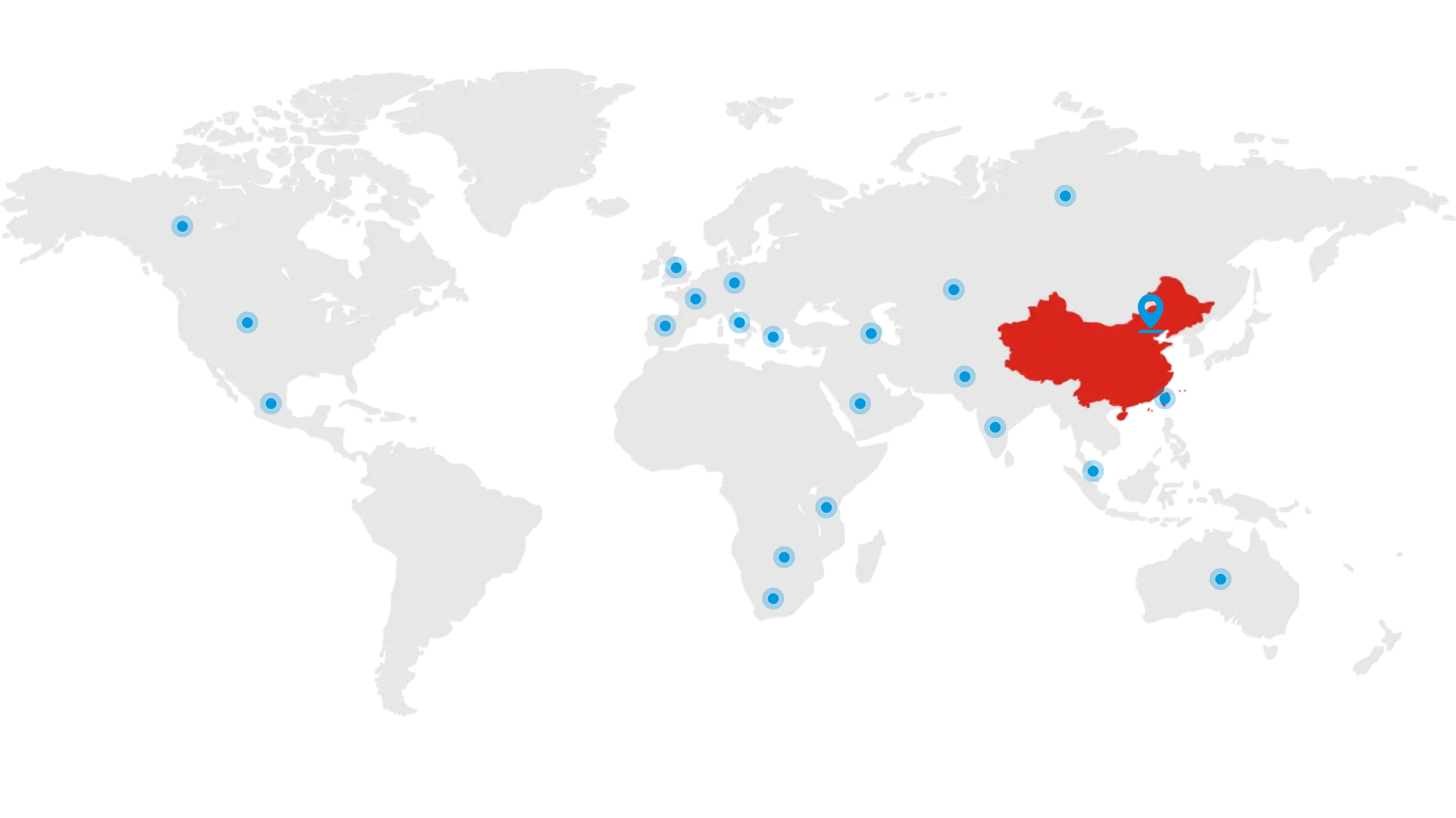
Our commitment to international standards is backed by 50+ national patents and a continuous 10% R&D investment.
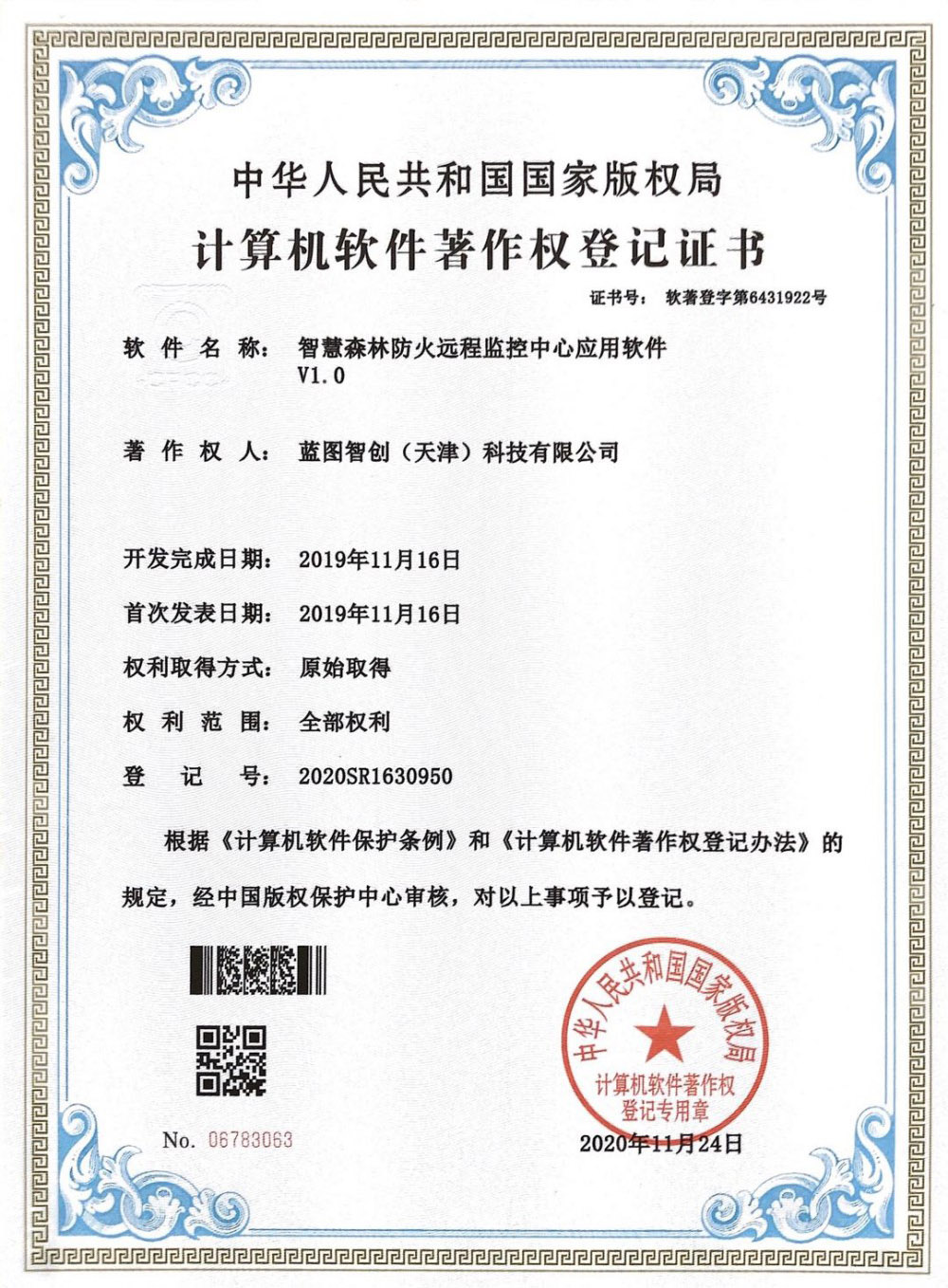
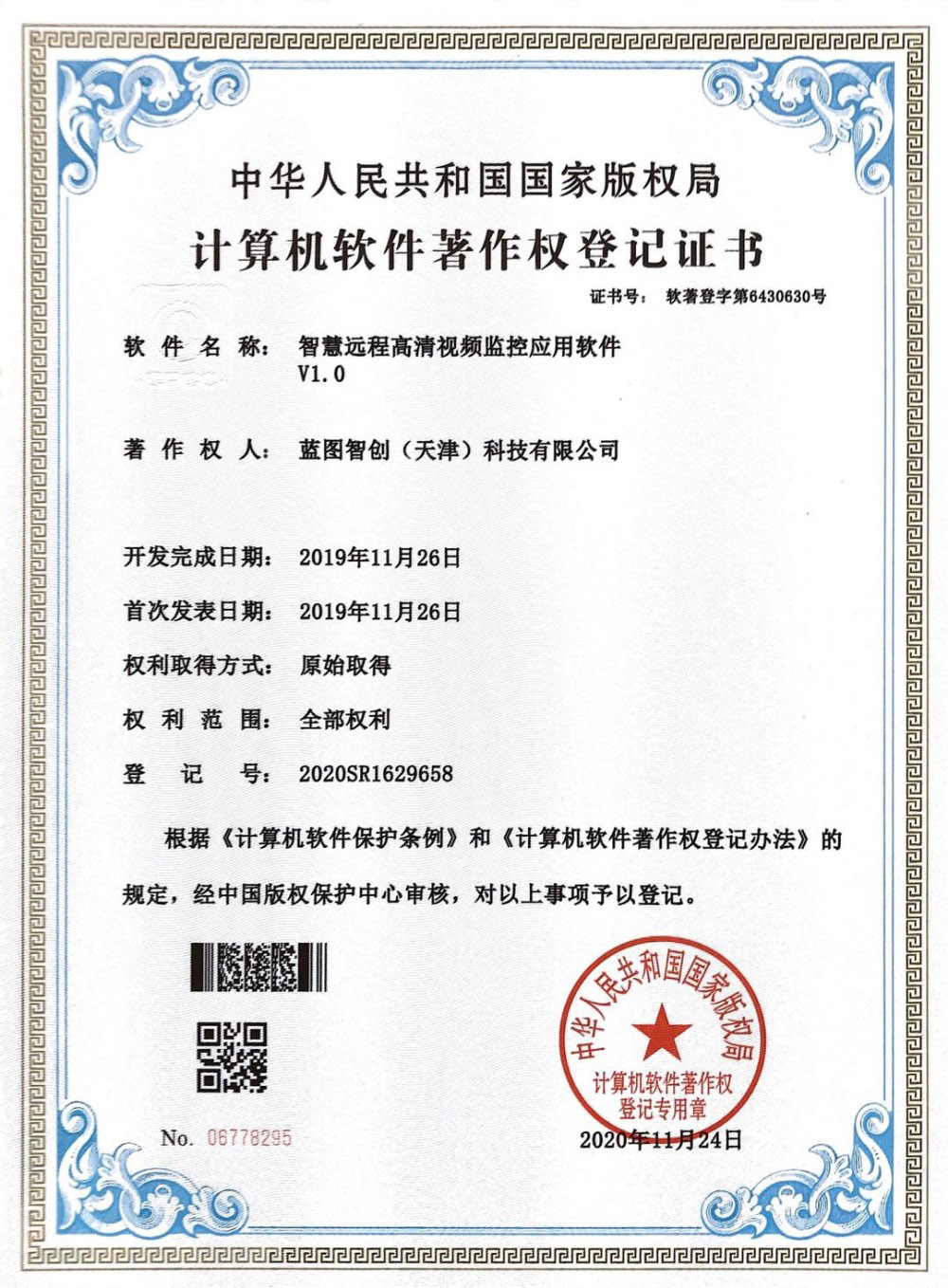
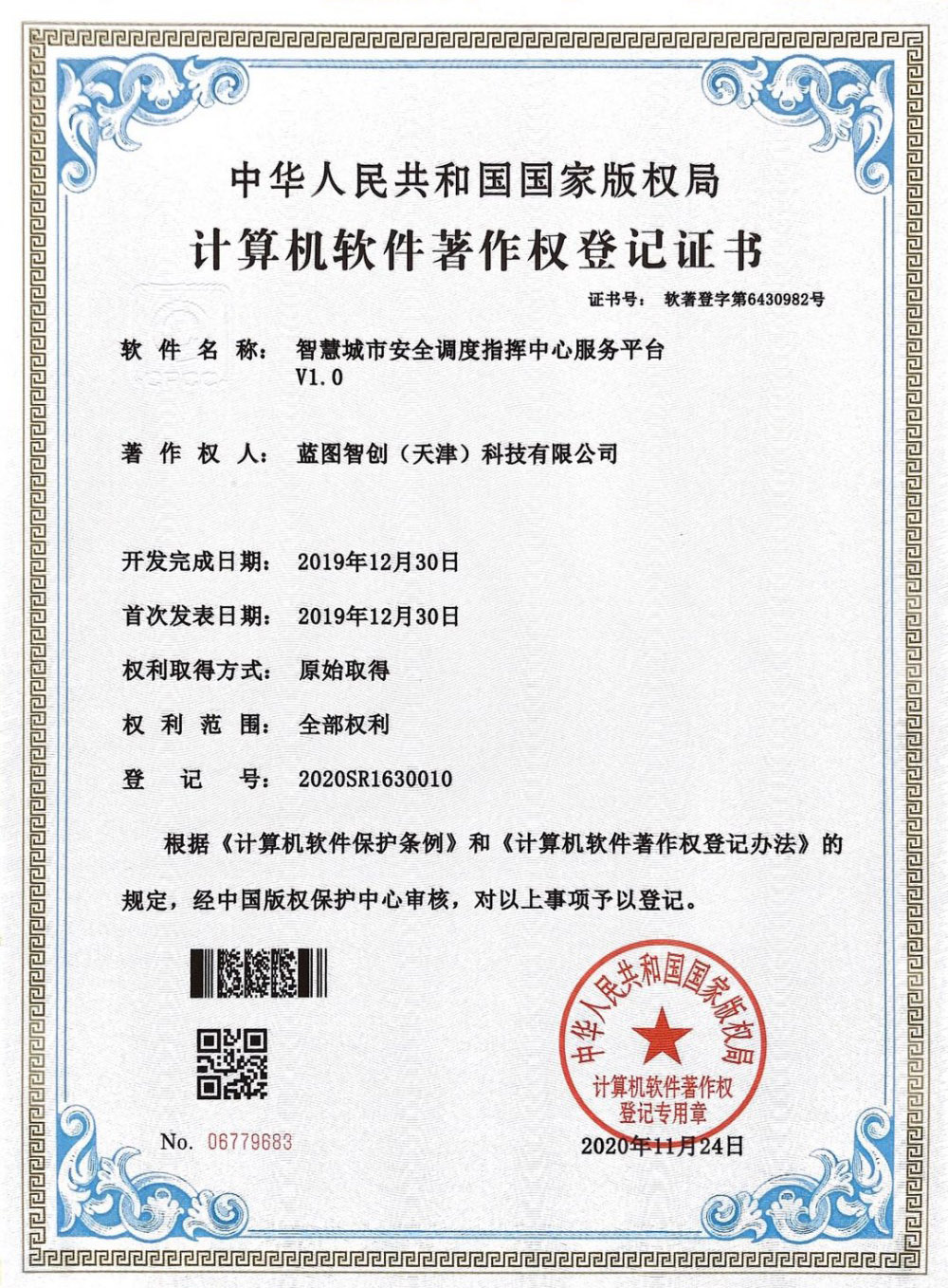
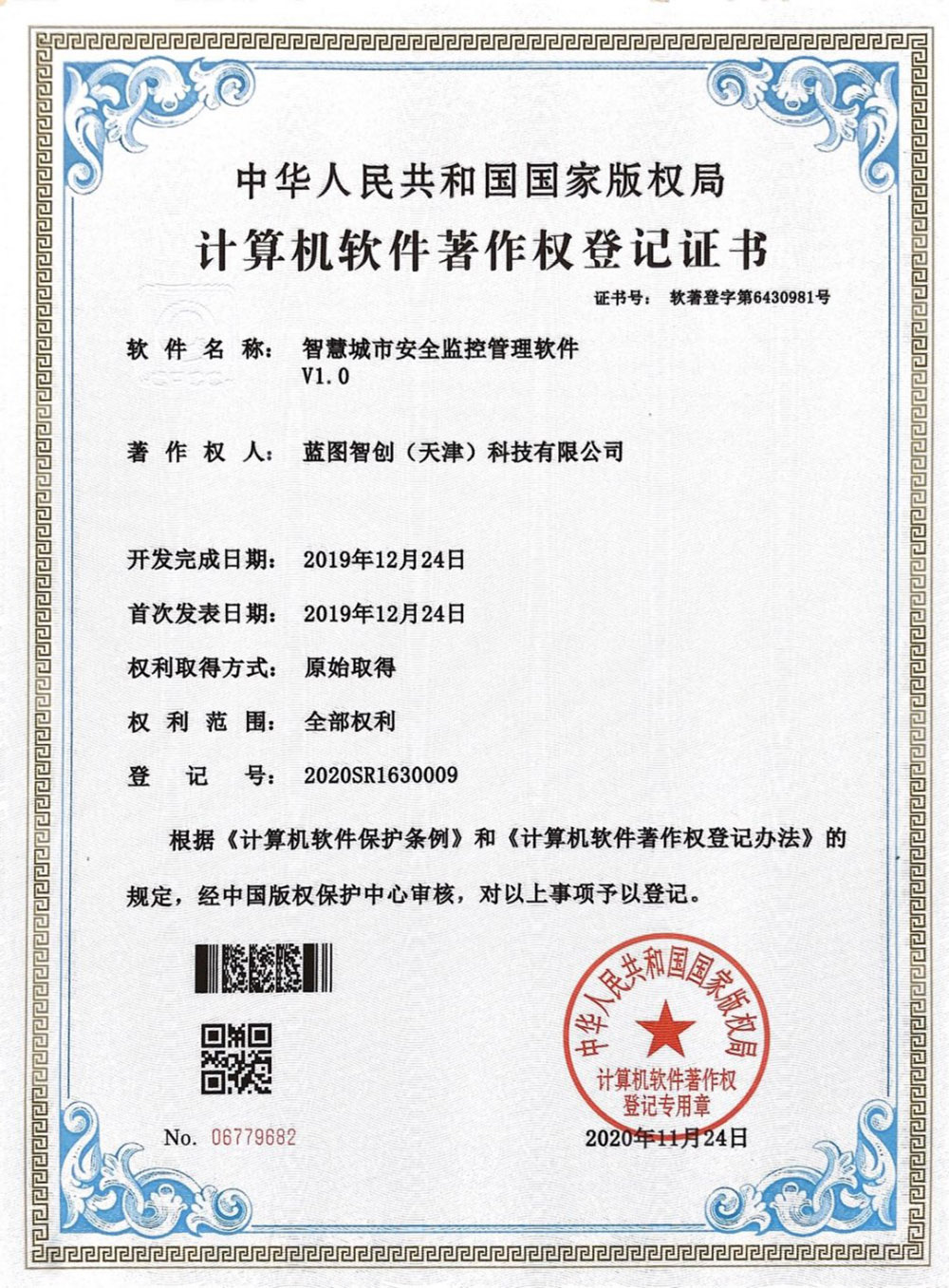
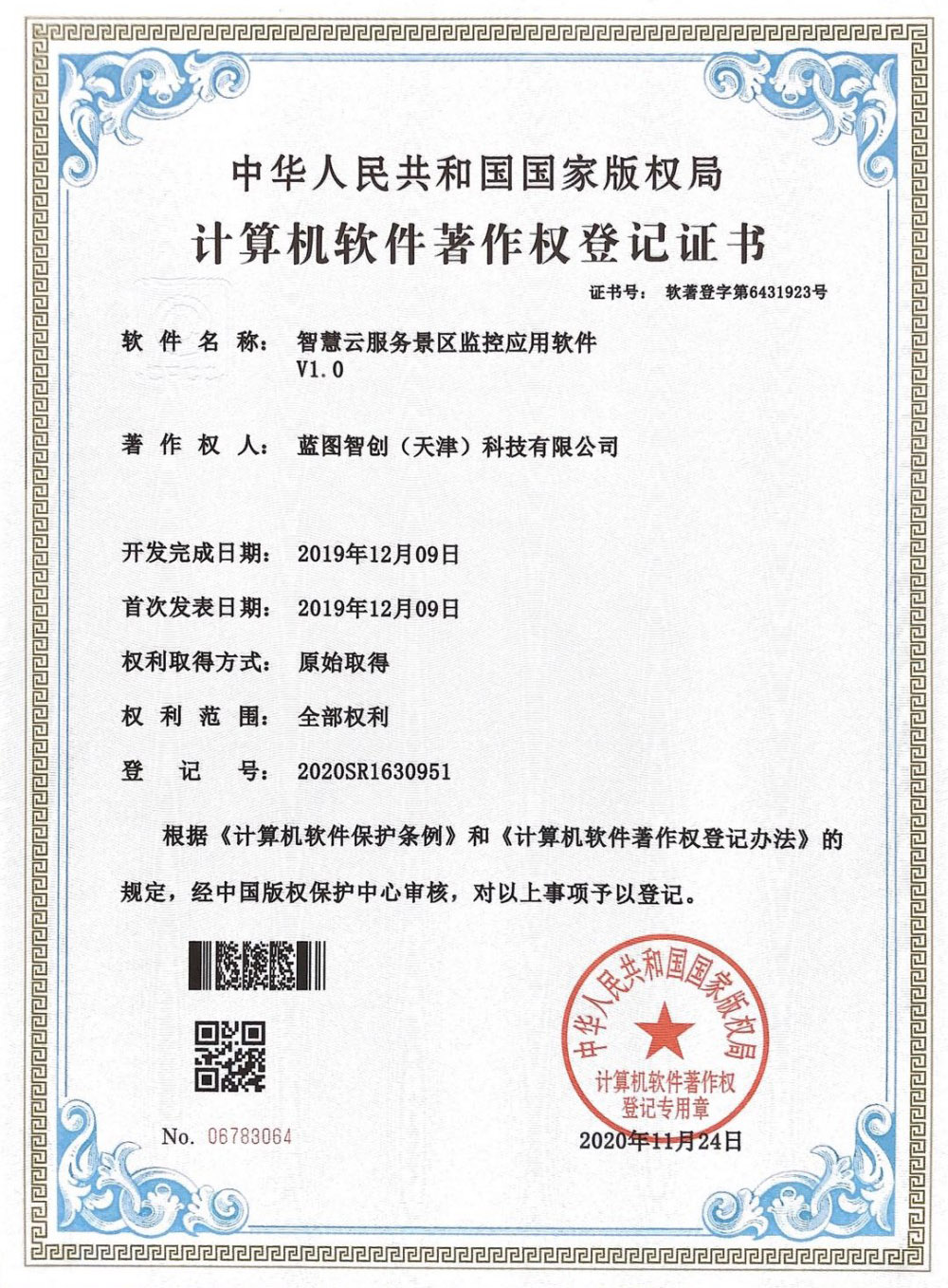
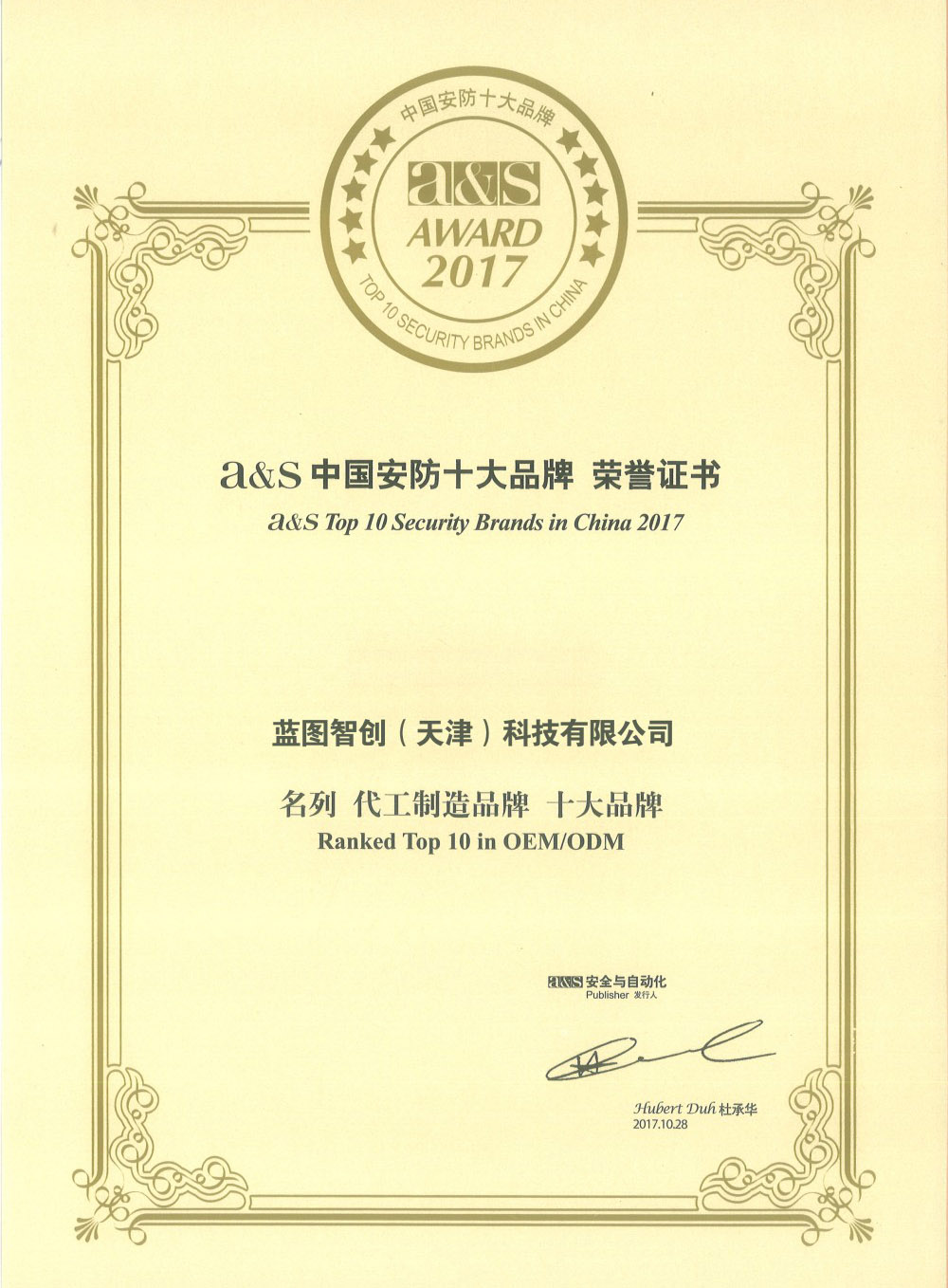
Engineering components and positioning systems used in over 50 countries across five continents.






Expert technical answers addressing core design, safety, and integration challenges of telescoping mast systems.
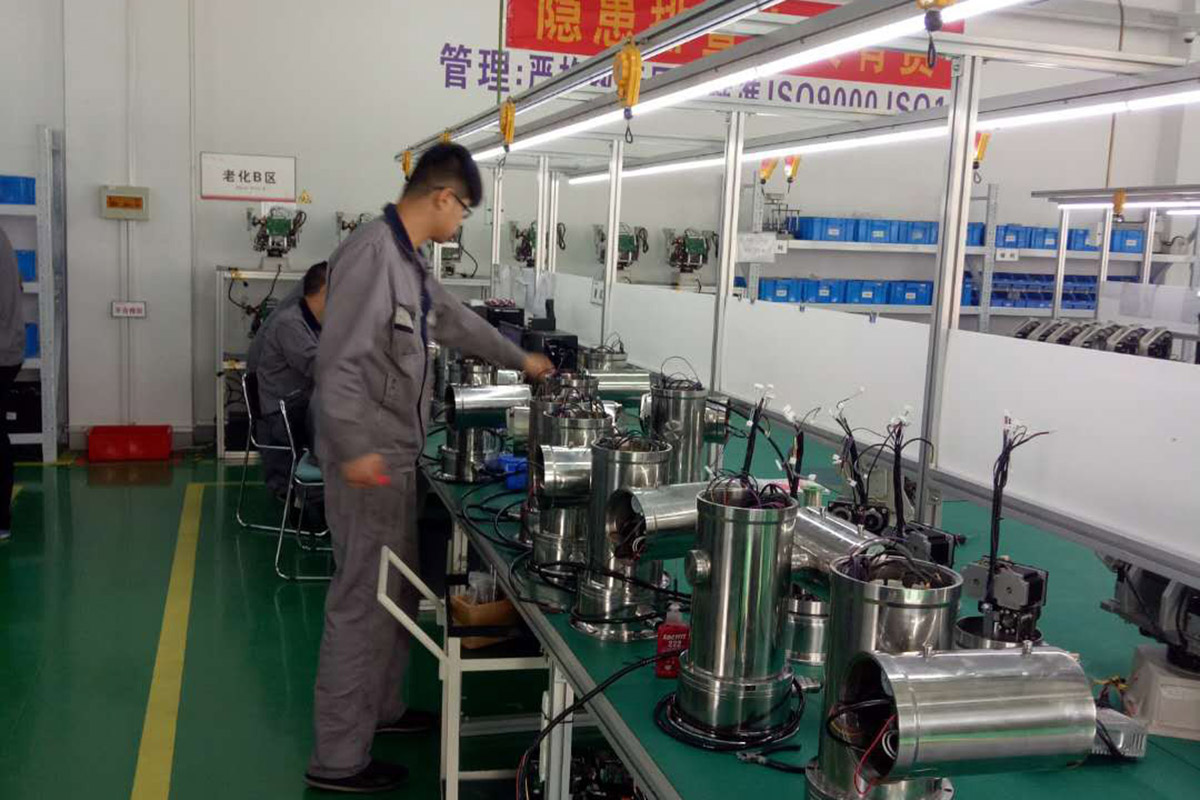
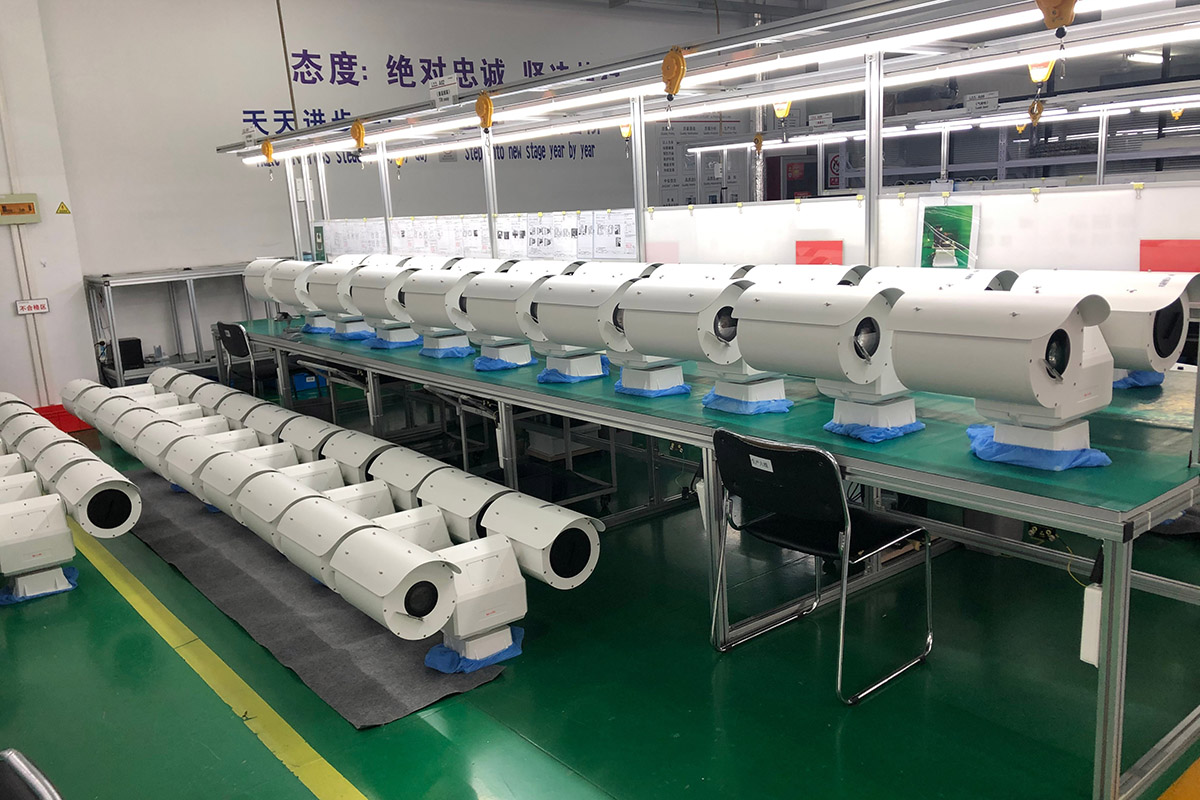
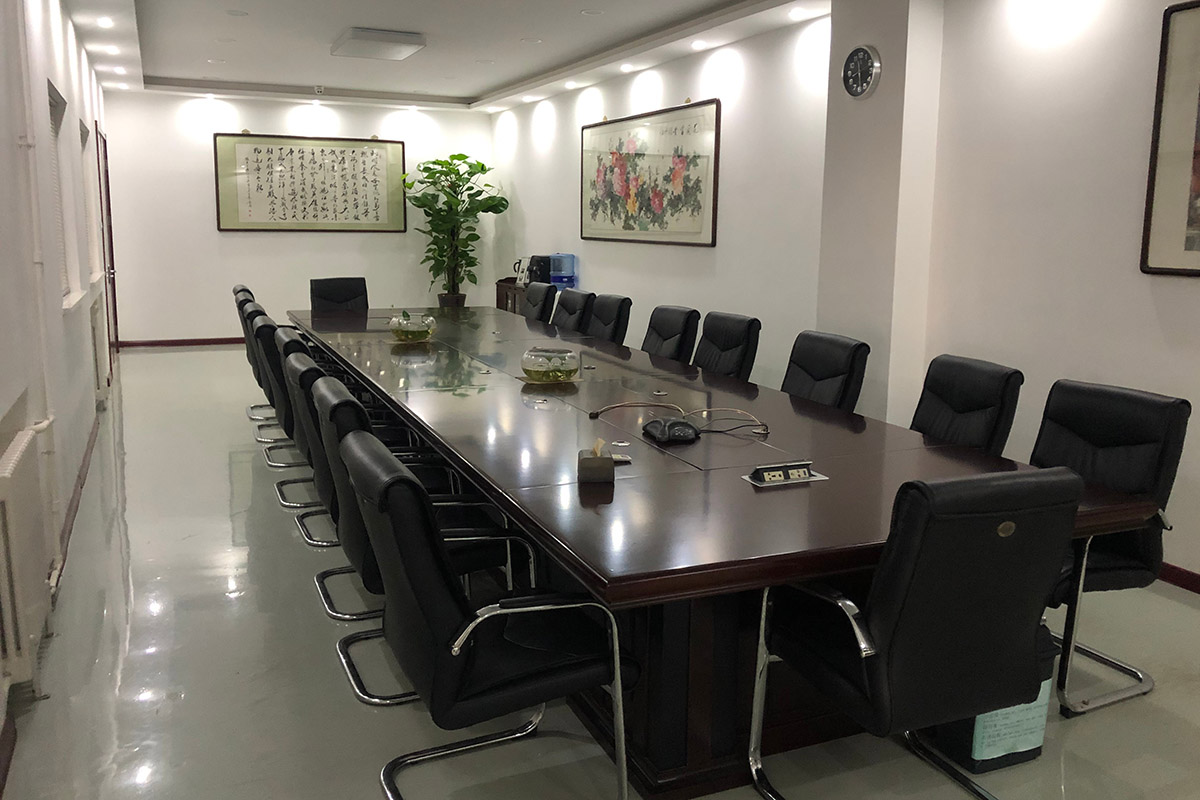
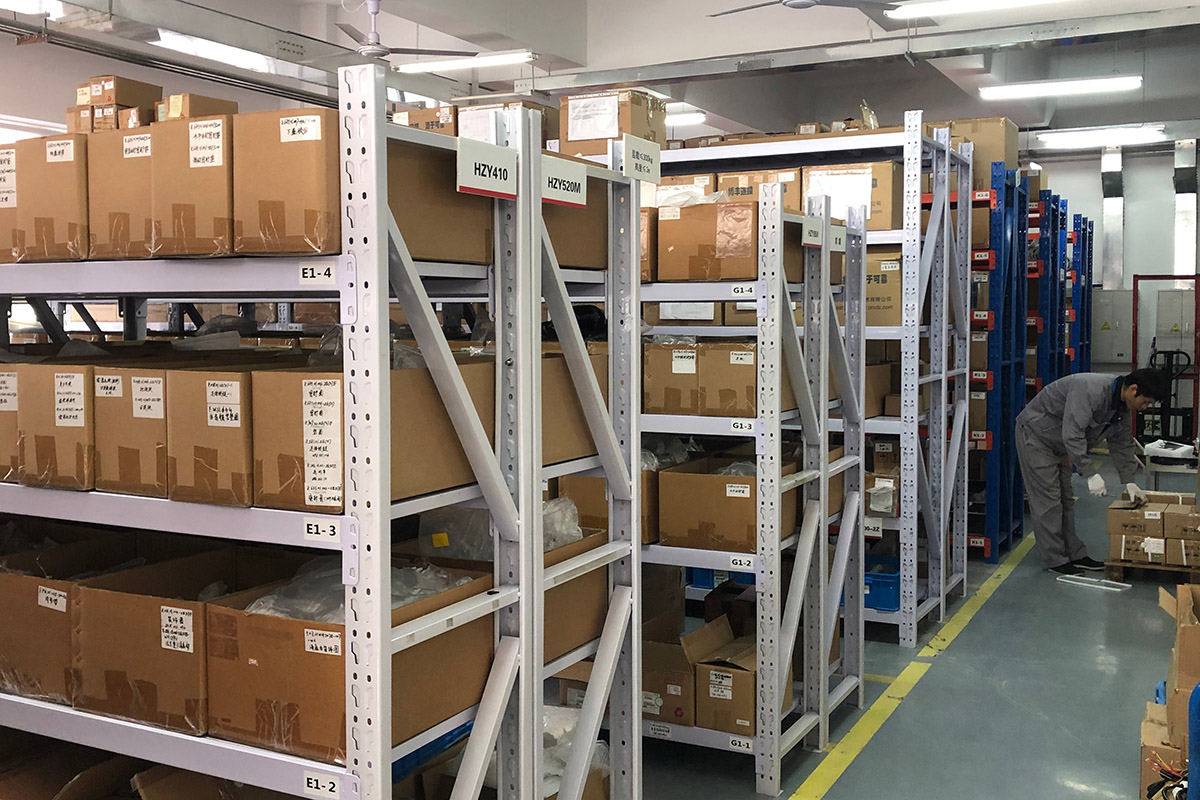
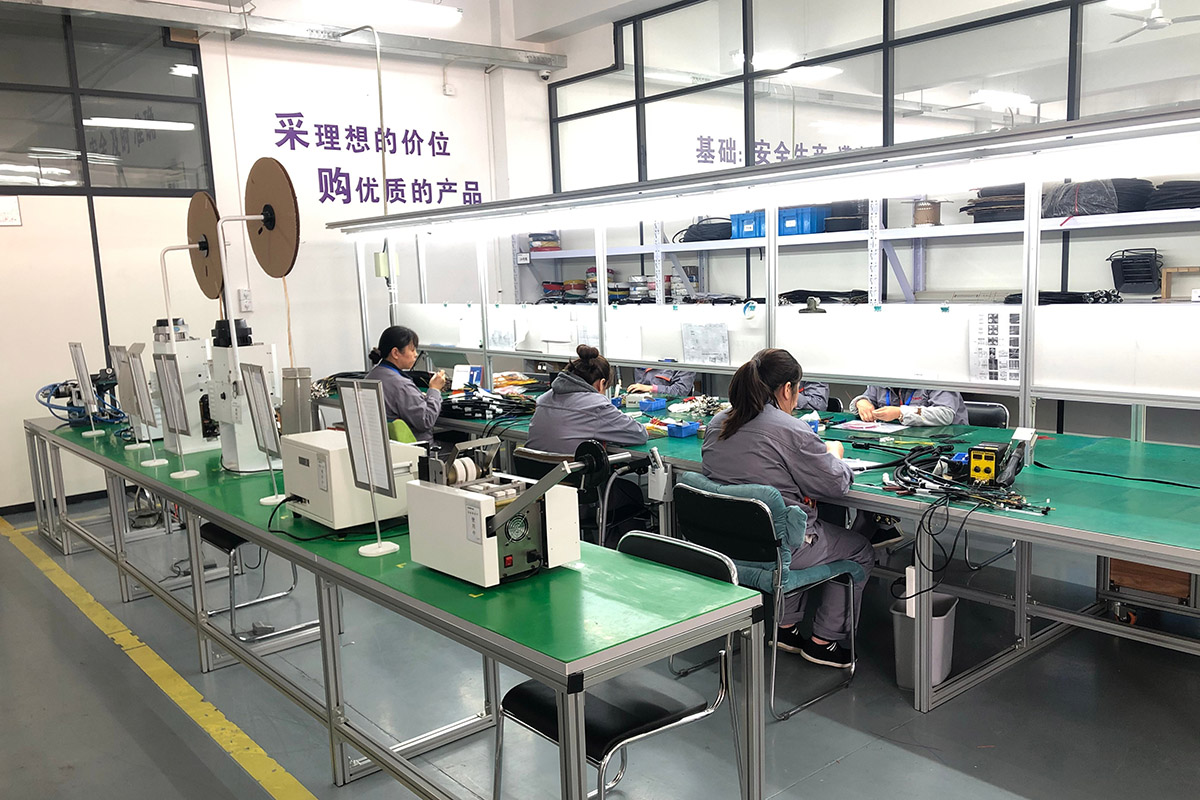
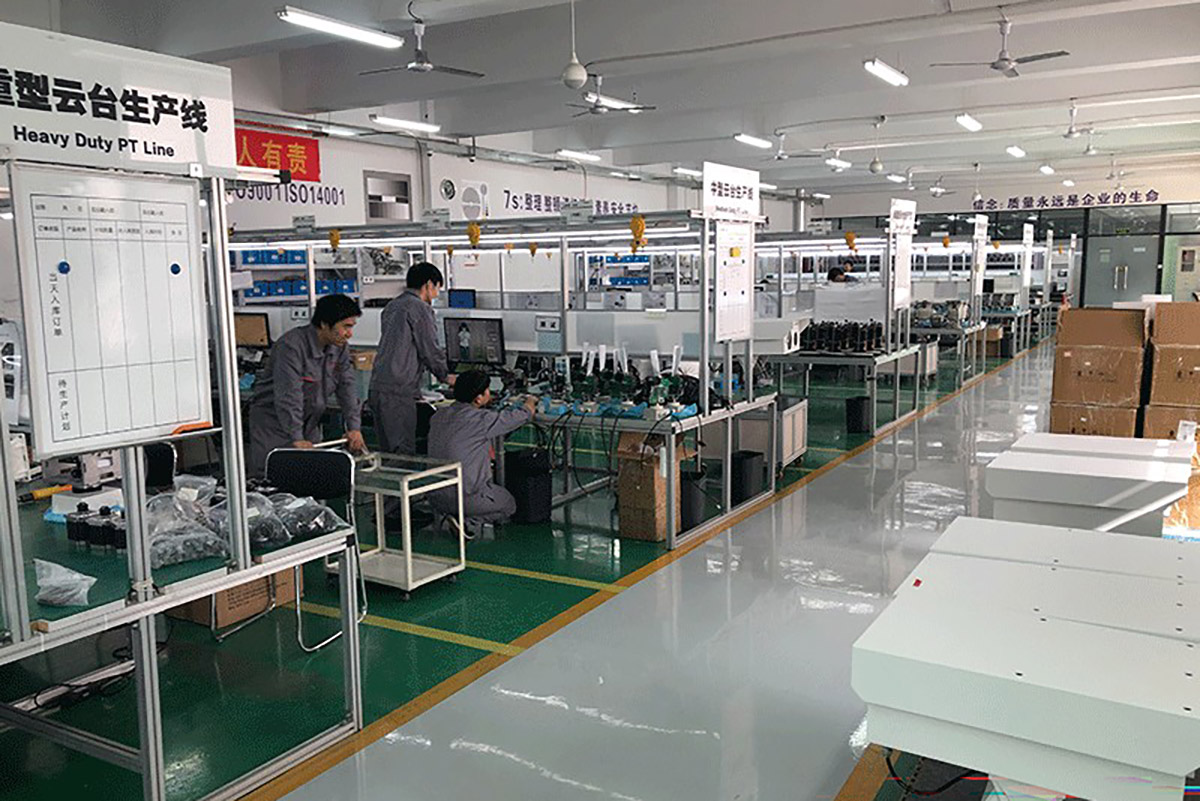
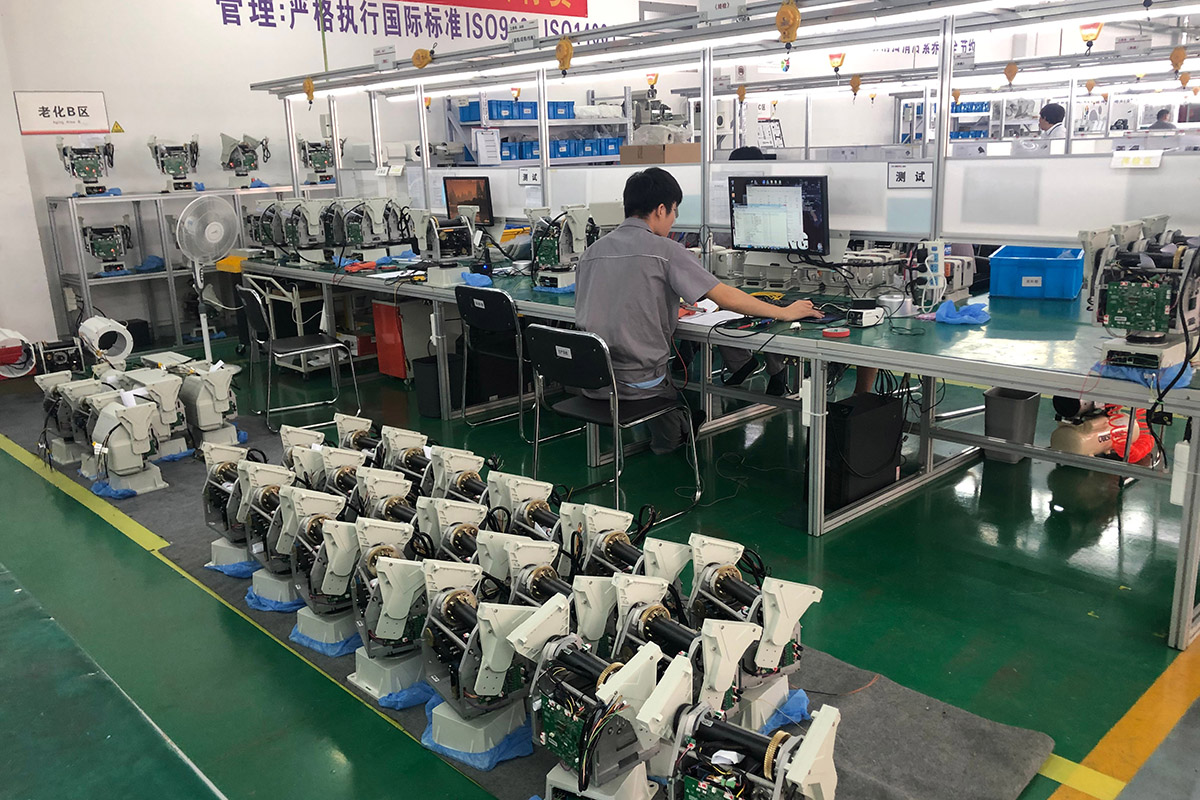
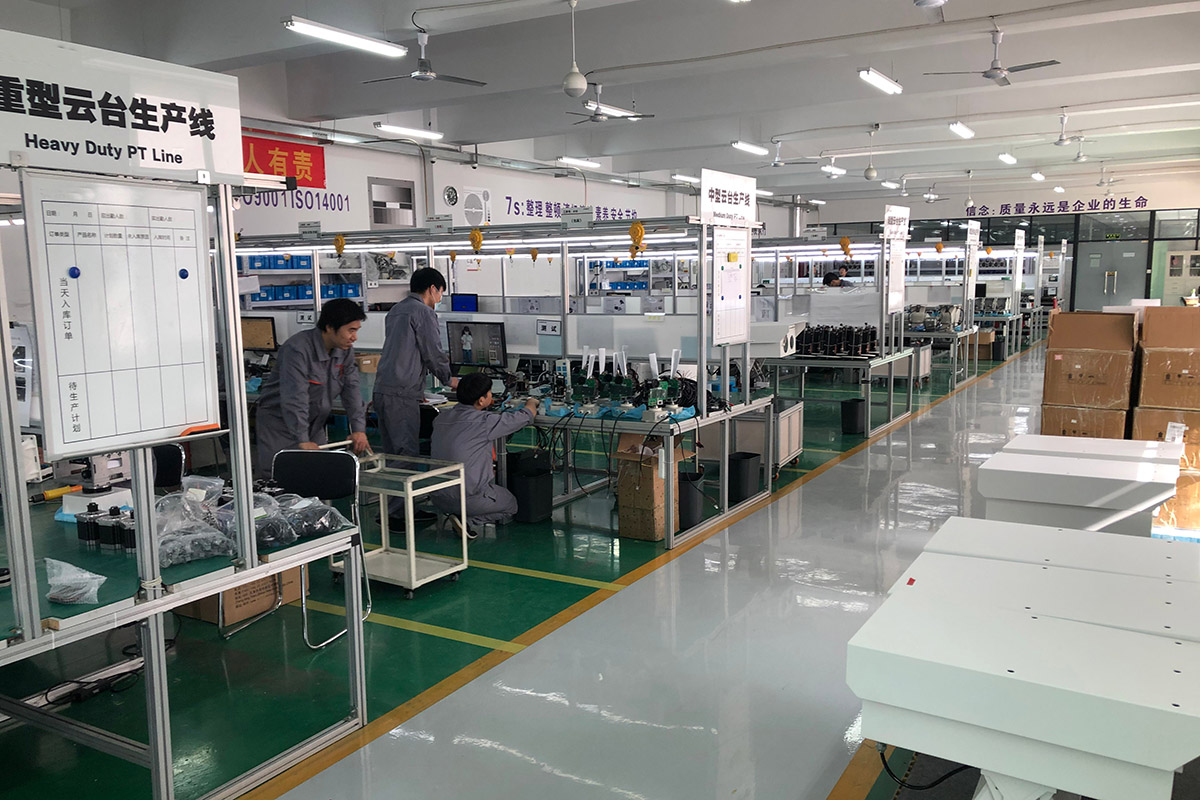
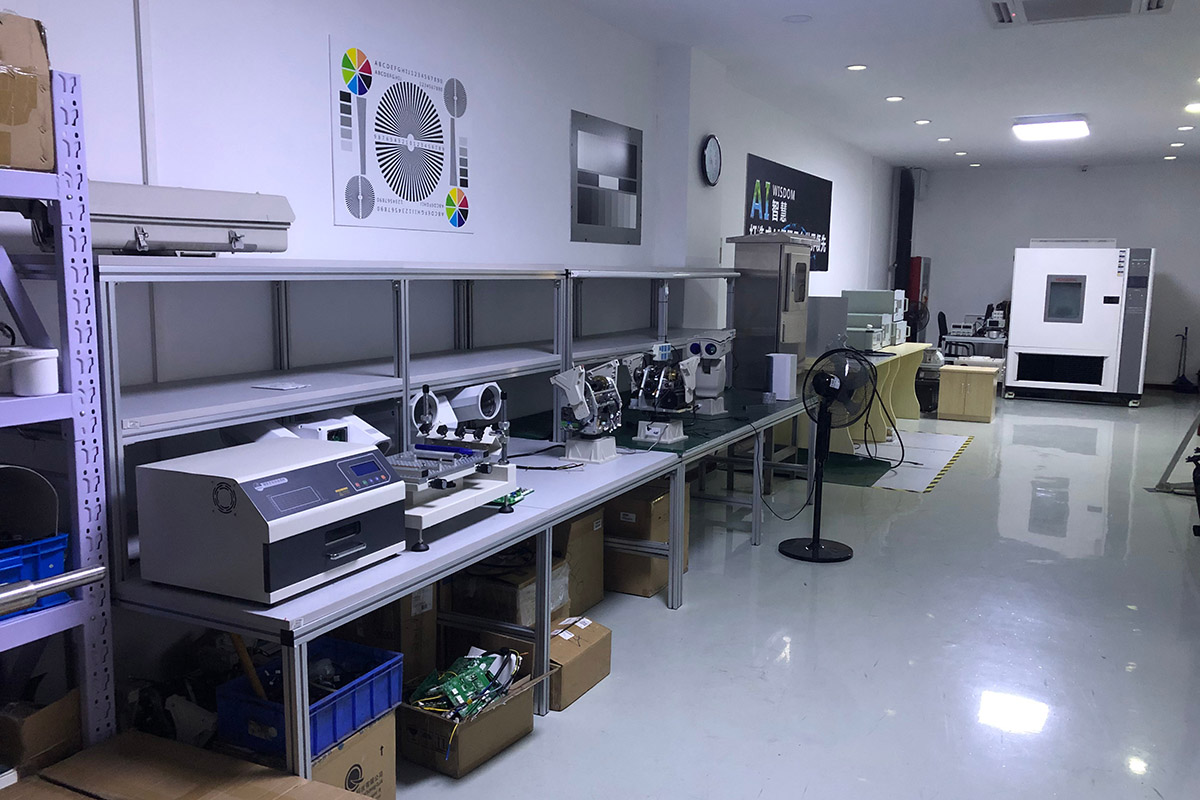
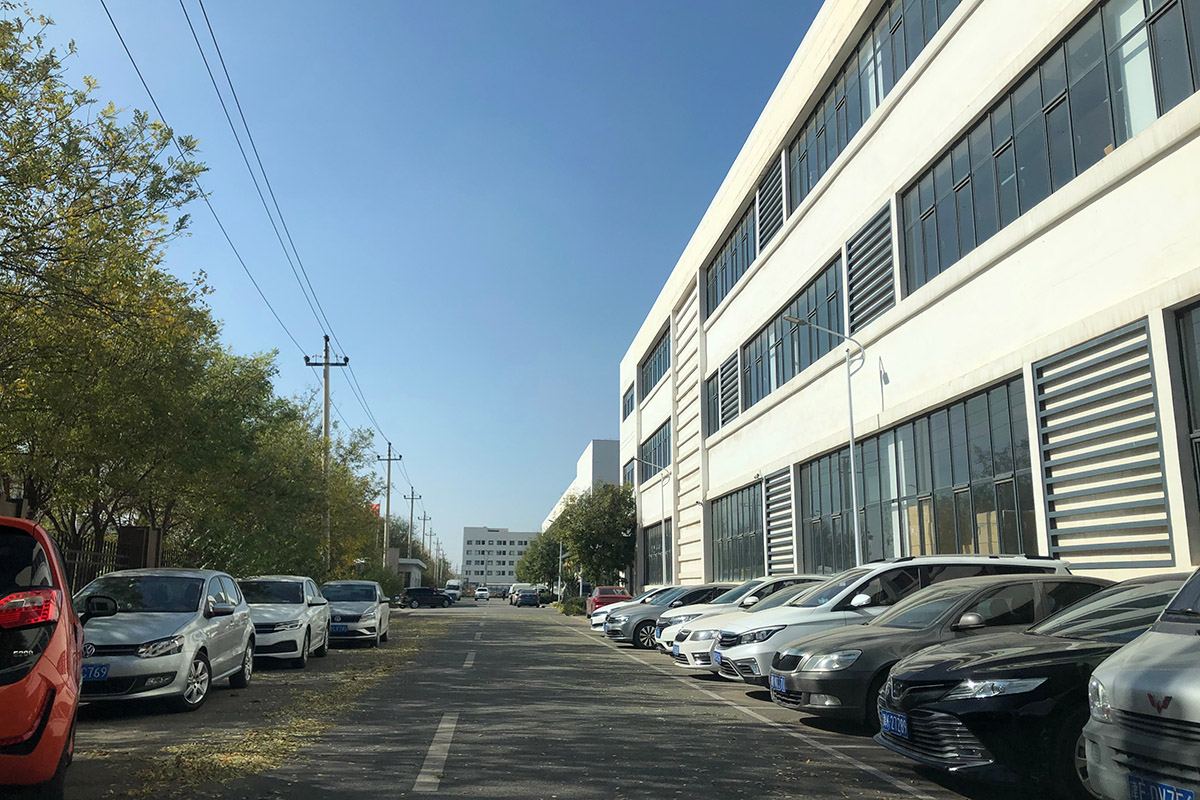
A look inside our manufacturing facility, displaying our testing rooms and CNC production lines.
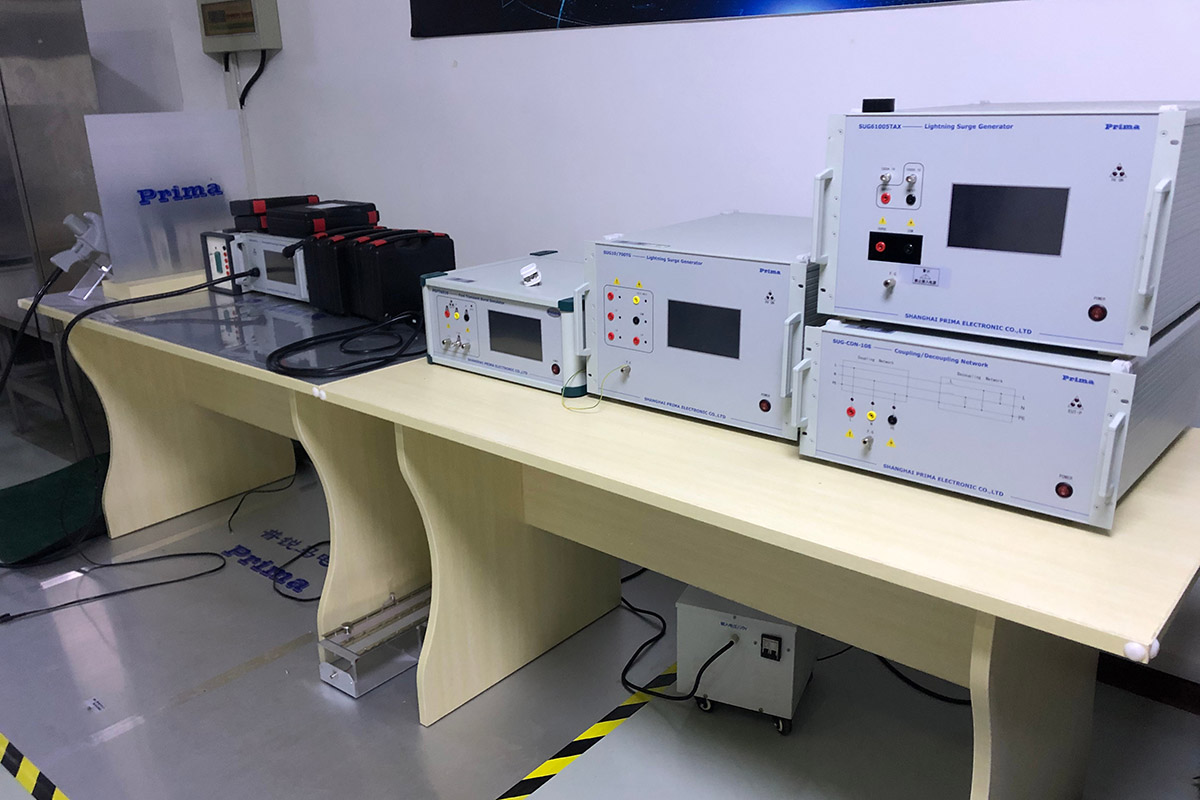
Technical articles explaining positioning systems, wind loads, and how to select equipment suppliers.
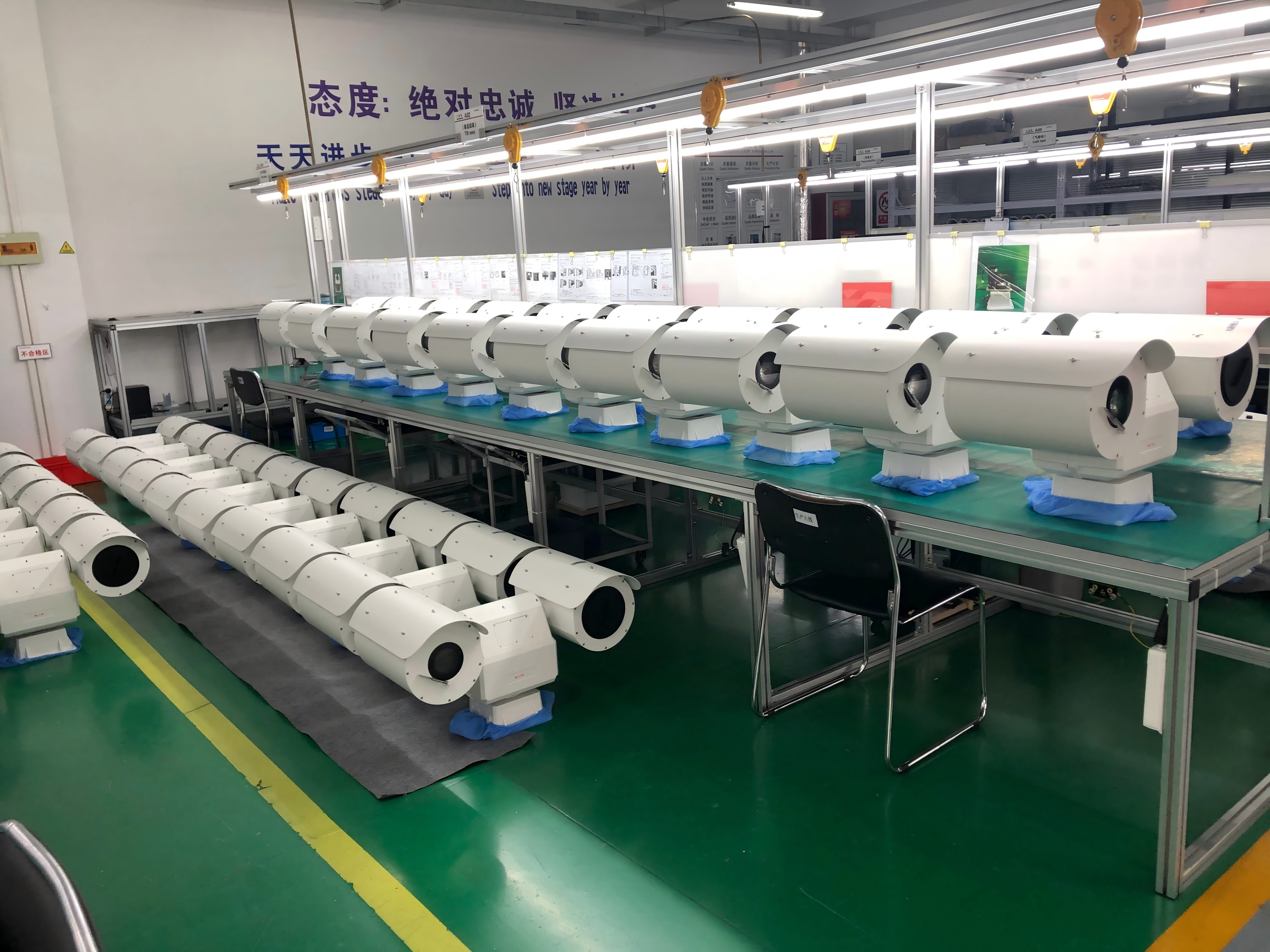
Faced with a variety of pan-tilt suppliers, choosing the right partner requires assessing mechanical design capability, customization flexibility, testing setups, and long-term supply stability.
Read More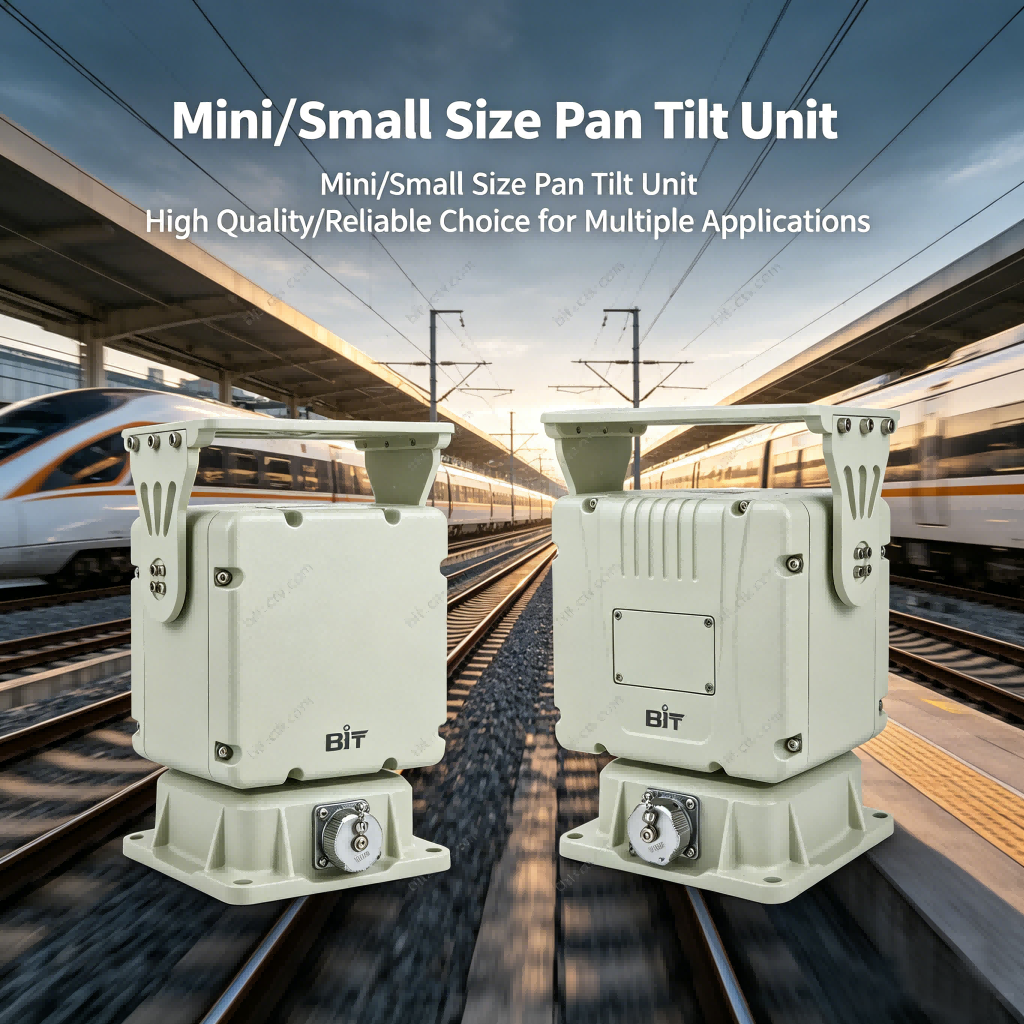
An introduction to our compact positioning units. Designed for payload weights between 3.5kg and 10kg, these systems provide a lightweight solution for deployable masts and mobile surveillance kits.
Read More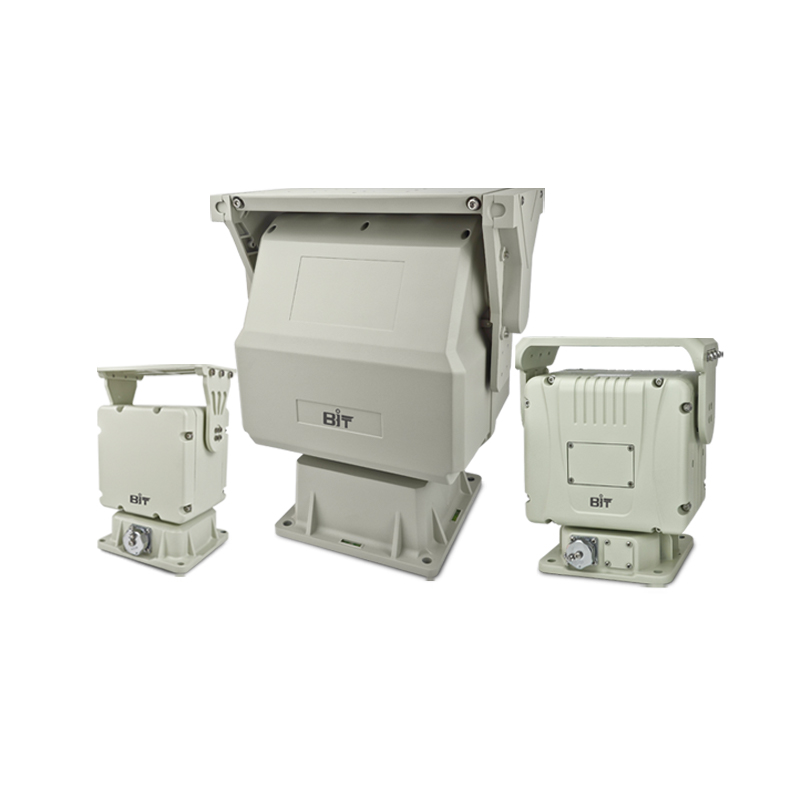
Learn how positioning heads are categorized by load capacity, gear drive design (worm gear vs. harmonic), environmental protections, and vertical rotation angles.
Read MoreIndustrial accessories, mounting brackets, and heavy-duty pan-tilt systems.