 BIT-CCTV
BIT-CCTV
BIT-CCTV
Engineered for stability, extreme environmental protection, and zero-backlash positioning accuracy.
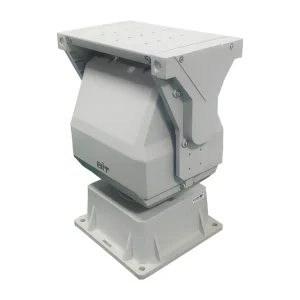
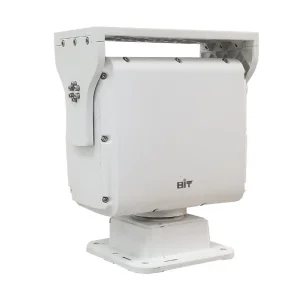
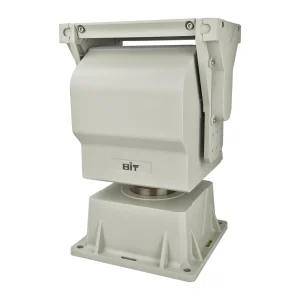
In the era of modern communication networks, LEO (Low Earth Orbit) satellite constellations, UAV tracking, and remote tactical communications, the demand for precise, durable, and highly responsive positioning equipment has escalated. Small antenna rotors, functionally designed as micro-to-medium-scale pan-tilt positioners, serve as the mechanical backbone for keeping ground antennas dynamically aligned with moving targets in real-time.
Unlike massive commercial satellite dishes that rely on heavy industrial gantry mounts, modern field stations, mobile telecom trucks, drone defense networks, and scientific telemetry projects require compact units. These units must withstand extreme environments (ranging from high-altitude sub-zero winds to scorched desert heat) while keeping pointing errors under a fraction of a degree. This critical balance of structural resilience and tracking precision dictates the engineering specifications of high-performance pan-tilt equipment globally.

Delivering sub-degree angular accuracy through mechanical engineering and advanced hardware control systems.
Utilizing high-precision stepper motors and self-locking worm/gear mechanism designs. Prevents target slipping or drifting when powered down, especially critical under high wind loads.
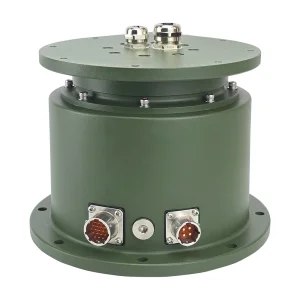
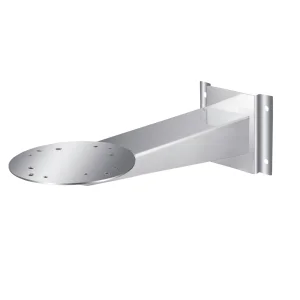
Engineered for ingress protection up to IP66/IP67, utilizing stainless steel wall brackets, military-grade connectors, anti-corrosive powder coatings, and integrated heater/blower assemblies.
Designed for ultra-high speed and latency-sensitive tracking. Zero-backlash rotation up to 100°/sec enables instant dynamic tracking of fast-moving low-altitude aerial targets.
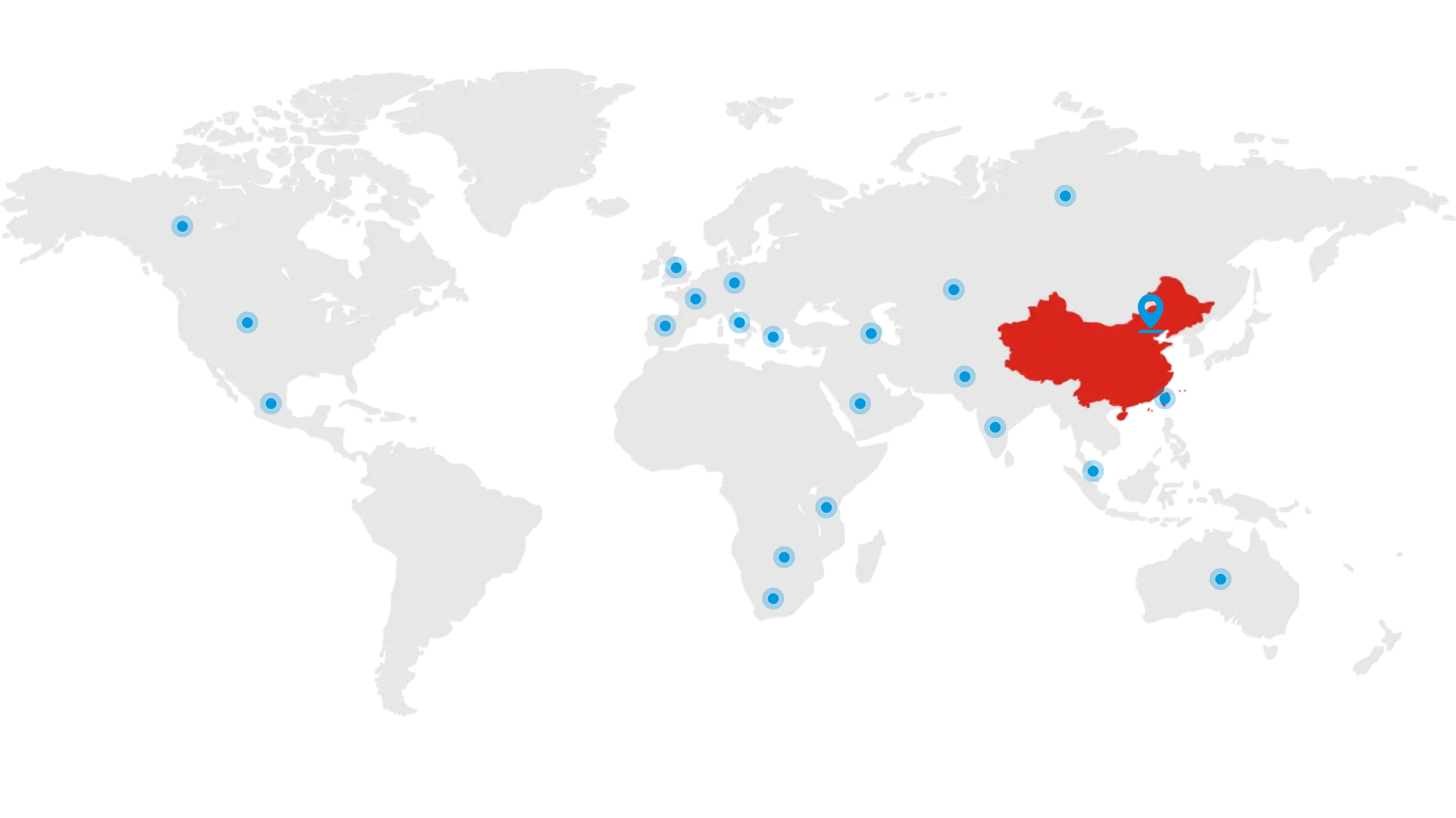
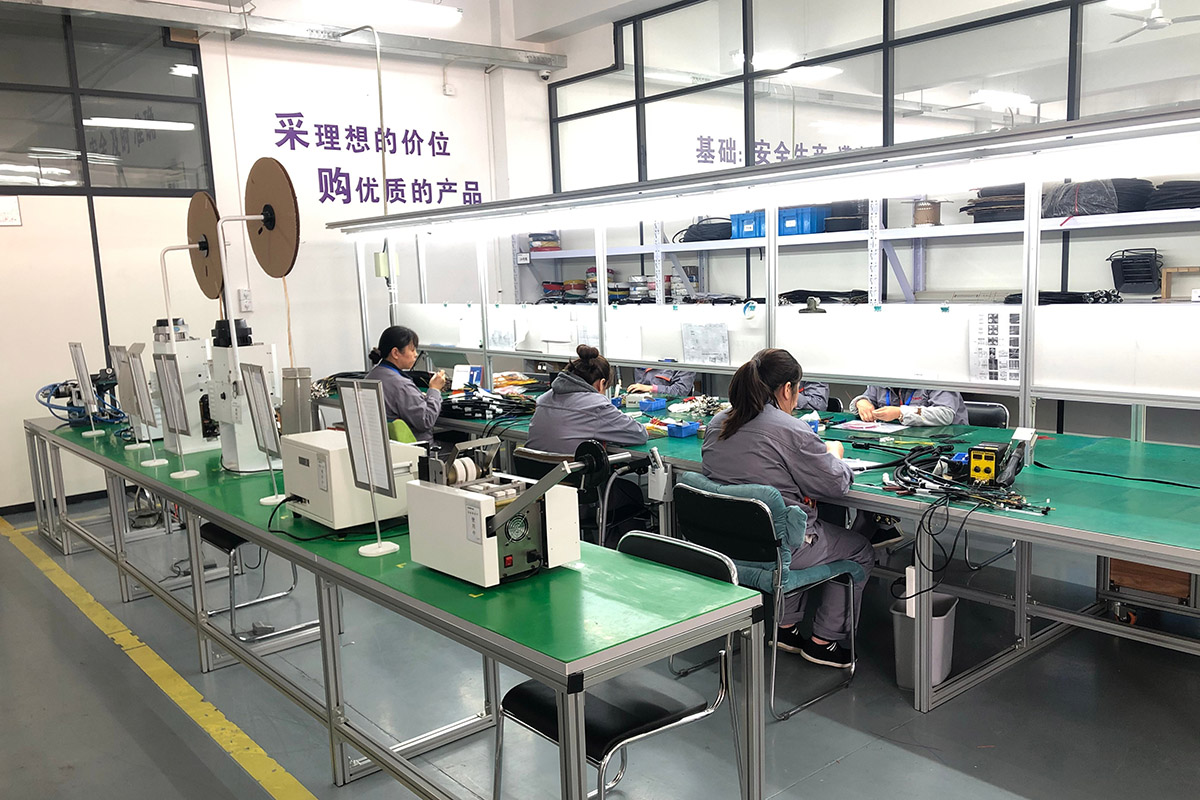
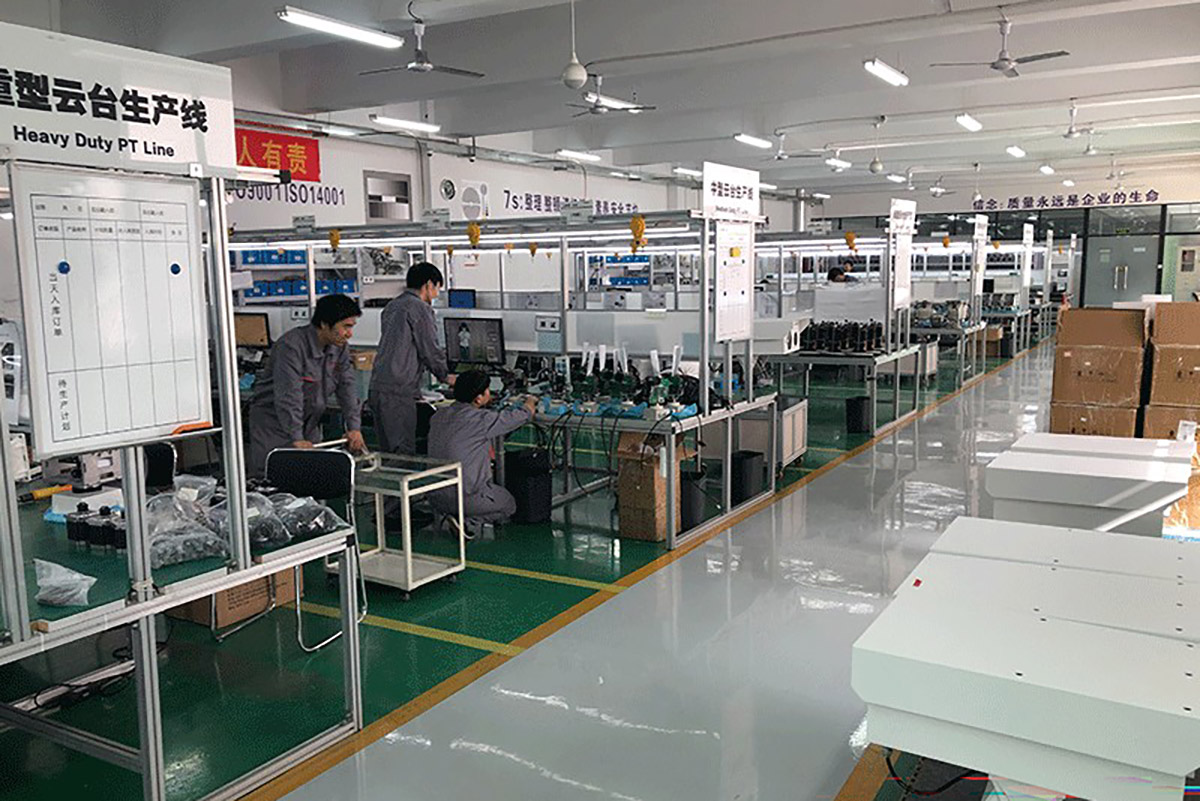
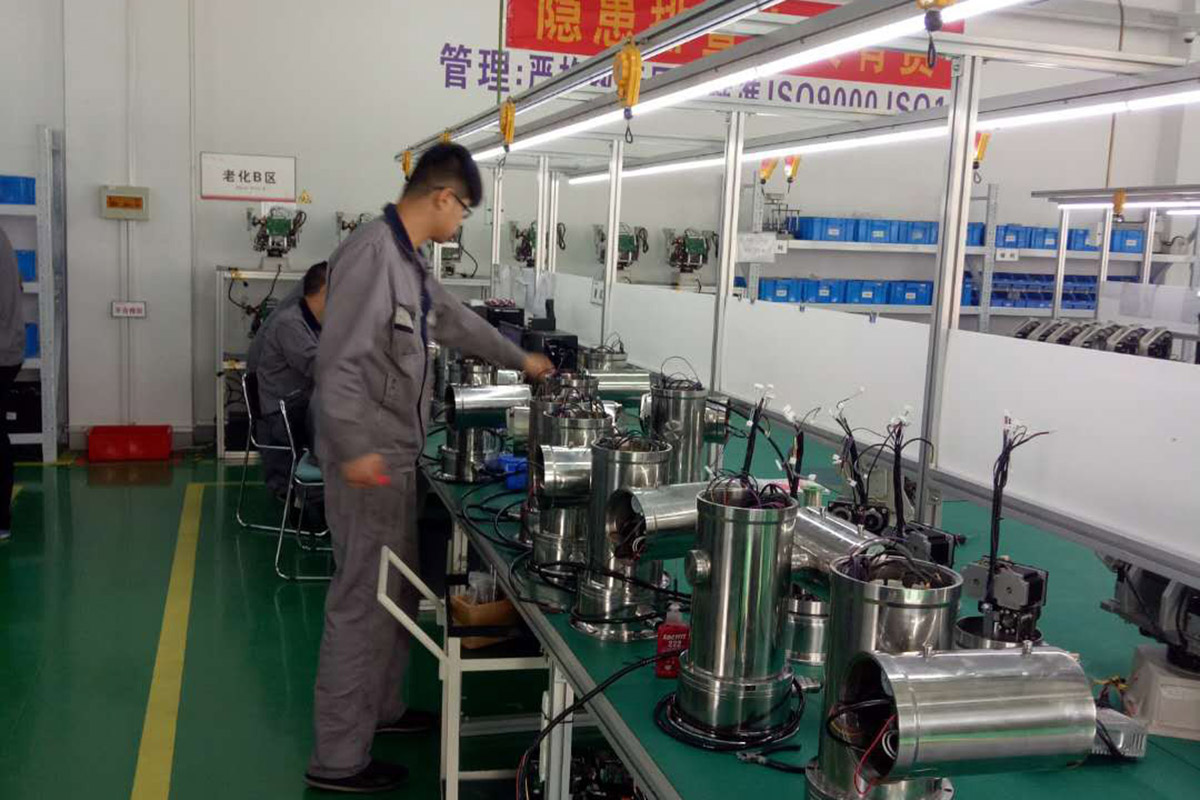
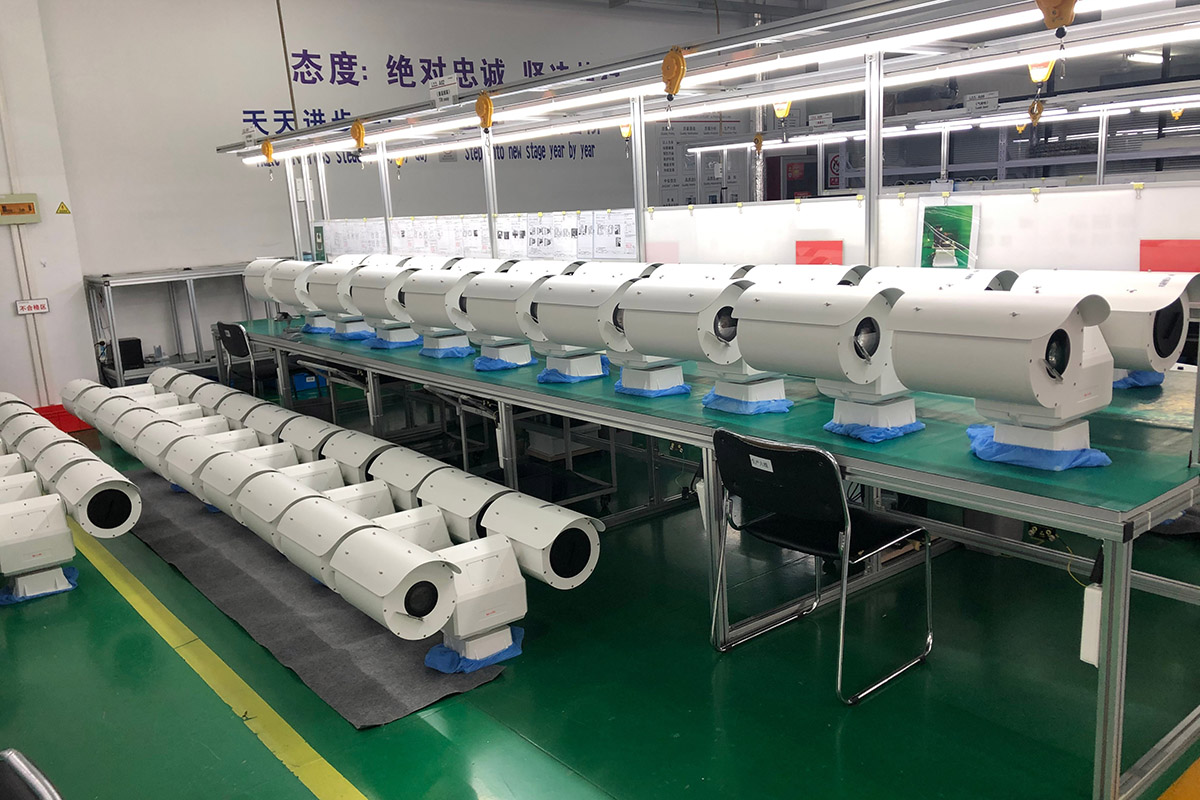
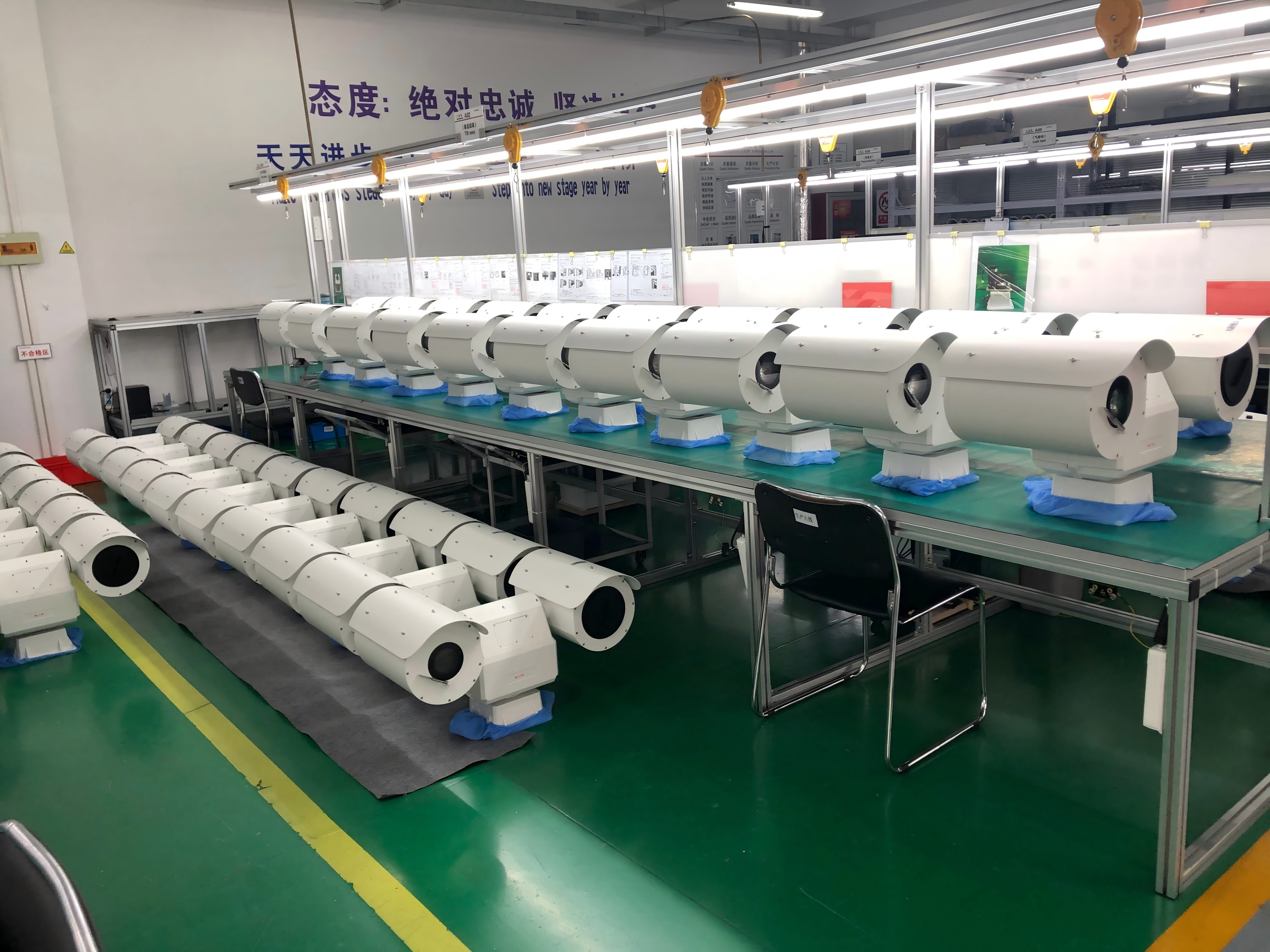
China's industrial clusters for precision mechanical engineering and electronic components provide an unmatched structural cost and efficiency advantage. Factories specializing in antenna positioners, such as Blue Icon (Tianjin) Technology Co. Ltd. (historically known under the BIT-CCTV brand), offer end-to-end integration—from raw metal casting and CNC machining to PCB layout and software configuration.
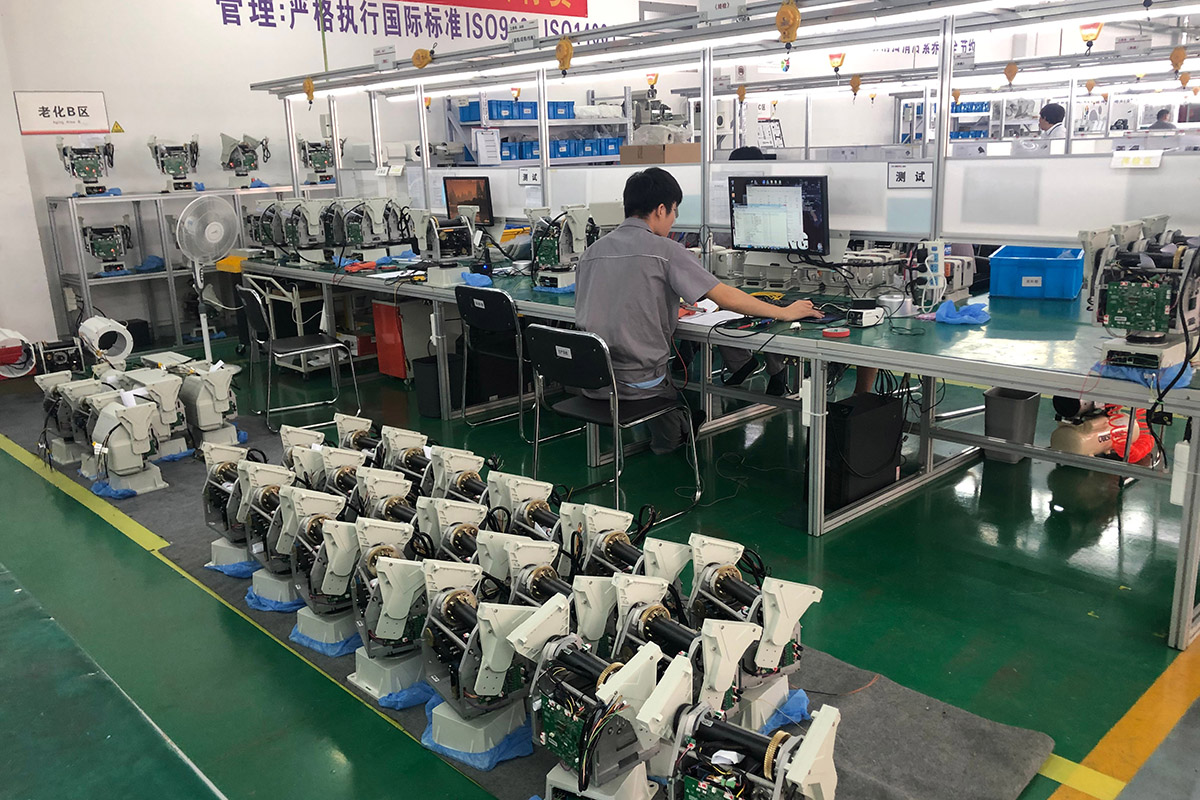
This localized supply chain vertical integration allows us to significantly reduce production times, quickly adjust to custom client requests (such as custom mounting plates, specific cable pass-throughs, or customized serial communication protocols), and provide rigorous QA testing without increasing unit pricing. What would take several months in Western manufacturing centers can be completed, tested, and shipped globally in a fraction of the time, allowing project managers to meet tight installation deadlines.
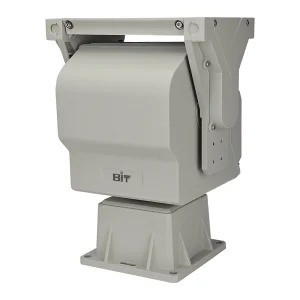
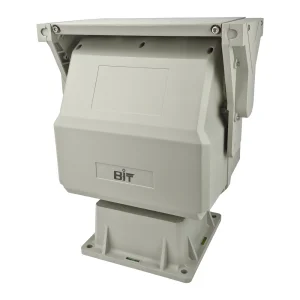
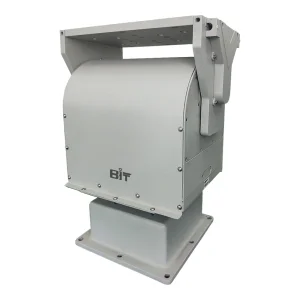
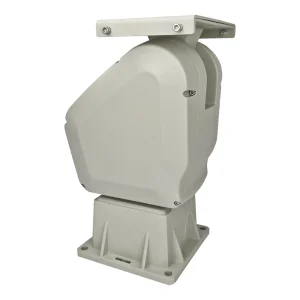
Choosing the correct positioning system requires balancing maximum payload weight (torque requirements), speed requirements, and budget constraints. Below is an engineering overview of our core small-to-medium antenna rotor and pan-tilt models:
| Model Code | Max Payload (kg / lbs) | Drive Mechanism | Rotation Speed | Typical Applications |
|---|---|---|---|---|
| BIT-PT503 | 3.5 kg / 7.7 lbs | Worm Gear / Stepper Motor | Dynamic / Custom Config | Portable telemetry, mini Yagi antennas, mobile radio systems |
| BIT-PT510 | 10 kg / 22 lbs | Worm Gear / Stepper Motor | Up to 30° / Sec | Coastal surveillance, forest fire prevention, point-to-point microwave |
| BIT-PT410 | 10 kg / 22 lbs | Direct Drive / Servo Gear | Up to 100° / Sec | Active drone tracking, LEO satellite ground stations, military optics |
| BIT-PT850 | 50 kg / 110 lbs | Heavy-Duty Worm / Stepper | Variable Speed Control | Border patrol systems, heavy long-range radar antennas, military mast payloads |
Antenna rotor prices vary based on payload capacity, motor precision, feedback sensor options (such as optical encoders), and environmental protection packages. Custom features—like slip rings for continuous pan rotation, specialized military connectors, or marine-grade paint—also affect the final unit cost. Below is an approximate price index based on industrial configurations:
| Rotor Category | Payload Limit | Standard Pricing Range (USD) | Available Upgrades |
|---|---|---|---|
| Micro / Light Duty | 1kg – 5kg | $450 – $1,200 | RS-485 interfaces, IP66 enclosure, custom mounting patterns |
| Medium Duty | 5kg – 20kg | $1,500 – $3,500 | Slip rings for continuous rotation, internal heaters, high-speed gearboxes |
| Heavy Duty | 20kg – 100kg+ | $4,500 – $12,000+ | Absolute encoders (0.01° accuracy), military-grade coatings, custom brackets |
*Note: The prices listed above are estimated baseline costs. Actual costs will vary depending on custom mounting adapters, custom software protocols, order volume, and specific international shipping requirements. To request a formal quote for your project, please contact our engineering team directly.
How precision pan-tilt platforms are modernizing communication infrastructure globally.
As mega-constellations like Starlink and OneWeb expand, ground terminals require cost-effective, high-reliability dual-axis tracking mounts to maintain uninterrupted data links during satellite passes.
Counter-UAS systems require fast pan-tilt platforms to keep radar, RF directional jammers, and thermal optics aligned with high-speed drones. The BIT-PT410 serves as a key component in these systems.
Weather radars and atmospheric telemetry sensors require continuous operation in harsh environments. Cast aluminum construction and high-grade IP ratings protect internal components against moisture and salt fog.
Answering common questions about specifications, engineering requirements, and custom manufacturing processes.
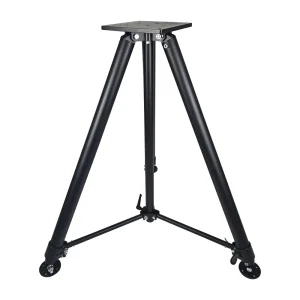
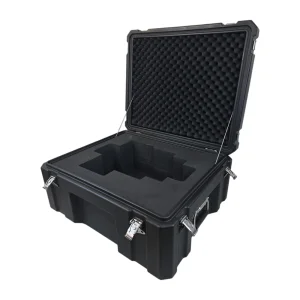
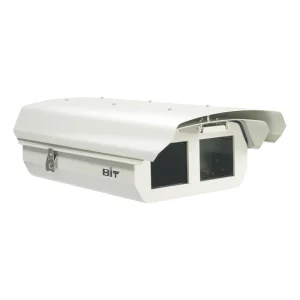
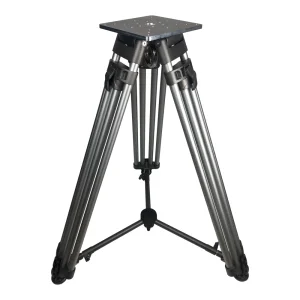
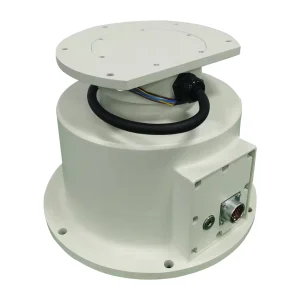
Heavy-duty structures, protective enclosures, and specialized single-axis rotators designed to complete your tracking network.
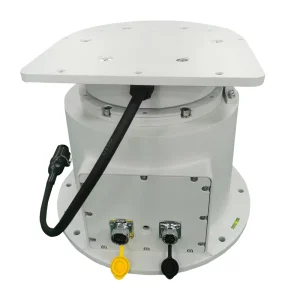
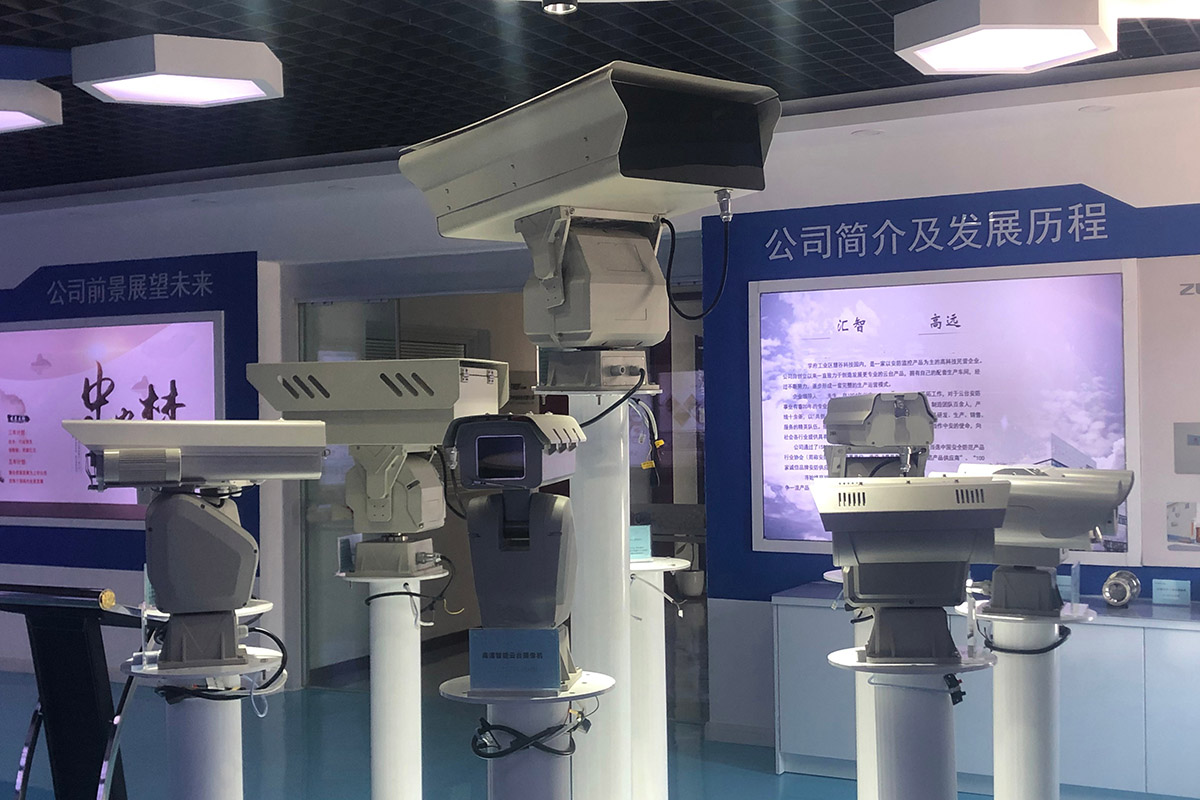
Developing industry-leading positioners backed by national patents and trusted by global enterprises.
















10,000 square meters of production, CNC machining, cleanroom assembly, and climate chamber QA testing areas.
Engineering insights, design guides, and business trends in the remote tracking positioning industry.
As application scenarios for pan-tilt positioners expand, customization requirements are increasing. Learn how to evaluate supplier design capabilities, mechanical precision, and R&D investment.
Read Technical Paper →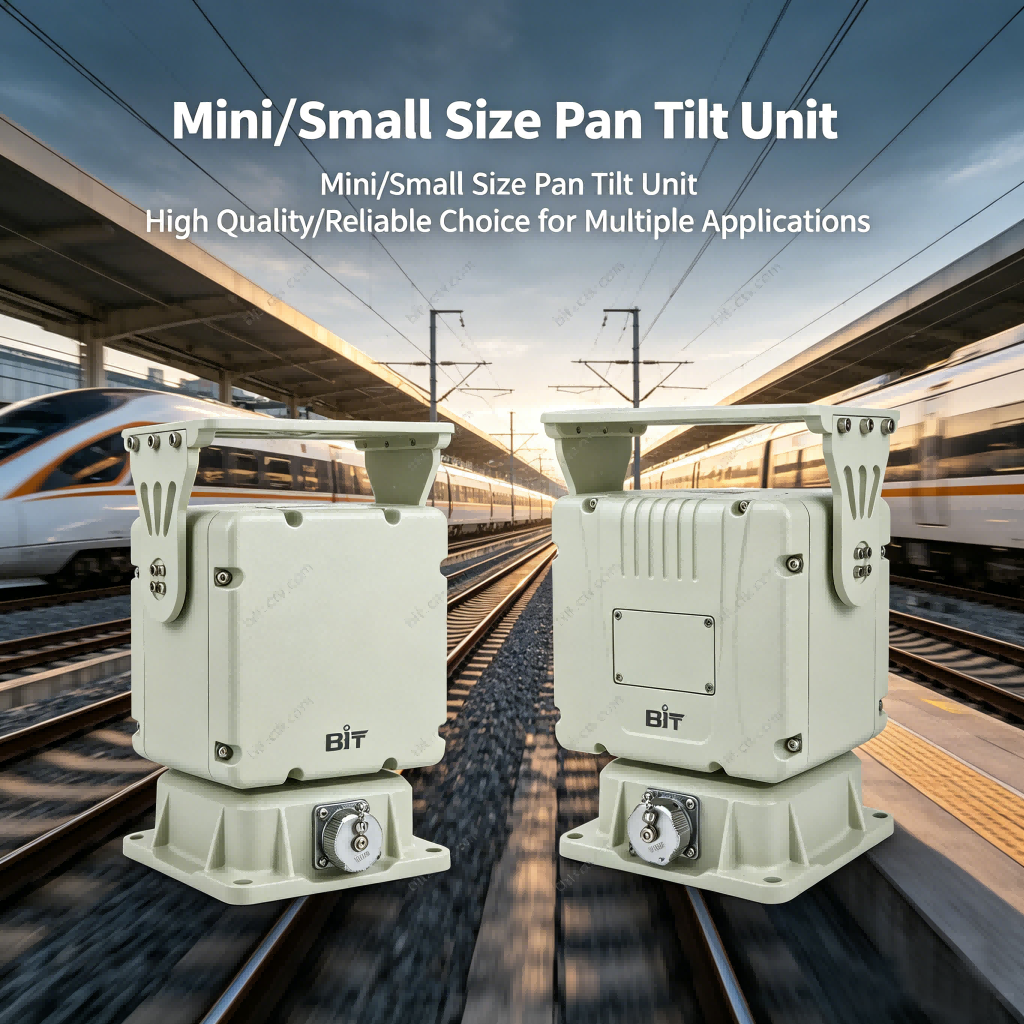
A look at the mechanical structure and performance profiles of compact pan-tilt systems designed to carry light telemetry payloads under 10kg in windy environments.
Read Technical Paper →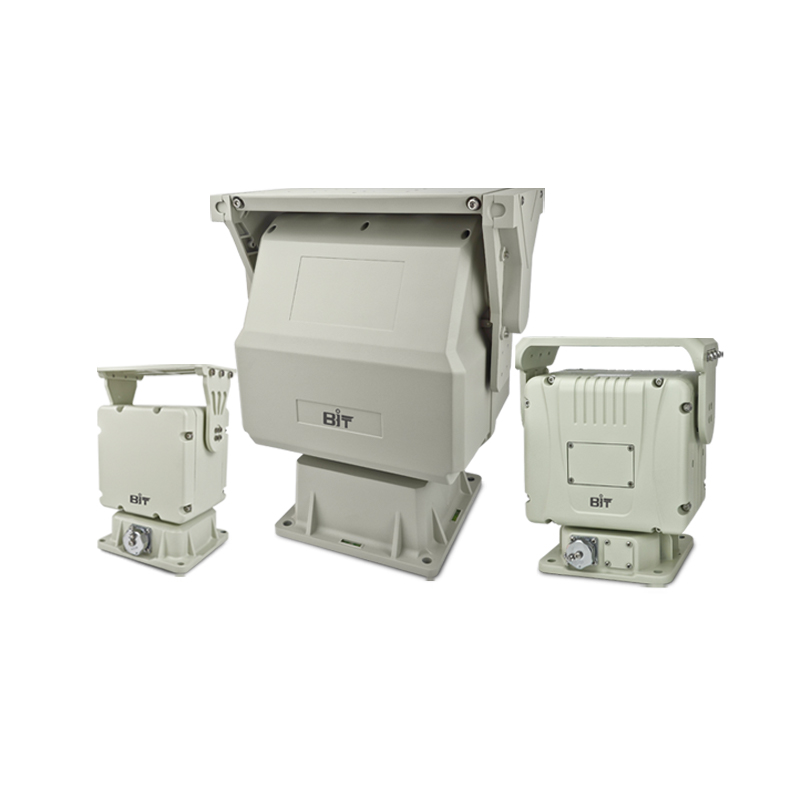
An engineering taxonomy guide classifying modern positioners based on load capacity, transmission gears, feedback loops, operating temperatures, and installation configurations.
Read Technical Paper →