 BIT-CCTV
BIT-CCTV
BIT-CCTV
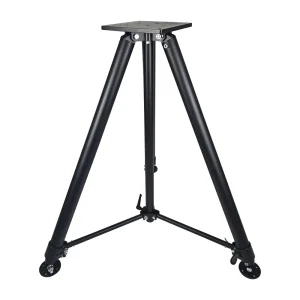
In modern telecommunications, tactical defense, and remote monitoring applications, the demand for flexible, reliable, and deployable structural supports has surged. A telescoping antenna pole (frequently referred to as a telescopic mast) represents a critical technology layer that enables rapid mobilization of communication links, sensors, radars, and high-definition optical payloads.
Across global markets, these systems serve as the structural backbone for emergency response networks, mobile cell sites (Cell-on-Wheels or COWs), meteorological monitoring arrays, and homeland security operations. As frequencies transition higher into the millimeter-wave bands (5G, 6G, and tactical SATCOM), line-of-sight elevation becomes non-negotiable. Telescoping poles solve this challenge by balancing payload stabilization, wind-deflection resistance, and swift retractability.
Deploying advanced high-strength 6063-T6/6082-T6 anodized aluminum and carbon-fiber composites to withstand extreme torsional force, minimizing weight while maximizing structural payload capacity.
Offering versatile lifting configurations including pneumatic, electric motor drive, and manual hand-winch systems, customized to the field power profile and deploy-speed limits.
Engineered to operate continuously under extreme wind velocities up to 120 km/h, with guy-wire bracing kits and precision locking collars preventing mast slippage or rotation.
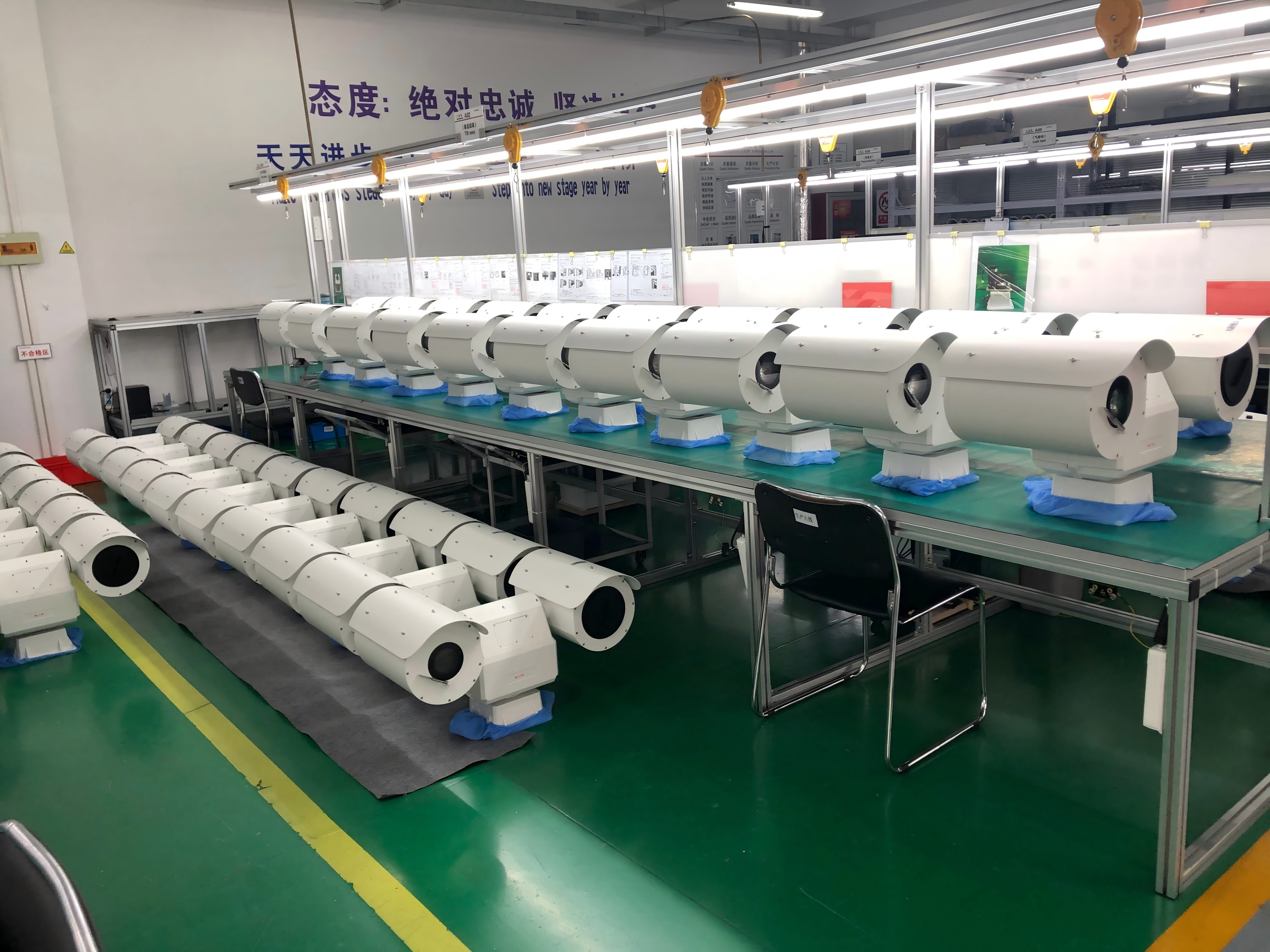
As a hub of mechanical and structural engineering, China has established an unparalleled industrial ecosystem for telescopic equipment manufacturing. Blue Icon (Tianjin) Technology Co. Ltd leads this landscape by leveraging fully integrated supply chains, automated CNC processing centers, and state-of-the-art anodizing facilities.
The direct benefits of Chinese manufacturing go beyond raw cost reduction. They lie in high-velocity customization, agile R&D iterations, and comprehensive quality control frameworks. From material testing labs validating raw tube tensile strengths to mechanical tests verifying locking longevity under load, our Tianjin-based factories yield superior, high-performing masts built to exact international standards.
Standard telescoping poles struggle with "mast twist"—the microscopic rotational deflection caused by wind shear on non-cylindrical payloads. At Blue Icon, our manufacturing process incorporates keyed guide-ways along the inner walls of the aluminum tubes. This structural keying locks the relative rotation of all segments, ensuring that critical optical and directional radio payloads remain perfectly aligned to their heading, regardless of gusts.
Combined with our robust pan-tilt heads, our telescoping mast assemblies offer an integrated solution that supports payload weights from 3.5kg to 120kg, keeping optical sensors, camera housings, and line-of-sight transmitters highly stable.

Telescopic masts are used in diverse global applications, each posing unique challenges:
Blue Icon's telescoping poles interface seamlessly with our industry-leading pan-tilt units, supplying global operators with complete electro-optical stabilization solutions.
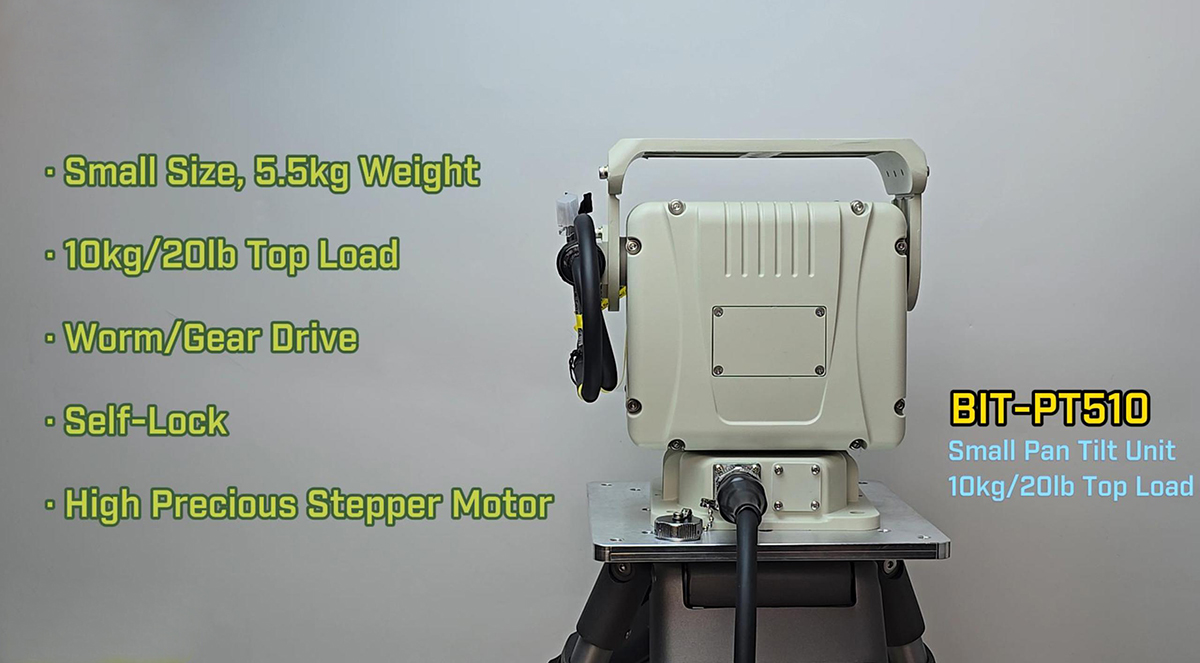
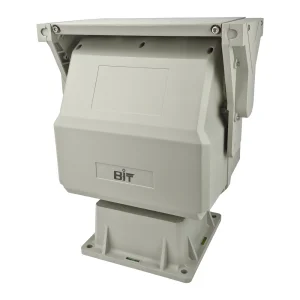
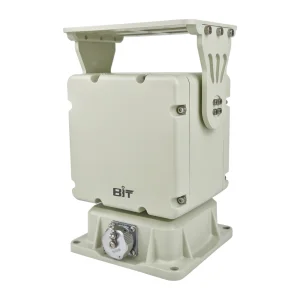
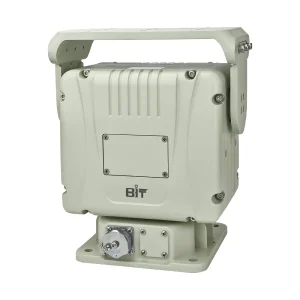
The BIT-PT510 is a small-footprint pan-tilt unit supporting load capacities up to 10kg/22lb. Driven by high-precision stepper motors and a worm-gear system, it features 360° pan and ±60° tilt rotation at speeds up to 30°/s. Perfect for mounting optical cameras and environmental sensors onto telescopic masts in forest fire prevention, border security, and industrial surveillance.
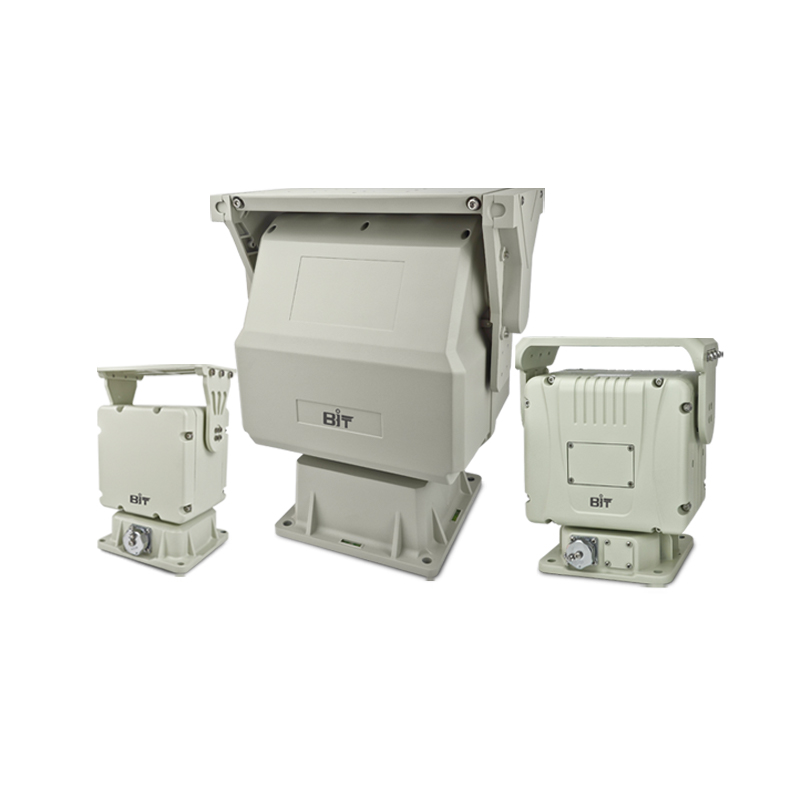
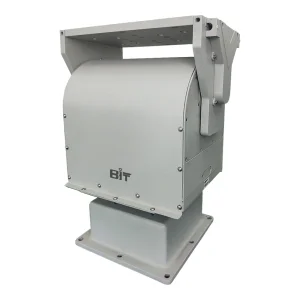
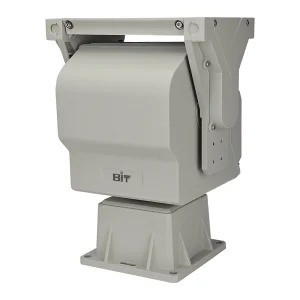
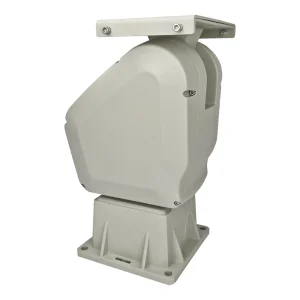
Engineered for tracking operations, the BIT-PT410 reaches rotation speeds up to 100°/s for fast positioning. Using a worm-gear drive on the tilt axis, it supports payloads up to 10kg/22lb with a wide tilt arc of -90° to +40°, making it an excellent pairing for tactical and mobile telescoping poles.
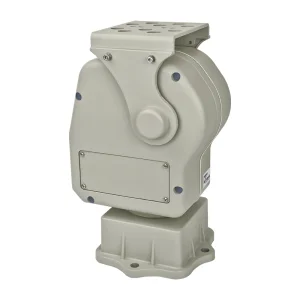
Weighing only 3.5kg, the BIT-PT503 is our most compact and lightweight pan-tilt head. It is ideal for mounting light sensors, laser rangefinders, and thermal cameras onto carbon-fiber telescoping poles.
A classic design proven in harsh environments for over a decade, the BIT-PT850 handles payloads up to 50kg. It features an IP66/IP67 ingress rating, built-in heaters, and robust worm gears, matching seamlessly with heavy-duty pneumatic masts.
When procurement teams and engineering leads source custom telescoping antenna poles, they must evaluate critical technical parameters to ensure project success:
The industry is moving toward smart, sensored mast assemblies. Future designs will integrate diagnostic sensors within the telescoping collars to track mast straightness, warning operators of excessive wind deflection or structural fatigue. Innovations in material science are also yielding hybrid carbon-composite masts that match the shear strength of steel at a fraction of the weight, boosting fuel efficiency for vehicle-mounted applications.
Step inside Blue Icon's 10,000 square meter ISO-certified manufacturing facility, featuring advanced CNC work centers, stress-test rigs, and finishing lines.
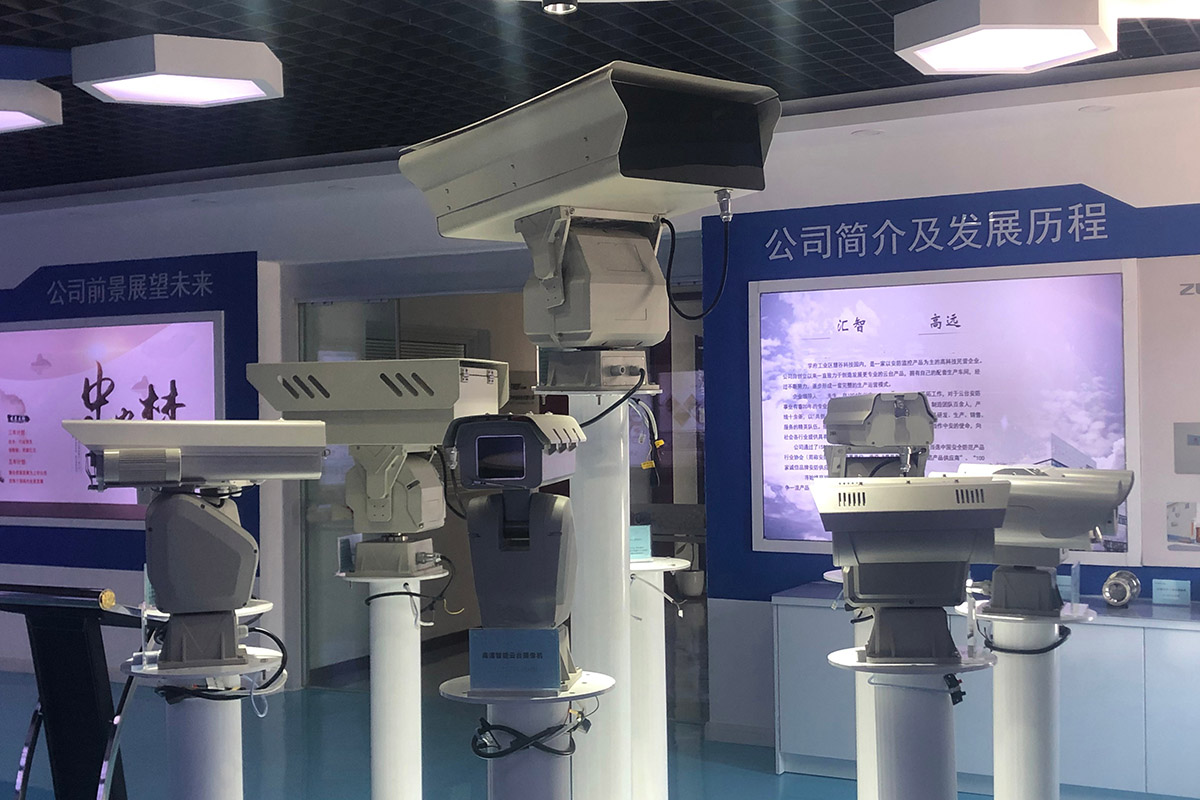
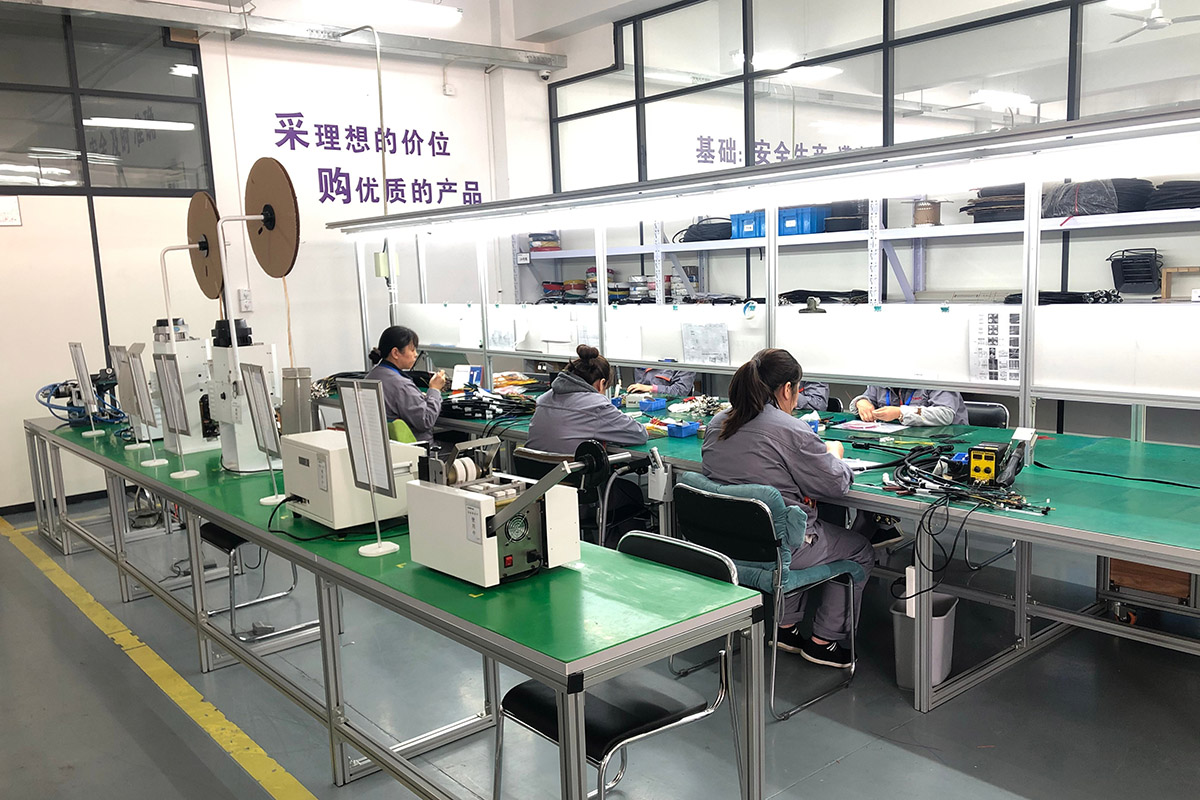
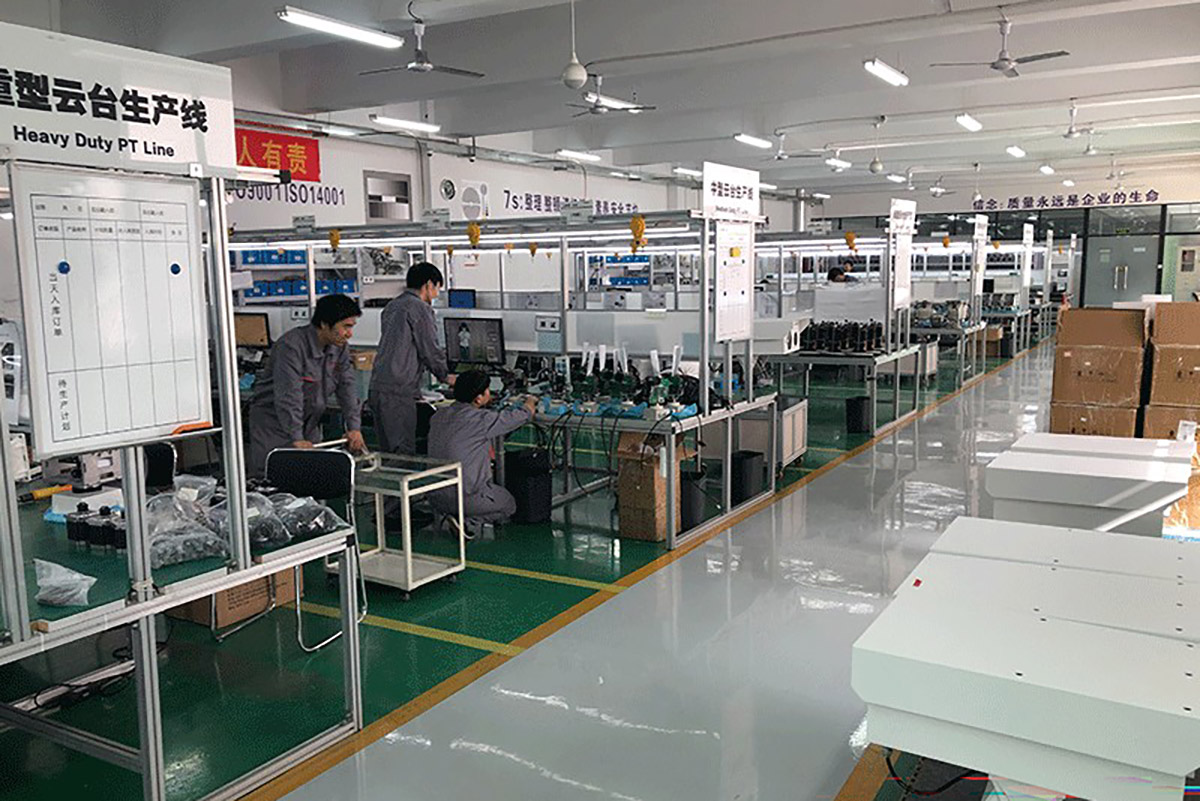
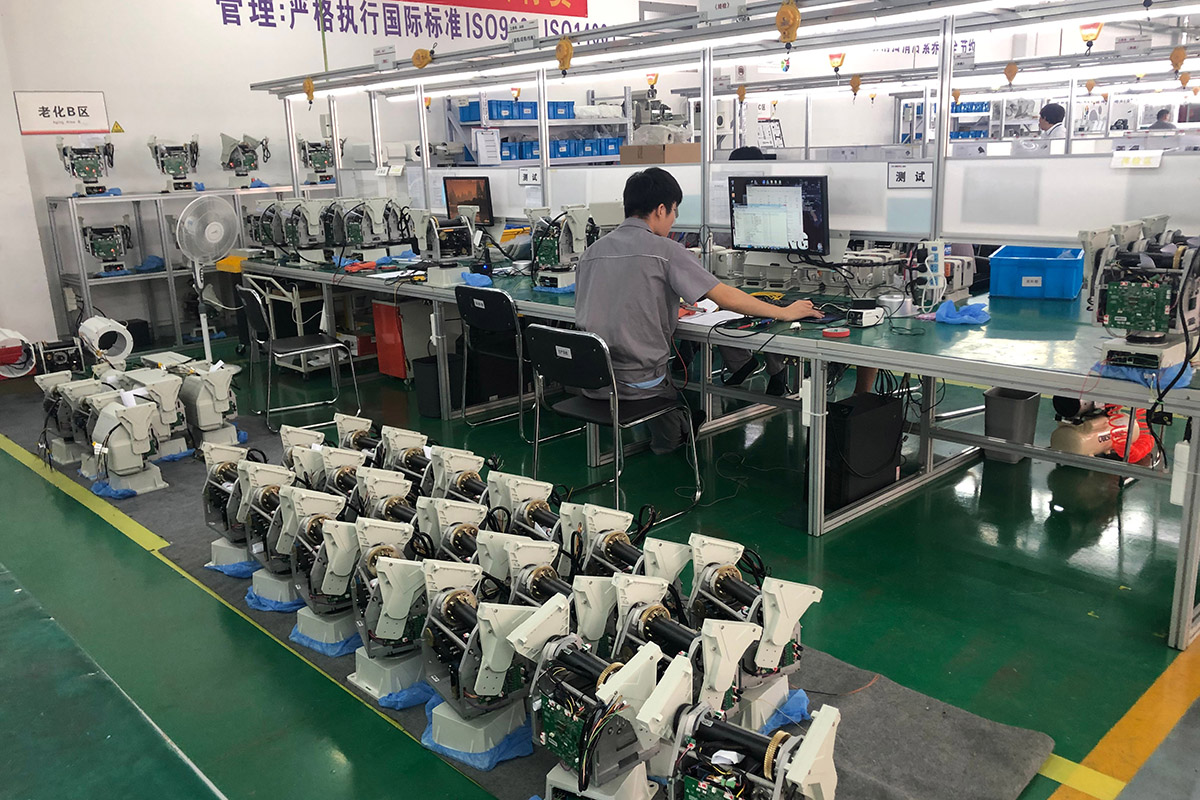
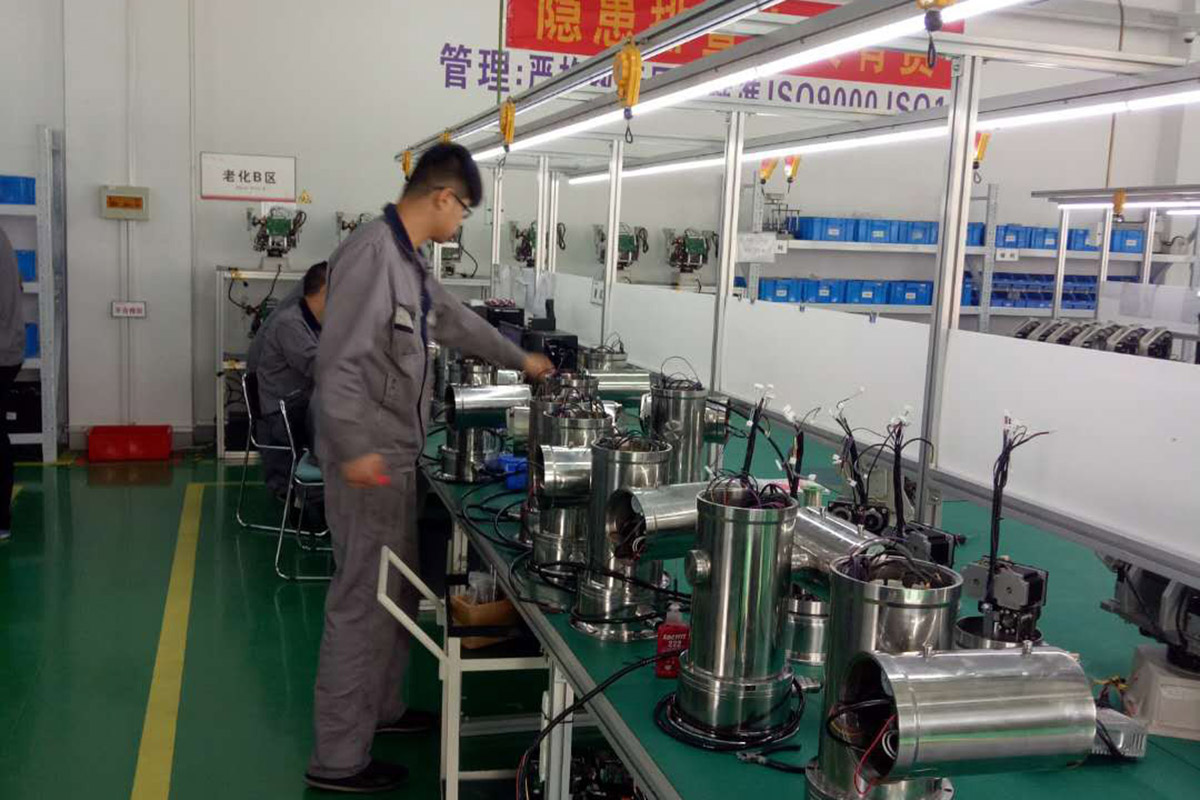
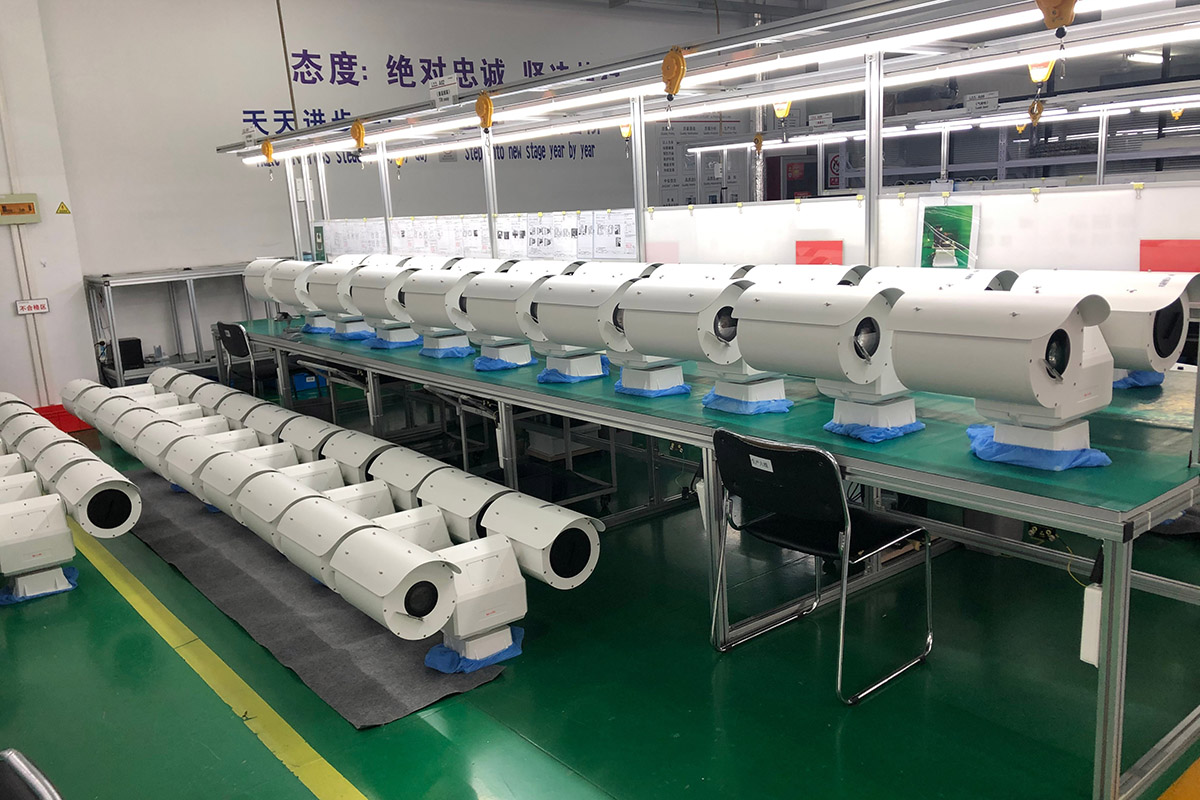
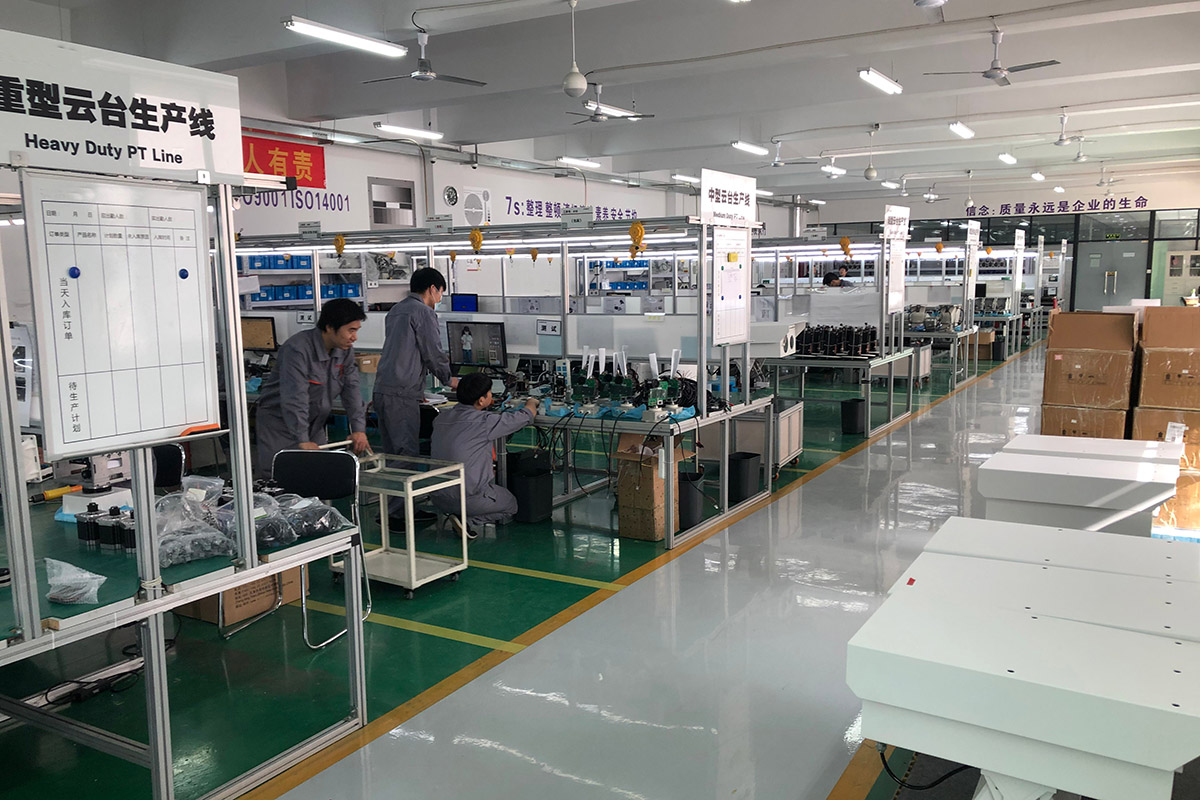
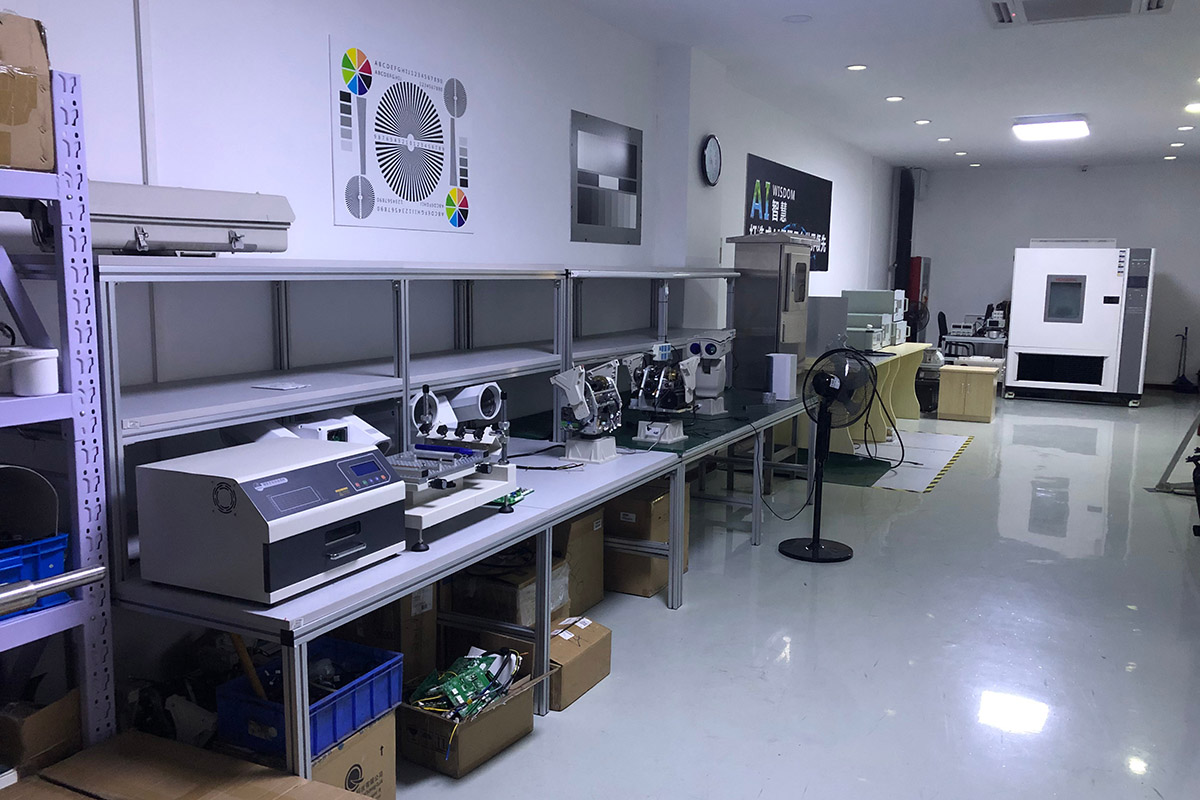






Our pan-tilt systems and telescopic masts are deployed across five continents, serving top-tier defense, telecom, and industrial corporations.








As applications for pan-tilt positioners expand, customization demands are rising. Explore key factors for selecting a long-term partner.
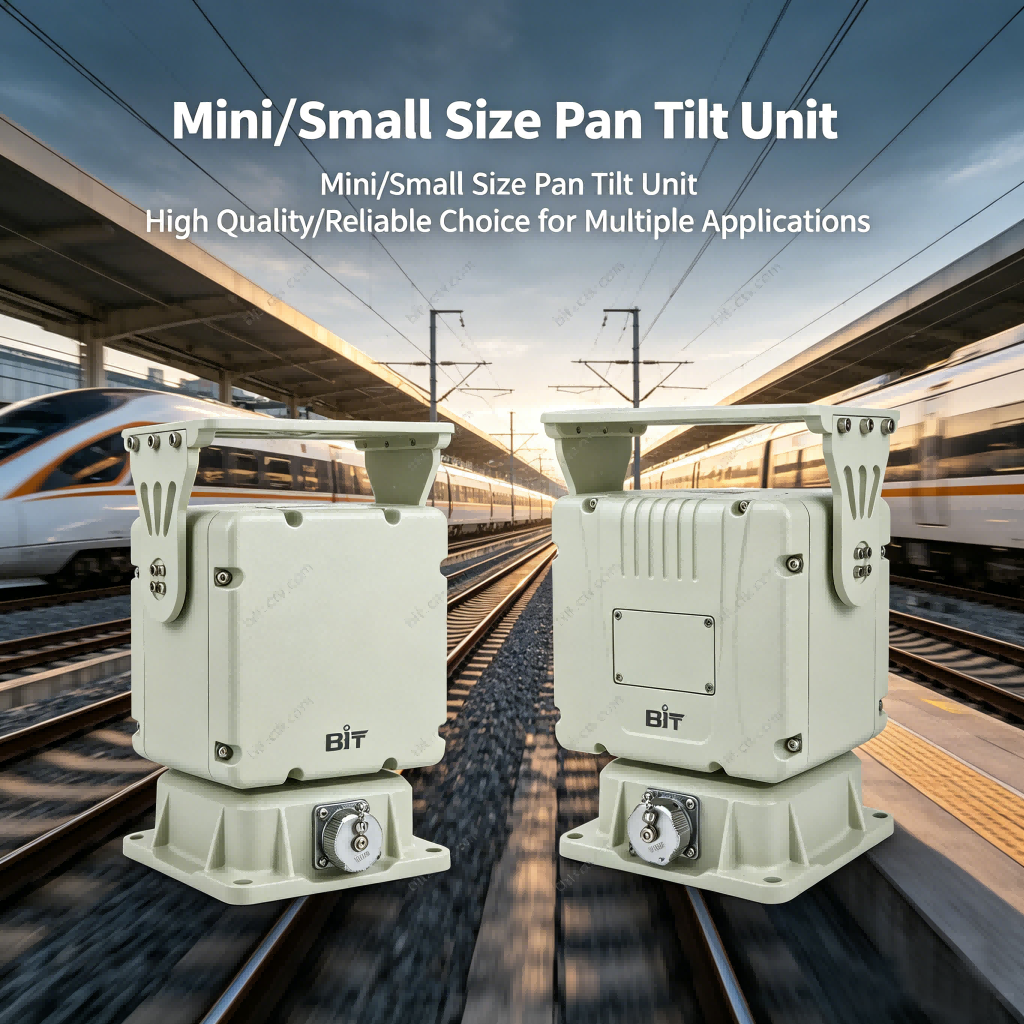
An in-depth look at our compact, lightweight positioner models, designed for small-footprint sensor assemblies and mobile masts.
Learn how to categorize pan-tilt positioners based on load capacity, environment, mounting methods, and mechanical drive types.