 BIT-CCTV
BIT-CCTV
BIT-CCTV
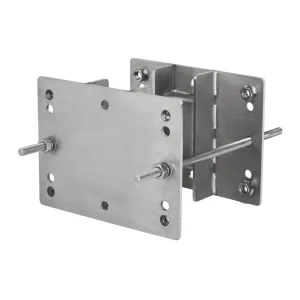
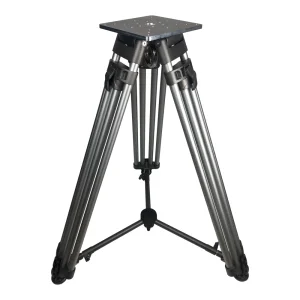
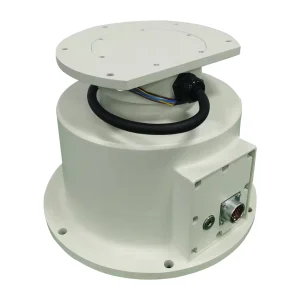
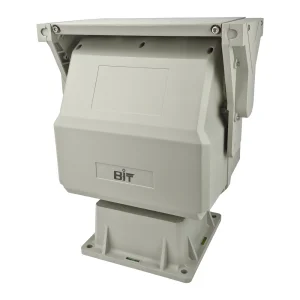
Select from our range of structural mounts, heavy-duty tripods, and high-performance single/dual-axis pan tilt positioners built to operate in harsh industrial climates.
In the rapidly shifting landscape of international telecommunications, border surveillance, and search-and-rescue operations, the requirement for robust mechanical deployment structures has reached an all-time high. The antenna telescopic pole serves as a fundamental physical link in wireless transmission systems, lifting high-precision instruments to critical line-of-sight heights.
When global enterprises approach procurement, they no longer analyze telescopic poles as standalone physical structures. Instead, they demand highly integrated electro-mechanical platforms. These frameworks must maintain absolute stiffness, minimal deflection ratios under high wind loads, and support complex payloads such as microwave arrays, electro-optical sensors, dual-spectral thermal cameras, and meteorological devices.
For directional RF (Radio Frequency) communication, a torsional deviation of even 1.5 degrees can lead to signal loss. Modern telescopic poles utilize custom guide slots, high-grade structural alloys, and advanced lock collar mechanisms to prevent unwanted rotation under heavy wind shear.
An essential procurement decision centers on material selection. The structural performance and lifecycle of the mast depend heavily on the environment:
Telescopic poles form the backbone of critical operational networks worldwide. Below are the core sectors where Blue Icon (Tianjin) Technology delivers proven, field-tested configurations.
As telecom carriers extend coverage into remote, rural, or disaster-stricken zones, traditional tower structures become cost-prohibitive or physically impossible to build quickly. Here, mobile cell-on-wheels (COWs) equipped with high-capacity pneumatic telescopic poles provide rapid cellular restoration. By elevating compact 5G active antenna units (AAUs) to heights between 15 and 30 meters, operators establish immediate local connectivity.
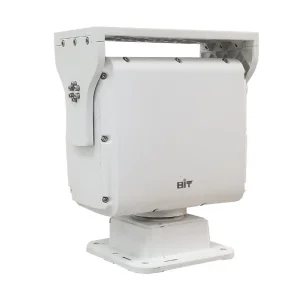
Border control requires uninterrupted situational awareness across vast, challenging terrains. Integrating heavy-duty telescopic masts with precision Pan-Tilt-Zoom (PTZ) positioners, such as the BIT-PT850 50kg Load Pan Tilt Unit, allows security systems to hoist dual-channel thermal cameras above dense tree lines, dust clouds, and complex elevation barriers.
| Sector Application | Payload Range (kg) | Preferred Mast Height (m) | Standard Environment | Critical Integration Needs |
|---|---|---|---|---|
| Cellular-On-Wheels (COWs) | 50 - 150 kg | 12m - 30m | Variable Urban / Rural | Low-deflection, High structural stability |
| Coastal Defense Surveillance | 40 - 90 kg | 6m - 15m | High-salt marine mist | IP67 rating, Anti-corrosion finishes |
| Tactical Defense Platforms | 10 - 50 kg | 4m - 12m | Severe dust and vibration | MIL-STD environmental compliance |
| Meteorological Research | 5 - 20 kg | 3m - 10m | Extreme sub-zero icing | Internal cable run, low maintenance |
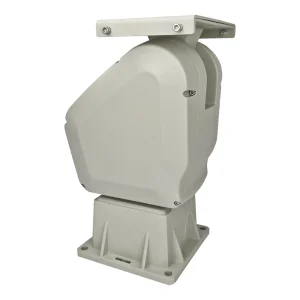
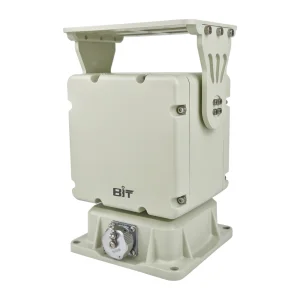
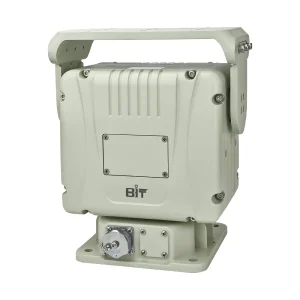
An antenna telescopic pole is only as capable as the positioning hardware it supports. The synergy between Blue Icon's structural masts and the specialized BIT-CCTV Pan Tilt Units (PTU) guarantees accurate target tracking and signal alignment.
Our mechanical integration prioritizes two critical parameters: torsional backlash and dynamic load distribution. Standard gear drives can experience gear-tooth play, resulting in micro-jitters at full mast extension. Blue Icon solves this by using high-precision worm gears and direct drive engines, ensuring smooth rotation and holding torque without back-driving under intense wind loads.
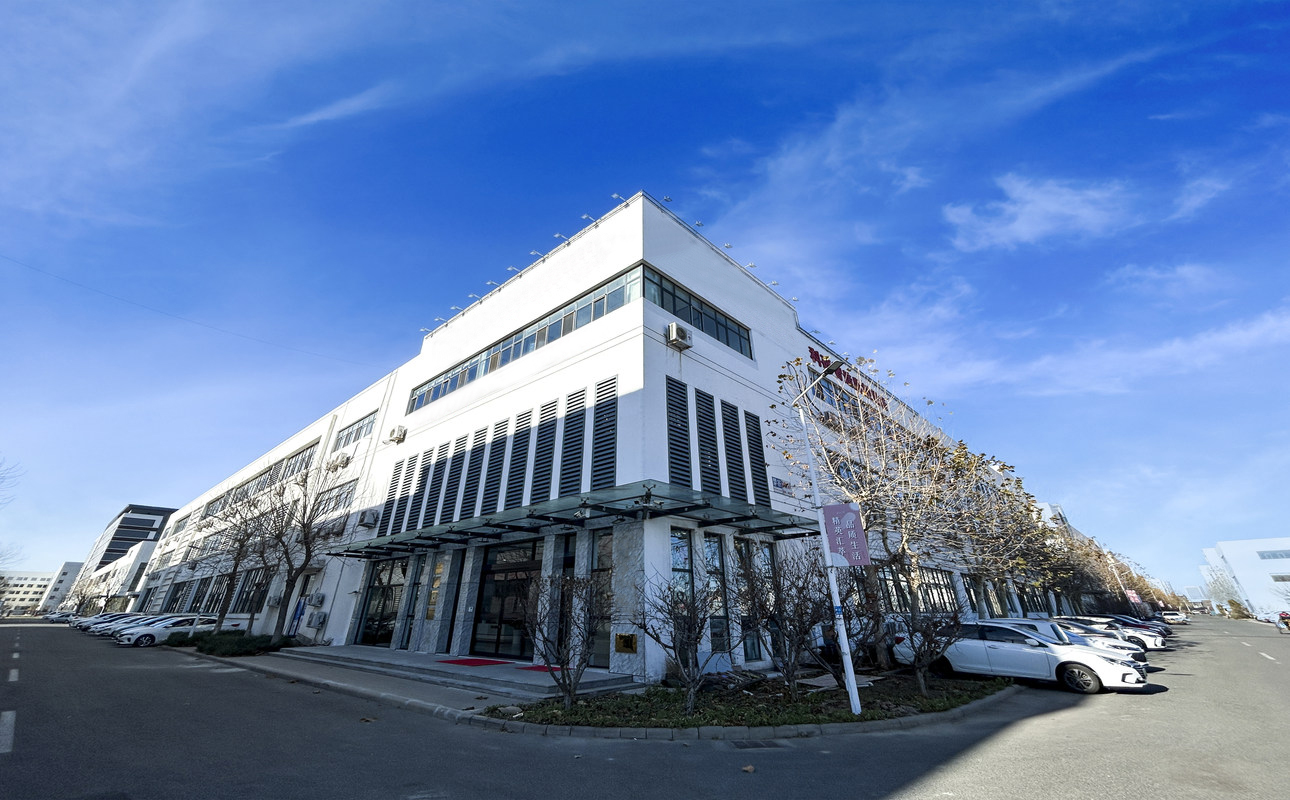
Established in 2005, Blue Icon (Tianjin) Technology Co. Ltd is a national high-tech enterprise specializing in the design, engineering, manufacturing, and global sales of premium CCTV surveillance equipment and positioning systems. Our product portfolio includes high-quality pan-tilt heads/positioners, long-range laser PTZ cameras, IR thermal imaging units, dual-vision systems, protective camera enclosures, mounting brackets, and structural telescopic mast systems.
With over 18 years of specialized engineering experience, we support OEM and ODM clients worldwide, delivering tailored designs that operate reliably in demanding environments.
Discover how our high-precision worm gear drive assemblies handle heavy payloads and maintain pointing accuracy over long deployment cycles.
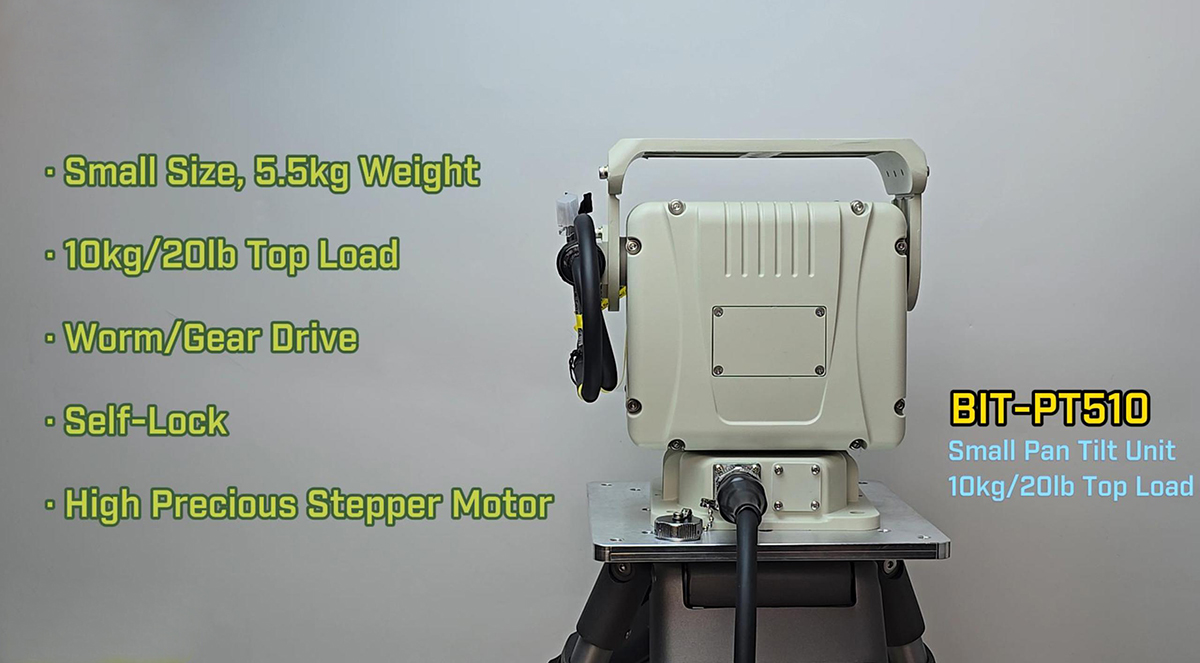
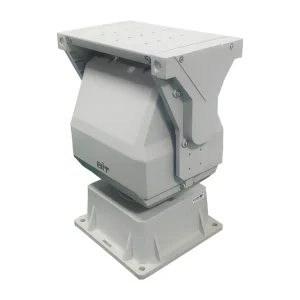
As our most compact pan tilt unit, the BIT-PT503 weighs just 3.5kg while supporting payloads up to 3.5kg (7.7lb). This lightweight positioning unit is designed for mobile defense kits, rapid-deployment masts, and applications with strict weight constraints.
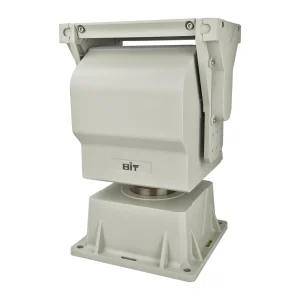
Engineered for dynamic tracking applications, the BIT-PT410 reaches a rotation speed of 100°/second to enable fast target acquisition. Equipped with a rugged worm-and-gear drive in the tilt axis, it securely positions 10kg (22lb) payloads across a wide tilt range of -90° to +40°.
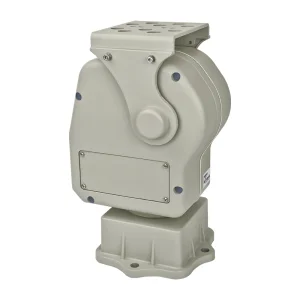
A cornerstone of our high-capacity line, the BIT-PT850 supports payloads up to 50kg. Featuring our classic mechanical structure refined over a decade of operation, this unit is deployed globally in harsh industrial environments where downtime is not an option.
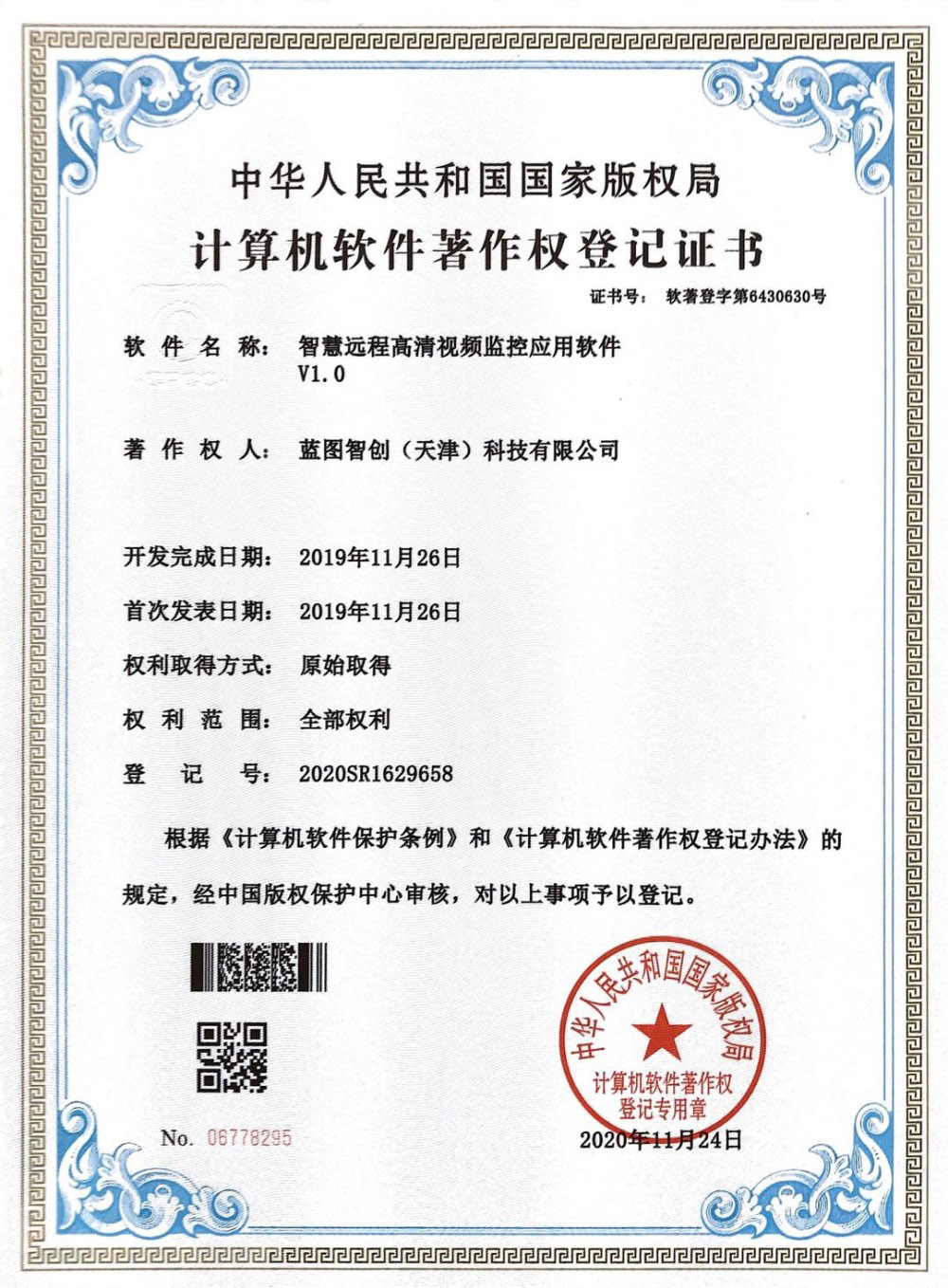
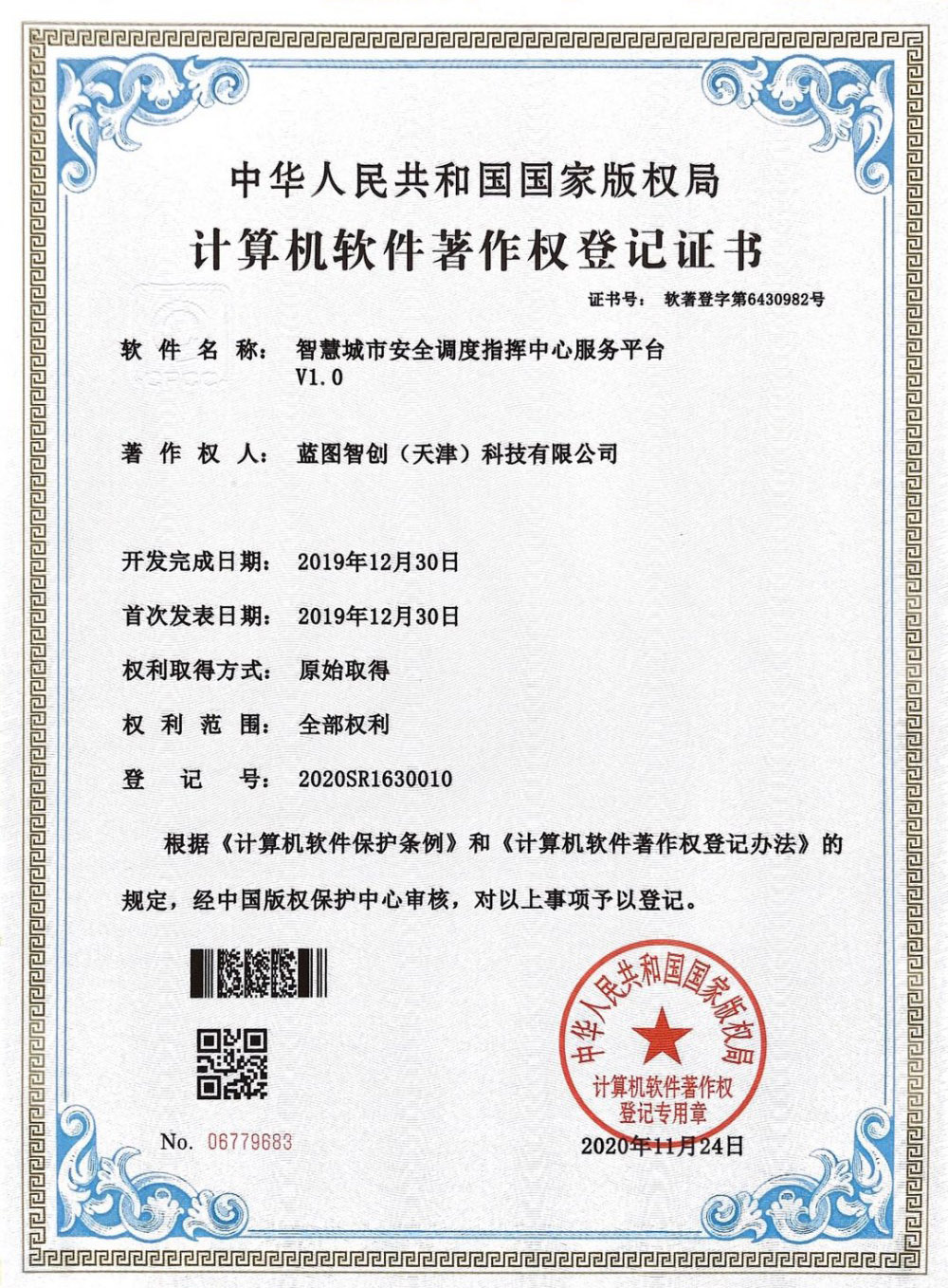
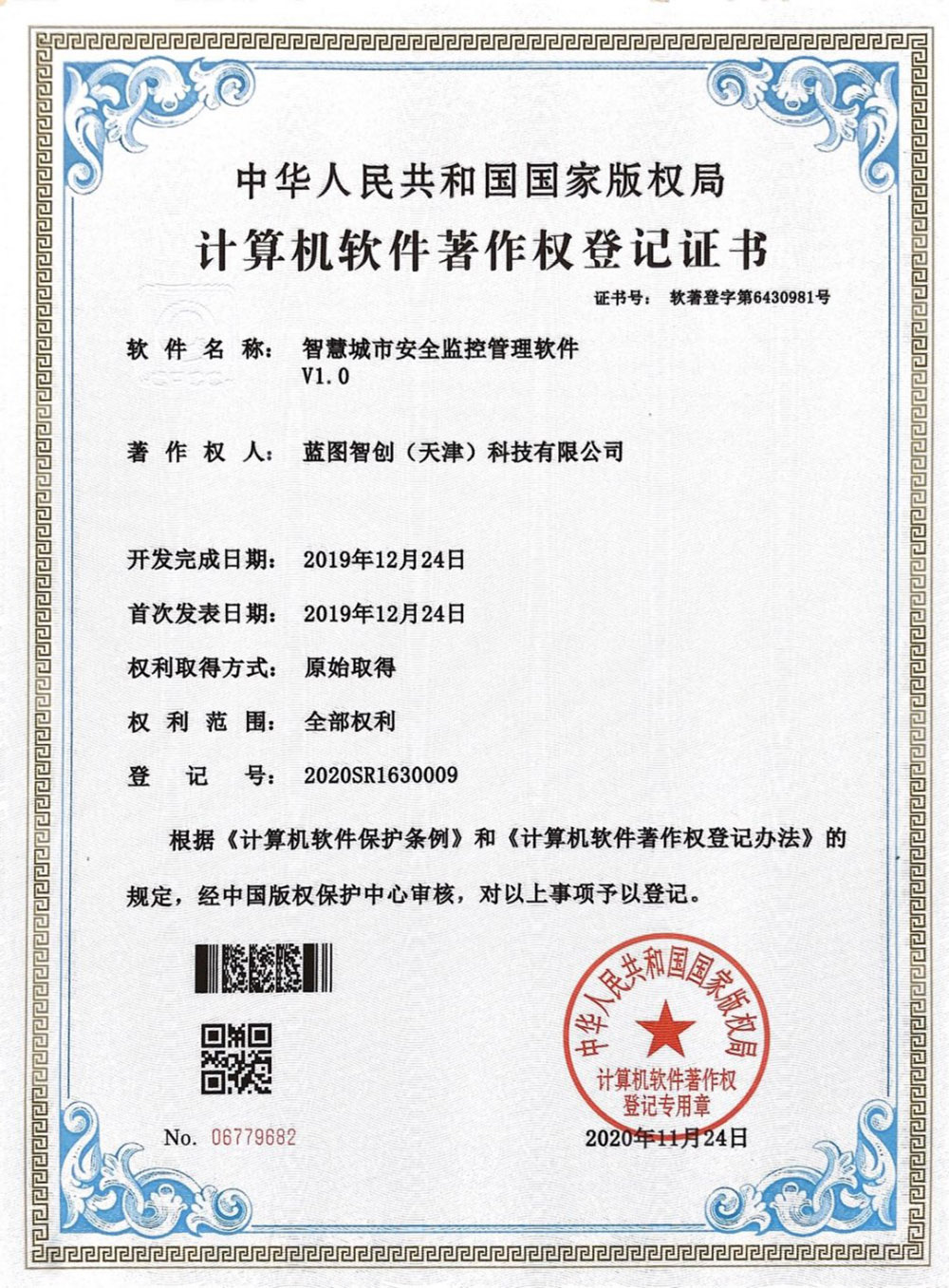
Over 50 national patents and systematic testing protocols back our manufacturing processes, ensuring consistent field performance.
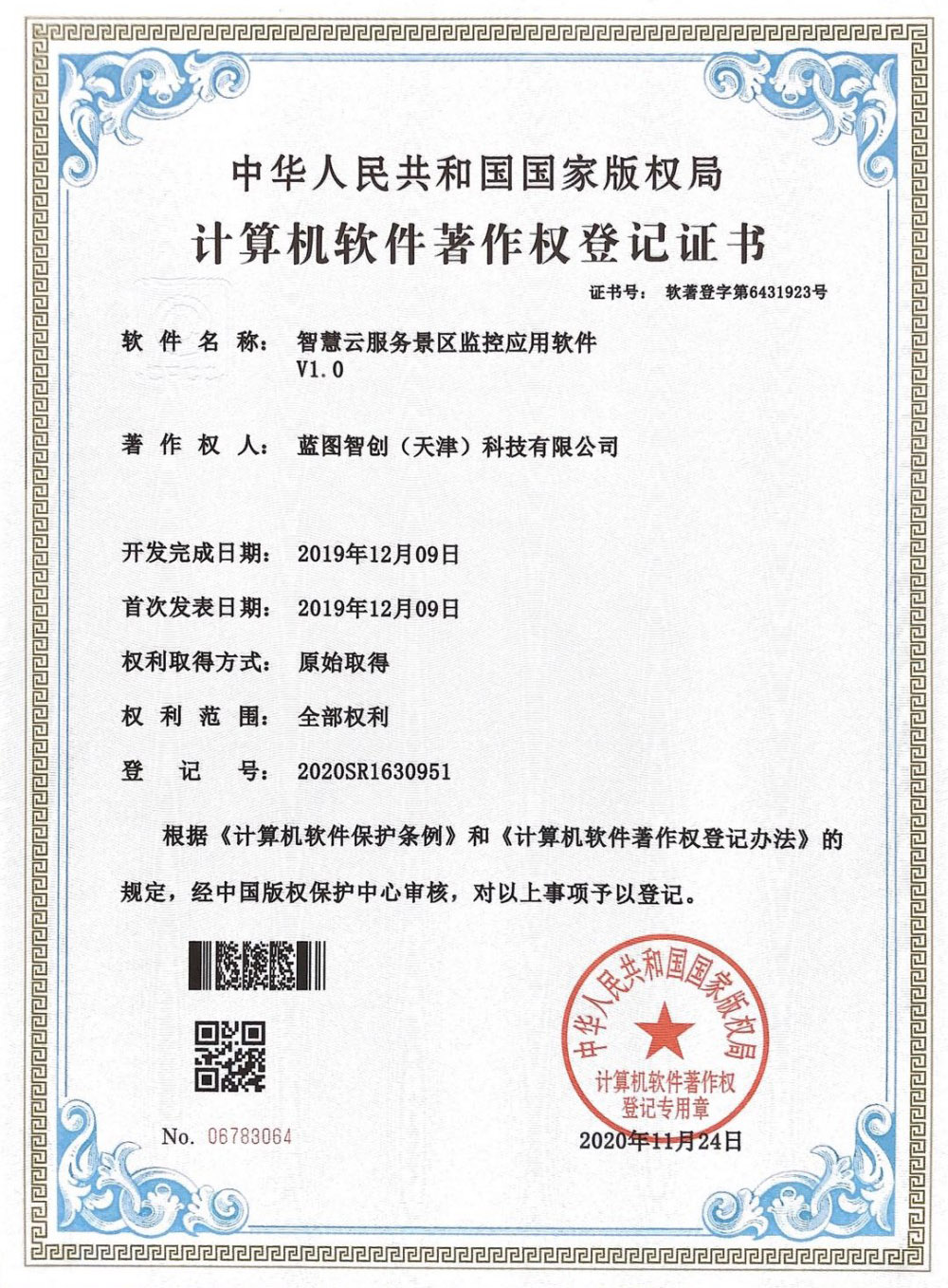
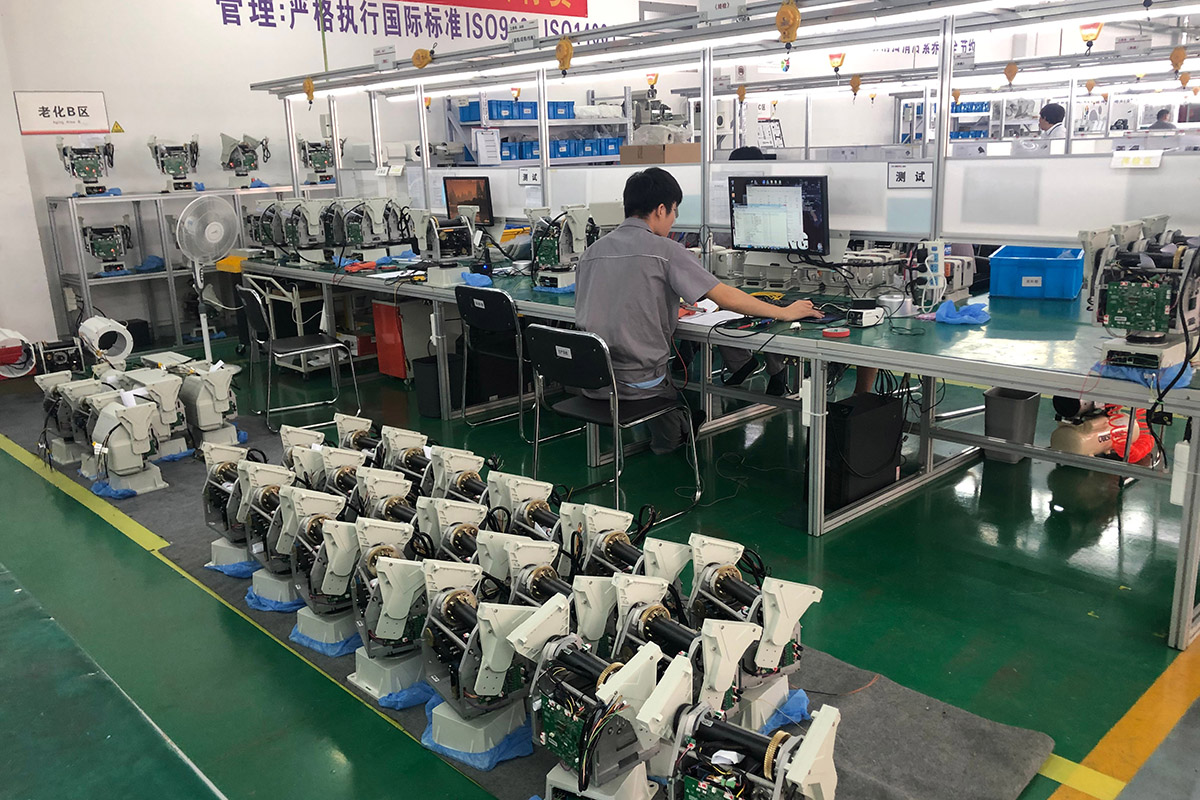
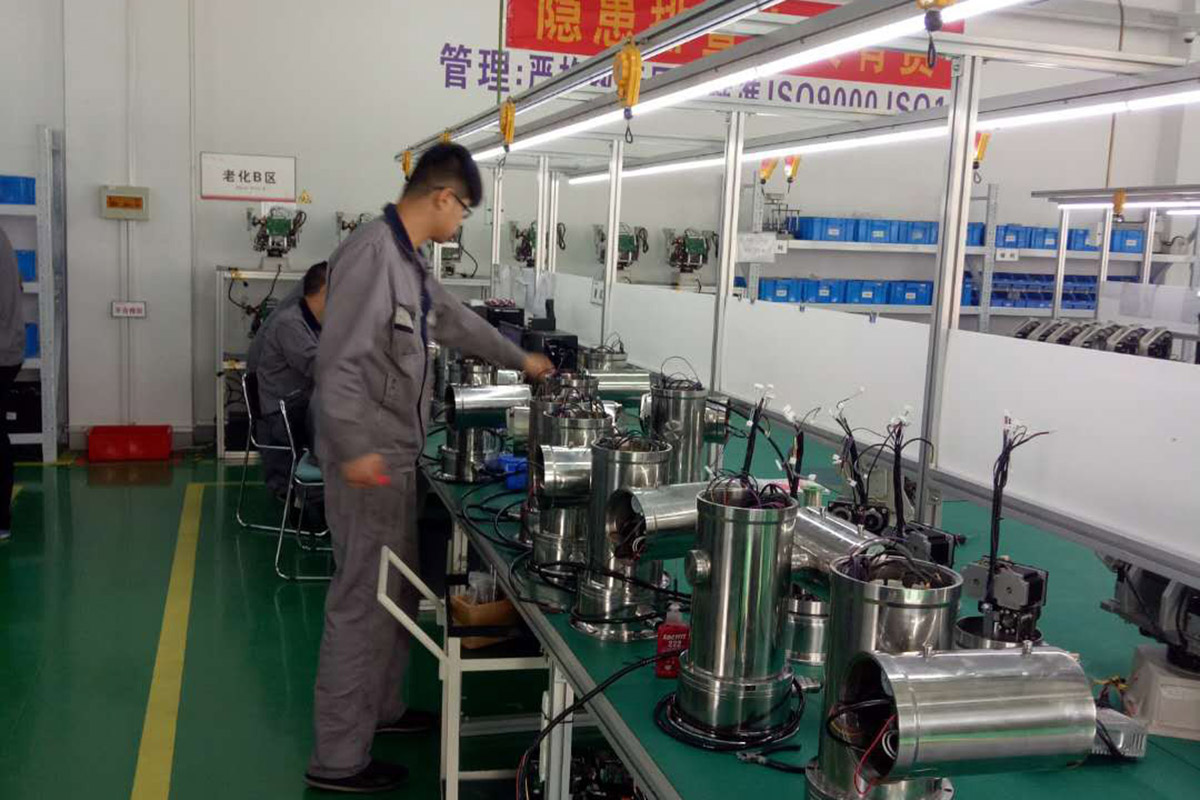
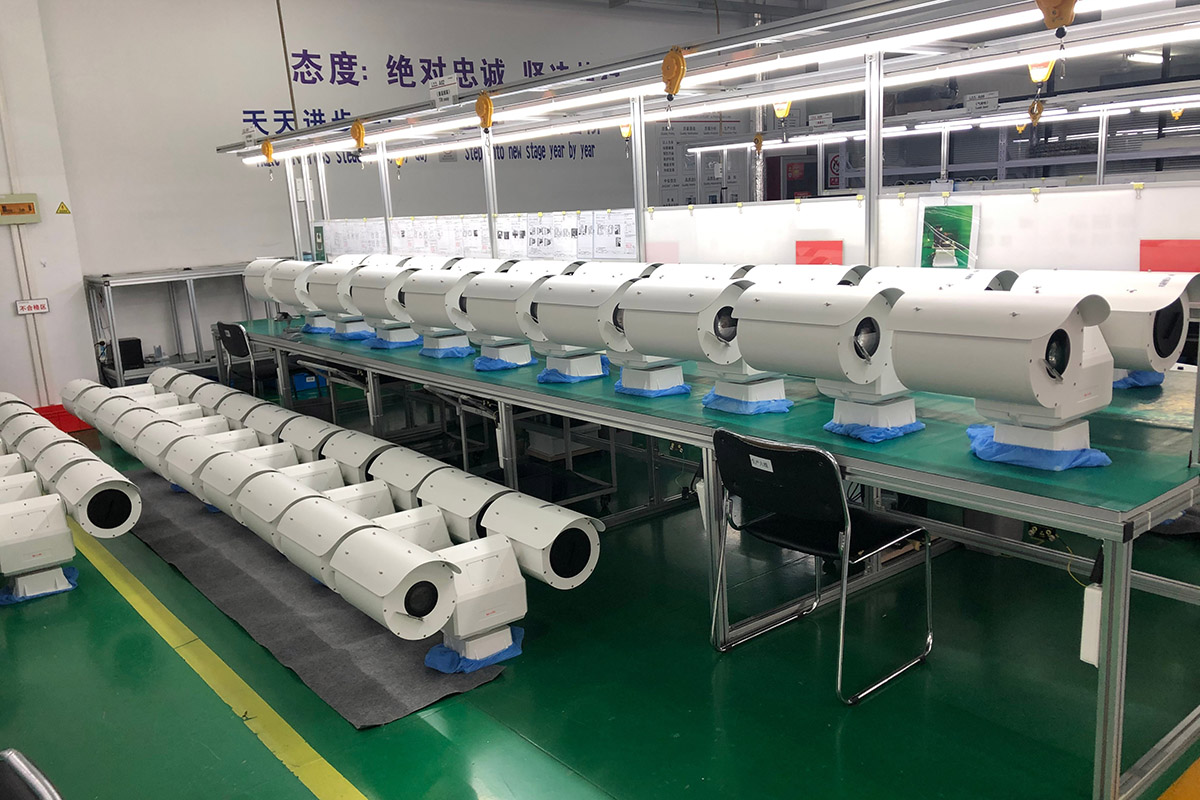
Each structural telescopic pole and integrated positioning system undergoes rigorous environmental testing, including vibration checks, high-low temperature runs, and salt spray exposure. These steps ensure compliance with IP66/IP67 ingress ratings and structural load specifications.
With systems active across 50 countries on five continents, our masts and pan-tilts reliably support global infrastructure.
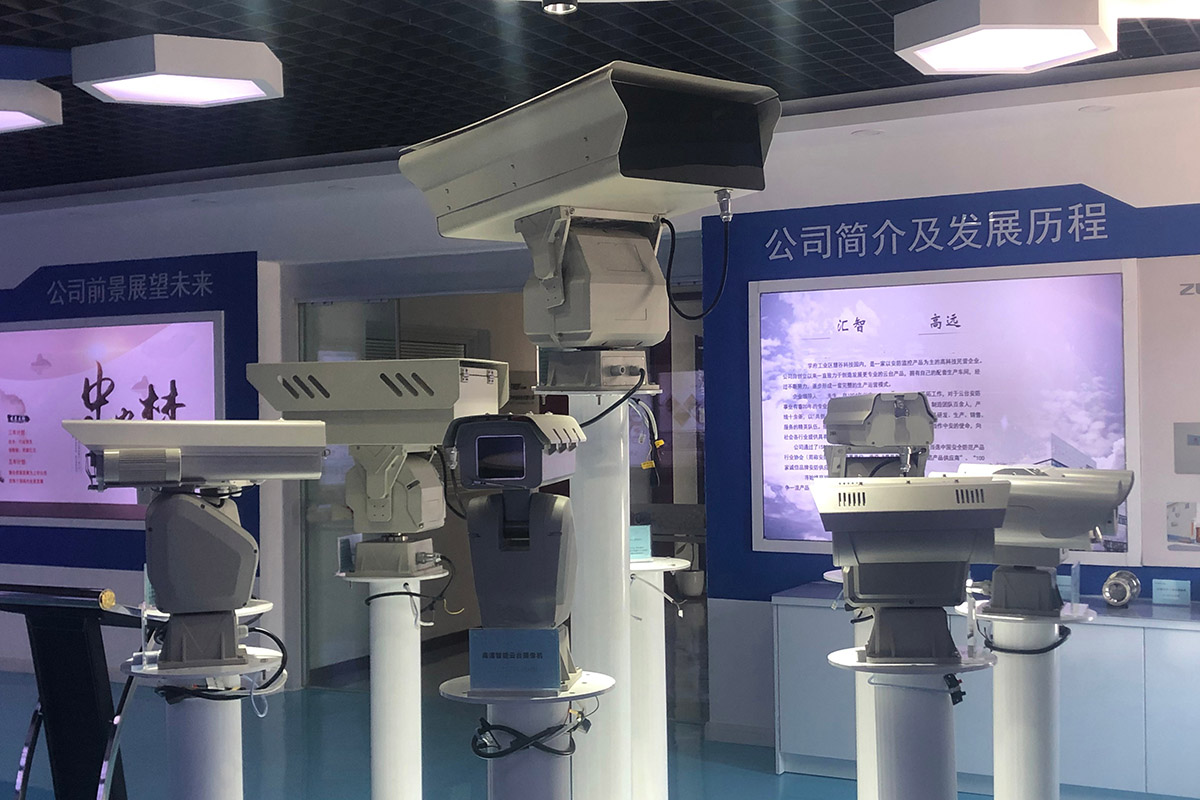
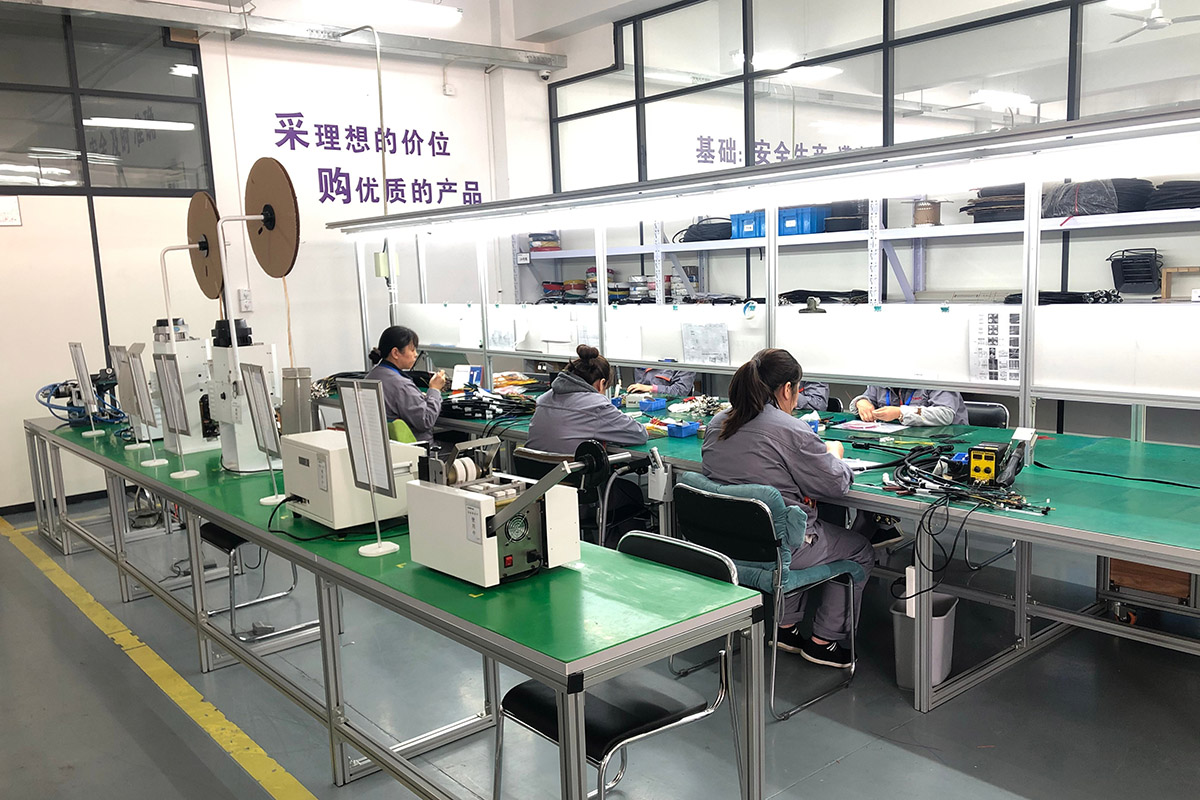
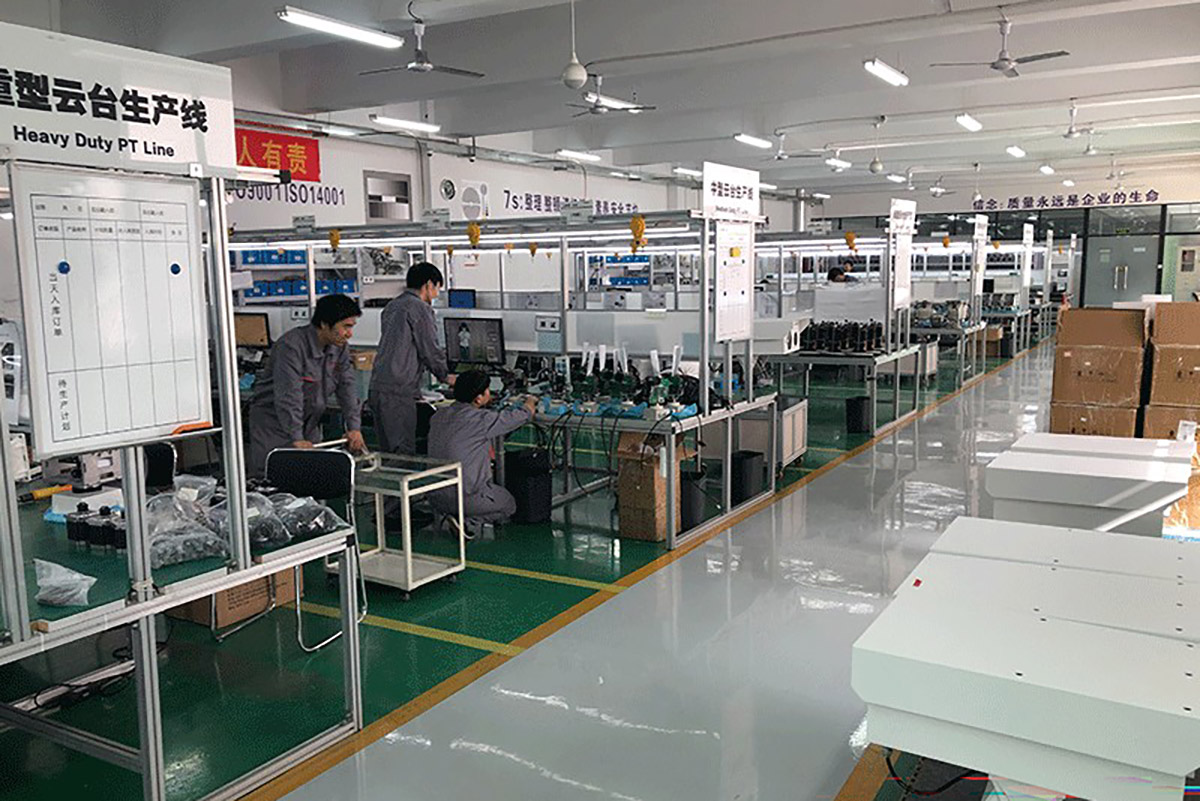





The requirements for telescopic masts continue to evolve beyond simple physical structures. Our R&D division is actively targeting three primary innovation areas:
Deploying telescopic poles on uneven terrain typically requires manual calibration and outrigger adjustments. We are integrating micro-electro-mechanical sensors (MEMS) and active tilt-monitoring controllers into our pneumatic and motorized masts. This upgrade will allow real-time position measurements, automatically sending corrective data to the pan-tilt base unit to stabilize the line-of-sight during operation.
High-frequency telecom applications require minimal torsional movement. Our next-generation masts utilize multi-splined, dual-keyway guide channels. This internal structure reduces rotational backlash to less than 0.05 degrees, even under significant wind shear, ensuring signal alignment without the need for heavy external guy-wires.
Deployments in coastal, defense, or offshore settings require robust surface protection. We are implementing dual-stage ceramic-based anodizing alongside specialized marine paints. This process delivers over 1,500 hours of salt spray resistance (per ASTM B117 standards), protecting vital structural assemblies in coastal installations.
Answers to common structural, integration, and environmental questions from our engineering support team.
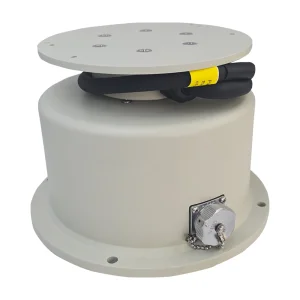
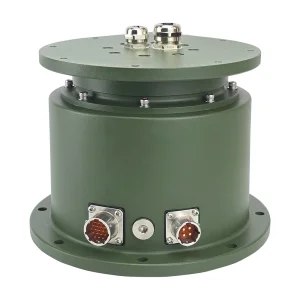
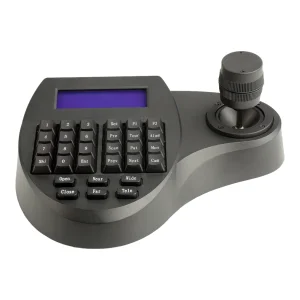
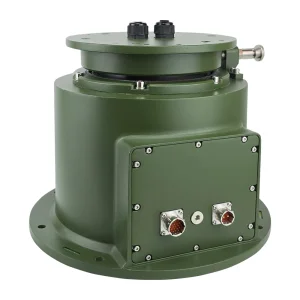
Explore our high-capacity pan-tilt platforms, specialized controller keypads, and direct-drive rotator configurations.