 BIT-CCTV
BIT-CCTV
BIT-CCTV
Industry-standard payload carriers designed to survive the harshest environments globally.
In the modern security intelligence landscape, the resilience of remote imaging networks depends heavily on physical durability. Large-scale infrastructure projects—spanning national borders, petrochemical processing units, naval harbors, and strategic transportation systems—demand imaging architectures that operate reliably under extreme stress. Camera enclosures and pan-tilt units (PTUs) are no longer passive mounting components. They have evolved into active environmental shields that support critical optical, thermal, and laser diagnostic equipment.
Global procurement teams face complex requirements. Modern requests for proposals (RFPs) emphasize lifetime cost of ownership, system compatibility, and compliance with severe environmental standards. Equipment must survive marine salt corrosion, desert windstorms, high heat, and sub-zero freeze cycles. For system integrators, selecting high-quality camera enclosures and pan-tilt units requires balancing mechanical structural integrity with thermal control and signal accuracy.
When selecting systems for heavy industrial and defense installations, engineers evaluate structural fatigue limits, wind loading tolerances, thermal stabilization times, and electrical shielding. An enclosure must protect internal optics from ambient temperature changes and electrical interference while providing stable video feeds during strong winds.
Designing camera enclosures requires deep expertise in thermodynamics, metallurgy, and electromechanical engineering. At BIT-CCTV, our engineering process focuses on three core principles:
High-quality enclosures use marine-grade stainless steel (such as SUS316L) or anodized aluminum (6000-series alloy) treated with anti-corrosive powder coatings. These materials are chosen to resist galvanic corrosion in coastal installations and acidic conditions in chemical plants. Ingress Protection (IP) ratings are verified to IP66, IP67, and IP68 standards, ensuring complete protection against dust ingress and high-pressure water jets.
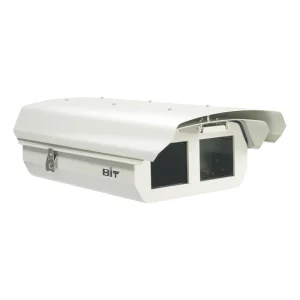
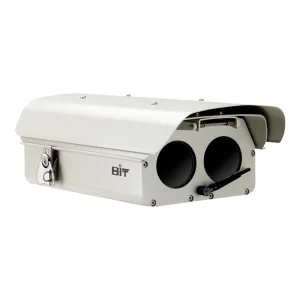
Multi-sensor monitoring relies on dual-window configurations. Combining long-wave infrared (LWIR) thermal cameras with high-resolution visible-light cameras requires separate optical windows. The thermal window uses Germanium (Ge) glass optimized for high transmission in the 8-14μm spectrum, while the visible optical window uses high-transmission anti-reflective (AR) coated glass. Advanced systems include internal heating elements, cooling fans, defrosters, and integrated wiper units to maintain clear visibility through temperature drops and condensation.
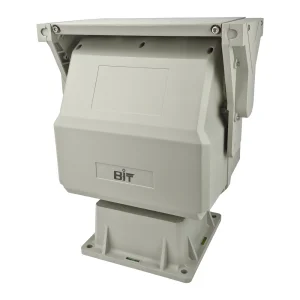
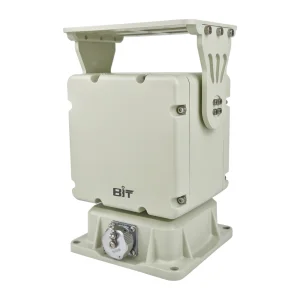
Pan-tilt units require precise mechanical drives to ensure stability. Our systems use worm-gear transmission assemblies and direct-drive brushless motors. These designs provide self-locking mechanisms to prevent movement under wind load, backlash compensation for sub-milliradian positioning, and continuous 360-degree pan rotation via internal slip rings.
Physical security challenges vary significantly by sector. Standard off-the-shelf camera housings often fail under industrial loads. Our specialized solutions are engineered for demanding applications:
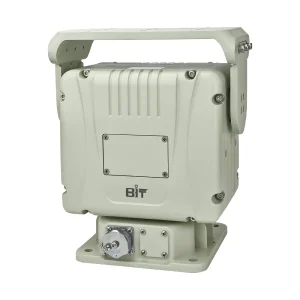
Designed for explosive environments, gas storage units, and refineries. Utilizes explosion-proof Ex-d rated housings and chemical-resistant brackets.
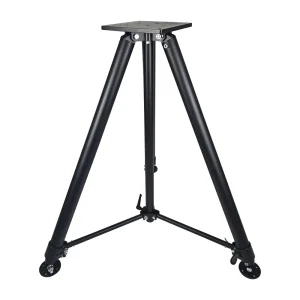
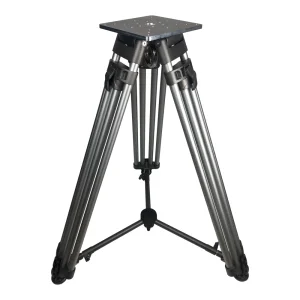
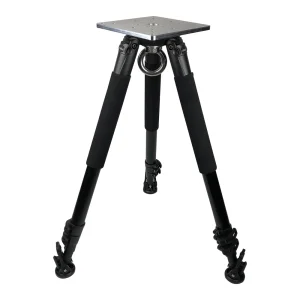
Integrates heavy-duty tripods and long-range laser PTZ positioners to track targets reliably over distances exceeding 10 kilometers.
Constructed with SUS316L stainless steel and anti-salt spray sealants to protect systems on oil rigs, naval vessels, and coastal ports.
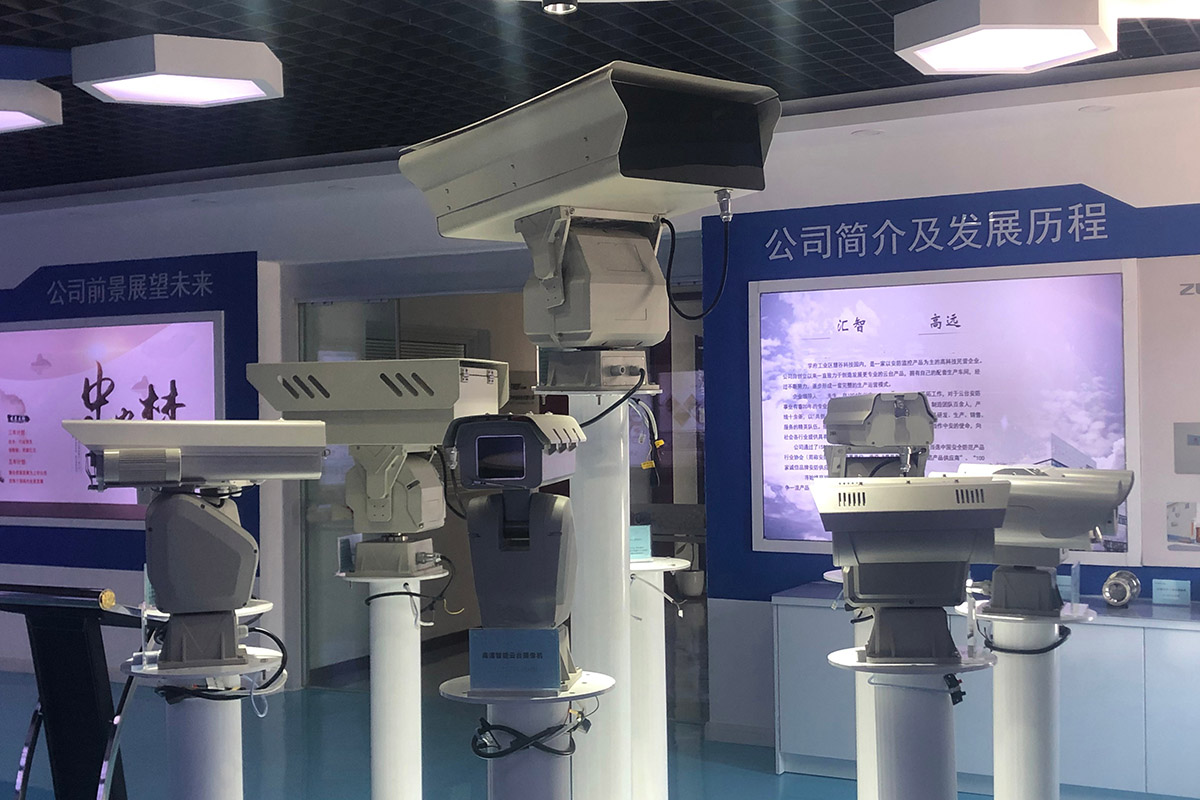
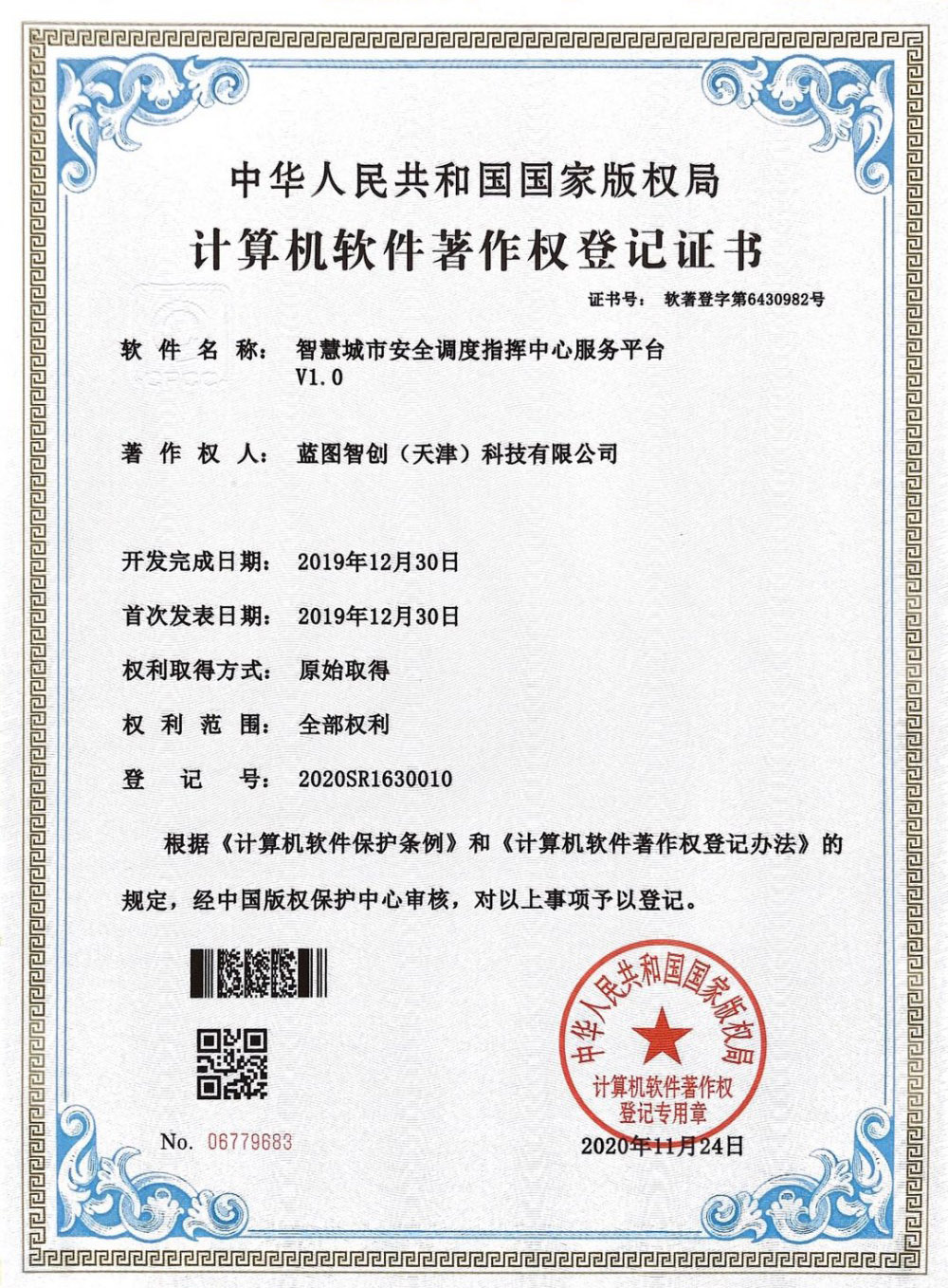
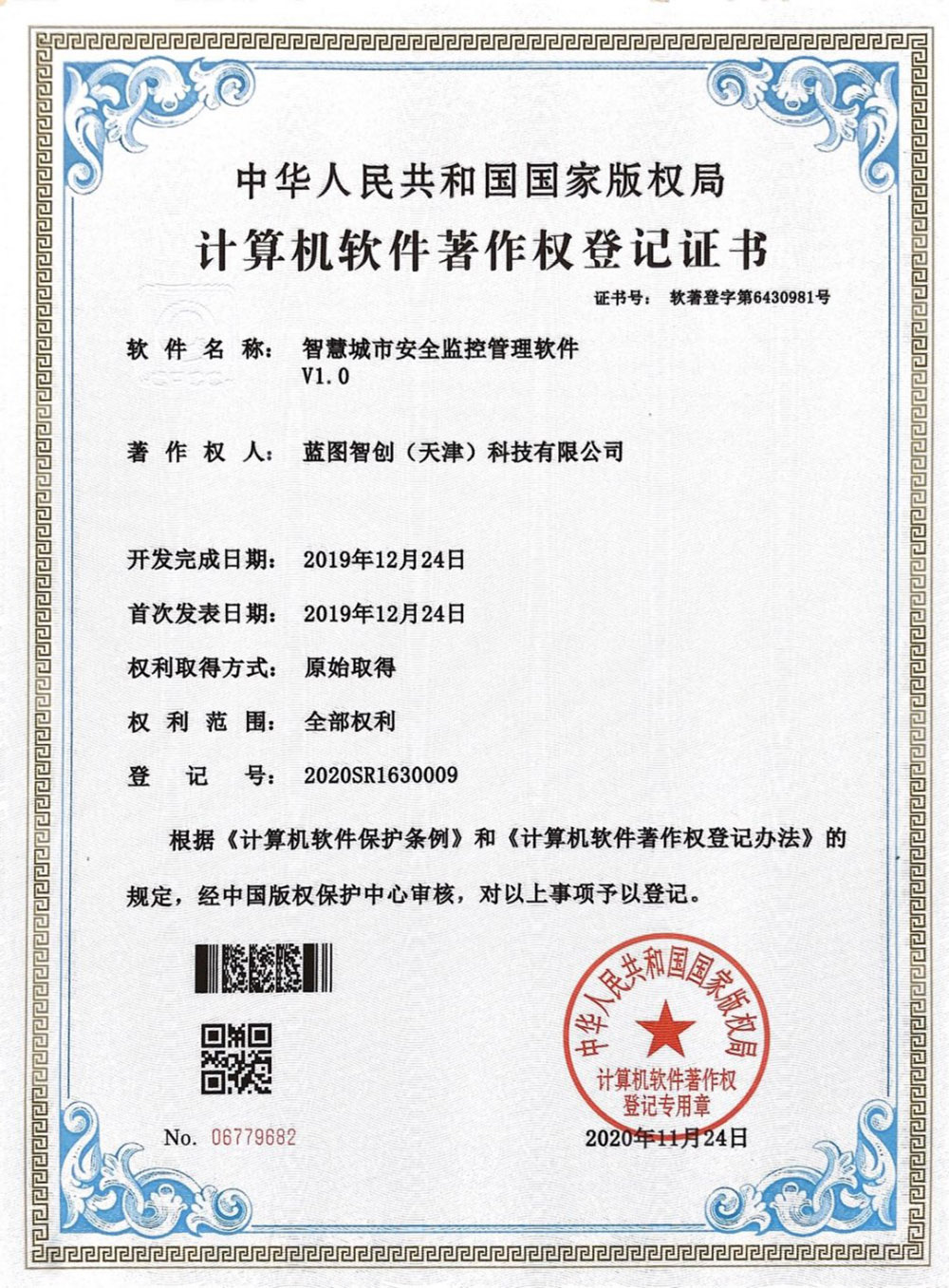
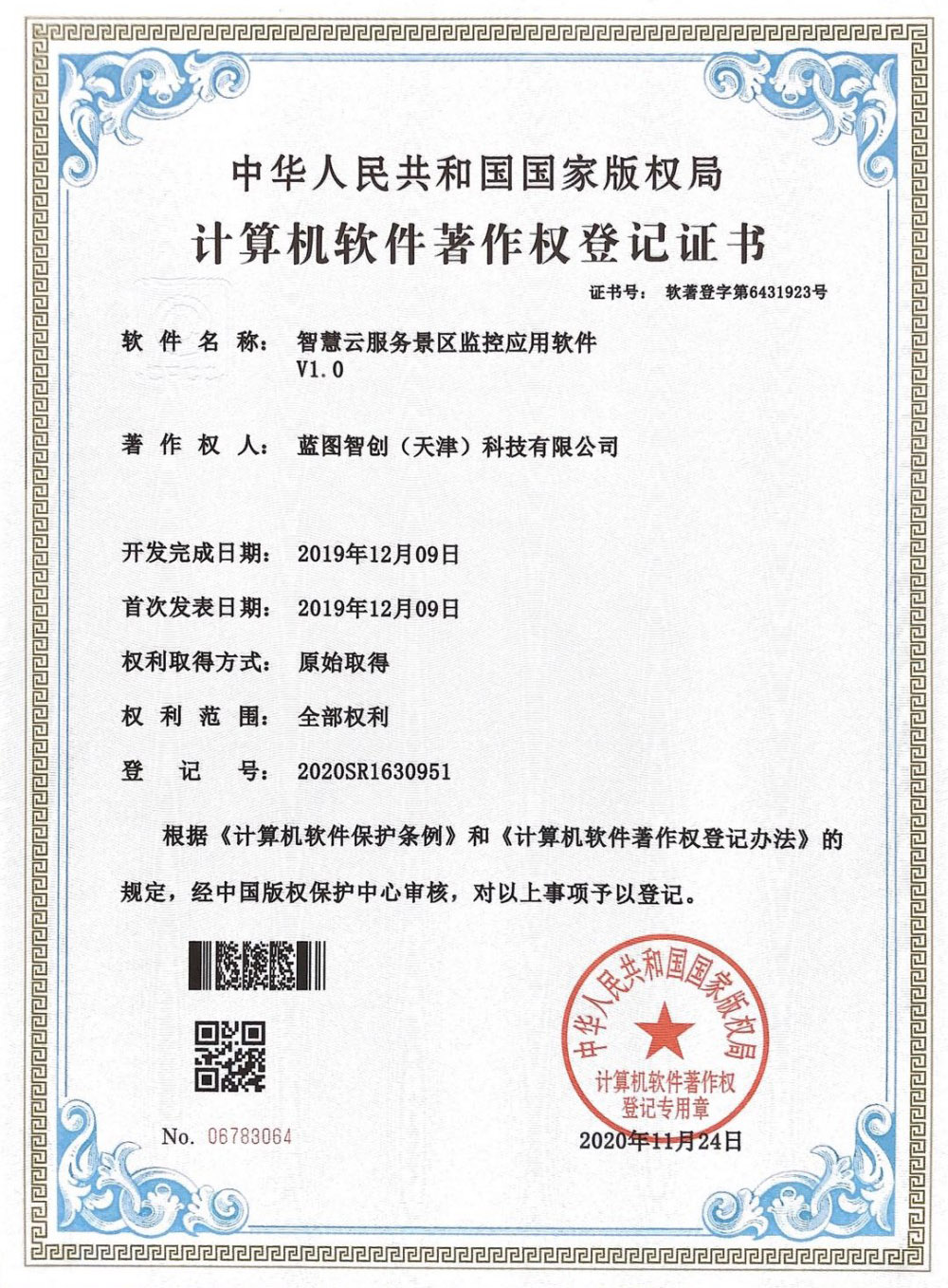
Established in 2005, Blue Icon (Tianjin) Technology Co. Ltd is a national high-tech enterprise. We specialize in the design, engineering, manufacturing, and distribution of high-quality CCTV surveillance equipment. Our product portfolio includes precision pan-tilt heads, long-range laser PTZ units, dual-vision thermal imaging cameras, camera housing enclosures, and heavy-duty mounting accessories.
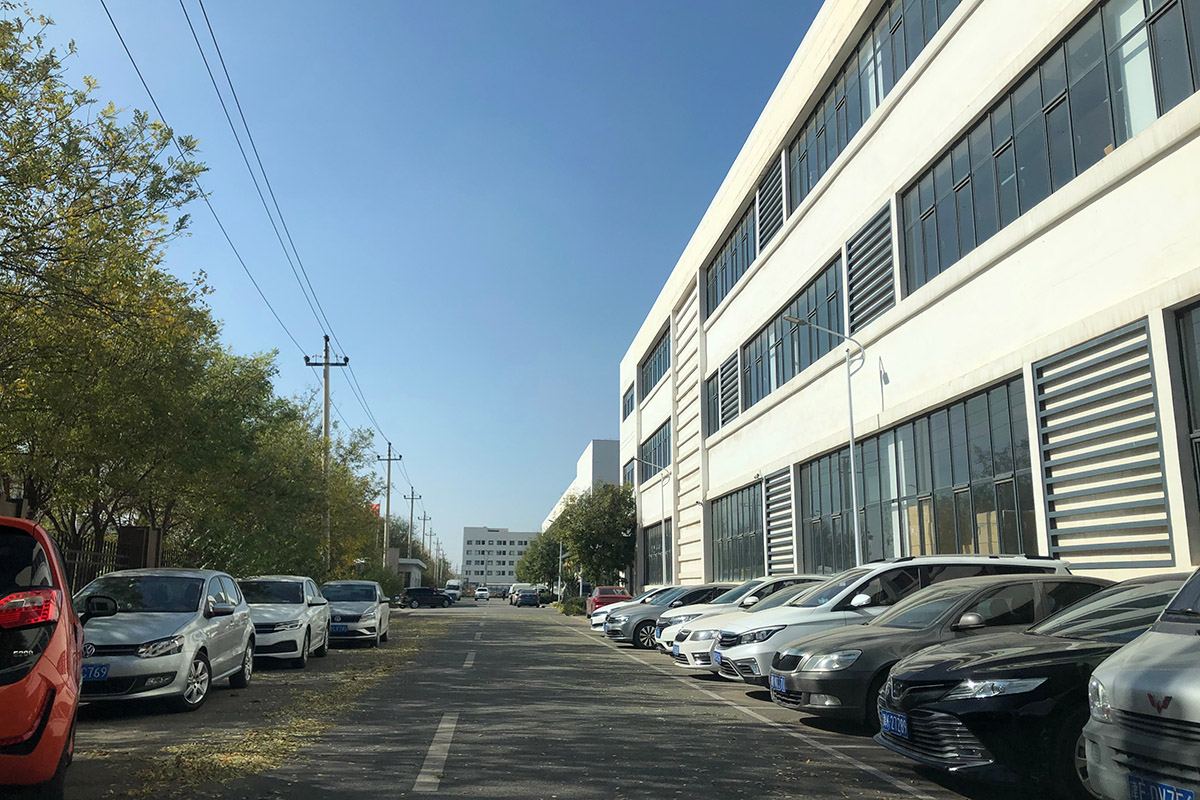
As the developer of China's first dedicated Pan-Tilt Positioners, we have set standards for payload stabilization and environmental sealing. Our manufacturing operations span a modern 10,000 square meter facility, with 10% of annual revenue reinvested in research and development to maintain our leadership in design innovation.
Company Founded
Pan Tilt Maker in China
Annual R&D Investment
Countries Sales Network
m² Manufacturing Area
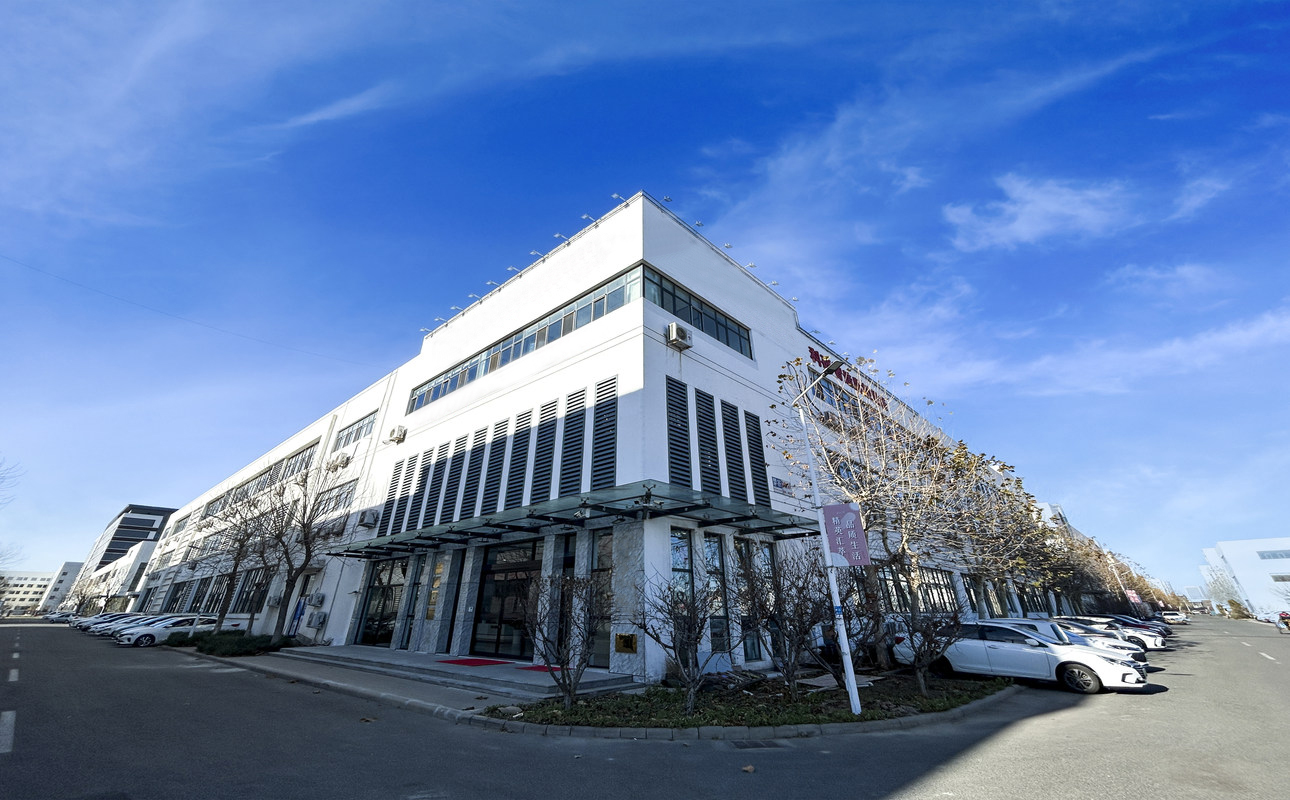
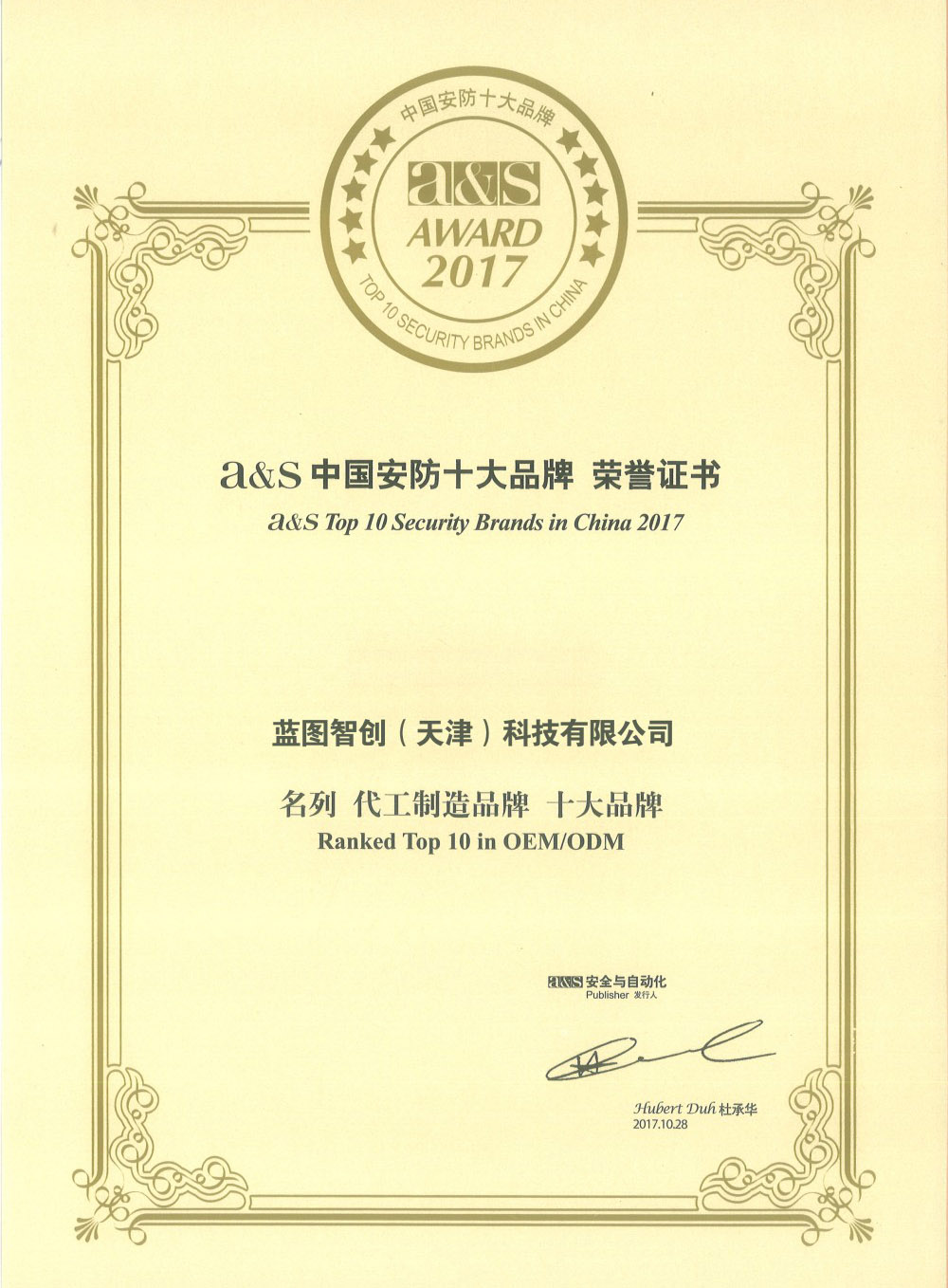
Blue Icon provides comprehensive OEM and ODM support, tailoring structures, electronics, and firmware to meet specific client needs. We deliver payload capacities ranging from 3.5kg up to 200kg, engineered to perform under challenging conditions.
 18 Years' Industry Experience Fully Customized Products 3-150kg Load Pan Tilt Units OEM & ODM Service
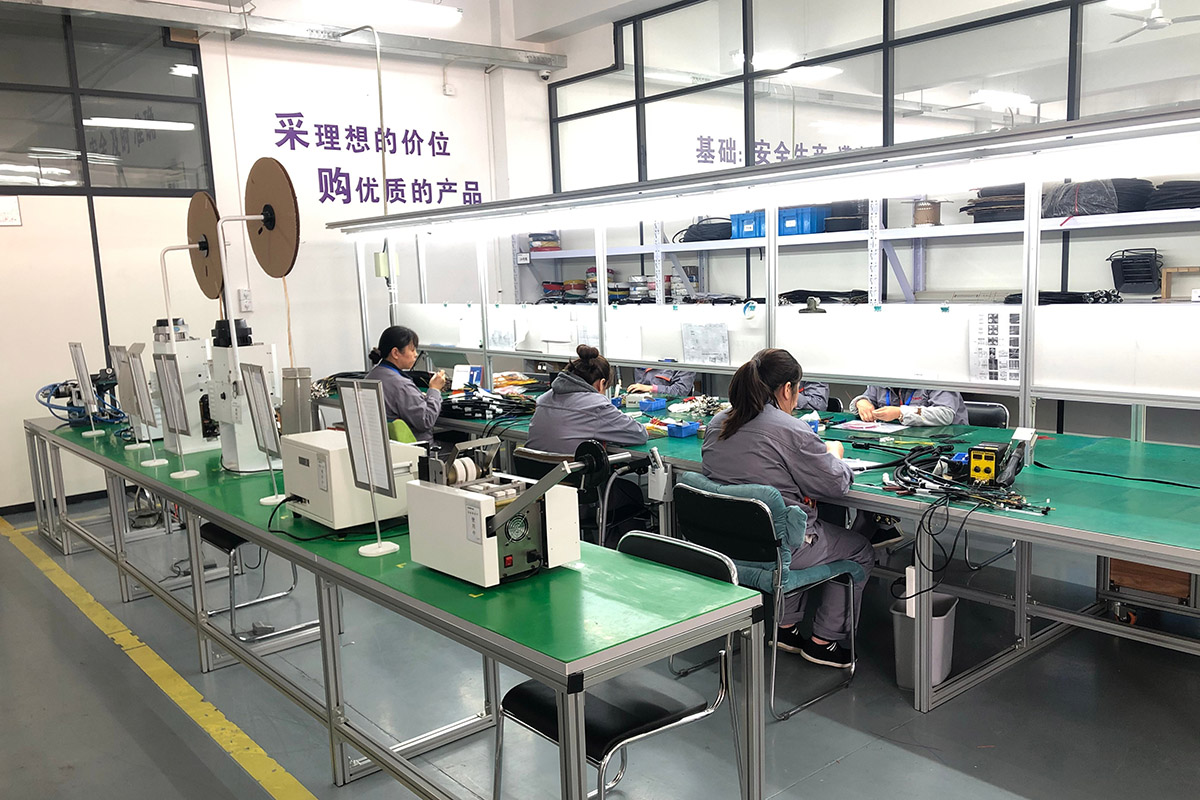
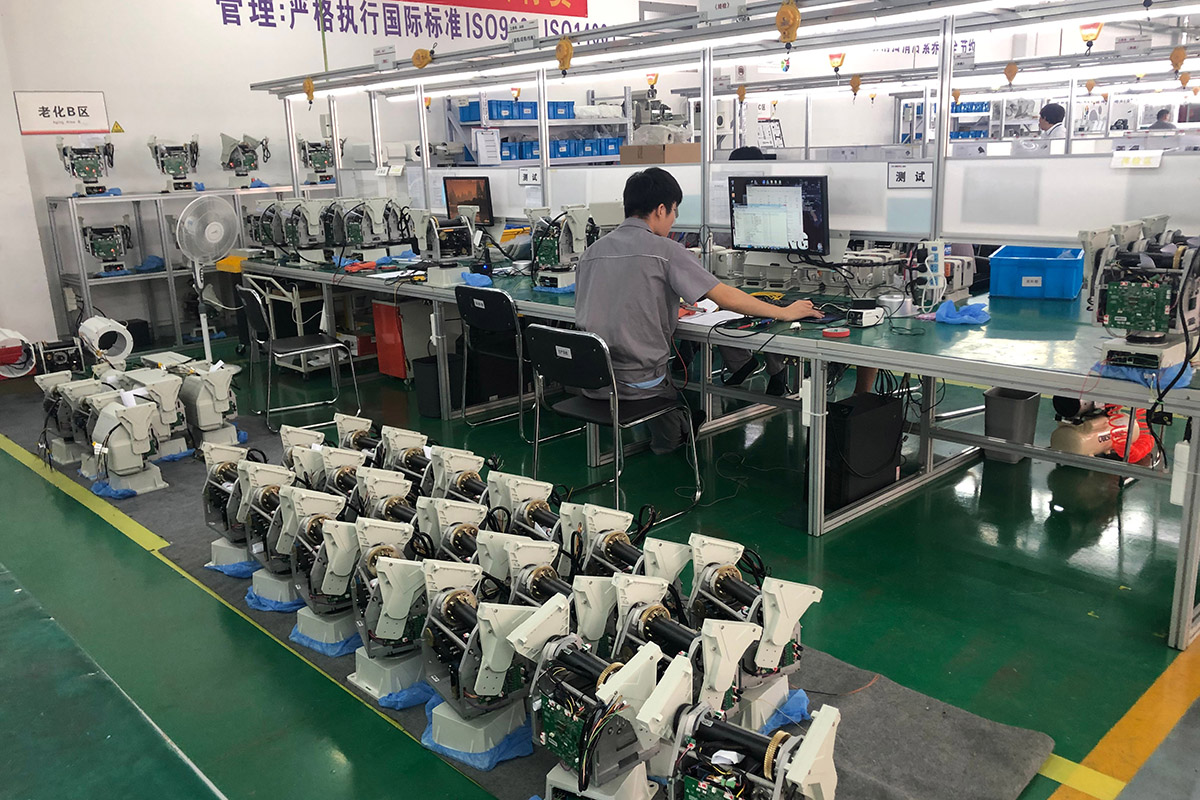
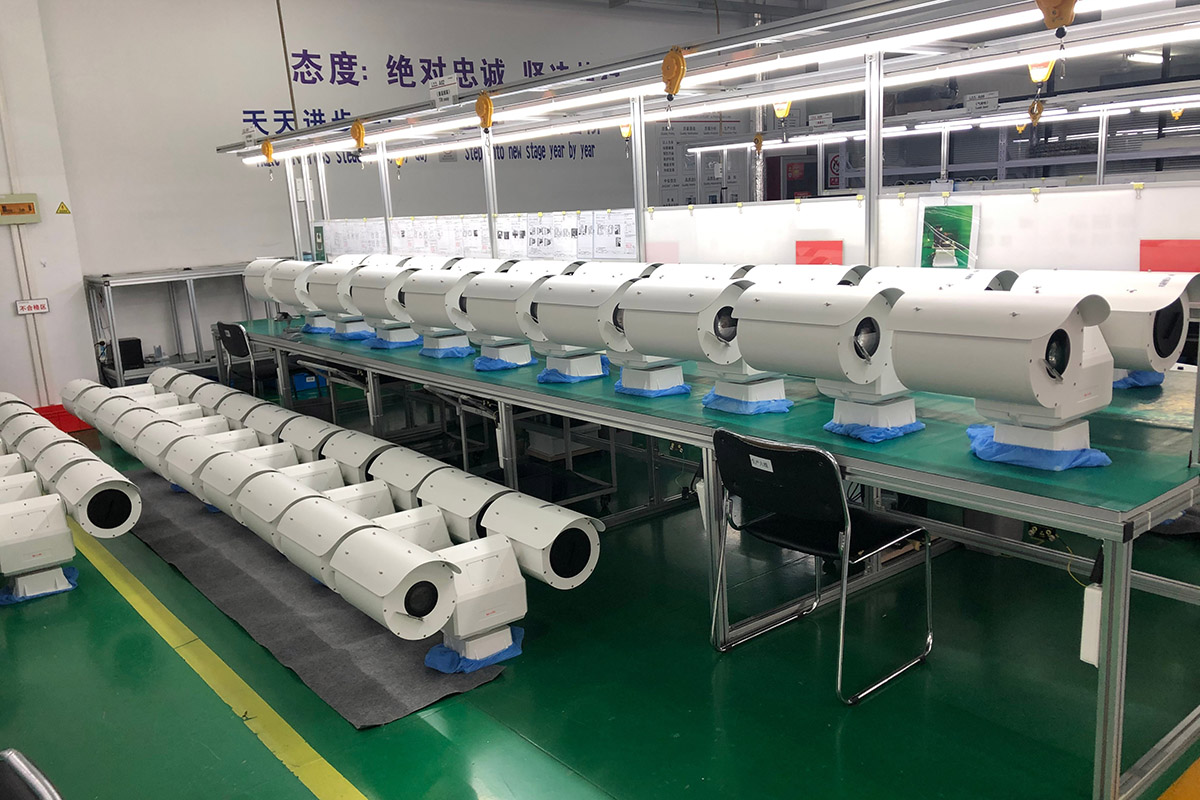
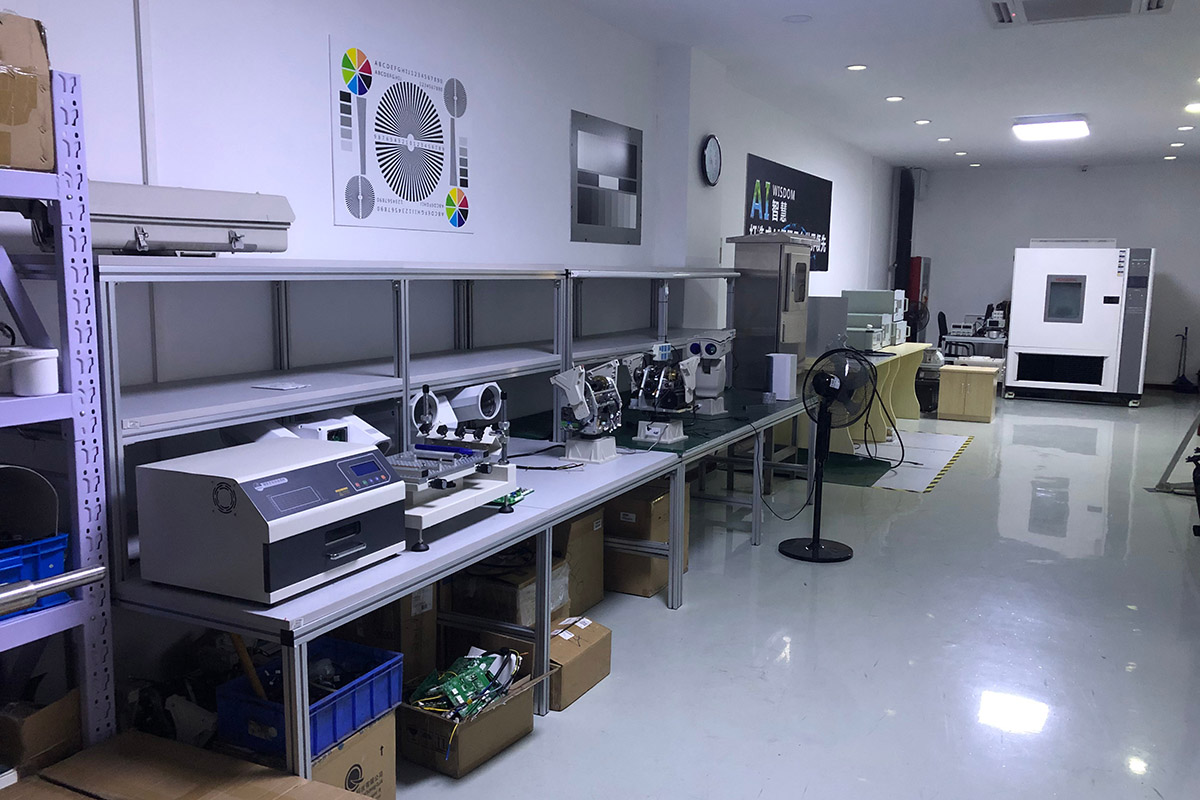
Quality management is integrated into every stage of production at our facility. Each pan-tilt unit and camera enclosure undergoes environmental simulation testing to verify performance. These evaluations include vibration tests, thermal cycles (-40°C to +65°C), and water jet ingress testing to ensure IP-rated sealing holds up under pressure.
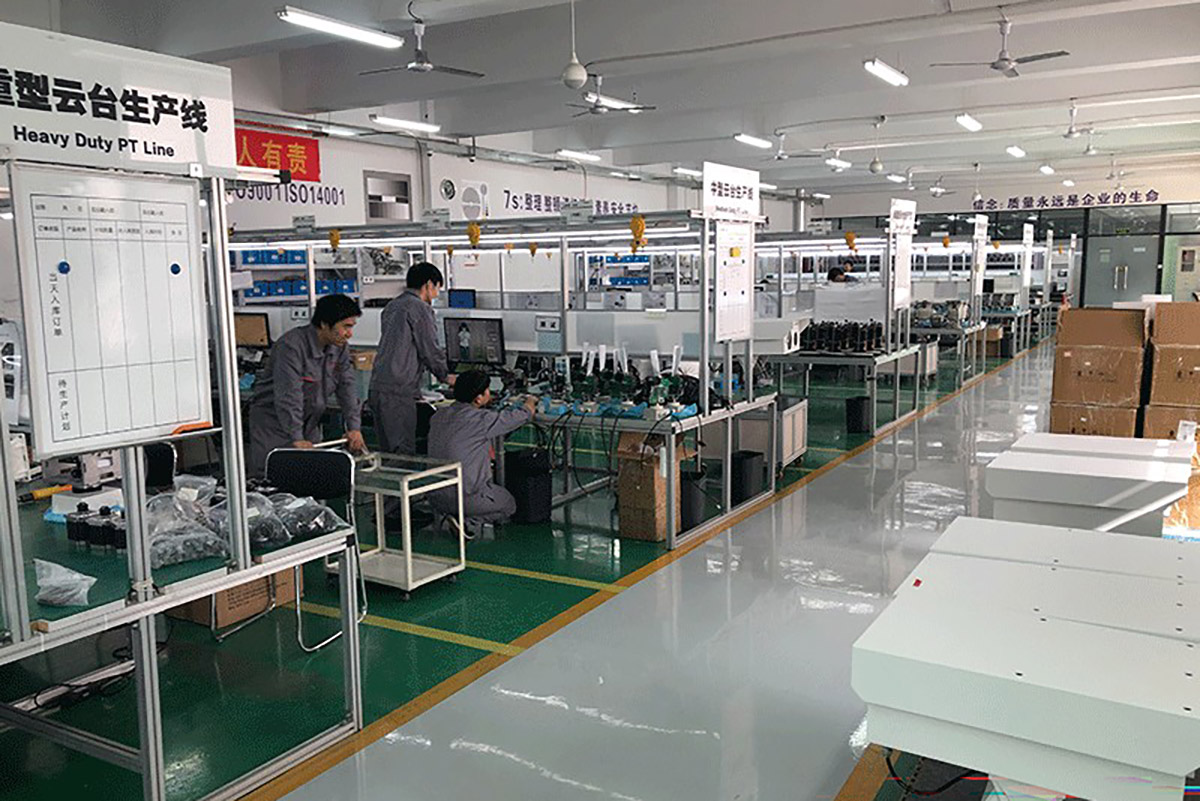
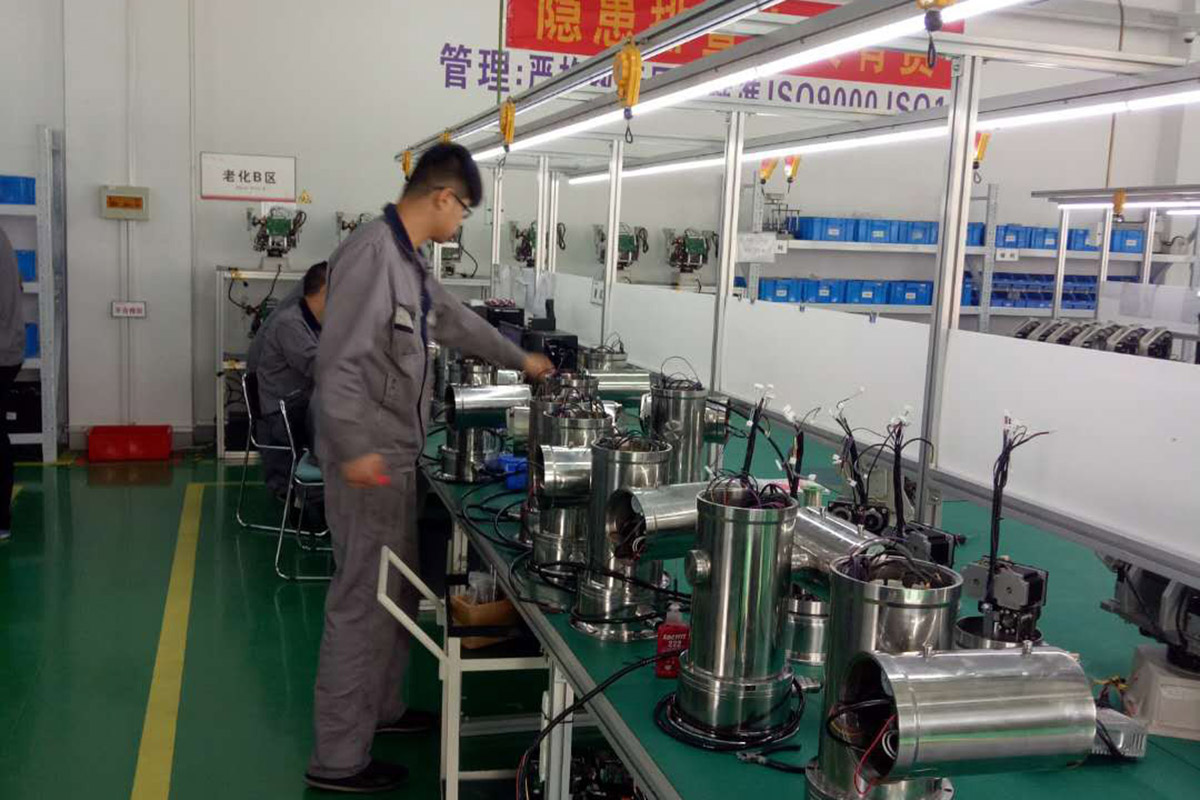
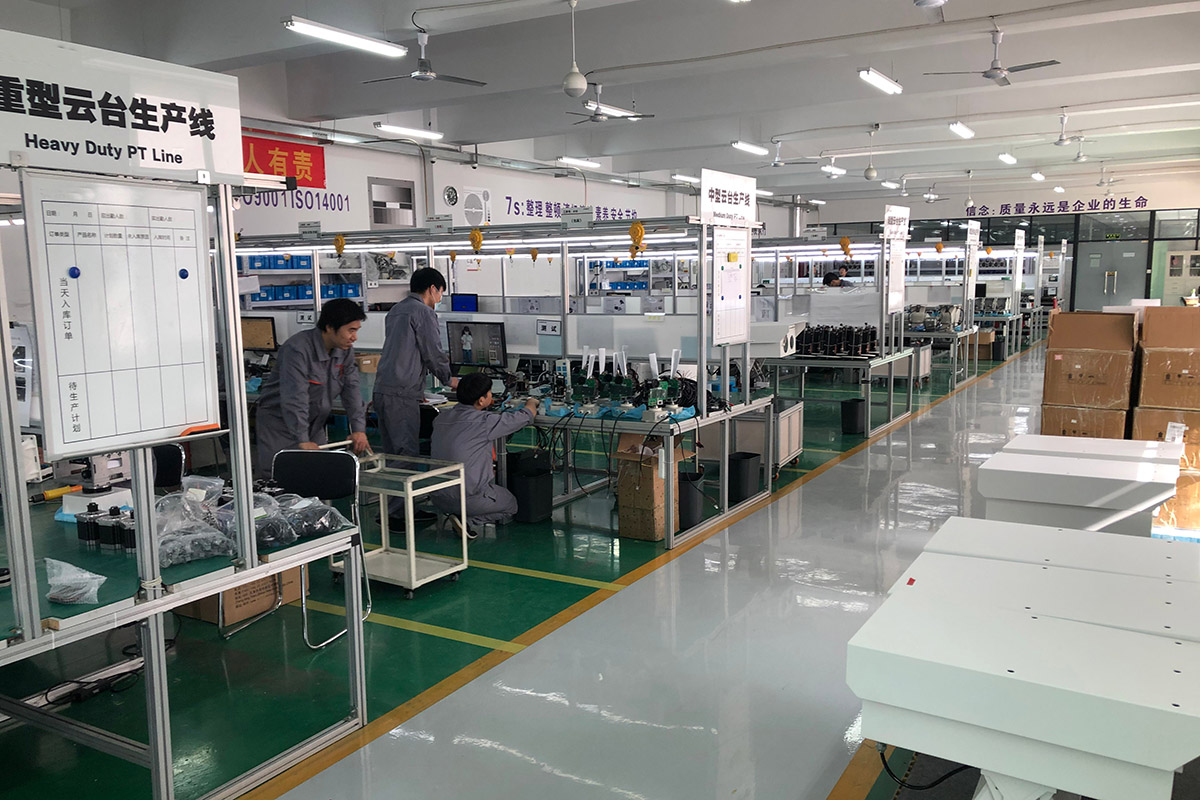
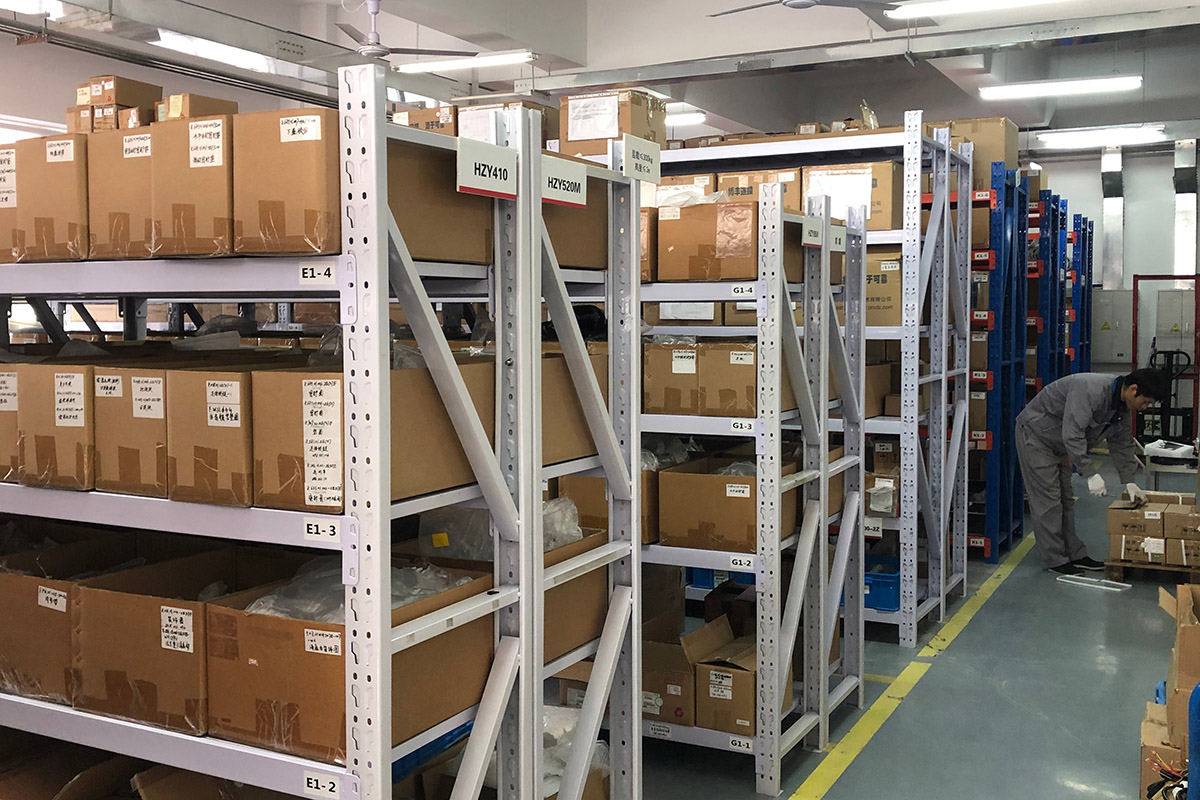
Our manufacturing facilities feature assembly bays, CNC machining centers, and cleanroom areas dedicated to optical integration. We maintain a reliable global supply chain, shipping certified positioning systems to defense integrators and industrial customers in over 50 countries.
The security industry is shifting toward smart, connected, and autonomous edge hardware. At BIT-CCTV, our technical roadmap focuses on three main developments:
Deploying infrastructure globally requires strict compliance with international manufacturing and safety standards. Our engineering designs conform to key industry regulations:
We use self-locking worm gears with spring-loaded anti-backlash designs. This configuration maintains contact between the gear faces, reducing mechanical play to less than 0.1 degrees. This precision is essential for stabilizing long-range optical sensors.
Standard visible glass blocks the thermal infrared spectrum (8-14μm), while thermal glass (like Germanium) blocks visible light. Dual-window enclosures feature separate optical paths, allowing both thermal and visible optical blocks to operate simultaneously in a single housing.
SUS316L contains 2-3% Molybdenum, which increases its resistance to chloride-induced pitting and crevice corrosion compared to SUS304. This makes it ideal for offshore platforms and coastal monitoring systems.
Yes. Our pan-tilt systems support Pelco-D and Pelco-P serial protocols via RS-485, as well as ONVIF Profile S and T interfaces. This enables integration with major video management systems (VMS).
Our housings feature integrated heating elements and fans controlled by a thermostat. The system turns on when temperature or humidity sensors detect conditions that cause dew point condensation, keeping the optical window clear.
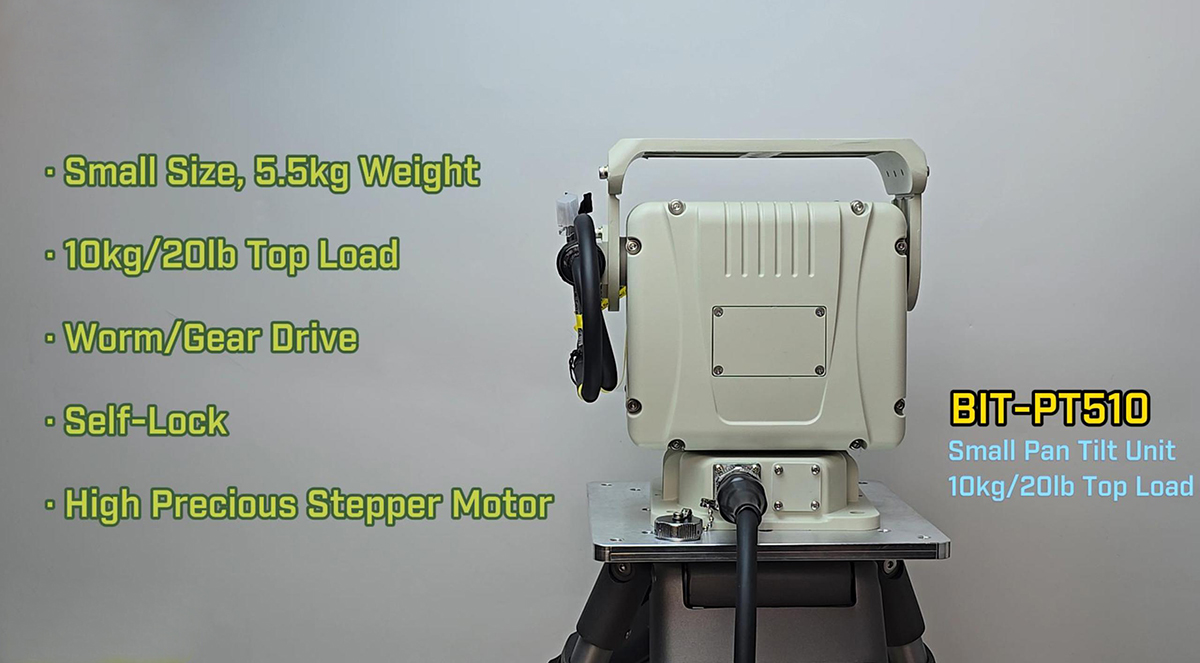
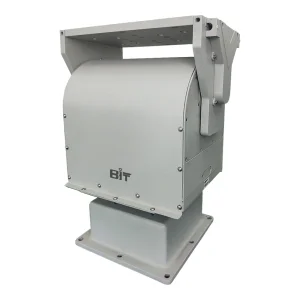
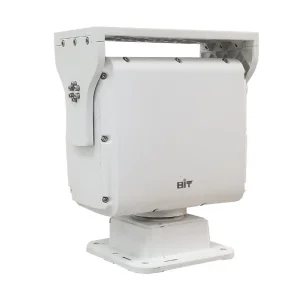
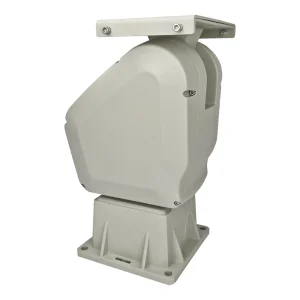
The BIT-PT510 features a top load capacity of 10kg (22lb) powered by a stepper motor and worm-gear drive. It provides 360° pan and ±60° tilt rotation at speeds up to 30°/s, making it suitable for security cameras, loud speakers, and light payloads.
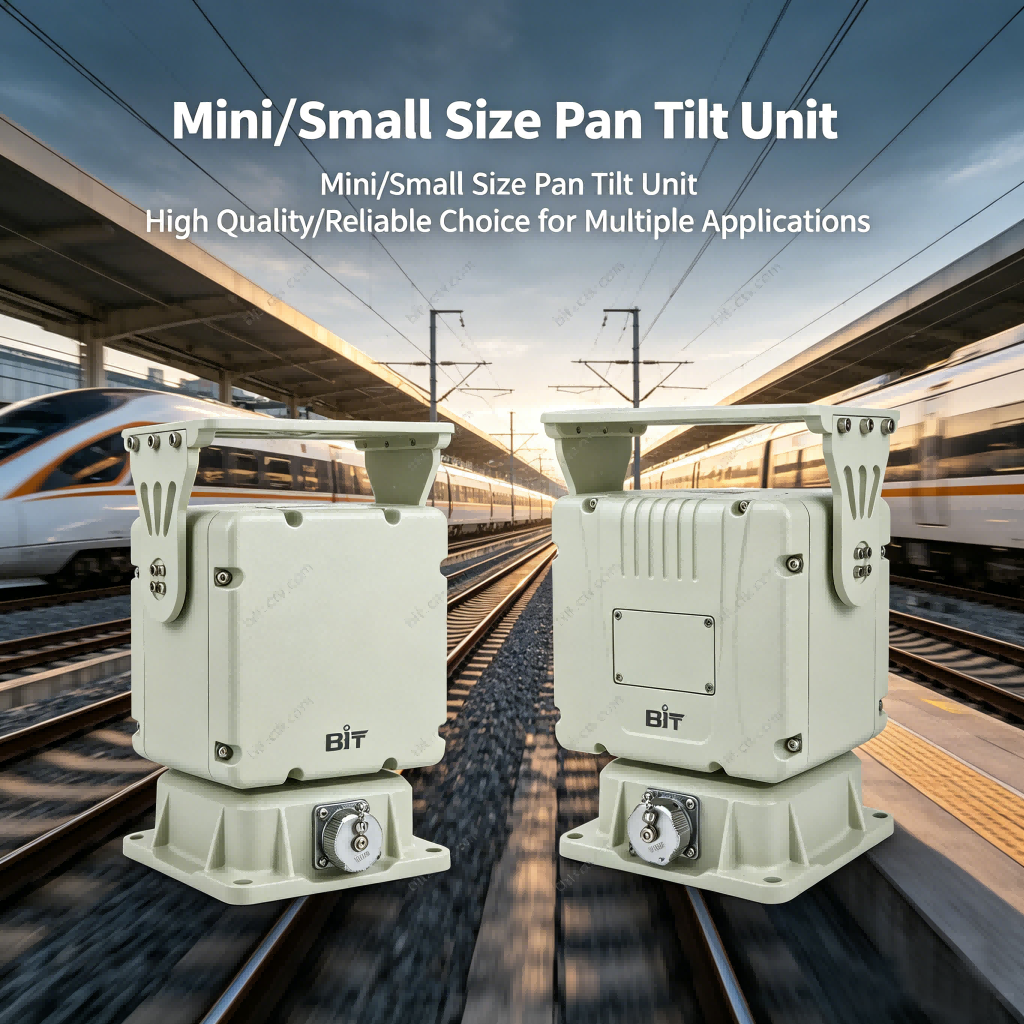
Our smallest positioning unit, the BIT-PT503, weighs 3.5kg and supports a payload capacity of 3.5kg (7.7lb). It is designed for applications where installation space is limited.
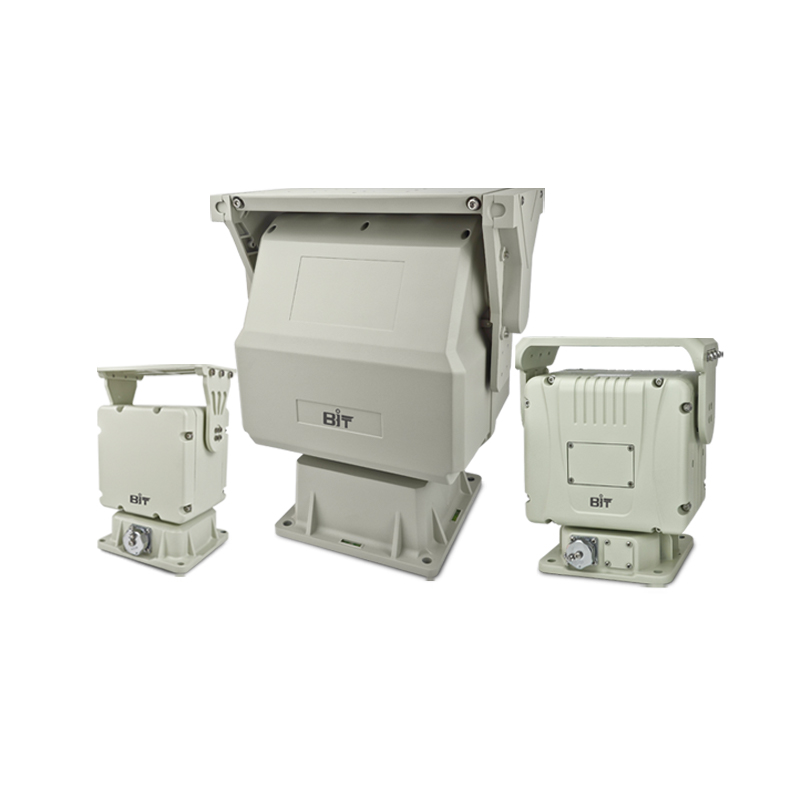
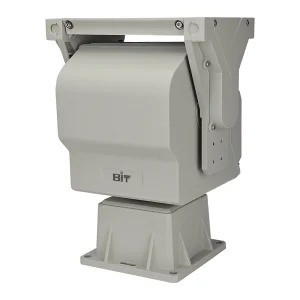
The BIT-PT850 features a 50kg payload capacity and has been deployed in heavy industrial security and border monitoring applications for over 10 years, offering stable performance in demanding environments.
Read our recent publications on mechanical payload deployment, enclosure standards, and industry best practices:
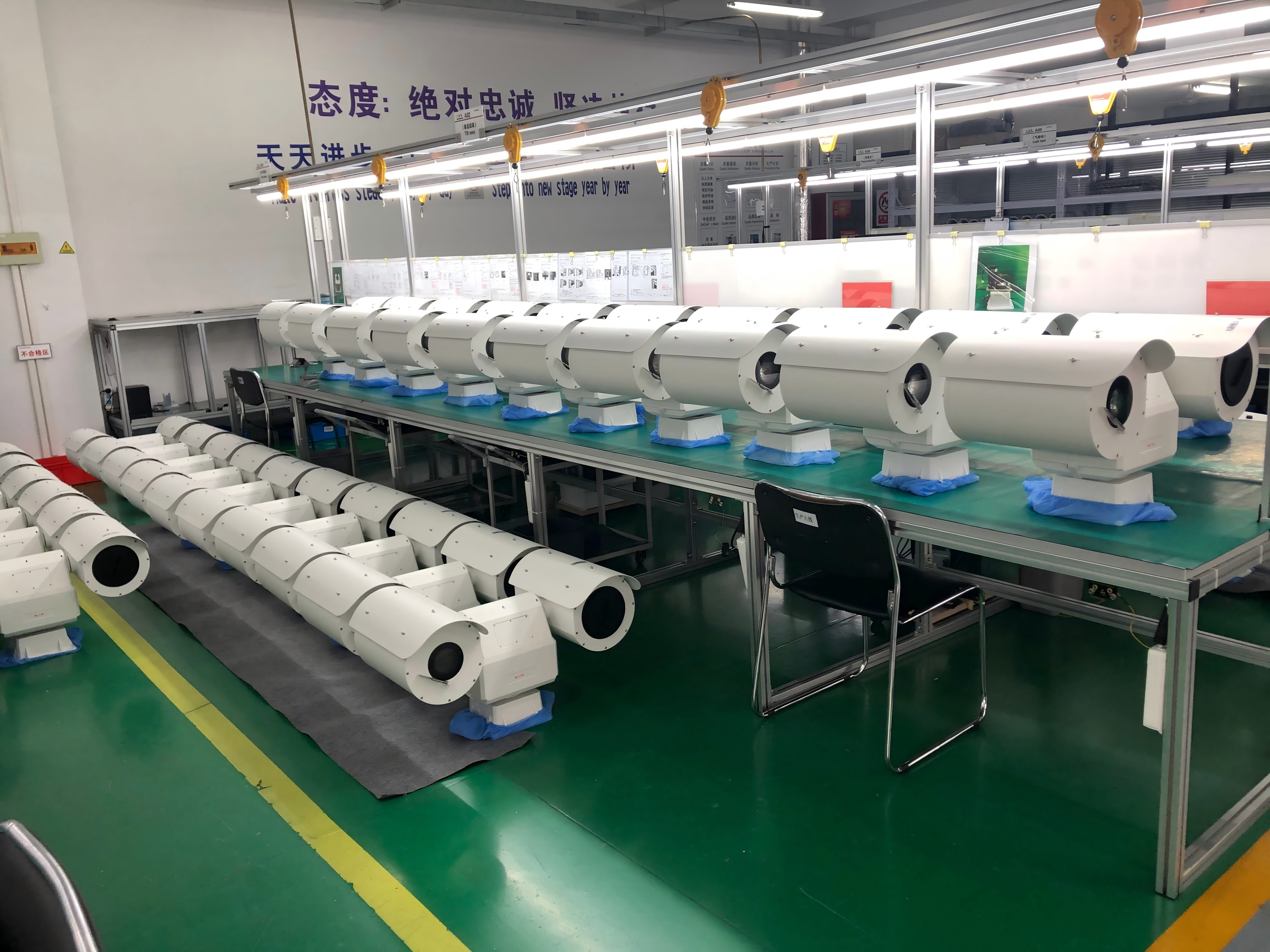
As customization demands increase, choosing the right supplier requires evaluating testing capabilities, engineering depth, payload capacity, and field support.
A detailed comparison of compact positioning mechanisms, focusing on worm gear efficiency, power consumption, and lightweight enclosure integration.
An overview of classifications based on payload ratings, gear transmission designs, environmental sealing levels, and installation orientations.
Our systems are used by integrators and security managers in more than 50 countries worldwide.





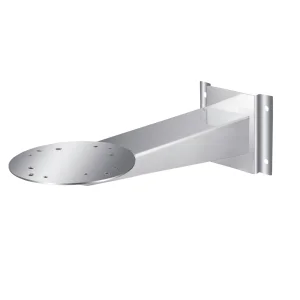
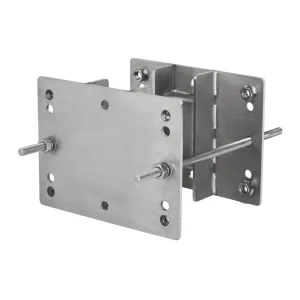
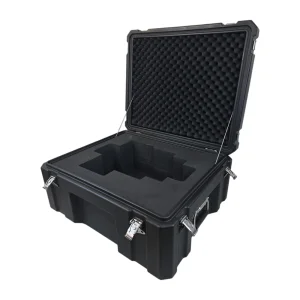
Mounting plates, brackets, high-load tripods, and specialized protective enclosures.