 BIT-CCTV
BIT-CCTV
BIT-CCTV
Original engineered components, precision pan-tilt platforms, and heavy-duty structural accessories.
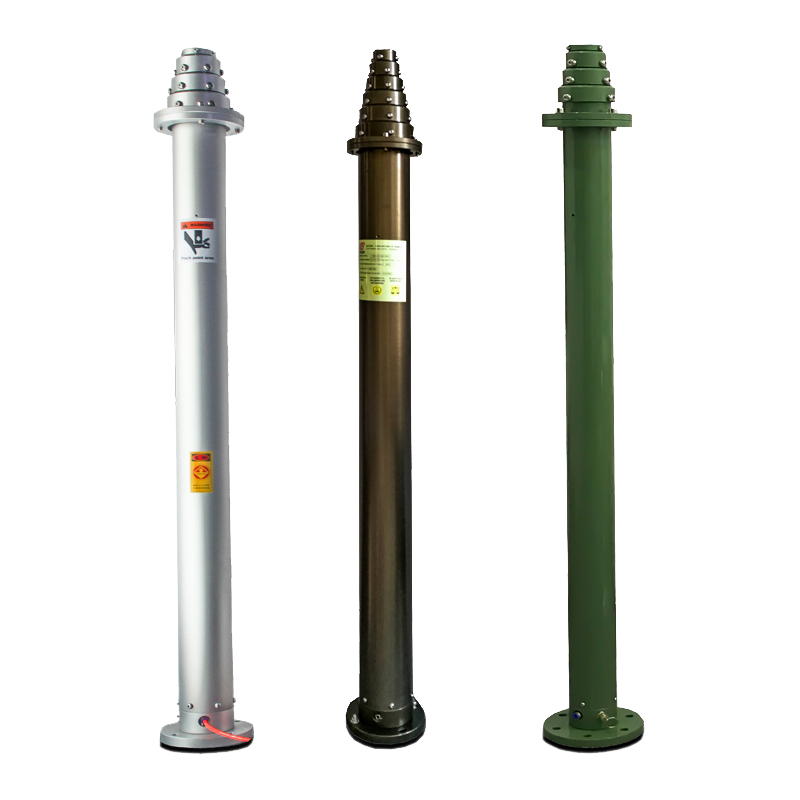
Hand crank telescoping masts represent the pinnacle of mechanical simplicity, structural reliability, and operational versatility. Unlike pneumatic or hydraulic elevation platforms, which require external power sources, pumps, and specialized maintenance, mechanical hand crank masts leverage high-efficiency internal winches, stainless steel aircraft cables, and self-locking friction systems to lift payloads safely and reliably.
Constructed primarily from heat-treated, high-tensile structural aluminum alloys (such as 6061-T6 or 6005-T6), these masts deliver an exceptional strength-to-weight ratio. They are engineered to endure high wind loads, extreme temperature fluctuations, and severe coastal or desert conditions without requiring complex maintenance routines.
SEO Technical Insight: When selecting a telescoping mast, calculating structural deflection and dynamic wind surface area (EPA) is critical to preventing field failures of optical and radio communication payloads.
Why global infrastructure engineers favor mechanical hand-crank mast technologies over pneumatic alternatives.
Zero reliance on compressors, hydraulic fluid, or seals. Completely immune to pressure loss, temperature-induced fluid viscosity changes, and air leaks.
Equipped with reliable mechanical pins or locking collars on each collar section. Once extended, the mast is mechanically locked to eliminate gradual drift or descent.
Designed with close-tolerance telescoping tolerances, minimizing section play to maintain pointing accuracy of target sensors in high winds.
The next evolution of mechanical mast engineering, focusing on materials, feedback sensors, and automated security mechanisms.
The core material roadmap is moving rapidly toward high-modulus carbon fiber tubes and carbon-reinforced plastics. These materials offer weight savings of up to 40% compared to high-grade aluminum while maintaining structural stiffness. This enables rapid deployment scenarios by a single operator without requiring auxiliary vehicle mounts.
Future iterations of heavy-duty hand-crank masts will feature embedded strain gauges and load sensors. These sensors track real-time wind shear, bending moments, and actual load capacities. Connected via low-power Bluetooth or IoT transmitters, they warn operators of imminent structural risks or overload conditions before failure occurs.
While mechanical hand-cranking remains a reliable method in off-grid situations, manufacturers are integrating dual-drive configurations. These winches permit operators to use a power drill or external DC actuator to extend the mast in normal operation, while retaining the fail-safe manual hand crank for emergency situations.
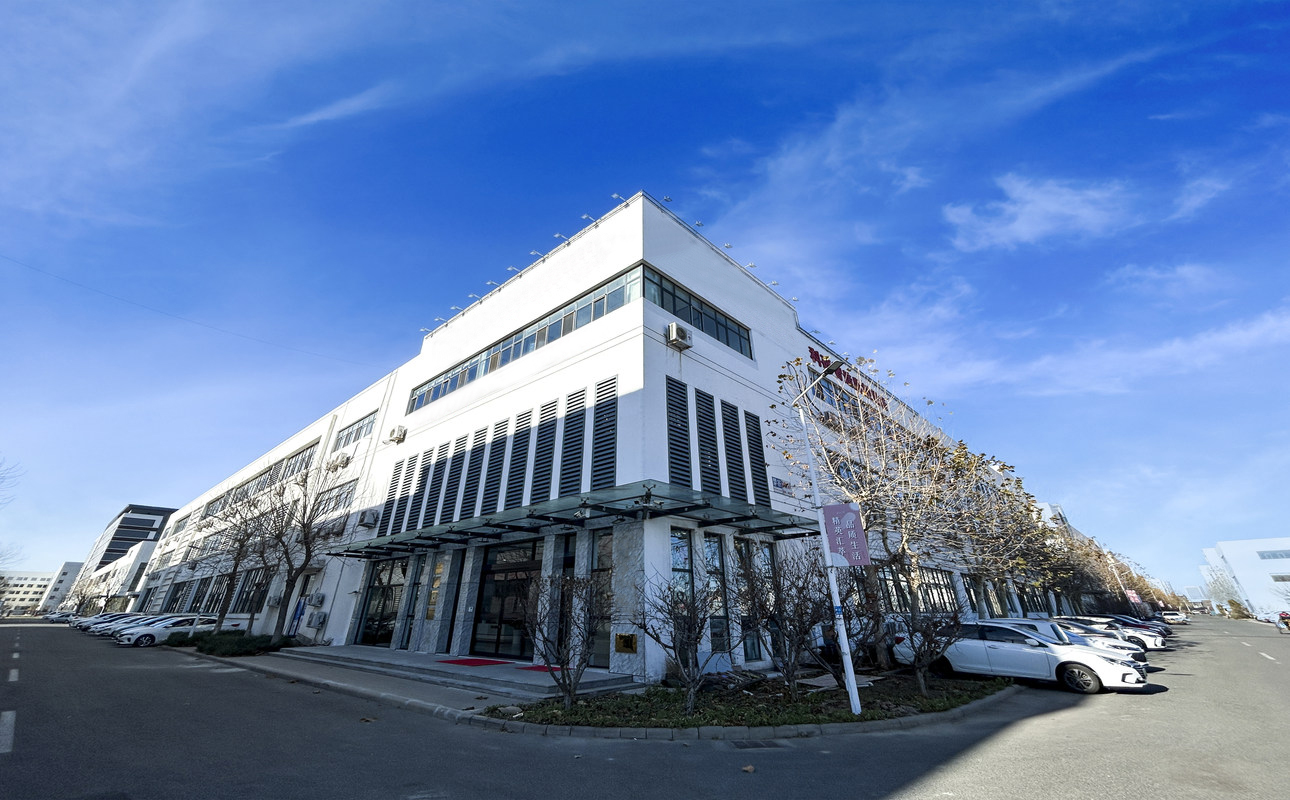
Established in 2005, Blue Icon (Tianjin) Technology Co., Ltd. is a national high-tech manufacturing enterprise specializing in the design, engineering, manufacturing, and distribution of premium CCTV surveillance equipment and mechanical pan-tilt positioning systems. We design and manufacture heavy-duty outdoor pan-tilt-zoom positioners, long-range thermal cameras, dual-vision systems, mounting brackets, and specialized telescopic masts.
For more than 18 years, our engineering team has worked with blue-chip integrators across 50 countries to deliver fully custom, rugged positioning hardware capable of supporting payloads from 3kg up to 150kg in extreme environments.
BIT-CCTV Founded
China Pan Tilt Maker
Annual R&D Investment
Country Sales Network
Manufacturing Area
How our centralized production model in Tianjin, China, ensures manufacturing accuracy and cost optimization.
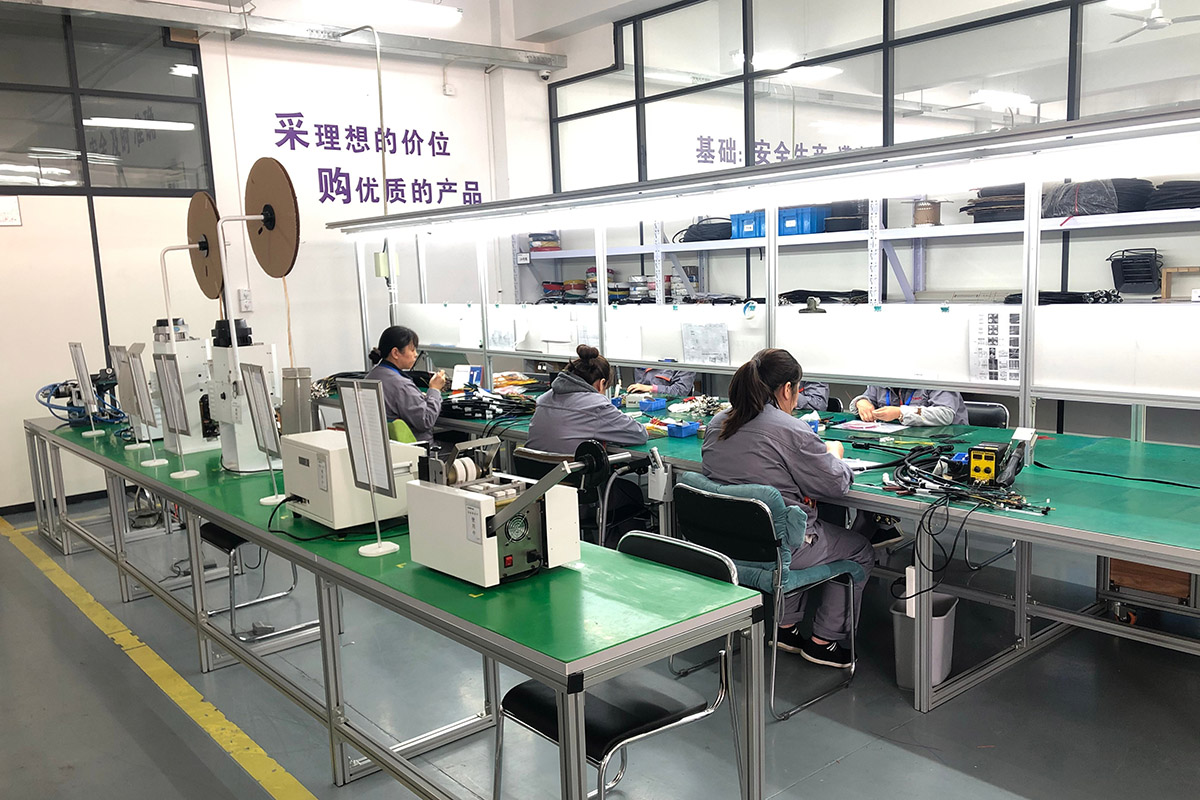
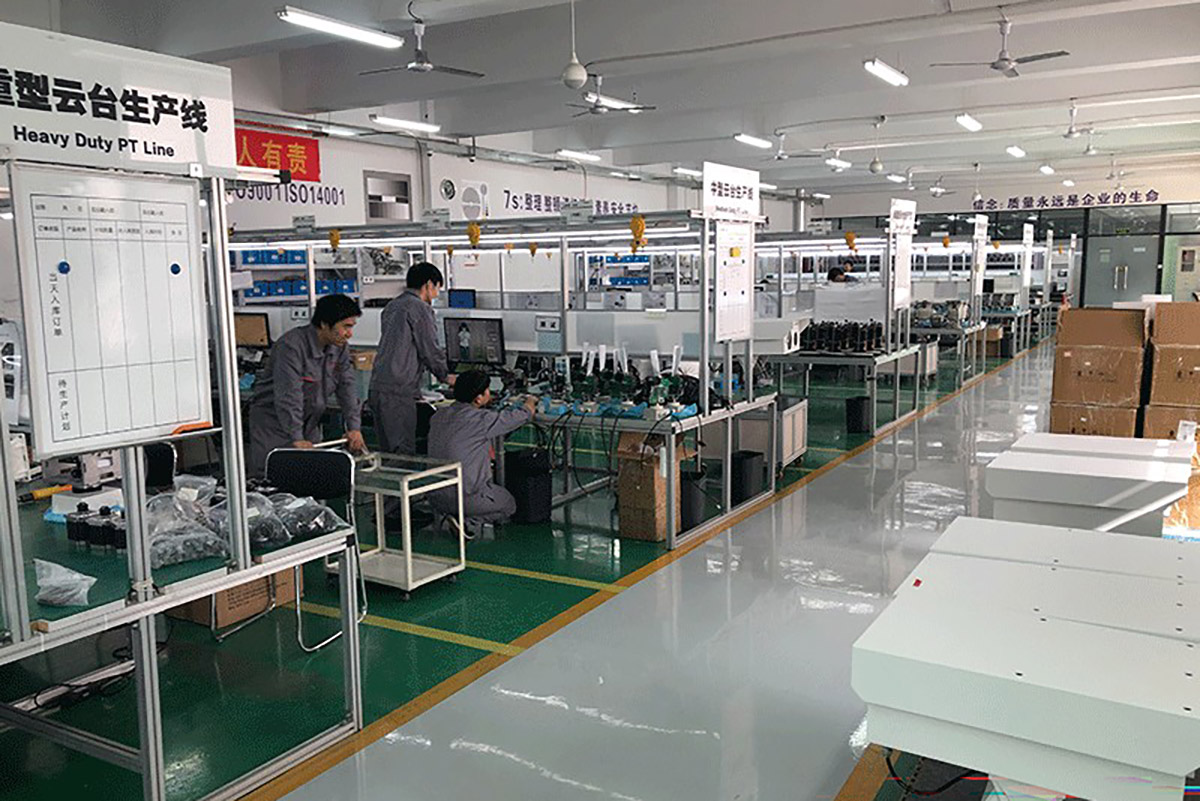
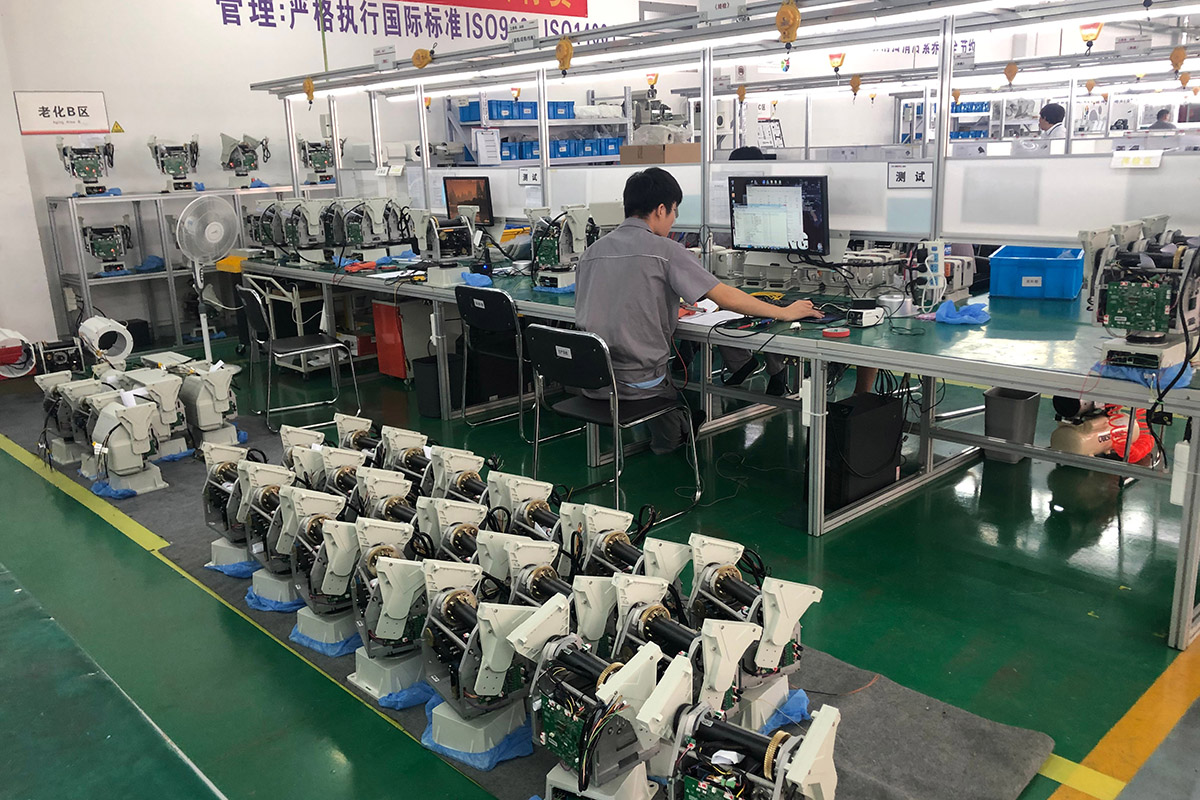
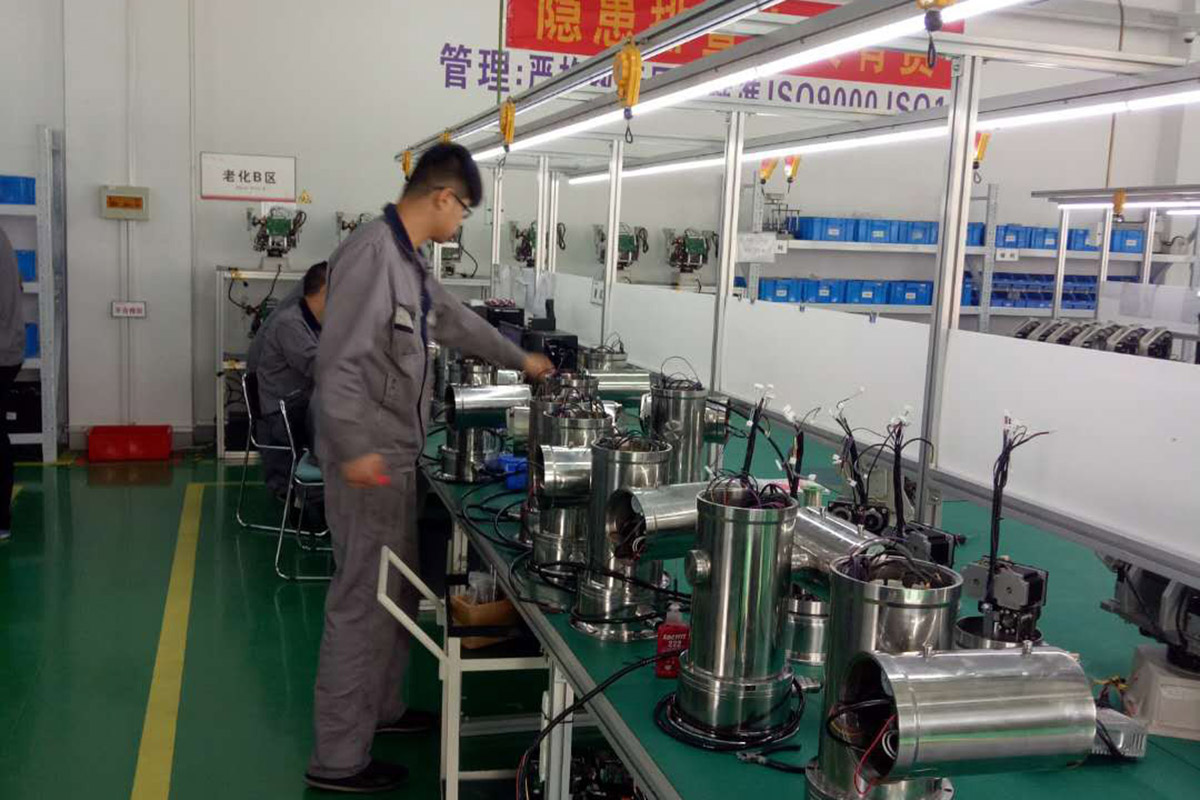
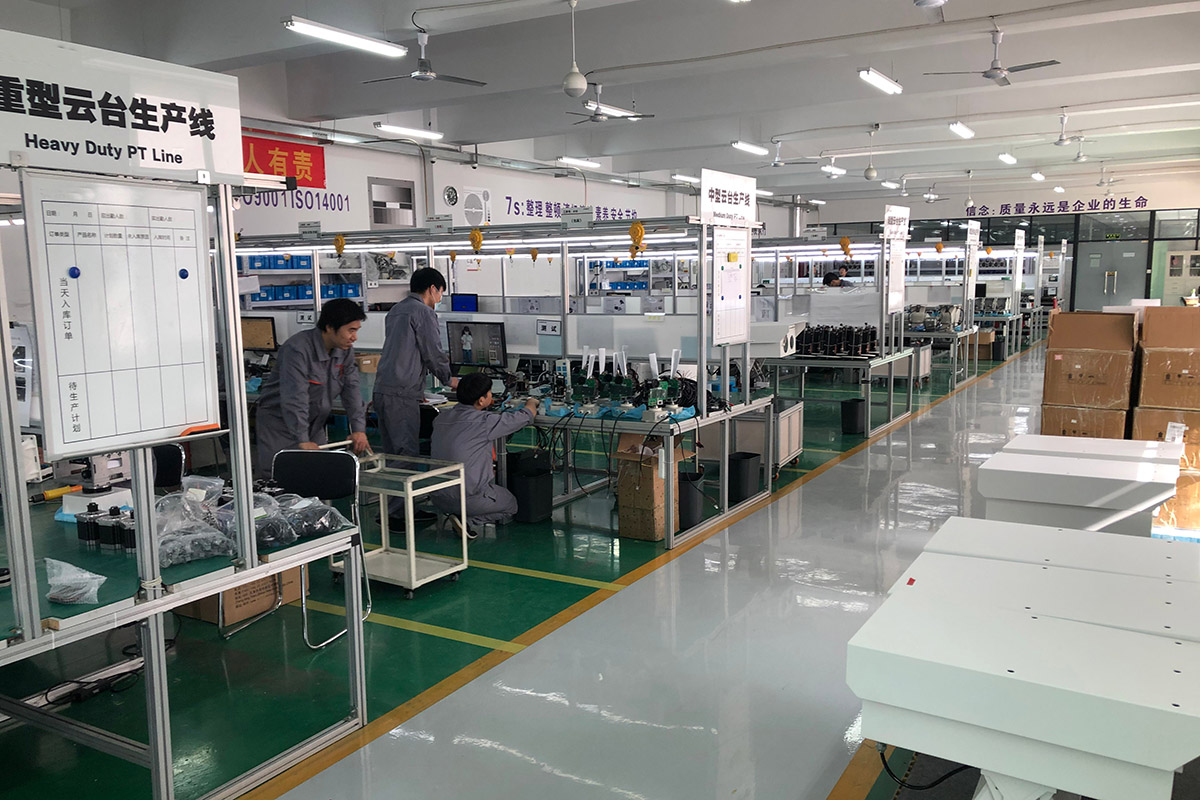
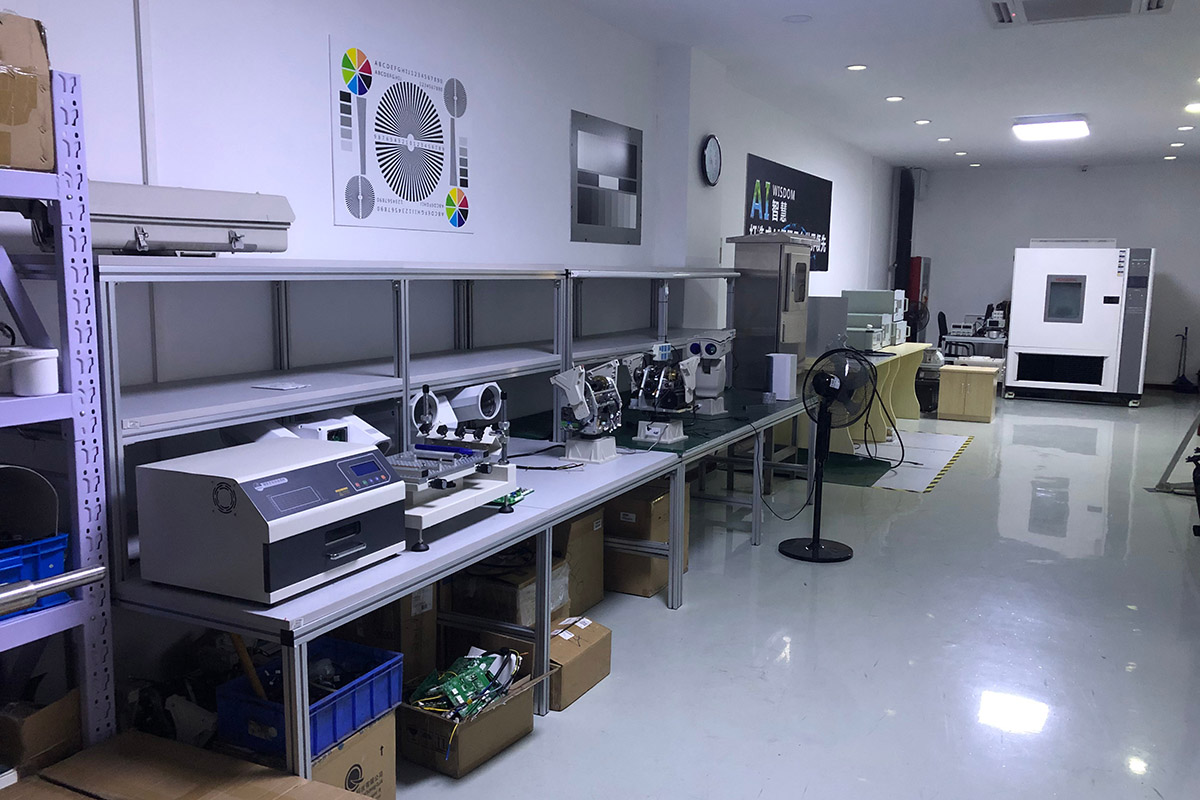
Our facility leverages automated CNC machining centers, dedicated testing facilities, and lean manufacturing processes. This vertical integration allows us to maintain tight dimensional tolerances, perform surface treatments, and conduct final dynamic testing on-site.
Crucially, our location in Tianjin provides immediate access to high-grade local aluminum suppliers and surface treatment facilities. This keeps production cycles short, even for custom orders, and insulates our pricing structure from global shipping disruptions.
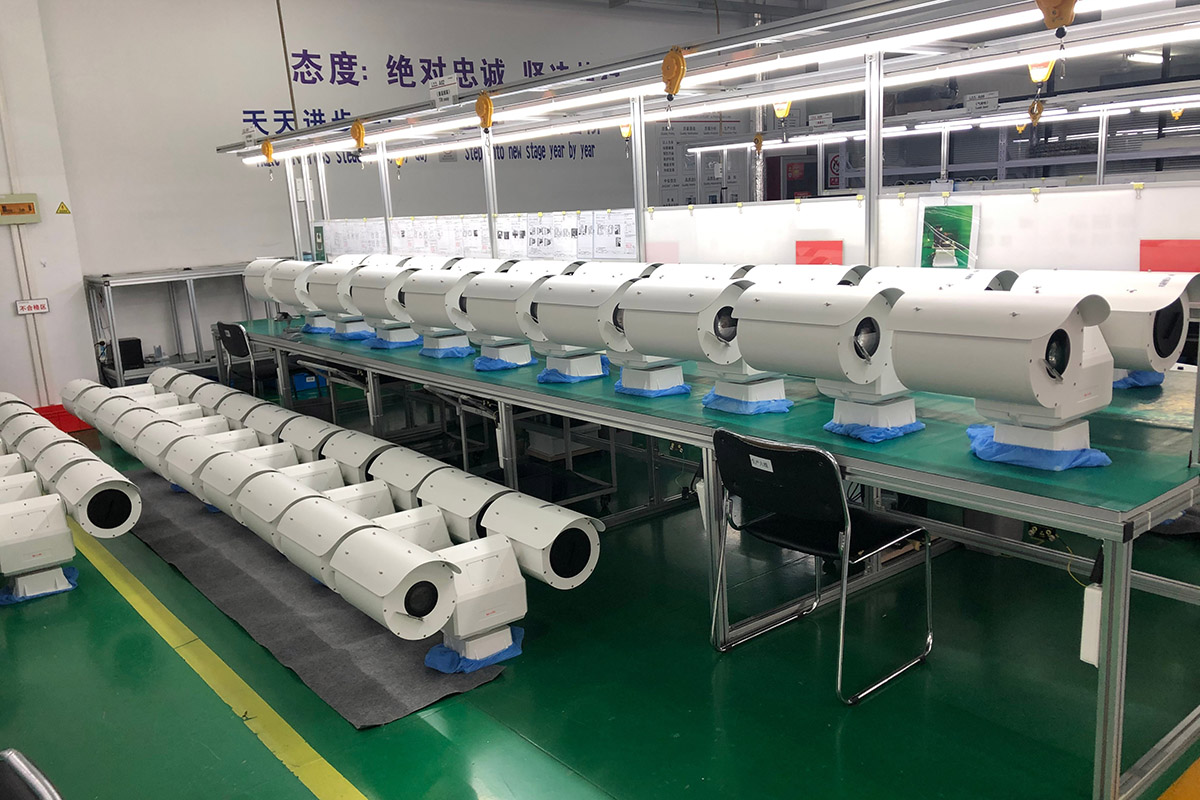
Every hand crank telescoping mast manufactured at our facility undergoes strict quality control protocols, including salt spray testing for corrosion resistance, wind-load simulation modeling, and mechanical cycles load testing. This ensures that every unit shipped to our partners operates reliably under challenging field conditions.
Key engineering dimensions, tolerances, and configurations required when requesting customized project quotes.
Industrial procurement directors must evaluate mechanical masts based on actual operational loads. Below is the framework our engineering department uses to evaluate custom applications and generate accurate quotes:
| Mast Application / Class | Payload Capacity Range | Extended Height Range | Wind Resistance Class (Max) |
|---|---|---|---|
| Light Surveillance (PT503 Class) | 3.5 kg – 10 kg (7.7 lbs – 22 lbs) | 3 m – 6 m (9.8 ft – 19.6 ft) | Up to 70 km/h (No Guy Wires) |
| Medium Communications (PT510/PT410 Class) | 10 kg – 30 kg (22 lbs – 66 lbs) | 5 m – 12 m (16.4 ft – 39.3 ft) | Up to 100 km/h (With Guy Wires) |
| Heavy-Duty Defense (PT850 Class) | 30 kg – 150 kg (66 lbs – 330 lbs) | 8 m – 21 m (26.2 ft – 68.8 ft) | Up to 120 km/h (Fully Rigged) |
Providing cross-border certification, structural modeling, and reliable logistics support.
Working with partners worldwide requires strict adherence to international industrial compliance standards. Blue Icon ensures all manufacturing processes comply with the ISO 9001:2015 Quality Management System. Our mechanical structures are engineered to meet MIL-STD-810H environmental engineering guidelines, ensuring operation under conditions of shock, vibration, and thermal stress.
We provide comprehensive certification documentation, including CE declarations, RoHS compliance documentation, and detailed Finite Element Analysis (FEA) reports indicating mast stress distributions under wind loads. We offer localized support packages, working closely with local engineering firms to verify zoning requirements, wind loading calculations, and safety standards for municipal and industrial installations.
Visual demonstration of our production, calibration, assembly, and testing workflows in Tianjin.
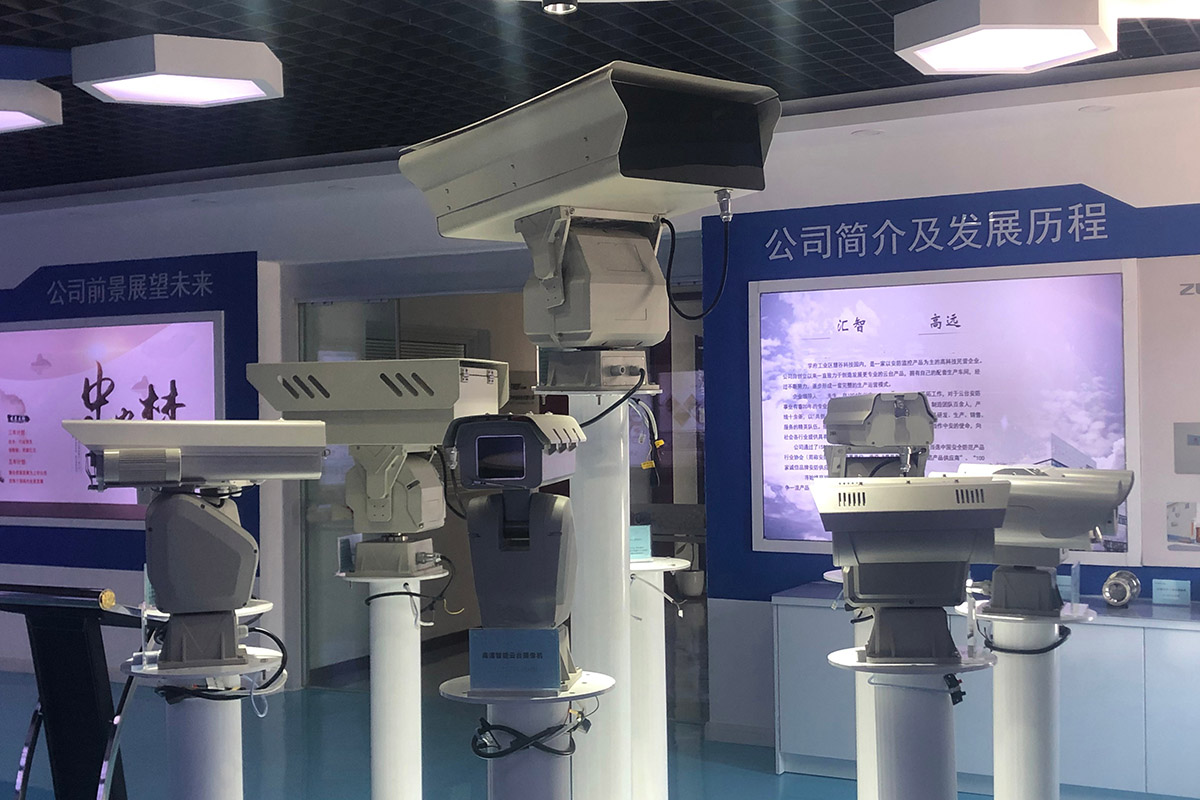
Examining the core specifications and features of our popular positioning products.
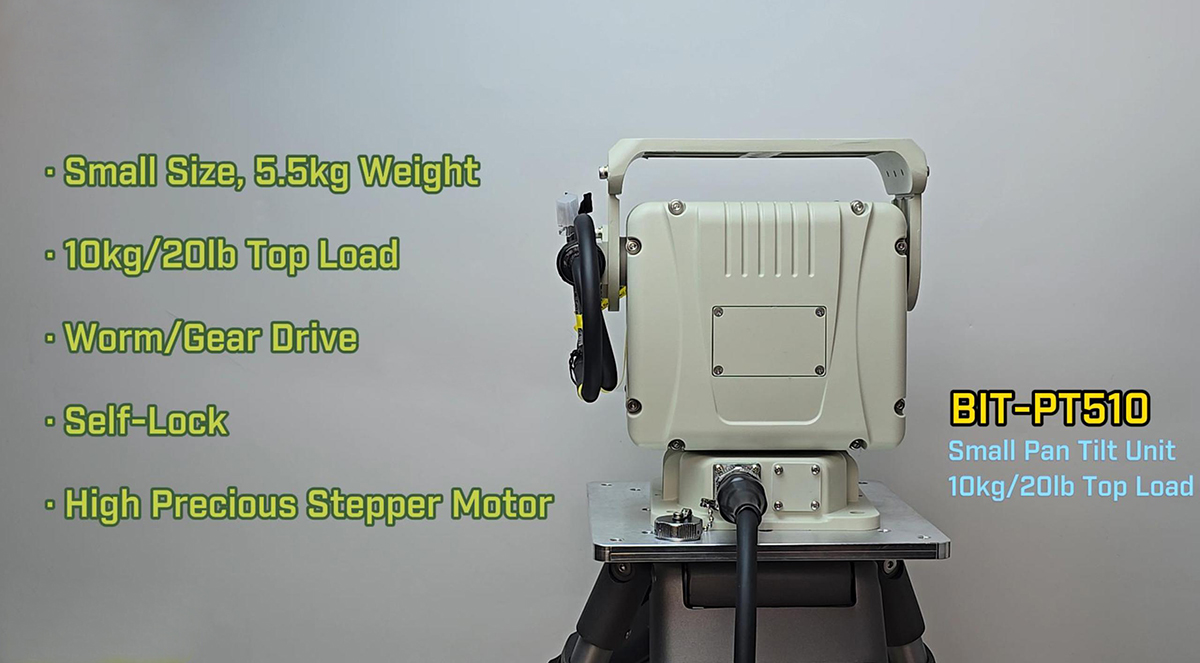
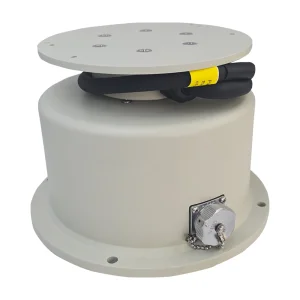
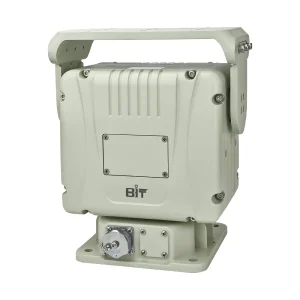
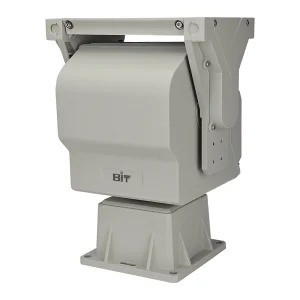
A compact, robust unit supporting payloads up to 10kg/22lb. Features 360° pan rotation and ±60° tilt rotation with stepper motor control. Ideal for camera housings and spotlights in forest fire prevention, border security, and video surveillance.
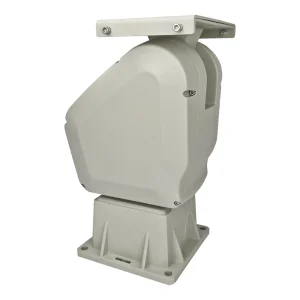
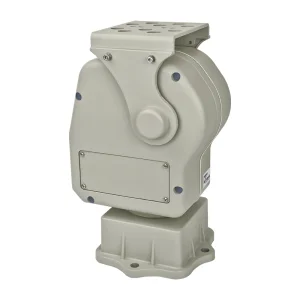
Weighing just 3.5kg, this compact pan-tilt unit supports devices up to 3.5kg/7.7lb. It is designed for applications where space and weight constraints are critical.
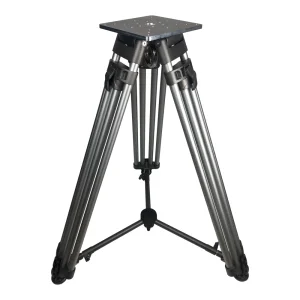
Rapid-deploy tripods, mobile vehicle roofs, and compact sensor arrays.
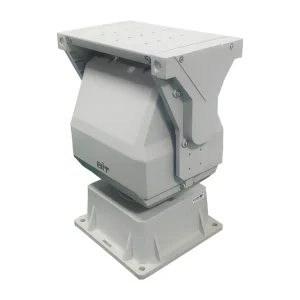
A heavy-duty pan-tilt unit capable of handling payloads up to 50kg/110lb. Engineered for stability and reliability in demanding operational environments.
More than 10 years of field deployments in remote industrial projects.
Expert answers to common engineering questions regarding telescoping mast selection, maintenance, and operation.
Wind load is determined by the Effective Projected Area (EPA) of the mounted payload, the maximum height of the extended mast, and the wind speed. Our engineering team calculates the bending moment using structural wind models. Generally, guy wires are recommended for extended heights exceeding 6 meters or wind speeds above 70 km/h to minimize dynamic deflection.
Unlike pneumatic systems that require pressure seals, mechanical masts require basic maintenance: periodic inspection of the steel cables, cleaning dirt/debris from collar junctions, and lubricating the drive gears and internal winch. Hard-anodized tube sections resist oxidation but should be wiped down if exposed to heavy salt spray.
Yes. We offer heavy-duty mounting brackets and flange interfaces designed for trailer chassis, shelter walls, and vehicle roof racks. Special considerations for transport height and road vibration damping are incorporated into vehicle-mount configurations.
Our masts feature mechanical locking pins on each section collar. Once extended and locked in place, the load is supported by structural locking collars rather than the cable. This ensures the mast remains extended even in the event of cable tension loss.
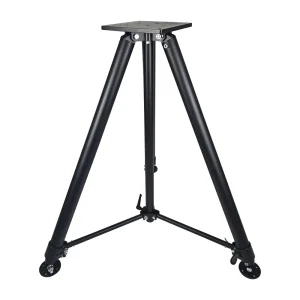
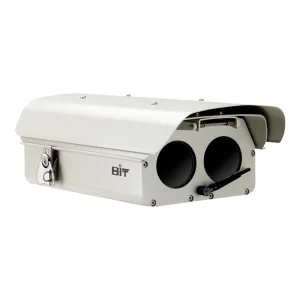
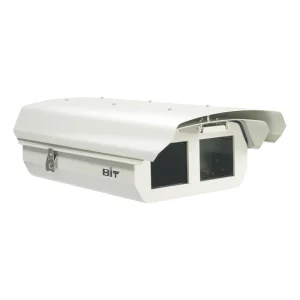
Complementary camera enclosures, heavy-duty brackets, controllers, and positioning tripods.