 BIT-CCTV
BIT-CCTV
BIT-CCTV
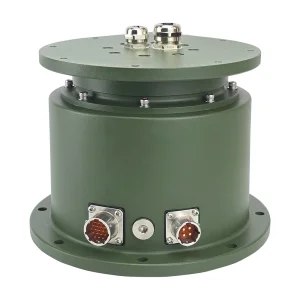
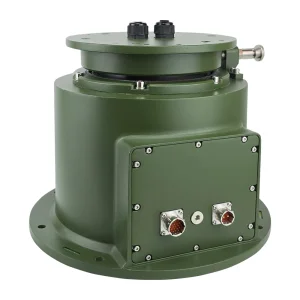
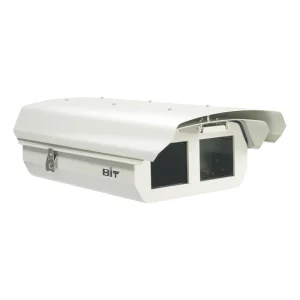
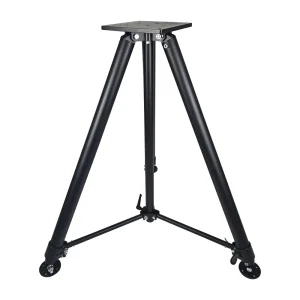
Explore our heavy-duty tripods, high-capacity pan-tilt positioners, and protective enclosures built to endure extreme environmental stress.
In modern mission-critical infrastructure, emergency response, and tactical defense, high-altitude positioning is a crucial requirement. Whether it is deploying cellular transceivers, thermal surveillance cameras, long-range optical arrays, or meteorological sensors, the stability and structural integrity of the mast system determine system efficacy. Heavy-duty telescoping masts serve as the physical backbone for these systems, engineering structural stiffness under heavy dynamic wind loads.
“A heavy-duty telescoping mast is not merely an elevation device; it is a precision structural component engineered to maintain minimal deflection and zero slippage under extreme environmental payloads.”
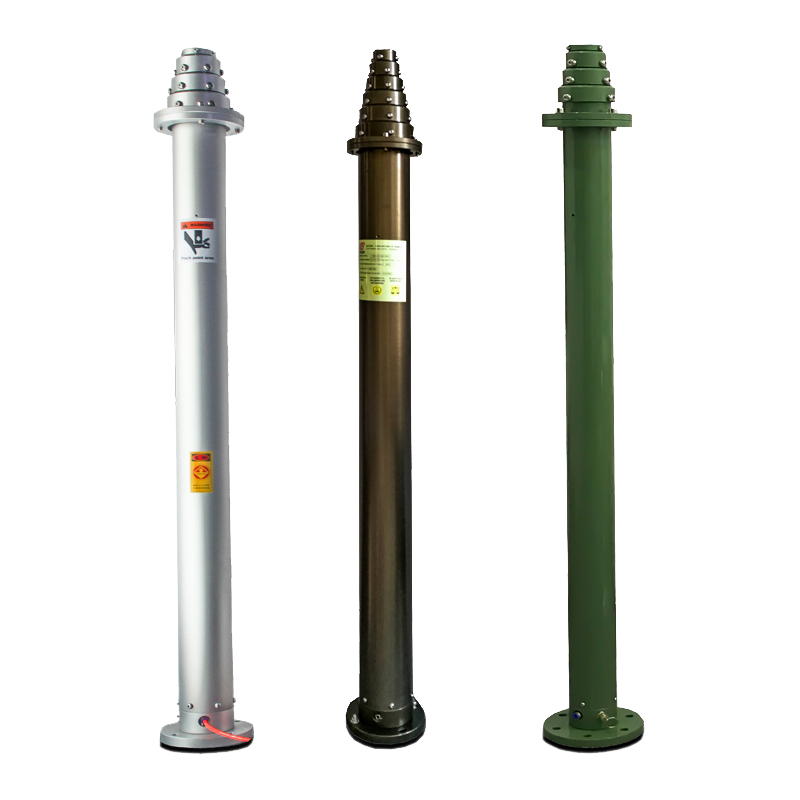
To support high payloads exceeding 100 kg at elevations up to 30 meters, masts must incorporate precise engineering principles. The primary design variants include pneumatic, mechanical (spindle or cable-driven), and hydraulic systems:
| Mast Type | Typical Load Capacity | Standard Max Heights | Key Advantages | Primary Applications |
|---|---|---|---|---|
| Aluminum Pneumatic Mast | 30kg – 150kg | 6m – 21m | Rapid deployment, pneumatic cushioning | Mobile cellular towers, emergency surveillance |
| Heavy-Duty Mechanical Mast | 100kg – 400kg | 12m – 30m | Zero slideback, highly wind resistant | Military defense, permanent surveillance arrays |
| Carbon Fiber Tactical Mast | 15kg – 80kg | 5m – 15m | Ultra-lightweight, high manual speed | Rapid tactical operations, light PTU integration |
Global procurement teams in military, defense, public safety, and telecommunication industries look for solutions that address key structural and operational risks. System engineering managers prioritize:
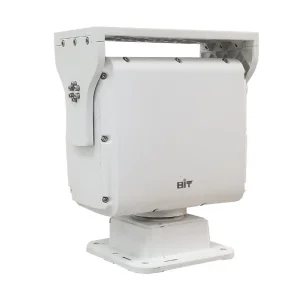
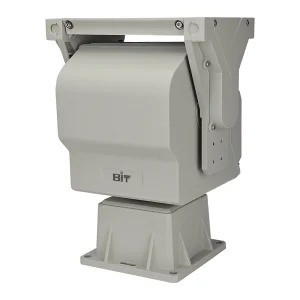
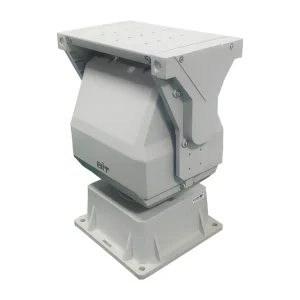
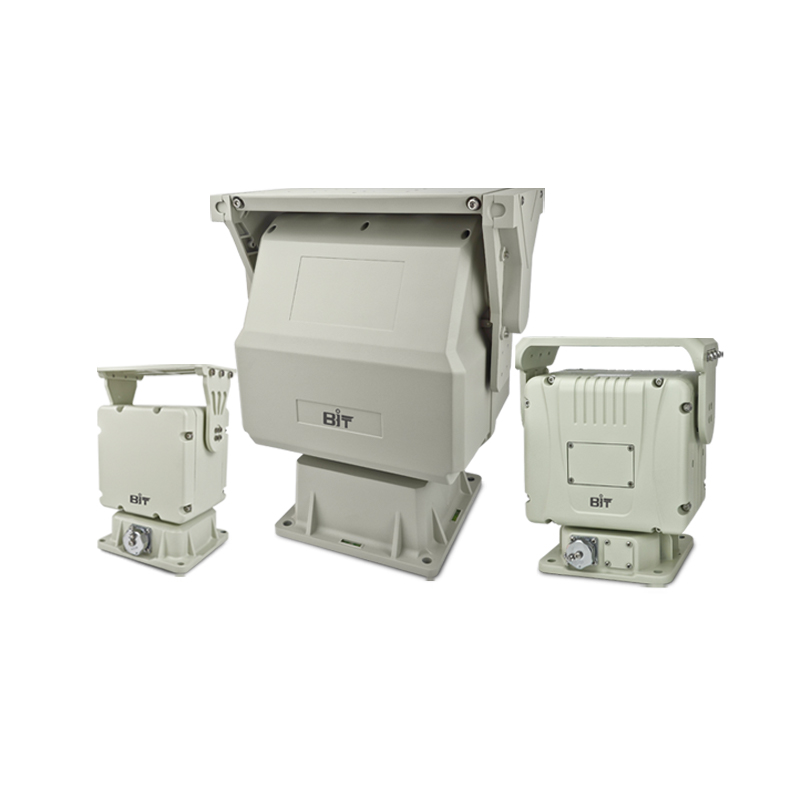
A telescoping mast is a component of a larger high-altitude positioning system. To deliver actionable intelligence or command capability, it must be paired with high-capacity Pan-Tilt Units. For example, our BIT-PT865 65kg Heavy Duty PTU and BIT-PT850 50kg PTU are commonly mounted at the mast head to coordinate tracking. This integration requires careful analysis of dynamic structural loads:
Leveraging 18+ years of technical R&D and production excellence to deliver reliable high-capacity positioning arrays.
BIT-CCTV Founded
China Pan Tilt Maker
Annual R&D Investment
Countries Sales Network
m² Mfg. Area
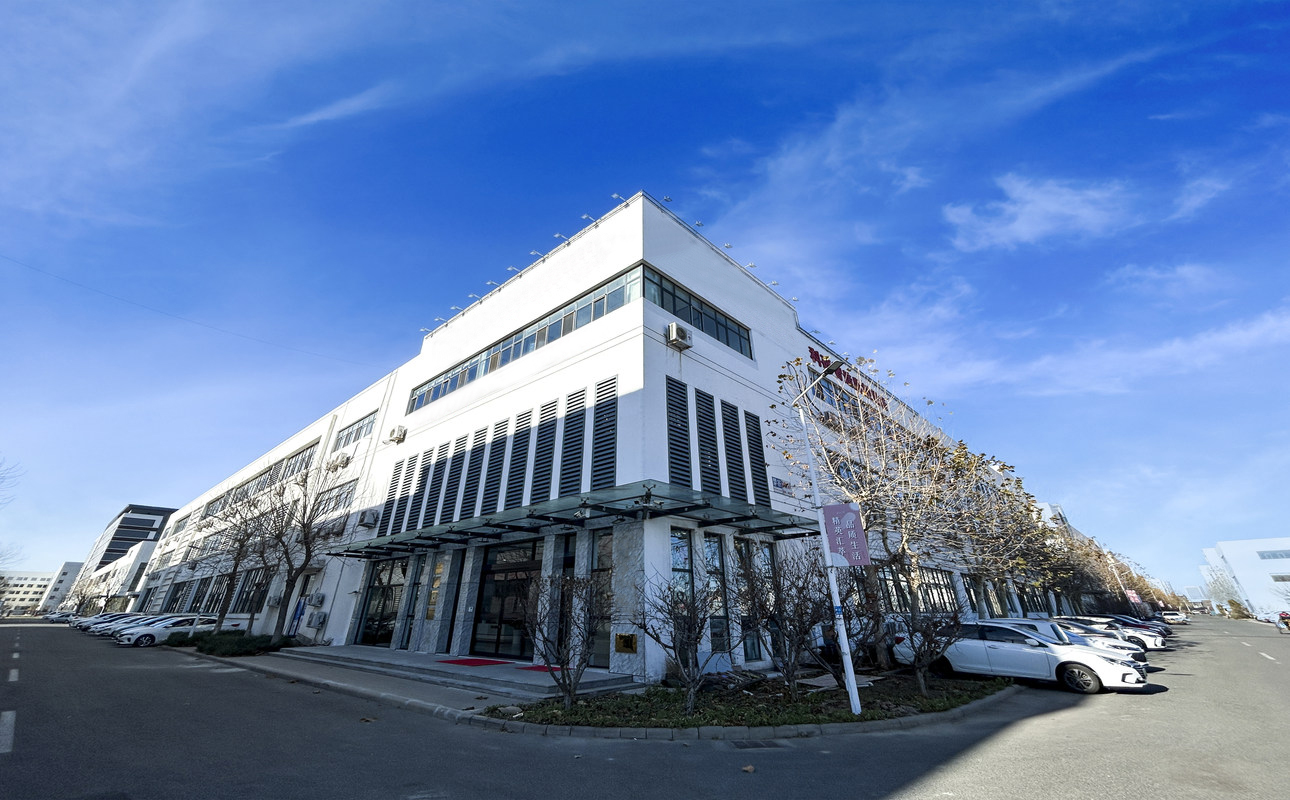
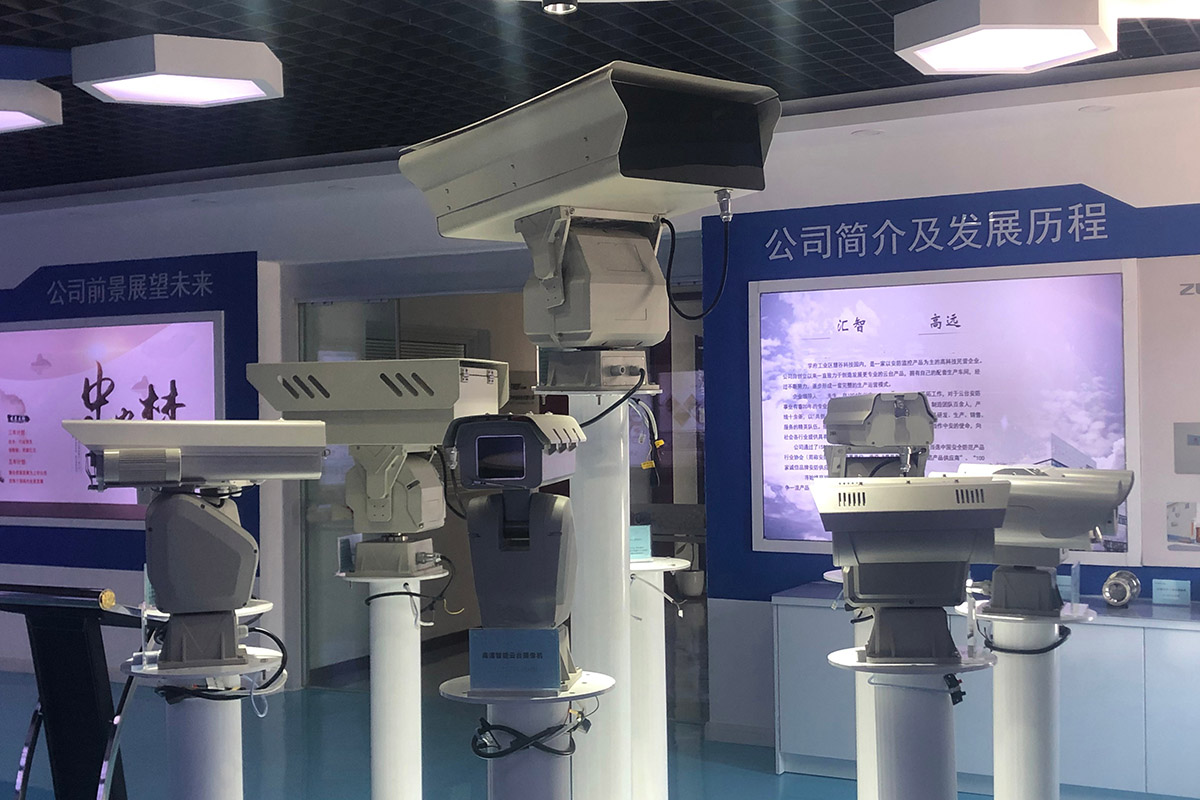
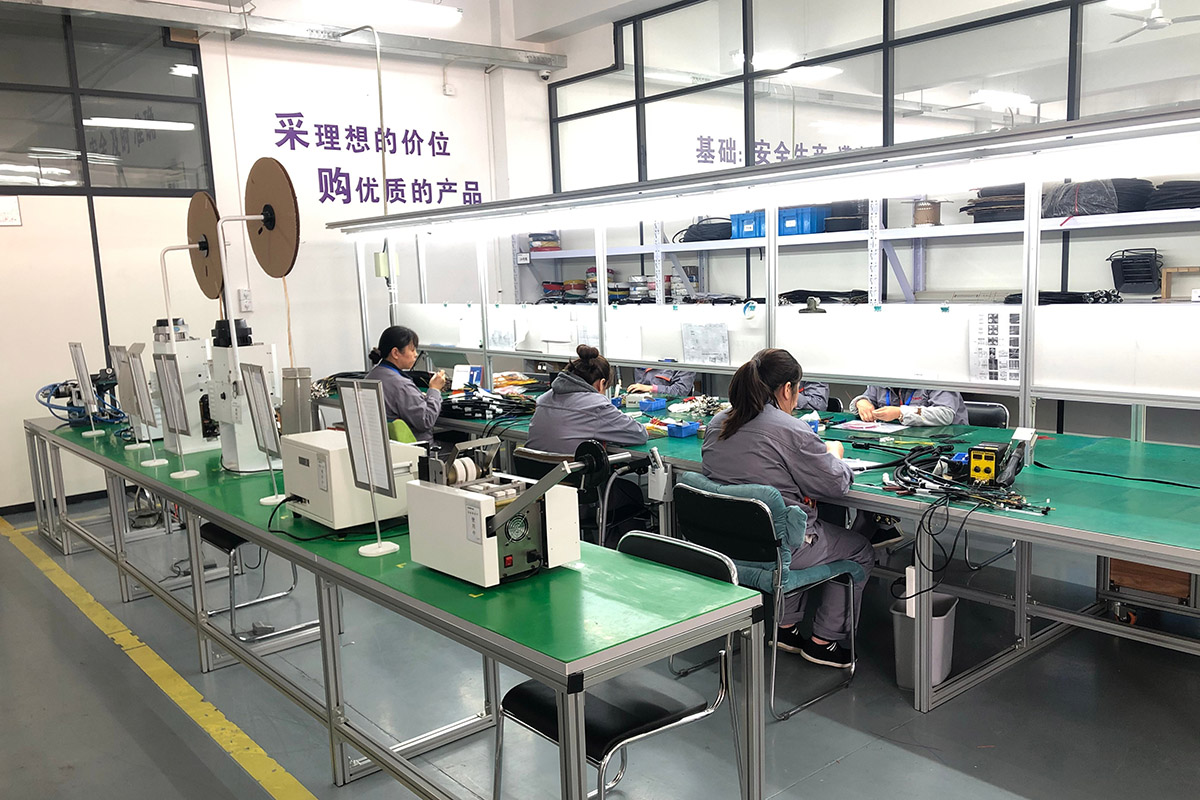
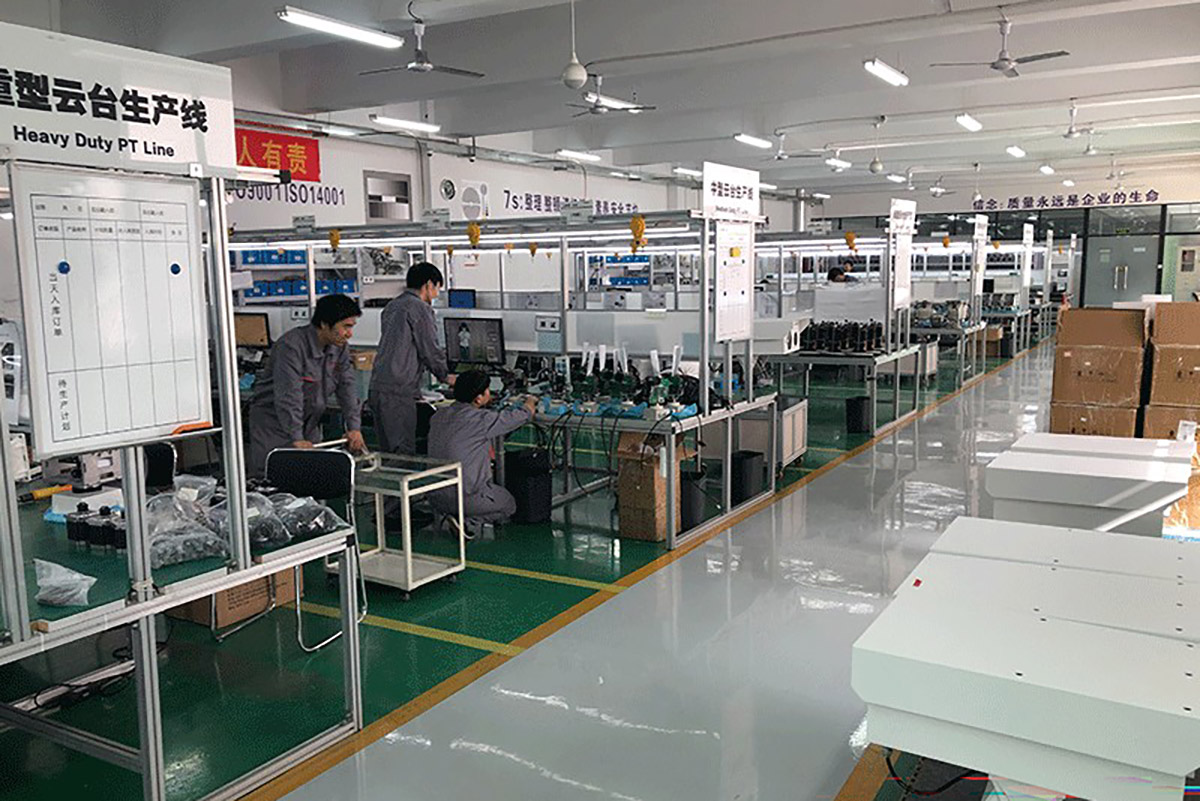
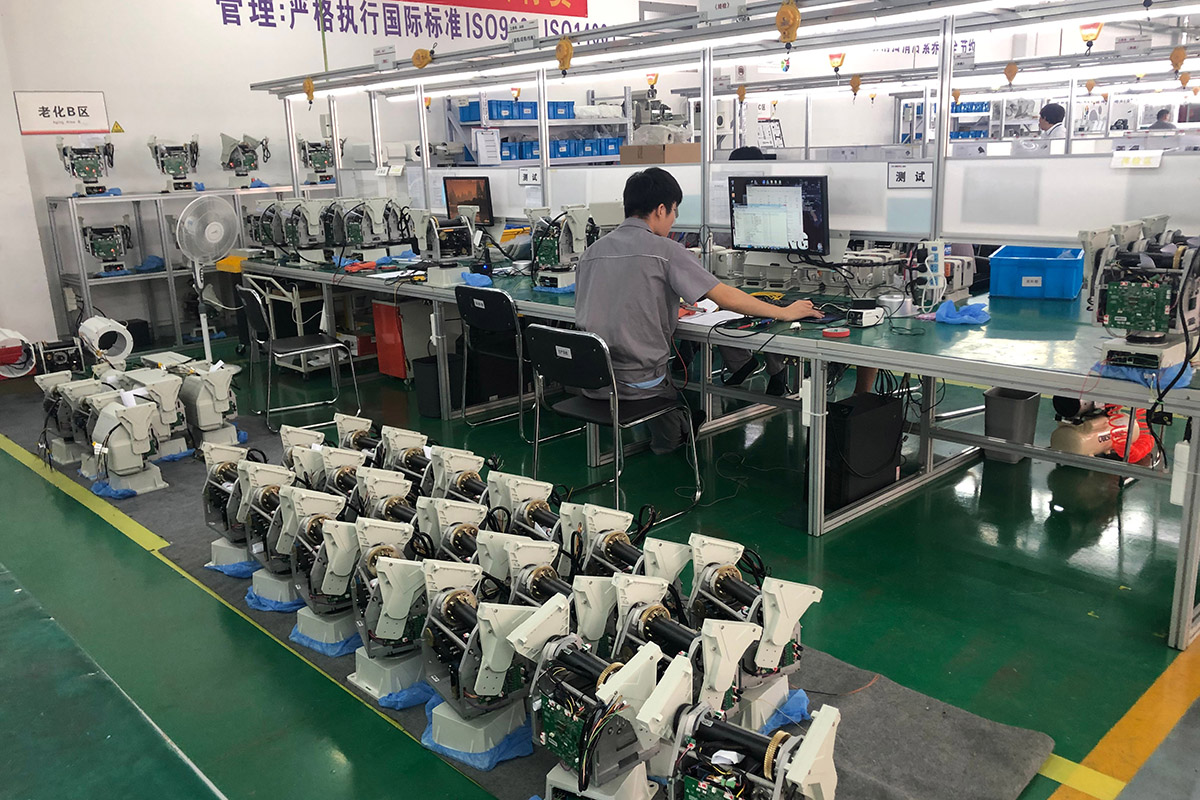
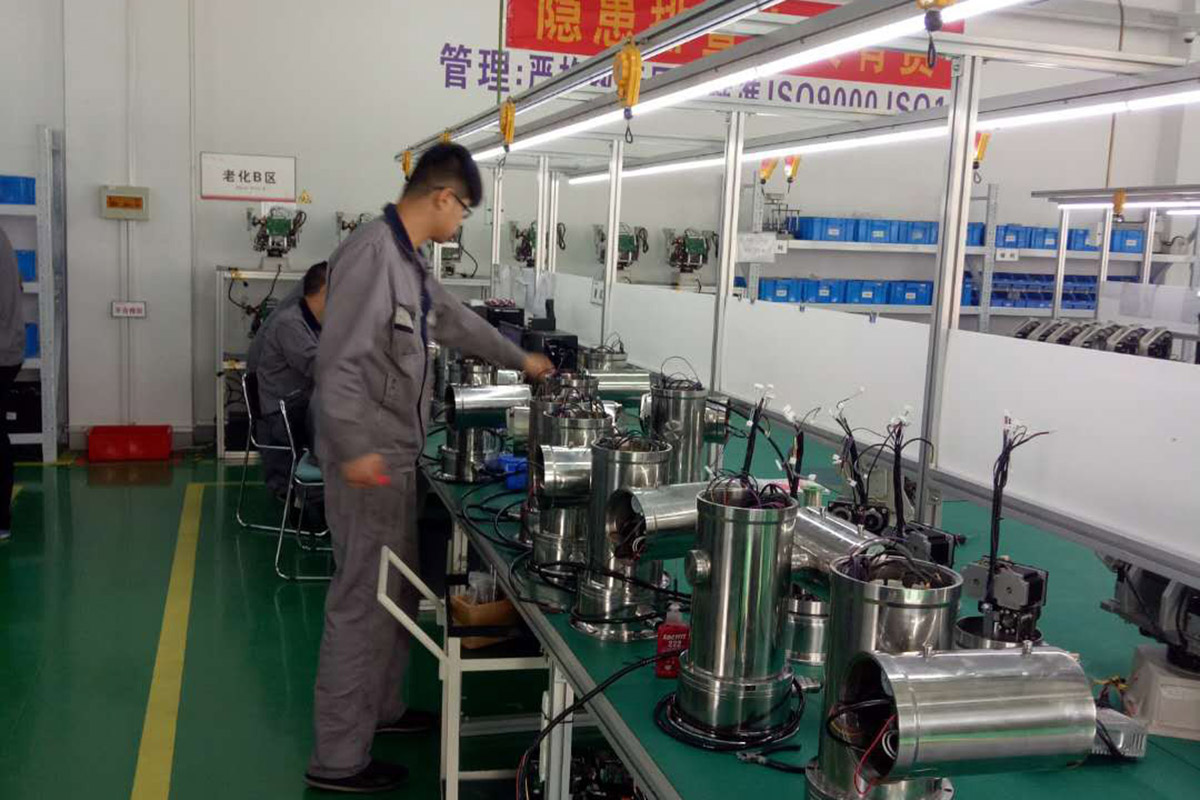
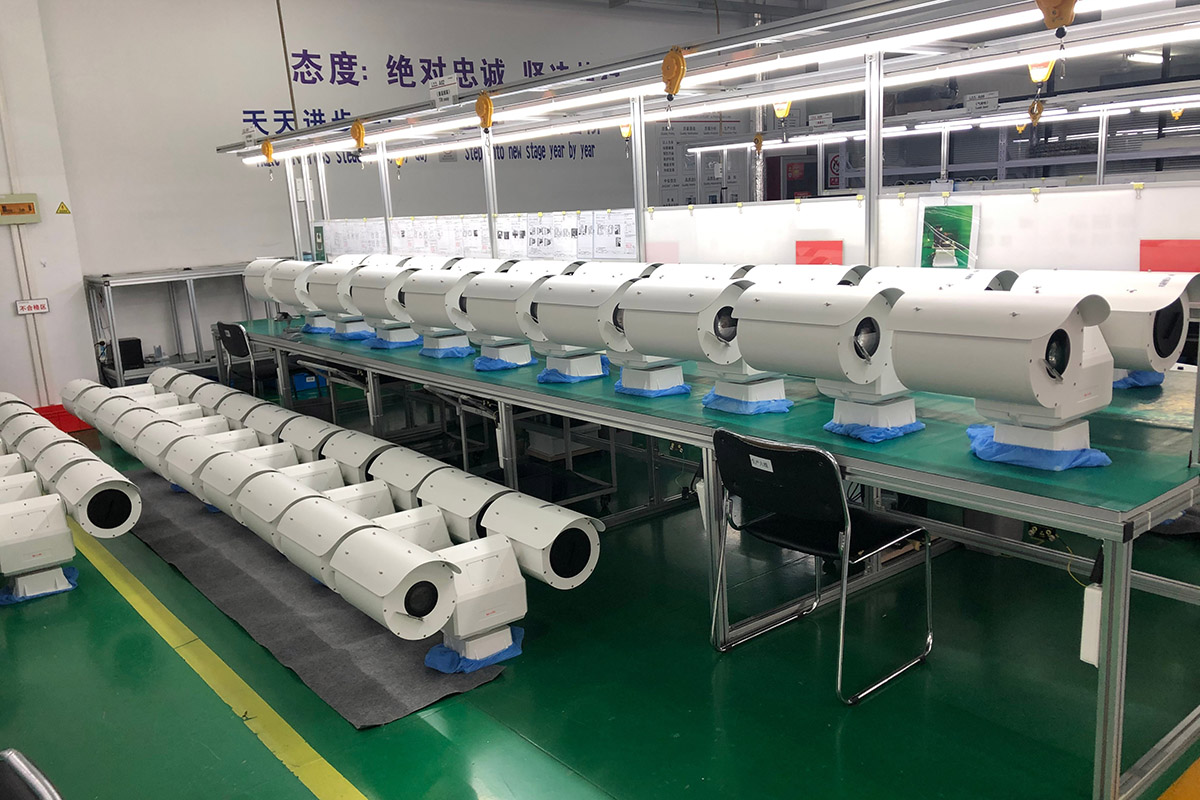
Established in 2005, Blue Icon (Tianjin) Technology Co. Ltd. is a national high-tech company specializing in the design, engineering, manufacturing, and sales of high-quality CCTV surveillance equipment. Our portfolio includes heavy-duty pan-tilt heads and positioners, long-range laser PTZ systems, IR thermal imaging arrays, camera housing enclosures, and specialized mounting solutions.
With an 18-year industrial track record, we offer fully customized solutions matching payload ranges from 3kg up to 150kg, supported by OEM & ODM services for global security integrators.
Our heavy-duty telescoping mast components and pan-tilt units are integrated across diverse mission-critical scenarios globally.
Integrating heavy-duty mechanical masts with long-range thermal cameras and radar systems to secure borders under high wind pressures and maritime salt fog.
Providing quick-erect pneumatic telescoping masts on command vehicles to establish communication links during disaster response operations.
Deploying sensors and tracking equipment in rugged environments to measure wind speed, air quality, and environmental parameters.
As remote monitoring networks grow, telescoping masts must adapt to new functional requirements. Blue Icon is continuously investing in next-generation structural architectures to support these challenges:
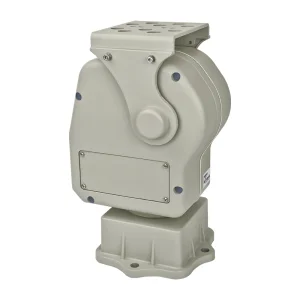
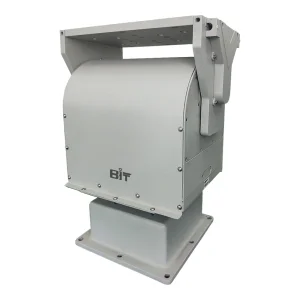
Underpinning our telescoping mast range is a selection of heavy and medium-duty pan-tilt systems engineered for precise targeting.
Features a high-precision stepper motor and worm gear drive. Offers 360° pan rotation and ±60° tilt rotation with speeds up to 30°/S, suitable for small-scale optical and thermal sensors.
Our most compact pan-tilt unit at only 3.5kg dead weight. Ideal for lightweight mast configurations and highly mobile tactical deployments.
Achieves rotational speeds up to 100°/second. Enables rapid tracking and positioning capabilities, supported by a -90° to +40° tilt envelope.
Holding 50+ national patents and dedicating 10% of annual revenue to R&D ensures our hardware operates reliably in extreme fields.

Insights on selecting, deploying, and maintaining heavy-duty positioners and mast platforms.
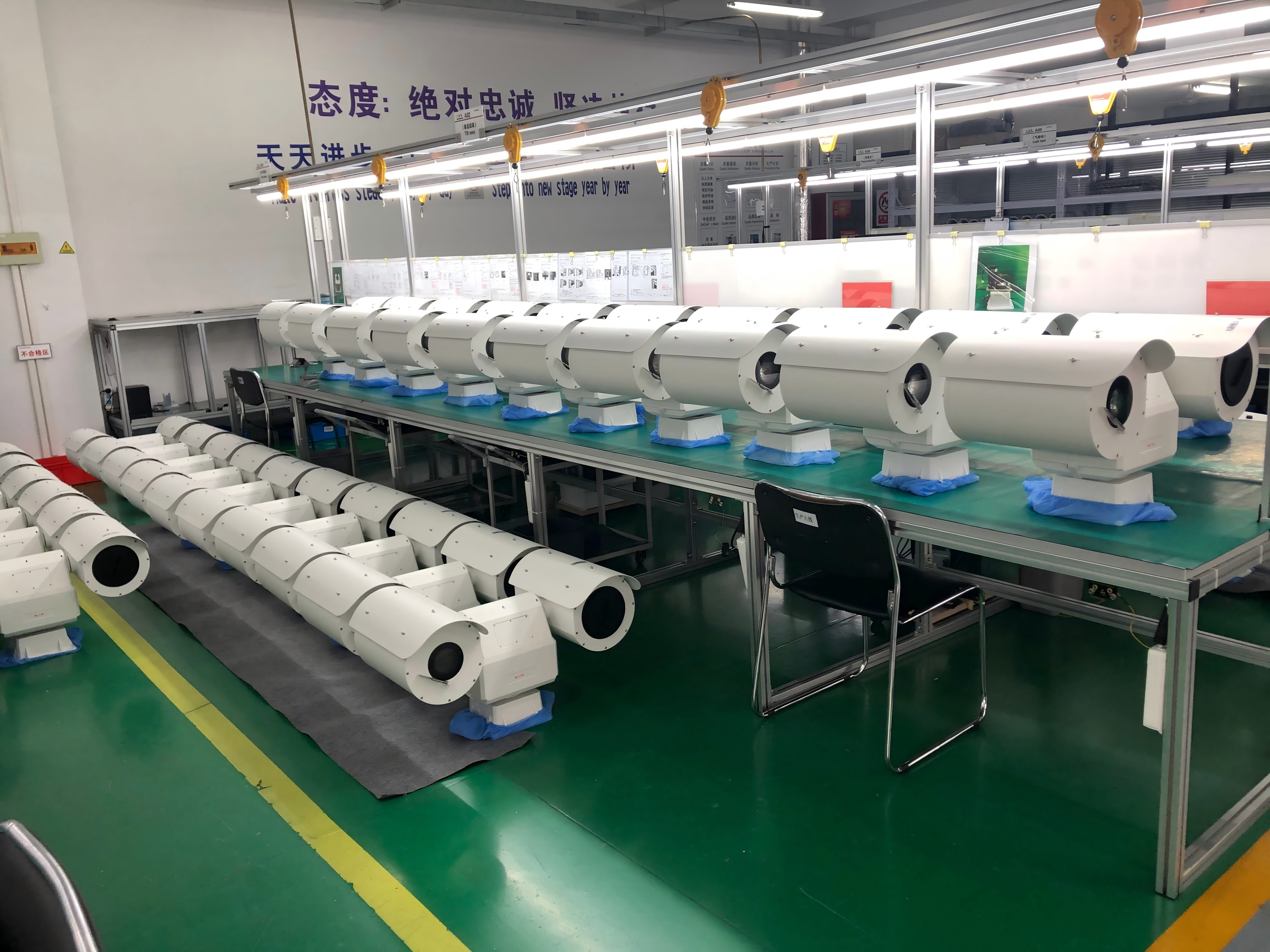
As custom positioning needs expand, identifying the right manufacturing partner is key. Assess design capacity, environmental testing standards, and field support capabilities.
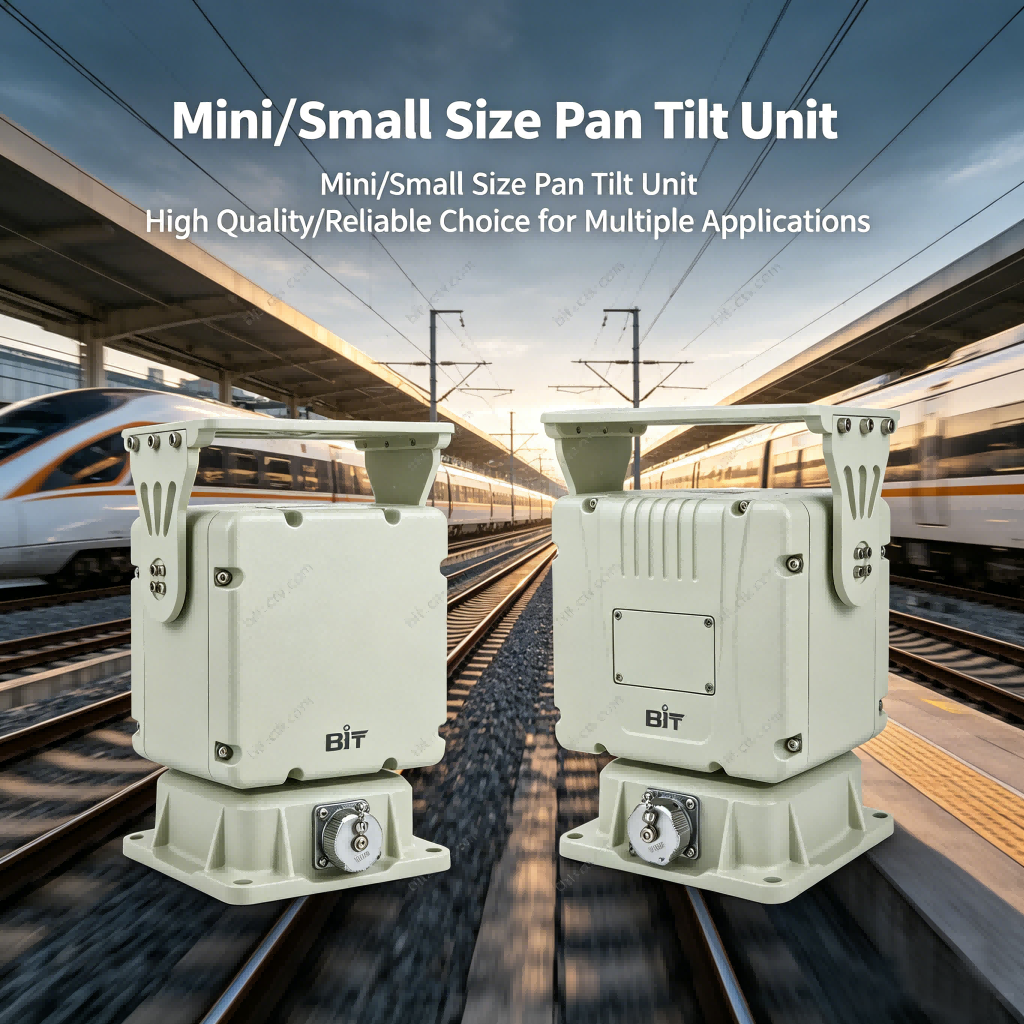
A detailed comparison of our compact positioner units. Optimized for mobile, rapid-deployment platforms requiring high reliability with minimal power consumption.
A guide to classifying positioners based on load capacity, environmental protection ratings, speed metrics, transmission types, and structural installation configurations.
Answers to common questions regarding our heavy-duty telescoping masts and pan-tilt systems.
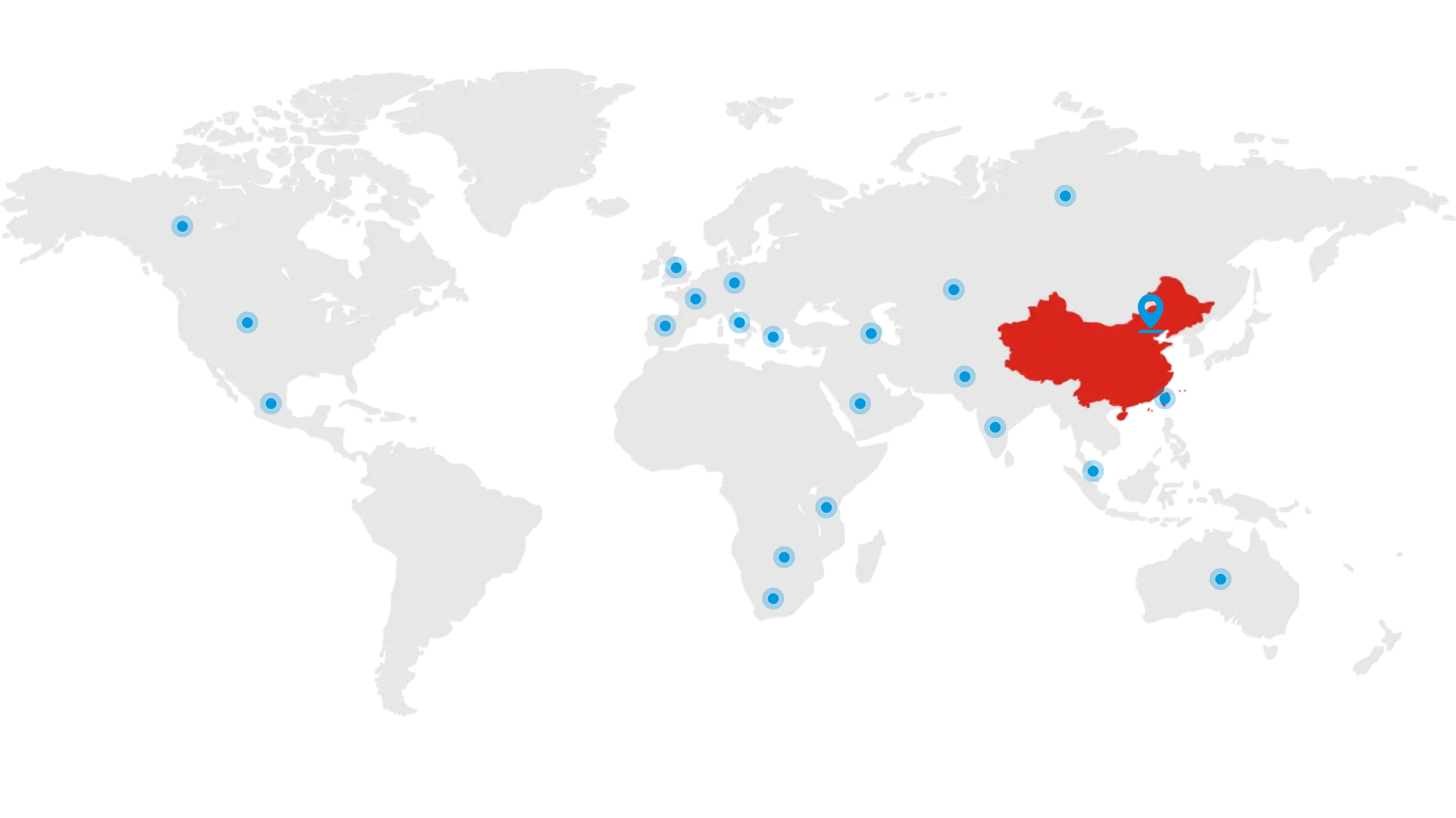
Our positioning hardware and structural systems are trusted in over 50 countries across five continents.



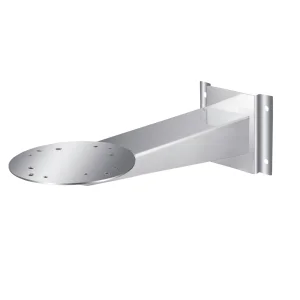
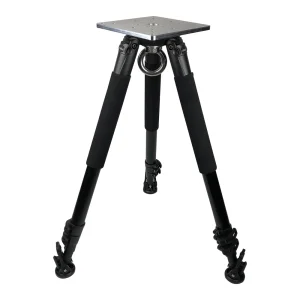
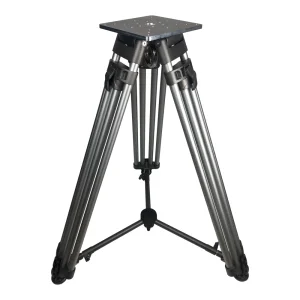
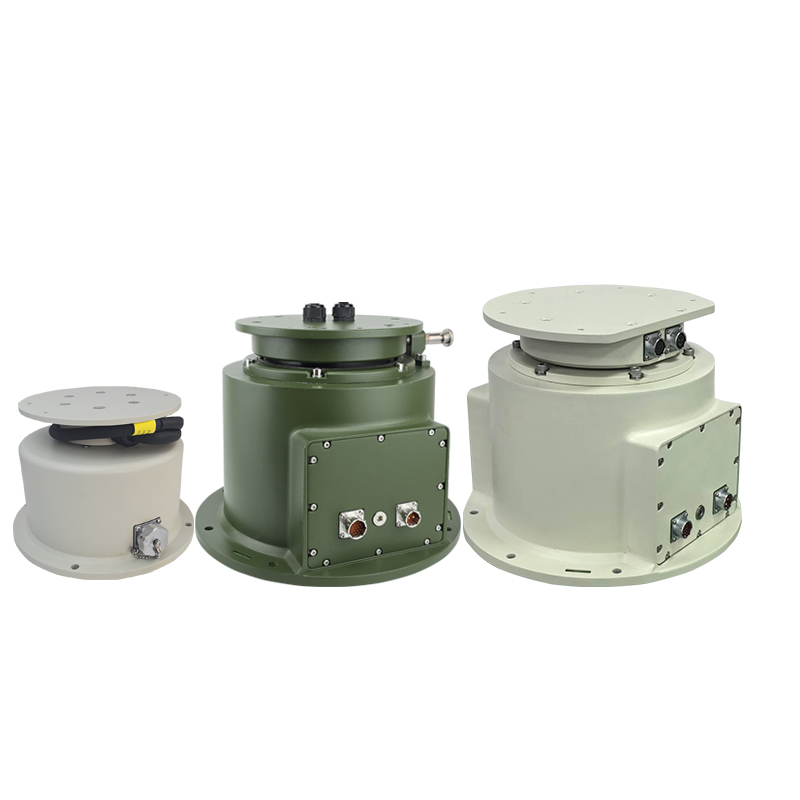
Explore our range of support brackets, heavy-duty mobile tripods, and high-capacity direct-drive rotators.