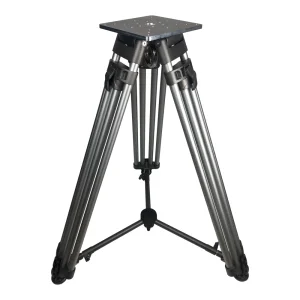
High-Quality Mechanical Telescopic Mast Manufacturer & Factories

Precision Engineering, Superior Payload Capacity, and Custom Structural Elevation Solutions for Global Industries

BIT-CCTV Core Strength Advantages

Innovating high-precision telemetry, optoelectronic tracking mounts, and mast deployments since 2005.

2005
Company Founded
1st
China Pan Tilt Maker
10%
Annual R&D Reinvestment
50+
Countries Served
10k m²
Mfg. Production Area

1. The Global Commercial & Industrial Landscape of Mechanical Telescopic Masts

In contemporary heavy engineering, communications, and defense-grade surveillance, the demand for precise vertical positioning has led to the adoption of advanced mechanical telescopic masts. Unlike pneumatic or hydraulic masts—which are prone to pressure leakage, seal degradation, and instability due to temperature fluctuations—mechanical telescopic masts employ mechanical screw spindles, steel belts, or chain-driven drives. This ensures absolute stability and locked height retention for payloads, even when deployed continuously under grueling physical conditions.

Across Europe, North America, and the Asia-Pacific region, the growth of smart critical infrastructure and autonomous threat detection has heightened the demand for reliable elevation mechanisms. Whether supporting high-resolution thermal cameras, LiDAR sensors, radar arrays, or localized 5G communications antennae, modern installations require structures with minimal torsional play, high wind survival thresholds, and low thermal expansion coefficients. The mechanical telescopic mast acts as the backbone of these systems, bridging the gap between stationary structures and dynamic field deployments.

2. Integration Chemistry: Mechanical Masts and Pan-Tilt-Zoom (PTZ) Positioning

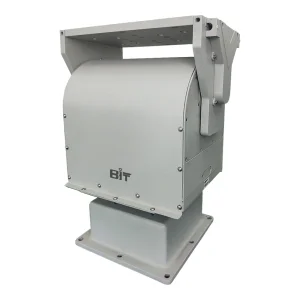
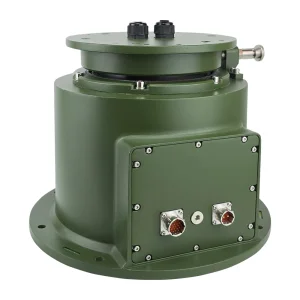
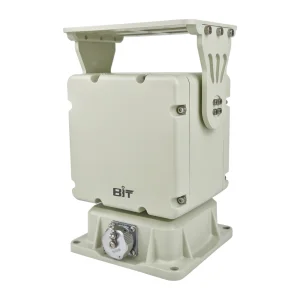
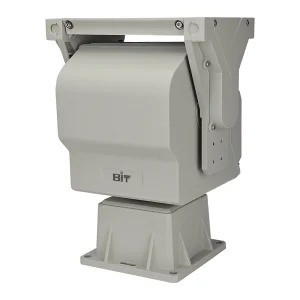
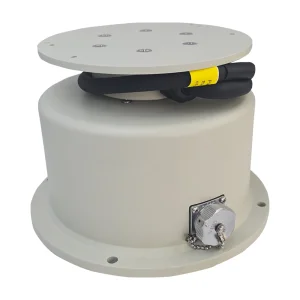
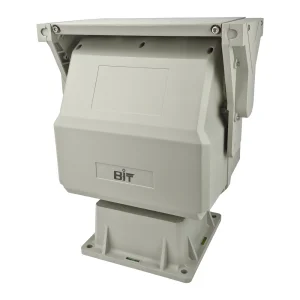
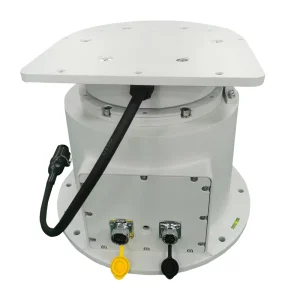
For optoelectronic surveillance networks, a mechanical telescopic mast is only as effective as the payload positioner mounted on top. In maritime, forest safety, and border protection networks, integration with high-precision Pan Tilt Positioners is critical. Heavy-duty pan-tilt heads, such as the 120kg capacity positioner, require a level, vibration-resistant mount to prevent distortion during long-range surveillance (often exceeding 10 kilometers).

As a pioneer in engineering both structures, Blue Icon (Tianjin) Technology Co., Ltd. provides matched assemblies designed for seamless interoperability. By eliminating mechanical tolerances at the mast-to-head interface, our systems control harmonic oscillations caused by high winds. Our product matrix spans payload requirements from 3kg up to 150kg, ensuring system integrators can deploy systems customized to their exact payload profiles.
Featured Pan-Tilt & Mast Technologies

  • ⚙️
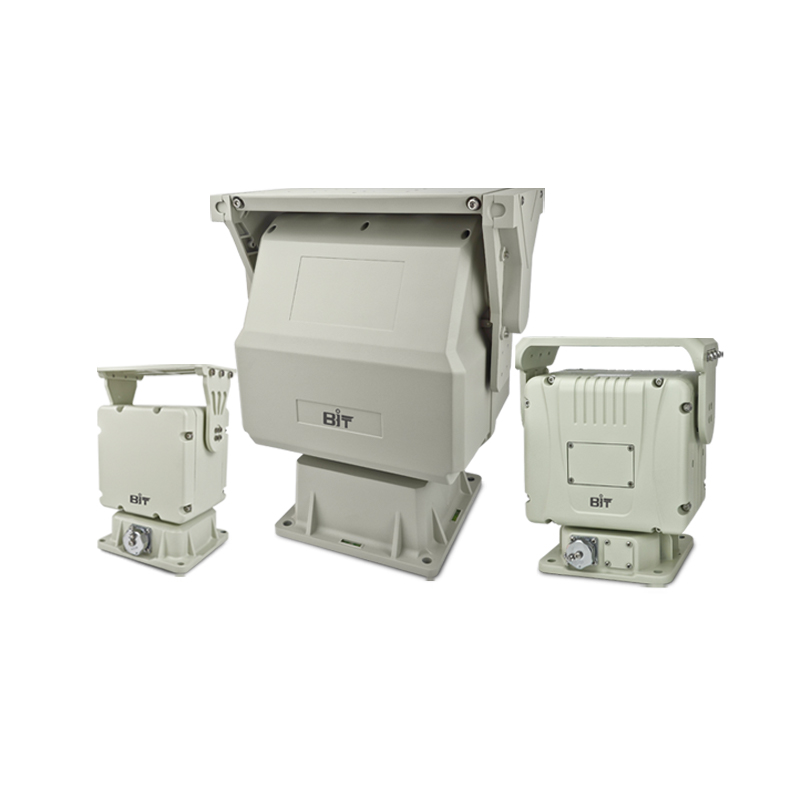
    BIT-PT510: 10kg Load Small Size Worm Gear Drive Pan Tilt Positioner. Features 360° continuous pan rotation and ±60° tilt rotation with speeds up to 30°/S. Specially designed for compact mast deployments in forest fire prevention.
  • ⚙️
    BIT-PT503: 3.5kg Load Mini Size Worm Gear Drive Pan Tilt. A compact unit weighing only 3.5kg, optimized for rapid deployable tactical mast systems.
  • ⚙️
    BIT-PT410: 10kg Load High Speed Pan Tilt. Capable of rotating at a top speed of 100°/s in the azimuth axis. Designed for rapid target acquisition, tracking, and counter-UAS platforms.
  • ⚙️
    BIT-PT850: 50kg Load Heavy Duty Pan Tilt. A proven industrial unit with a decade of field reliability in border defense and coastal observation posts.
Blue Icon Pan Tilt Positioning Technology

3. China's Smart Manufacturing and Production Advantages

Operating from our state-of-the-art 10,000 m² facility, Blue Icon Technology leverages China's advanced industrial supply chain to produce high-precision elevation equipment. The concentration of component manufacturing—ranging from specialty aluminum extrusions and structural stainless steel to high-torque stepper motors and precision worm gears—enables us to accelerate delivery schedules and offer customized options.

Our factory utilizes advanced CNC machining centers and coordinate measuring machines (CMM) to maintain tight structural tolerances, keeping mast segment run-out and play to a minimum. Dedicated automated anodizing and powder-coating lines apply anti-corrosion treatments that meet IP66, IP67, and IP68 standards. Backed by 50 national patents and with 10% of annual revenue reinvested in R&D, our facility produces high-durability mechanical systems engineered for long field lifespans.

4. Customization Capabilities & OEM/ODM Services

Every installation presents unique deployment challenges. A standard configuration rarely meets the specific wind load calculations, cabling envelopes, and dimensional limits of specialized utility vehicles or fixed observation platforms. As a vertically integrated manufacturer, we specialize in comprehensive OEM and ODM services, adapting telescopic masts and positioning accessories to meet precise technical parameters:

  • 🔹 Custom Extended and Nested Heights: Standard heights range from 2 meters up to 30 meters, with customized structural tube section profiles tailored to specific wind load tolerances.
  • 🔹 Integrated Internal Cabling: Protect RF coax, Ethernet, power lines, and optical fibers from environmental damage and tangling during mast deployment.
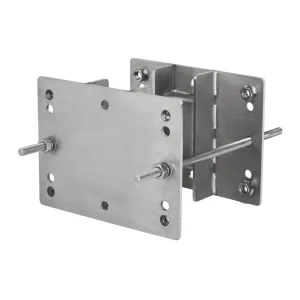
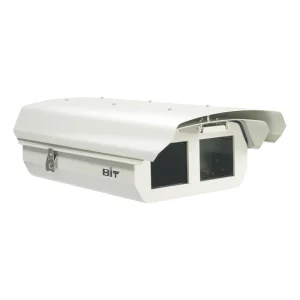
  • 🔹 Tailored Structural Adaptors: Specialized stainless steel pole mounts and brackets engineered to securely interface with specific camera housings, lighting arrays, or military hardware.
  • 🔹 Specialized Finishes: Anti-reflective finishes and marine-grade protective coatings designed for harsh offshore and desert applications.

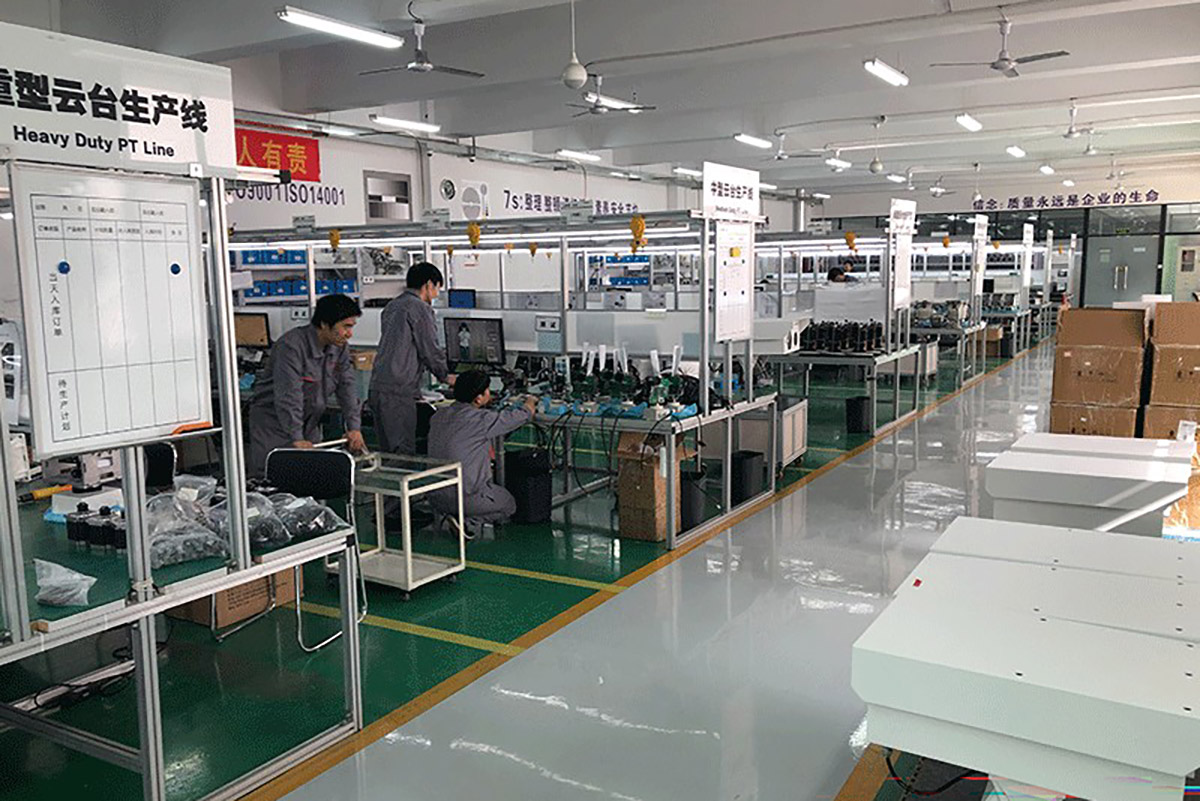
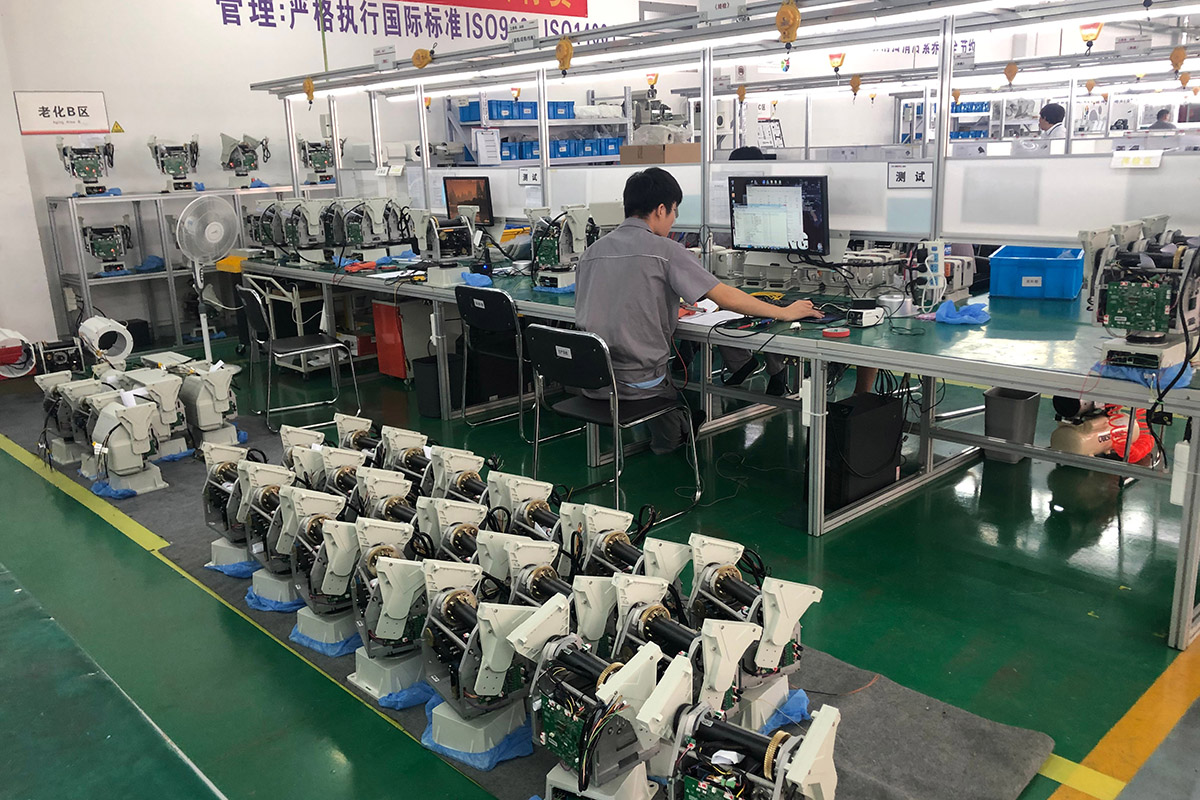
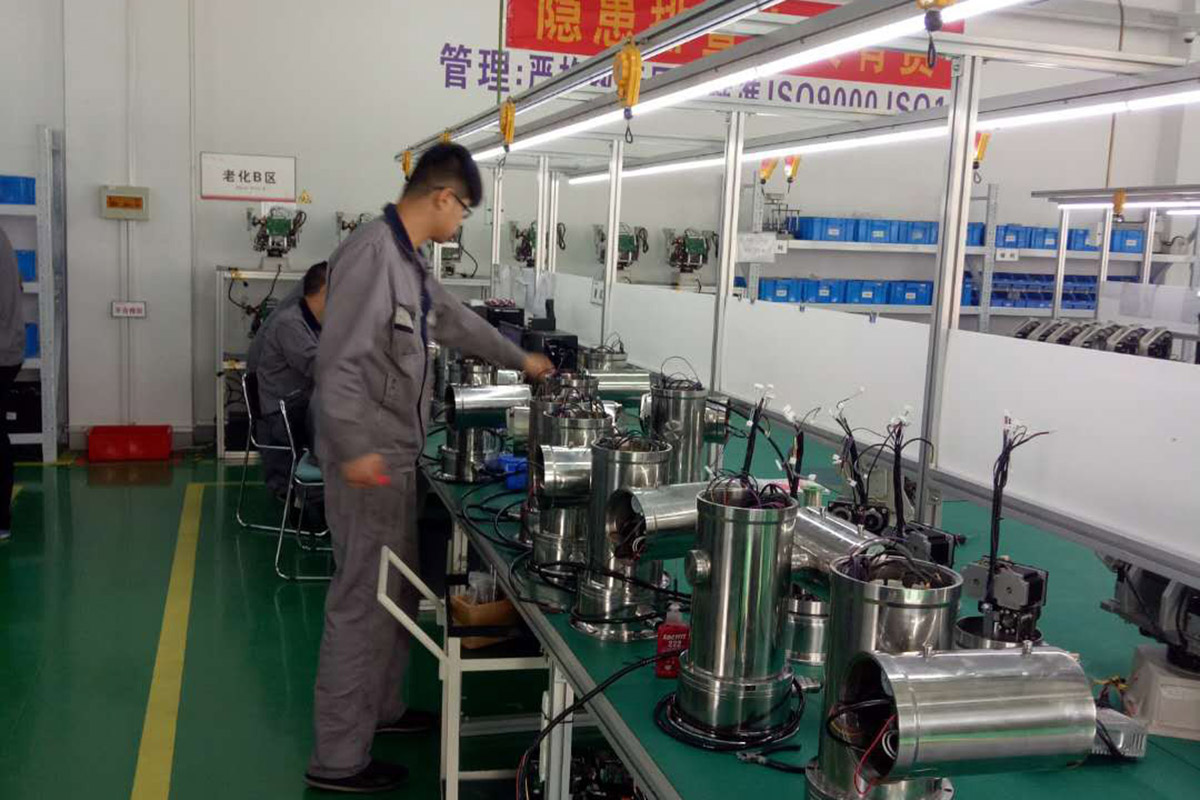
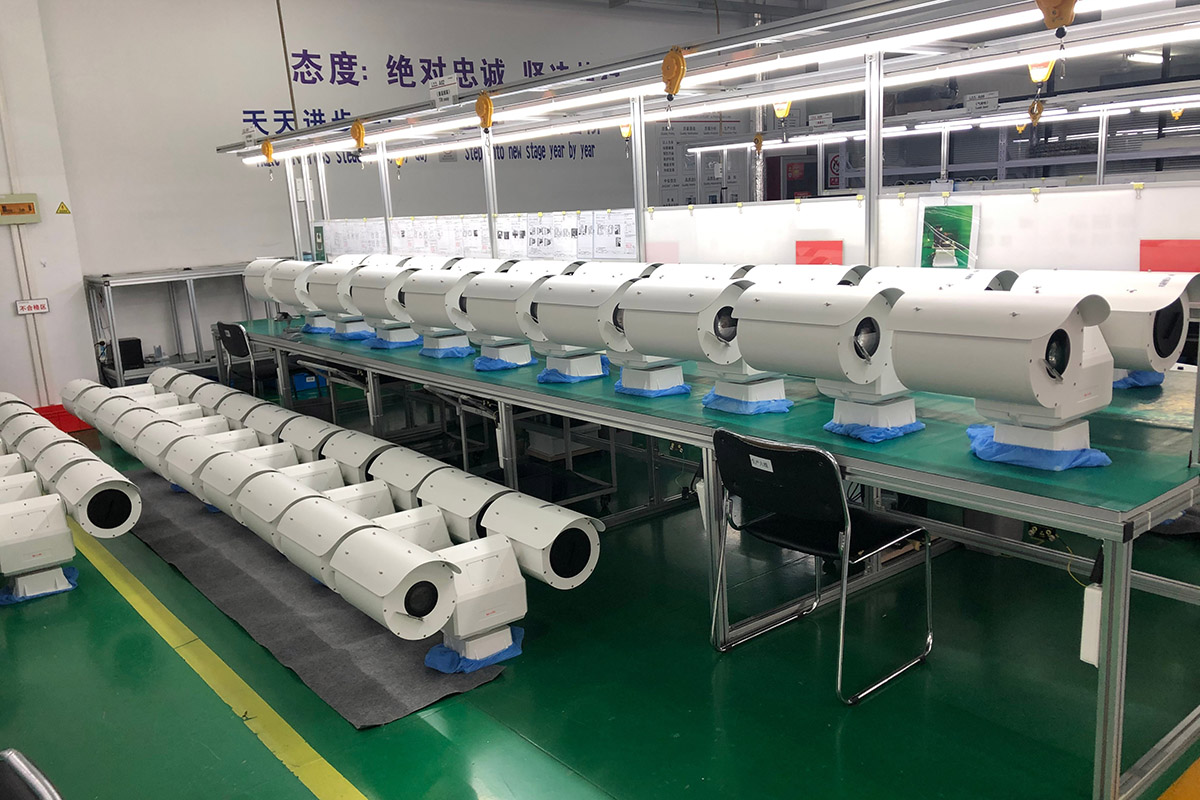
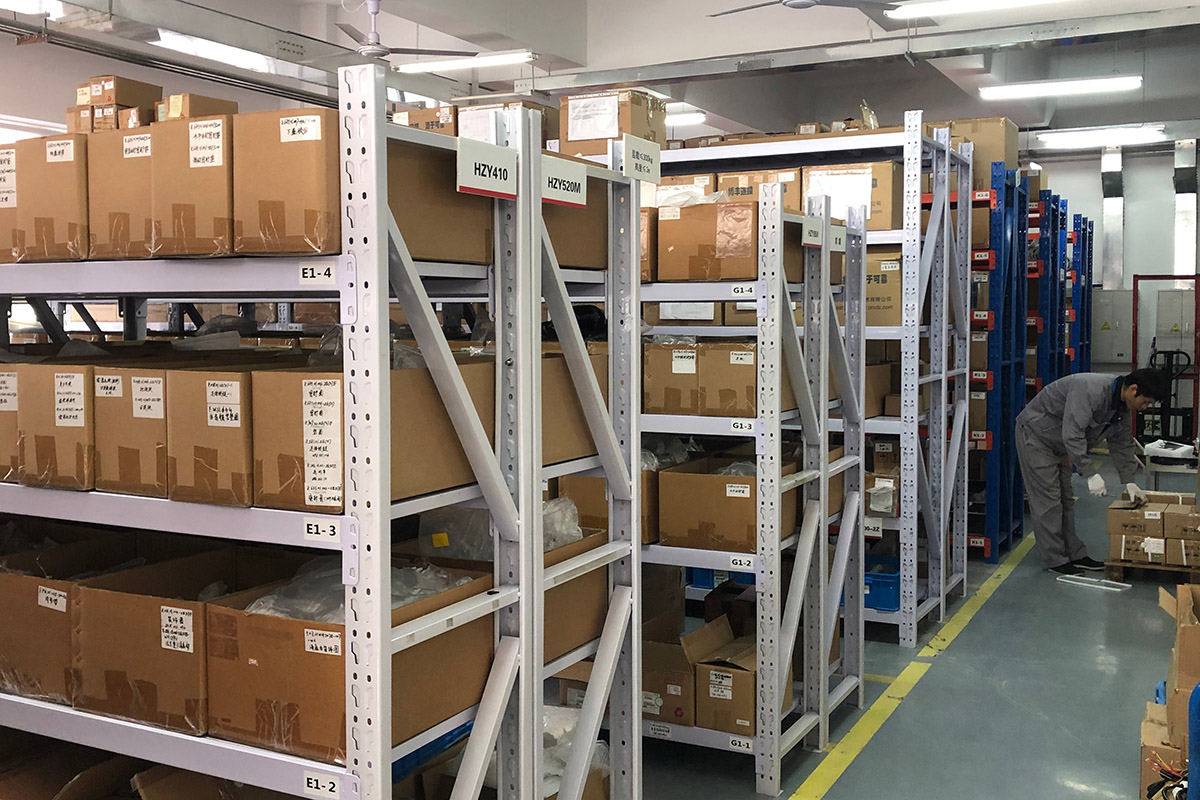
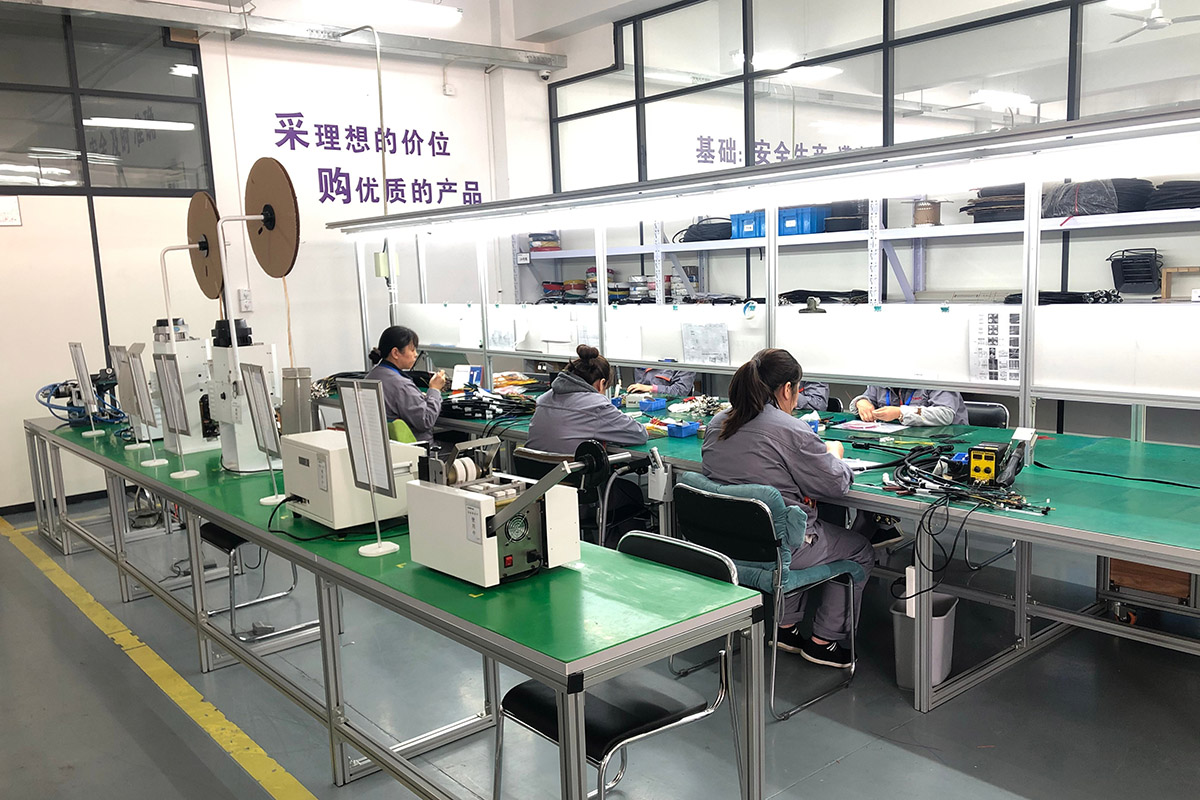
Factory Display & Operations

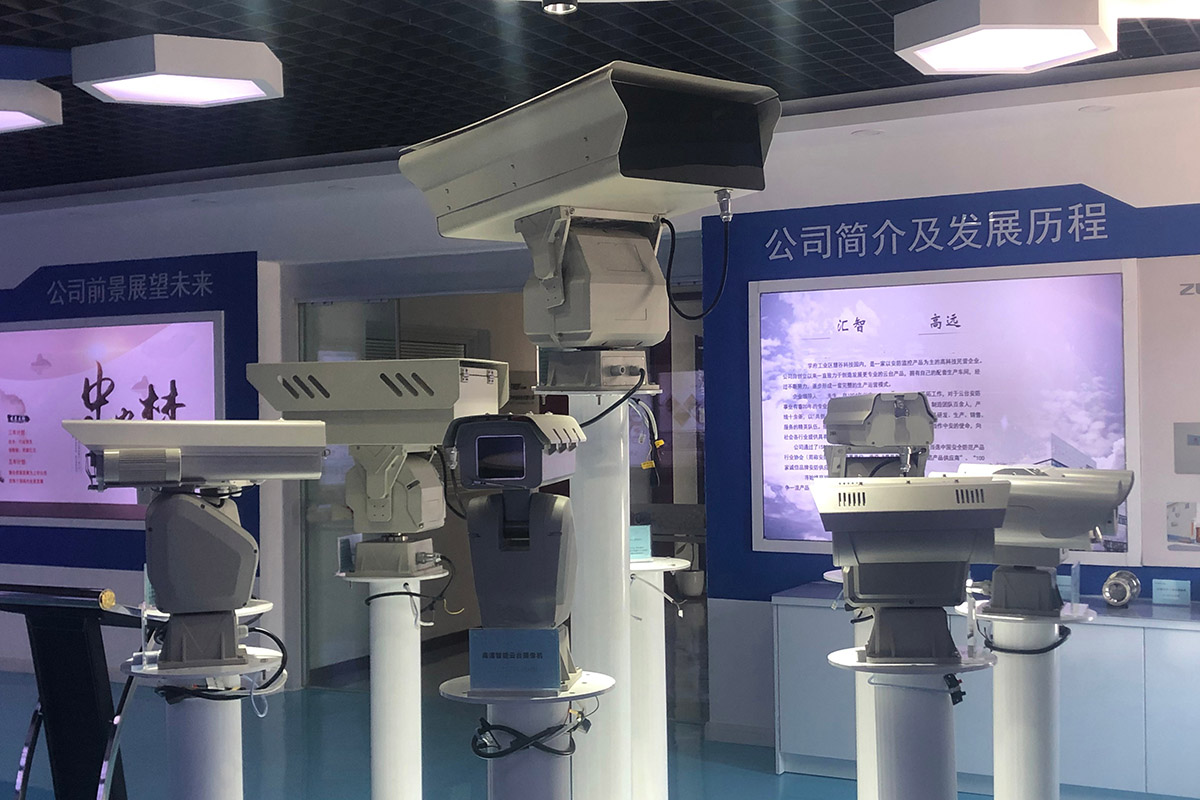
Our manufacturing and assembly workflow meets ISO9001 standards. Below is a view of our modern production floor and CNC machining operations:
5. Global Procurement and Key Quality Benchmarks

For procurement officers and defense contractors, sourcing telescopic masts and positioning systems involves a strict evaluation of engineering documentation and quality benchmarks. The primary parameters determining mast selection include:
  • Payload Weight and Sail Area (Wind Load): The combination of payload mass and physical dimensions dictates the mast's structural strength requirement. Mast thickness and diameter must prevent deflection in high winds.
  • Torsional Backlash & Rigid Locking: Precision surveillance and targeting applications require minimal movement in the mast's azimuth plane. Mechanical interlocks must prevent twisting.
  • Environmental Resilience: Materials must withstand salt spray, desert heat, and sub-zero temperatures. High-grade anodized aluminum alloys, stainless steel, and specialized polymers are essential.
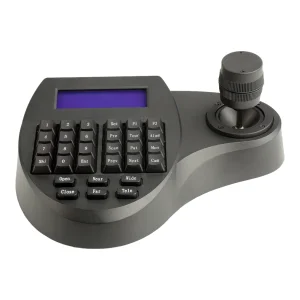
  • Integration Interface Compatibility: Secure mount interfaces (like stainless steel brackets) and robust serial controls (such as RS485/RS422 protocols) ensure reliable operation.

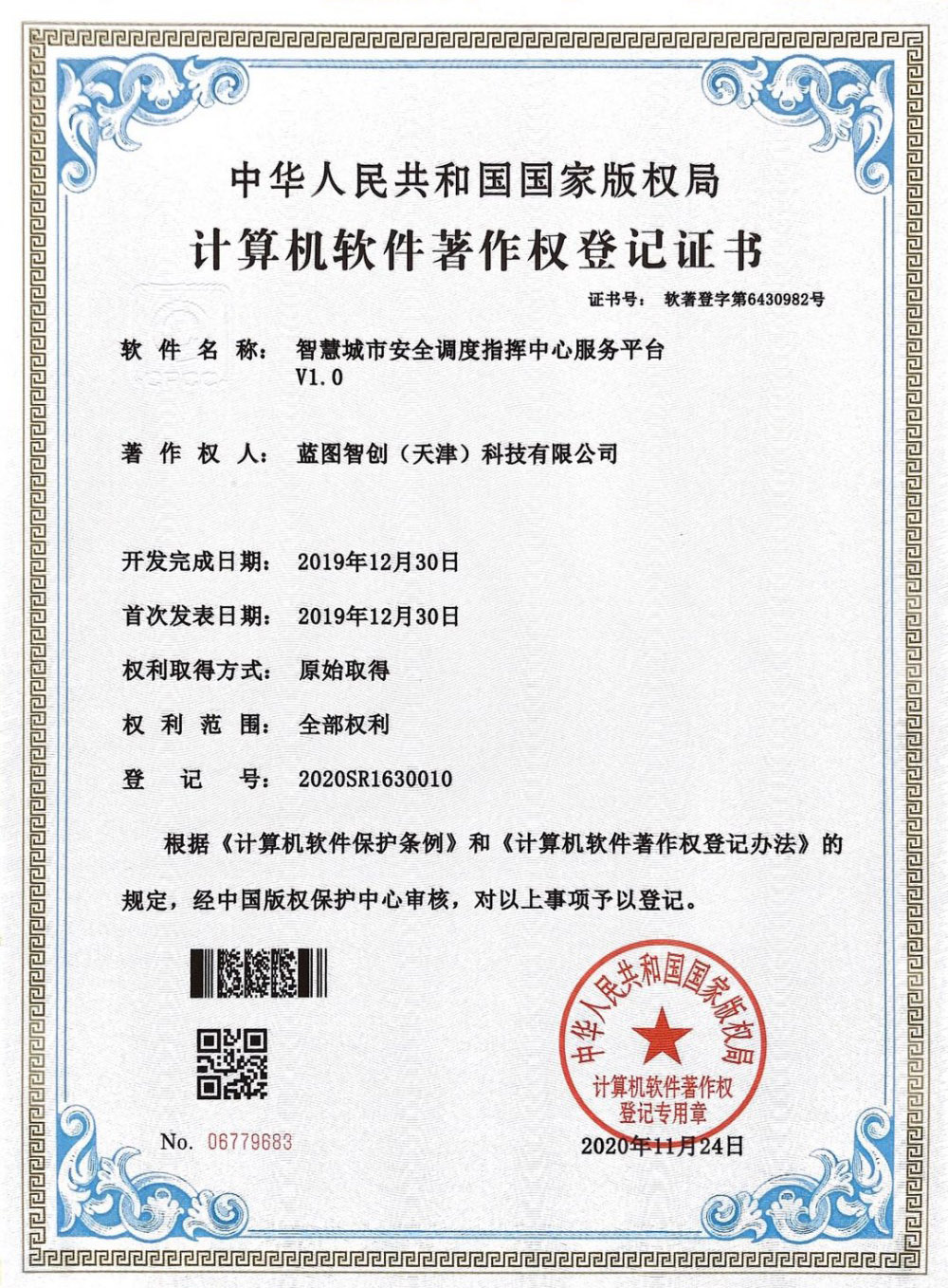
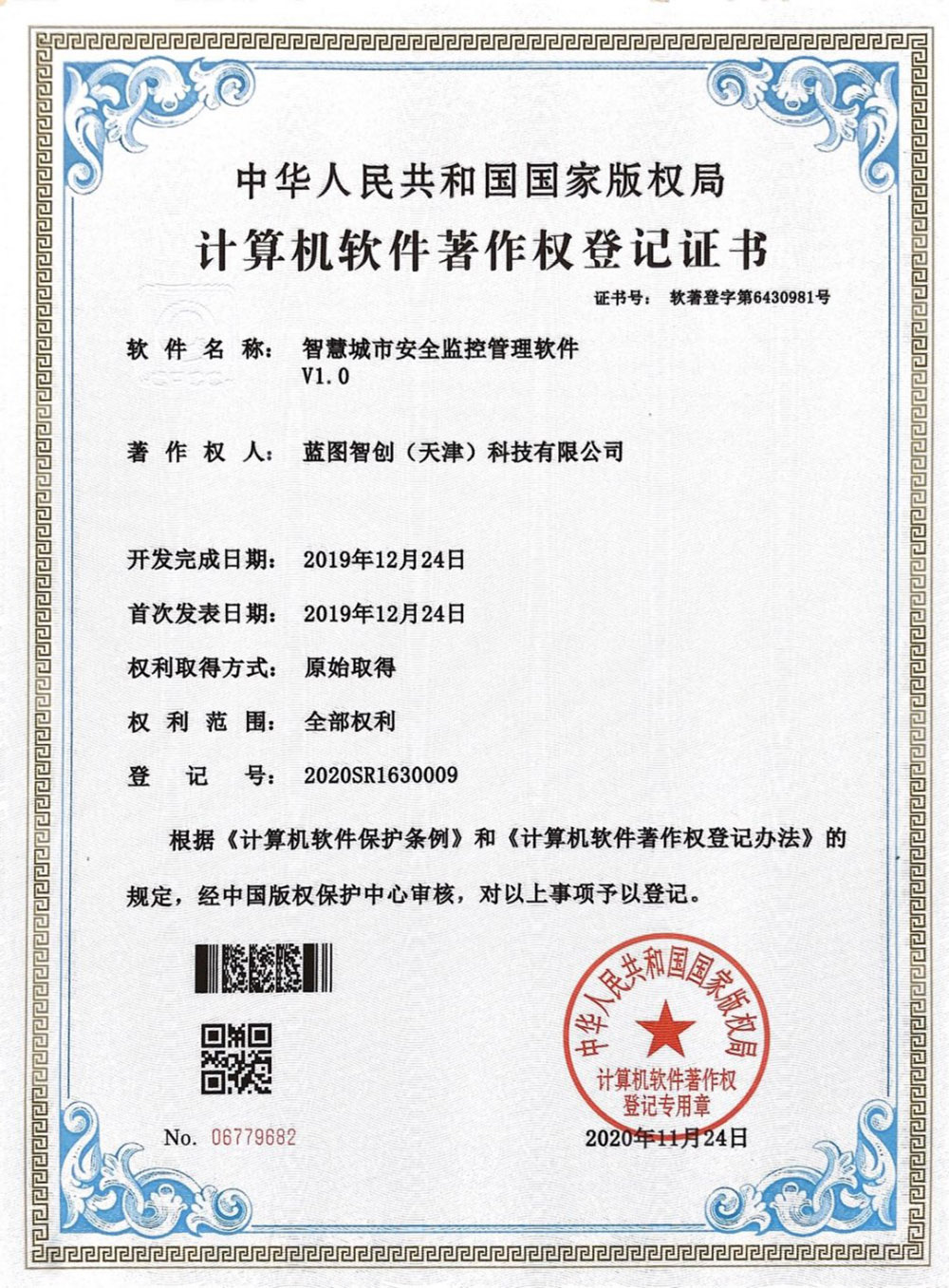
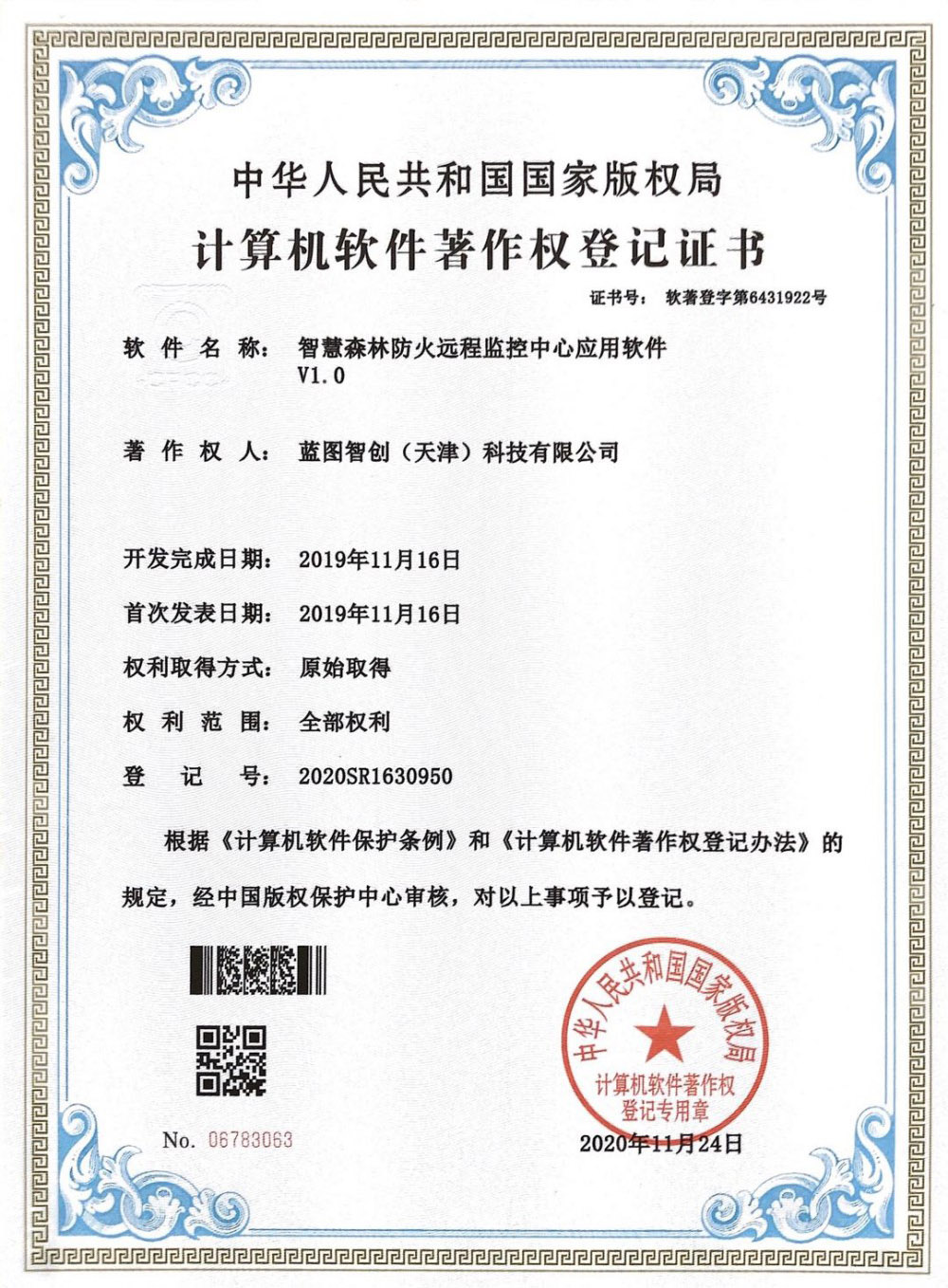
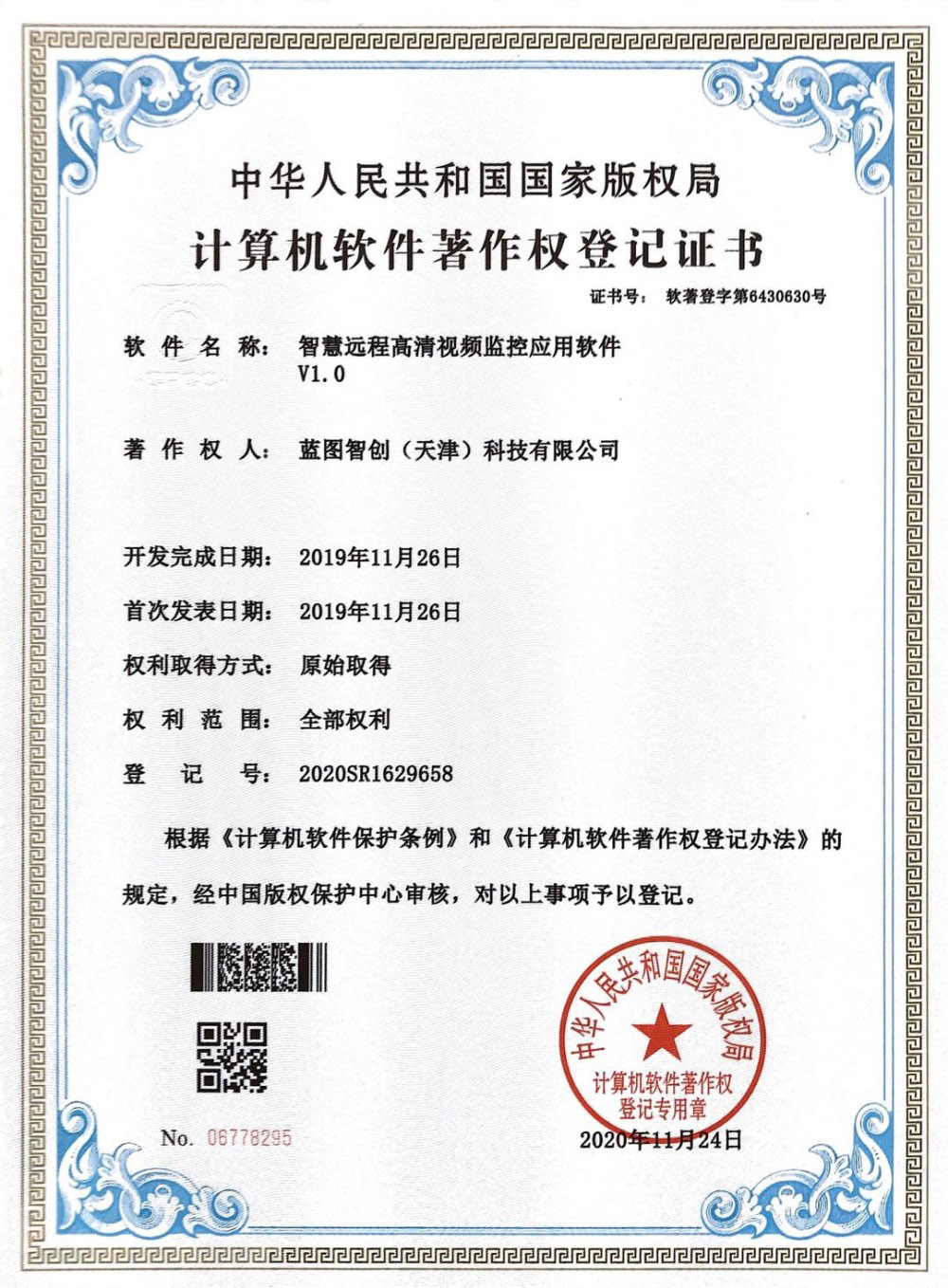
Intellectual Property & Certifications

Our Global Industrial Partners

Over 50 countries across five continents utilize our positioning systems and telescopic platforms for critical operations.

Technical Q&A / FAQ

Technical specifications and engineering guidance for mechanical telescopic masts and pan-tilt systems.

Q1: What are the primary advantages of mechanical telescopic masts over pneumatic or hydraulic alternatives?
Mechanical telescopic masts use mechanical drives (such as spindle screws or structural belts) rather than compressed air or fluid pressure. This design prevents height sag caused by pressure loss or seal wear. It also ensures precise, repeatable height adjustment across a wide range of temperatures, eliminating the risk of oil leaks in environmentally sensitive areas.
Q2: How do you choose the right mast based on payload requirements and wind load conditions?
Selecting a mast requires calculating the payload's total weight, its center of gravity, and its total surface area exposed to wind (sail area). Our engineering team uses this data to calculate the required wall thickness, tube diameters, and guy wire patterns. This ensures the mast maintains alignment and structural integrity in winds up to 120 km/h.
Q3: How does Blue Icon ensure high corrosion resistance for maritime and coastal installations?
Our masts and pan-tilt positioners are manufactured using high-strength 6061-T6 aluminum and 316 marine-grade stainless steel. Aluminum components undergo type-III hard anodizing, followed by a polyester powder coating. This dual-layer protection prevents galvanic corrosion and oxidation in salt-heavy marine environments.
Q4: Can pan-tilt controllers and camera housings be custom integrated during mast manufacturing?
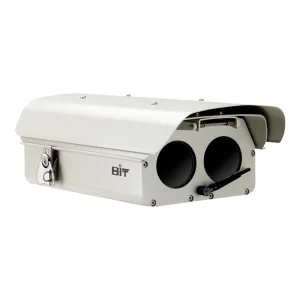
Yes. We offer complete system integration. By specifying your sensor package (e.g., dual-window camera housings or long-range laser illuminators), we pre-engineer the top flange, internal wiring conduits, and wiring harnesses. This allows plug-and-play installation in the field and keeps the cables protected inside the mast.
Q5: What serial and network protocols are supported by your positioning systems?
Our pan-tilt units, including the heavy-duty BIT-PT850 and high-speed BIT-PT410, natively support standard Pelco-D and Pelco-P protocols over RS485/RS422 serial interfaces. Newer IP-configured models also support network control via ONVIF Profile S/T and custom HTTP API commands, allowing seamless integration into modern VMS software.