 BIT-CCTV
BIT-CCTV
BIT-CCTV
Explore our high-performance product lineup designed to survive the harshest industrial and outdoor settings.
Why leading global integrators trust BIT-CCTV for high-performance deployment in border control, heavy industry, and smart cities.
In the modern security landscape, outdoor camera housings act as the primary defense shield for sophisticated surveillance optics and sensors. As high-definition zoom lenses, thermal imagers, and AI-enabled edge-processing components become standard in critical infrastructure monitoring, standard commercial casings no longer suffice. Industrial-grade environments demand robust mechanical protection that resists corrosion, manages extreme internal thermal fluctuations, and eliminates optical distortion.
As a global pioneer in heavy-duty surveillance manufacturing, Blue Icon (Tianjin) Technology Co. Ltd. (operating under the BIT-CCTV brand since its establishment in 2005) has dedicated over 18 years to perfecting high-precision CCTV housing systems and pan-tilt positioners. Our engineering focus shifts away from simple weather shelters toward smart enclosures that guarantee operational continuity in Arctic frost, coastal saltwater mist, and arid desert sandstorms.
Protecting high-value camera payloads requires deep material science. Standard plastic or thin aluminum housings degrade rapidly when exposed to continuous UV radiation and corrosive atmospheres. BIT-CCTV specializes in the manufacturing of heavy-duty, marine-grade stainless steel (SUS316L) camera housings and brackets. This ensures our installations remain structurally sound and free from pitting corrosion in highly saline coastal environments, chemical refining plants, and marine shipping ports.
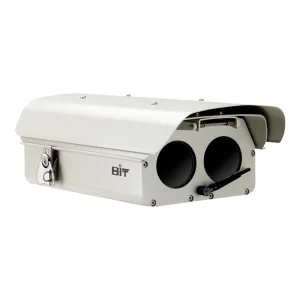
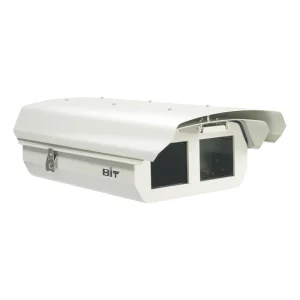
Furthermore, our double-glazed and dual-window designs integrate advanced optical elements. The partition of visual light sensors and thermal infrared devices prevents internal heat reflections and ensures crystal-clear imaging metrics across both spectra.
Leveraging industrial clustering, advanced metallurgical capabilities, and cost-efficient custom tooling.
Our domestic Chinese supply chain delivers direct access to premier steel mills and die-casting facilities. This allows us to source certified marine-grade SUS316L stainless steel and premium ADC12 aluminum alloys at highly competitive rates, assuring chemical uniformity and structural integrity.
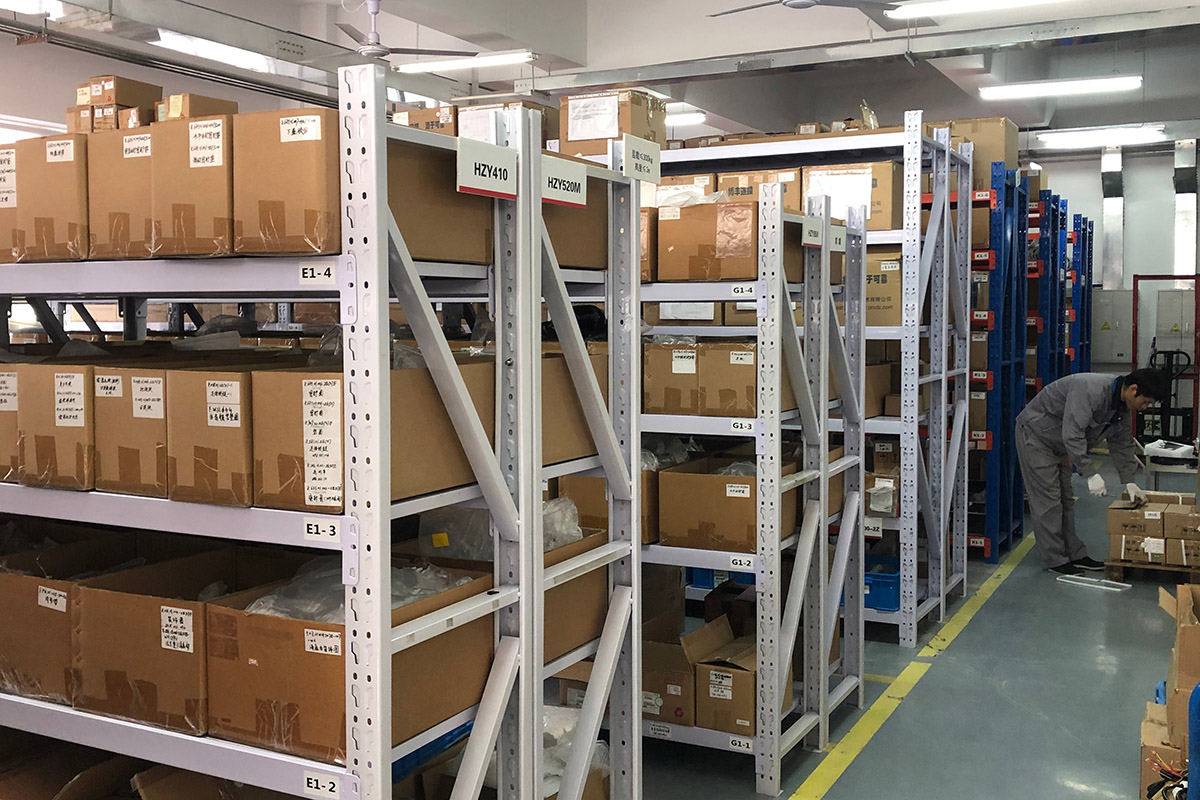
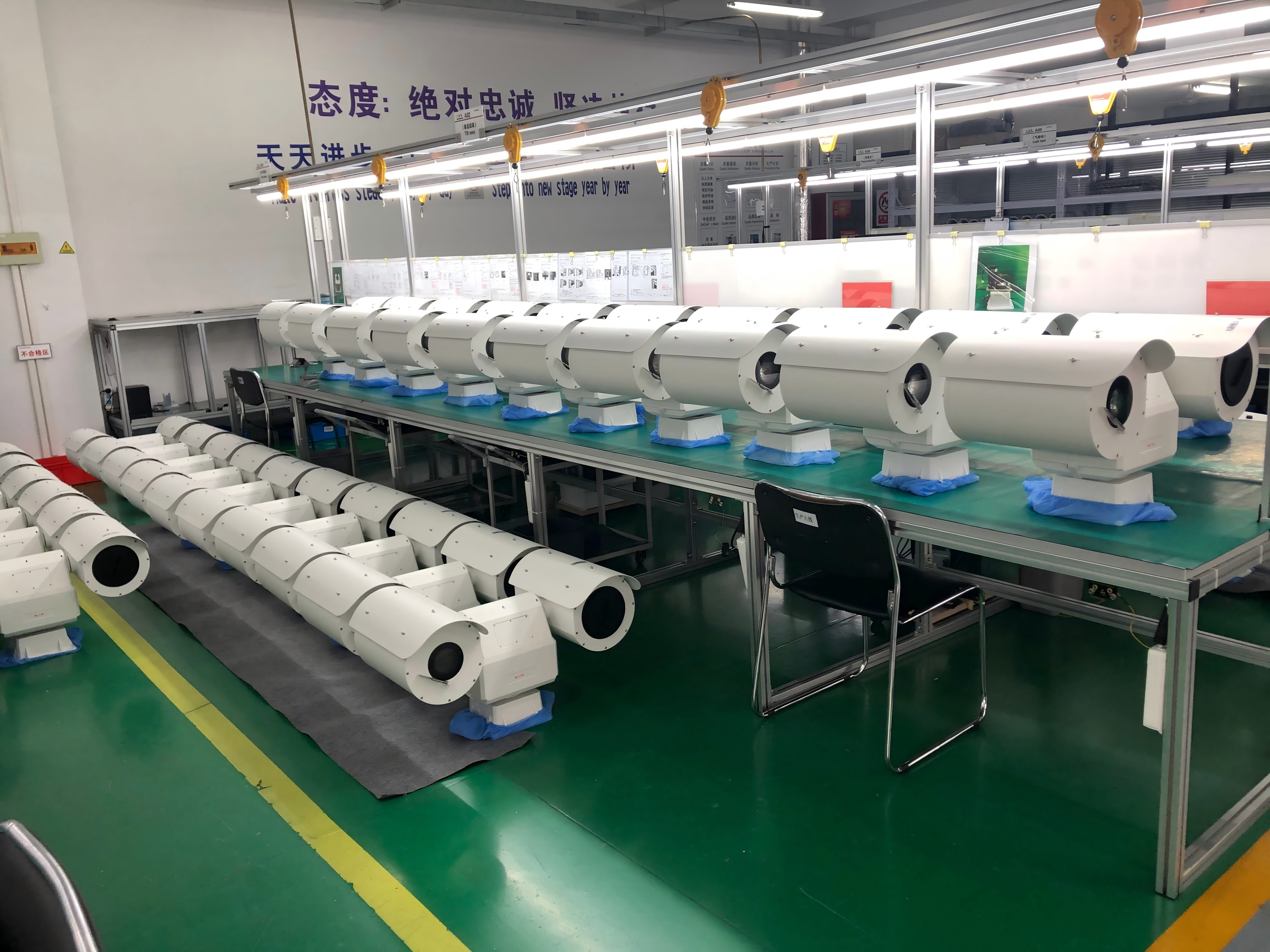
Unlike Western assembly shops, our 10,000 m² manufacturing plant in Tianjin houses CNC machining, rotomolding, sheet metal stamping, powder coating, and environmental testing chambers under one roof. We accelerate custom prototype-to-production cycles down to 15-30 days.
Tooling and molding costs in China are a fraction of the cost in Europe or North America. This enables us to design and manufacture bespoke dimensions, customized dual-window sizes, special connector ports, and custom logos without demanding prohibitive minimum order quantities.
Our production protocols align with ISO9001 and military-grade QC standards. Every unit undergoes strict environmental testing, including salt spray tests, thermal shock simulations, and IP rating tests, ensuring failure-free performance upon arrival.
Tailoring physical protection and dynamic positioning to critical global industries.
Coastal borders expose surveillance gear to constant wind load, moisture, and high salinity. By pairing our heavy-duty pan-tilt units (supporting up to 150kg payloads) with double-window, heated camera housings, operators can deploy large multi-sensor optical and thermal imagers for clear detection at distances exceeding 10km.
Deployed on high-altitude observation towers, forest monitoring systems must withstand lightning, high winds, and seasonal temperature swings from winter freezes to dry summer heat. Our housings are equipped with intelligent internal temperature control systems, automatic heaters, and rain wipers to ensure continuous scanning.
Oil refineries, chemical storage areas, and petrochemical pipelines require explosion-proof and highly chemical-resistant camera enclosures. Our heavy-walled stainless steel housings prevent internal sparks from igniting external gases, while protecting inner optical components from corrosive chemical fumes.
Detailed mechanical parameters of our flagship engineering achievements.
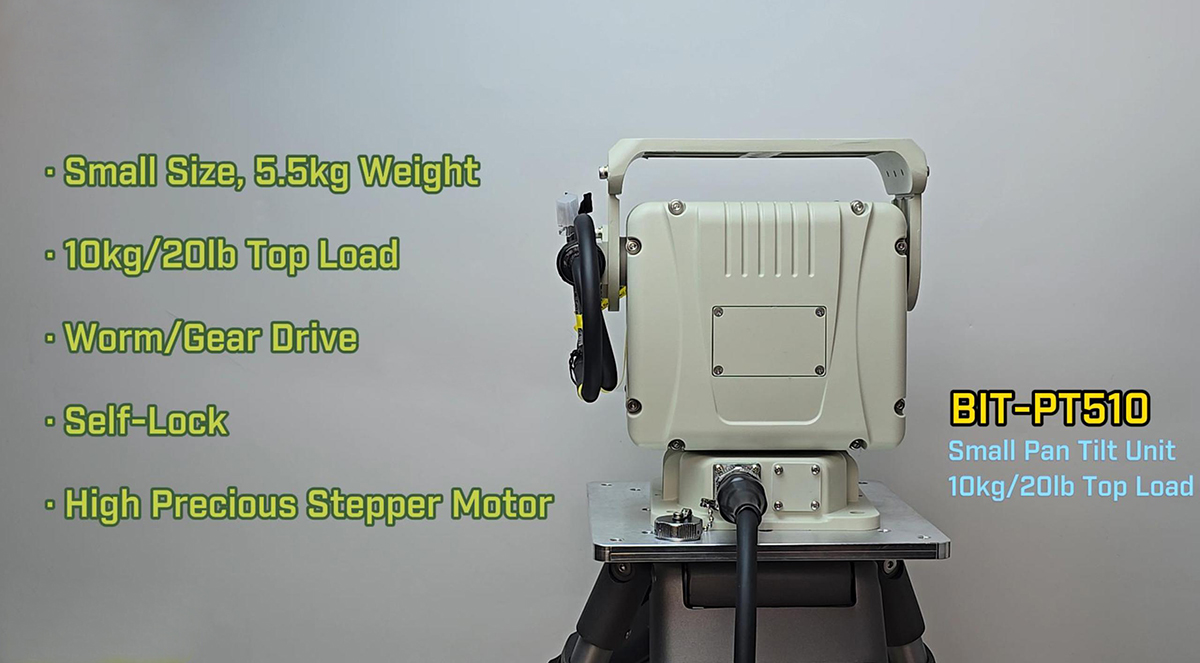
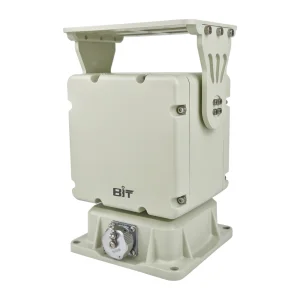
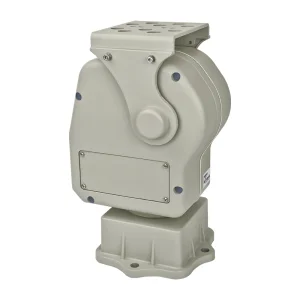
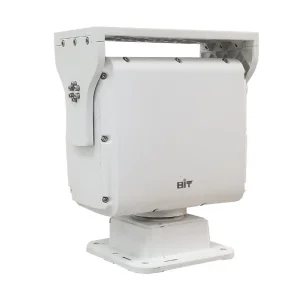
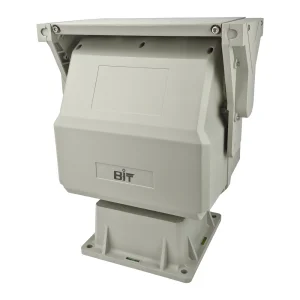
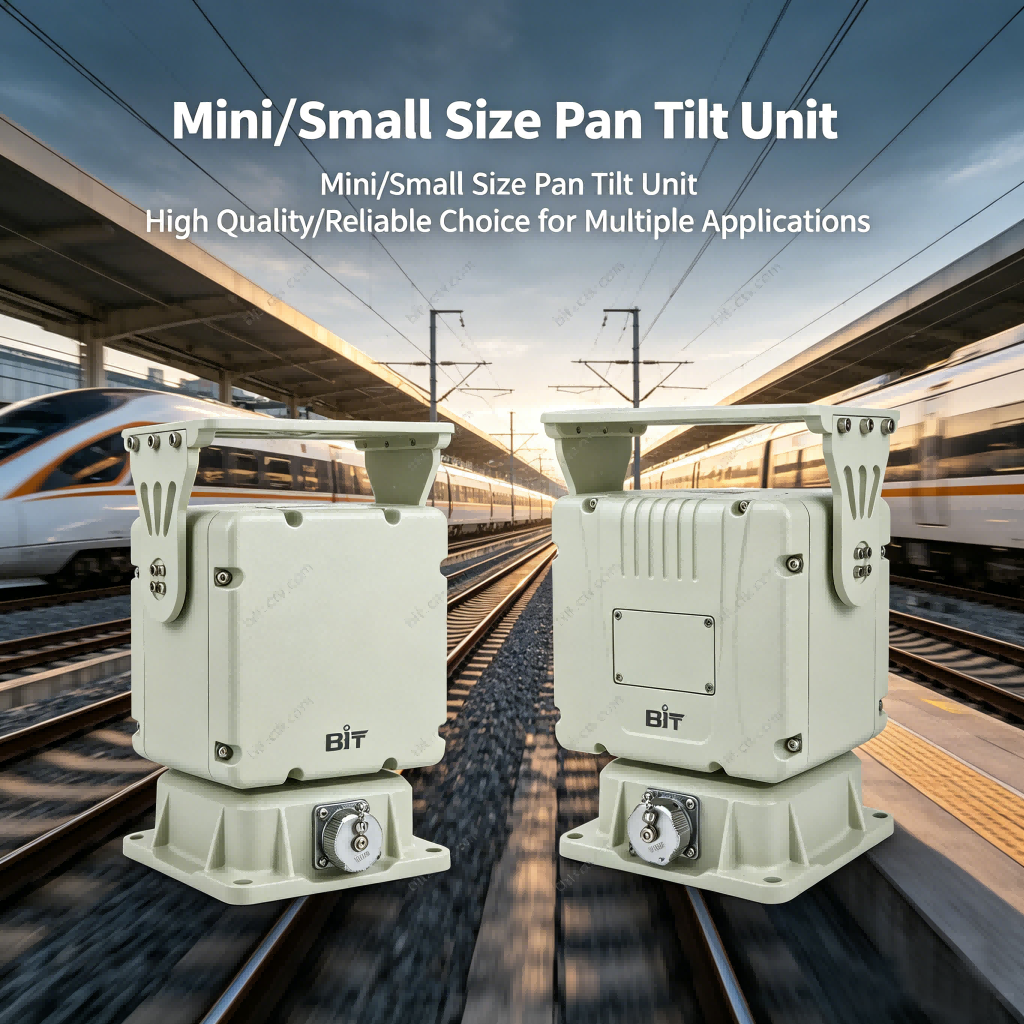
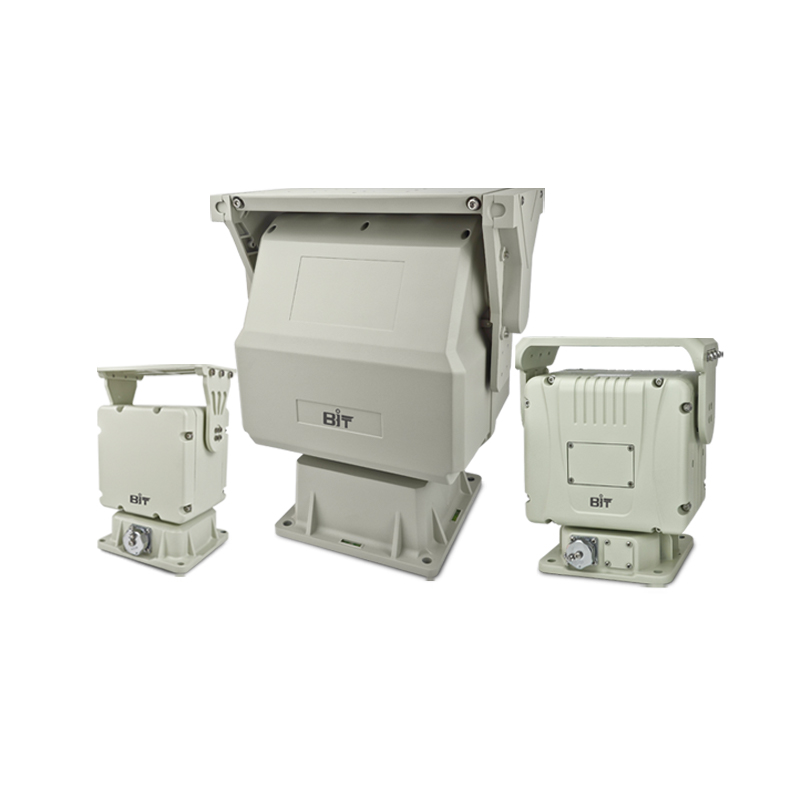
The BIT-PT510 is a high-precision, small-format pan-tilt positioner designed to mount outdoor camera housings, searchlights, and acoustic devices. Engineered with a precision stepper motor and self-locking worm-gear drive system, it holds its exact position even under high wind load conditions.
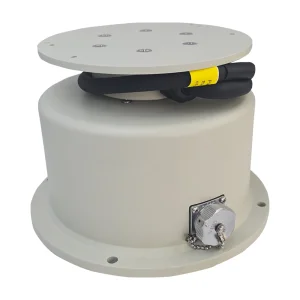
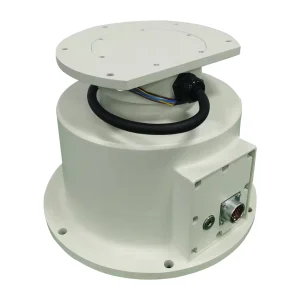
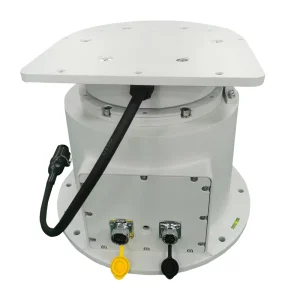
Our most compact pan-tilt unit, weighing only 3.5kg. Capable of carrying payloads up to 3.5kg (7.7lb). Engineered for deployments where weight, space, and power budgets are tightly constrained.
Capable of reaching rapid rotation speeds up to 100° per second. Perfect for dynamic object tracking, drone detection, and rapid presets. Supports up to 10kg payloads with a wide tilt angle of -90° to +40°.
A time-tested industry classic with over a decade of active deployments. Supports top payloads up to 50kg (110lb). Engineered to withstand harsh environments with a low failure rate and stable performance.
Understanding the procurement criteria for Fortune 500 security integrators, defense contractors, and municipal planners.
Enterprise-level camera housing procurement involves more than just selecting a model number. System integrators require verification of mechanical resilience, material composition, and component longevity. Our clients frequently request documentation verifying raw material source quality (such as mills sheet certifications for marine stainless steel) and IP ratings.
To address these requirements, BIT-CCTV maintains a rigorous quality assurance program. Every product line undergoes environmental chamber testing to verify functionality across extreme thermal ranges (-40°C to +65°C). By offering tailored OEM services, we design custom inner mounting plates, specialized cable glands, and customized power distribution networks to simplify field installations.
The industry is moving toward integrated, smart housings. Enclosures are no longer just passive physical shells; they are active hubs featuring PoE++ power management, direct telemetry integration via RS485 interfaces, intelligent heating elements, and window glass treatments that actively repel dust, ice, and condensation.
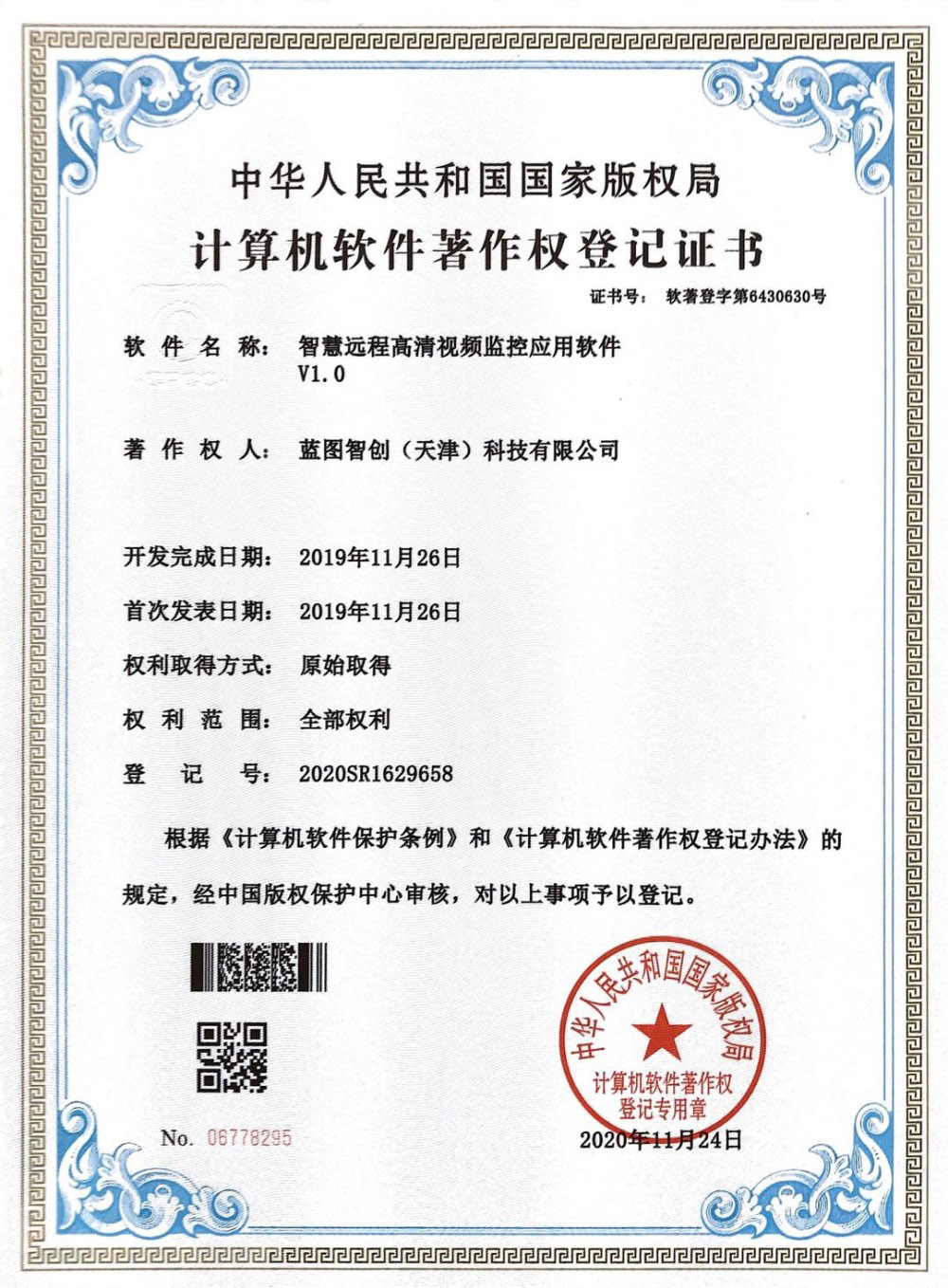
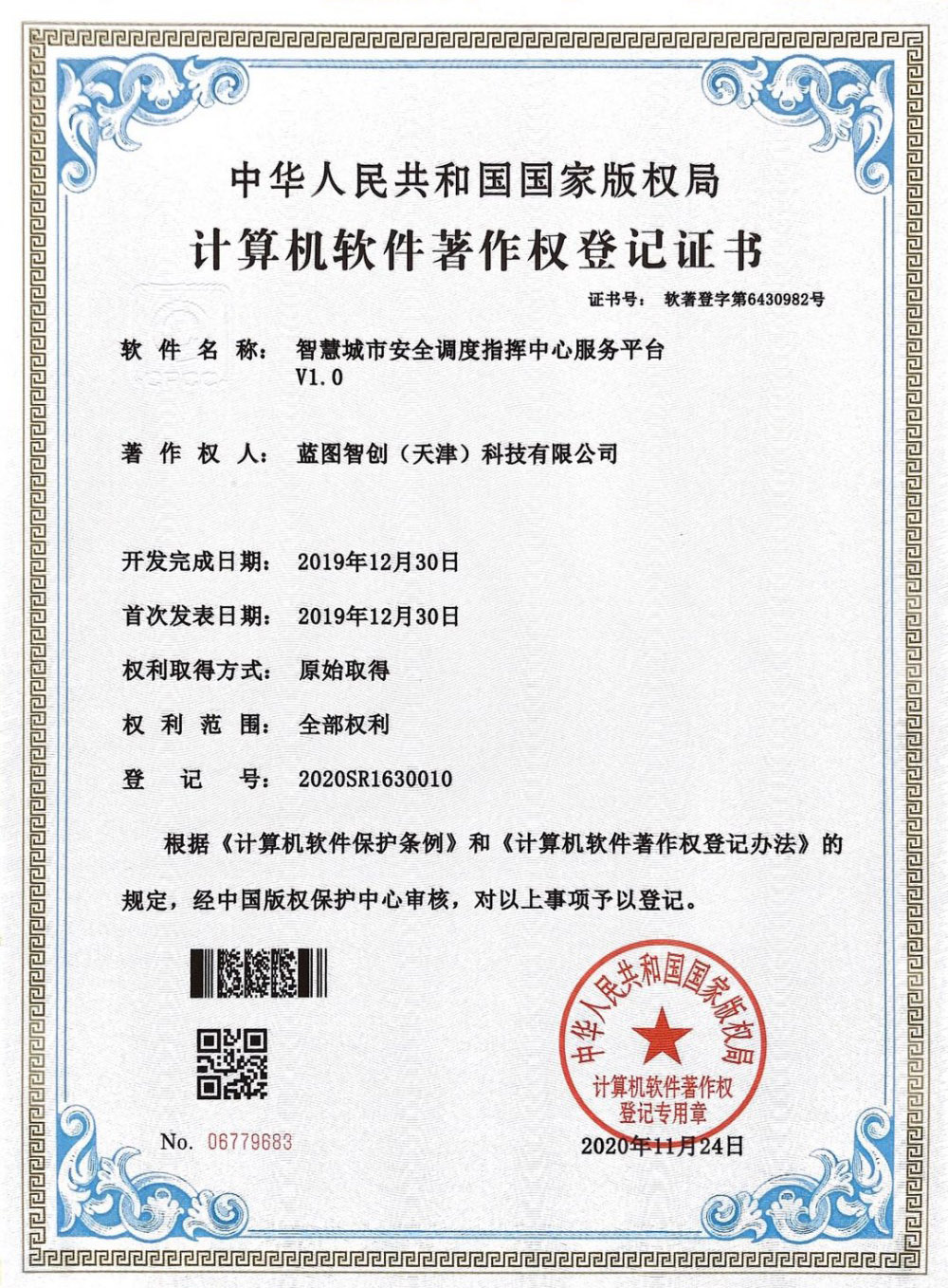
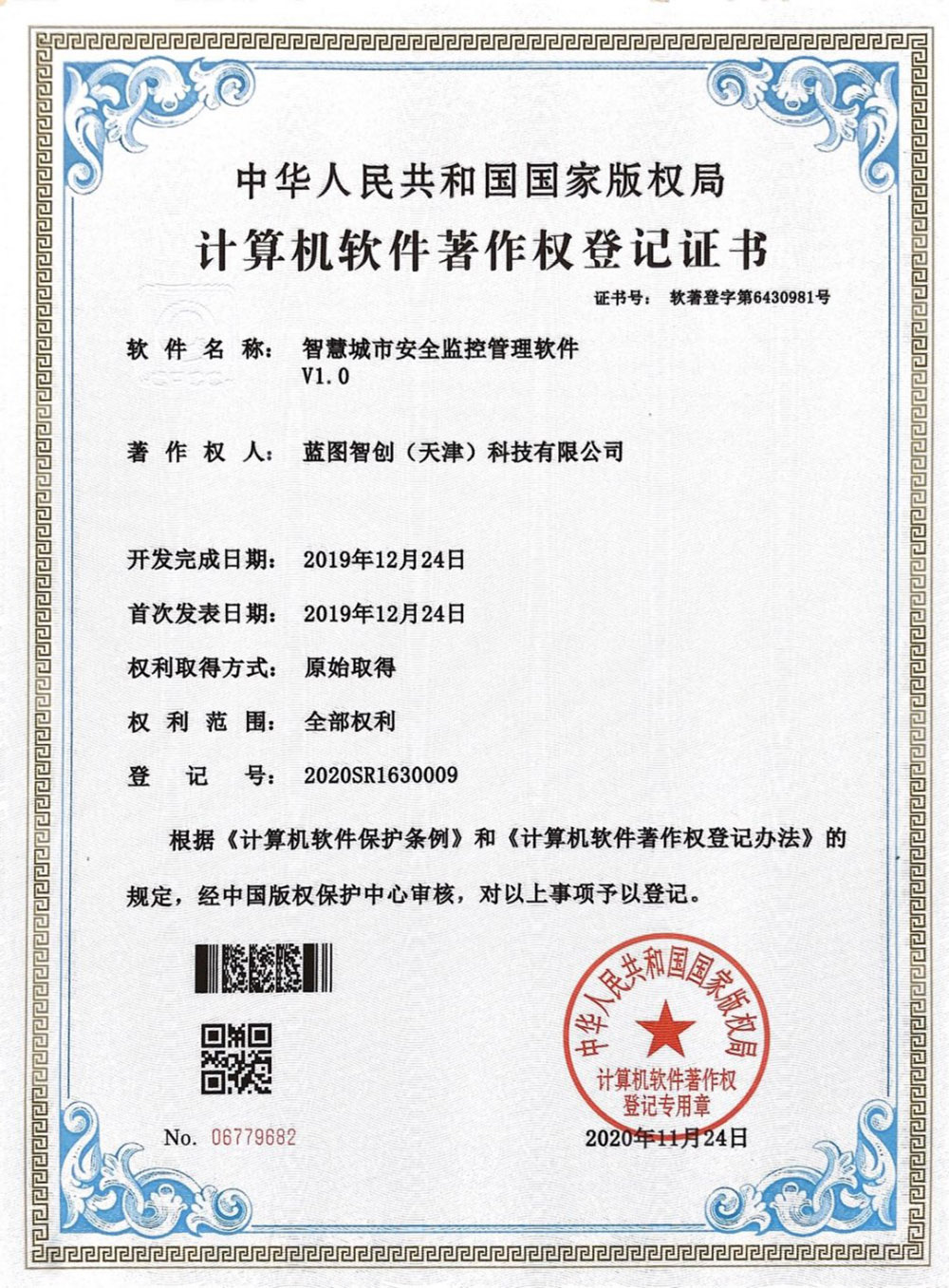
Inside our Tianjin manufacturing facility and our industry certifications.
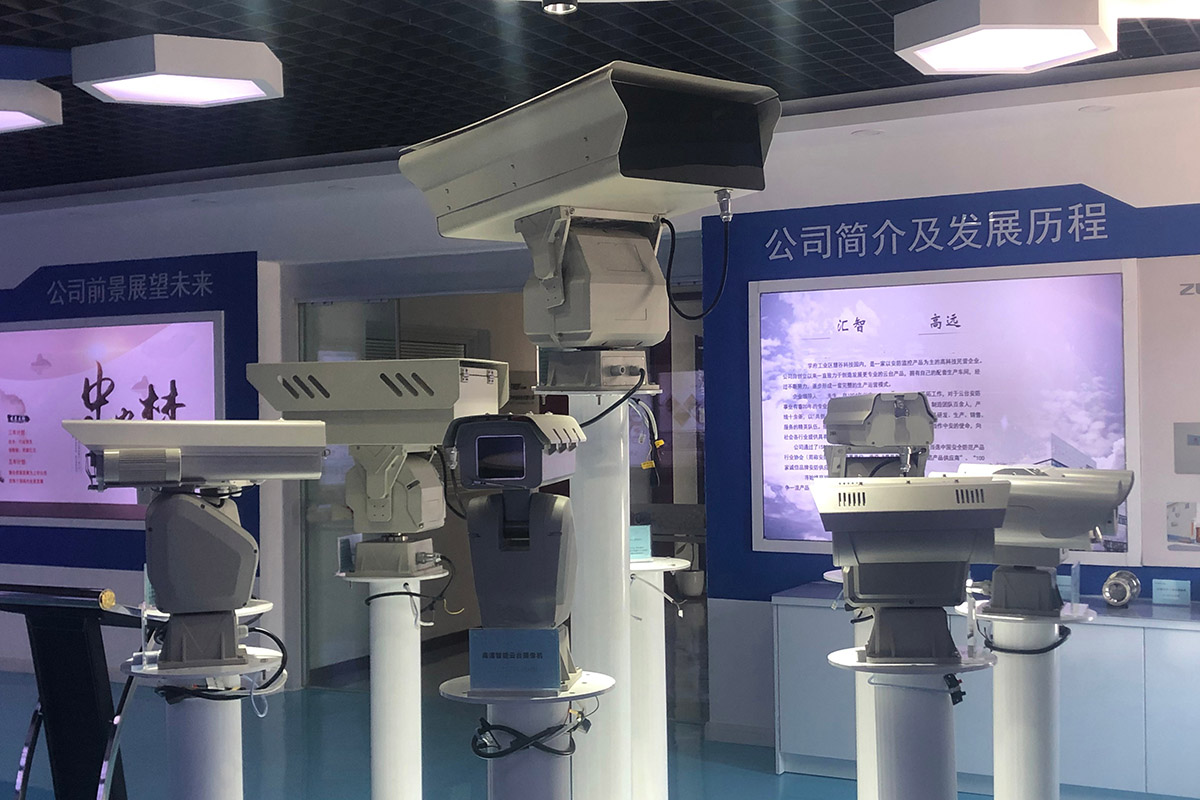
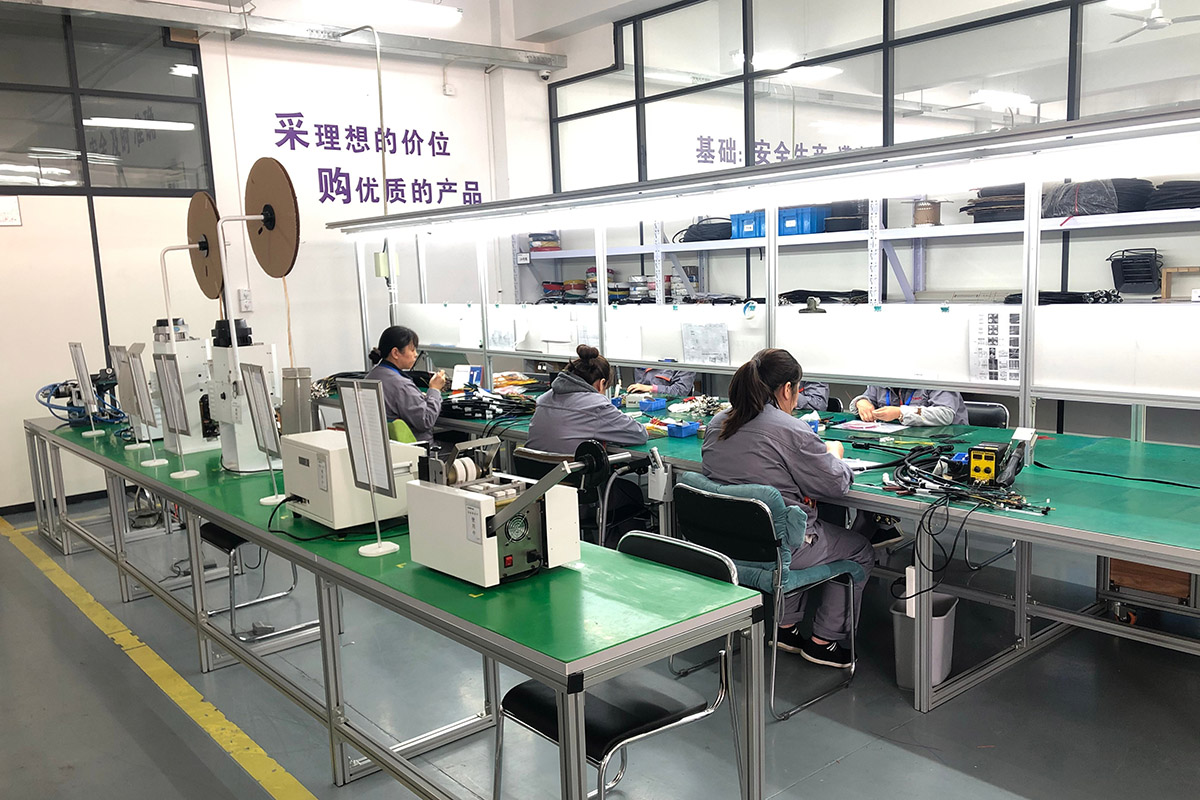
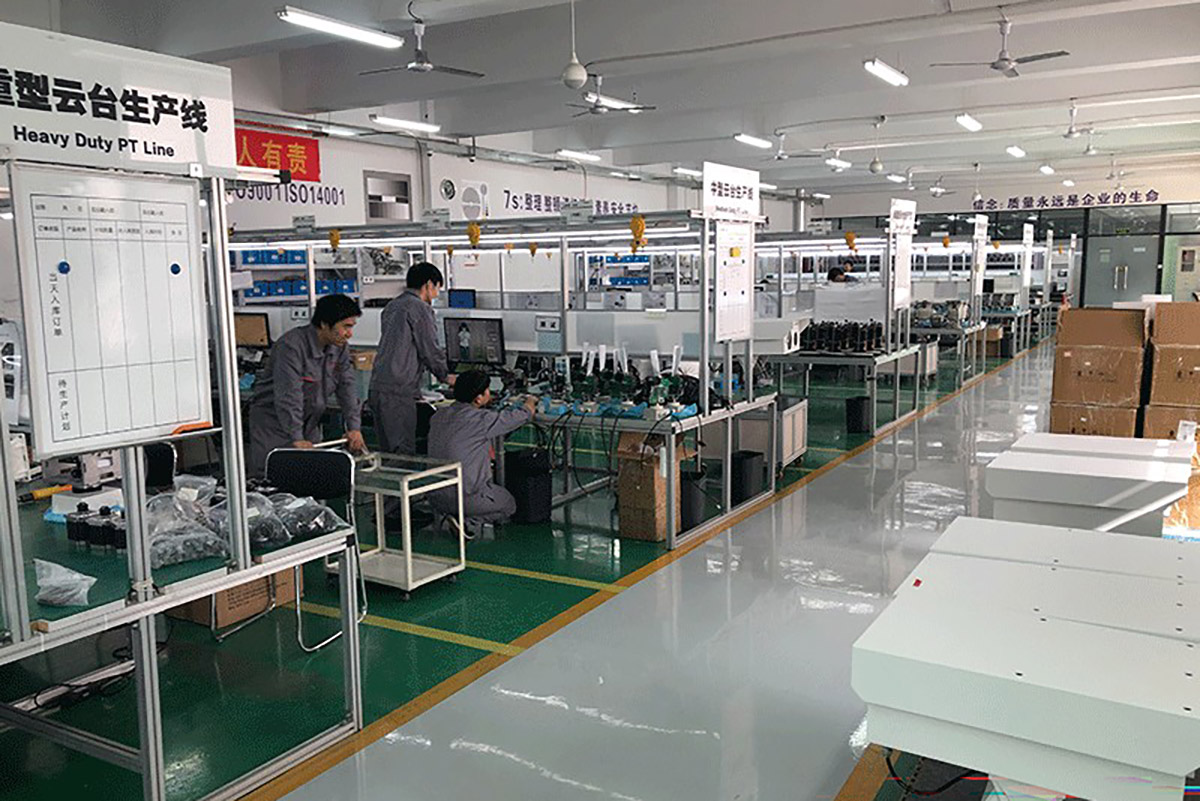
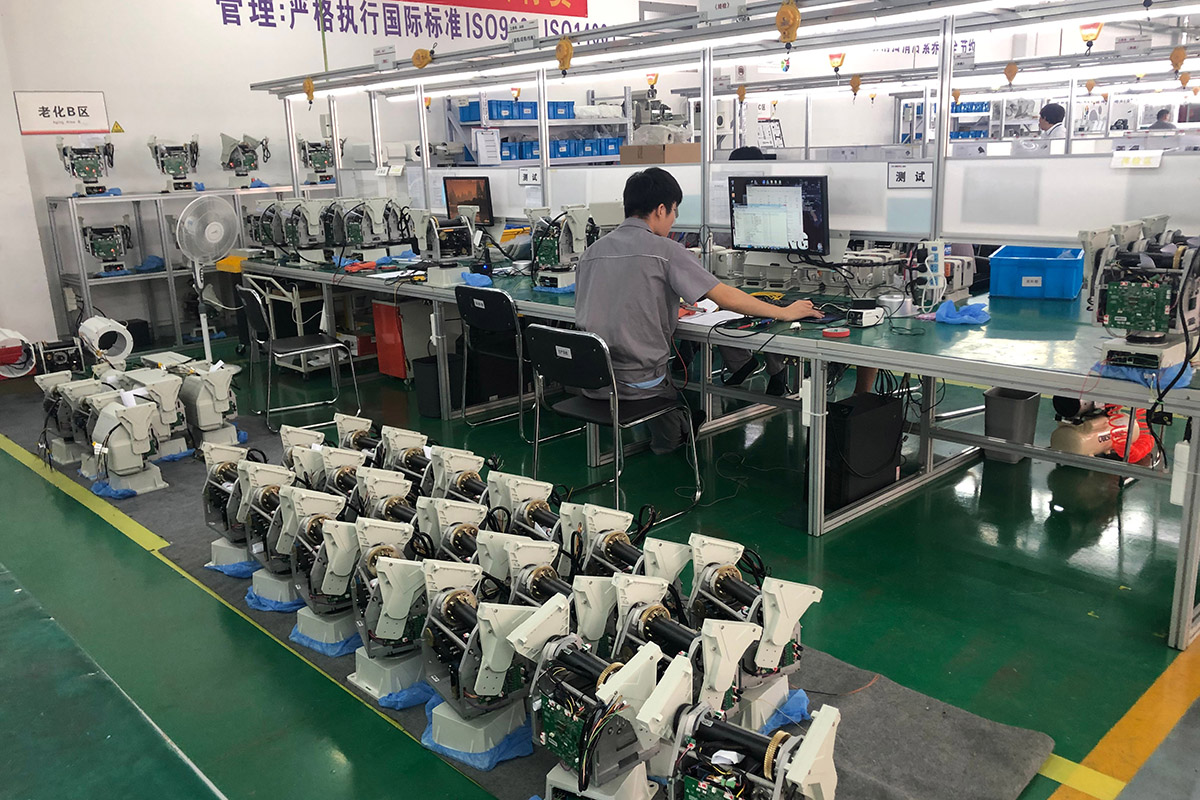
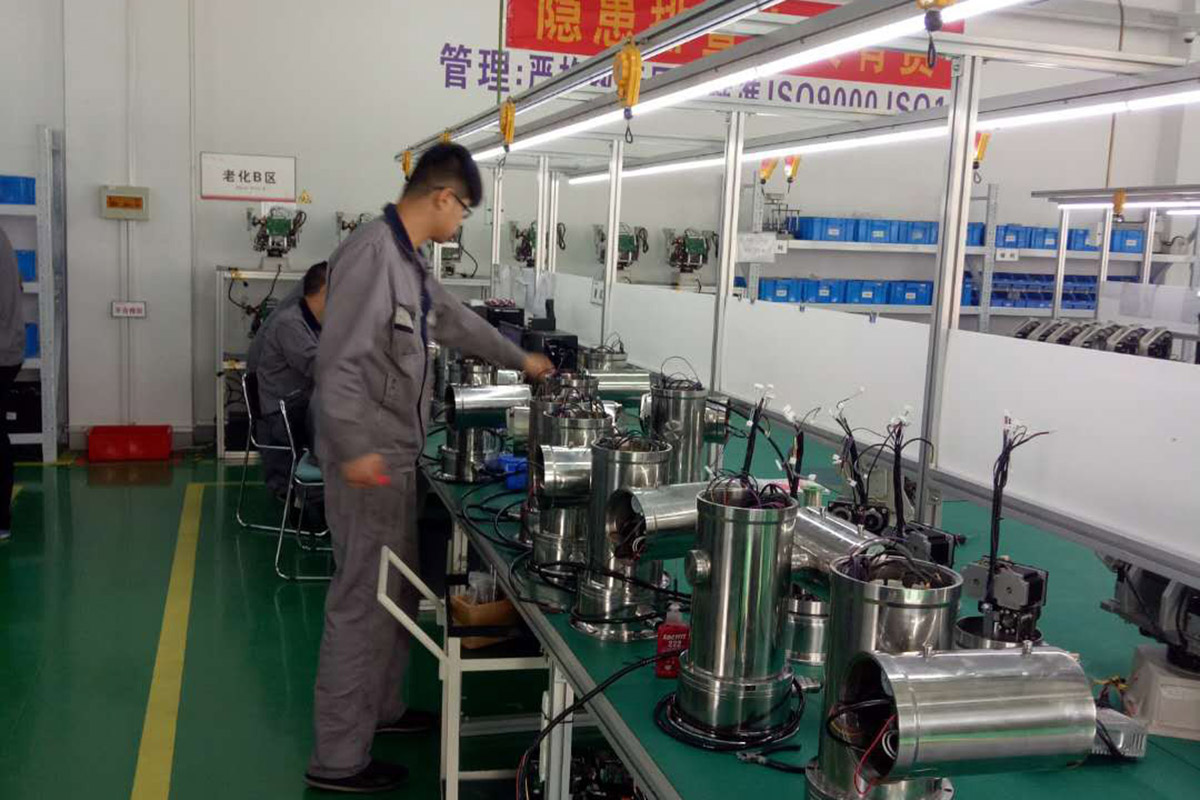
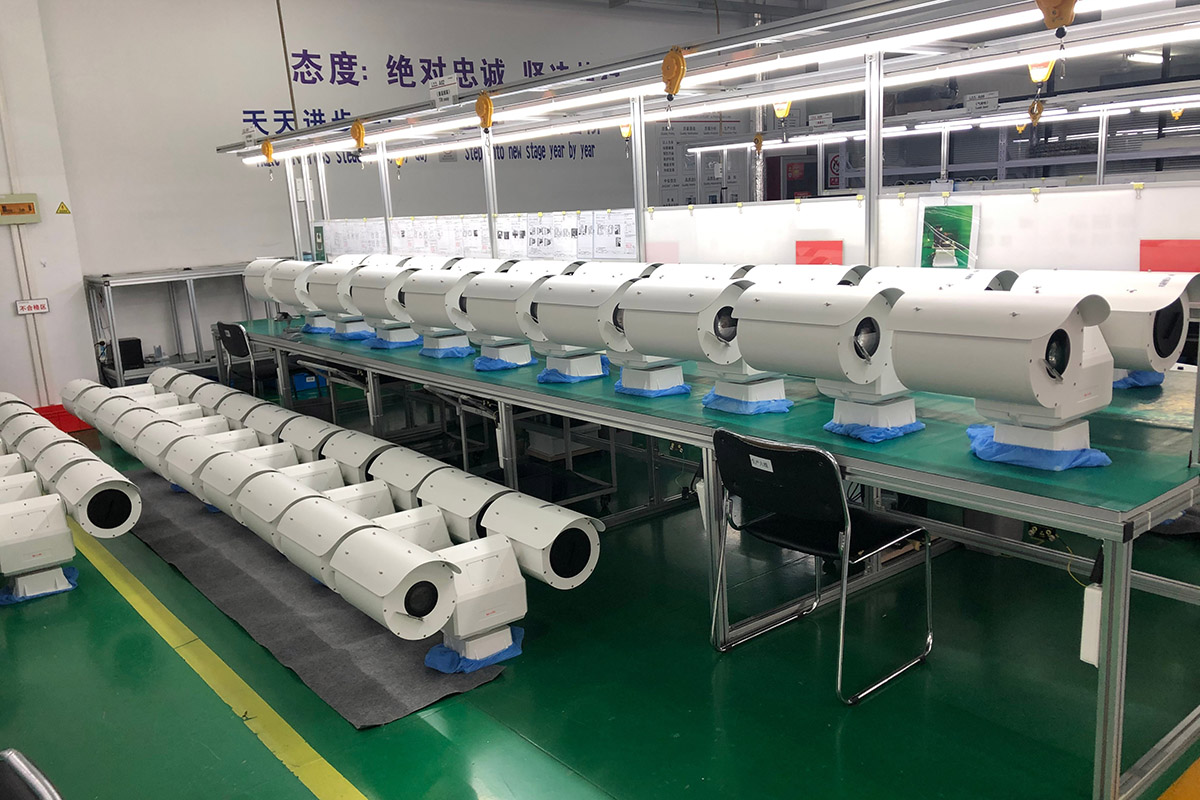
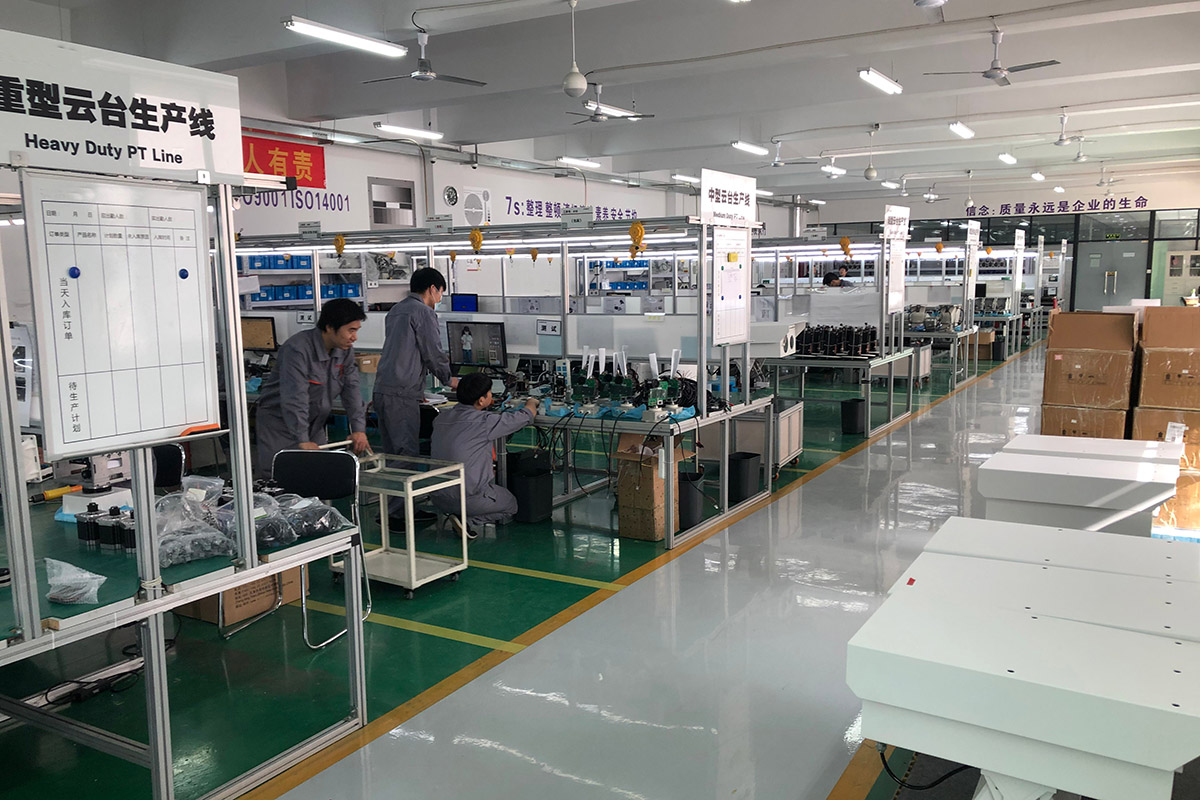
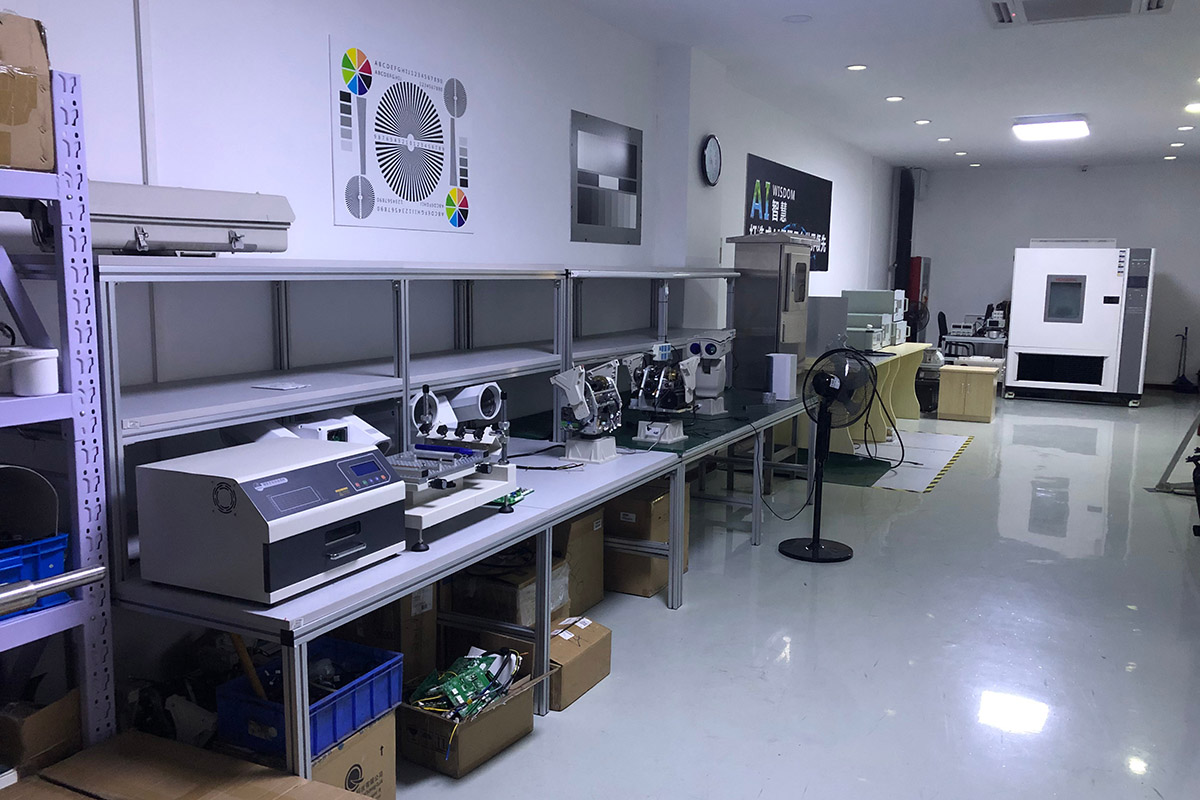
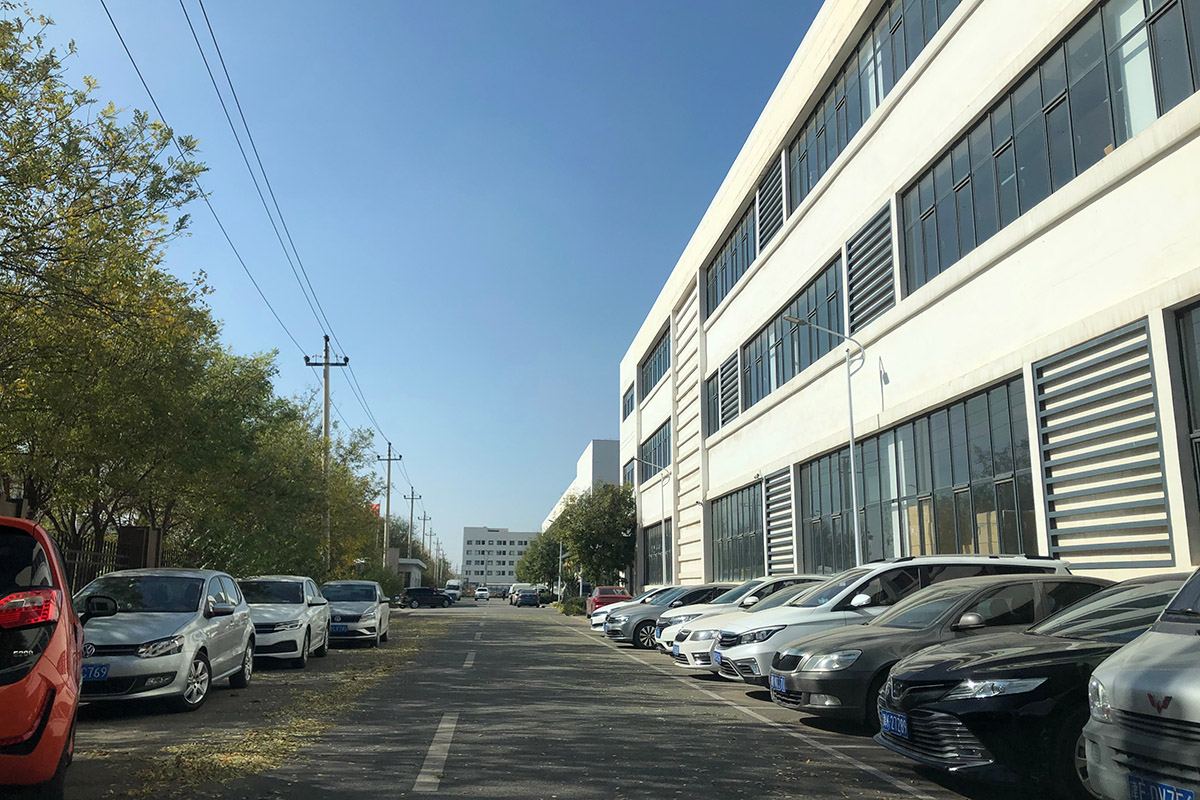
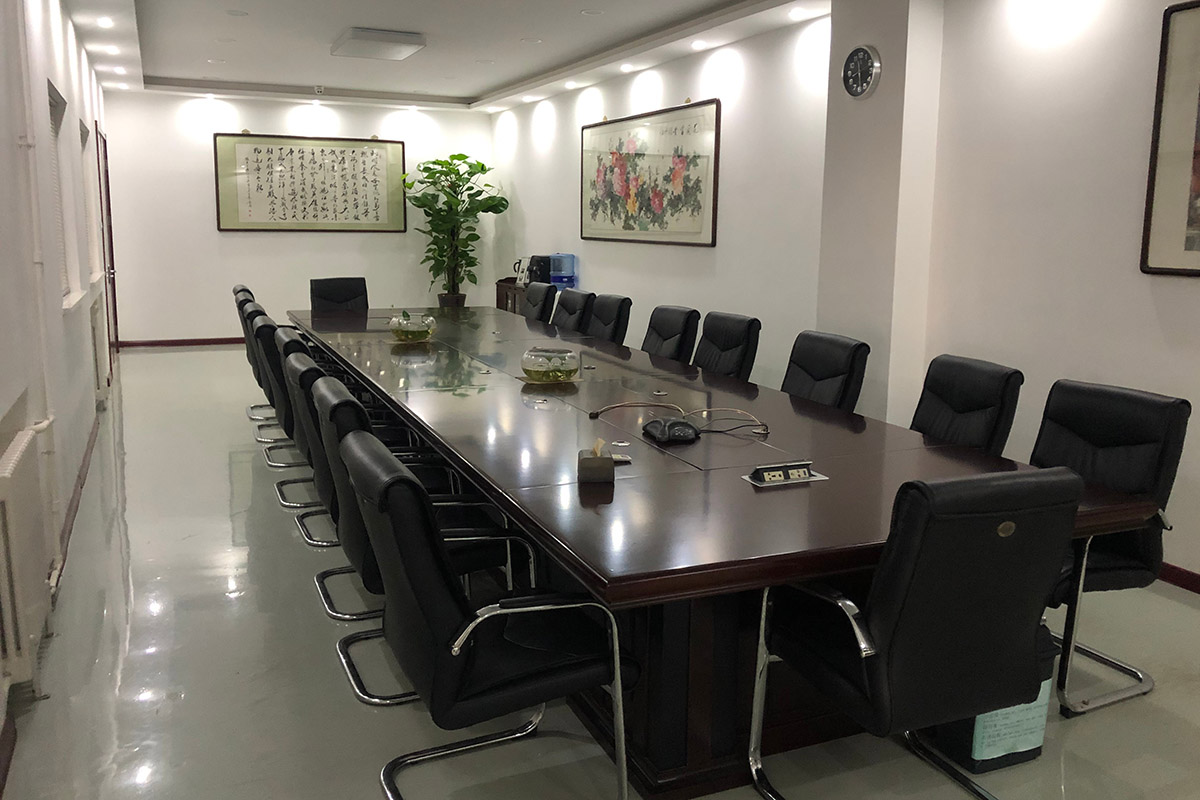
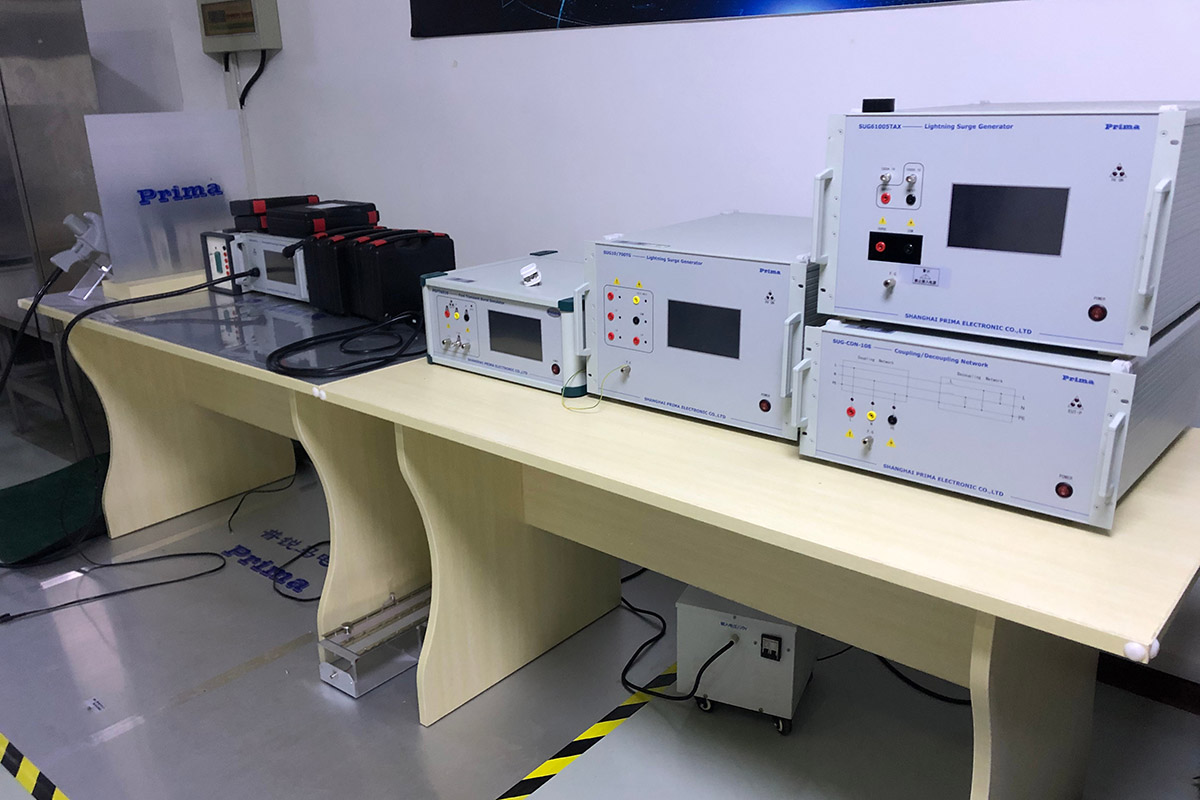
Our commitment to innovation is backed by over 50 national patents and continuous investment in product optimization.
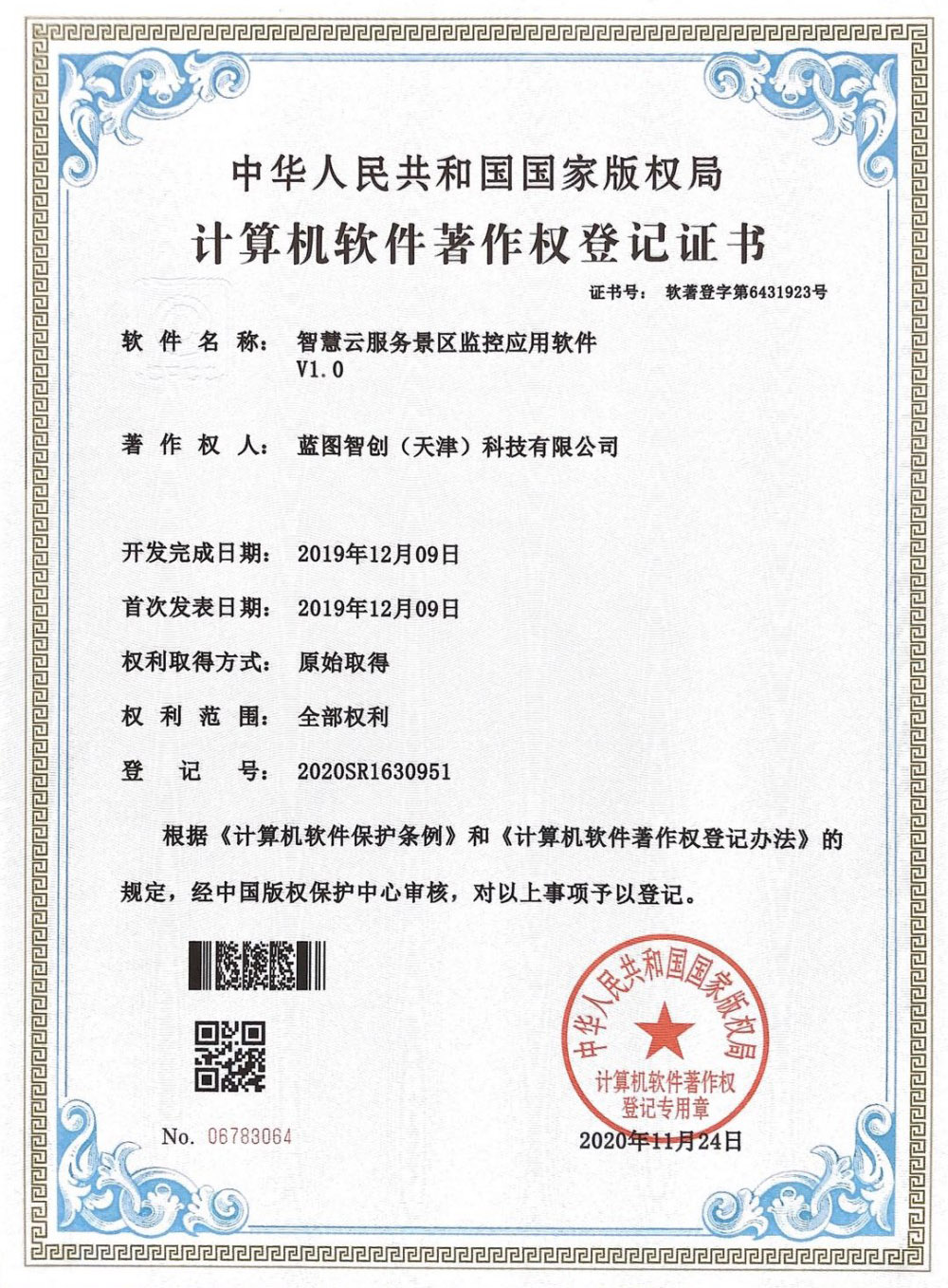
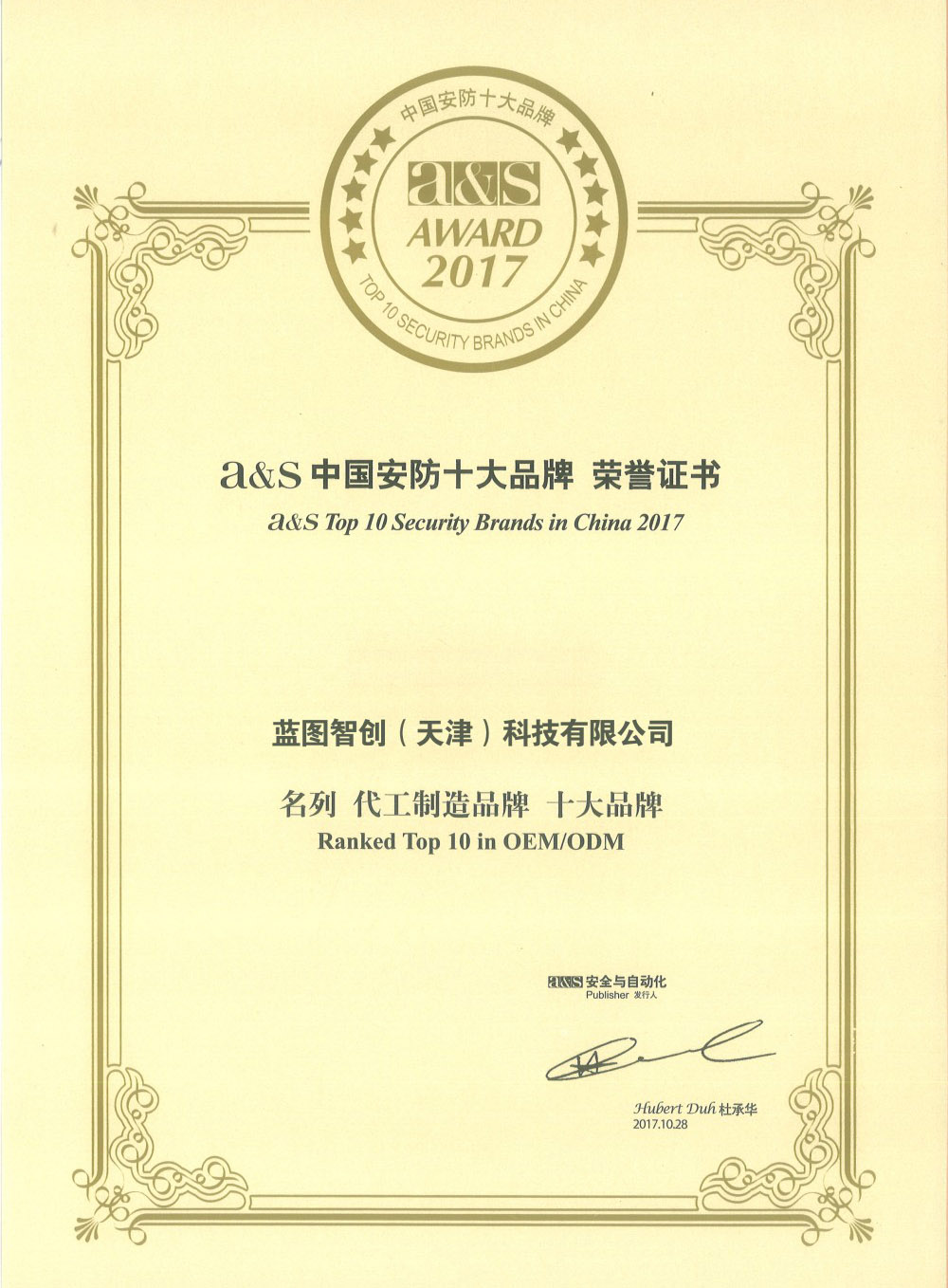
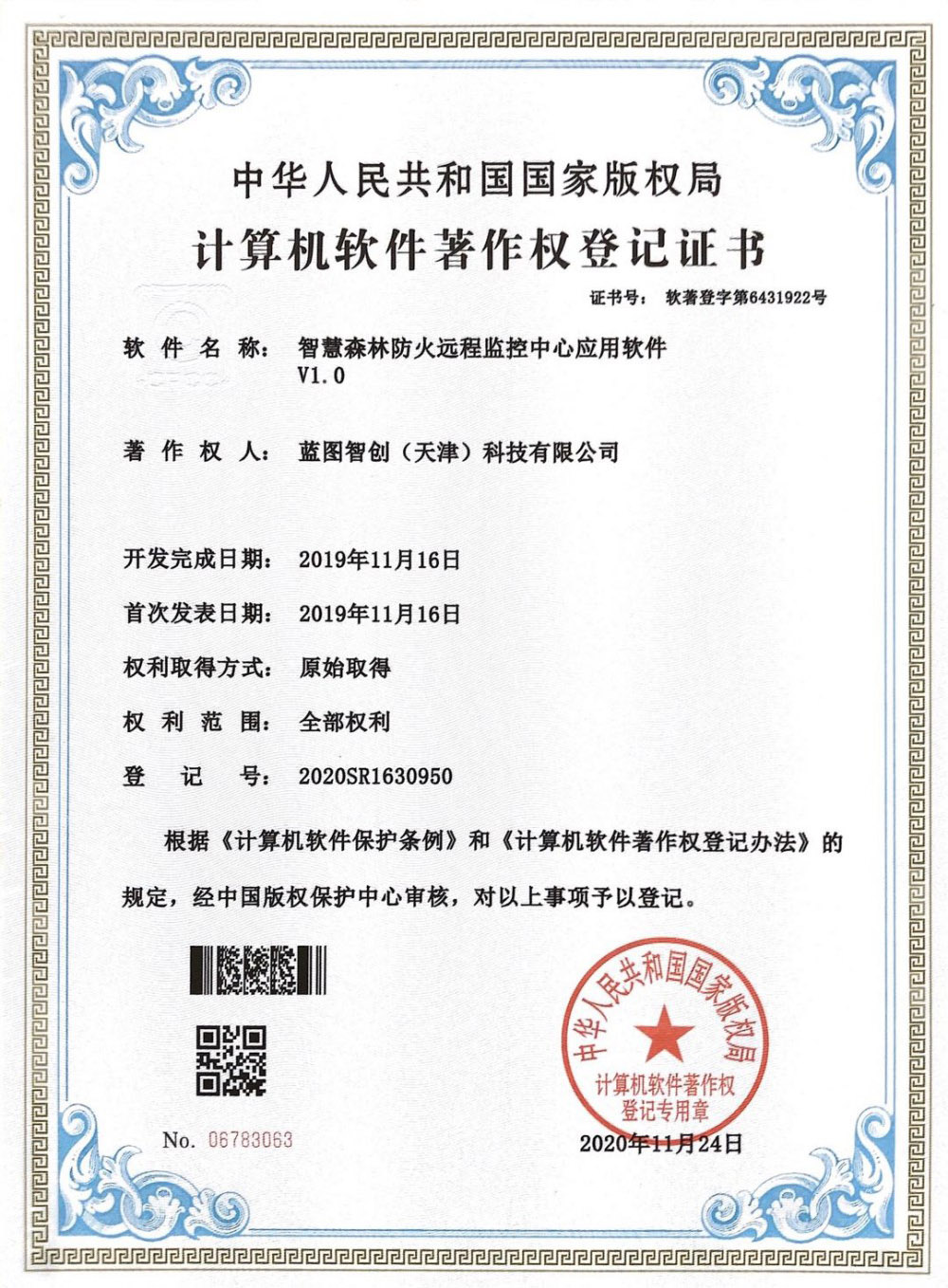







Technical articles and insights from our engineering and design teams.
May 15, 2026
Faced with a multitude of options, choosing the right supplier requires evaluating custom tooling capability, mechanical load limits, thermal control systems, and component longevity. Learn more about selecting a supplier that aligns with your engineering requirements.
April 30, 2026
Weighing only 3.5kg, the BIT-PT503 features a maximum load capacity of 3.5kg. Discover how compact footprints and flexible mounting options can optimize mobile tracking, vehicle setups, and lightweight infrastructure surveillance.
April 21, 2026
Pan-tilt units are classified by load capacity (light, medium, heavy), environmental ingress protection, housing material, installation style, and rotation telemetry. Understand the trade-offs to choose the correct model for your application.
Technical clarifications on outdoor camera housing materials, custom engineering, and integration.
SUS316L contains molybdenum, which provides superior resistance to chlorides and salts compared to SUS304. This makes SUS316L essential for marine-grade deployments, coastal security, chemical processing plants, and offshore platforms. Aluminum housings, even when anodized, are prone to galvanic corrosion over long-term exposure to marine environments, whereas SUS316L maintains structural integrity and corrosion resistance.
Dual-window housings feature separate optical ports for visual cameras and thermal imagers. This physical isolation prevents internal infrared illumination and heat from bleeding into the visual lens chamber, eliminating halo effects and fogging. It also allows developers to match window glass materials to the sensor type, using high-transmittance optical glass for visual sensors and germanium or silicon windows for long-wave infrared (LWIR) thermal sensors.
For standard outdoor conditions, an IP66 rating (protection against high-pressure water jets) is sufficient. However, for coastal areas, desert zones prone to sandstorms, or wash-down environments, IP67 or IP68 ratings are recommended. These higher ratings guarantee protection against temporary submersion and fine particulate ingress.
Yes. As a vertically integrated manufacturer, we specialize in OEM/ODM customization. We can adjust the internal dimensions of our housings, customize mounting plates for specific camera models, add sunshields, wipers, or thermal modules, and integrate internal wiring and connectivity interfaces based on your requirements.
Our intelligent housings integrate thermostat-controlled heaters and blowers. When the internal temperature drops below a set threshold (typically 5°C), the heater activates to prevent optical condensation and internal component freeze. Conversely, when the internal temperature exceeds a threshold (typically 40°C), the internal blower circulates air to dissipate heat, ensuring the camera components operate within their specified temperature ranges.
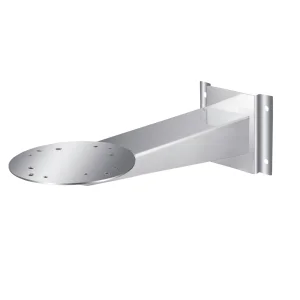
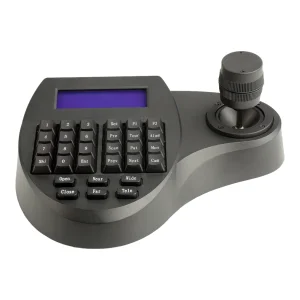
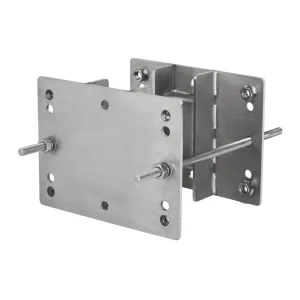
Additional heavy-duty hardware and accessories to complete your outdoor surveillance infrastructure.