 BIT-CCTV
BIT-CCTV
BIT-CCTV
Engineered to support heavy payloads under harsh environmental forces, providing high rigidity and low vibration metrics.
In modern security infrastructure, the physical installation boundary represents the critical link between imaging hardware and target acquisition. High-performance pole mount CCTV brackets have evolved from simple passive hardware into highly optimized engineering assemblies. In heavy-duty perimeter monitoring, border surveillance, coastal defense, and smart city nodes, the pole mount structure must support complex payloads—including electro-optical sensors, dual-window thermal housings, and active pan-tilt positioners—while withstanding environmental forces.
Industrial environments subject surveillance brackets to constant shear forces, wind-induced vibrations, and thermal cycling. A minor structural failure or deflection of even a few millimeters can disrupt the calibration of optical sensors and long-range laser illuminators, causing system errors. As a result, Tier-1 security integrators rely on brackets made from certified marine-grade alloys (like SS316 stainless steel and chromated aluminum) to ensure long-term stability, structural integrity, and resistance to electrochemical corrosion.
The structural mounting market is adapting to the expansion of heavy-duty PTZ camera systems and specialized dual-channel optical housings. Key engineering trends driving this sector include:
Advanced structural layouts designed to reduce the wind drag coefficient ($C_d$). This minimizes dynamic loading on both the pole structure and internal gears during high-wind events.
Integration of elastomeric dampening systems within the bracket mounting flange to isolate the camera sensors from structural vibrations caused by traffic or industrial activity.
Internal routing passages that protect vital power, fiber-optic, and Ethernet cables from environmental damage, UV degradation, and physical tampering.
Established in 2005, Blue Icon (Tianjin) Technology Co. Ltd, a national high-tech company, specializes in the design, engineering, manufacturing, and sales of high-quality CCTV surveillance equipment. Our product portfolio includes pan-tilt heads/positioners, long-range laser PTZ cameras, IR thermal imaging PTZ cameras, dual-vision PTZ cameras, camera housing enclosures, camera mounting brackets, and critical system accessories.
With nearly two decades of engineering expertise, our team provides fully customized mounting and positioning hardware designed to support equipment loads ranging from 3kg to 200kg. As a verified OEM & ODM service partner, we ensure all components meet strict international tolerances and environmental certifications.
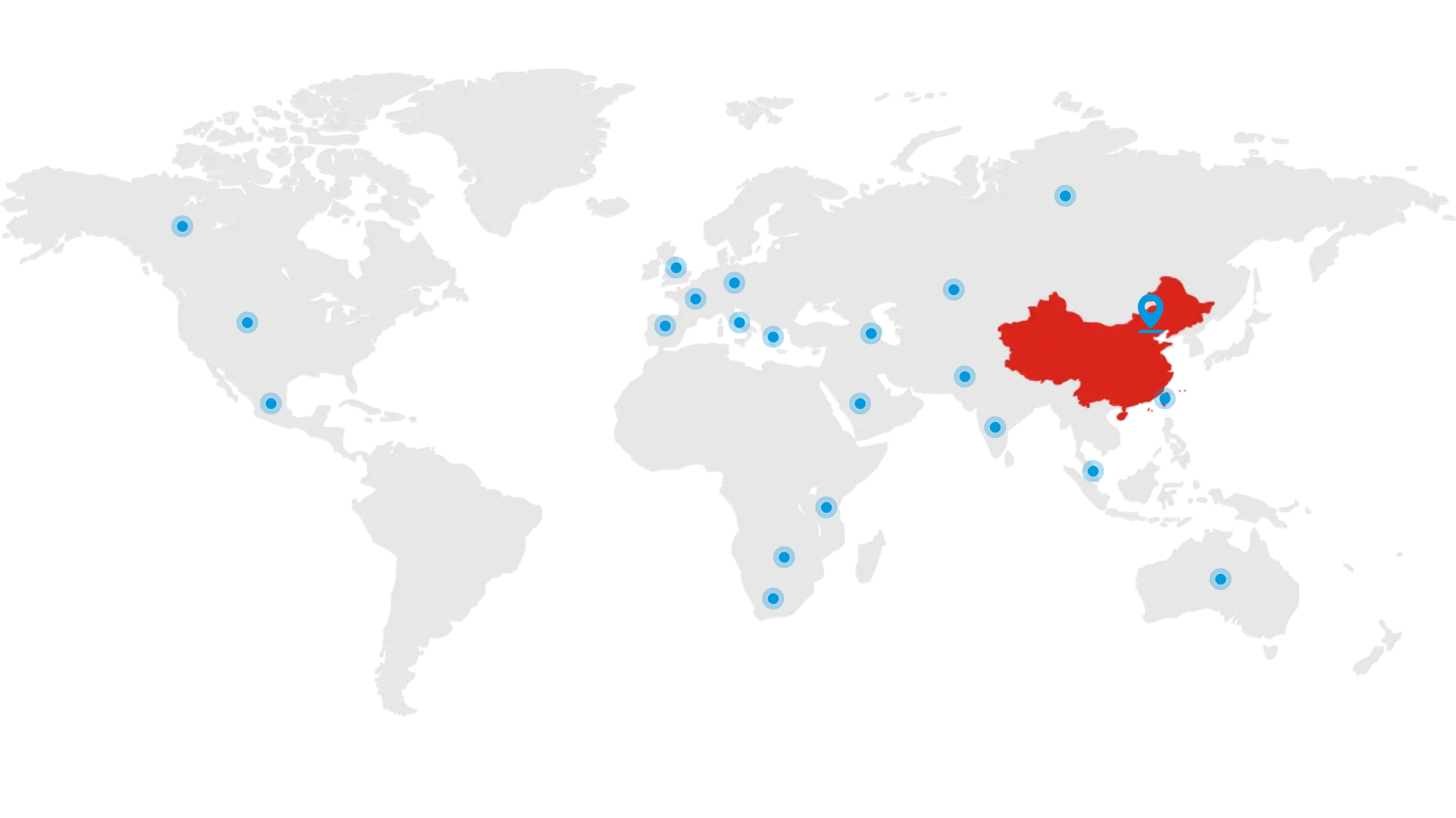
 18 Years' High-Precision Manufacturing Experience Fully Customized Solutions (OEM / ODM) Supporting Dynamic Payloads from 3.5kg to 200kg Global Operations Serving More than 50 Countries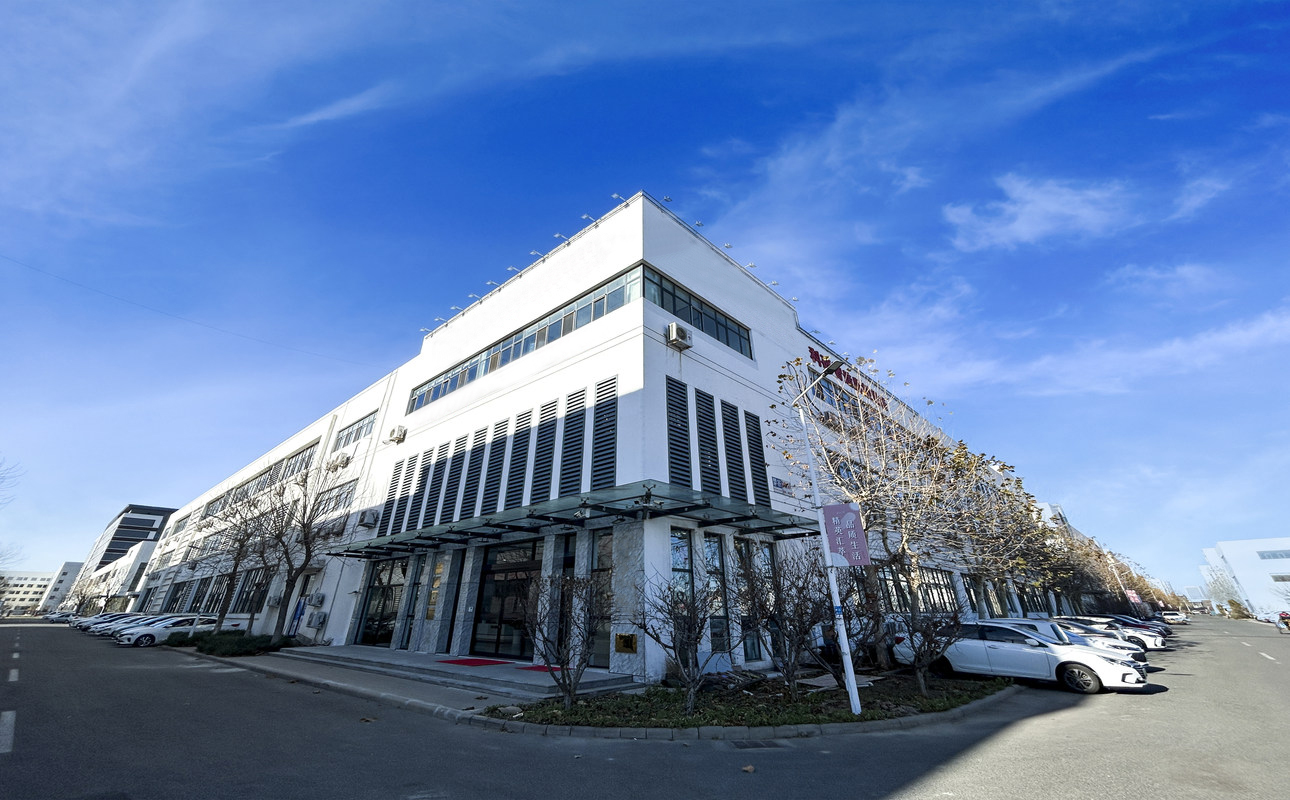
Our engineering team designs and manufactures high-performance positioning hardware for demanding industrial applications.
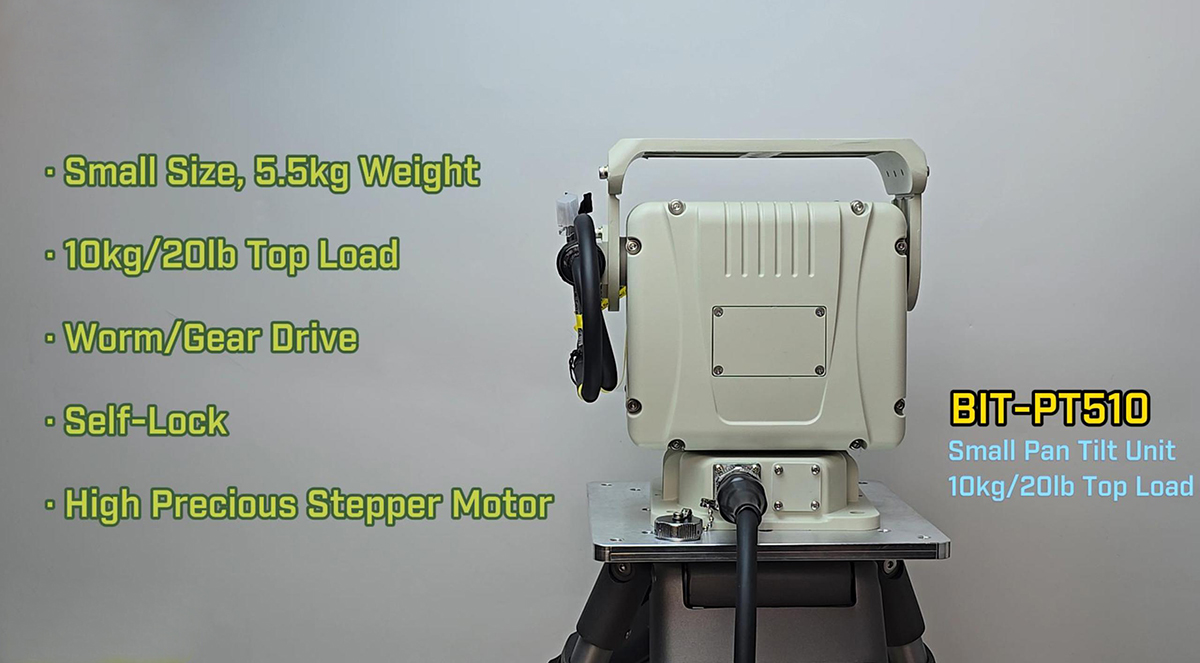
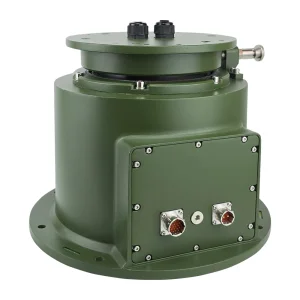
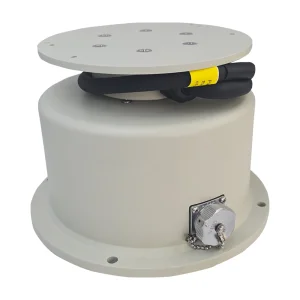
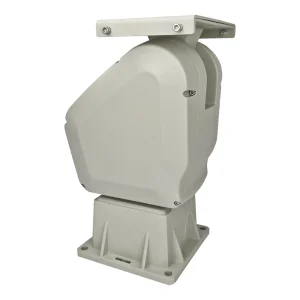
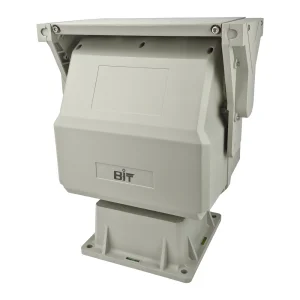
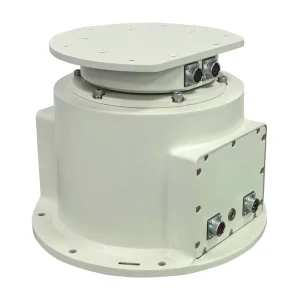
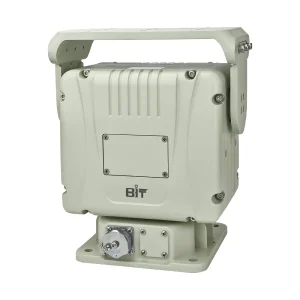
The BIT-PT510 is a compact, high-precision pan-tilt positioner designed to support payloads up to 10kg (22lb). Featuring a high-precision stepper motor coupled with a worm gear drive system, it delivers 360° continuous pan rotation and ±60° tilt rotation at speeds up to 30°/sec.
Constructed from high-strength aluminum alloy, this unit is well-suited for mounting camera housings, searchlights, and acoustic devices in demanding security environments, including coastal borders and forest fire prevention networks.
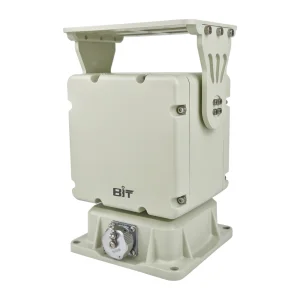
Weighing just 3.5kg, the BIT-PT503 is our most compact pan-tilt unit. Designed for space-constrained installations, it supports dynamic payloads up to 3.5kg (7.7lb) and offers smooth, precise motion control.
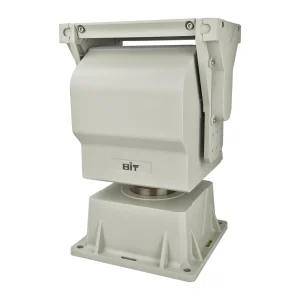
Designed for rapid target acquisition, the BIT-PT410 rotates at speeds up to 100°/sec. It supports dynamic payloads up to 10kg (22lb) and utilizes a tilt-axis worm gear layout to provide a rotation range of -90° to +40°.
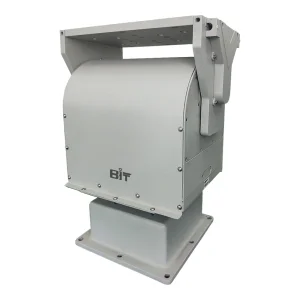
With a top load capacity of 50kg (110lb), the BIT-PT850 is designed for long-range surveillance applications. Its rugged design ensures stable operation in harsh environments, maintaining low failure rates over years of service.
From marine environments to border defense, our brackets and positioners are built for reliability.
Surveillance equipment must withstand varying climates, physical stresses, and electrical interference. We engineer our mounting systems to address these challenges across several primary sectors:
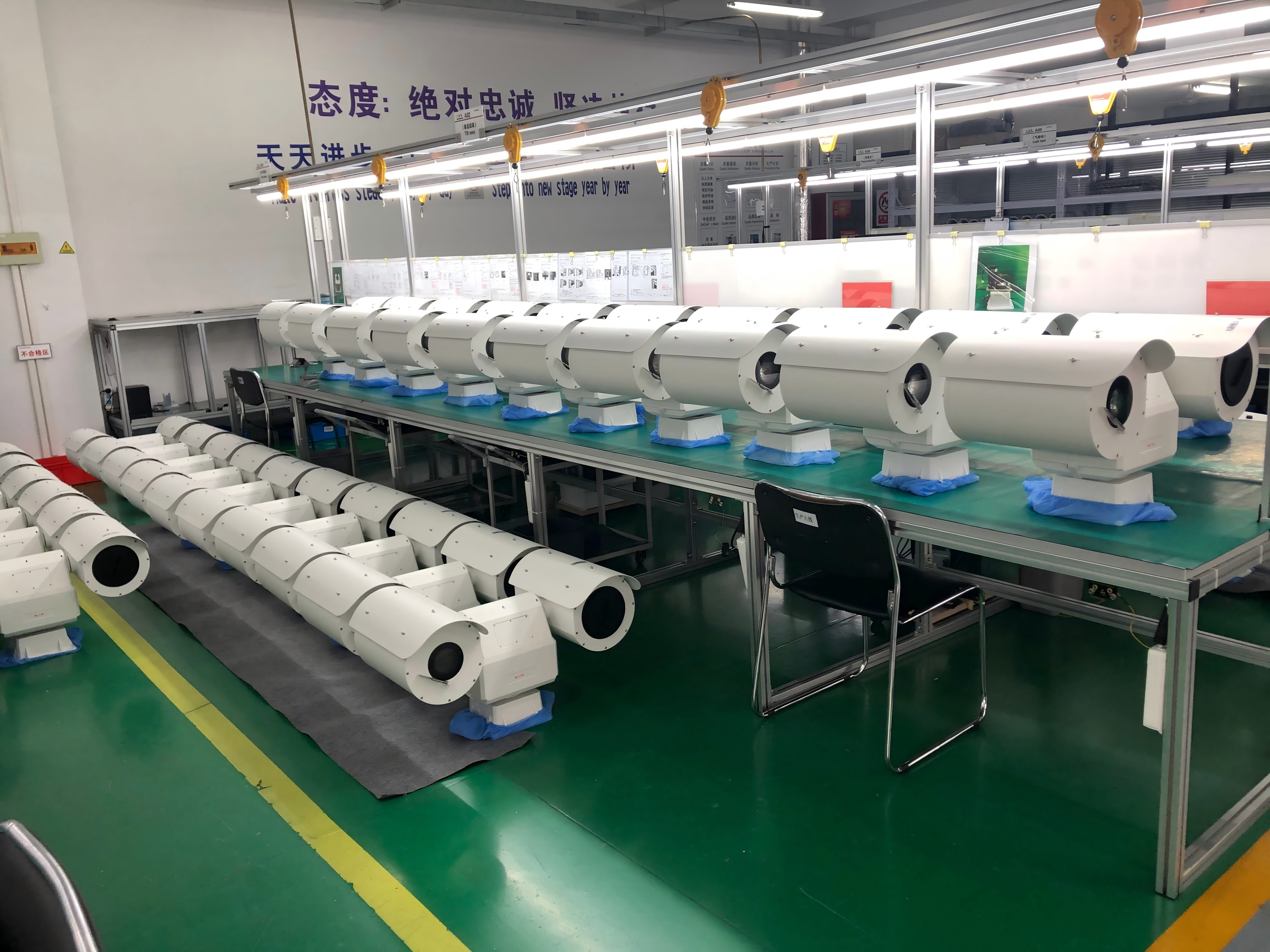
Our facilities feature CNC machining centers, automated testing systems, and environmental chambers to ensure consistent quality.
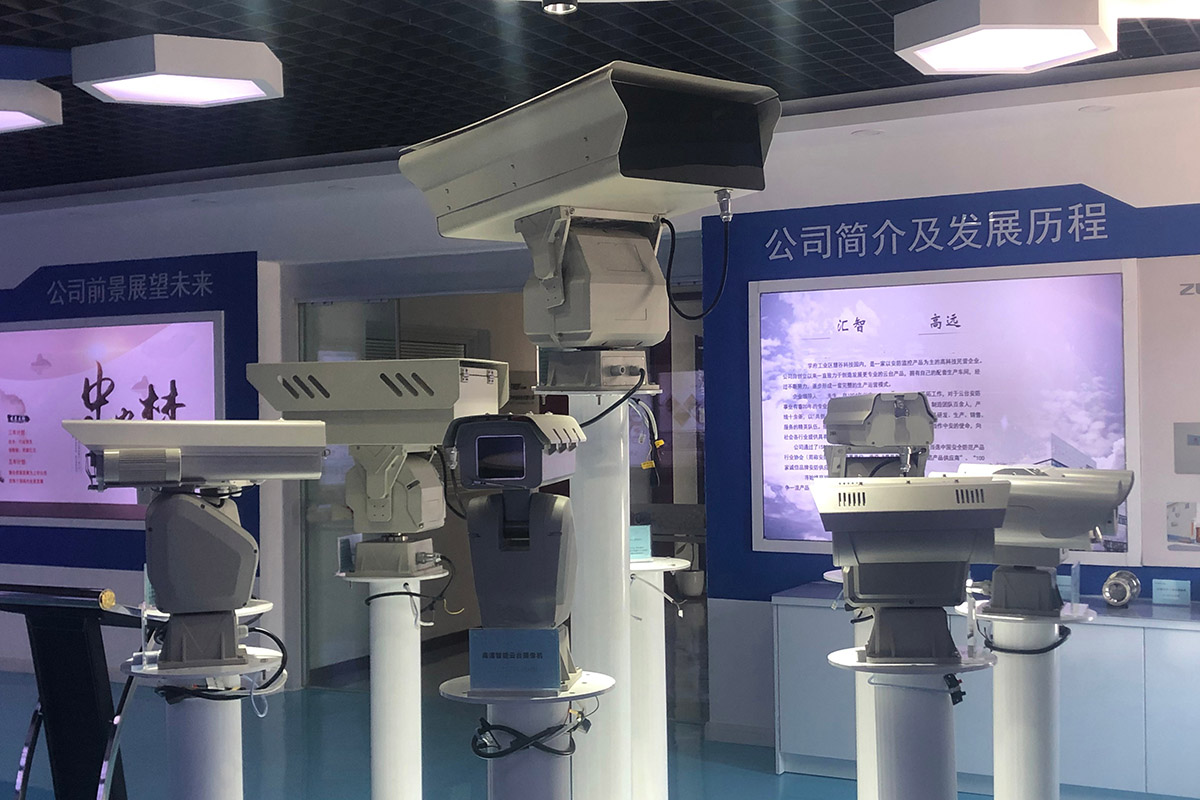
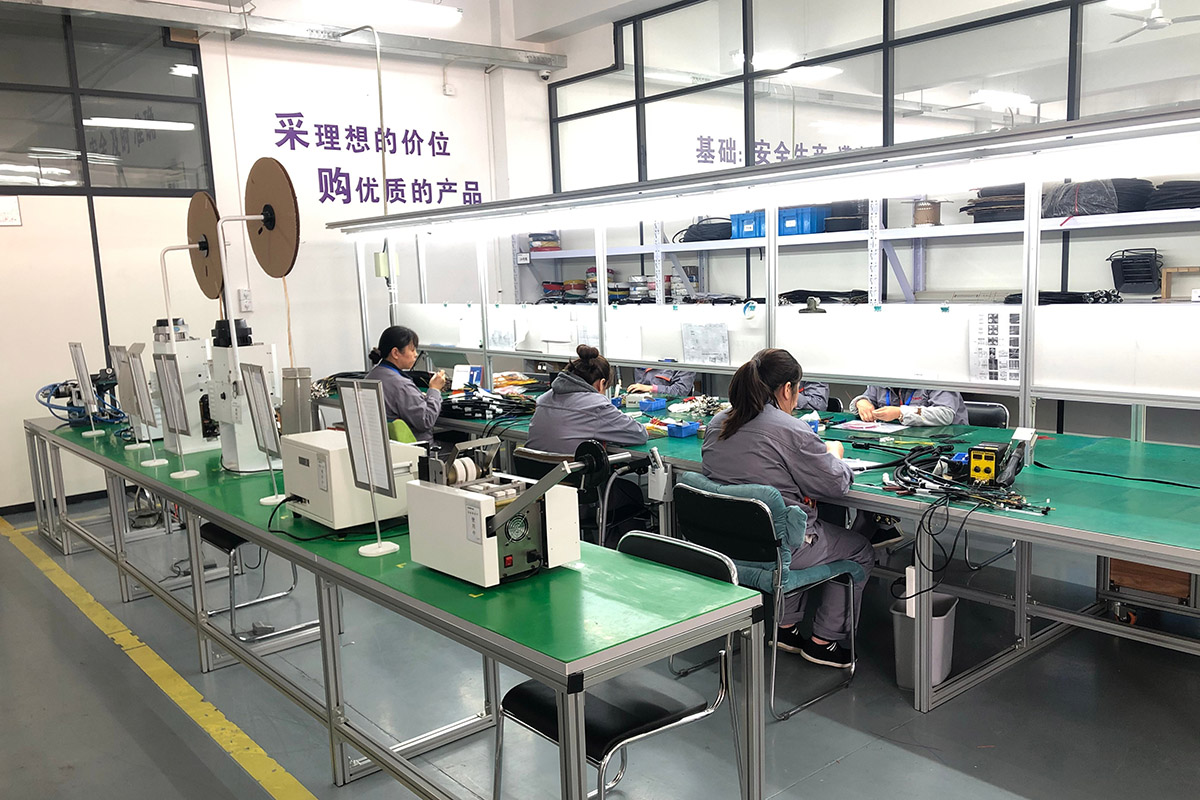
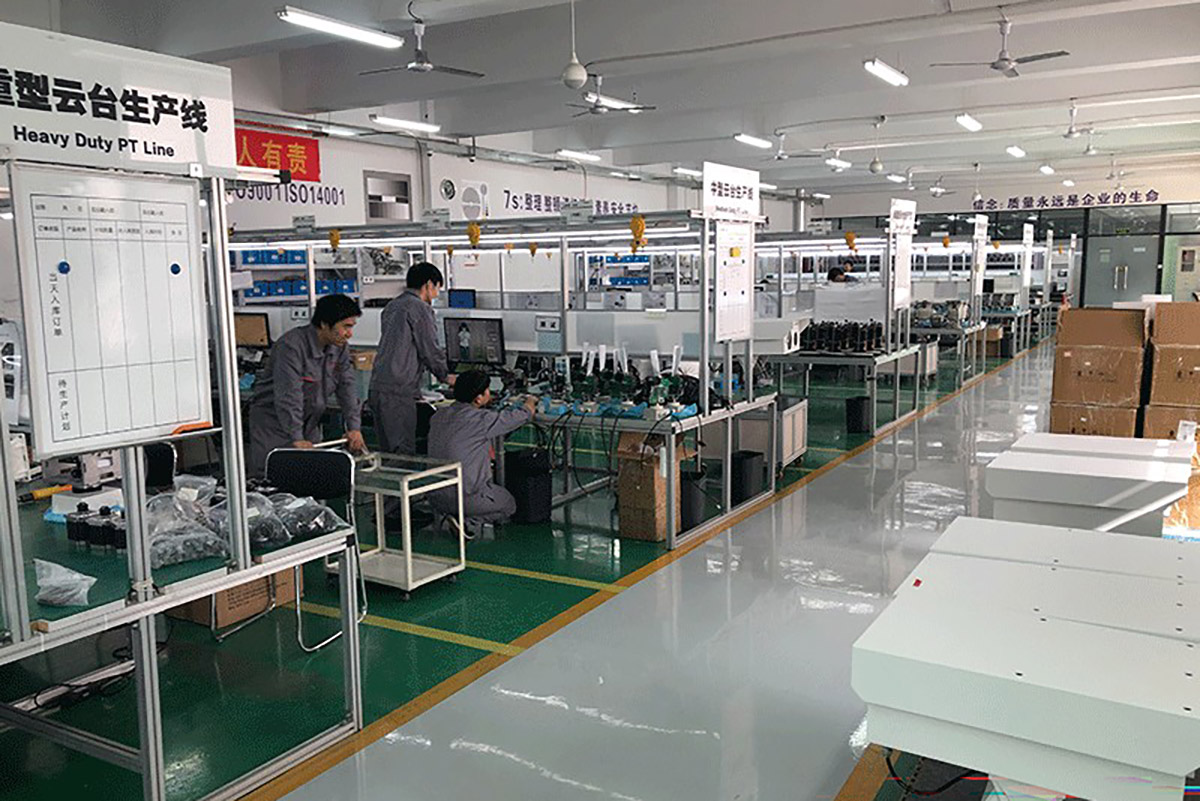
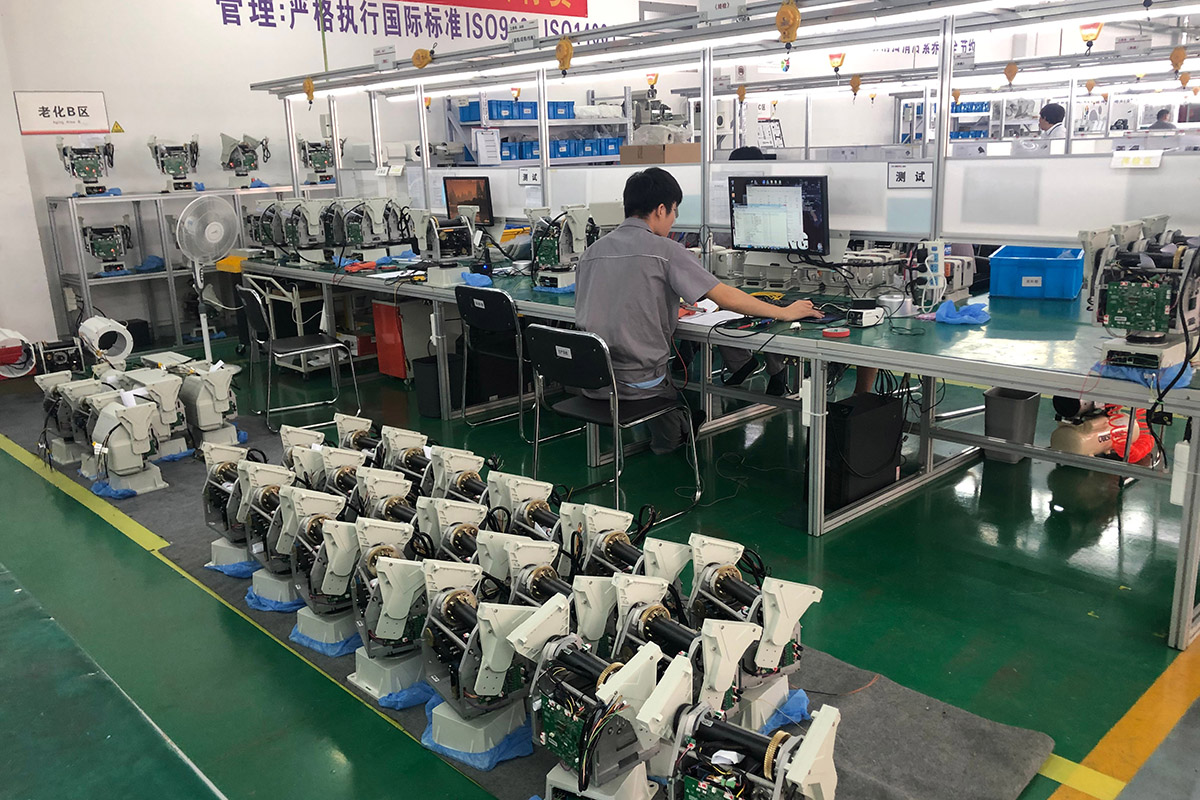
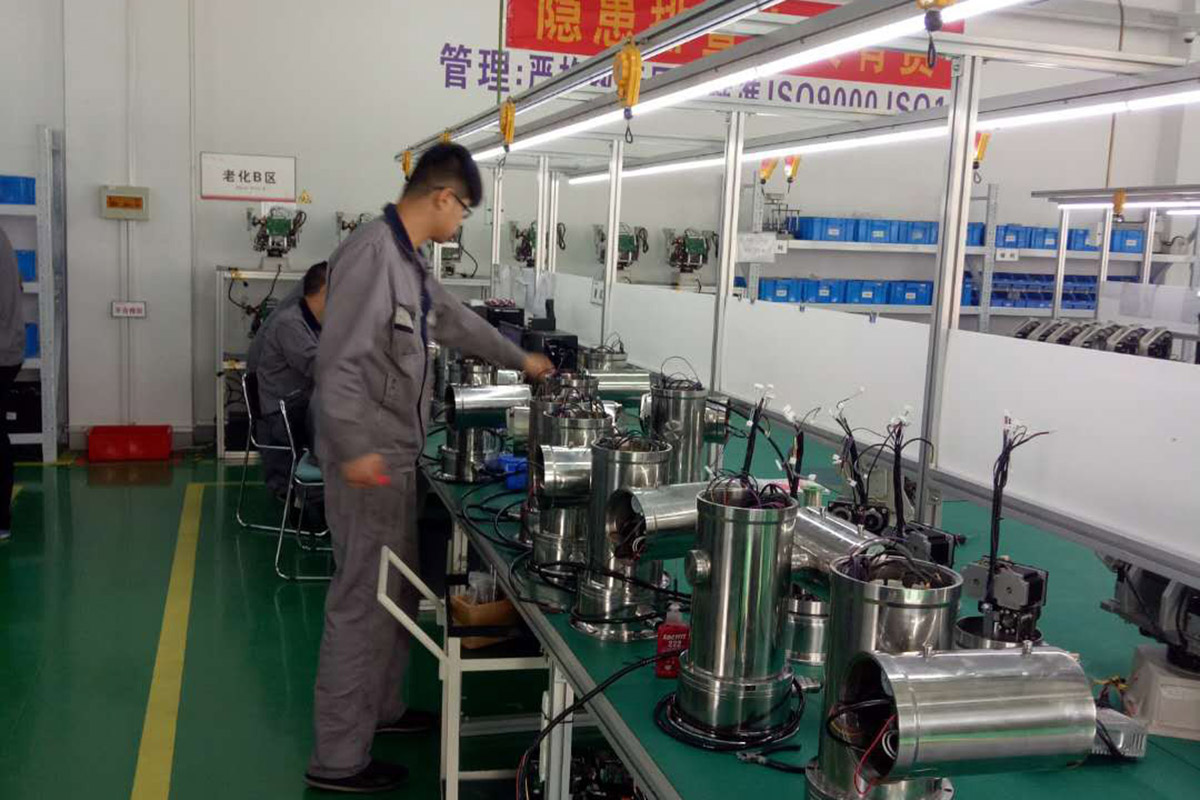
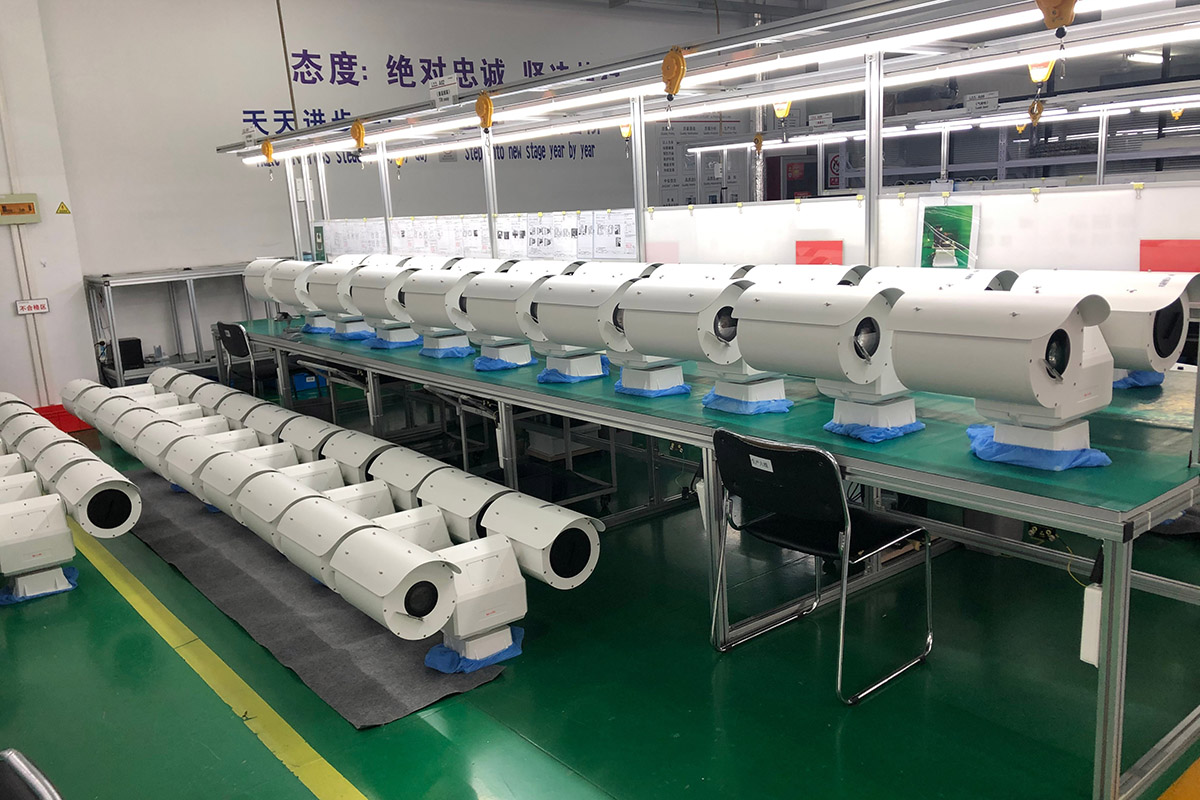
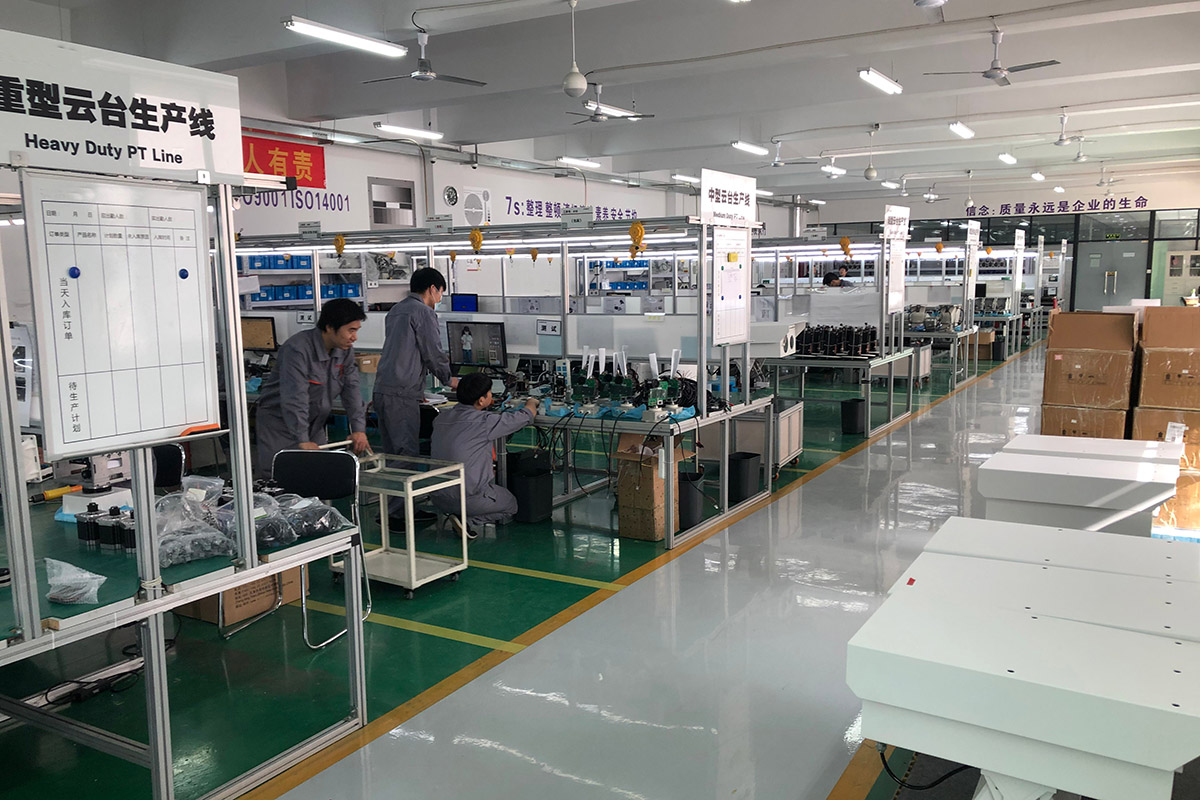
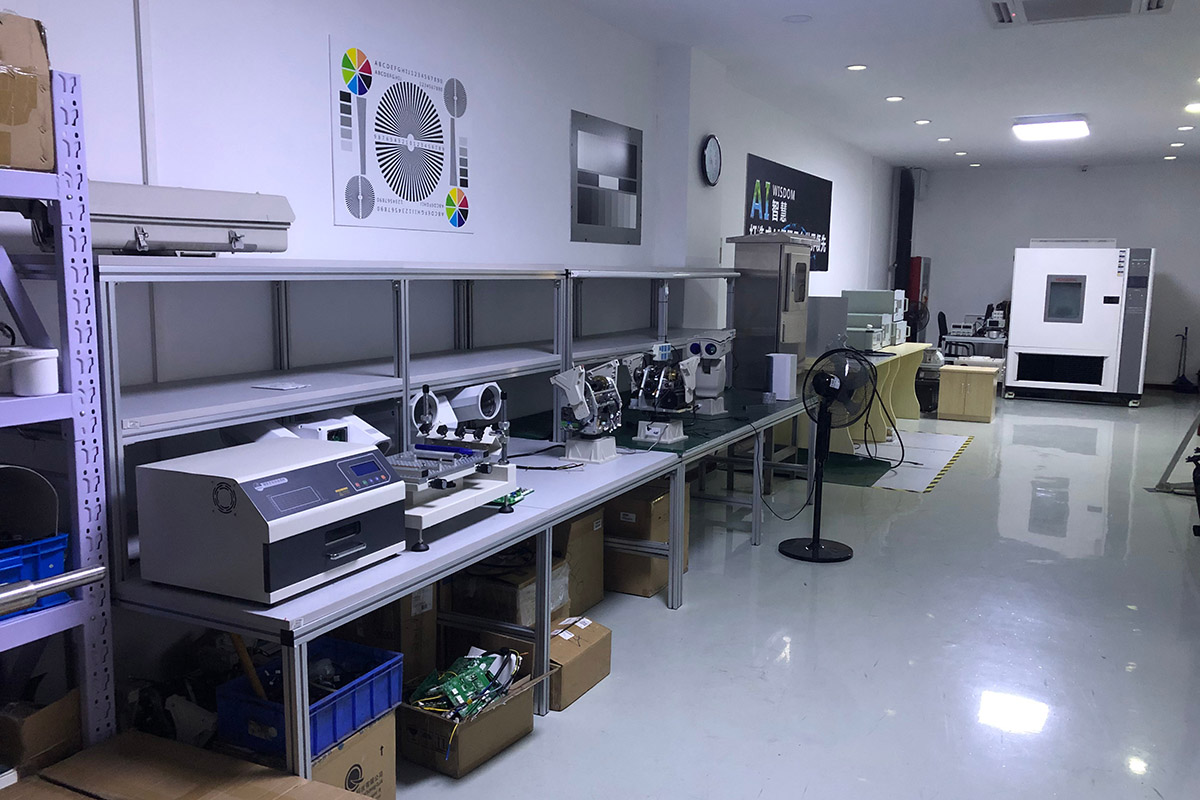
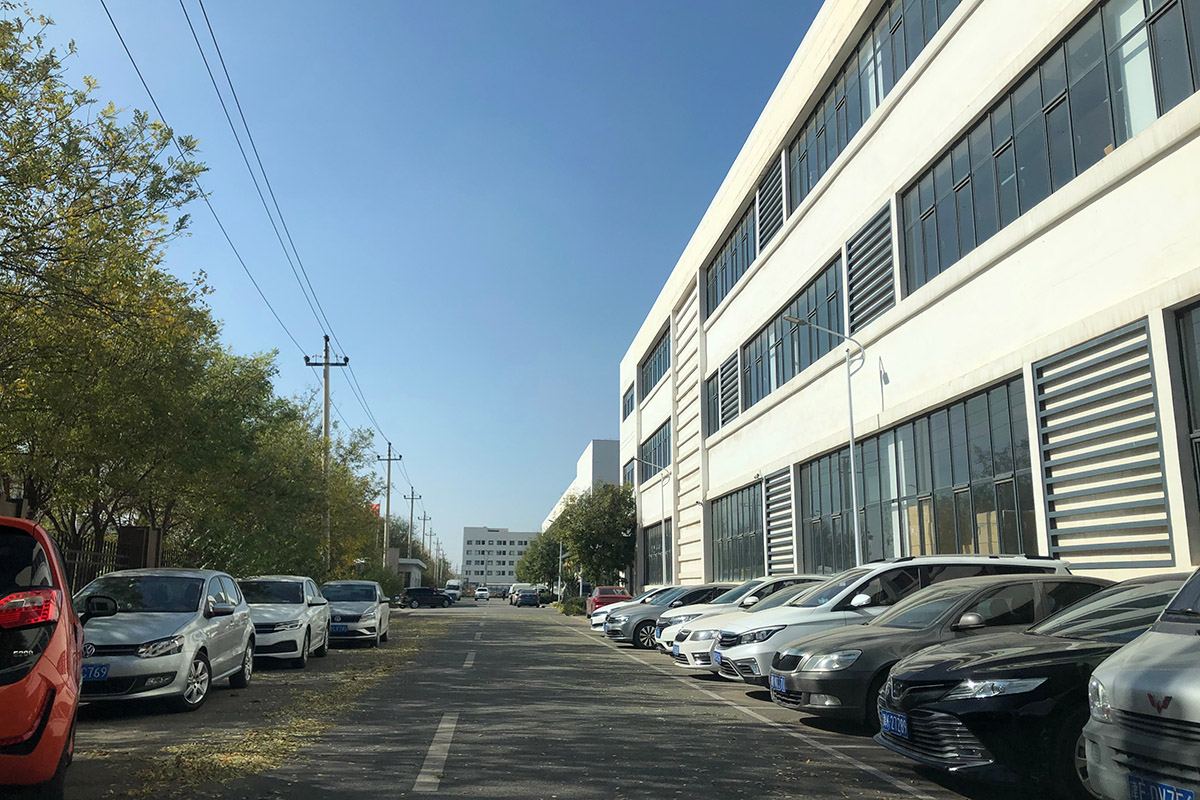
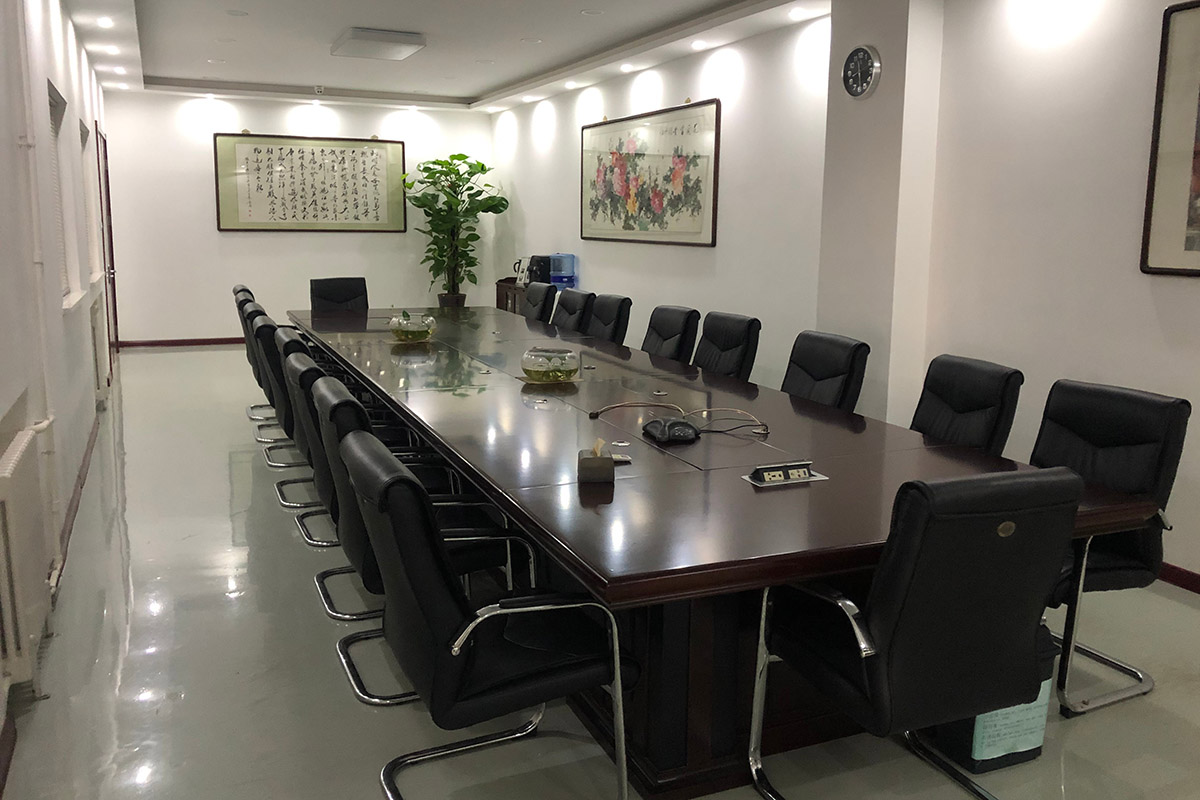
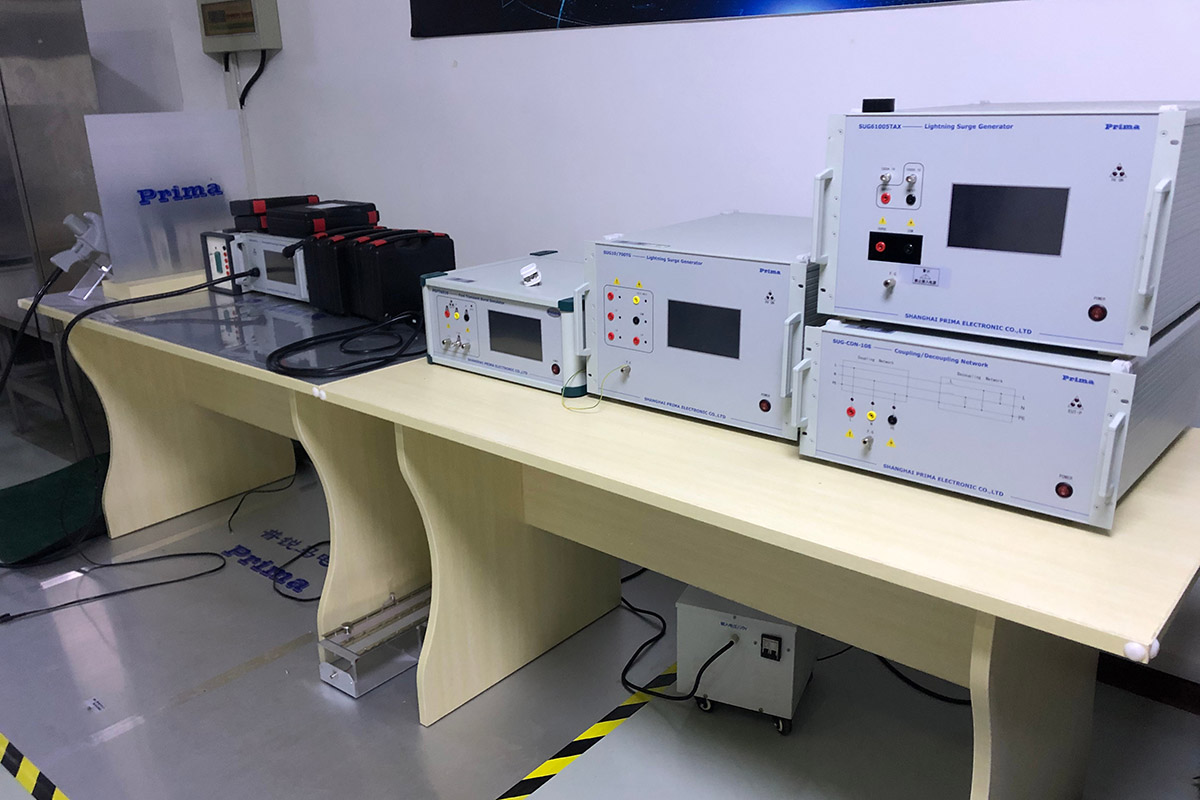
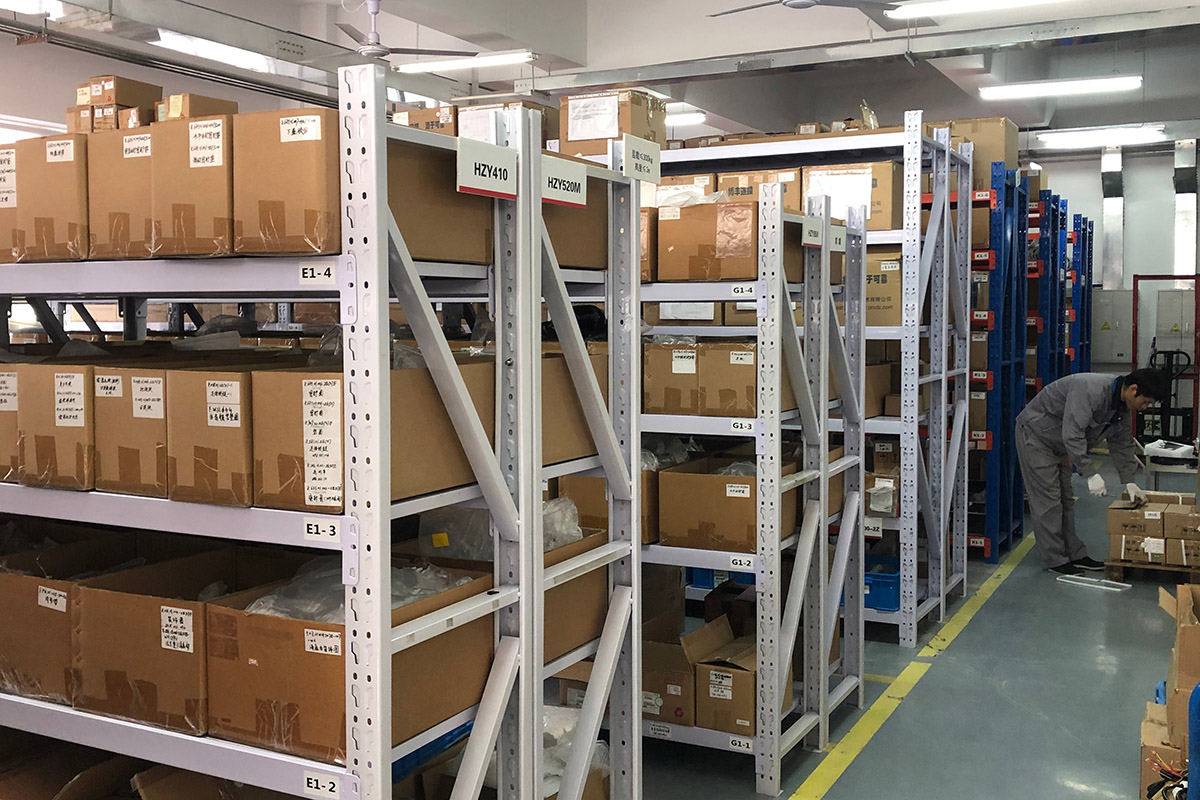
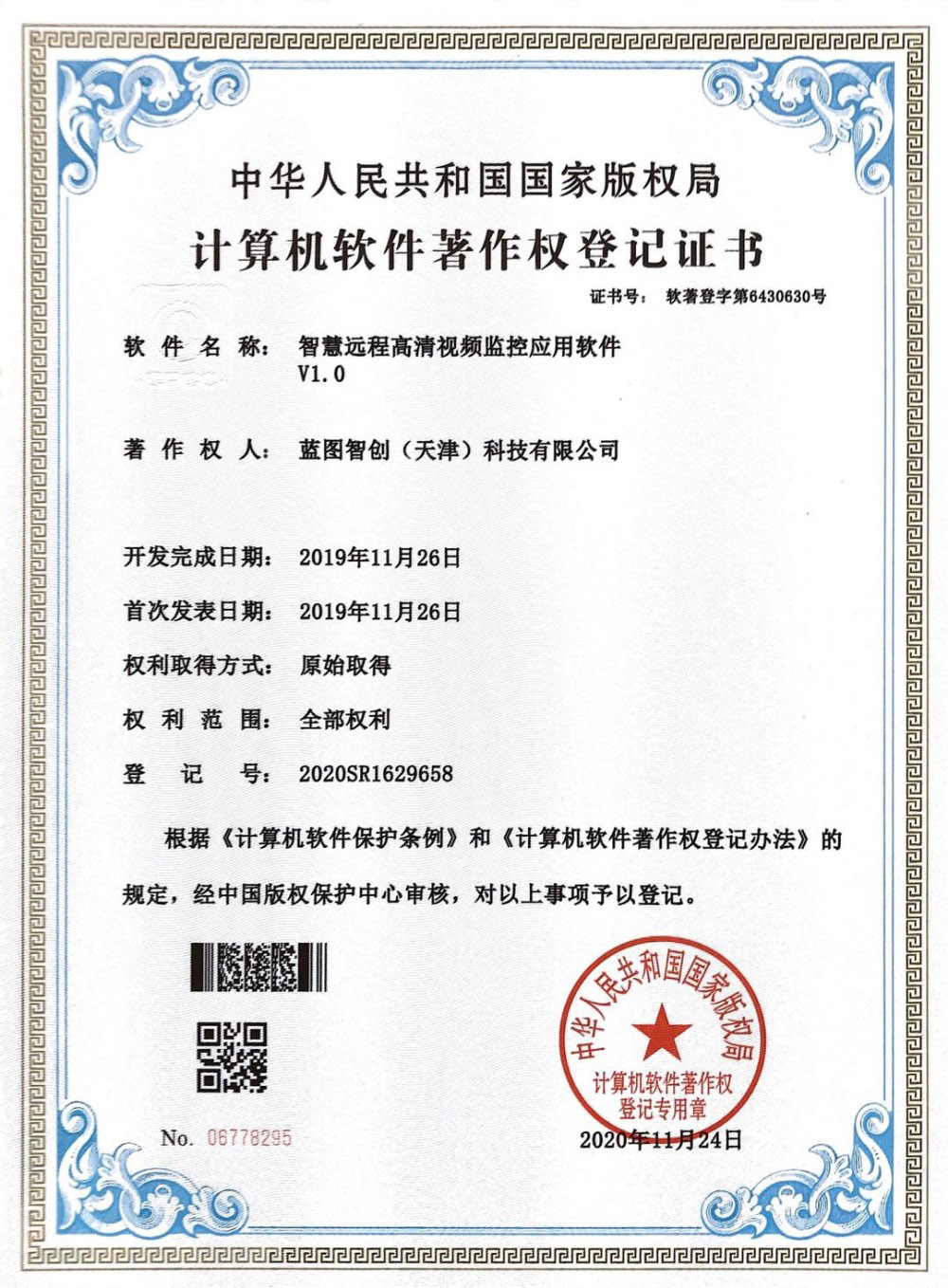
We hold over 50 national patents, and we reinvest 10% of our annual sales revenue back into our R&D team. This commitment allows us to continuously refine our structural designs, motor driver systems, and surface treatments to match changing industry demands.





Insights on selecting components, understanding structural layouts, and optimizing system deployment.
With surveillance requirements becoming more specific, the need for customization is rising. Explore key criteria for choosing your manufacturing partner, from torque metrics to environmental protection.
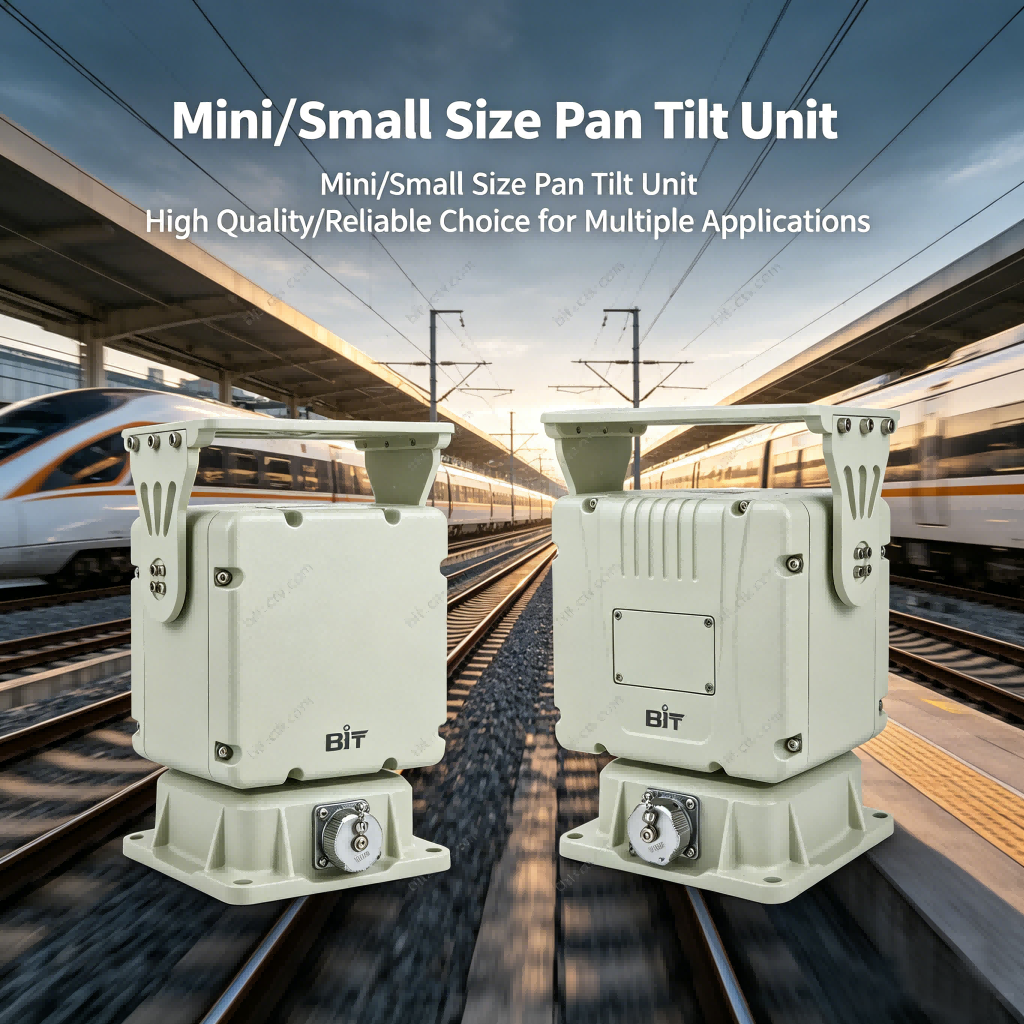
An introduction to our compact, worm-gear driven positioner models. Engineered to provide smooth rotation and reliable performance within lightweight enclosures.
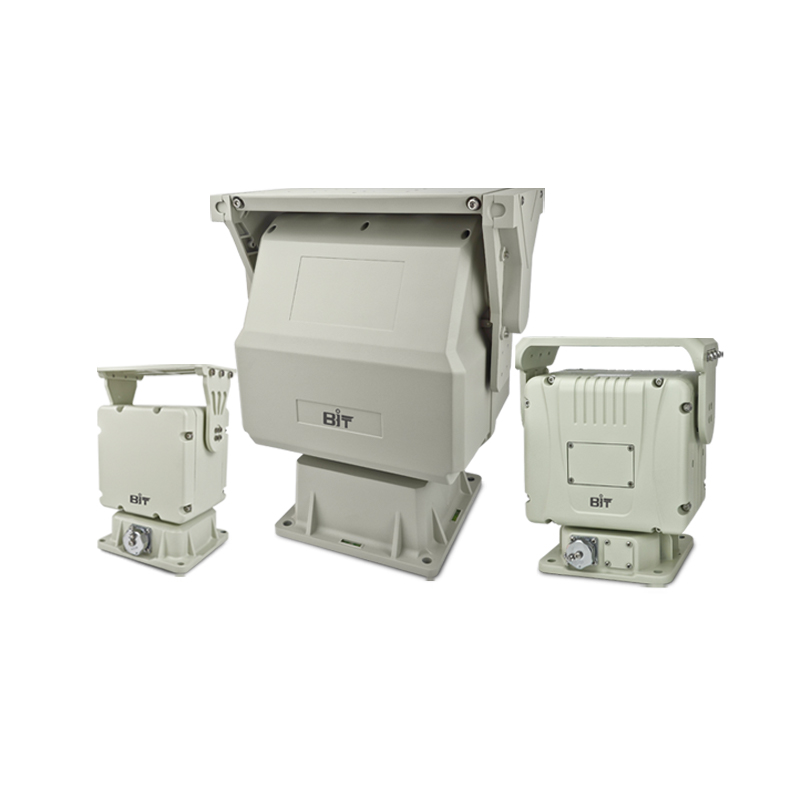
Understanding how pan-tilt units are classified, including load capacity, physical footprint, mounting method, and angular speed ranges.
Common questions regarding materials, structural design, payload capacity, and installation physics.
SS316 stainless steel contains molybdenum, which significantly increases the material's resistance to chloride pitting and general corrosion. While marine-grade aluminum is lightweight and suitable for many installations, SS316 offers higher tensile strength and structural yield. This makes it ideal for supporting heavy payloads (100kg+) on towers exposed to high wind speeds and industrial pollutants.
The payload moment is calculated using the formula: $M = F \times d$, where $F$ is the gravitational force acting on the payload (mass $\times$ gravity) plus the dynamic wind force, and $d$ is the distance (offset) from the mounting pole to the payload's center of gravity. System designers must ensure this calculated moment remains well within the bracket's rated safety limits to prevent structural warping.
Galvanic corrosion occurs when dissimilar metals (such as a stainless steel bracket mounted to a galvanized steel pole) are in contact in the presence of an electrolyte. To prevent this, we utilize non-conductive isolation gaskets, sleeve washers, and protective barriers. These components interrupt the electrical path between the different metals and help preserve structural integrity.
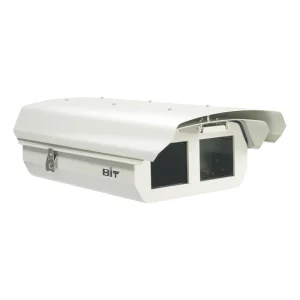
Yes. Our heavy-duty brackets are designed to pair with dual-window camera housings (such as the OEM BIT-HS4218) and heavy-duty pan-tilt units (supporting payloads up to 120kg). The mounting interfaces feature standardized hole patterns that align with major sensor packages. This design ensures direct connection, minimizes backlash, and reduces vibration.
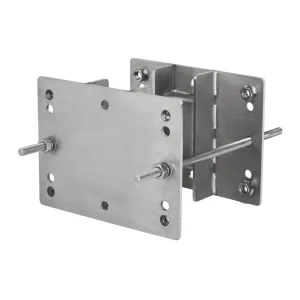
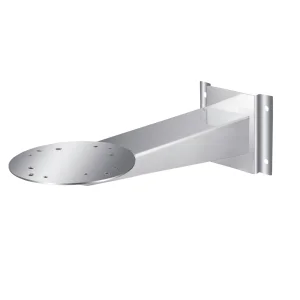
Our pole mount brackets support adjustable mounting systems, utilizing high-torque steel band clamps for poles with diameters from 50mm to 300mm. For permanent heavy-duty installations, we provide custom-drilled backing plates and bolt-through assemblies. These systems ensure secure structural connection and prevent bracket slipping under heavy loads.
Our second product selection highlights specialized mounting components and heavy-duty positioners.