 BIT-CCTV
BIT-CCTV
BIT-CCTV
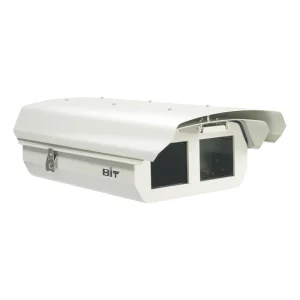
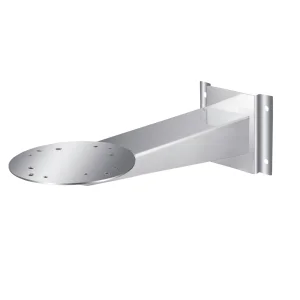
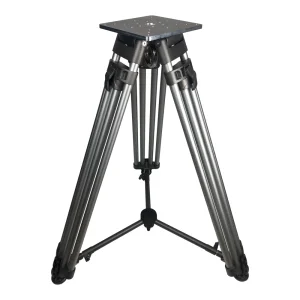
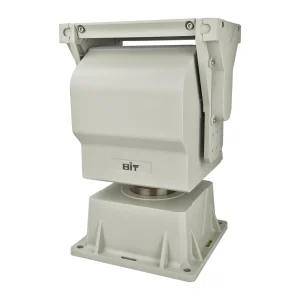
Select from our engineering-verified selection of camera brackets, housings, rotators, and tripods built to withstand extreme loads and harsh atmospheric conditions.
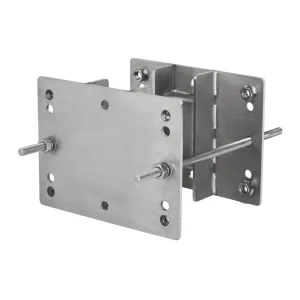
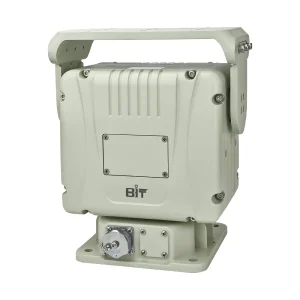
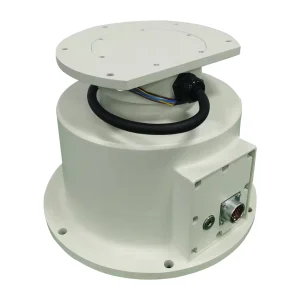
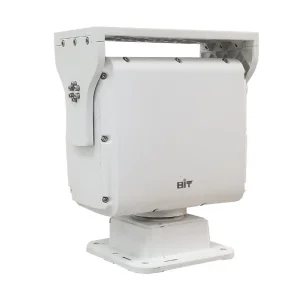
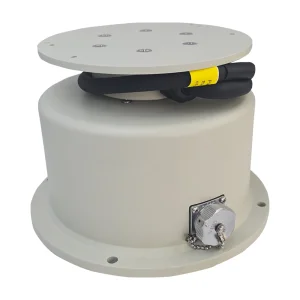
Why structural calculations, material chemistry, and wind force aerodynamics determine the reliability of modern intelligence-led physical security networks.
Industrial deployment environments dictate the physical survival curve of surveillance infrastructure. While basic Q235 steel with zinc coating satisfies standard inland settings, marine coastal corridors and chemical manufacturing clusters require premium SUS304 or SUS316 electro-polished stainless steel. This prevents stress-corrosion cracking and limits pitting indexes caused by prolonged chloride atmospheric exposure.
High-magnification optical sensors and thermographic arrays are extremely sensitive to microscopic vibrations induced by vehicle traffic or turbulent wind currents. Our structural brackets feature dampened physical baseplate configurations, specifically optimized to interface with Heavy Duty PTUs. This structural dampening directly mitigates rolling-shutter artifacts and ensures sub-milliradian precision at high zoom factors.
Underestimating the Effective Projected Area (EPA) of a mounted surveillance payload exposes installations to catastrophic fatigue failure. Our engineers calculate the exact drag coefficients of combined housings and pan-tilt units, verifying bracket profiles under simulated typhoon-force wind loads up to 60m/s. This guarantees the assembly remains static and intact during extreme weather conditions.
Established in 2005, Blue Icon (Tianjin) Technology Co. Ltd (widely recognized under our brand BIT-CCTV) has grown to become a premium national high-tech enterprise specializing in the research, design, engineering, and mass production of advanced CCTV surveillance positioning systems.
With an engineering heritage spanning over 18 years, our production capabilities cover heavy-duty pan-tilt heads, long-range laser PTZ surveillance platforms, dual-spectral thermal imaging systems, customized camera housings, and high-load mounting accessories.
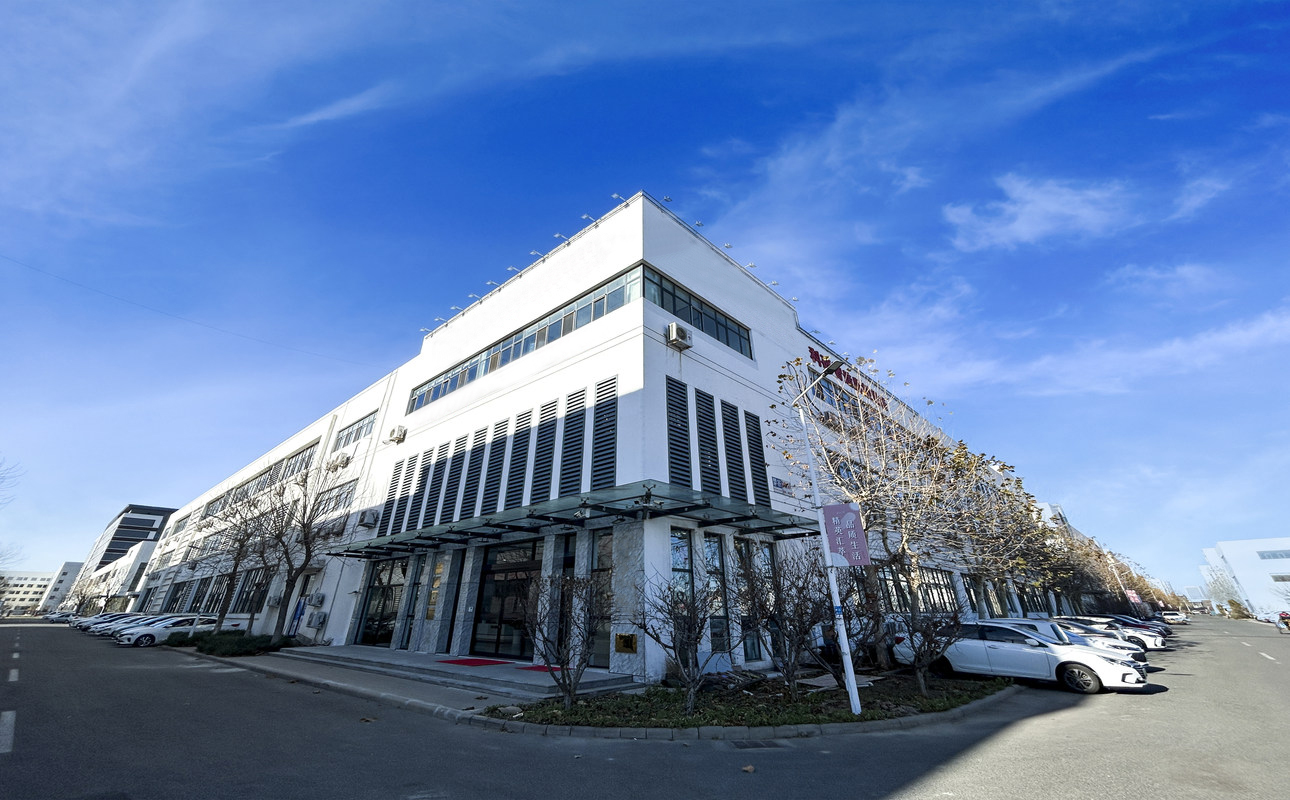
From critical infrastructure perimeter defense to automated shipping harbor operations, our integration solutions are engineered for reliable service in harsh settings.
Salt spray corrosion and constant crosswinds demand robust pole-mounting hardware. Using SUS316 stainless steel brackets alongside heavy-duty pan-tilts (like the 65kg capacity BIT-PT865) ensures stability for long-range optical and thermal imaging sensors tracking vessels under extreme sea-state dynamics.
Explosion-prone and chemically active atmospheres require spark-proof mechanical designs and highly stable camera poles. Our custom brackets utilize passivated stainless steel hardware that prevents atmospheric reactions, securing heavy explosion-proof housings safely above processing towers.
High-speed arterial corridors present structural fatigue hazards from wind turbulence caused by heavy semi-truck traffic. Standard mounting brackets often loosen under these vibrations, while our dual-banded, high-tensile steel mounting configurations remain securely locked in place for long-term monitoring.
Understand the mechanical parameters and raw material indexes that determine pricing models for critical infrastructure projects.
| Bracket Model Family | Material Composition | Max Load Limit (kg) | Wind-Tunnel Limit (m/s) | Common Pricing Factors |
|---|---|---|---|---|
| Light-Duty Band Mount | SUS304 Stainless Steel | 15 kg | Up to 45 m/s | Standard laser cut profiles, quick-install steel straps. |
| Medium-Duty Struct Bracket | SUS304 / Hot-Dip Galvanized Q235 | 40 kg | Up to 55 m/s | Integrated cable channels, structural reinforcing gussets. |
| Heavy-Duty PTU Platform | SUS316 / Electro-polished Carbon Steel | 80 - 150 kg | Up to 60+ m/s | Custom structural FEA modeling, double-welded flange plates. |
| Dual-Axis PTZ Adaptor | Aerospace Aluminum / SUS316 | 50 kg | Up to 50 m/s | Anodized outer finish, specialized high-torque vibration bushings. |
Review the core technical specifications of our standard line of High-Precision Pan-Tilt Positioners, which directly interface with our customized mounting brackets.
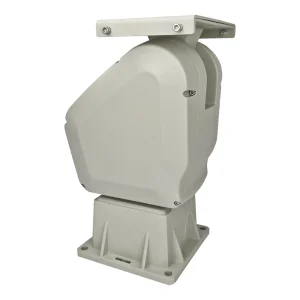
Designed for compact payloads requiring highly precise increments of movement. The BIT-PT510 handles a maximum load of 10kg/22lb. Features a high-precision stepper motor paired with a worm gear drive system, providing 360° pan rotation and ±60° tilt rotation with adjustable speeds up to 30°/S.
Our smallest positioner, weighing only 3.5kg. Despite its lightweight, compact footprint, the BIT-PT503 handles payloads up to 3.5kg/7.7lb, making it ideal for mobile deployment platforms, tactical mast poles, and temporary security perimeters.
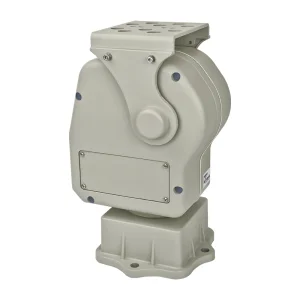
Engineered for high-speed tracking applications, the BIT-PT410 rotates at speeds up to 100°/second. Driven by a high-torque worm/gear assembly in the tilt axis, it supports a 10kg/22lb load with a wide movement range of -90° to +40°.
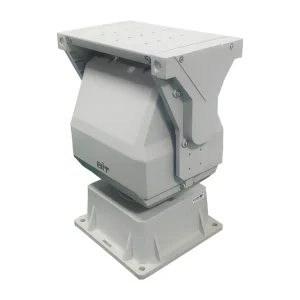
With an established 10-year service history across heavy industrial sites, the BIT-PT850 supports payloads up to 50kg. It features a rugged, classic housing design built to deliver high stability and long-term reliability in harsh climates.
As sensor technology advances and cities adopt smarter digital infrastructure, mounting hardware must adapt. The integration of 4K multi-sensor cameras and long-range LiDAR arrays requires mounts that can handle heavier payloads and keep them perfectly stable.
At BIT-CCTV, our future development centers on three main engineering goals:
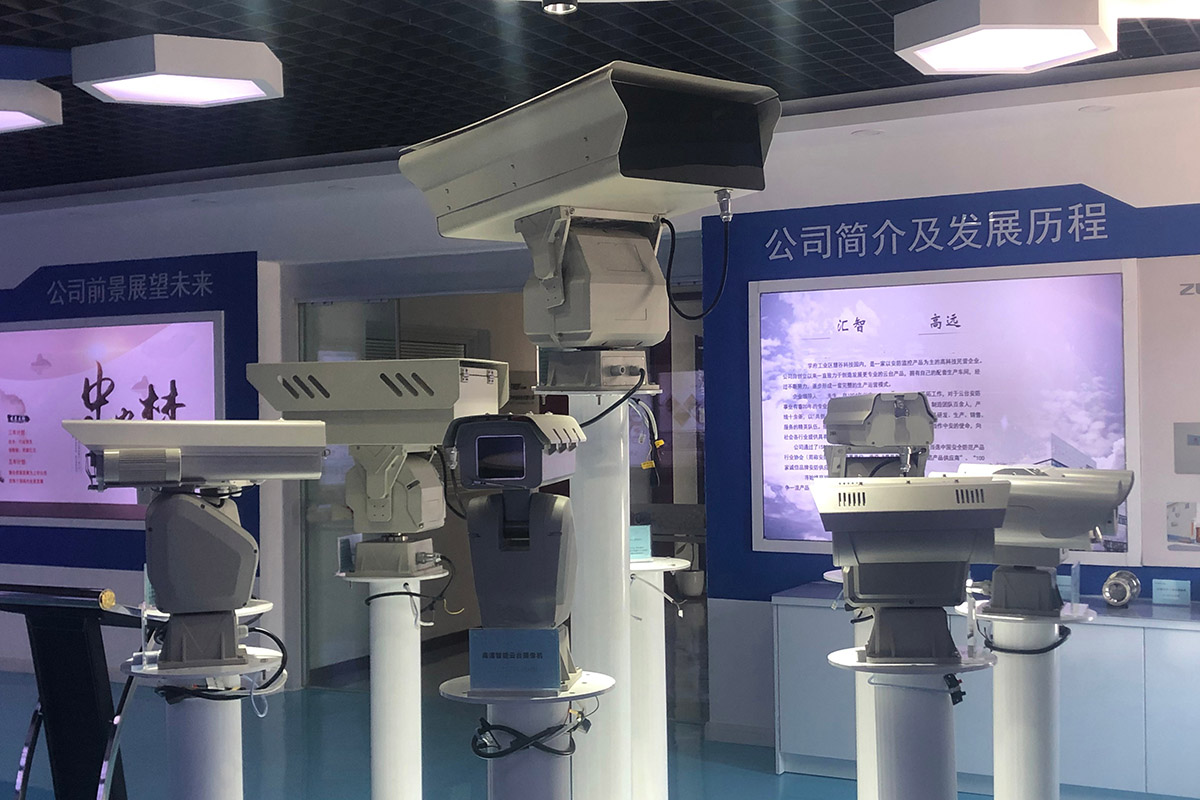
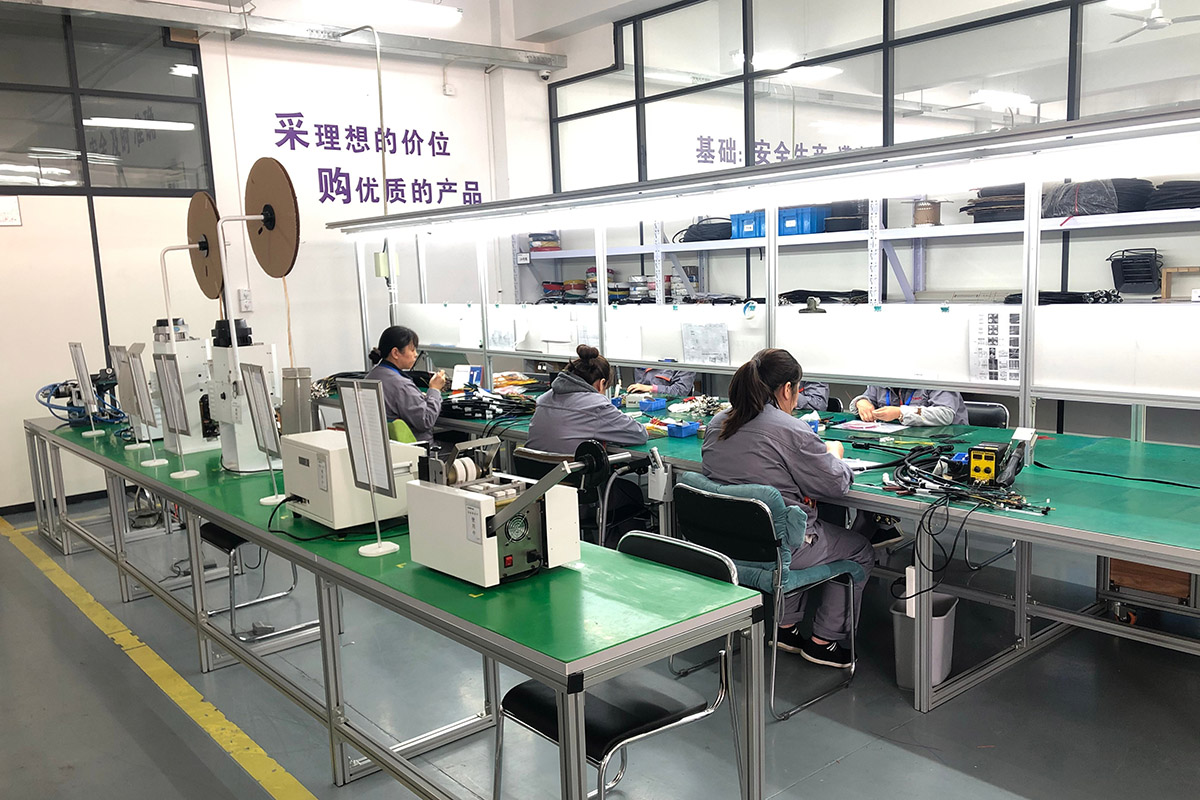
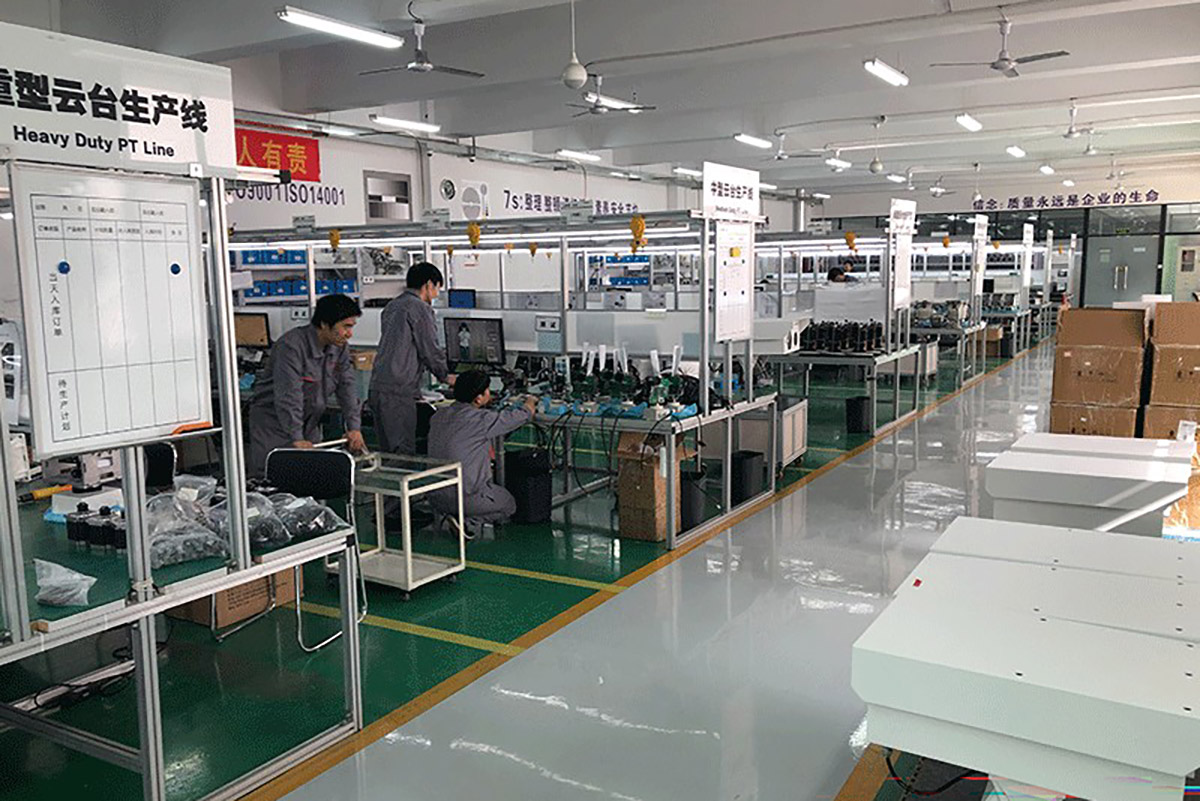
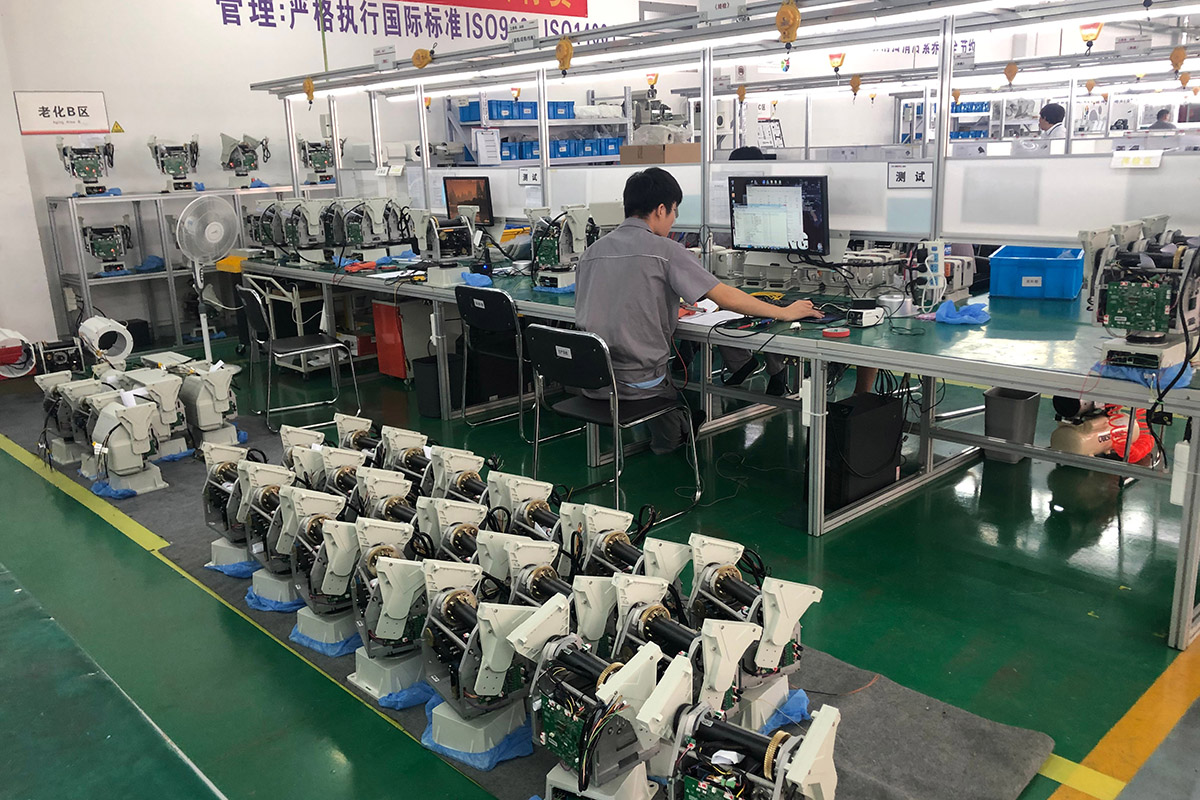
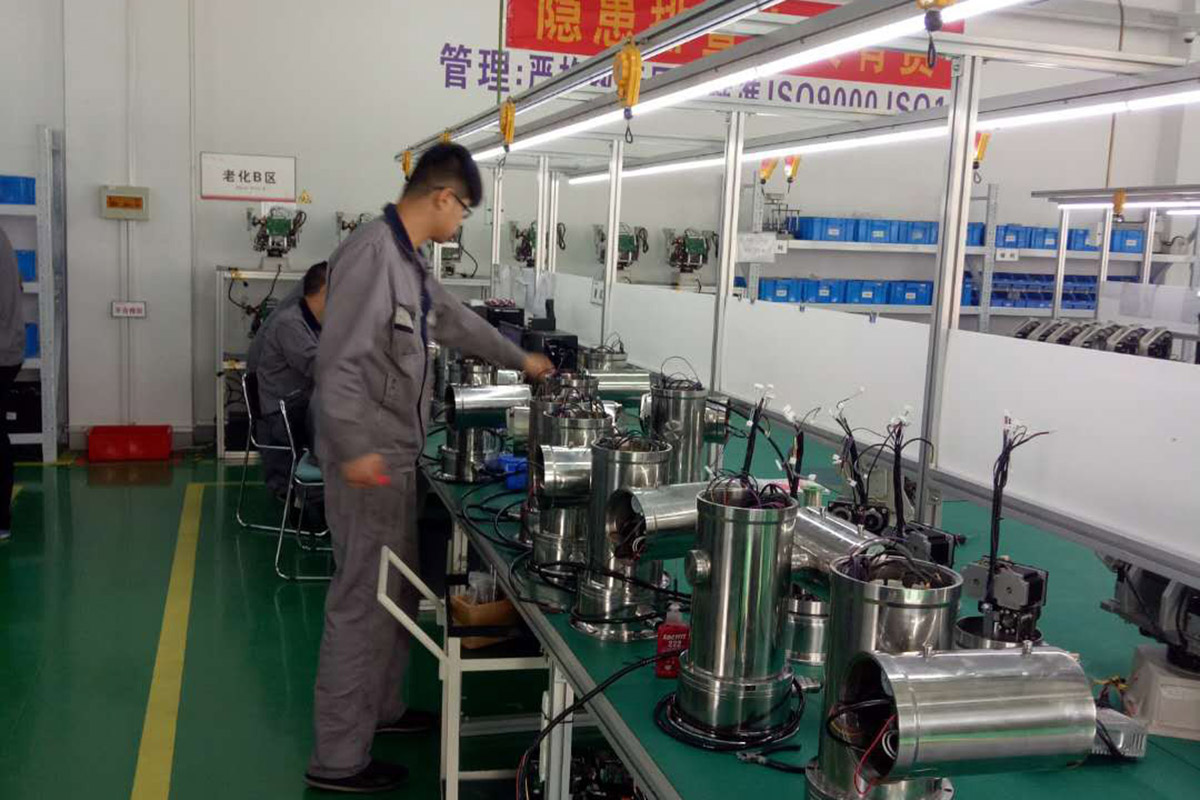
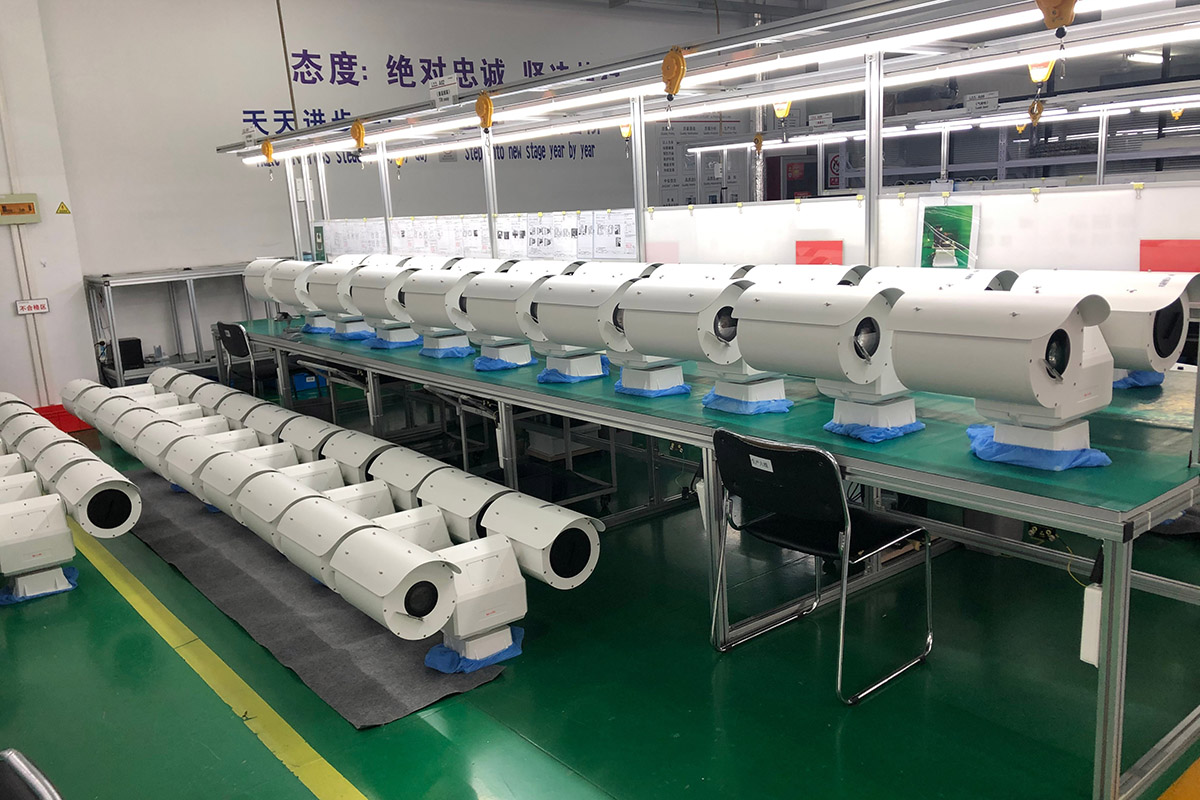
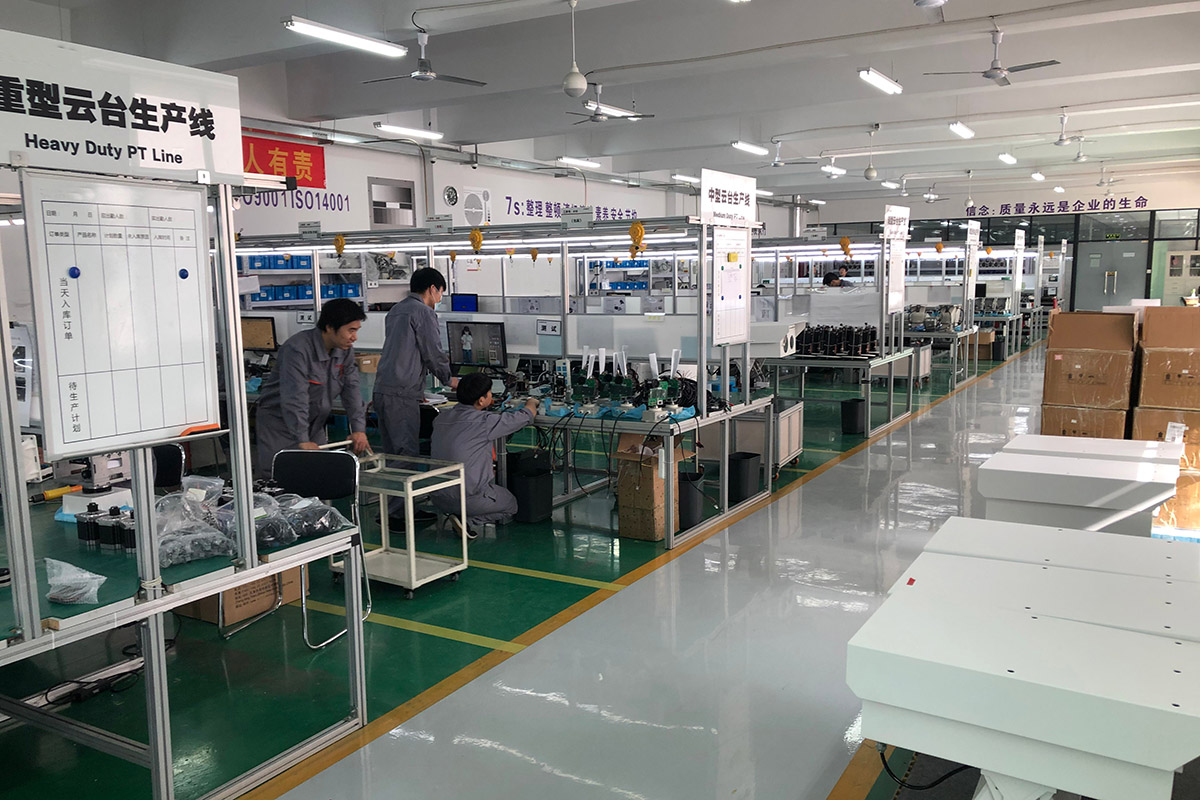
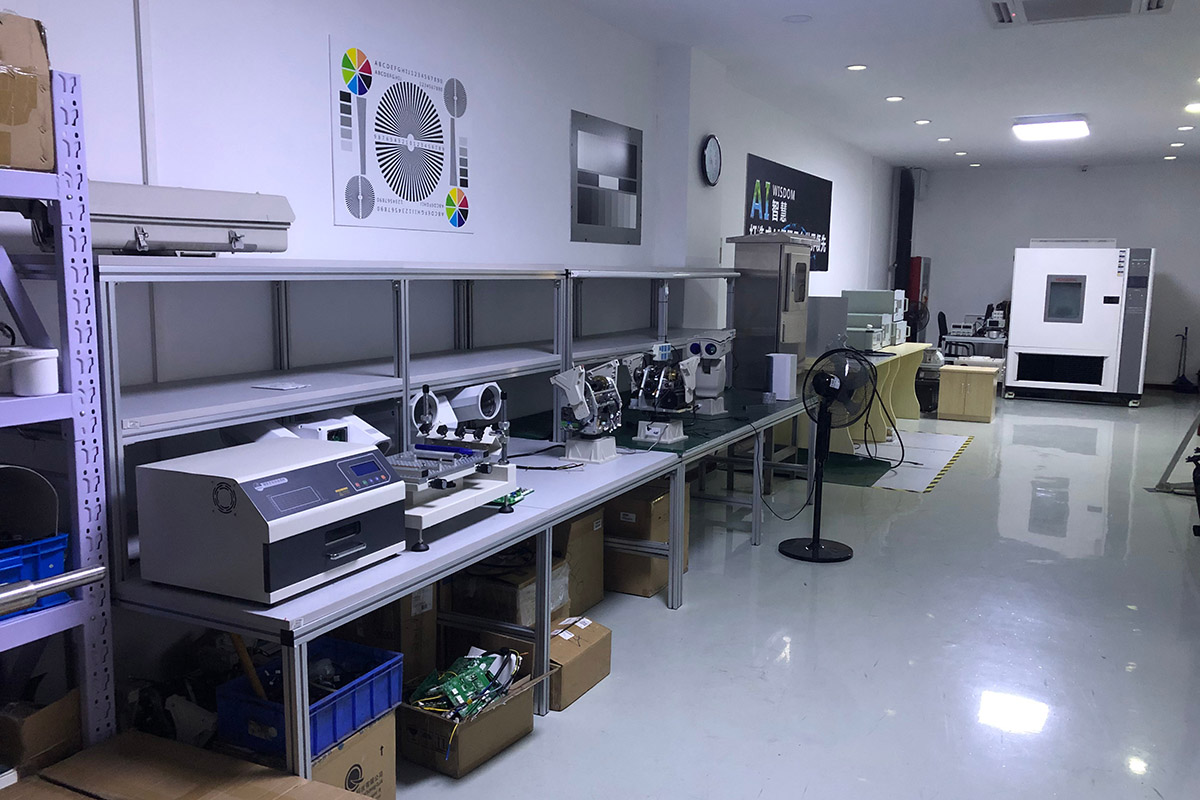
Tour our state-of-the-art facility featuring dedicated CNC machining centers, automated welding bays, and rigorous quality inspection zones.
Answers to common structural engineering, procurement, and field deployment questions.
To calculate the correct wind load capacity, we compute the Effective Projected Area (EPA) of the entire mounted payload (housing + pan-tilt unit + bracket) and multiply it by the dynamic pressure of the wind. This formula is written as: F = q * Ce * Cq * EPA. Here, 'q' represents the velocity pressure at a given wind speed, 'Ce' is the height factor, and 'Cq' is the drag coefficient. Our engineers perform finite element analysis (FEA) to verify that all structural components can withstand these calculated forces with a safety margin of at least 1.5.
The primary difference lies in their chemical composition. SUS316 contains 2% to 3% molybdenum, which provides significantly better resistance to chlorides (like salt spray) and industrial chemicals. For installations located within 5 kilometers of a coastline or inside chemical facilities, we highly recommend selecting SUS316. For inland highway and general urban monitoring, SUS304 provides excellent durability at a lower cost.
Bracket pricing is primarily determined by: 1) Material volume and grade selection (SUS304 vs. SUS316 or galvanized steel), 2) Thickness of the steel plates (ranging from 4mm up to 10mm for heavy-duty setups), 3) The complexity of the cuts, bends, and welds, and 4) Surface finishing requirements (such as electro-polishing or marine-grade powder coating).
A worm gear drive offers a mechanical self-locking feature. When the drive motor is powered down, the worm gear locks the pan-tilt head in position, preventing strong winds from forcing the camera to rotate. In contrast, direct-drive systems require continuous motor torque or mechanical brakes to hold their position under wind load, making worm gear systems highly reliable and energy-efficient for long-range surveillance.
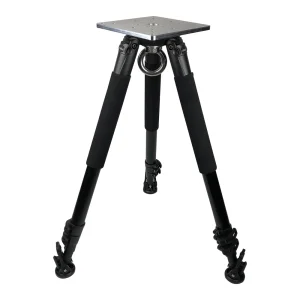
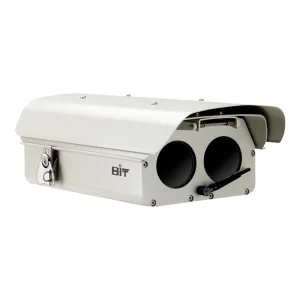
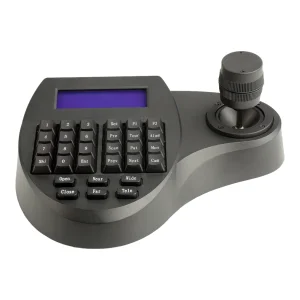
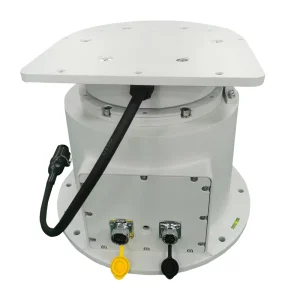
Explore our full line of compatible hardware, including heavy-duty tripods, protective camera enclosures, and high-performance rotators.