 BIT-CCTV
BIT-CCTV
BIT-CCTV
Explore our engineering excellence, optimized for extreme environments and heavy payloads.
BIT-CCTV Founded
China Pan Tilt Maker
Annual R&D Investment
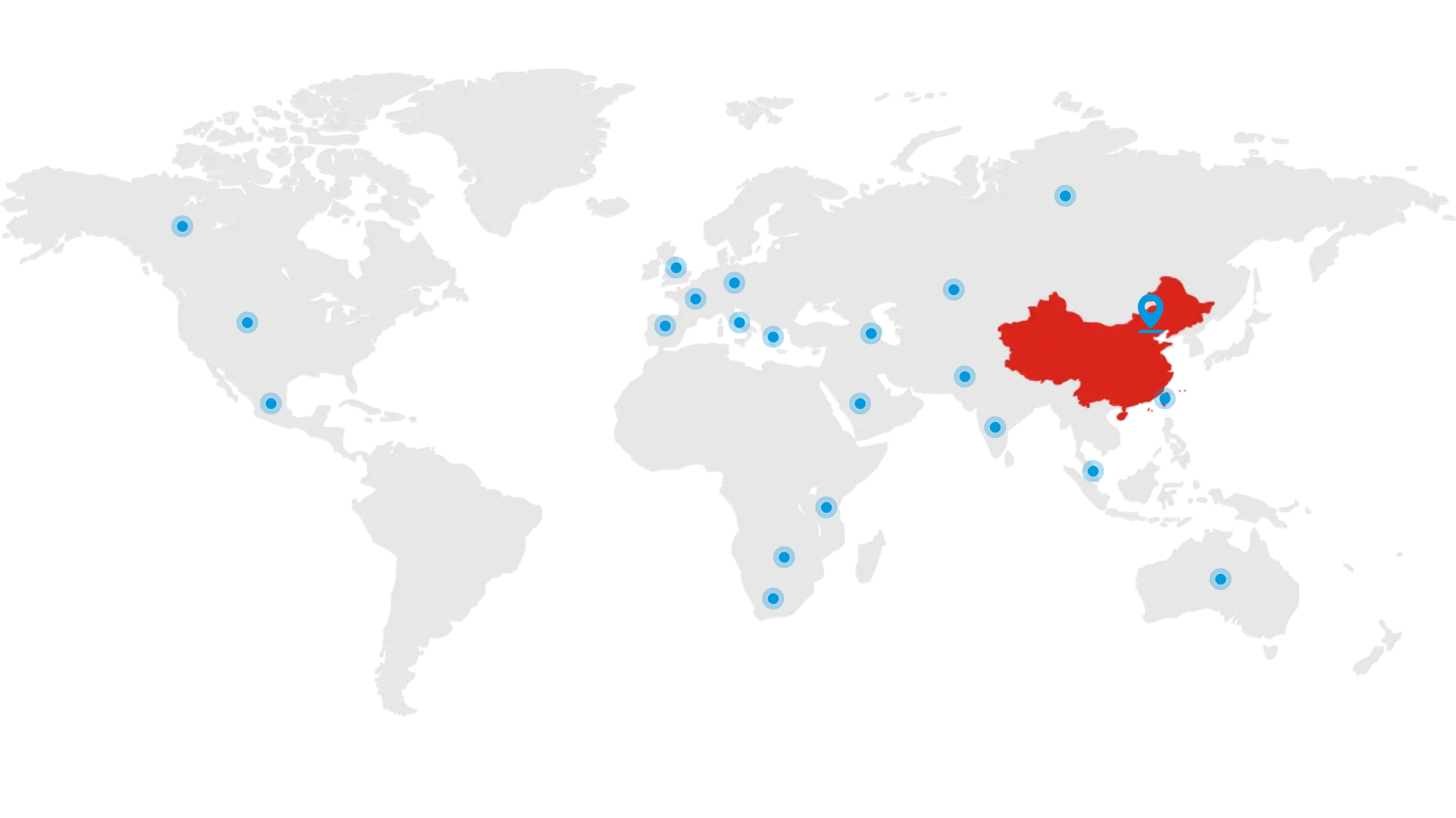
Countries Sales Network
Manufacturing Area
In the contemporary digital era, the demand for precision directional communication has scaled exponentially. Antenna rotator motors, also widely defined as mechanical positioning drive units, constitute the core electromechanical backbone of satellite ground stations, defense radar arrays, meteorological mapping, and mobile telecom backhauls. As orbit constellations like Starlink and OneWeb expand, high-frequency Ku and Ka-band networks require extremely tight spatial pointing capabilities.
OEM factories and manufacturers are transitioning from simple analog rotation systems to intelligent, closed-loop IP-addressable drive architectures. Modern systems now incorporate optical encoders and absolute positioning sensors, allowing for tolerances smaller than 0.1 degrees. Dynamic load distribution, wind-torque resistance, and long-term mechanical reliability without field maintenance have become critical baselines for global procurements.

Deciphering the supply chain depth and technological scaling of domestic manufacturing hubs.
From primary smelting of heavy aluminum alloys to high-grade precision gearing and surface coatings, Chinese production zones consolidate entire supply pipelines. This reduces production lead times and drastically lowers raw material procurement overhead.
Our OEM/ODM pipeline supports structural modifications in housing designs, mechanical gear ratios, and mounting interfaces within short delivery frames. Advanced CNC milling centers and robotic winding lines ensure tight, consistent assembly tolerances.
Leading Chinese factories maintain in-house environmental chambers to simulate extreme conditions, including salt-spray corrosion, high-frequency vibratory loads, sand/dust ingress, and thermal fluctuations ranging from -45°C to +80°C.
Delivering high reliability in the field, from offshore stations to hyper-arid deserts.
Deployments in maritime environments demand resilience against high salinity and moisture. By utilizing SUS316 stainless steel components, specialized anticorrosive coatings, and dual-lip fluororubber oil seals, our rotators resist structural degradation while operating consistently on navy hulls and coastal surveillance towers.
At high altitudes, low air density degrades heat dissipation, while sub-zero environments risk seizing mechanical drives. Integrating internal thermodynamic heaters, low-temperature synthetics, and pressure-equalizing vents keeps our antenna rotators moving without stalling.
Industrial performance profiles engineered to deliver high precision and structural durability.
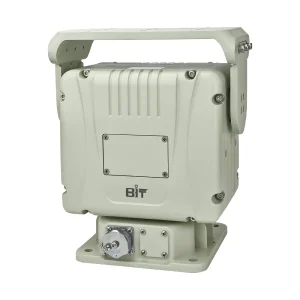
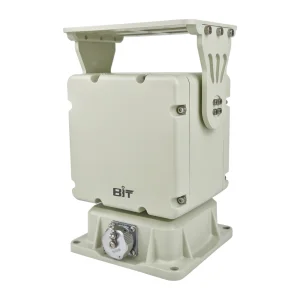
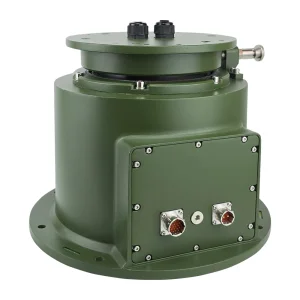
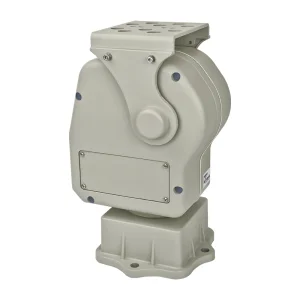
10kg Load Capacity: Features a high-precision stepper motor paired with a worm gear drive. Supports 360° pan and ±60° tilt at speeds up to 30°/s. Ideal for forest fire prevention and maritime border security.
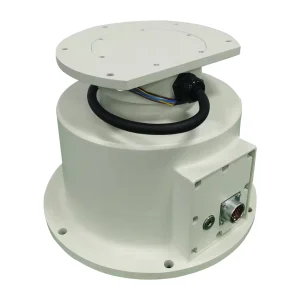
3.5kg Payload Capacity: Weighing only 3.5kg, this compact system is built for highly mobile tactical deployments, vehicle mounting, and rapid field setups requiring low energy consumption.
10kg Payload: Rotates up to 100°/second. Specifically designed for real-time tracking of fast-moving targets, drone detection (C-UAS), and fast-pointing telemetry antennas.
50kg Payload Capacity: A robust, field-tested unit popular for over a decade. Built for harsh climates, it is widely used in heavy defense surveillance and dual-vision sensor arrays.
Established in 2005, Blue Icon (Tianjin) Technology Co. Ltd. is a national high-tech company specializing in the design, engineering, manufacture, and distribution of premium positioning equipment. Over the last 18 years, our portfolio has expanded from CCTV housing enclosures to advanced 3kg-150kg pan-tilt positioners, long-range laser cameras, and dual-vision thermal imaging systems.
 18 Years of Industry Expertise
Fully Customized OEM & ODM Engineering
3kg to 150kg Versatile Load Units
Global Sales and Network Across 50+ Nations
18 Years of Industry Expertise
Fully Customized OEM & ODM Engineering
3kg to 150kg Versatile Load Units
Global Sales and Network Across 50+ Nations
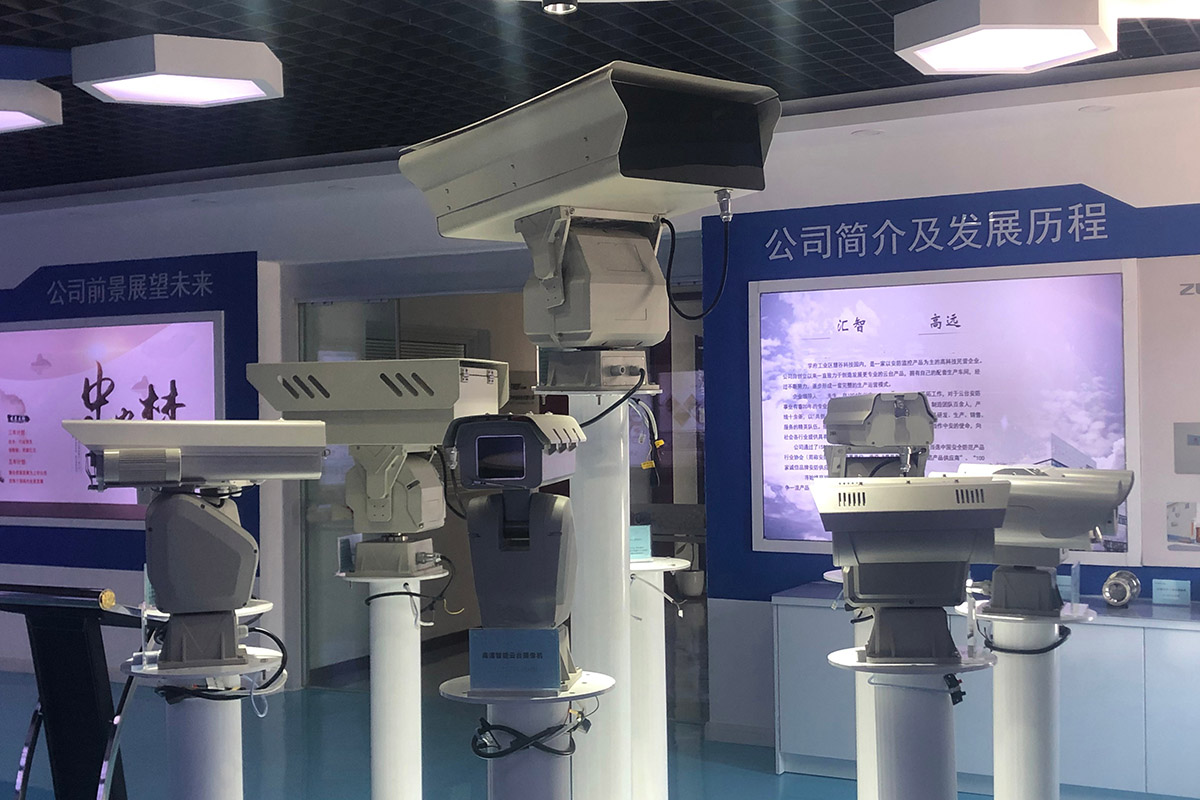
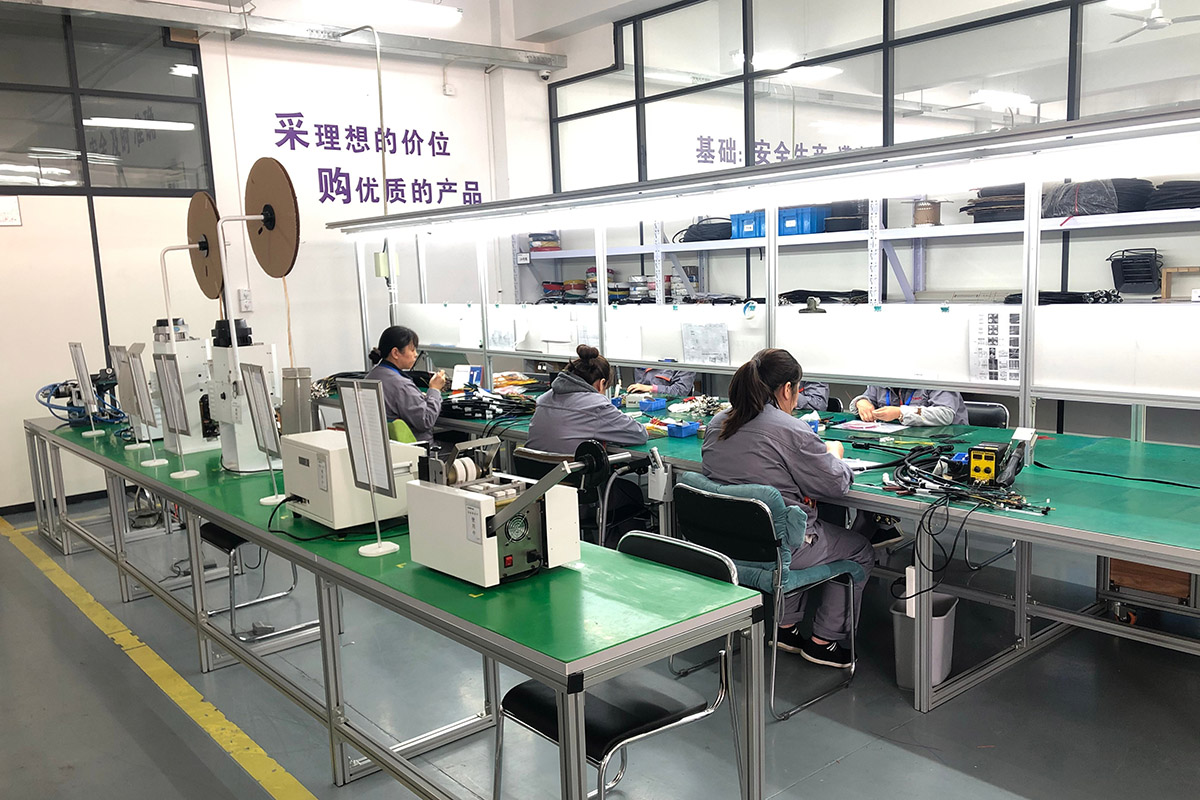
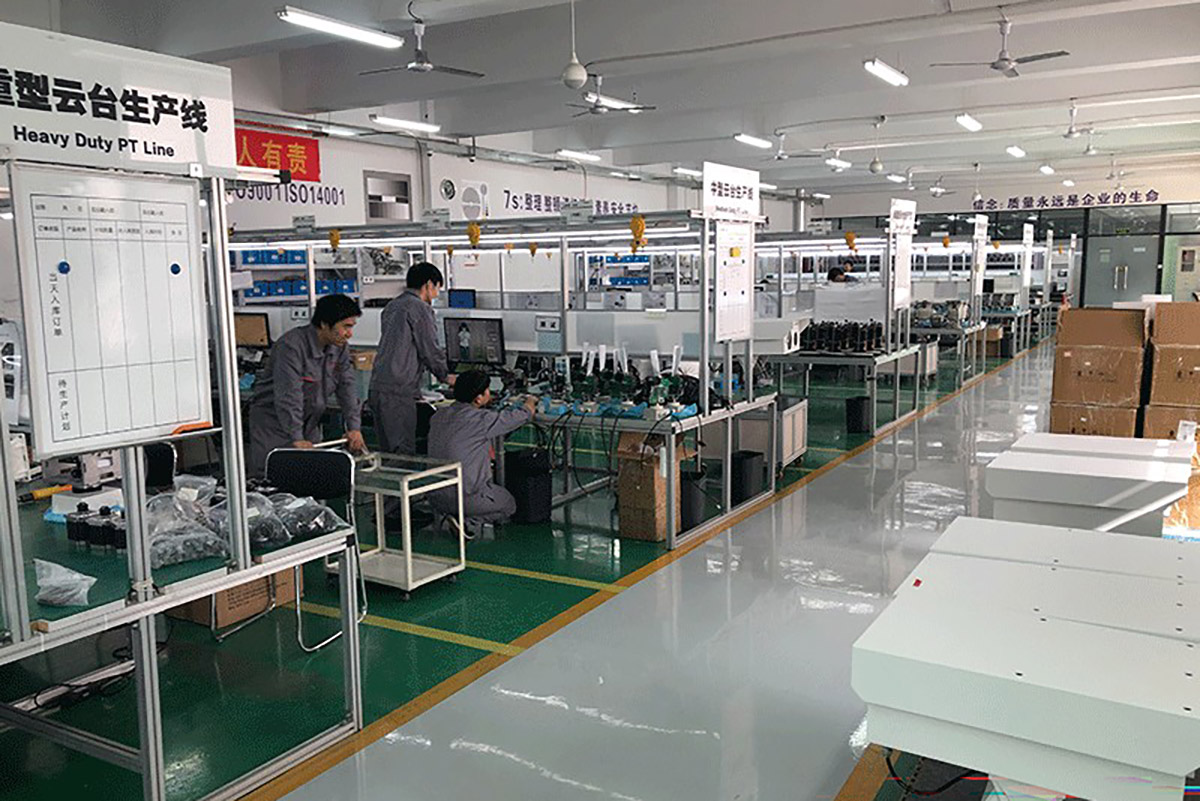
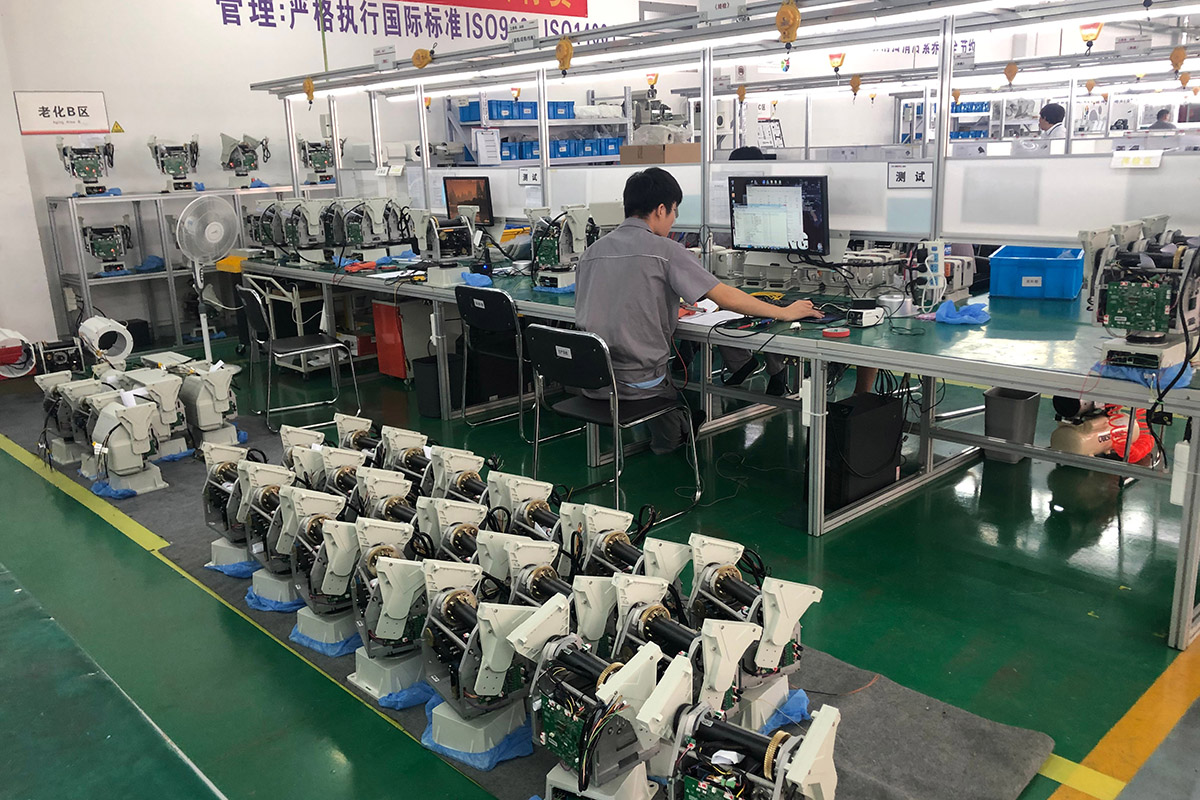
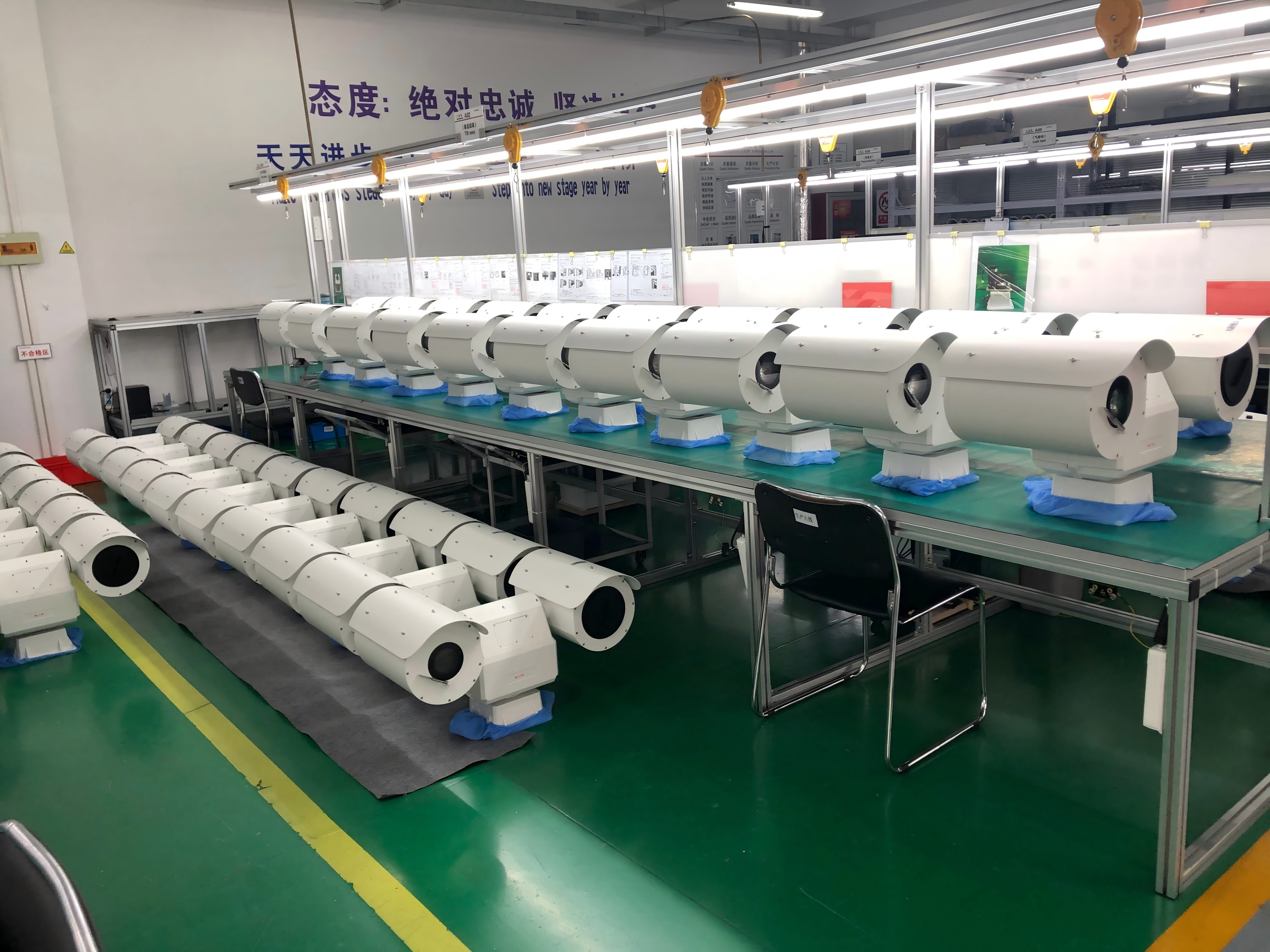
A look inside our 10,000 square meter manufacturing floor and assembly lines.
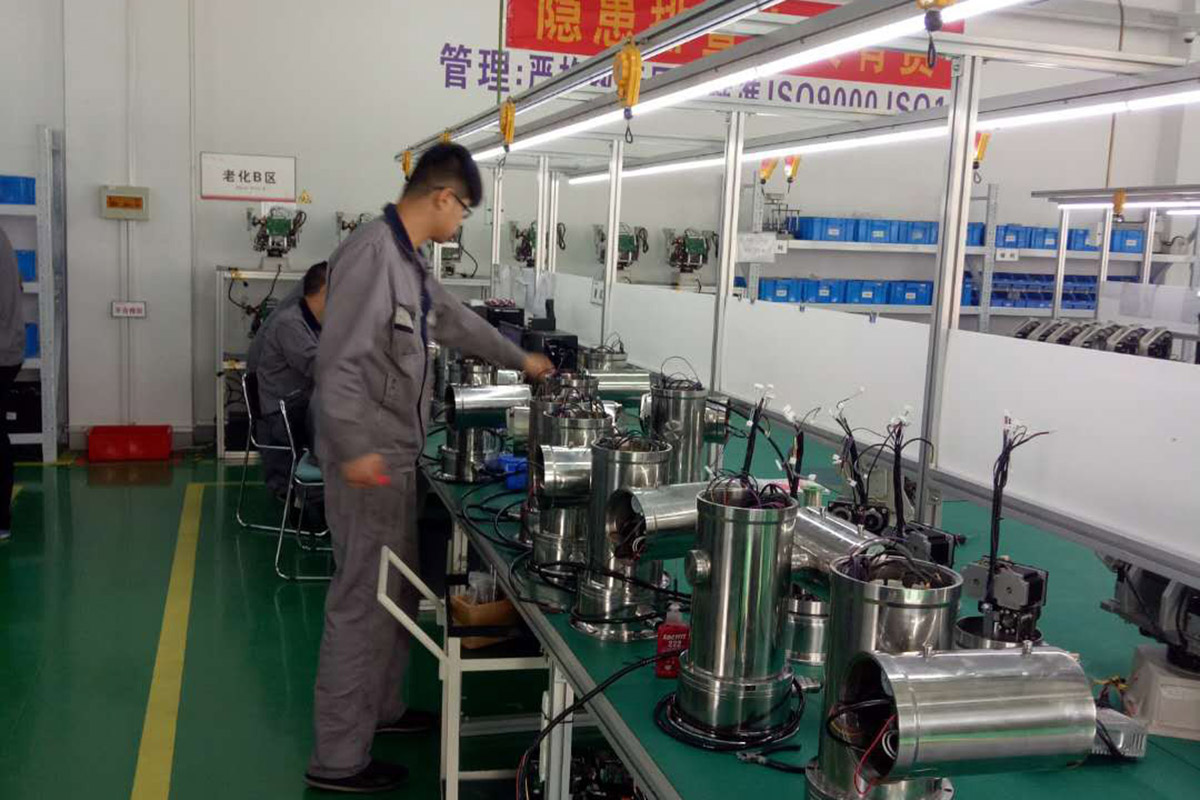
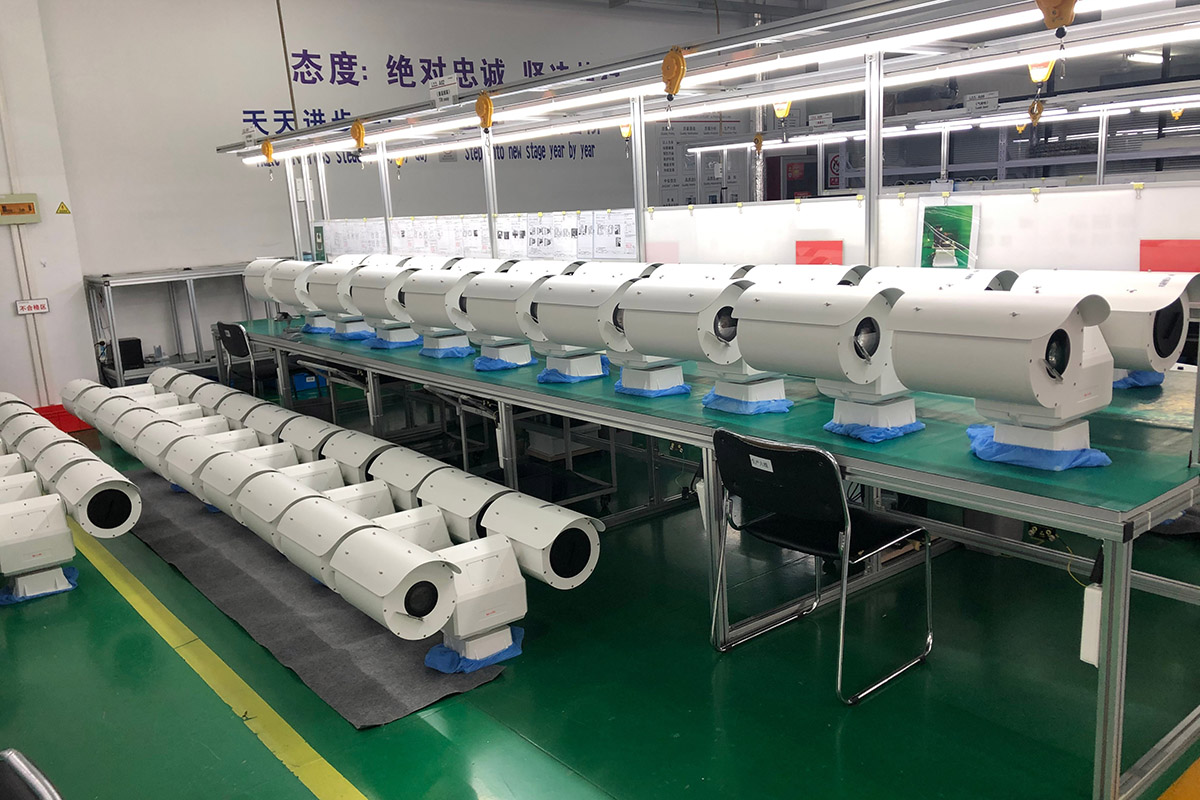
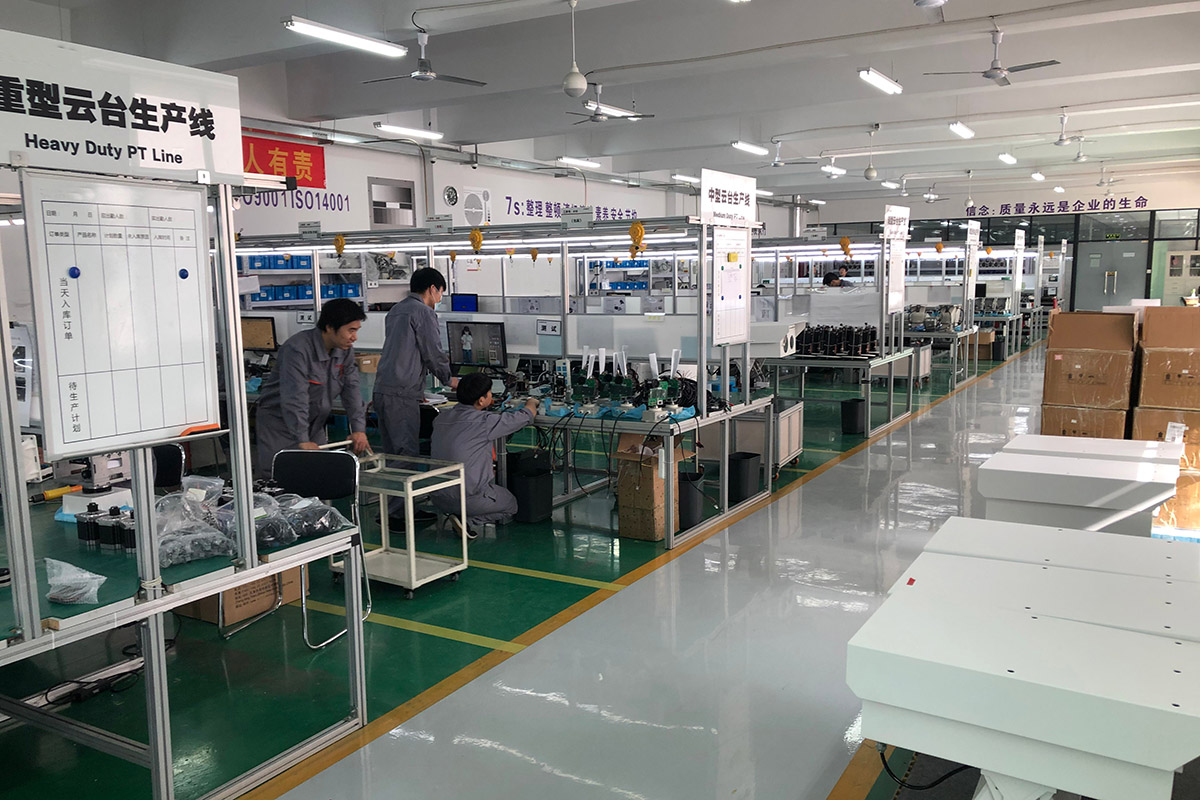
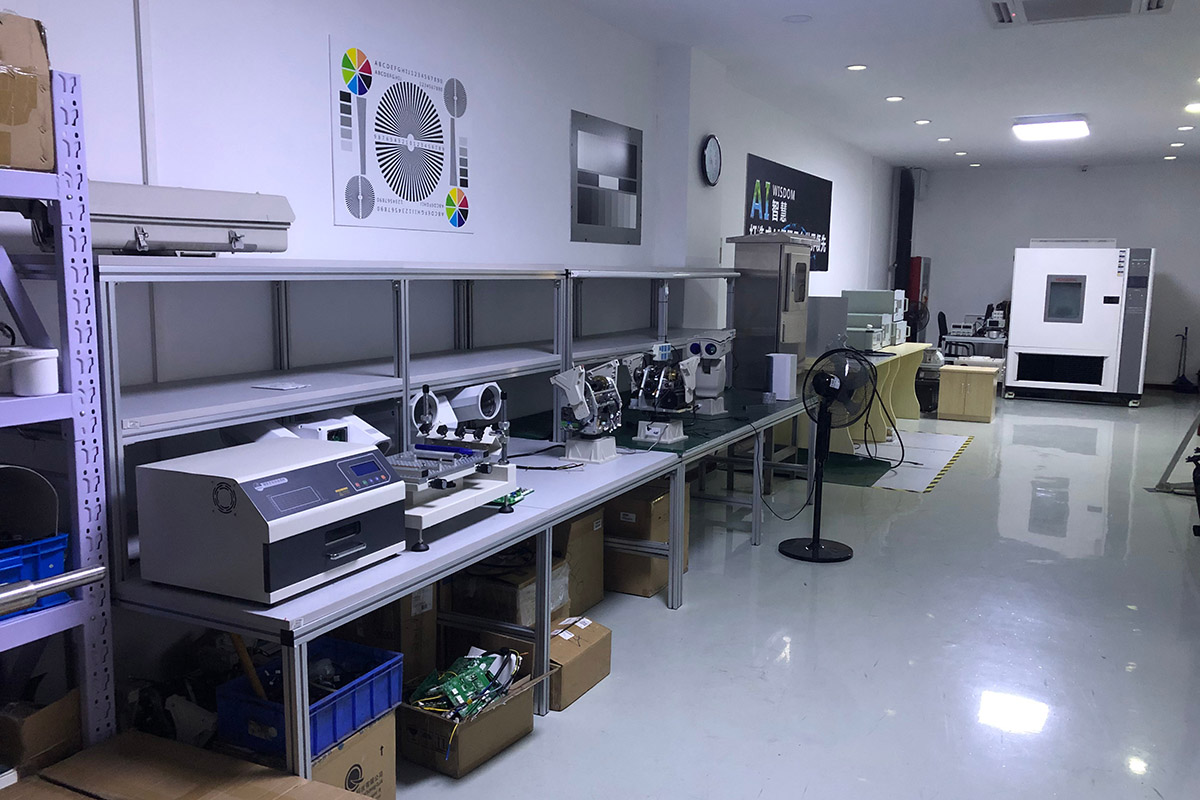
Key design innovations and variables to evaluate when sourcing antenna rotator motors.
Traditional worm-and-gear configurations are highly valued for their high self-locking torque and mechanical stability. However, next-generation telemetry and tracking arrays are adopting Direct Drive Brushless DC (BLDC) motors. Direct-drive architectures eliminate gear backlash, reduce mechanical wear, and provide higher rotational speeds for real-time tracking of low-Earth orbit (LEO) satellite constellations.
Modern remote sensing networks require IP-based integration. System integrators should look for positioning heads that natively support RS485/RS422 serial links running Pelco-D, Pelco-P, or industrial Modbus protocols. Modern upgrades also incorporate native Ethernet interfaces, allowing configuration and troubleshooting directly through standard web browsers.
When selecting a rotator motor, look beyond static weight limits. The dominant structural force is often wind load. Buyers should calculate the maximum wind cross-section (expressed in m²) of their payload and match it against the rotator's continuous and peak braking torque ratings. This step prevents mechanical failure or slippage during high wind events.
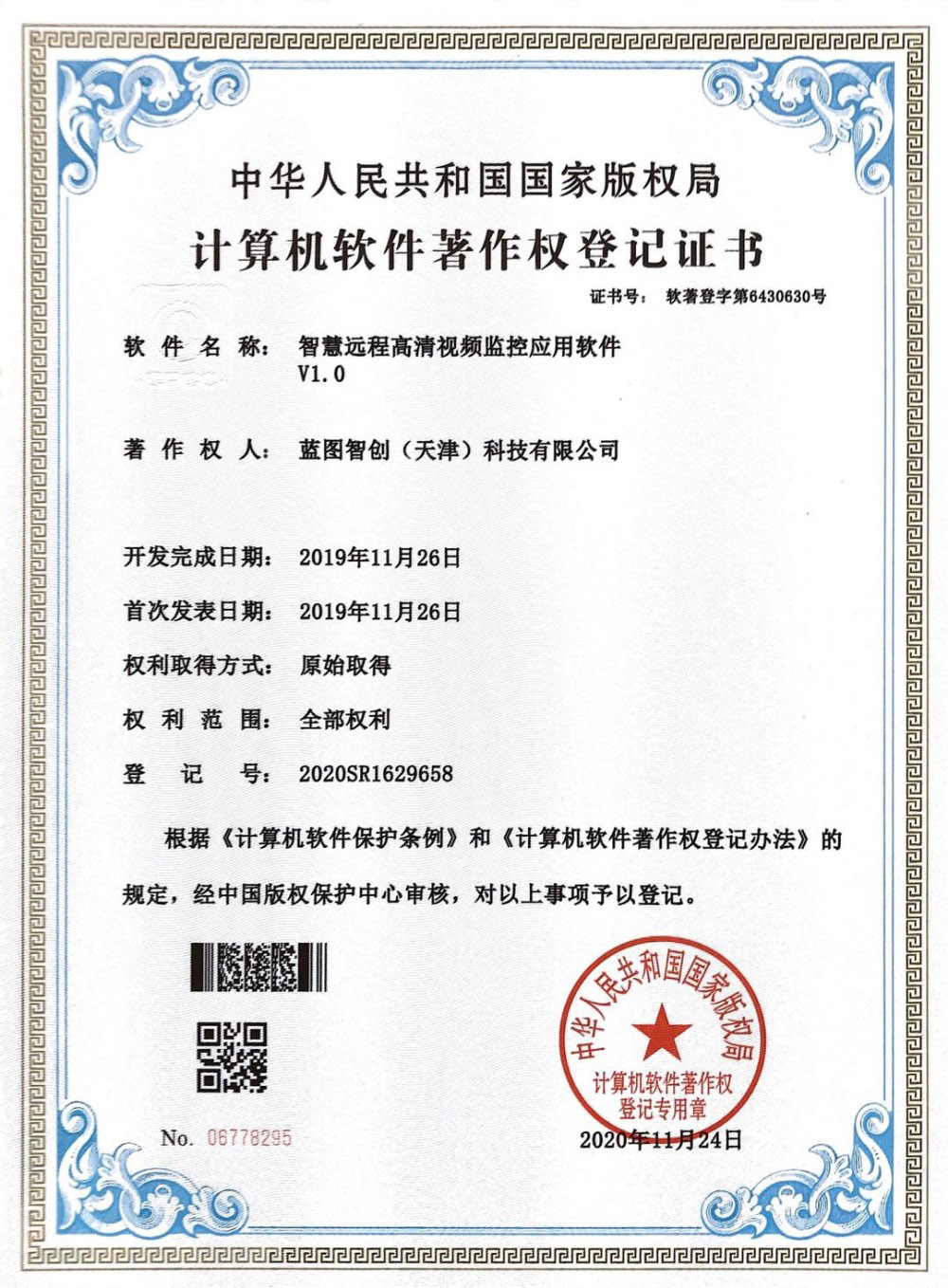
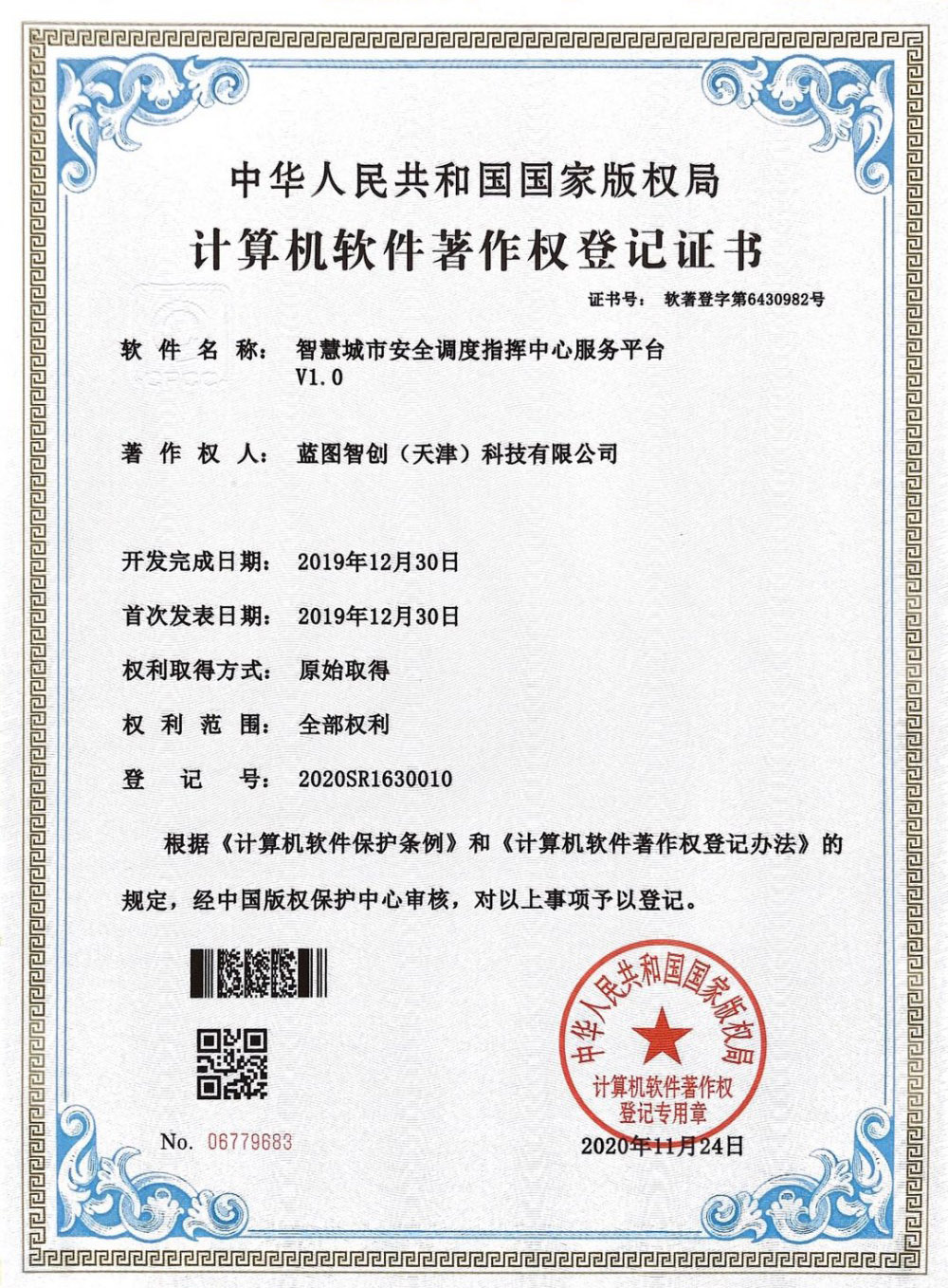
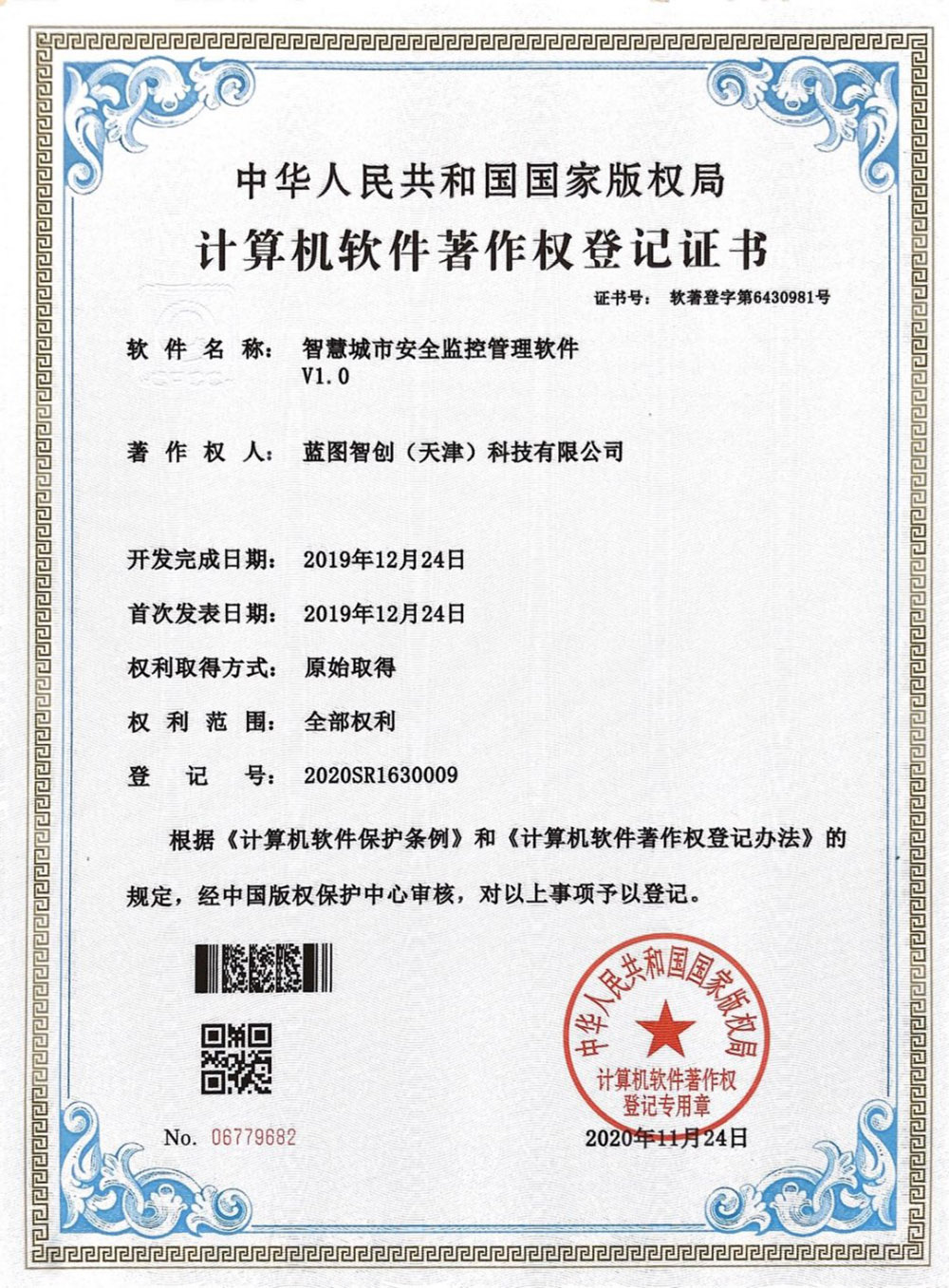
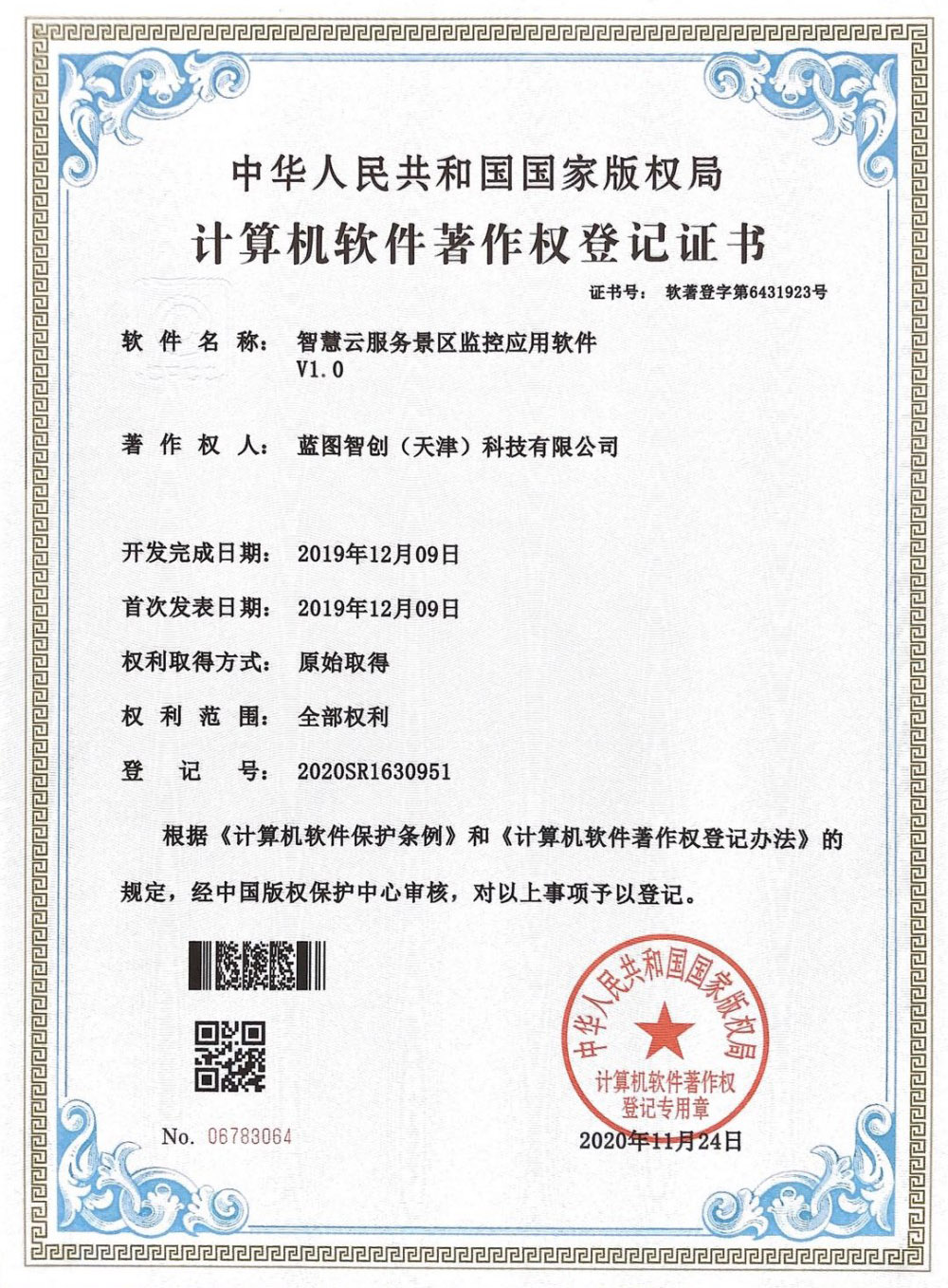
Backed by over 50 national patents and global system integrators.
Expert articles and updates covering advanced positioning system design.
As deployment scenarios for positioning units expand, custom hardware and software integrations are increasingly in demand. We outline the crucial variables to consider when choosing a long-term supply partner.
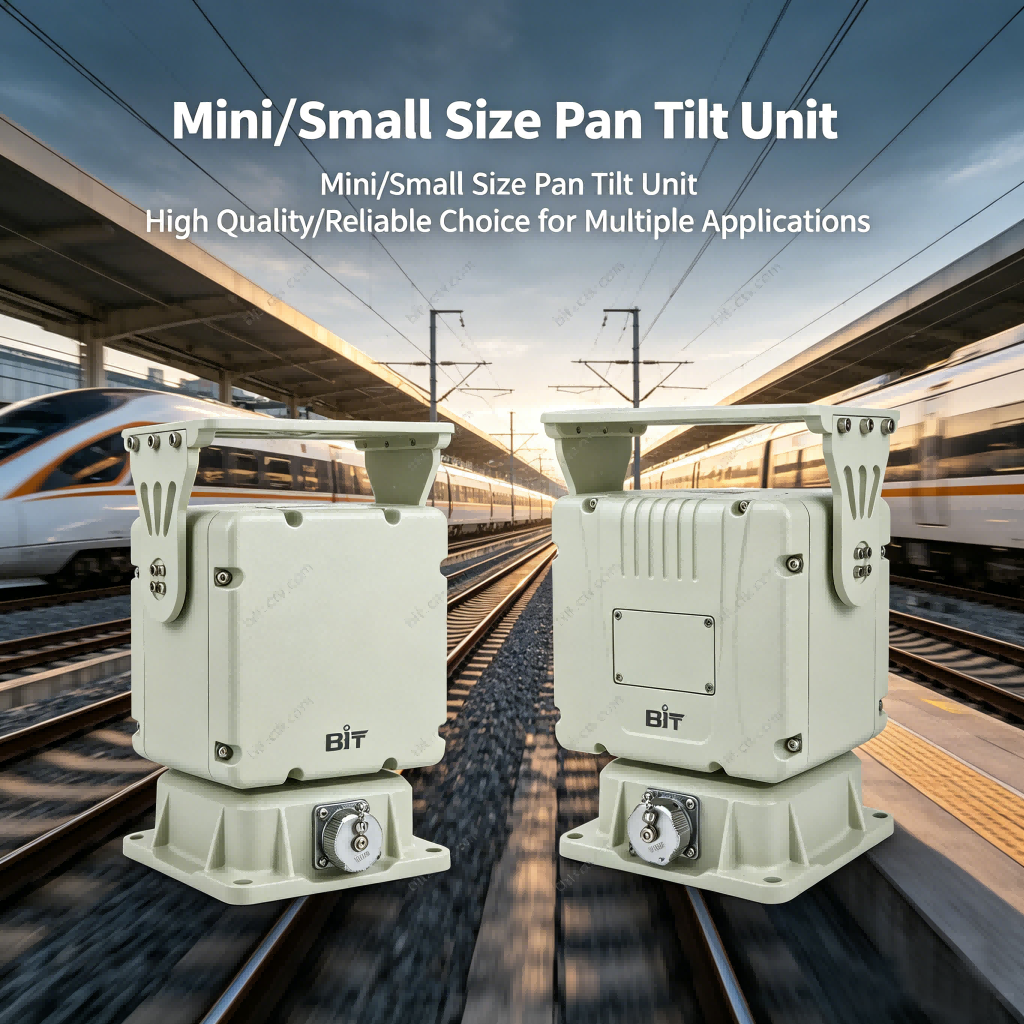
A detailed comparison of our light-duty compact models, highlighting their low weight, power efficiency, and mounting versatility for mobile setups.
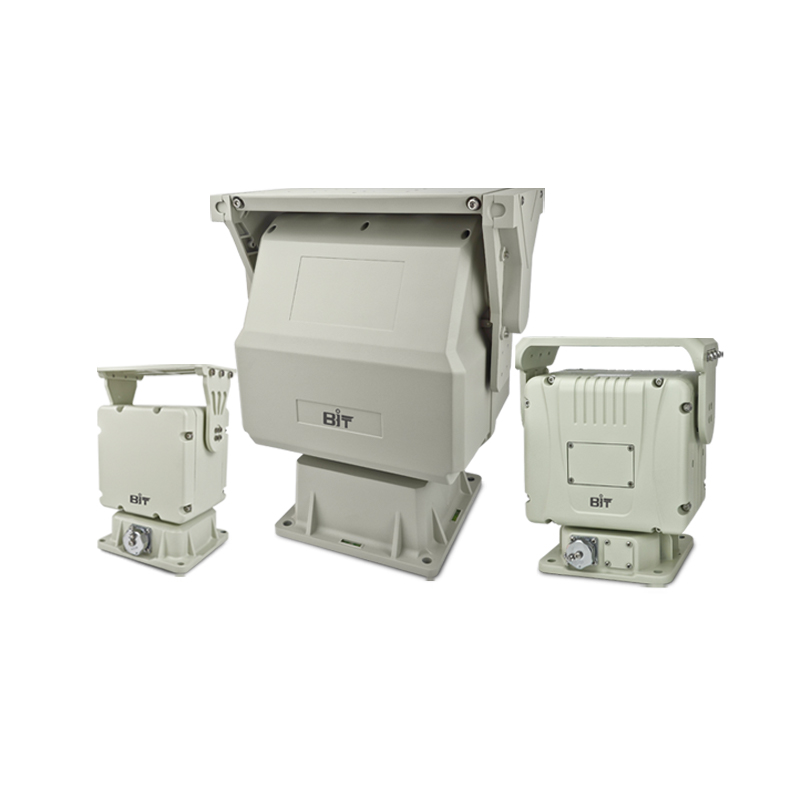
An overview of how positioning systems are categorized by payload limits, environmental exposure ratings, communication interfaces, and mechanical gear arrangements.
Get answers to common technical queries about antenna rotators and positioners.
Stepper motors with worm-gear drive systems are ideal for holding heavy static payloads under high wind speeds without power consumption, thanks to the self-locking property of worm gears. Brushless DC (BLDC) direct-drive motors offer faster rotation speeds and eliminate gear backlash, making them perfect for tracking moving targets like low-Earth orbit (LEO) satellites, though they require active closed-loop feedback systems to maintain position.
Wind load acts as a lateral force that creates bending moment and rotational torque on the gear shaft. When choosing a positioner, you must calculate the total surface area of the antenna or sensors and match it against the manufacturer's maximum wind load limits. Selecting a unit based on weight alone can lead to gear slippage or structural damage in high-wind conditions.
For marine and coastal installations, a minimum rating of IP66 is recommended, though IP67 is preferred to protect against high-pressure salt spray and heavy rain. The housing should also be made from corrosion-resistant materials, such as marine-grade aluminum alloy or 316 stainless steel, and protected with polyurethane coatings.
Yes. Our positioning systems natively support standard industrial and security protocols, including Pelco-D, Pelco-P, and RS485/RS422 serial interfaces. This ensures plug-and-play integration with most existing control consoles and software systems.
Yes. As an OEM manufacturer, we design and produce custom mounting brackets, slip rings for continuous 360-degree rotation, and internal wiring layouts to accommodate unique camera housings, thermal imagers, or radar panels.
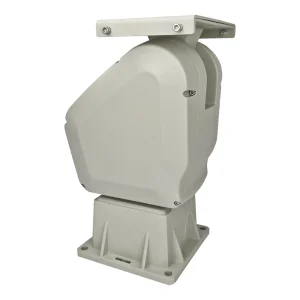
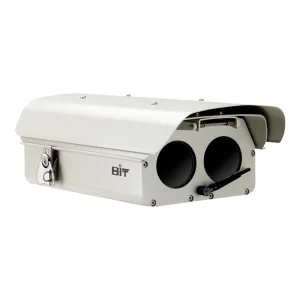
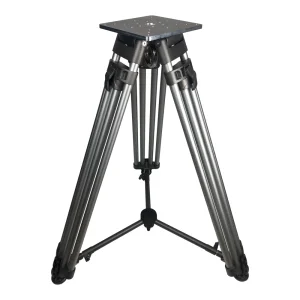
Heavy duty rotators, robust mounting systems, and protective camera housings.