 BIT-CCTV
BIT-CCTV
BIT-CCTV
Select industrial-grade pan-tilt positioners, camera housings, mountings, and telemetry integration components manufactured under strict quality compliance protocols.
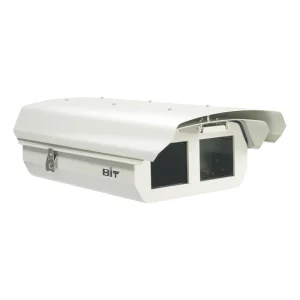
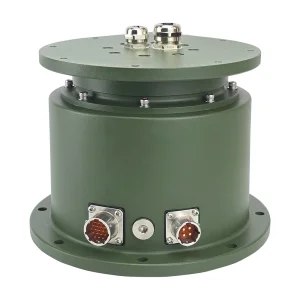
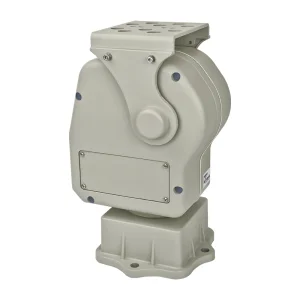
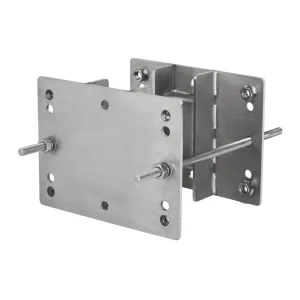
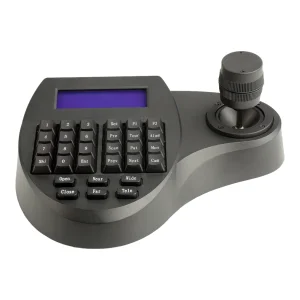
In modern high-security paradigms, the interface between the security operator and the physical surveillance hardware is paramount. A high-performance CCTV Joystick Controller acts as the central command node, translating human physical intent into precise mechanical pan-tilt-zoom (PTZ) telemetry commands in milliseconds.
For systems integrators, infrastructure managers, and government buyers, procuring these units goes beyond looking at standard pricing. It requires a profound analysis of OEM/ODM capabilities, telemetry integration capacity (RS485/RS422 serial links vs. IP Ethernet network topologies), and physical joystick mechanics—specifically contrasting traditional potentiometer setups with industrial-grade Hall-Effect 3D/4D coordinate tracking.
When selecting OEM controllers, engineers must decide between Serial (RS485/RS422) and IP (Ethernet) protocols:
| Metric | Serial (RS485/RS422) | IP Controller (ONVIF) |
|---|---|---|
| Latency | Ultra-low (<5ms) | Variable (10-100ms) |
| Max Distance | 1200 meters (no repeater) | Unlimited (via WAN/Fiber) |
| Cable Type | Shielded Twisted Pair | Cat5e/Cat6 Ethernet |
| Protocols | Pelco-D, Pelco-P, VISCA | ONVIF, HTTP, RTSP |
How procurement teams evaluate security hardware vendors on safety compliance, life-cycle reliability, and configuration cost efficiency.
Global enterprises rarely rely on standardized out-of-the-box hardware. Procurement agents prioritize suppliers capable of delivering custom button layouts, personalized branding, bespoke SDKs, and custom-mapped serial communication protocols for custom legacy systems.
Seamless integration with major Video Management Software (VMS) platforms (e.g., Milestone, Genetec, Avigilon) via ONVIF Profile S/G/T profiles ensures that a joystick can control multi-vendor setups without additional driver software.
Control rooms in marine ports, petrochemical refineries, and aerospace hubs require high durability. High ingress protection ratings (IP65 to IP67), operating temperatures from -20°C to +60°C, and electromagnetic compatibility (EMC) are critical specifications.
Aligning advanced control system dynamics with specific high-intensity operating environments.
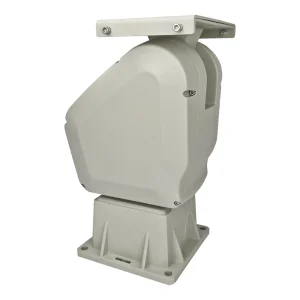
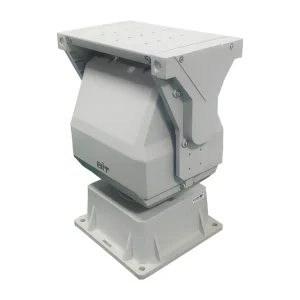
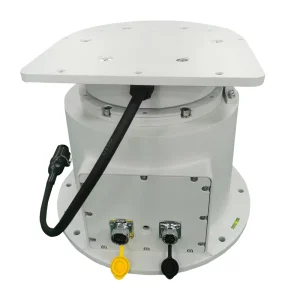
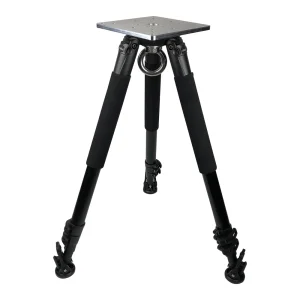
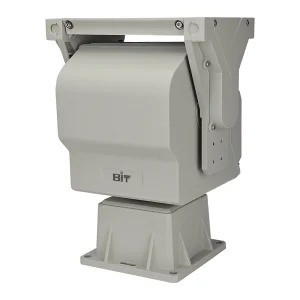
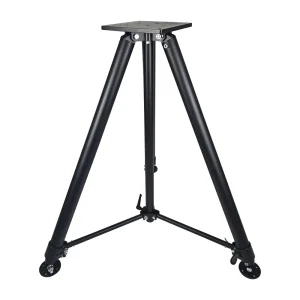
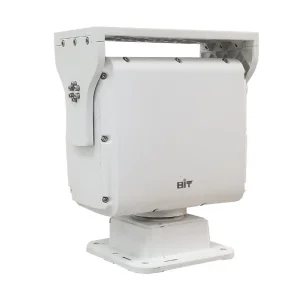
Standard security keyboards are designed for indoor PTZ dome cameras. However, critical applications in border protection, forest fire monitoring, and maritime navigation require controlling heavy-duty pan-tilt units ranging from 15kg to 65kg load capacities (such as the BIT-PT865 or heavy outdoor direct-drive positioners).
Our technical development focus concentrates on:
An analysis of cost structures for procurement teams establishing quarterly budgets.
Procurement teams must balance initial capital expenditure (CAPEX) with long-term operational expenditures (OPEX). A low-cost controller that breaks down under continuous use in 24/7 control rooms leads to system downtime and increased maintenance costs. The matrix below outlines how technical specifications affect unit prices:
| Controller Grade | Key Specifications | OEM Unit Price (Indicative Range) | Ideal Application Scenario |
|---|---|---|---|
| Entry-Level / 2D Potentiometer | 2-Axis Joystick, RS485 communication, Pelco-D/P protocols, simple segment LED display. | $120 - $250 USD | Small-scale commercial buildings, retail properties, static matrix control setups. |
| Mid-Range / 3D Hall-Effect IP | 3-Axis proportional joystick, IP Ethernet/ONVIF connectivity, back-lit LCD, direct PTZ address access. | $350 - $650 USD | Medium corporate campus environments, logistics hubs, remote VMS camera control stations. |
| Enterprise / 4D Rugged Industrial | 4-Axis joystick (Pan/Tilt/Zoom/Focus), RS485/RS422/IP outputs, dynamic speed scaling, customizable LCD, metal frame. | $800 - $1,500+ USD | Military bases, maritime vessels, critical oil and gas infrastructures, highway traffic command hubs. |
| Fully Custom OEM Solutions | Bespoke layout, custom housing color, custom SDK integration, proprietary communication protocol options. | Contact engineering for custom quote | National-scale infrastructure networks, aviation centers, defense-grade projects. |
*Note: Volume discounts apply. Price structures vary based on component materials, ingress ratings, custom certifications (such as UL/FCC/CE/Class 1 Div 2), and localization support options.*
How our manufacturing processes align with international quality standards and supply chain protection.
Operating from our 10,000 m² facility in Tianjin, Blue Icon (Tianjin) Technology Co. Ltd. (formerly BIT-CCTV) implements strict quality management systems (certified to ISO9001 and CE/FCC/RoHS standards). As China's pioneer in pan-tilt development, we allocate 10% of annual revenue to research and development, securing 50+ patents.
Our commitment to localized compliance and secure logistics includes:
Expert technical insights regarding integration, protocol configuration, and hardware selection.
A 3D joystick controls X and Y coordinates (pan and tilt) along with a rotational Z-axis twist on the joystick knob (optical zoom). A 4D configuration adds a separate control wheel or dynamic toggle dedicated entirely to focal tracking (Focus +/- or Iris manual control), which is critical for high-zoom lenses where depth of field is shallow and automated autofocus requires manual correction.
You must align three critical settings: the Device Address (typically 1 to 255), the Baud Rate (standard settings include 2400, 4800, 9600, or 19200 bps), and the Communication Protocol (Pelco-D or Pelco-P). If any of these values mismatch between the joystick keyboard and the pan-tilt receiver, telemetry signals will fail to execute.
IP transmission delays are minimized by routing telemetry over UDP instead of TCP, enabling Quality of Service (QoS) priorities on control switches to prioritize control packets (DSCP EF standard), and ensuring the VMS/controller handles PTZ commands directly rather than processing through multiple software abstraction layers.
For basic software firmware modifications (custom protocol uploads or logo displays), standard delivery ranges from 2 to 4 weeks. For custom physical hardware changes (custom control panels, metal housings, specialized button arrangements), the complete engineering cycle (including prototyping, validation, and production) takes approximately 8 to 12 weeks depending on complexity.
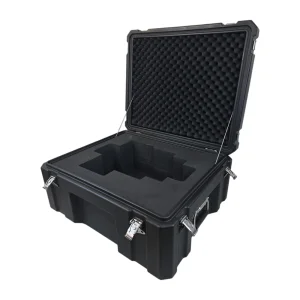
Explore additional specialized components, rotomolded protective solutions, and direct-drive positioners matching your control interfaces.