 BIT-CCTV
BIT-CCTV
BIT-CCTV
Explore our foundational range of heavy-duty tripods, rugged pan-tilt positioners, and precision control systems designed for extreme operations.
Group Established
China Pan Tilt Maker
Annual R&D Investment
Countries Served
Manufacturing Hub
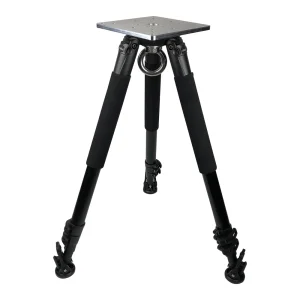
In modern optronic tracking, surveillance, and remote sensing, the mechanical interface between the Earth and your sensor assembly dictates your target resolution. High-performance long-range optical cameras, thermal imagers, radar systems, and laser rangefinders demand an ultra-stable foundation. An OEM Tripod for Pan Tilt Units (PTU) is not simply a static support frame; it is a critical stabilization node engineered to damp high-frequency vibration, withstand destructive wind loading, and maintain absolute geometric pointing accuracy.
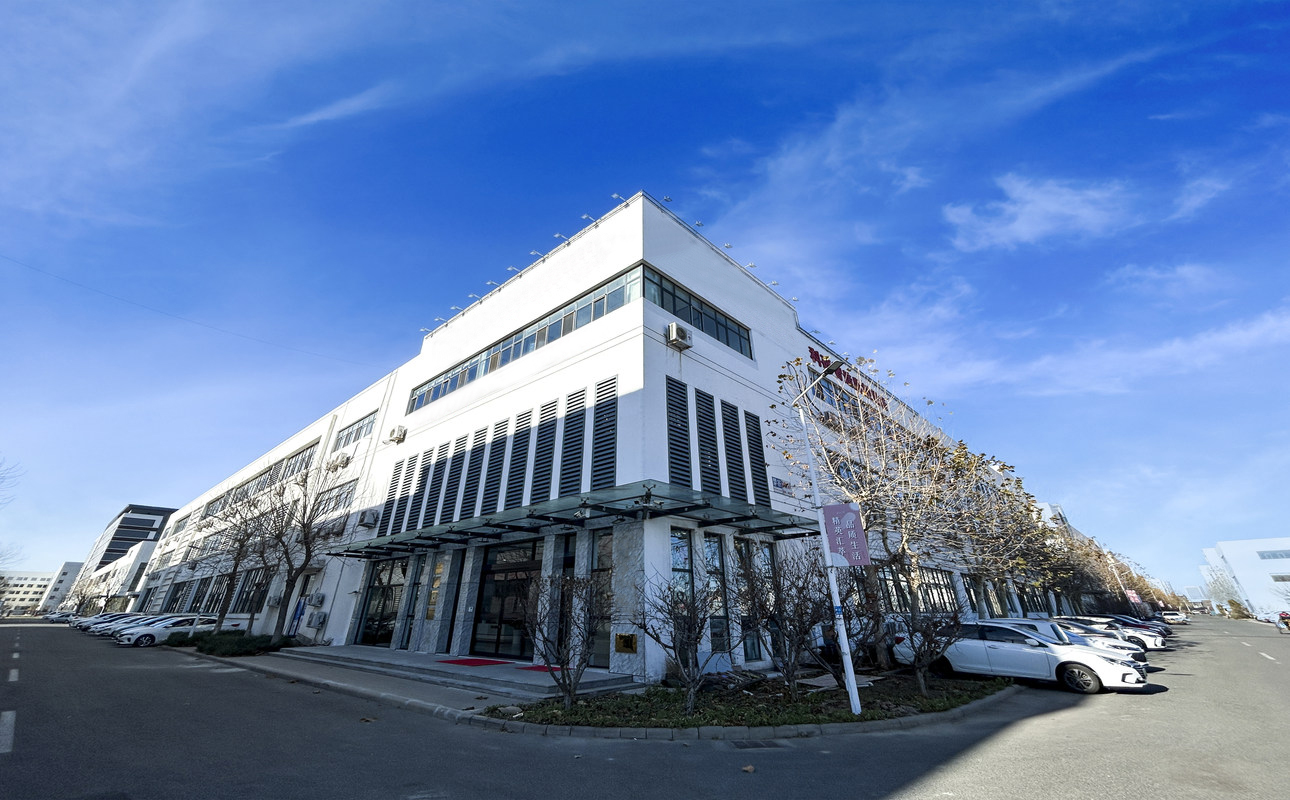
Blue Icon (Tianjin) Technology Co. Ltd. (operating under the global brand BIT-CCTV) has engineered field-proven structural solutions since 2005. By combining military-grade metallurgical integrity with precise payload alignment, our OEM tripods provide zero-flex performance under dynamic shifts of 3kg to 150kg payloads. Operating over a 10,000 square meter factory layout, we align state-of-the-art structural modeling with ISO-certified factory execution.
"If your support tripod deflects by even 0.05 degrees under a 40 knot wind load, your long-range thermal camera tracking a target 10 kilometers away will misalign by nearly 9 meters. Structural rigidity equals operational survival."
Analyzing structural dynamics, payload capacities, and spatial configurations of heavy-duty support masts.
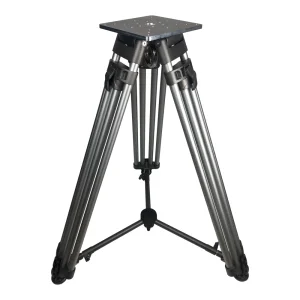
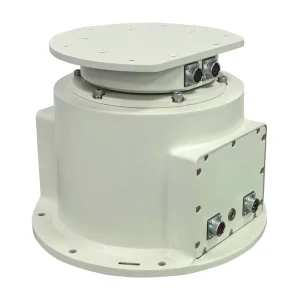
Engineered for agile deployability, mobile monitoring setups, and tactical operations. These tripods rely on anodized aircraft-grade aluminum alloy or high-modulus carbon fiber. They feature quick-locking lever clamps, integrating perfectly with portable pan tilt rotators such as the 3.5kg mini PTU (BIT-PT503) or the 10kg high-speed tracking system (BIT-PT410).
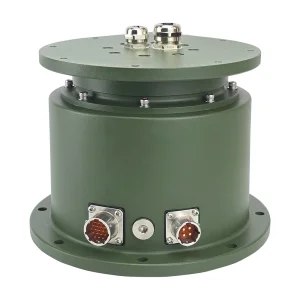
Designed for permanent outdoor stations, coastal monitoring, and perimeter radar setups. Typically fabricated using structural steel alloys or reinforced aluminum extrusions. These support masts feature mechanical screw-spindles for micro-leveling, ensuring a zero-play interface for mid-sized units like the BIT-PT510 or 30kg load capacity positioners.
The peak of mechanical structural engineering, stabilizing massive optoelectronic suites, dual-vision long-range thermal cameras, and heavy radar instrumentation. These platforms incorporate dual-channel cross-bracing, solid steel construction, and hot-dip galvanized weather protection to damp high-frequency vibration and survive category-12 storms.
For custom engineering projects, reference the primary operating thresholds below to cross-evaluate mechanical stress levels against payload parameters:
| Tripod Model Class | Optimal Load Rating | Material Engineering | Environmental Rating | Primary PTU Match |
|---|---|---|---|---|
| BIT-TR-Light | 15 kg / 33 lb | T6061 Anodized Aluminum | IP66 Waterproof | BIT-PT503 / BIT-PT410 |
| BIT-TR-Medium | 50 kg / 110 lb | High-Tensile Tubular Alloy | IP67 / Salt-Fog Resistant | BIT-PT510 / 30kg Positioner |
| BIT-TR-Heavy | 110 kg / 240 lb | Structural Steel / Q355B | NEMA 4X / C5-M Marine | BIT-PT850 / BIT-PT865 (65kg) |
| BIT-TR-Super | 150 kg+ / 330 lb+ | Reinforced Galvanized Steel | Extreme Wind Rated (>65m/s) | Direct Drive 80kg / Multi-Sensor Rig |
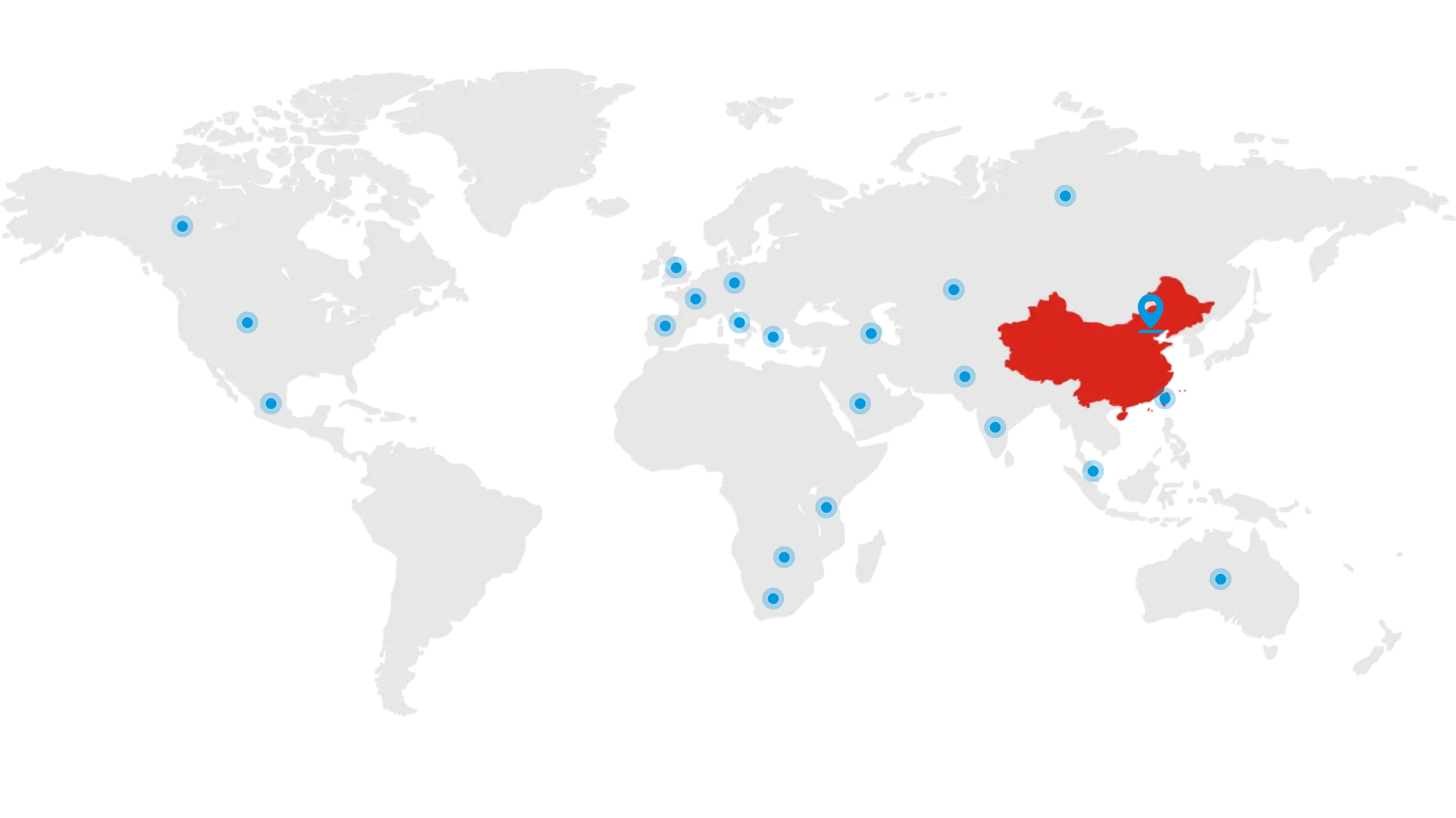
Our OEM tripods and pan-tilt mechanisms are integrated worldwide into demanding physical surveillance architectures:
 Coastal & Border Defense: Salt spray, high humidity, and persistent heavy winds require marine-grade C5-M coatings on stainless steel brackets and tripods.
Forest Fire Prevention Masts: Installed on mountain peaks, matching high-load tripods with heavy-duty pan tilts like the BIT-PT850 to scan vast forest ranges.
Critical Infrastructure Security: Supporting thermal tracking systems at nuclear power stations, oil depots, and airports.
Mobile Defense & Telemetry: Vehicle-mounted telescopic masts and quick-deploy carbon fiber tripods for field tracking systems.
Coastal & Border Defense: Salt spray, high humidity, and persistent heavy winds require marine-grade C5-M coatings on stainless steel brackets and tripods.
Forest Fire Prevention Masts: Installed on mountain peaks, matching high-load tripods with heavy-duty pan tilts like the BIT-PT850 to scan vast forest ranges.
Critical Infrastructure Security: Supporting thermal tracking systems at nuclear power stations, oil depots, and airports.
Mobile Defense & Telemetry: Vehicle-mounted telescopic masts and quick-deploy carbon fiber tripods for field tracking systems.
The transition from analog surveillance rigs to intelligent optronic tracking systems demands structural support that adapts to modern automation. BIT-CCTV's R&D focus guides our technical roadmap:
1. Vibration Isolation & Active Control Dampening: Future OEM tripods will feature carbon-nanotube composite layups and integrated piezoelectric sensor pads. These smart structures detect high-frequency vibration caused by wind gusts and generate localized out-of-phase dampening forces to stabilize thermal imaging feeds.
2. Direct-Drive, Encoder-Locked Stability: As pan-tilt systems transition toward high-speed direct-drive brushless motors (such as our 80kg capacity Direct Drive Rotator), support tripods must handle greater rotational torque. Our next-generation mounting rings incorporate optical encoders that lock directly into the PTU controller for real-time deflection compensation.
3. Advanced Composite Modular Assemblies: We are minimizing target deployment times for military and scientific field missions. Using high-modulus, multi-axial carbon fiber matrix composites, we intend to reduce our tripod dead-weight by 35% while maintaining structural load capacities exceeding 100 kilograms.
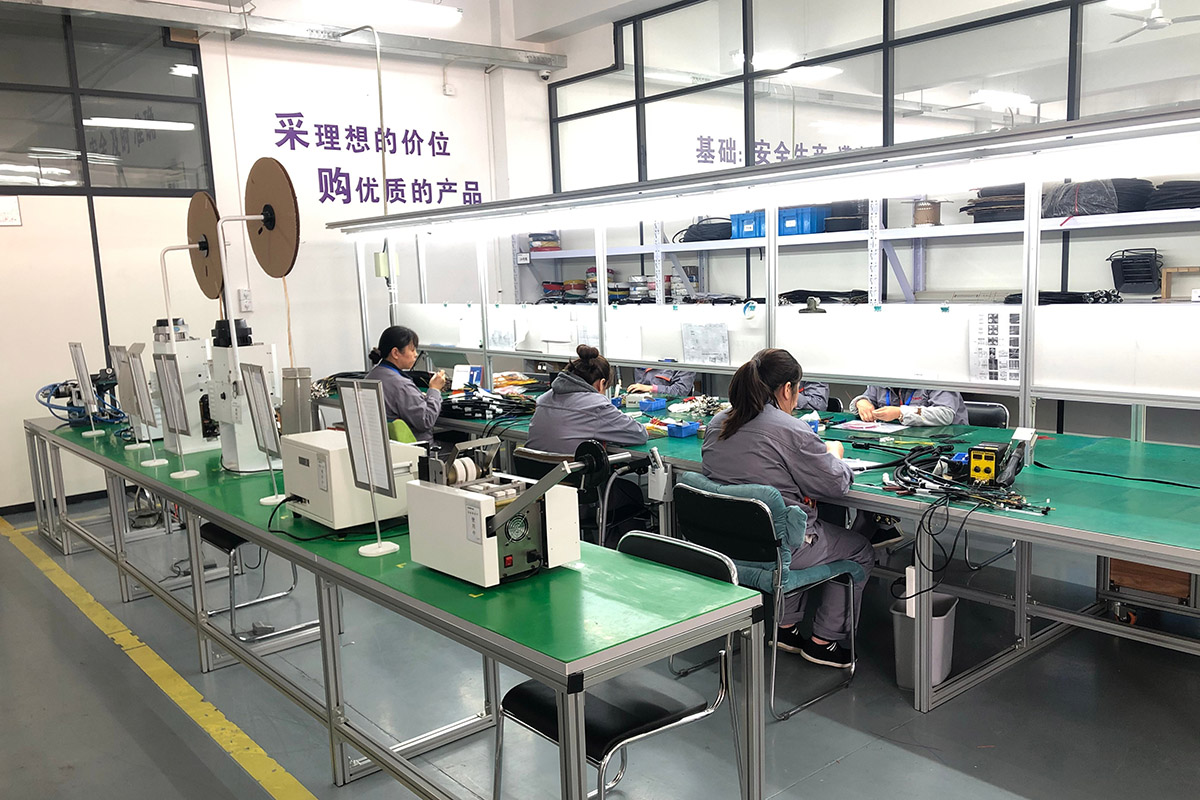
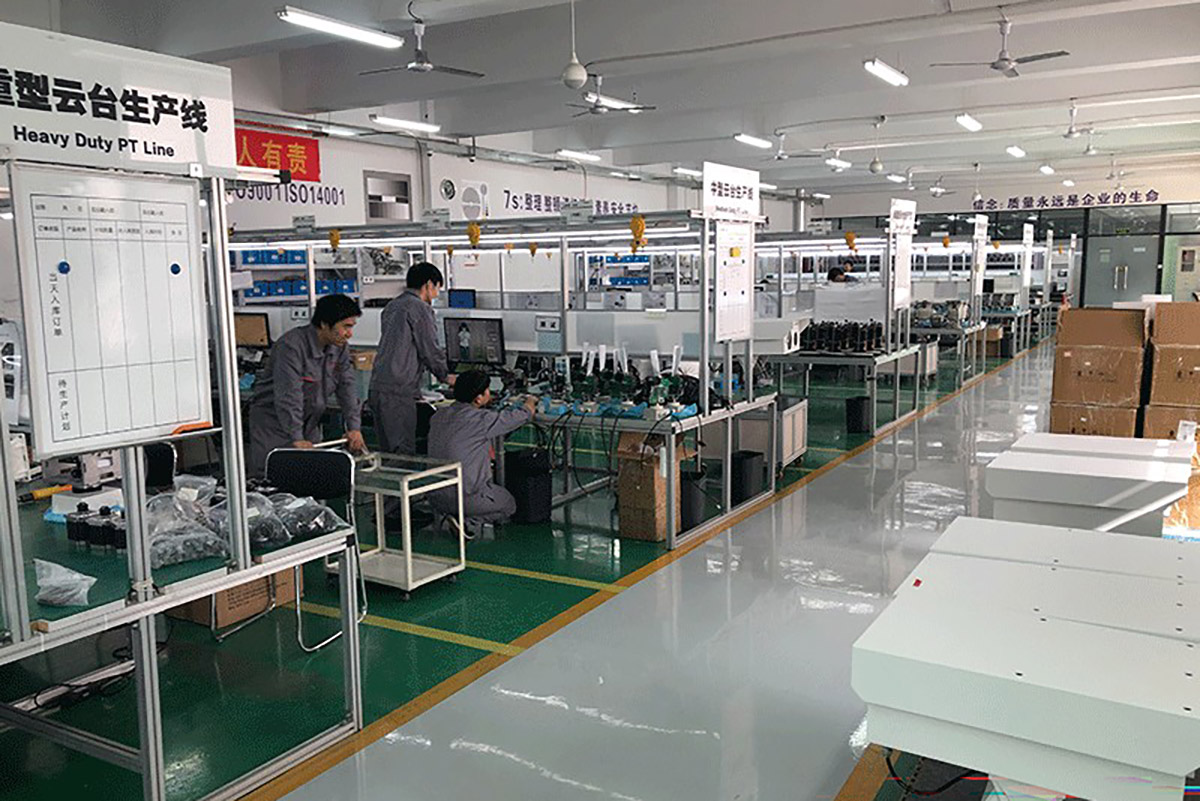
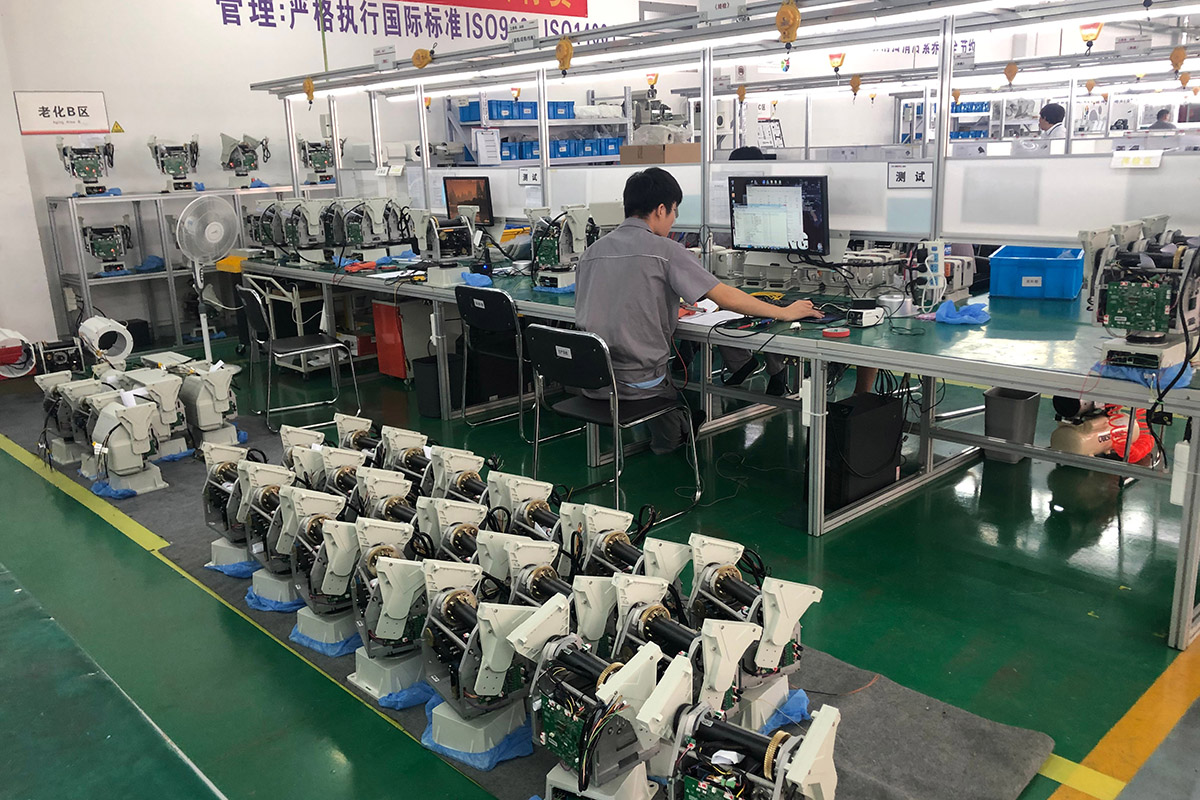
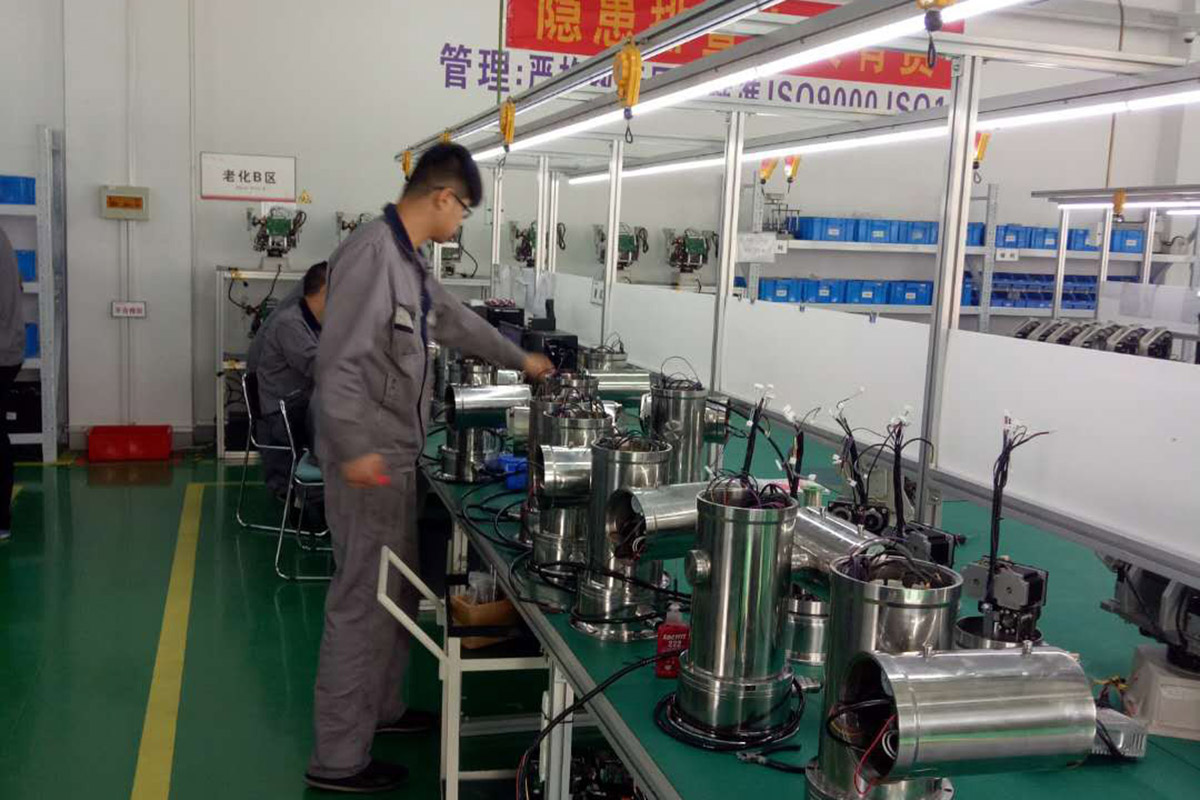
Located in the industrial hub of Tianjin, China, BIT-CCTV leverages a fully integrated manufacturing ecosystem. From raw steel extrusion to high-precision CNC machining of worm gears and mounting plates, every step occurs in-house to protect quality and control costs.
This vertical integration ensures supply chain resilience. During global component shortages, our local sourcing of raw alloys, structural hardware, and marine-grade protective coatings ensures stable lead times. Our automated welding and high-precision CNC processes guarantee that every tripod leg assembly matches tight structural tolerances. This reduces production waste and allows us to offer competitive pricing on customized OEM configurations.
Securing global tenders demands compliance with international engineering and environmental regulations. BIT-CCTV products undergo strict testing to ensure reliable deployment anywhere in the world:
Environmental Resistance (IP & NEMA): Our outdoor tripods, camera housings, and pan-tilt units are tested in certified laboratories to meet IP66, IP67, and NEMA 4X standards, guaranteeing resistance to dust, rain, and corrosive atmospheres.
Structural Verification (Wind Load & Vibration): Every structural tripod design undergoes Finite Element Analysis (FEA) to verify survival limits up to 60 m/s wind speeds, and meets military standards (MIL-STD-810G) for vibration resistance.
Electrical & Materials Safety: All integrated electronic components—such as our RS485/RS422 controllers and motorized telescopic poles—carry CE, FCC, RoHS, and WEEE certifications to simplify customs clearance and ensure local installation compliance.
Understanding cost structures, customization fees, and logistics planning for international OEMs.
Aluminum alloy configurations provide a lightweight, cost-effective option for mobile setups. Extreme marine environments require high-tensile structural steel (Q355B or 316 Stainless Steel) with hot-dip galvanization and polyurethane finishes, which increases the baseline hardware cost by 25% to 40%.
Standard tripods support simple security cameras. However, high-resolution long-range thermal cameras require precise leveling adjustments, high-grade lock clamps, and anti-backlash mount plates. These features require higher machining accuracy, which influences the final pricing structure.
Custom mounting interfaces, specialized height configurations, and custom RAL paint finishes require dedicated tooling runs. Standard production runs offer significant cost efficiencies, with volume discounts starting at orders of 10 or more units.
Procurement Guidance: Contact our engineering desk to request our standard pricing lists. Standard aluminum tripods range from $150 to $450 USD. High-capacity, galvanized steel structural masts (100kg+ capacity) range from $900 to $2,800 USD, depending on order volume and custom engineering specs.
Clear, technical answers to common queries from procurement managers and design engineers.
We prevent dynamic twisting by using dual-leg cross-bracing and a locking mid-level spreader on our medium and heavy-duty tripods. The top mounting head is milled from a single block of T6 aluminum to minimize torsional play when high-torque systems (like direct-drive units) start and stop.
Yes. We regularly supply custom adapter plates to fit standard military, industrial, and broadcast pan-tilt heads. Simply provide your mounting pattern drawings, and our CNC shop can fabricate matching adapters.
For high-salinity marine environments, we use hot-dip galvanizing, passivated 316 stainless steel hardware, and a C5-M marine-grade powder coating. This prevents galvanic corrosion and ensures long-term reliability.
Standard designs ship in 15 to 20 business days. Custom engineering projects requiring finite element analysis, custom machining, and specialized surface treatments typically require 30 to 45 days from approved drawings to shipment.
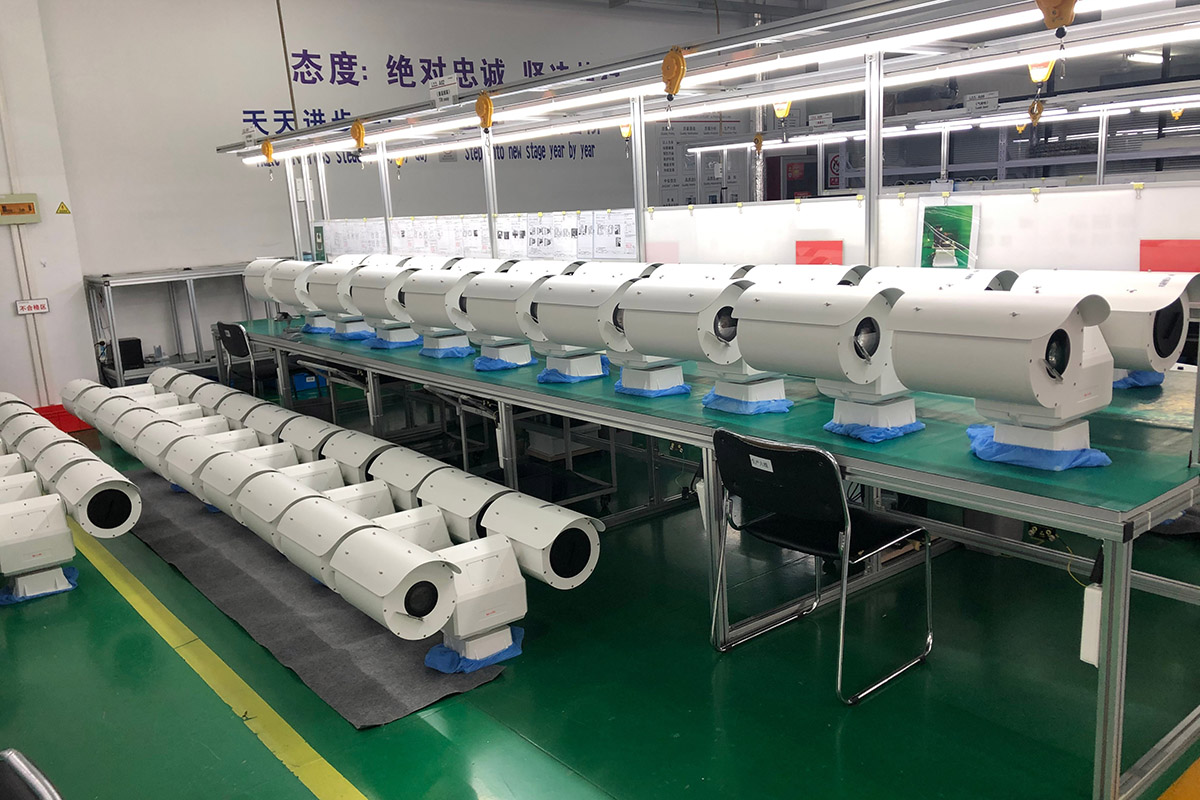
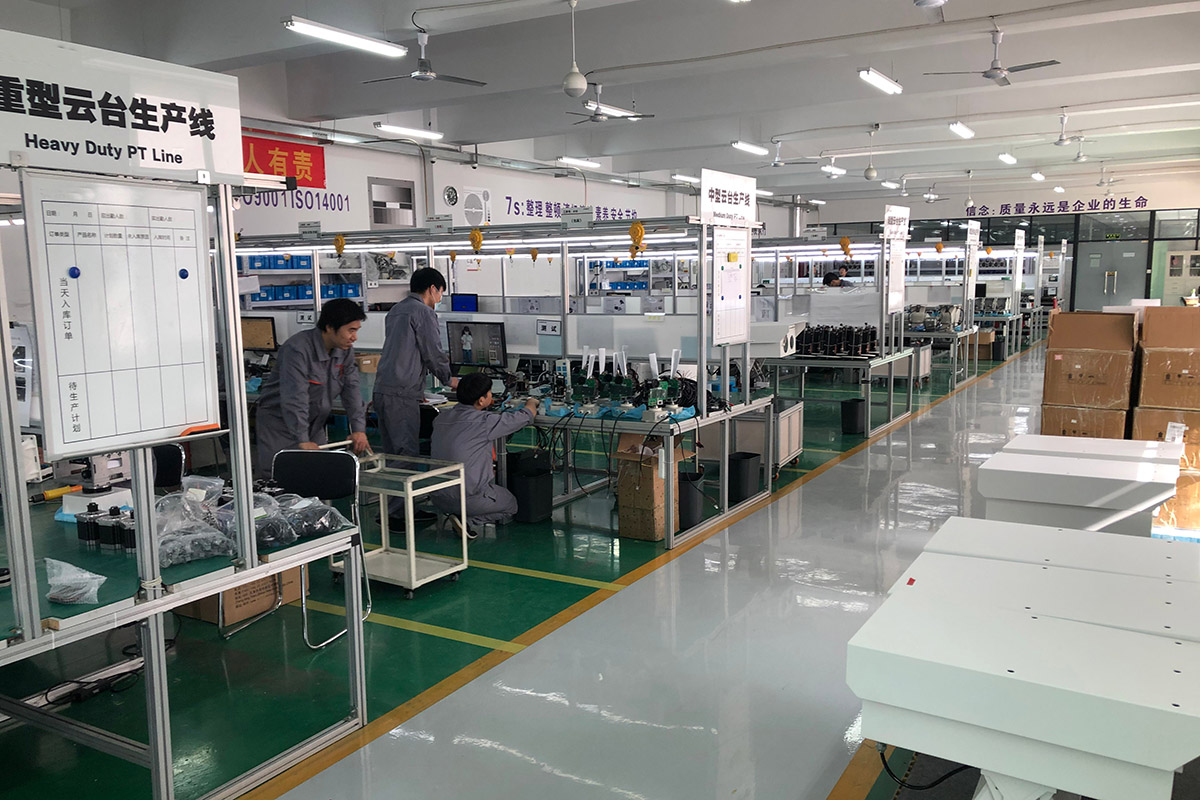
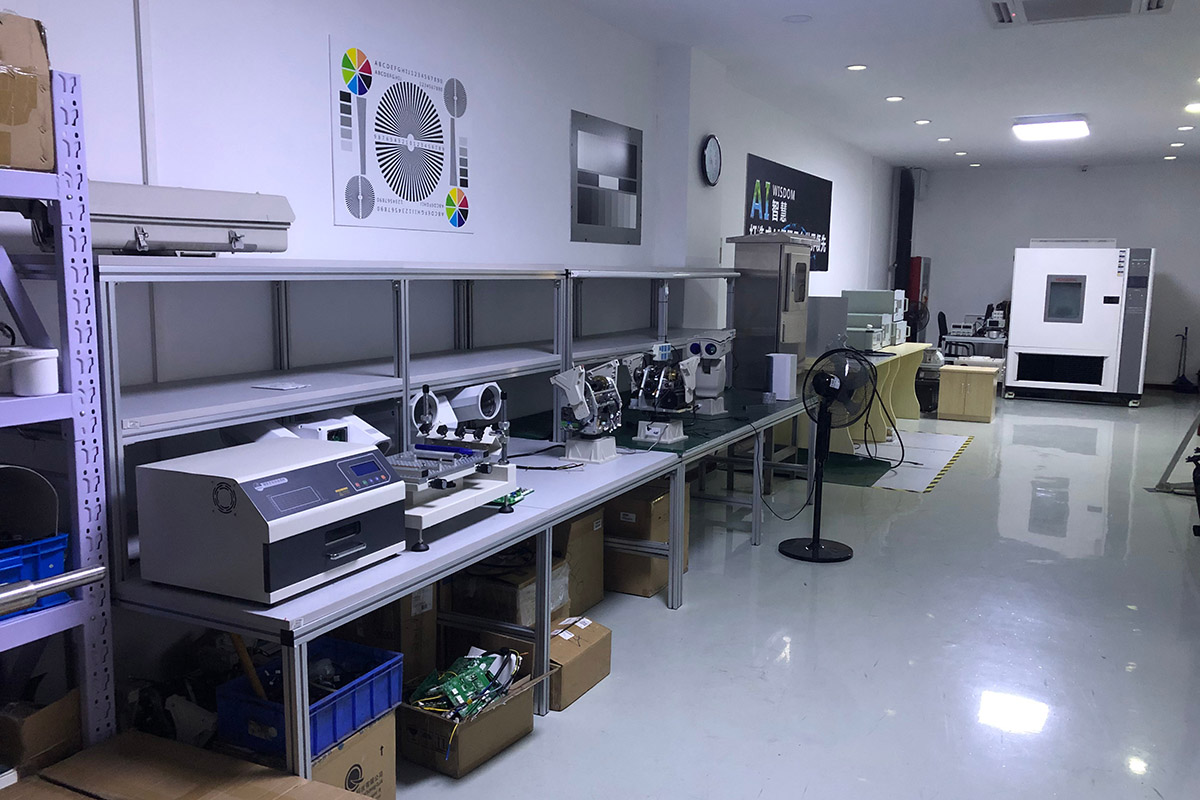
Inside our Tianjin manufacturing facility: high-frequency welding, structural testing, and assembly inspection.
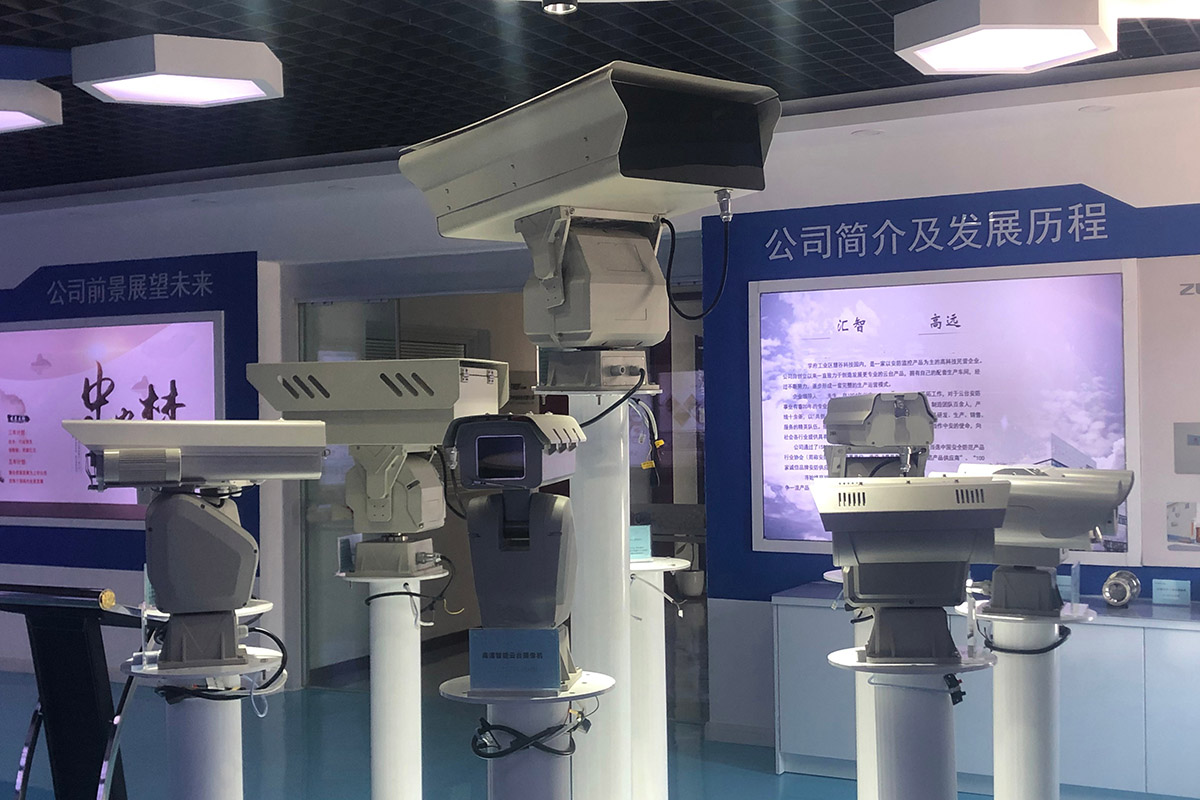
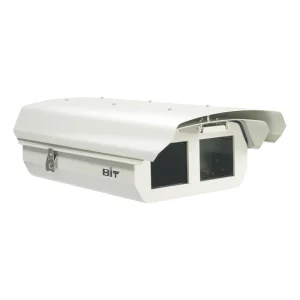
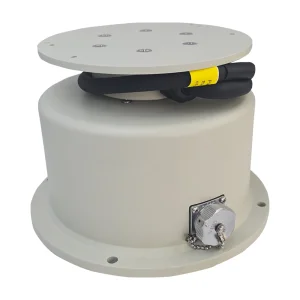
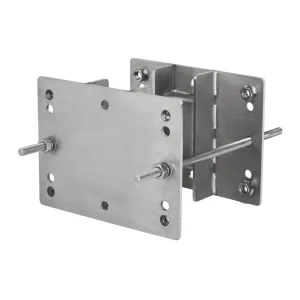
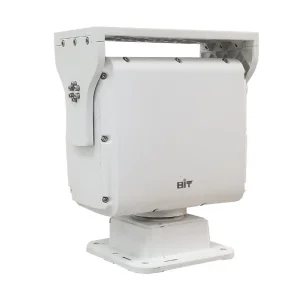
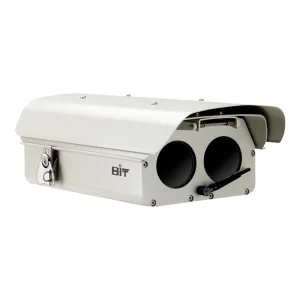
Complete your deployment with certified protective camera housings, mounting brackets, and motorized positioners.