 BIT-CCTV
BIT-CCTV
BIT-CCTV
Highly precise, marine-treated positioning units designed to perform in New Zealand's challenging coastal environments.
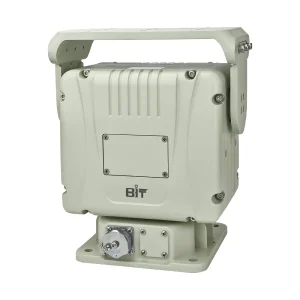
Worm gear drive configured for precise target acquisition. Optimised for New Zealand coastal security stations and light payload remote sensors.
View Specifications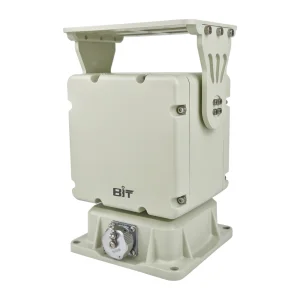
A compact, anodised aluminium positioner ideal for volcanic gas detection instruments and alpine remote telemetry installations.
View Specifications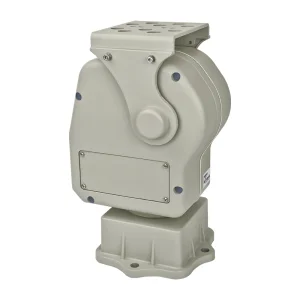
Delivers exceptional load-to-weight performance. Built with sealing parameters compliant with local environmental standards for agricultural tracking.
View Specifications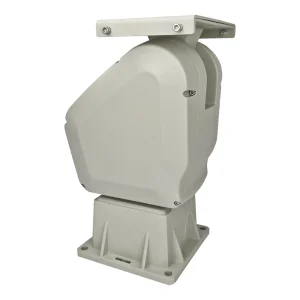
Equipped with high-speed brushless motors capable of 100°/s operations, engineered for tracking fast-moving marine vessels.
View SpecificationsNew Zealand's industrial landscape demands heavy-duty instrumentation capable of surviving aggressive maritime climates (ISO 9223 C5 Corrosion Class), seismic movements, and active geothermal zones. From the Marlborough Sounds aquaculture networks to thermal monitoring in Rotorua and alpine boundary management in the Southern Alps, precision instrumentation requires robust outdoor protection.
Traditional positioning mounts frequently fail in these areas due to salt-spray penetration, sulfur gas degradation, and wind loads exceeding 140 km/h (typical of the Wellington region). As a specialist manufacturer, our R&D team addresses these operational challenges directly by integrating marine-grade C5-M coatings, hermetic IP67/IP68 nitrogen-purged enclosures, and high-torque worm gears with zero-backlash systems.
Our pan tilt units provide New Zealand security integrators, marine researchers, and environmental agencies with the high structural stability required to keep payloads targeted in remote field installations.
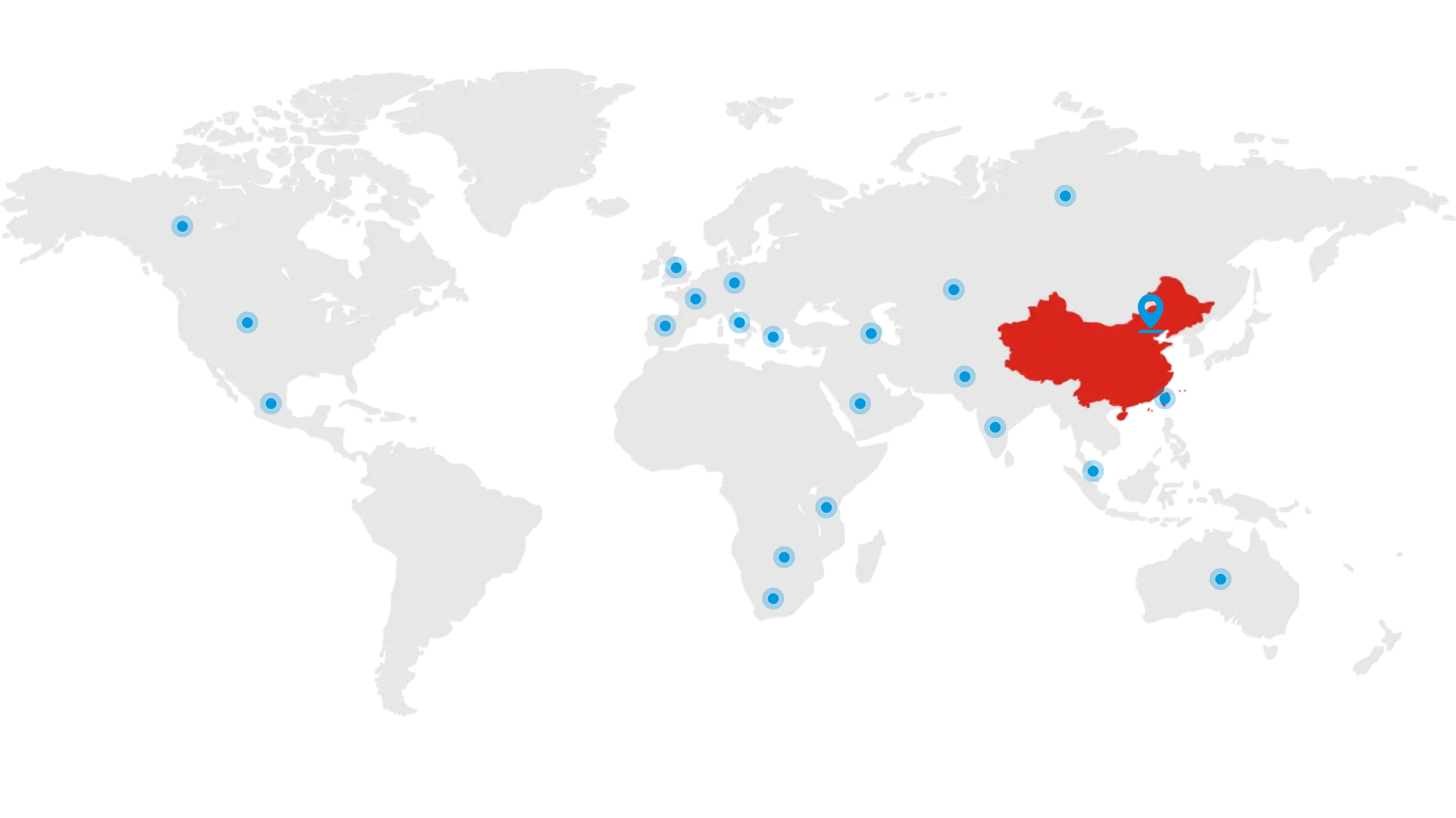
How our engineering standards align with modern global tracking, defense payload management, and optical telemetry.
We implement high-precision worm gear transmission architectures alongside self-locking mechanics. This maintains optical target positions without power draw, preventing slip during high-wind gusts in exposed maritime areas.
To support continuous 360-degree rotation, our units feature gold-on-gold slip ring contacts. These contacts allow raw HD-SDI, Gigabit Ethernet, and power signals to pass through without cable strain or data loss.
From 3.5kg up to 120kg, our engineering focuses on torque-to-payload weight ratios. Internal microstepping controllers dynamic adjust drive currents to match torque requirements, preventing mechanical wear.
Targeted solutions developed for specific applications across the North and South Islands.
Deployments in regions like White Island (Whakaari) or the Taupo Volcanic Zone require instrumentation that can withstand acidic vapors and sulfur gas. Our custom units feature hard-anodised enclosures, stainless steel components, and pressurized housings to protect sensitive thermal cameras from environmental corrosion.
New Zealand's exclusive economic zone requires reliable offshore observation systems. Our pan tilt units are treated with offshore C5-M poly-coating and double lip seals to prevent sea-water intrusion, enabling continuous tracking of coastal waters and offshore fish farms.
Engineered for extreme sub-zero operation, our units are equipped with internal thermostatically controlled heating elements, low-temperature lubricants, and specialized seals. This allows them to operate reliably in temperatures down to -40°C, making them suitable for New Zealand's research initiatives in the Ross Dependency.
Used to automate regional agricultural monitoring, these positioners support multispectral sensors to scan large-scale pastoral operations, track stock movement, and manage crop health across Canterbury and Waikato farms.
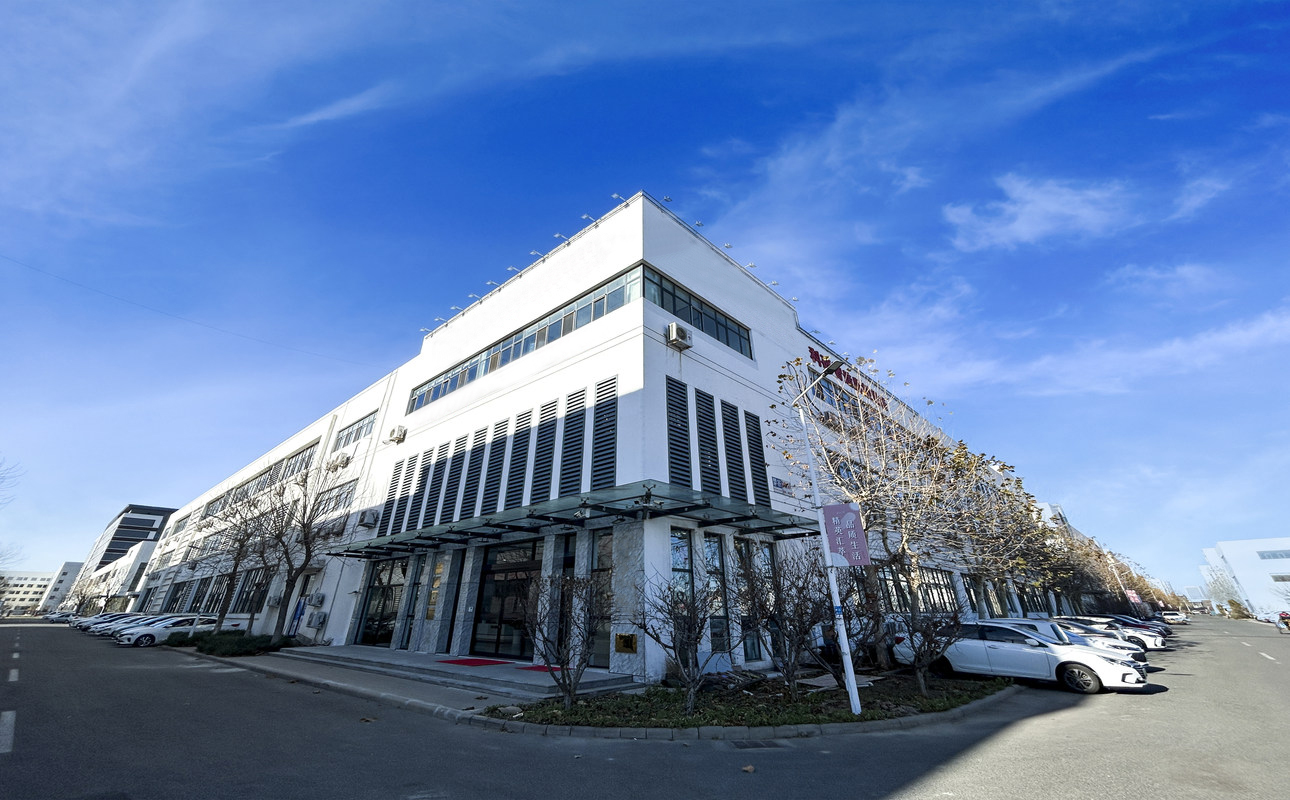
Deploying electro-mechanical positioning hardware in New Zealand requires compliance with local safety and EMC standards. Our manufacturing lines meet the Regulatory Compliance Mark (RCM) criteria, ensuring full alignment with AS/NZS CISPR standards for electromagnetic emissions.
Our systems support standard industrial communication interfaces, including RS-485 and RS-422, using Pelco-D, Pelco-P, and ONVIF Profile S/G/T protocols. This enables direct integration into existing SCADA networks, PLC systems, and IP security setups. Low-voltage power designs (24VDC/24VAC) also allow for safe integration with off-grid solar systems in remote regions.
 AS/NZS Compliant Low-Voltage Configurations RCM & CE Certified Electro-Magnetic Shielding IP66 & IP67 Enclosures Ingress Certified C5 Marine-Grade Anti-Corrosion Protection
A comprehensive range of high-torque, weatherproof positioners designed for multi-sensor configurations.
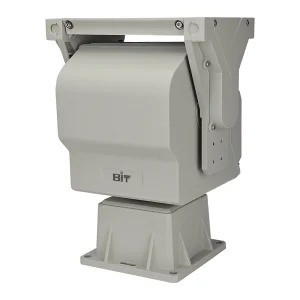
A versatile dual-payload mount suited for combined optical and thermal camera installations on coastal surveillance towers.
View Specifications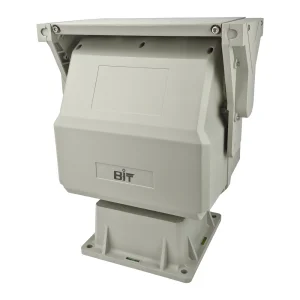
Heavy-duty worm gear positioning system engineered to carry heavy sensors, long-range optics, and defense equipment.
View Specifications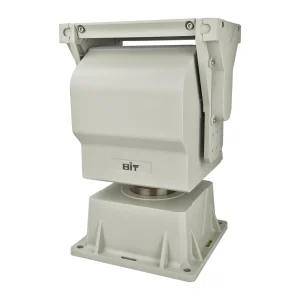
Designed for shipboard and coastal installations. Built with C5-M marine-grade protection and high-torque stabilization.
View Specifications
A high-payload positioning unit engineered for radar systems, searchlights, and long-range border tracking applications.
View Specifications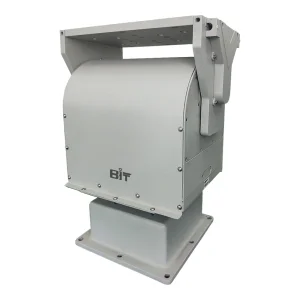
Our highest capacity unit, engineered for long-range observation and critical defense payloads in extreme wind zones.
View Specifications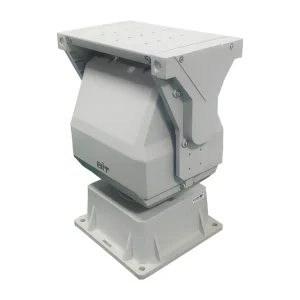
A fast-slewing positioning unit built for dynamic tracking, featuring dustproof and IP66 waterproof seals.
View Specifications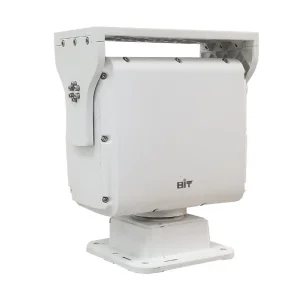
A robust positioner designed for border patrol and heavy optical sensor packages, providing reliable alignment.
View Specifications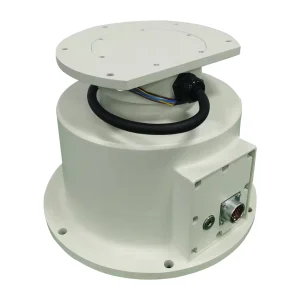
A single-axis horizontal rotator configured for panoramic sweeps and long-range radar applications.
View SpecificationsDeveloping next-generation positioning technology to meet evolving environmental and computational demands.
Integrating intelligence directly into the motor driver unit to process video feeds at the edge, enabling low-latency, autonomous target tracking without central processing lag.
Optimizing power consumption with sleep-state functions to support remote operations powered by off-grid solar setups and Starlink-linked monitoring systems.
Developing specialized polymeric seal treatments and coatings to protect internal gears and sensors from acidic gas corrosion in active volcanic and geothermal areas.
Established in 2005, Blue Icon Technology specializes in the design, engineering, and manufacture of high-quality CCTV surveillance equipment, including pan-tilt heads, long-range laser cameras, thermal imaging units, and dual-vision positioners.
Operating out of our 10,000 m² manufacturing facility, we invest 10% of our annual revenue into R&D. With over 50 national patents, we supply robust positioning hardware to integrators in over 50 countries worldwide.
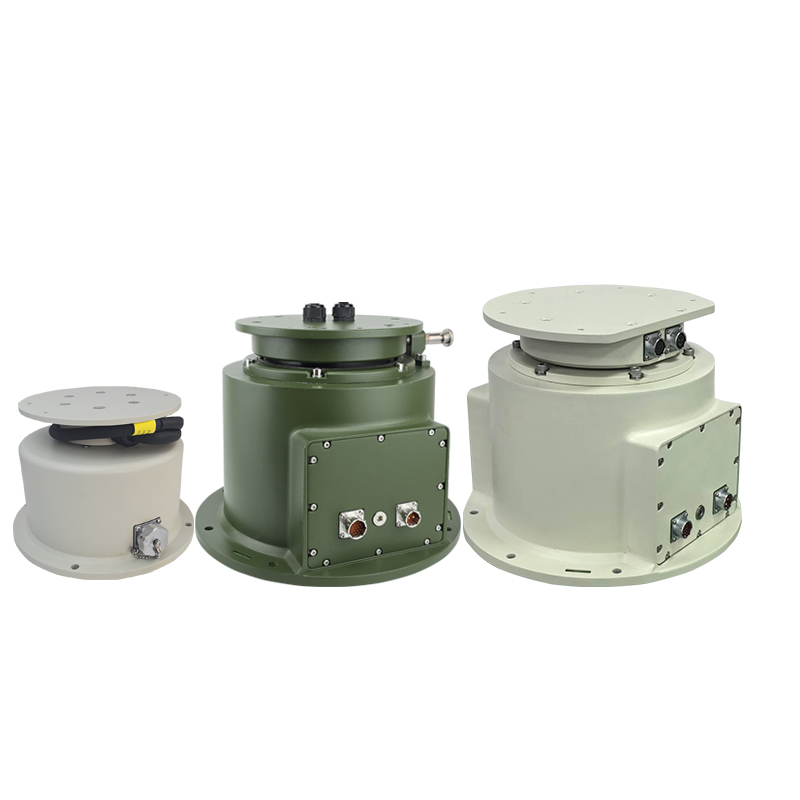
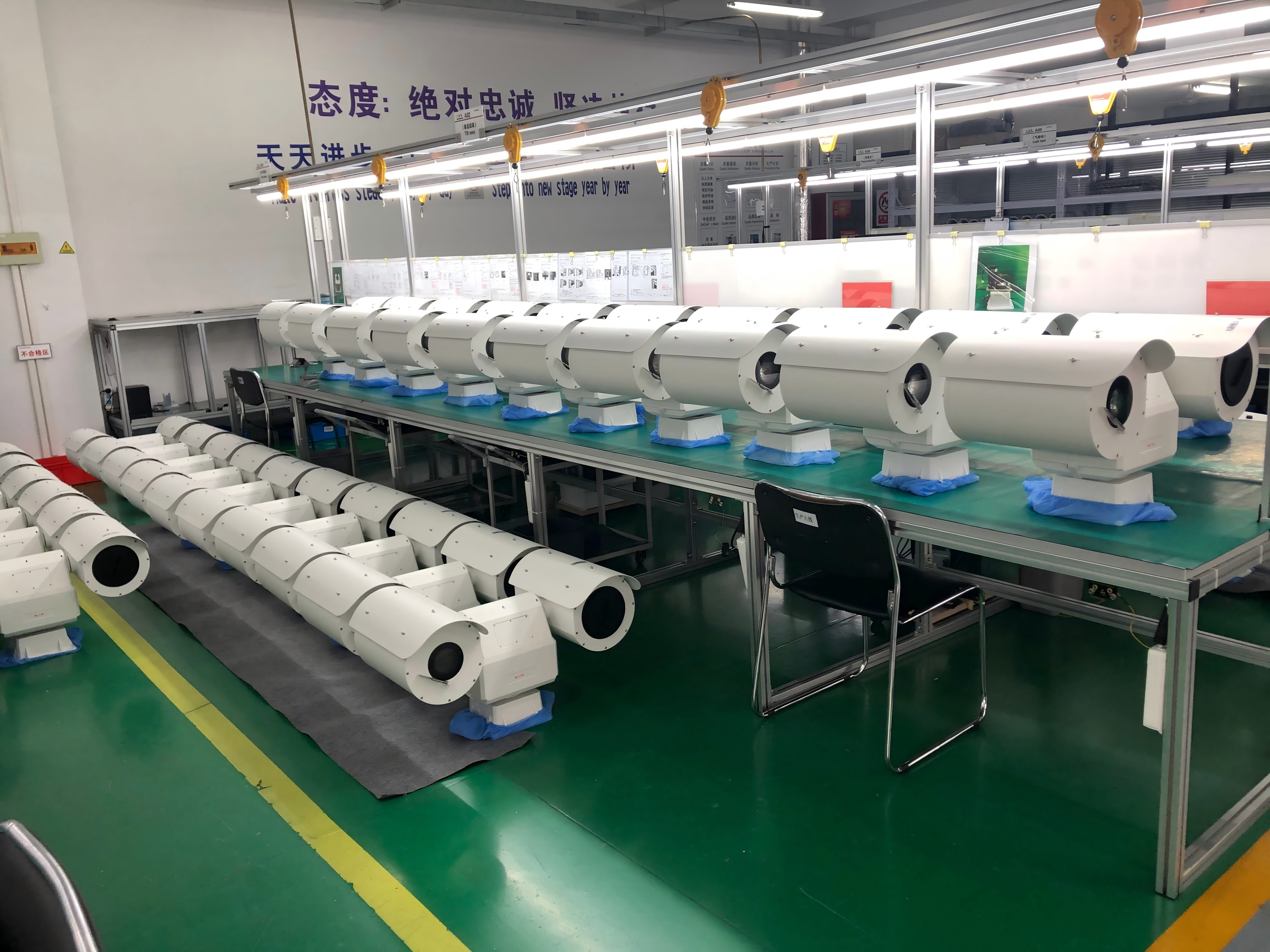
A look at our machining shops, testing chambers, and assembly lines, ensuring reliable build quality.
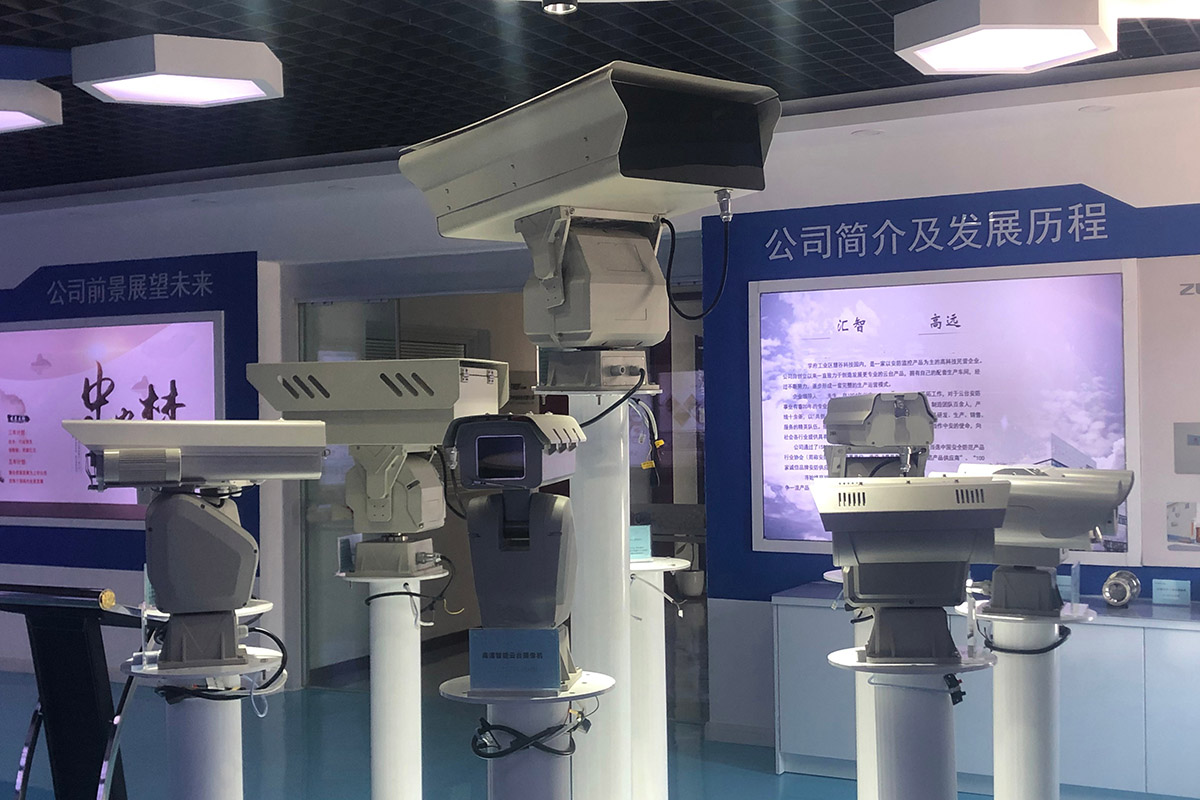
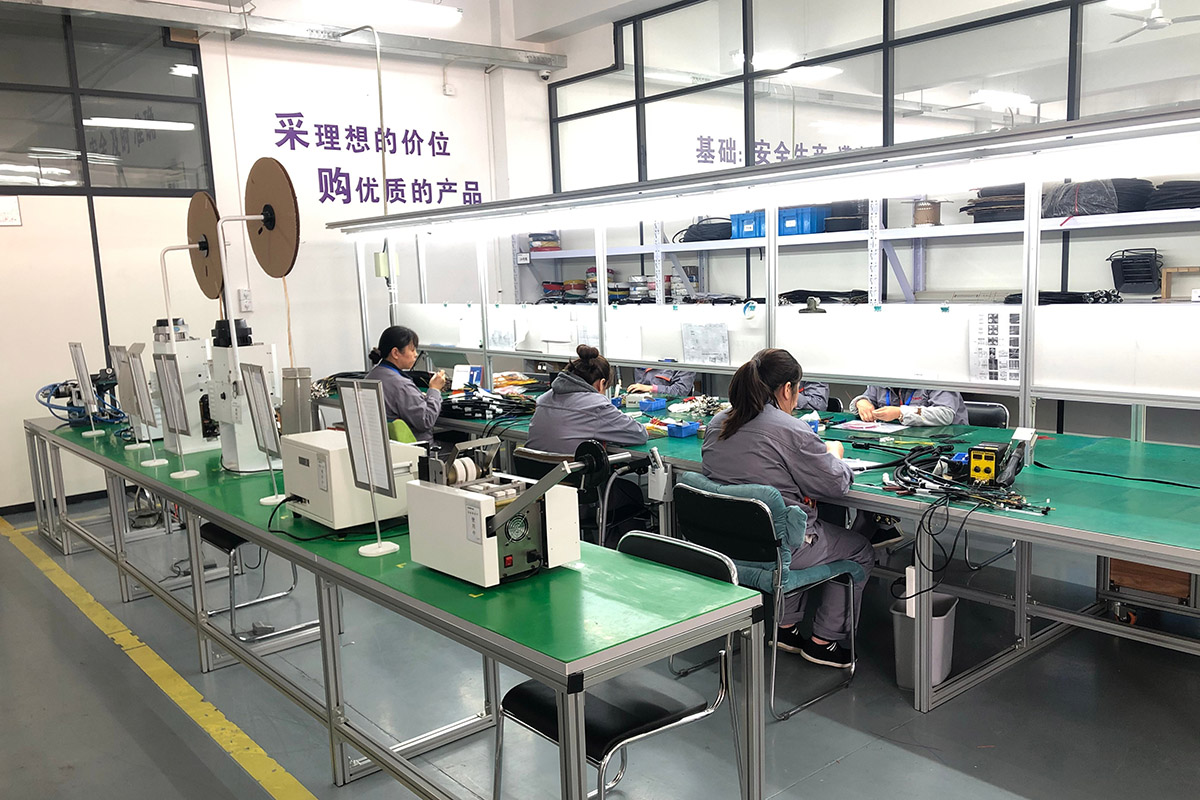
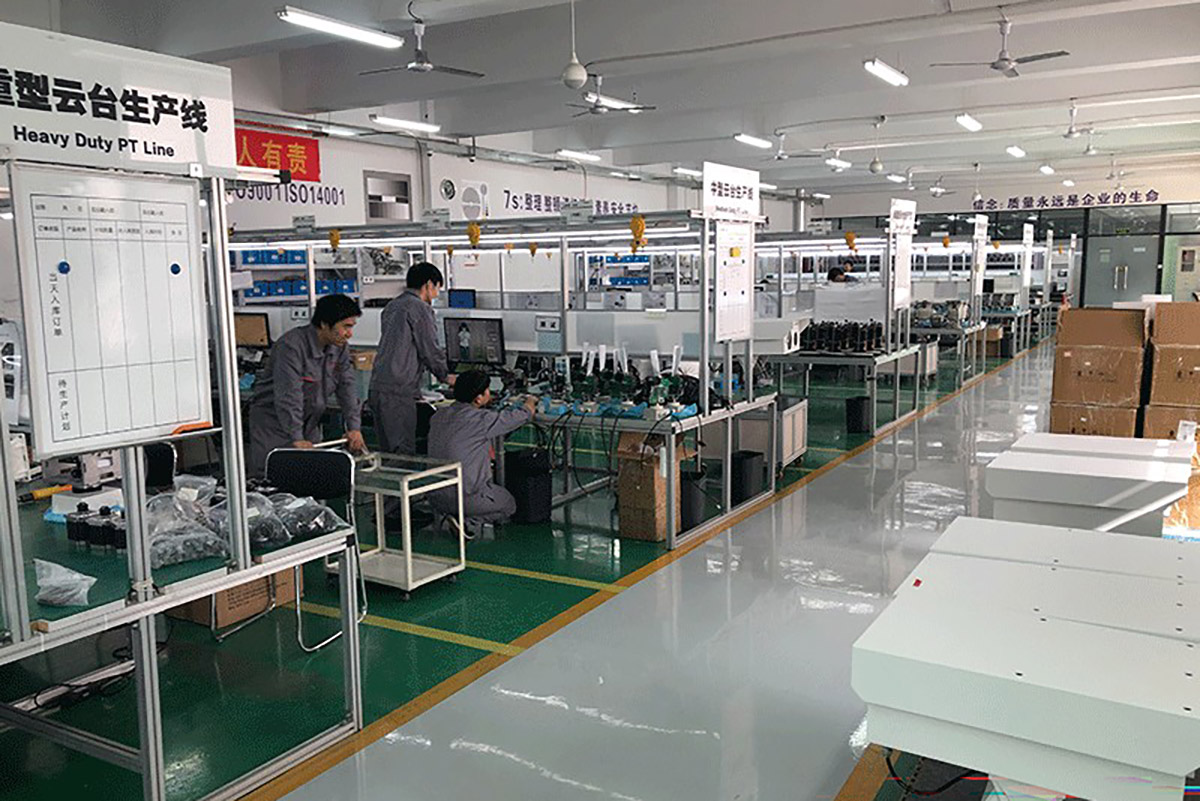
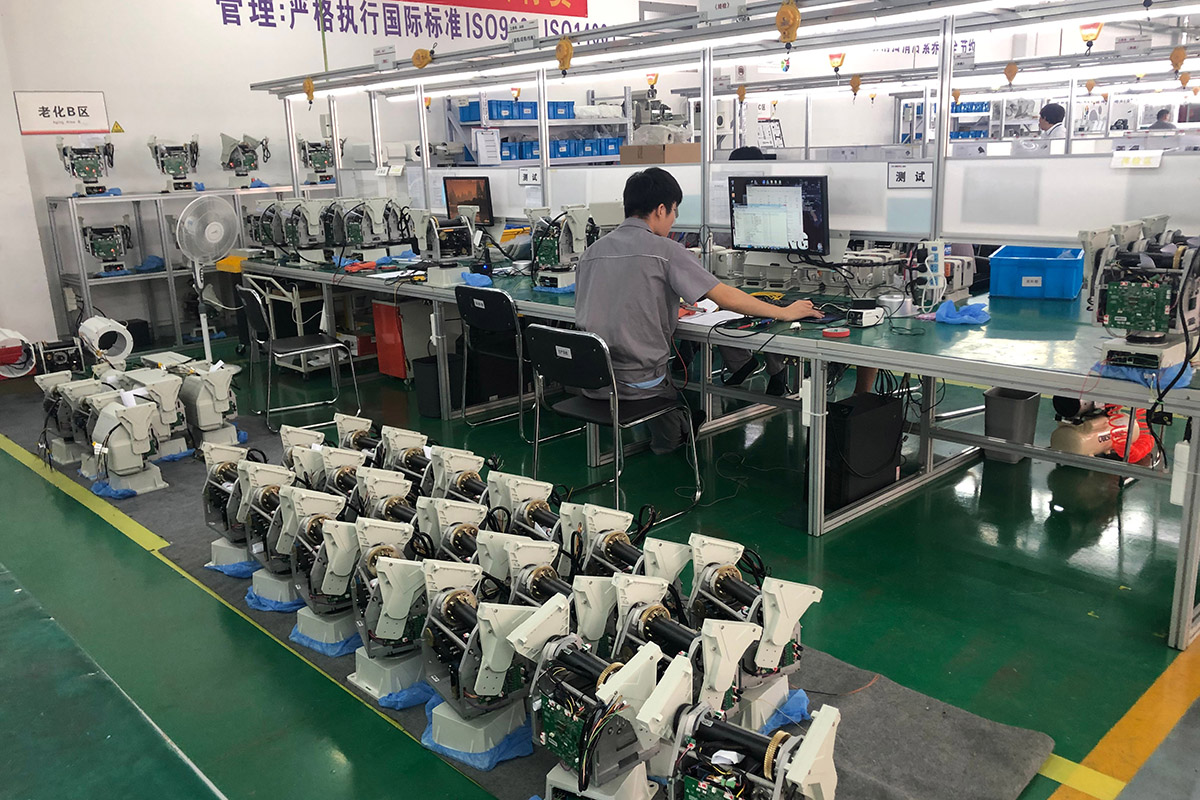
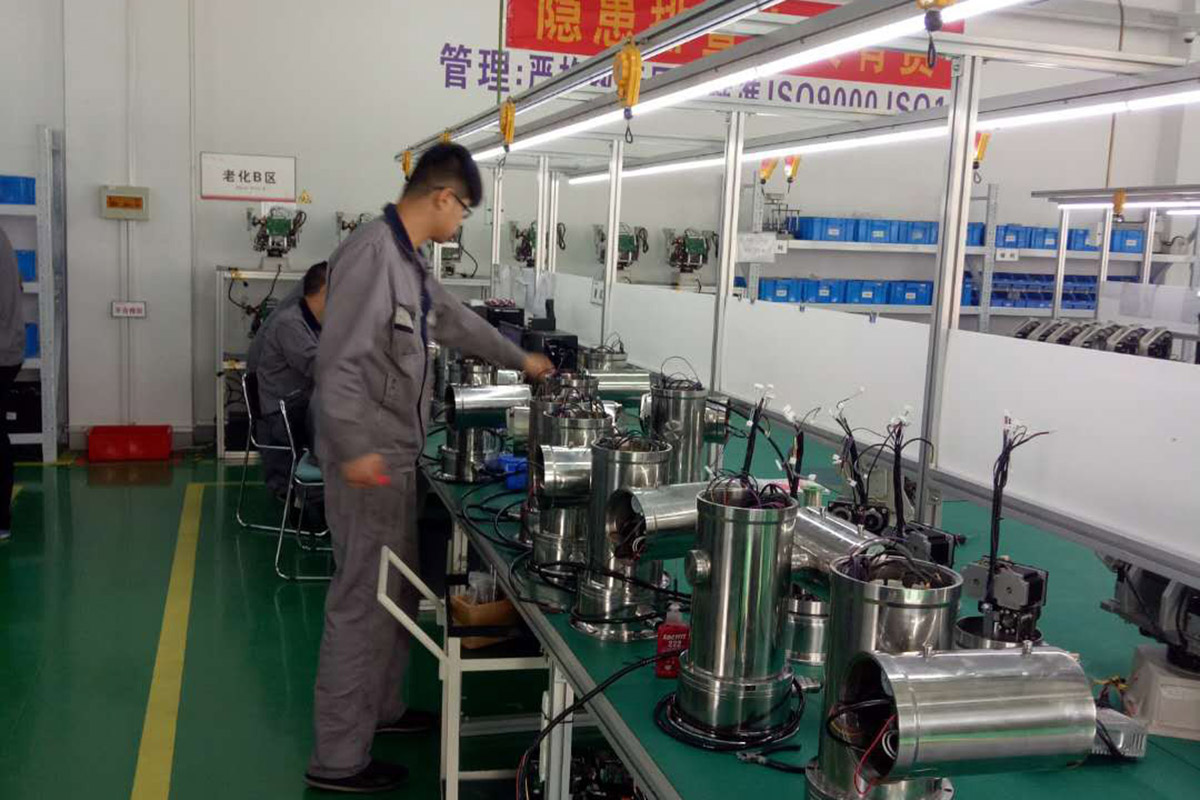
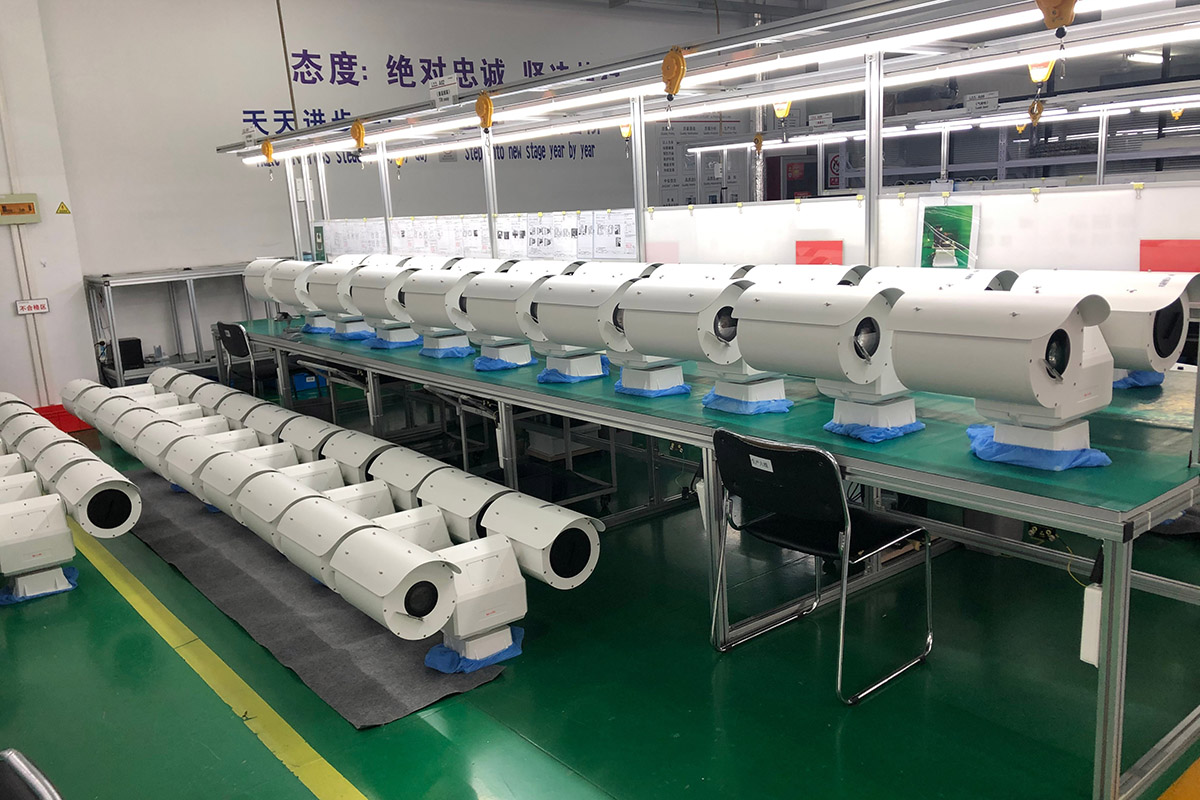
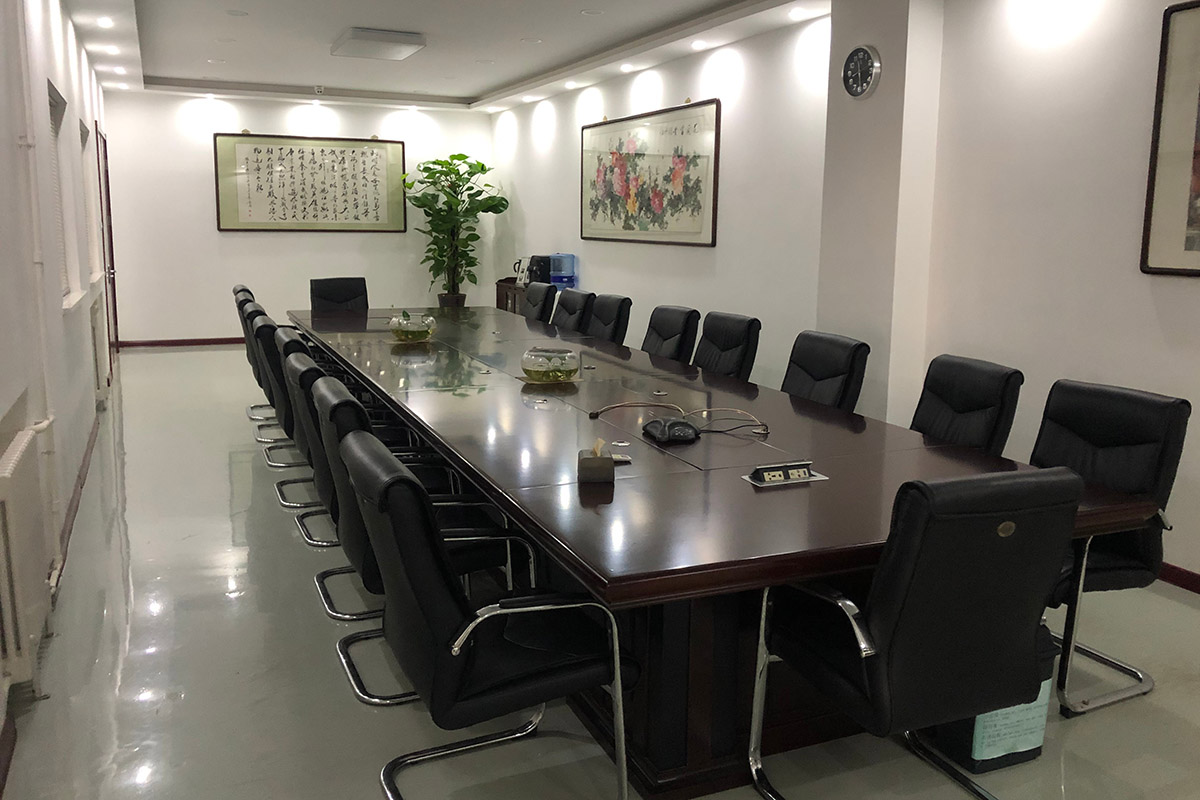
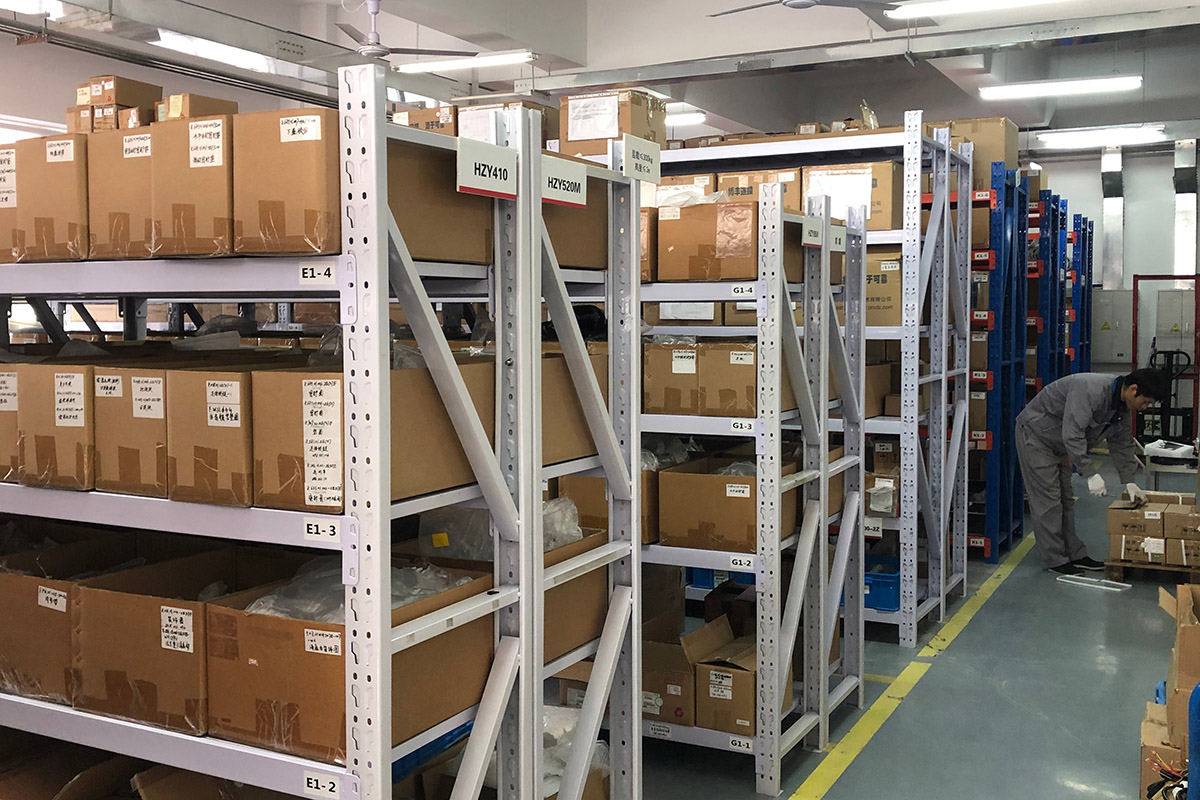
Our equipment is designed and tested to perform under harsh conditions, meeting strict standards across five continents. We work closely with New Zealand security integrators and marine surveyors to ensure easy physical and electrical integration into local telemetry structures.
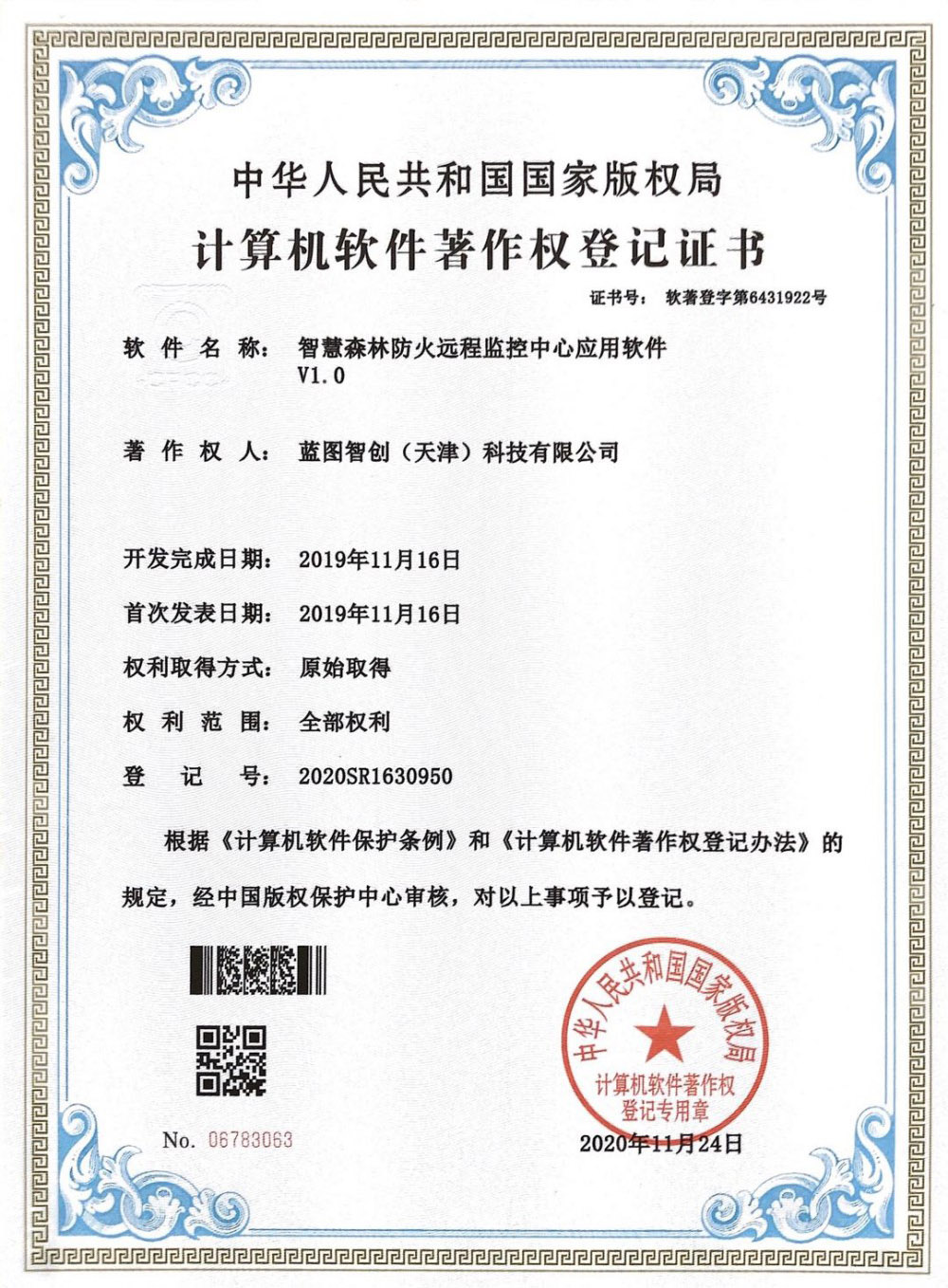
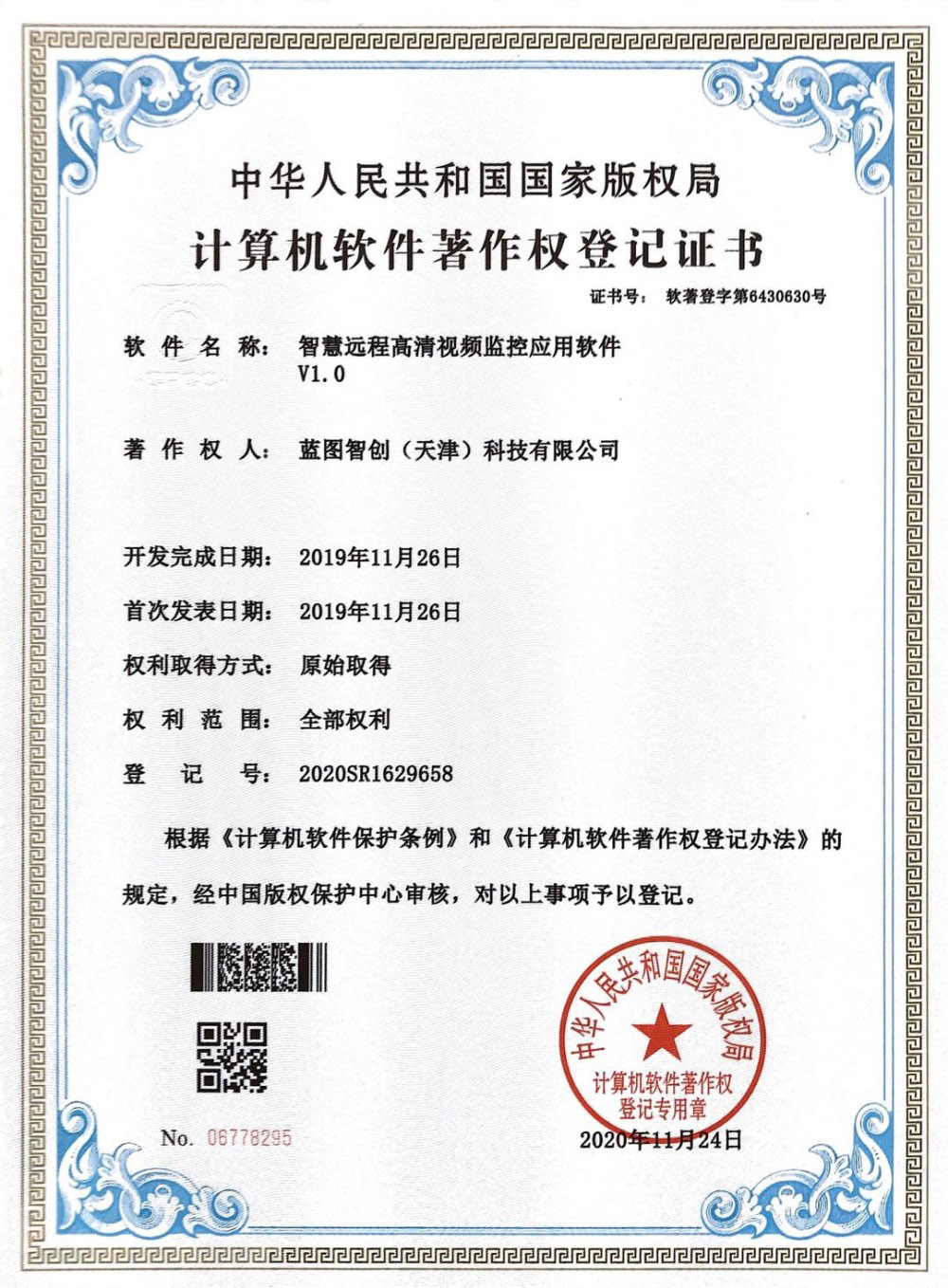
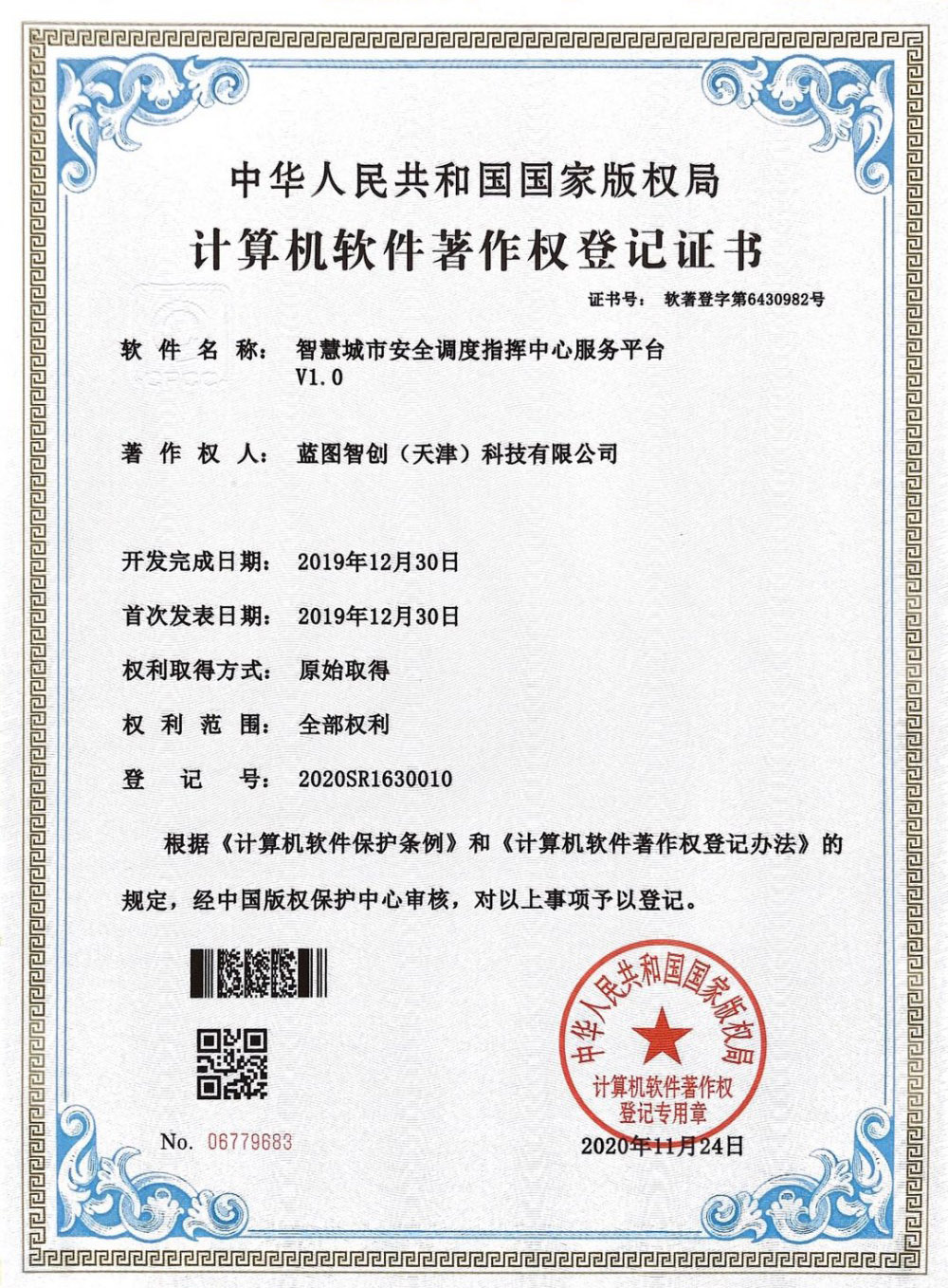
We maintain an active sales and service network across 50 countries, providing remote technical support, spare parts availability, and engineering consulting for complex projects.



Technical analyses and guides to help optimize the deployment of outdoor positioning systems.
A guide on selecting positioners for coastal environments, focusing on seal materials, protective coatings, and anti-condensation designs.
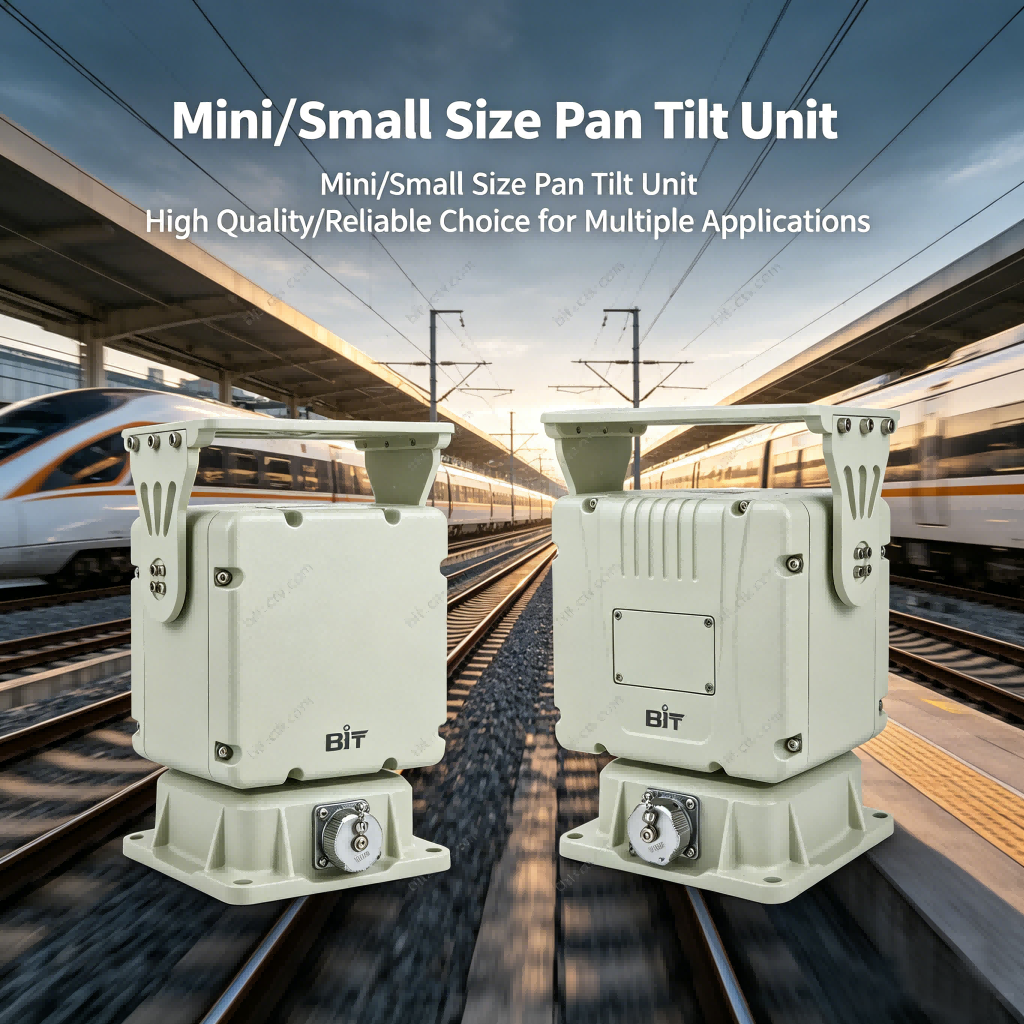
An analysis of compact positioner configurations, comparing worm gear dynamics and power management for remote telemetry stations.
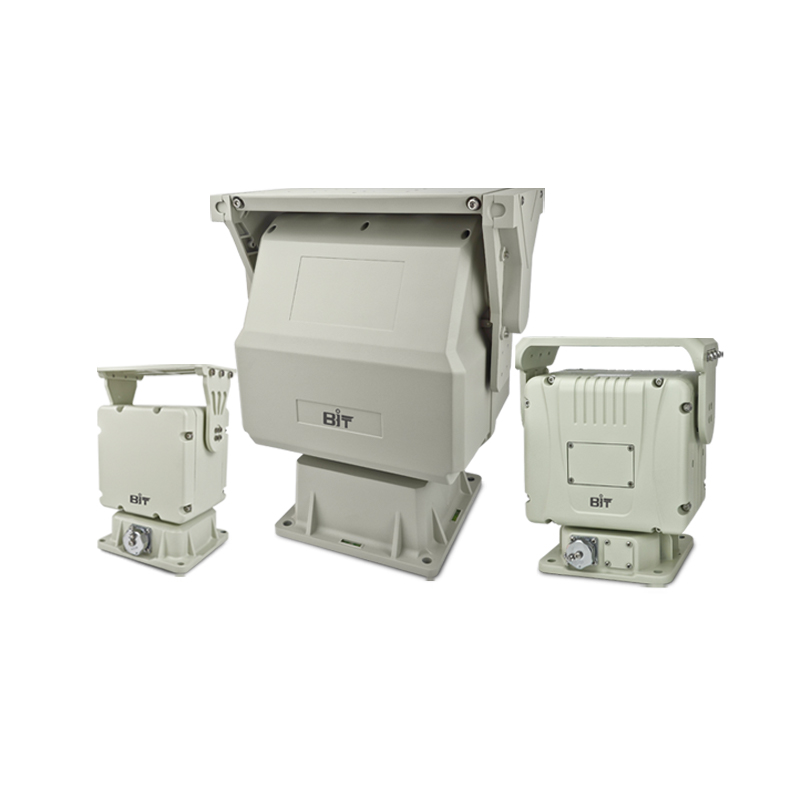
A review of pan tilt classification systems based on load torque, transmission architecture, and ingress protection ratings.
Answers to common engineering questions regarding deployment in challenging environments.
Our pan tilt units utilize self-locking worm gear drives. Unlike direct-drive options, worm gears prevent back-driving when exposed to high external forces. This locking force helps maintain camera alignment and reduces stress on the motor assemblies during wind gusts up to 140 km/h.
We treat our maritime enclosures with a multi-stage C5-M marine-grade coating system. This process includes chromate priming followed by a corrosion-resistant powder finish. Critical hardware, connectors, and mounting shafts are machined from marine-grade 316 stainless steel to prevent galvanic corrosion.
For alpine deployments, we equip our units with internal heating elements controlled by a built-in thermostat. The heaters activate when internal temperatures drop below 0°C, keeping the lubricants fluid and preventing ice buildup on the rotational axis seals.
Yes, our systems meet the CE and RCM requirements under AS/NZS CISPR standards. The internal electronics are shielded within cast aluminium enclosures to prevent electromagnetic interference (EMI) with adjacent communication equipment.
Yes. Many of our units are available in low-power 24VDC configurations. They can be integrated with programmable standby modes to minimize battery draw, making them suitable for off-grid environmental monitoring stations.
Contact our engineering team to review load calculations, environmental challenges, interface protocols, and custom coating requirements for your project.
Send Inquiry Now